
Facing a theft charge in Walnut Creek can be overwhelming, especially when your job, reputation, and freedom may be at stake. The Law Office of Nabiel C. Ahmed represents people accused of Theft and Other Crimes throughout Contra Costa County and Alameda County, with a focused understanding of how local courts handle these cases. Whether you are dealing with shoplifting, petty theft, grand theft, or an allegation tied to another offense, you deserve attentive guidance, straightforward advice, and a defense strategy tailored to your situation.
Theft charges in California cover a wide range of situations, from a misunderstanding at a Walnut Creek retail store to allegations involving significant property or financial loss. Even a first arrest can have long‑lasting consequences, including immigration problems, employment issues, and professional licensing concerns. Our firm is committed to helping you understand where you stand, what options you have, and how to move forward. With focused representation and clear communication, we work to protect your record and pursue the most favorable outcome available under the circumstances.
Working with a theft lawyer for a Walnut Creek case can be the difference between a conviction that follows you for years and a resolution that protects your future. A knowledgeable defense attorney can evaluate police reports, surveillance footage, witness statements, and store security practices to identify weaknesses in the prosecution’s case. You may have lawful defenses, such as lack of intent, mistaken identity, or ownership claims, that are not apparent at first glance. Effective legal guidance can help you pursue charge reductions, dismissals, or diversion programs, while also limiting collateral consequences that often catch people by surprise.
At the Law Office of Nabiel C. Ahmed, criminal defense is the core focus, and theft cases make up a significant part of the firm’s work in Walnut Creek, Oakland, and surrounding communities. The firm has handled a wide variety of Theft and Other Crimes, from low‑level shoplifting to complex felony theft charges, in both Contra Costa County and Alameda County courts. This experience with local judges, prosecutors, and court procedures allows the firm to provide realistic expectations and practical strategies. Clients receive attentive communication, thorough case review, and a determined approach aimed at protecting their rights at every stage.
Theft accusations can arise from many everyday situations, including retail store incidents, disputes between acquaintances, or misunderstandings involving borrowed property or finances. In Walnut Creek, these cases are prosecuted under California theft laws, which consider the value of the property, how it was taken, and whether force, threats, or deceit were involved. Some charges are misdemeanors, while others can be filed as felonies with potential jail or prison time. Knowing the type of theft charge you face and how it fits into California law is an important first step in planning an effective defense.
When you are charged with theft, you are not just dealing with possible fines or custody time. A conviction can affect your career, housing options, education opportunities, and even your ability to hold certain professional licenses. Insurance, financial aid, and immigration status can also be impacted. An attorney who regularly handles Theft and Other Crimes can help you understand these risks and craft a legal strategy that aims to reduce or avoid long‑term harm. Through careful investigation, negotiations, and courtroom advocacy, your lawyer works to protect both your immediate interests and your future.
In California, theft generally involves unlawfully taking someone else’s property or services with the intent to deprive the owner of it permanently or for an extended period. This can range from shoplifting items at a Walnut Creek store to allegedly embezzling funds from an employer. The law separates theft into categories such as petty theft, grand theft, and theft by false pretenses, each with its own potential penalties. The value of the property, the method used, and your prior record play a major role in how the case is charged. Understanding these distinctions can help shape a targeted defense plan.
Every theft prosecution involves certain elements that the District Attorney must prove beyond a reasonable doubt, including that property belonged to someone else, it was taken without consent, and there was an intent to steal. The court process usually begins with an arrest or citation, followed by arraignment, pretrial hearings, negotiations, and possibly a trial. Along the way, your lawyer can challenge the evidence, file motions to suppress unlawfully obtained proof, and advocate for dismissal or reduction. In Walnut Creek, familiarity with local procedures and court expectations can help ensure that no available opportunity for a better outcome is overlooked.
The language used in theft cases can feel confusing, especially if this is your first time dealing with the criminal courts in Contra Costa County. Understanding common terms can make the process less intimidating and help you participate more confidently in your defense. Words like petty theft, grand theft, diversion, and priorable offense carry real consequences for how your case is handled and what penalties you might face. Clarifying these definitions with your attorney early on can improve communication, reduce anxiety, and allow you to make informed decisions about plea offers and trial options.
Petty theft in California generally refers to the unlawful taking of property valued at nine hundred fifty dollars or less. Common examples in Walnut Creek include shoplifting clothing, cosmetics, or small electronics from local retailers. Although labeled “petty,” the consequences are anything but minor, as a conviction can result in fines, probation, or jail time, and it may show up on background checks. Sometimes these cases can be resolved through diversion, civil compromise, or reduced charges, particularly if you have little or no prior record and your attorney can highlight mitigating circumstances.
Grand theft typically involves property worth more than nine hundred fifty dollars, or particular types of property such as certain cars, firearms, or agricultural products. In Walnut Creek, grand theft can be charged as either a misdemeanor or a felony depending on the facts and your history. Felony grand theft carries the risk of significant jail or prison exposure and long‑term consequences for employment and licensing. Because of the higher stakes, careful examination of valuation, ownership, and intent issues is especially important, as is exploring every opportunity for reduction to a lesser offense or alternative resolution.
Shoplifting in California involves entering a commercial establishment during regular business hours with the intent to steal property worth nine hundred fifty dollars or less. Many Walnut Creek cases arise from mall stores, big‑box retailers, or boutiques that maintain aggressive loss‑prevention policies. Security staff may detain people, search bags, or demand written statements, sometimes leading to misunderstandings or exaggerated allegations. A shoplifting charge can sometimes be negotiated down, dismissed, or handled through diversion, particularly for first‑time offenders. Your attorney can review surveillance video, witness accounts, and store procedures to challenge the prosecution’s version of events.
Diversion is a process that allows some people charged with theft to complete conditions such as classes, counseling, community service, or restitution in exchange for dismissal or significant reduction of charges. In Walnut Creek and other Contra Costa County courts, diversion programs can be especially valuable for students, professionals, and others who are focused on protecting their records. Not everyone qualifies, and the terms must be carefully negotiated. A defense attorney can assess your eligibility, present your background in a favorable light, and work to structure a diversion agreement that aligns with your goals and circumstances.
When facing a theft charge in Walnut Creek, you may have several paths forward, including informal resolution with the store, pre‑filing intervention, diversion, plea agreements, or taking the case to trial. Each option carries different risks and benefits depending on the strength of the evidence, your prior history, and personal priorities. Some clients place the highest value on avoiding a conviction, while others prioritize avoiding jail or protecting professional licenses. A thoughtful comparison of all available avenues, guided by an attorney’s insight into local court practices, can help you choose a strategy that fits your life.
In some Walnut Creek theft cases, a narrower approach focused on negotiation and mitigation can be effective. This is often true when the property value is low, you have no prior record, and there is clear willingness to make restitution. Under these circumstances, a lawyer may concentrate on presenting positive aspects of your background, highlighting the isolated nature of the incident, and negotiating directly with the prosecutor for diversion or a reduced offense. Even with a limited strategy, it is still important to review the evidence, but the emphasis may be on early resolution rather than extensive litigation.
When the evidence in a theft case appears strong and the risks of trial are high, a focused strategy aimed at damage control may serve your interests. In these situations, the defense may center on minimizing penalties, avoiding custody, and protecting professional and immigration consequences rather than aggressively contesting every factual issue. Your attorney can still explore legal defenses and evidentiary challenges, but the primary goal may be negotiating a plea that preserves your record as much as possible. This kind of measured approach can reduce stress and uncertainty while still safeguarding your long‑term future.
Felony theft accusations or claims involving substantial property value call for a thorough and wide‑ranging defense plan. In Walnut Creek, these cases may expose you to lengthy jail or prison sentences, restitution orders, and lasting damage to your reputation. A comprehensive strategy often involves detailed investigation, review of financial records, examination of surveillance footage, and consultation with relevant witnesses. Your attorney may file motions challenging the way evidence was obtained, contest valuation of property, and push back on overcharging. This level of effort is intended to uncover every possible avenue for reduction, dismissal, or favorable resolution.
Theft offenses are often treated as crimes involving moral turpitude, which can create serious problems for immigration status, professional licensing, and certain careers. If you are a non‑citizen, a licensed professional, or someone seeking a sensitive position, a comprehensive defense becomes especially important. Your lawyer can coordinate with immigration or licensing counsel when needed, evaluate collateral consequences of different plea options, and negotiate for resolutions that reduce long‑term harm. In Walnut Creek and across Contra Costa County, this careful approach can make a meaningful difference in protecting your future beyond the courtroom outcome alone.
Taking a comprehensive approach to a Walnut Creek theft case means looking beyond the police report and considering every angle that might help your defense. This can include obtaining additional video footage, interviewing witnesses the police overlooked, collecting digital records, and examining your personal circumstances leading up to the incident. Thorough preparation allows your attorney to challenge assumptions, identify inconsistencies, and present a fuller picture of who you are. This can be invaluable in negotiations with prosecutors and in courtroom presentations, increasing the chances of a favorable resolution, reduced charges, or alternative sentencing options.
A broad strategy also helps ensure that potential collateral consequences are addressed early. Theft convictions can affect immigration status, housing, professional licensing, and employment prospects, sometimes in ways that are not obvious at first. By considering these issues from the outset, your lawyer can structure negotiations and advocacy with your long‑term goals in mind, not just the immediate outcome. In Walnut Creek and throughout Contra Costa County, this thoughtful, big‑picture method of defense can provide peace of mind and help you move forward with greater stability and confidence after a difficult experience.
When a theft case is thoroughly investigated and carefully prepared, your attorney enters negotiations from a position of strength. Prosecutors in Walnut Creek are more likely to consider dismissals, reductions, or diversion when they see that the defense is ready to challenge weak points, present favorable evidence, and proceed to trial if necessary. Detailed preparation may reveal gaps in the prosecution’s case, such as unclear surveillance footage, unreliable witnesses, or questionable identification methods. Highlighting these issues early can lead to more favorable offers, giving you greater control over how your case is resolved.
A comprehensive theft defense does more than address immediate criminal penalties; it also prioritizes your long‑term future. By digging into how a potential conviction could affect your immigration status, career, or educational path, your lawyer can seek resolutions that minimize damage to your record. This might involve negotiating for offenses that carry fewer collateral consequences, pursuing diversion or dismissal, or structuring plea terms carefully. For Walnut Creek clients, this forward‑looking mindset helps ensure that a single accusation does not define the rest of their lives, allowing them to move past the case with greater stability.

After a theft arrest or accusation in Walnut Creek, it is natural to feel anxious and want to explain yourself. However, statements to store security, police officers, or alleged victims can be misunderstood or used against you. Remaining calm and politely declining to answer questions until you have spoken with a lawyer is often the safest approach. Avoid posting about the incident on social media, and do not contact witnesses directly. Instead, gather any receipts, messages, or documents that might be helpful, and share them privately with your attorney so they can be evaluated strategically.
Sometimes theft allegations are connected to underlying challenges such as financial stress, mental health concerns, substance use, or relationship problems. Taking proactive steps to address these issues can help in your personal life and may also improve your legal outcome. In Walnut Creek, judges and prosecutors often consider whether someone is making positive changes when deciding how to resolve a case. Your attorney can point to counseling, support groups, employment progress, or educational efforts as mitigation, showing that the incident does not define you and that you are committed to moving in a better direction.
Even if your theft charge seems minor, the consequences of handling it alone can be significant. A conviction can appear on background checks, affect current or future jobs, and impact professional or educational opportunities. Consulting with a Walnut Creek theft lawyer gives you a chance to understand the charges, possible penalties, and any defenses you may have. An attorney can communicate with the court and prosecutor, help you avoid missteps, and often pursue outcomes that are not obvious to someone unfamiliar with the system. Early legal guidance frequently opens doors that might otherwise remain closed.
For those facing more serious accusations, such as felony theft or multiple prior cases, the risks increase dramatically. Jail or prison exposure, immigration issues, and damage to your reputation become real concerns. A lawyer who regularly handles Theft and Other Crimes in Contra Costa County can navigate local procedures, advocate for reduced charges, and fight for alternatives to incarceration where possible. Even when the evidence seems strong, there may be weaknesses or legal issues that can be used to your advantage. Seeking representation quickly allows your defense to begin before important opportunities are lost.
Theft charges in Walnut Creek arise from many different situations, some involving misunderstandings and others involving more serious allegations. People may be detained at retail stores for suspected shoplifting, accused by employers of taking property or funds, or involved in disputes over borrowed items that escalate into criminal complaints. Online transactions, shared living arrangements, and complicated business relationships can also lead to confusion about ownership and consent. No matter how your situation developed, it is important to treat the charge seriously and consult with an attorney who can help separate misunderstandings from true criminal conduct.
Many Walnut Creek theft cases begin when store security or loss prevention staff allege that someone concealed merchandise, switched price tags, or left the store without paying. These situations can be emotionally charged and sometimes involve aggressive questioning or pressure to sign written statements. Surveillance footage may not show the full context, and honest mistakes can appear suspicious. A defense attorney can obtain and review the video, evaluate whether store personnel followed the law when detaining you, and challenge any unreliable statements. Frequently, careful investigation reveals room for negotiation, reduced charges, or non‑criminal resolutions.
Accusations of theft from an employer, co‑worker, or business partner can have serious consequences for your career and reputation. In Walnut Creek and the surrounding area, these cases sometimes involve disputed access to accounts, inventory shortages, or questions about who was authorized to handle property. Employers may move quickly to involve law enforcement, but their internal investigations are not always complete or fair. A defense lawyer can scrutinize the financial records, security procedures, and chain of custody to determine whether there is another explanation for the claimed loss. Protecting your job prospects and good name becomes a central focus.
Theft allegations sometimes stem from disagreements among friends, roommates, or family members over borrowed items, shared accounts, or joint purchases. What starts as a personal dispute can quickly become a criminal case if someone calls the police in the heat of the moment. In Walnut Creek, prosecutors may still file charges even if the complaining witness later regrets making a report. Your attorney can present the relationship history, communications, and context to show that the situation was a misunderstanding or civil dispute rather than a crime, often seeking dismissal or reduction by highlighting these personal dynamics.
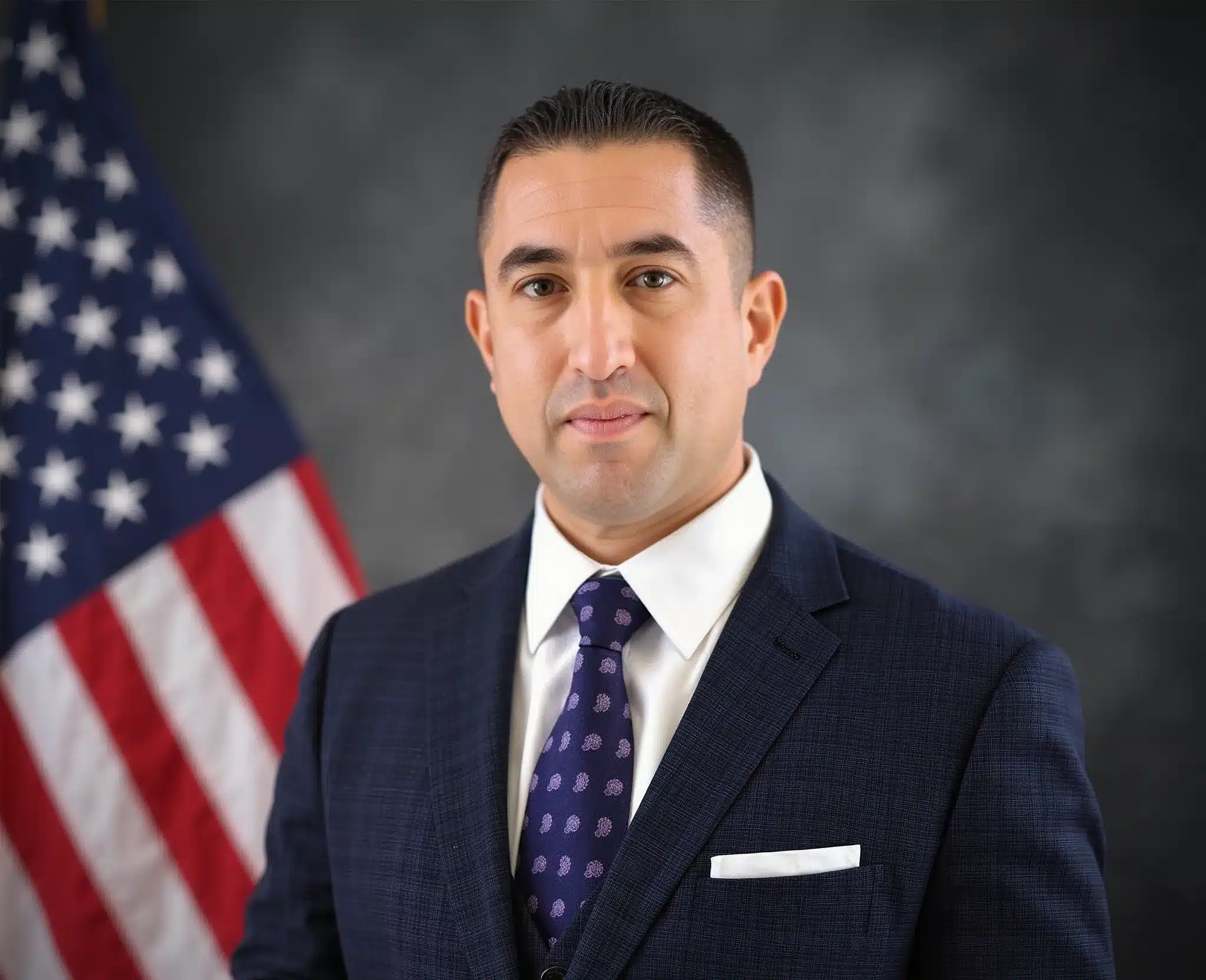
The Law Office of Nabiel C. Ahmed understands how stressful a theft charge can be for you and your family. From the first call, our goal is to provide clear guidance and steady support while we work to protect your rights. We take time to listen to your concerns, explain the court process, and outline realistic options. Whether your case arises in Walnut Creek, Oakland, or elsewhere in Contra Costa or Alameda County, you do not have to face it alone. With focused, determined representation, we aim to help you move past this situation and regain a sense of control.
Choosing the right law firm for a Walnut Creek theft case can significantly influence both your experience and the outcome. At the Law Office of Nabiel C. Ahmed, criminal defense is a primary focus, with extensive work on Theft and Other Crimes throughout Contra Costa and Alameda Counties. The firm understands how local courts handle these cases and what strategies can resonate with judges and prosecutors. Clients receive personal attention, straightforward communication, and a customized defense plan tailored to the facts of their case and their individual goals, rather than a one‑size‑fits‑all approach.
Our office is committed to thorough preparation, persistent negotiation, and strong advocacy in the courtroom when needed. We recognize that a theft charge can threaten careers, immigration status, and family stability, so we treat every case with the seriousness it deserves. From reviewing video and witness statements to arguing motions and presenting mitigation, we focus on achieving the best achievable result. When you contact our firm, you can expect honest advice about your options and a defense that is designed to protect your future, not just resolve the case as quickly as possible.
When you reach out to the Law Office of Nabiel C. Ahmed about a theft charge, we begin by listening. We gather your side of the story, review any paperwork you received, and explain what to expect from the court process in Walnut Creek or elsewhere in Contra Costa County. From there, we obtain police reports, surveillance footage, and other evidence, looking closely for weaknesses or inconsistencies. Throughout the case, we keep you informed, discuss strategy, and prepare you for hearings. Our goal is to combine detailed case work with clear communication so you feel supported at every step.
The first stage in handling a Walnut Creek theft case is a thorough consultation and preliminary evaluation of the charges. During this meeting, we discuss what happened from your perspective, review any citations, bail documents, or notices to appear, and gather background information about your work, family, and prior record. This helps us understand both the legal and personal dimensions of your situation. We then explain potential charges, penalties, and defenses in plain language, answer your questions, and outline immediate steps, such as protecting evidence or addressing upcoming court dates, so that you can move forward with a clear plan.
We start by giving you the space to fully describe what led to your theft accusation, including details that may not appear in a police report. Many clients feel embarrassed or worried; we understand and treat every conversation with respect and discretion. By learning about your background, responsibilities, and long‑term goals, we can tailor our approach to fit what matters most to you. This information helps identify potential defenses, mitigation, or misunderstandings. In Walnut Creek theft cases, truly hearing your story often reveals critical details that can shift how the case is approached and resolved.
Once we understand your situation, we analyze the specific theft charges you are facing, whether petty theft, shoplifting, grand theft, or another related offense. We discuss potential consequences, including fines, custody time, probation terms, and collateral impacts such as immigration or employment issues. Our aim is to provide a realistic picture of the risks and possible outcomes so you are not caught off guard later. From there, we prioritize urgent concerns like upcoming court appearances, protective orders, or bail issues, and begin developing a strategy that aligns with your goals and the realities of the Walnut Creek court system.
The next phase focuses on gathering and examining the evidence in your theft case. We request police reports, witness statements, 911 recordings, and store or security footage, and we may conduct our own investigation where appropriate. By reviewing this material closely, we look for inconsistencies, gaps, and legal issues that could benefit your defense. Armed with this information, we enter negotiations with the prosecutor, seeking dismissals, reductions, or diversion opportunities when possible. Throughout this process, we keep you informed and involved so that all decisions reflect your comfort level and long‑term priorities.
A key part of defending theft charges in Walnut Creek is carefully testing the prosecution’s evidence. We examine how security staff or officers conducted the investigation, whether there were any improper searches, and whether identification procedures were fair. Surveillance video is reviewed for clarity and context, and witness statements are checked for changes or contradictions. When appropriate, we file motions to suppress unlawfully obtained evidence or to limit the use of unreliable information. This pressure can expose weaknesses in the case and often improves our position when negotiating, sometimes leading to better offers or even dismissal.
After we understand both the strengths and weaknesses of the evidence, we use that knowledge to advocate for favorable resolutions. In some Walnut Creek theft cases, our focus is on securing dismissal through diversion or pretrial programs. In others, we work to reduce felony charges to misdemeanors or negotiate for lesser offenses that carry fewer long‑term consequences. We present mitigation materials, such as proof of employment, education, counseling, or restitution, to show that you are more than the allegations. Throughout, you remain involved in deciding whether to accept offers or continue pushing for a better outcome.
If negotiations do not produce an acceptable offer, or if you wish to challenge the accusations in court, we move into a litigation‑focused phase. This includes filing pretrial motions to address search and seizure issues, challenge statements, or limit certain evidence. At the same time, we prepare for trial by organizing exhibits, identifying helpful witnesses, and crafting a clear narrative that explains your side. In Walnut Creek, this preparation not only strengthens your position in front of a judge or jury; it can also encourage prosecutors to reconsider their stance and engage in more meaningful negotiations.
Pretrial motions are valuable tools for shaping how a theft case will be presented in court. We may challenge the legality of a stop, detention, or search, question the admissibility of statements, or seek to exclude unreliable identification procedures. If successful, these motions can limit what evidence the prosecutor can use, sometimes significantly weakening the case. In Walnut Creek and other Contra Costa County courts, strong motion practice can shift leverage in your favor. Even when motions are not fully granted, they often clarify issues, preserve arguments for later, and demonstrate a serious commitment to your defense.
Trial preparation involves more than gathering documents; it also means ensuring that you feel ready for what lies ahead. We review possible questions, explain courtroom procedures, and discuss how to present yourself effectively. On the case side, we refine our theory of defense, organize exhibits, and decide which witnesses will help tell your story. Sometimes, this process reveals additional avenues for negotiation, and favorable resolutions arise on the eve of trial. If your Walnut Creek theft case does proceed to trial, thorough preparation helps us present a clear, persuasive narrative on your behalf.
If you are arrested or cited for theft in Walnut Creek, the most important step is to protect your rights. Stay calm, avoid arguing with officers or store security, and decline to answer questions about the incident until you have spoken with an attorney. Anything you say can be used against you later, even if you believe you are just clearing up a misunderstanding. Ask for a lawyer and do not sign written statements without legal guidance. As soon as you are able, contact a theft lawyer who handles cases in Contra Costa County. Bring any paperwork you received, such as a citation or notice to appear, and any receipts or documents related to the property in question. Your attorney can explain the charges, help you understand upcoming court dates, and begin working to protect you. Early legal involvement often leads to better options, including diversion, reductions, or other resolutions that might not be available later.
Whether you face jail for a first petty theft charge depends on many factors, including the value of the property, your background, and the policies of the Walnut Creek court. Many first‑time cases can be resolved through diversion, probation, fines, or community service instead of custody, particularly when your attorney can demonstrate that the incident is out of character and that you are taking steps to make things right. Judges and prosecutors may consider dismissal or reductions when appropriate mitigation is presented. However, there is no guarantee that jail will be avoided, especially if there are aggravating circumstances, such as multiple items, prior incidents, or allegations of organized activity. That is why it is important to consult with a theft defense attorney quickly. A lawyer familiar with Contra Costa County courts can evaluate the specific facts of your case, discuss realistic outcomes, and work to secure an agreement that minimizes or avoids custody whenever possible.
Yes, in many situations theft charges can be dismissed or reduced, depending on the strength of the evidence, your criminal history, and the details of the incident. In Walnut Creek, some clients qualify for diversion programs that lead to dismissal if conditions such as counseling, classes, or restitution are successfully completed. In other cases, a lawyer can negotiate a reduction from a felony to a misdemeanor or for a lesser offense that carries fewer long‑term consequences. Challenging the prosecution’s evidence can also encourage better offers. Every case is different, and there is never a guarantee of a particular result. The key is a thorough investigation and a defense strategy tailored to your circumstances. By reviewing surveillance video, witness statements, and police reports, your attorney may uncover weaknesses or legal issues that justify dismissal or reduction. Even when the evidence appears strong, thoughtful negotiation and presentation of mitigation can significantly improve the outcome compared to simply pleading guilty at the first opportunity.
Under California law, shoplifting typically involves entering an open business during regular hours with the intent to steal property worth nine hundred fifty dollars or less. It is usually charged as a misdemeanor and is often associated with retail stores, malls, and big‑box retailers in communities like Walnut Creek. Other theft charges, such as grand theft or theft by false pretenses, may involve larger amounts, different methods, or more complex schemes and can be charged as either misdemeanors or felonies depending on the circumstances. The distinction matters because shoplifting statutes sometimes provide unique options, such as specific diversion programs or charging rules. For example, conduct that previously might have been filed as commercial burglary may now fall under the shoplifting law, changing potential penalties. A knowledgeable theft lawyer can evaluate which statute the prosecution is using, determine whether that classification is appropriate, and advocate for charges that carry lower exposure and better opportunities for dismissal or reduction where possible.
Yes, a theft conviction will usually appear on background checks, including those used by employers, landlords, and some licensing agencies. Because theft is often viewed as a crime involving dishonest conduct, it can raise concerns for businesses that handle money, property, or sensitive information. In Walnut Creek and across California, even a misdemeanor petty theft can cause obstacles when applying for jobs, housing, or professional opportunities, especially in competitive fields where small differences between applicants can matter. There may be ways to lessen the impact, including seeking dismissal through diversion, negotiating for a reduced or different offense, or later pursuing expungement when eligible. The best time to protect your record is while the case is still active, before a conviction is entered. A theft defense attorney can help you understand how different case outcomes will appear on background checks and work toward resolutions that reduce long‑term harm whenever possible.
Stores and prosecutors often rely heavily on surveillance video in theft cases, but video is not always as clear or conclusive as they suggest. Camera angles may be limited, footage can be grainy, and important context may be missing. In Walnut Creek, your attorney can obtain and review the video, sometimes slow it down or enhance it, and compare it to your account of what happened. In some cases, the footage actually supports the defense, showing ambiguous conduct or contradicting witness statements. Even when the video appears damaging, a careful review may reveal issues with identification, timing, or whether there was intent to steal. For example, it may show confusion at the register, distraction by another customer, or you placing items in a cart rather than leaving with them. Your lawyer can use these details to challenge the prosecution’s narrative, negotiate for better offers, or persuade a judge or jury that the evidence does not prove guilt beyond a reasonable doubt.
Theft offenses can create serious immigration concerns because they are often treated as crimes involving moral turpitude. Depending on your status and history, a theft conviction in Walnut Creek could affect eligibility for certain benefits, trigger removal proceedings, or complicate future applications. Not every case has the same impact, but it is dangerous for non‑citizens to plead guilty without understanding the potential immigration consequences. The safest approach is to inform your attorney immediately about your status so it can be considered in every decision. A defense lawyer can coordinate with immigration counsel when necessary to evaluate how specific charges, plea offers, or sentencing terms might affect you. Sometimes, it may be possible to negotiate for alternative offenses or dispositions that reduce immigration risk, such as diversion or amended charges. Addressing these issues early gives you a better chance of protecting your ability to remain in the United States and pursue your long‑term plans, rather than discovering problems only after the criminal case ends.
In most cases, you should not discuss the details of your theft accusation with police officers, store security, or alleged victims without a lawyer present. Even casual comments can be misinterpreted or taken out of context and later used against you in court. In Walnut Creek, officers and loss prevention personnel are trained to gather statements that support prosecution. Politely stating that you wish to remain silent and would like to speak with an attorney protects your rights and does not make you look guilty. If you have already made statements, do not panic, but be sure to tell your lawyer exactly what was said and to whom. Your attorney can review whether those statements were obtained lawfully and assess their impact on your case. Going forward, all communication about the incident should go through your legal counsel. This approach reduces the risk of unintentionally harming your defense and allows decisions about what to share and when to be made strategically.
The length of a theft case in Contra Costa County varies, but many Walnut Creek cases take several months from the first court appearance to final resolution. Factors that influence timing include whether the case is a misdemeanor or felony, the court’s calendar, the complexity of the evidence, and whether you choose to negotiate a plea or go to trial. Some cases resolve quickly through diversion or negotiated agreements, while others require more time for investigation, motion practice, and preparation. Although it can be tempting to rush the process, taking time to fully review the evidence and explore all options can lead to better outcomes. Your attorney will keep you updated about court dates, deadlines, and strategic choices that may affect timing. While delays can be frustrating, they often provide opportunities for negotiations, participation in counseling or programs, or gathering additional favorable information that can ultimately work in your favor.
The Law Office of Nabiel C. Ahmed assists clients facing theft charges by combining detailed case analysis with practical knowledge of local courts in Walnut Creek, Oakland, and surrounding communities. We review police reports, video, and witness statements, looking for inconsistencies or legal issues that might support dismissal, reduction, or diversion. Throughout the process, we communicate clearly about your options, likely outcomes, and the pros and cons of different strategies, so you can make informed decisions about your case. Beyond challenging the evidence, we also present your background, responsibilities, and positive contributions to show you as a whole person rather than just an accusation. Whether negotiations lead to a favorable agreement or your case proceeds toward motions and trial, we remain focused on protecting your rights and your future. Our goal is to help you move past this difficult period with the strongest outcome available under the circumstances, so you can return your attention to your life and goals.
"*" indicates required fields