
Resisting arrest accusations in Walnut Creek can arise quickly, often from stressful encounters with law enforcement where things escalate in seconds. A single charge can bring the threat of jail, fines, probation, and a damaging criminal record that follows you around Contra Costa County and across California. If you are facing a resisting arrest allegation, you may be worried about what really happened, how it will look in court, and whether anyone will listen to your side of the story. You do not have to navigate this situation alone or guess about your options.
The Law Office of Nabiel C. Ahmed defends people accused of resisting arrest and related offenses throughout Walnut Creek, Alameda County, and Contra Costa County. Our firm works to unpack the facts, review police conduct, and identify defenses that may reduce or even dismiss charges. This page explains how resisting arrest cases work in California, what the prosecution must prove, and how a focused defense strategy can protect your freedom and your future. The goal is to give you clarity so you can take informed, confident steps forward.
Resisting arrest charges often stem from chaotic moments, and police reports usually reflect only one version of events. Having a defense lawyer handling your case in Walnut Creek means someone is scrutinizing evidence, body camera footage, and witness statements rather than simply accepting the arrest narrative. Skilled legal representation can challenge whether you truly obstructed an officer, whether force used against you was reasonable, and whether your rights were violated. The right strategy may lead to reduced charges, diversion, or dismissal, helping protect your record, employment opportunities, and immigration status.
At the Law Office of Nabiel C. Ahmed, criminal defense is the focus of the firm, with years spent representing clients across Alameda and Contra Costa Counties in resisting arrest, theft, and other serious cases. The firm understands how local judges, prosecutors, and law enforcement approach these allegations in Walnut Creek and surrounding communities. That familiarity with local courts allows the defense to anticipate arguments, evaluate plea offers, and build practical strategies tailored to your circumstances. From first-time arrests to cases involving multiple charges, the firm aims to protect your rights at every stage.
In California, resisting arrest is often charged under Penal Code section 148, which covers actions that delay, obstruct, or resist a peace officer performing official duties. Many people are surprised to learn how broad this statute can be, and how quickly ordinary behavior during a tense encounter can be interpreted as resistance. In Walnut Creek, these charges may arise during traffic stops, questioning in public places, or investigations connected to theft and other crimes. Understanding what the law actually requires, and the limits on police conduct, is the foundation of a strong defense.
A resisting arrest allegation does not automatically mean you physically fought with an officer. The prosecution may claim you pulled away, argued, refused commands, or even moved too slowly. However, the law also requires that officers be performing lawful duties and that they follow constitutional limits during contact. If an arrest was unlawful or instructions were unclear, that may significantly affect your case. A careful review of the facts, recordings, and any injuries on either side often reveals gaps or inconsistencies that can be used to challenge the accusation in Walnut Creek courts.
Under California law, resisting arrest usually involves willfully delaying, obstructing, or resisting a peace officer or emergency medical technician while they are lawfully performing their duties. This can include physical struggle, pulling away during handcuffing, or refusing to comply with clear, lawful commands. However, the term is often used loosely at the time of arrest, and officers may apply it when a suspect is confused, frightened, injured, or simply asking questions. In Walnut Creek cases, the defense often focuses on whether your actions were intentional resistance or simply a natural reaction to a stressful situation.
To prove resisting arrest, prosecutors must show that the officer was lawfully performing official duties, that you willfully resisted or obstructed, and that you knew the person was an officer. Each of these elements can be challenged with the right evidence. After an arrest in Walnut Creek, your case moves through arraignment, pretrial hearings, negotiation, and possibly trial. During this process, your attorney can request body camera video, police reports, dispatch logs, and medical records, looking for inconsistencies or rights violations. Strategic motions may suppress evidence or push prosecutors toward a more favorable resolution.
Resisting arrest charges in Walnut Creek often involve legal language that can feel overwhelming at first glance. Understanding a few key terms gives you better control of your situation and makes court proceedings easier to follow. Words like “lawful performance of duties,” “probable cause,” and “use of force” carry specific legal meanings that affect whether your conduct was actually unlawful. This glossary is designed to clarify those concepts and show how they may apply in your resisting arrest case, particularly when the incident is connected to alleged theft or other underlying offenses.
“Lawful performance of duties” refers to an officer acting within the bounds of the law while carrying out official responsibilities, such as conducting a valid traffic stop or making an arrest based on probable cause. If an officer in Walnut Creek detains or searches you without reasonable cause, or continues questioning after you clearly request a lawyer, their actions may fall outside lawful performance. In resisting arrest cases, showing that the officer’s conduct was unlawful can weaken the prosecution’s case, because one required element of the crime may not have been met.
“Use of force” describes the amount and type of physical force officers apply when detaining or arresting someone. In resisting arrest cases, officers may claim additional force was necessary because a person pulled away or refused commands. However, force must still be reasonable under the circumstances and consistent with department policy. In Walnut Creek cases, defense lawyers often review body camera footage, photographs, and medical records to compare what happened with what officers reported. Evidence of excessive or unnecessary force can support defenses, mitigation, or even the dismissal of a resisting arrest charge.
“Probable cause” is the legal standard that requires officers to have facts and circumstances that would lead a reasonable person to believe a crime has been committed. Before making an arrest in Walnut Creek, police must have more than a hunch or suspicion; they need specific observations, statements, or evidence. When resisting arrest charges arise from encounters that lacked probable cause, the defense can challenge the legality of the stop, detention, or arrest. If a court finds there was no valid basis to detain you, key evidence may be suppressed and the case may weaken significantly.
“Obstruction or delay” refers to behavior that interferes with an officer’s ability to perform lawful duties, such as physically blocking an officer, refusing to move, or repeatedly ignoring clear commands. In reality, what counts as obstruction is often disputed, especially when a person is confused, injured, or frightened. In Walnut Creek resisting arrest cases, the defense frequently argues that the accused was simply reacting naturally to pain or fear, rather than intentionally trying to prevent officers from doing their job. Clarifying the difference between confusion and intentional obstruction can be critical to your defense.
When facing resisting arrest charges in Walnut Creek, some people consider handling the case themselves or quickly accepting a plea just to get it over with. Others seek a more thorough approach that examines every aspect of the arrest and the underlying incident. The choice between a limited approach and comprehensive representation can significantly affect your record, future employment, and potential immigration consequences. Understanding how each path works, and the risks attached, helps you decide how to approach your case with your long-term interests in mind, not just short-term convenience or pressure.
In some Walnut Creek resisting arrest cases, the allegations are relatively minor and the person accused has no prior record, strong ties to the community, and supportive documentation such as employment history or counseling. When prosecutors recognize that the conduct was brief, nonviolent, and unlikely to recur, they may be more open to informal agreements, diversion, or minimal penalties. In these situations, a narrower approach that focuses on mitigation and negotiation could be sufficient. However, it is still important to carefully review the facts and understand all potential long-term consequences before deciding.
A more limited defense strategy may sometimes work when evidence is straightforward, the incident is clearly captured on video, and both sides agree on the basic facts. If the resisting arrest charge is tied to a minor underlying offense, and the prosecution offers a resolution that avoids jail and reduces long-term impact, it may make sense to focus on a timely, negotiated result. Even in Walnut Creek cases that seem simple, though, an attorney should still review the evidence, confirm that the offer is reasonable, and ensure you understand court requirements and potential collateral consequences.
A comprehensive defense is especially important when the facts are heavily disputed, you or an officer suffered injuries, or there are concerns about how Walnut Creek police handled the encounter. Allegations of resisting arrest sometimes arise after force is used, as officers attempt to justify their actions. In these situations, it is vital to gather medical records, photographs, body camera footage, and witness accounts to build a complete picture of what actually happened. A thorough review may uncover inconsistencies, policy violations, or constitutional problems that can dramatically strengthen your position in court.
Some resisting arrest cases carry heightened stakes because of the person’s job, professional licensing goals, or immigration status. A conviction in Walnut Creek may affect background checks, security clearances, and future applications for housing or education. Noncitizens face additional worries about how any criminal conviction might be viewed by immigration authorities. When these serious consequences are on the line, a comprehensive defense that analyzes every legal angle, explores diversion or alternative pleas, and prepares for trial if needed becomes especially important. The goal is to protect not just your present freedom, but your long-term opportunities.
A comprehensive defense approach looks beyond the immediate charges to examine how the arrest unfolded, what the officers did, and what evidence supports your version of events. By carefully reviewing body camera footage, radio communications, and witness statements, your attorney can identify weaknesses in the prosecution’s case that a quick plea might overlook. In Walnut Creek, this thorough strategy may lead to reduced charges, alternative resolutions, or even dismissal. It also ensures that your constitutional rights are fully asserted, and that any improper tactics or overreach are brought to the court’s attention.
Taking a broad, deliberate approach also helps you make informed decisions at each stage of your Walnut Creek case. Rather than reacting to pressure at arraignment or the first settlement conference, you receive guidance based on a full picture of the evidence and possible defenses. This can lead to more favorable plea discussions, better conditions of probation, or alternative programs that reduce long-term harm to your record. A comprehensive defense aims to minimize the overall impact of a resisting arrest allegation on your life, your reputation, and your future opportunities in California.
One major advantage of a comprehensive defense is the ability to thoroughly test the prosecution’s version of events. Officers in Walnut Creek may describe actions as aggressive or defiant, but video footage, independent witnesses, or timing of injuries could tell a different story. By comparing reports with objective evidence and highlighting inconsistencies, your attorney can undermine the credibility of key witnesses and argue that the state has not met its burden of proof. This careful, evidence-based challenge often results in better plea offers, reduced charges, or a stronger position if the case proceeds to trial.
A detailed defense strategy often reveals personal circumstances, treatment efforts, or community support that can be used to negotiate more favorable resolutions. In Walnut Creek resisting arrest cases, presenting a complete picture of your background, remorse, and steps taken after the incident can open doors to diversion, community service, or negotiated charges that carry fewer long-term consequences. Prosecutors and judges are more likely to consider alternatives when they see a well-documented plan for moving forward. A comprehensive approach aims not only to fight the allegation, but to help you reach an outcome that lets you rebuild with confidence.


Memories fade quickly after a stressful encounter with police, especially when fear, confusion, or injuries are involved. As soon as you can, write down everything you remember about your Walnut Creek resisting arrest incident, including where you were, who was present, what officers said, and how you reacted. Include details about any pain, injuries, or property damage. Note patrol car numbers, badge numbers, or nearby businesses with cameras if you recall them. This personal record can help your attorney cross-check police reports, locate witnesses, and preserve important details that might otherwise be forgotten over time.
It can be tempting to vent about your arrest on social media or through text messages, especially if you feel you were treated unfairly. However, anything you post or send can be taken out of context and used against you in your Walnut Creek resisting arrest case. Prosecutors and investigators frequently review online accounts, searching for statements that appear to admit wrongdoing or contradict your defense. Instead of sharing details publicly, communicate privately with your attorney, who can advise you about what to say and what to avoid. Protecting your privacy helps safeguard your legal strategy.
Even if a resisting arrest charge seems minor, the consequences can be long-lasting. A conviction in Walnut Creek can impact employment, housing applications, and professional goals, and may appear on background checks for years. Some people hope the situation will resolve itself or assume the court will understand it was a misunderstanding, but the legal system does not work that way. Having a dedicated criminal defense lawyer evaluate your case ensures that your rights are protected, that defenses are explored, and that you are not pressured into a plea that harms your future unnecessarily.
Resisting arrest charges also often involve sensitive issues like use of force, mental health, alcohol, or misunderstandings during tense encounters. Navigating these topics with the court and prosecutors requires careful communication and strategy. An attorney familiar with Walnut Creek and Contra Costa County courts can help present your story in a way that highlights your humanity and the context behind the incident. This can open the door to reduced charges, diversion, or treatment-based resolutions that better reflect your circumstances. Legal guidance helps turn a frightening experience into a managed, strategic process with a clearer path forward.
Resisting arrest charges in Walnut Creek frequently arise in fast-moving situations where emotions run high and communication breaks down. Sometimes the accusation follows a traffic stop that escalates unexpectedly. In other cases, it may be tied to suspected theft from a store, a disturbance call, or a public encounter where alcohol or stress plays a role. People may be frightened, confused, or in pain and react instinctively, only to later learn that officers considered their behavior resistance. Understanding the patterns behind these charges helps your attorney identify defenses that resonate with judges and prosecutors.
Many resisting arrest cases begin with traffic stops in Walnut Creek, such as alleged speeding, broken lights, or suspected impaired driving. A stop may escalate when a driver questions the basis for the detention, reaches suddenly for documents, or reacts nervously to the presence of officers. If police extend the stop into a vehicle search or field sobriety tests, misunderstandings can increase quickly. What officers describe as refusal or resistance may have been confusion or fear. Examining dashcam footage, timing, and officer instructions can reveal whether the contact was lawful and whether your behavior was truly obstructive.
Resisting arrest charges often appear alongside theft or shoplifting allegations, particularly in retail areas of Walnut Creek. Store security may detain someone they suspect of stealing, then call police, leading to a tense handoff when officers arrive. In the confusion, a person may pull away, raise their voice, or try to leave, later facing both theft and resisting arrest accusations. These cases require careful analysis of surveillance footage, store policies, and the timing of events. Your attorney can examine whether store personnel or officers exceeded their authority and whether your actions were actually deliberate resistance.
Another common scenario involves calls about loud gatherings, bar disputes, or individuals behaving erratically in public. Alcohol, stress, or mental health issues can affect how someone responds to commands, making it harder to follow directions clearly. In Walnut Creek, officers arriving at these scenes may quickly interpret delayed compliance, raised voices, or protective movements as resisting. A strong defense looks at the entire context, including witness accounts, prior interactions, and any underlying conditions that explain your behavior. Addressing both the legal issues and personal circumstances can help move the case toward a fair resolution.
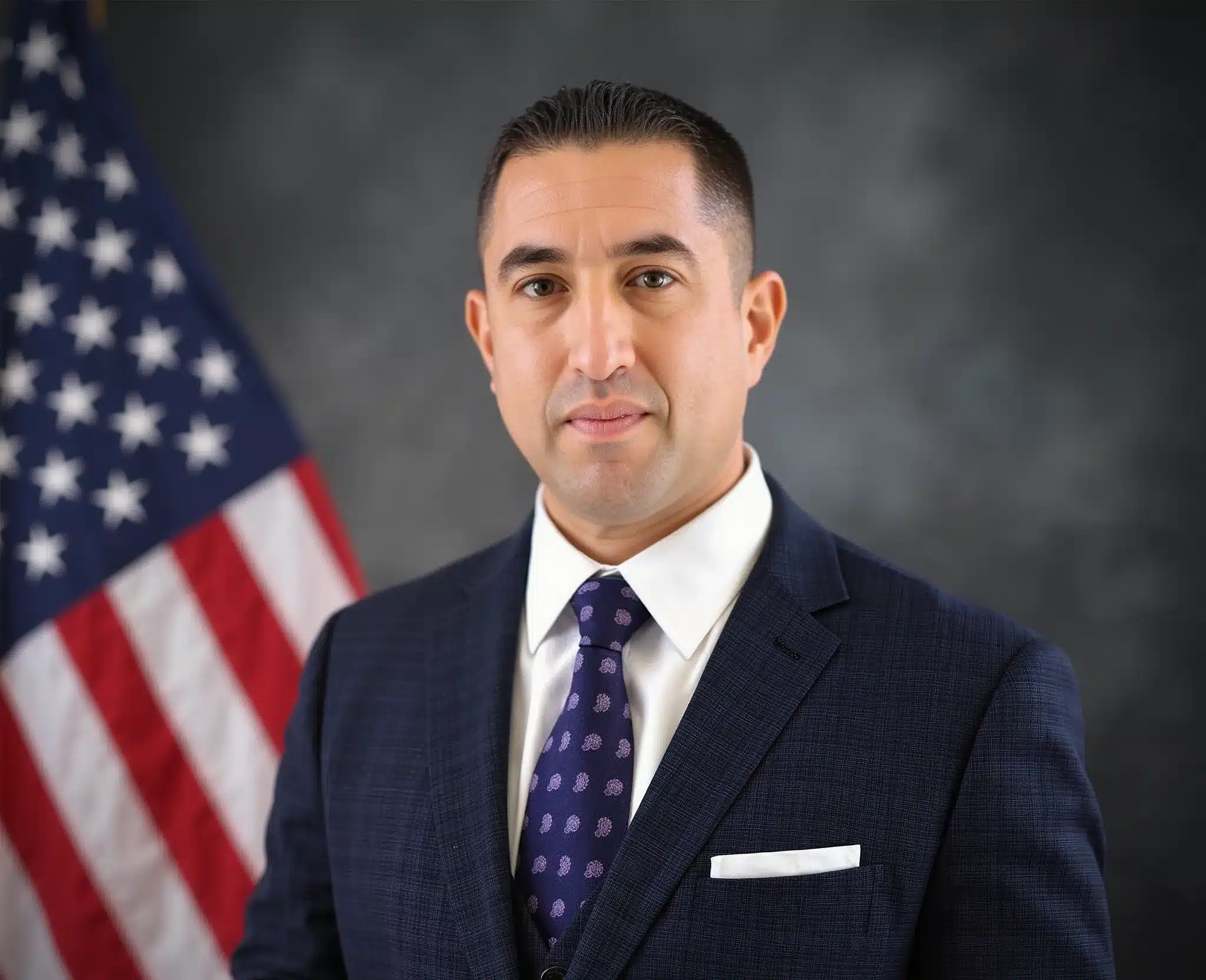
Facing a resisting arrest charge can leave you feeling isolated, anxious, and unsure whom to trust. The Law Office of Nabiel C. Ahmed is committed to guiding individuals in Walnut Creek through every stage of the criminal process, from the shock of the initial arrest to the final resolution of the case. The firm listens to your concerns, explains your options in clear terms, and develops a strategy tailored to your goals. Whether your priority is avoiding jail, protecting your record, or safeguarding your job and immigration status, you receive focused, compassionate support throughout.
The Law Office of Nabiel C. Ahmed focuses exclusively on criminal defense, representing people accused of resisting arrest, theft, and a wide range of other charges throughout Contra Costa and Alameda Counties. That singular focus means the firm understands how local prosecutors build cases, what judges look for, and how law enforcement in Walnut Creek typically documents incidents. With this insight, your defense can anticipate challenges, identify leverage points, and negotiate from a position of strength. Every case receives individualized attention, rather than a one-size-fits-all approach that overlooks important details.
When you hire the firm, you gain a dedicated advocate who communicates openly about the risks, opportunities, and likely outcomes in your resisting arrest case. You are kept informed at each stage, from arraignment through pretrial hearings and any plea discussions or trial. The firm’s goal is to reduce stress by explaining what to expect and by taking proactive steps to protect your rights. Whether that means filing motions, challenging evidence, or pursuing alternative resolutions, your defense is carefully crafted to reflect your priorities, your background, and your future plans in California.
At the Law Office of Nabiel C. Ahmed, resisting arrest cases follow a structured process designed to uncover the truth and protect your rights. The firm begins by listening to your account without judgment and then comparing it to the police reports, body camera footage, and any witness statements. Each step is explained so you understand what is happening in your Walnut Creek case and why certain choices are recommended. From the first consultation to final resolution, the focus remains on clear communication, thorough investigation, and strategic advocacy in Contra Costa County courts.
The process starts with a detailed consultation, often by phone at 510-271-0010 or in person, where you describe what led to your arrest in Walnut Creek. The firm reviews any paperwork you received, including citations, release documents, or court notices, and clarifies upcoming deadlines. You will discuss your background, concerns about work or immigration, and your goals for the case. This evaluation helps identify immediate priorities, such as preserving evidence, gathering medical records, or contacting witnesses. By the end of this step, you will better understand the charges, potential consequences, and next strategic moves.
During the first part of Step 1, the focus is on understanding you and your experience. You will have the opportunity to explain, in your own words, what happened before, during, and after the resisting arrest incident in Walnut Creek. The firm will ask questions about the officers involved, any injuries, prior contact with law enforcement, and whether there were witnesses nearby. This conversation also covers practical concerns, like transportation, employment obligations, and family responsibilities. Taking time to listen ensures that the defense strategy reflects your priorities and the realities of your life, not just the paperwork.
The second part of Step 1 involves reviewing any documents you received and planning immediate steps to protect your case. This includes looking over the criminal complaint, bail or release conditions, and any temporary orders. The firm will identify critical dates for your Walnut Creek court appearances and outline what to expect at each. Early action may include requesting police reports, body camera footage, and store or street surveillance, as well as advising you on social media use and communication with others about the case. These early decisions can significantly shape the direction of your defense.
Once the initial evaluation is complete, the firm moves into a focused investigation phase. This step is about gathering information that supports your defense and exposes weaknesses in the prosecution’s case. In Walnut Creek resisting arrest matters, that often means obtaining and reviewing body camera video, dispatch recordings, medical records, and photographs of injuries or the scene. Your attorney may also contact witnesses, visit the location of the incident, and consult with professionals when necessary. The goal is to build a detailed understanding of what happened that goes far beyond the official police narrative.
The first part of Step 2 focuses on the officers’ reports and any available video. Your attorney will compare written descriptions of your alleged resistance with body camera footage, dashcam recordings, or security videos from nearby businesses in Walnut Creek. Often, the timing of events, the tone of interaction, or the positioning of individuals reveals differences between what officers wrote and what actually happened. These discrepancies can be used to challenge the reliability of the prosecution’s case, support motions to suppress evidence, or persuade the district attorney to consider reduced charges or alternative outcomes.
The second part of Step 2 involves identifying and interviewing people who saw or heard the incident, including bystanders, friends, or store employees. In many Walnut Creek resisting arrest cases, independent witnesses provide a valuable outside perspective on how quickly things escalated or whether commands were clear. The firm also obtains medical records, photographs, and any available 911 or dispatch audio that may shed light on the officers’ mindset before arriving. These materials help fill in gaps, corroborate your memory of events, and create a more complete and persuasive narrative to present in negotiations or at trial.
After the investigation phase, your attorney uses the gathered evidence to shape negotiations, file appropriate motions, and, if necessary, prepare for trial. In Walnut Creek resisting arrest cases, strong pretrial work can lead to reduced charges, dismissal, or alternative resolutions that spare you from harsh penalties. The firm will discuss these options with you, explaining the strengths and weaknesses of each path so you can make informed decisions. Throughout this step, you receive guidance on how to present yourself in court and what to expect at each hearing, easing anxiety and uncertainty.
The first part of Step 3 centers on legal motions that challenge the state’s case. If there are issues with how you were stopped, detained, or arrested in Walnut Creek, your attorney may file motions to suppress evidence or to dismiss charges. These motions ask the judge to review whether officers had probable cause, respected your constitutional rights, and followed required procedures. Successful motions can exclude key pieces of evidence or significantly weaken the prosecution’s position, often leading to more favorable negotiations. Even when motions are not fully granted, they can reveal valuable information and shape trial strategy.
The second part of Step 3 involves active negotiation with prosecutors and, if needed, preparing your case for trial. Your attorney will use the evidence gathered to argue for reduced charges, alternative programs, or sentencing terms that protect your record as much as possible. If a fair agreement cannot be reached, the firm prepares to present your story in court, selecting witnesses, organizing exhibits, and developing themes that highlight reasonable doubt and the context of your actions. Throughout, you will be consulted about offers and trial decisions, ensuring that the final path aligns with your priorities.
In California, resisting arrest is commonly charged under Penal Code section 148 and involves willfully delaying, obstructing, or resisting a peace officer or emergency medical technician while they are performing their lawful duties. This can arise during traffic stops, street encounters, or investigations into other suspected crimes, including theft and related offenses. The officer must be clearly identified and acting within the scope of their job, and the prosecution must show your actions were intentional rather than accidental or caused by confusion. In Walnut Creek, these charges are taken seriously, even when no one is seriously injured. A conviction can bring fines, probation, possible jail time, and a criminal record that appears on background checks. Because the law is broad and fact-specific, it is important to have a defense lawyer evaluate the circumstances of your arrest, including body camera footage, witness statements, and the officer’s conduct, to determine whether the elements of the offense can truly be proven in court.
Yes, you can face a resisting arrest charge even if you never physically touched the officer. The statute covers various forms of delay or obstruction, such as repeatedly refusing lawful commands, pulling away during handcuffing, tensing your arms, or running from the scene. In Walnut Creek, officers sometimes interpret hesitation, confusion, or emotional reactions as resistance, especially during tense or fast-moving encounters. That is why the specific circumstances and your state of mind at the time are so important to your defense. However, the prosecution must still prove that your conduct was willful and that officers were performing lawful duties. For example, if commands were unclear, conflicting, or shouted in a chaotic environment, your reactions may be understandable rather than obstructive. A defense lawyer can review video, audio, and reports to show that what officers describe as “resistance” was actually a reasonable response under stressful conditions, potentially leading to reduced charges or dismissal in Contra Costa County court.
Resisting arrest is generally charged as a misdemeanor in California, though penalties can vary depending on the facts of the case and any related charges, such as theft or battery. A conviction in Walnut Creek can include fines, probation, community service, mandatory classes, and up to a year in county jail. Additional conditions, like stay-away orders, counseling, or restitution, may be imposed based on the incident and any alleged injuries or property damage. Beyond the direct sentence, a resisting arrest conviction creates a criminal record that can affect job opportunities, housing applications, professional aspirations, and, in some situations, immigration matters. Courts and employers may view the charge as a sign of conflict with law enforcement, even when the situation was more complicated than the report suggests. Because of these lasting consequences, it is important to treat the case seriously and seek legal guidance focused on minimizing the impact on your future.
A criminal defense lawyer can play a key role in protecting your rights and shaping the outcome of your resisting arrest case. Your attorney can obtain police reports, body camera footage, and witness statements, then compare them to uncover inconsistencies or omissions. In Walnut Creek, where officers often rely on standard language in reports, careful analysis may reveal gaps in the story or details that favor your version of events. Your lawyer can also identify legal issues, such as lack of probable cause or unlawful detention, and raise them through motions. Beyond challenging the evidence, a lawyer can negotiate with prosecutors for reduced charges, diversion, or alternative sentencing that minimizes a conviction’s impact on your record. They will advise you about the risks and benefits of any plea offer and prepare a defense strategy if trial becomes necessary. Throughout the process, your attorney explains each step, helps you communicate effectively with the court, and works to achieve a result that supports your long-term goals.
A resisting arrest conviction does not simply disappear on its own; it remains part of your criminal history and can show up on background checks for employment, housing, and licensing. In Walnut Creek and throughout California, this record may influence how potential employers or landlords view your application. However, there may be legal avenues down the road to improve the situation, depending on how your case is resolved and your subsequent conduct. In some circumstances, you may later qualify to seek relief such as expungement of certain misdemeanor convictions, which can help you present a stronger profile to employers and others. The availability of these options depends on factors like your sentence, completion of probation, and whether there are new offenses. Your defense lawyer can discuss how different plea options or case outcomes will affect your ability to pursue record relief in the future and can help you prioritize resolutions that preserve as many opportunities as possible.
If you believe officers used excessive force during your arrest, it is important to document your injuries and contact a criminal defense lawyer as soon as possible. Excessive force can strongly influence how your resisting arrest case is handled in Walnut Creek. Body camera footage, photographs, and medical records may contradict the officer’s description of the incident or show that your movements were reflexive reactions to pain rather than deliberate resistance. Your attorney can use evidence of excessive force to challenge the officer’s credibility, argue for dismissal or reduction of charges, or support motions to suppress evidence. In addition, you may be advised to consult with a civil rights attorney regarding potential separate claims. The first priority, however, is protecting your criminal case and ensuring your version of events is thoroughly documented and presented to the court, so that prosecutors and judges see more than just the initial arrest report.
You are not required to discuss the details of your case with police, and doing so without a lawyer can create risks. Officers may appear friendly or suggest that cooperating will make things easier, but anything you say can later be used against you in your Walnut Creek resisting arrest case. Statements made under stress, confusion, or fear can be misquoted, taken out of context, or interpreted as admissions of wrongdoing. It is generally wise to politely assert your right to remain silent and your right to an attorney before answering questions about the incident. Once a lawyer is involved, they can guide you on whether speaking with police or prosecutors serves your interests and, if appropriate, under what conditions. This approach helps ensure that communications are accurate, strategic, and consistent with your defense, rather than spontaneous reactions that may weaken your position in court.
Yes, resisting arrest charges can have immigration consequences, especially if they are combined with other offenses such as theft, drug allegations, or violence. Immigration authorities often look at the total circumstances of a conviction, including the underlying facts and sentence. For noncitizens in Walnut Creek, it is vital to address both the criminal and immigration dimensions of the case before entering any plea. A quick resolution without careful analysis can create unexpected problems later, including difficulties with visas, green card applications, or naturalization. Your criminal defense lawyer can coordinate with an immigration attorney when needed to understand how particular charges or plea options may be viewed under federal law. In some cases, it may be possible to negotiate alternative charges or dispositions that significantly reduce immigration risk. Openly discussing your immigration status with your attorney at the outset allows them to tailor strategies that protect your ability to remain in the United States and pursue your long-term plans.
After being released from custody on a resisting arrest charge, your first steps can greatly affect your case. Begin by carefully reading any paperwork given to you, especially court dates, bail conditions, and protective orders. Missing a hearing in Walnut Creek can lead to additional charges or a warrant. Next, write down everything you remember about the incident while details are still fresh, including names, locations, and any witnesses. If you have visible injuries, take clear photographs and seek medical attention, making sure to keep copies of all records. You should also avoid discussing the case publicly or on social media. Instead, contact a criminal defense lawyer promptly to review your situation, explain your options, and start preserving important evidence like surveillance footage or body camera recordings. Many of these materials are time-sensitive, and early action can make a substantial difference. With legal guidance from the outset, you can navigate the process more confidently and work toward the best possible outcome in Contra Costa County court.
It is wise to contact a resisting arrest lawyer as soon as possible after your arrest or citation, ideally before your first court date. Early involvement allows your attorney to request police reports, body camera footage, and 911 recordings while they are easiest to obtain. It also provides time to investigate the scene in Walnut Creek, locate witnesses, and secure surveillance video that might otherwise be overwritten. The sooner a lawyer begins working on your case, the more options you may have for challenging the charges or negotiating favorable resolutions. Prompt legal help also reduces uncertainty and stress. Your attorney can explain what will happen at arraignment, whether you need to appear in person, and how to handle communication with law enforcement and the court. They can start crafting a defense strategy based on your priorities, whether that means fighting the case, seeking diversion, or focusing on protecting immigration or employment interests. Acting quickly increases your chances of reaching an outcome that safeguards your future.
"*" indicates required fields