
Facing a domestic violence charge in Tara Hills can turn your entire life upside down. Allegations often arise suddenly, sometimes after arguments that escalated or misunderstandings that got out of control. You may worry about your freedom, your family, your job, and your future in Contra Costa County. The Law Office of Nabiel C. Ahmed helps people navigate these stressful situations with steady guidance and clear communication. This page explains how domestic violence cases work, what is at stake, and how a thoughtful legal strategy can protect your rights.
Domestic violence laws in California are aggressively enforced, especially in communities like Tara Hills and the surrounding Contra Costa County area. Even a first-time allegation can lead to arrest, protective orders, and serious long‑term consequences. Many people accused of domestic violence have never dealt with the criminal justice system before and are unsure what to do next. Our goal is to give you practical information, outline the process, and show you how a dedicated defense can challenge the allegations, protect your record, and give you a path forward while treating you with respect and dignity.
Quality legal representation in a domestic violence case can mean the difference between a damaging conviction and a more manageable outcome. A conviction can affect your job, housing, immigration status, and even your ability to see your children. A careful defense looks at the evidence, challenges inconsistent statements, and raises legal defenses that might not be obvious to you. In Tara Hills, prosecutors take these cases seriously, but so do we. With focused attention on your side, you have someone pushing back against exaggerated claims and working to reduce or dismiss the charges whenever possible.
The Law Office of Nabiel C. Ahmed is a criminal defense law firm serving Tara Hills, Oakland, and communities throughout Contra Costa and Alameda Counties. Over many years, the firm has handled a wide range of domestic violence and other violent crime cases, from misdemeanors to serious felonies. The firm focuses on careful investigation, clear communication, and realistic advice so you always understand your options. Clients appreciate having a steady advocate who listens to their side of the story, works through the evidence, and builds defense strategies tailored to their situation and personal concerns.
Domestic violence cases in Tara Hills typically involve accusations of harm, threats, or unwanted physical contact between people who are in an intimate or family relationship. California law casts a wide net, covering spouses, former partners, co‑parents, roommates, and even some dating relationships. Many cases begin with a 911 call during a heated argument, followed by police arriving and making quick decisions about who to arrest. It is common for people to feel that the situation was exaggerated or taken out of context. Knowing how these laws work helps you understand the risks and possible defenses.
Different domestic violence statutes can apply depending on the allegations and any injuries. Some charges involve visible harm, while others focus on force, threats, or property damage. Prosecutors in Contra Costa County often proceed even when the complaining witness wants to withdraw the accusation. This can be shocking if you believed the conflict had cooled down. A strong defense begins with understanding the exact charge, the potential penalties, and the evidence the government plans to use. From there, the defense can highlight weaknesses, alternative explanations, and mitigating factors that may reduce your exposure.
In California, domestic violence generally refers to abuse or threatened abuse between people who share or previously shared a close personal relationship, such as spouses, former spouses, co‑parents, cohabitants, or dating partners. Abuse can include physical injury, attempts to cause injury, sexual assault, or placing someone in reasonable fear of immediate harm. It does not always require visible marks or medical treatment. In Tara Hills, common charges include domestic battery and inflicting corporal injury on a spouse, each carrying different potential consequences. Understanding which statute applies is the first step in planning a thoughtful defense strategy.
Domestic violence cases usually begin with a report to law enforcement and an arrest, often followed by a protective order that can limit contact with the alleged victim or your home. Prosecutors review the police reports, witness statements, photos, and any recordings to decide what charges to file. Key elements include whether there was force, injury, fear, or prior incidents. The process generally moves through arraignment, pretrial hearings, and possible trial or negotiation. At each stage, your attorney can request evidence, challenge the police investigation, and seek outcomes such as dismissal, reduced charges, or alternative resolutions.
Domestic violence cases involve legal terms that can feel confusing when you are already under stress. Understanding these words can make court hearings less intimidating and help you follow your defense strategy. California law uses specific language to describe relationships, types of force, injuries, and court orders, and each term can affect how serious your case appears to the judge and prosecutor. The following short glossary highlights common phrases you might hear in a Tara Hills domestic violence case so you can better understand what is happening and what your options might be.
Domestic battery is a common misdemeanor charge in California domestic violence cases. It generally involves harmful or offensive physical contact against a spouse, partner, or another qualifying person, even if there is no visible injury. In Tara Hills, police may make an arrest based on statements alone, especially if they believe emotions are running high. Although it may seem like a minor offense, a domestic battery conviction can affect your criminal record, employment, and future legal matters. A thoughtful defense aims to challenge the evidence and reduce the long‑term impact on your life.
A criminal protective order is a court order issued in a criminal case to protect the alleged victim. In a Tara Hills domestic violence case, the judge may order you to stay away from the other person, move out of your home, or avoid any form of contact. Violating this order can bring additional charges and harsher penalties. Sometimes, protective orders can be modified to allow peaceful contact or limited communication about children. Your attorney can ask the court to reconsider the order as the case develops and circumstances change.
Inflicting corporal injury on a spouse or cohabitant is a more serious domestic violence charge that usually requires some form of physical injury, even if it is minor. Prosecutors in Contra Costa County may file this as a felony or misdemeanor, depending on the facts and your history. A conviction can bring jail or prison time, probation terms, and long‑term consequences for your rights and reputation. In Tara Hills, these cases often involve photographs, medical records, and detailed statements. Effective defense work focuses on questioning how injuries occurred and whether the evidence truly supports the charge.
An Emergency Protective Order, or EPO, is a short‑term order that police can request from a judge, often by phone, when they respond to a domestic violence call. In Tara Hills, officers may ask for an EPO if they believe someone is in immediate danger. The order can remove you from the home and limit contact for a few days, giving the alleged victim time to seek a longer restraining order. Even if you feel the order is unfair, you must follow it. Your attorney can address the situation in later court hearings.
When facing domestic violence allegations in Tara Hills, you have several possible paths, each with different risks and benefits. Some people hope the case will simply be dropped, while others consider quick plea offers to move on. However, a rushed decision can create long‑term problems. Sometimes a limited approach focused on a short plea may be reasonable, but many cases warrant a more detailed defense strategy. Evaluating the strength of the evidence, your goals, immigration concerns, and family situation is essential. Careful guidance can help you choose between negotiation, motions, diversion programs, or taking the case to trial.
In some Tara Hills domestic violence cases, the allegations are relatively minor, there is little or no injury, and the evidence is thin or inconsistent. Perhaps there were no independent witnesses, conflicting statements, or unclear photos. In situations like these, a limited approach may focus on pointing out the weaknesses in the case, negotiating for a reduced charge, or seeking a diversion‑type outcome that avoids a harsh conviction. The key is that the risks are somewhat contained, and a measured strategy may accomplish your goals without the stress and cost of extensive litigation.
When a person with no prior record faces a low‑level domestic violence allegation in Tara Hills, a carefully limited strategy can sometimes achieve a reasonable agreement with the prosecutor. Your clean history, steady employment, and demonstrated commitment to counseling or classes may persuade the court to consider reduced penalties. In these cases, the defense may prioritize protecting your record, preserving your job, and limiting long‑term consequences rather than gearing up for an extended courtroom battle. Even with a limited approach, though, you still need thoughtful guidance and someone to negotiate firmly on your behalf.
If your Tara Hills case involves serious injuries, felony allegations, or prior domestic violence history, a comprehensive defense becomes far more important. Prosecutors and judges treat these cases more harshly, and the stakes can include significant jail or prison time, long probation terms, and lasting damage to your record. A broad strategy may involve detailed investigation, interviews with witnesses, review of medical records, and consultation with professionals to challenge the state’s narrative. The goal is to uncover every piece of helpful information, build reasonable doubt, and present a fuller picture of you and what actually happened.
Many Tara Hills residents facing domestic violence charges worry about immigration status, professional licenses, or ongoing family court matters. A conviction can trigger removal proceedings, employment problems, or complications in custody disputes. In these situations, a comprehensive defense looks beyond the immediate criminal case and considers your life as a whole. This may mean negotiating for dispositions that avoid triggering immigration issues, protecting your ability to work, and coordinating with family law counsel when appropriate. By approaching the case from multiple angles, your defense can better safeguard the future you are working hard to protect.
A comprehensive approach to domestic violence defense in Tara Hills means looking beyond the surface of the police reports. It involves tracking down witnesses, reviewing recordings, gathering text messages or social media posts, and understanding the dynamics of the relationship. This deeper investigation can reveal motives to exaggerate, misunderstandings, or self‑defense issues that were overlooked. By presenting more context, your attorney can push back against one‑sided accounts and encourage prosecutors or jurors to see a fuller picture. This often opens doors to better plea offers, reduced charges, or even dismissal of some allegations.
Another benefit of comprehensive representation is long‑term planning. Domestic violence charges can affect housing, employment, immigration, and firearm rights. By thinking ahead, your defense can prioritize outcomes that protect what matters most to you. This may include exploring alternative programs, carefully structuring plea agreements, or pursuing not‑guilty verdicts when the evidence is weak. For Tara Hills residents, having a firm that regularly handles cases in Contra Costa and Alameda Counties means your attorney understands local court tendencies, typical offers, and effective strategies for seeking the most favorable result possible under the circumstances.
Domestic violence cases often turn on credibility, with one person’s word against another’s. A comprehensive defense seeks out every tool available to test the prosecution’s version of events. This may include comparing statements over time, highlighting inconsistencies, examining whether injuries match the story, and showing how emotions or outside pressures might have influenced the accusations. In Tara Hills courts, presenting well‑organized evidence and thoughtful arguments can persuade judges and prosecutors that the case is not as clear as it first appeared. This can lead to reduced charges, better plea terms, or a stronger position at trial.
A domestic violence conviction can follow you long after the case ends, appearing on background checks and affecting family, work, and housing opportunities. By investing in a comprehensive defense, you focus on preserving your record and your future. This can involve fighting for dismissals, seeking outcomes that allow for future relief, or carefully crafting probation terms to help you move forward. For Tara Hills residents, the Law Office of Nabiel C. Ahmed works to align legal strategy with your personal goals, so every decision made in court supports the life you are trying to rebuild after the allegations.


After an arrest in Tara Hills, many people feel the urge to defend themselves publicly or vent about what happened online. Posting about your case on social media can seriously harm your defense. Prosecutors and police often review posts, comments, and messages, looking for statements they can use against you or twist out of context. Even private messages can sometimes be obtained. It is far safer to keep conversations about the case between you and your attorney, avoid discussing details with friends, and let your defense unfold in the courtroom, not on the internet.
Memories fade quickly after a heated argument or stressful arrest. As soon as possible, write down your detailed recollection of events, including times, witnesses, text messages, and anything that might support your version of what happened. Keep this information private and share it with your attorney, not with others. In Tara Hills domestic violence cases, early notes can help your defense identify inconsistencies in other statements and locate helpful evidence before it disappears. By preserving your memory while it is fresh, you give your lawyer valuable tools to challenge the accusations in court.
Domestic violence charges can feel overwhelming, and some people are tempted to face the system alone or accept whatever offer is made just to move on. However, the consequences reach far beyond a single court date. A conviction can affect housing, child custody, immigration, and employment opportunities for years. Seeking dedicated domestic violence defense in Tara Hills gives you someone to guide you through each step, explain your rights, and evaluate every option before you decide. You deserve to have your side heard, your questions answered, and your future considered before any decision is made.
Even if you believe the accusation will be dropped, the district attorney may continue the case without the complaining witness’s support. That is why early legal help can be so valuable. A defense lawyer can talk to prosecutors, gather evidence, and pursue outcomes that protect your record and reputation. In Contra Costa County courts, understanding local practices and common plea structures can influence the result. Reaching out to the Law Office of Nabiel C. Ahmed gives you access to informed guidance tailored to domestic violence cases arising in Tara Hills and nearby communities.
Domestic violence cases often begin with arguments that escalate, miscommunications, or stressful life events. In Tara Hills, charges can arise during breakups, financial struggles, disputes over children, or evenings involving alcohol or drugs. Neighbors may call police after hearing shouting, or someone may dial 911 in the heat of the moment and later regret how events unfolded. Sometimes both people allege harm or injury. In each scenario, the law enforcement response can be swift and unforgiving. Regardless of how the incident started, you still have the right to a strong defense and a fair legal process.
Many Tara Hills domestic violence allegations stem from relationships that are ending or under serious strain. Emotions can run high, and small disagreements can quickly escalate into loud arguments. During these moments, one person might call 911 for help, to calm things down, or out of fear or anger. When police arrive, they often feel pressure to make an arrest. After things have cooled, both people may see the situation differently, but the criminal case is already moving. Having a committed defense lawyer gives you a chance to explain what really happened and seek a reasonable outcome.
Alcohol and drugs can affect judgment, memory, and perception, turning minor disagreements into serious confrontations. In Tara Hills, officers responding to domestic calls frequently encounter situations where one or both people had been drinking or using substances. This can lead to conflicting stories, unclear timelines, and exaggerated statements. The next day, people often remember events differently or realize that words were misunderstood. A careful defense recognizes the role substances may have played and challenges whether the evidence truly supports the charges. Highlighting these issues can open the door to more reasonable resolutions or reduced allegations.
Sometimes both parties in a relationship claim they were harmed, leading to mutual accusations of domestic violence. In Tara Hills, police may still choose one person as the primary aggressor based on limited information gathered in a hectic environment. This can leave you feeling unfairly singled out. A strong defense looks at all sides, including any injuries you suffered, prior incidents, and communication leading up to the event. By presenting this broader context to the court, your attorney can show that the situation is more complicated than the initial report suggests and argue for fairer treatment.
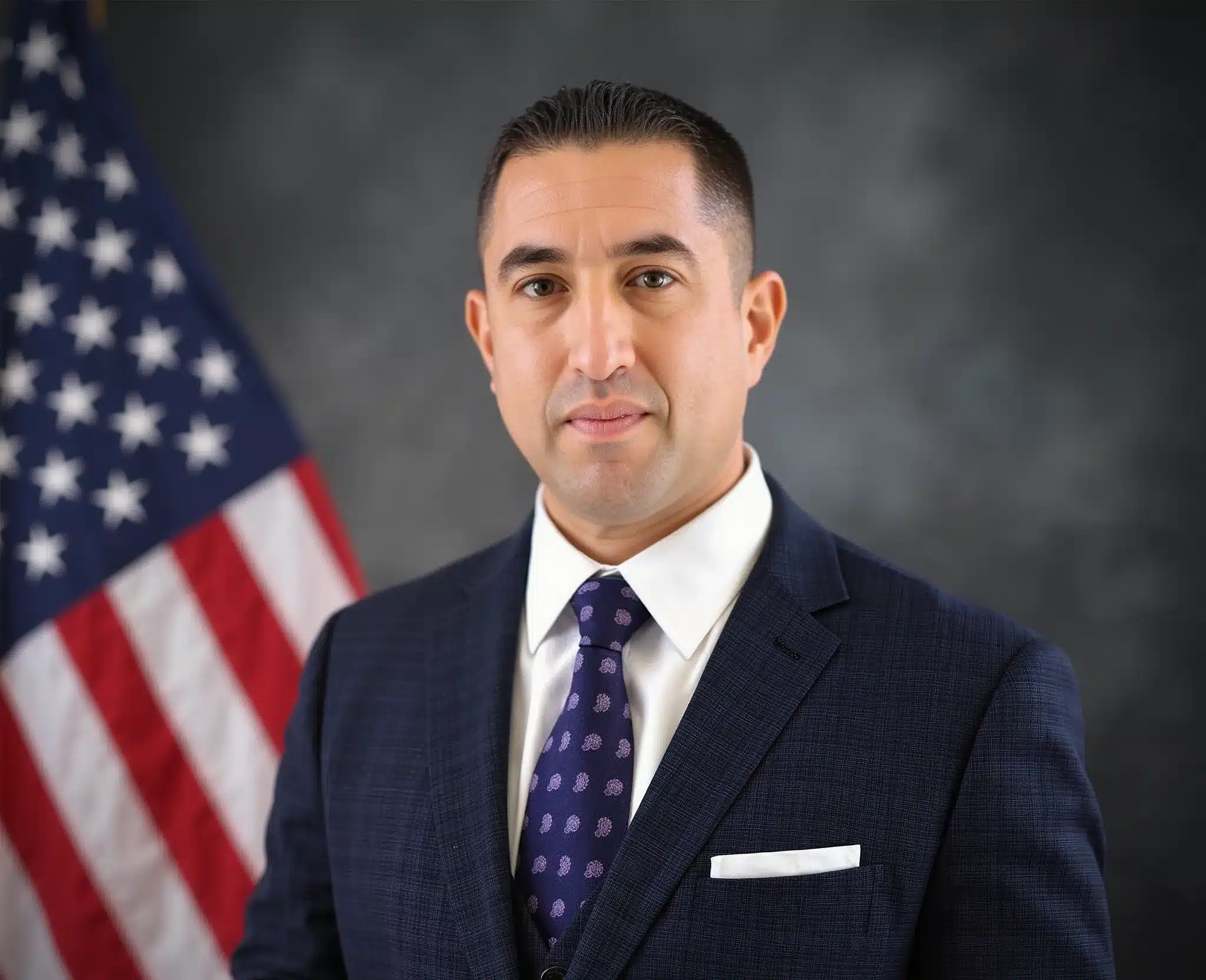
If you or someone you care about has been arrested for domestic violence in Tara Hills, you do not have to go through this alone. The Law Office of Nabiel C. Ahmed serves clients throughout Contra Costa and Alameda Counties, providing clear guidance and determined advocacy in the face of serious accusations. From the moment you reach out, our focus is on understanding your situation, answering your questions, and protecting your rights. We work closely with you to develop a plan aimed at achieving the best possible outcome under challenging circumstances.
Choosing the right defense lawyer for a domestic violence case in Tara Hills can make a meaningful difference in how your matter unfolds. The Law Office of Nabiel C. Ahmed concentrates on criminal defense, including violent and serious crimes, and understands the pressures you face after an arrest. The firm has represented many people in Contra Costa and Alameda County courts, dealing with local prosecutors and judges on a regular basis. This familiarity helps shape realistic strategies, from early negotiations to contested hearings, always with an eye toward protecting your record and future opportunities.
Clients appreciate the firm’s commitment to communication and careful preparation. You are kept informed about what is happening in your case, what each court date means, and what choices you have at every stage. We carefully review police reports, witness statements, and evidence to build a defense tailored to your goals and concerns. Whether you hope to avoid a conviction, minimize penalties, or resolve the case quickly so you can move on with your life, we work with you to pursue a result that reflects your priorities and the realities of your situation.
When you contact the Law Office of Nabiel C. Ahmed about a domestic violence charge in Tara Hills, we begin by listening carefully to your side of the story. We review the charges, explain the possible consequences, and outline what to expect in court. From there, we gather evidence, request police reports, and evaluate the strengths and weaknesses of the case. Throughout the process, our team focuses on communication, keeping you updated and involved in decision‑making. The goal is to provide steady guidance and a thoughtful defense from the first call until the case is resolved.
The first step in handling your Tara Hills domestic violence case is an initial consultation. During this meeting, we discuss what happened, review any paperwork you received, and answer your immediate questions about court dates and potential penalties. We also talk about your background, family situation, and any concerns about work or immigration. This helps us understand your priorities and begin identifying possible defenses. After the consultation, we request police reports and other records so we can start building a fuller picture of the case and planning the next steps in your defense.
At the beginning of the representation, we focus on listening. You will have the chance to explain how the incident unfolded, what led up to it, and what happened afterward. Many Tara Hills clients feel frustrated that no one has truly heard their side of the story. We take time to understand the relationship dynamics, prior history, and any evidence you may already have, such as text messages or photos. This information guides early strategy decisions and helps us anticipate what prosecutors might argue, allowing us to better protect your interests from the outset.
After learning about your situation, we carefully review the charges filed against you and explain what each one means under California law. We go over maximum penalties, likely outcomes, and how the case will move through the Contra Costa County court system. If a protective order is in place, we talk about how to comply and what to avoid. Together, we decide on immediate next steps, such as gathering documents, identifying witnesses, or seeking a modification of orders. The goal is to stabilize the situation quickly while laying the groundwork for a strong defense.
Once we have initial information, we move into the investigation and negotiation phase. For Tara Hills domestic violence cases, this often means obtaining police body‑camera footage, 911 recordings, medical records, and photographs. We compare these materials with your account, looking for inconsistencies, omissions, or errors. As we identify strengths in your defense, we open discussions with the prosecutor, presenting mitigating circumstances or legal issues that may support a reduction or dismissal. Throughout this stage, we keep you informed of any offers and help you weigh the risks and benefits of each option.
Evidence is the foundation of any domestic violence case. During this phase, we request discovery from the prosecution, including police reports, audio and video, photos, and witness statements. We analyze whether the evidence actually supports the allegations or reveals inconsistencies that help your defense. In Tara Hills, we may also seek additional information, such as neighbor statements, phone records, or social media posts. Our goal is to uncover facts that challenge the state’s narrative and strengthen your position, whether your case is headed toward negotiation or trial.
Once we understand the evidence, we begin meaningful discussions with the district attorney’s office. We present mitigating information, highlight weaknesses in the case, and, when appropriate, share positive aspects of your background, such as work history or involvement in counseling. In many Tara Hills domestic violence matters, these conversations can lead to reduced charges, alternative programs, or dismissals of some counts. We review every offer with you, explaining both short‑term and long‑term consequences. Any decision to accept or reject a resolution is ultimately yours, guided by informed legal advice.
If your Tara Hills domestic violence case does not resolve early, we move into more intensive preparation. This may include filing motions to exclude evidence, challenge statements, or address constitutional violations. We prepare for the possibility of trial by organizing exhibits, planning cross‑examination, and identifying supportive witnesses. At the same time, we remain open to negotiations if better offers arise. Whether your case ends in a dismissal, plea agreement, or trial, our focus is on presenting your story clearly and persuasively so the court sees you as a whole person, not just a police report.
Pretrial motions can significantly shape the outcome of a domestic violence case. We may ask the court to suppress unlawfully obtained evidence, limit prejudicial information, or exclude unreliable statements. In Tara Hills cases, careful motion practice can weaken the prosecution’s position and sometimes lead to improved offers or dismissals. During this time, we also refine our overall strategy, deciding what themes to emphasize, which witnesses to call, and how best to present your side of the story. This planning ensures that if your case goes to trial, we are prepared to advocate effectively.
If your case proceeds to trial, we guide you through each step, from jury selection to verdict. We challenge the prosecution’s evidence through cross‑examination, present favorable testimony, and argue that the evidence does not prove the charges beyond a reasonable doubt. Even if your case resolves short of trial, our preparation helps secure better outcomes in negotiations. After a resolution, we discuss next steps, such as complying with court terms, seeking early termination of probation when appropriate, or exploring record‑clearing options in the future so you can move forward with your life.
Whether you will go to jail for a first domestic violence offense in Tara Hills depends on many factors, including the specific charge, the severity of any injuries, your prior record, and the judge and prosecutor involved. Some first‑time cases resolve with probation, counseling, and fines instead of significant jail time, especially when injuries are minor. However, you can still be taken into custody at the time of arrest and may face short periods in jail during the process. A defense lawyer can often argue for release on your own recognizance or more manageable bail and work to minimize or avoid additional jail time. By highlighting your positive background, employment, community ties, and willingness to address underlying issues, your attorney may persuade the court to consider alternatives to harsher penalties. Each case is different, so having someone who understands local practices in Contra Costa County can be very important in shaping the outcome.
Your first court appearance, called an arraignment, is where the judge informs you of the charges and your rights. In many Tara Hills domestic violence cases, the court also decides on release conditions, such as bail amounts and protective orders. You may be asked to enter an initial plea of not guilty while your lawyer requests police reports and other evidence so the case can be evaluated. It is usually a brief hearing, but the decisions made there can affect your freedom and contact with family. Having an attorney at arraignment helps ensure your rights are protected from the start. Your lawyer can argue for release without high bail, request reasonable terms for any no‑contact orders, and begin setting the tone for negotiations with the prosecutor. Even if you have not yet hired counsel, you should avoid discussing the facts of the case in court. Instead, let your attorney do the talking and focus on understanding what the judge says about your next steps.
In California, the decision to file or drop domestic violence charges belongs to the district attorney, not the complaining witness. This means that even if the alleged victim in your Tara Hills case wants to “drop the charges,” the prosecutor may choose to move forward anyway. Prosecutors often believe they have a duty to proceed when they think a crime occurred, even if relationships change or tempers cool. They may rely on 911 calls, photos, medical records, or statements made shortly after the incident. That said, the alleged victim’s wishes can still affect how the case unfolds. If the complaining witness is reluctant to testify or supports a more lenient outcome, your attorney may use that information in negotiations. It is very important that you do not pressure or attempt to influence the alleged victim, as that can lead to additional charges. Instead, let your lawyer handle communication and present your position to the court and prosecutor appropriately.
A restraining order, or criminal protective order, can significantly affect your daily life while a domestic violence case is pending. In Tara Hills, the judge may order you to stay away from the other person, avoid all contact, and sometimes move out of your home. Violating this order can lead to new charges, even if the other person initiates contact or invites you over. Courts take these violations seriously, treating them as signs that you are not following instructions. On the other hand, protective orders can sometimes be modified as the case progresses. Your attorney can ask the court for changes, such as allowing peaceful contact or arranging communication about children. The judge will consider safety, the alleged victim’s wishes, and the circumstances of the case. Until the order is changed, you must follow it closely. Your compliance can demonstrate respect for the process and may help your attorney argue for more favorable outcomes later.
False or exaggerated accusations do sometimes occur in domestic violence cases, especially during breakups, custody disputes, or emotionally charged conflicts. In Tara Hills, it is not uncommon for one person to accuse the other of conduct that does not match what really happened. A strong defense focuses on exposing inconsistencies, uncovering motives to lie, and presenting evidence that supports your version of events. This might include text messages, social media posts, witness statements, or medical records that contradict the allegations. It is critical not to confront or retaliate against the accuser, as that can create additional legal problems. Instead, gather whatever information you have and share it with your attorney. With careful investigation and presentation, your lawyer can highlight doubts about the credibility of the accusations. Courts and juries are more likely to question the prosecution’s case when they see clear, organized evidence that tells a different story than the one described in the initial reports.
You have the constitutional right to remain silent, and exercising that right is often wise in a domestic violence case. When police question you in Tara Hills, they are usually looking to strengthen their case, not to clear you. Statements made in the heat of the moment can be misunderstood or taken out of context. Once recorded in a report or on body‑camera, your words can be difficult to explain away later, even if you were upset, confused, or under the influence at the time. Instead of answering detailed questions, you can politely state that you wish to speak with a lawyer before discussing the incident. This request should stop further questioning. After consulting with an attorney, you can decide whether any future statements would help or hurt your defense. In many cases, it is better to let your lawyer speak for you, challenging the evidence through cross‑examination and legal motions rather than through unguarded comments made to law enforcement.
Domestic violence convictions can carry serious immigration consequences, especially for non‑citizens living in Tara Hills and throughout California. Certain offenses may be considered crimes of moral turpitude or deportable domestic violence crimes under federal law. This can result in removal proceedings, denial of naturalization, or difficulties re‑entering the country. Even some plea agreements that seem minor in criminal court may still trigger immigration problems later, which is why it is essential to consider immigration effects when evaluating any resolution. Your criminal defense lawyer should work closely with you to understand your immigration status and, when needed, consult with an immigration attorney. Together, they can try to structure outcomes that minimize the risk of removal or other immigration harm. This might mean pursuing different charges, adjusting the language of a plea, or fighting the case more aggressively. Being open about your status from the beginning allows your legal team to build a strategy that protects both your liberty and your ability to remain in the United States.
Penalties for domestic violence in California vary widely depending on the specific statute, whether injuries occurred, and your prior record. In Tara Hills, you may face misdemeanor or felony charges. Potential consequences include jail or prison time, probation, mandatory counseling, fines, restitution, protective orders, and limitations on firearm rights. Even when actual custody time is limited, the collateral effects of a conviction, such as difficulty finding housing or work, can be significant and long‑lasting. Judges also have discretion in sentencing, which means outcomes can differ from case to case. Your attorney can present mitigating factors, such as your work history, family responsibilities, and steps you have taken to address underlying issues. In some cases, alternative programs or reduced charges may be available, especially for first‑time offenders. Understanding the full range of potential penalties helps you weigh the risks of trial versus negotiated resolutions and make informed choices about how to proceed.
Whether you can see your children while a domestic violence case is pending depends on several factors, including protective orders and any family court orders already in place. A criminal protective order in Tara Hills may limit contact not only with the other parent but also with the children, especially if they were present during the incident. This can be emotionally painful and stressful, but violating the order can make your situation much worse and harm your position in both criminal and family courts. Your attorney can ask the criminal court to clarify or modify the order to allow contact with your children, possibly supervised or through specific channels. Coordination with a family law attorney may also be helpful when custody or visitation is being addressed in another courtroom. Showing the judge that you are following court directions, attending counseling, and prioritizing your children’s well‑being can improve your chances of maintaining or restoring appropriate contact while the case is pending.
You should contact a lawyer as soon as possible after a domestic violence arrest in Tara Hills, ideally before your first court appearance. Early representation allows your attorney to advise you on what to say and what to avoid, help you understand protective orders, and begin gathering evidence while memories are fresh. Quick action can also make a difference when it comes to bail, release conditions, and preserving helpful materials such as surveillance footage or text messages that could otherwise be lost. Waiting to seek legal help can leave you feeling unprepared and may lead to decisions that are hard to undo. By involving a criminal defense attorney promptly, you give yourself the best chance to protect your rights and explore all available options. The Law Office of Nabiel C. Ahmed can guide you from the very beginning, working to stabilize the situation and build a defense tailored to the realities of your case and your goals for the future.
"*" indicates required fields