
Resisting arrest accusations in Tara Hills can unfold quickly, often during tense encounters with law enforcement. A moment of confusion, fear, or misunderstanding may suddenly turn into a criminal charge that threatens your record, your freedom, and your future opportunities. The Law Office of Nabiel C. Ahmed helps people throughout Contra Costa County navigate these situations with steady guidance and focused defense strategies. This page explains what resisting arrest means under California law, how these cases are typically handled, and what steps you can take right now to protect yourself.
If you were arrested or cited for resisting arrest in Tara Hills, you might feel frustrated, embarrassed, or unsure about what really happened. Maybe you believe the officer overreacted or that you were simply asking questions when things escalated. Regardless of how the incident began, the consequences can be serious. A conviction can affect employment, immigration status, professional licensing, and more. By understanding the law and your options, you can make informed choices. Our Oakland-based criminal defense firm stands ready to discuss the details of your situation and outline a realistic path forward.
Resisting arrest cases in Tara Hills often rely heavily on an officer’s description of what happened, which can make them feel one-sided from the beginning. Having a defense lawyer who understands Contra Costa County courts can balance that equation by challenging assumptions, questioning procedures, and gathering evidence that may otherwise be overlooked. Effective representation can lead to reduced charges, alternative resolutions, or dismissals in the right circumstances. Just as importantly, it provides a clear voice on your behalf, making sure your side of the story is heard and your rights are fully asserted at every stage of the case.
The Law Office of Nabiel C. Ahmed is a criminal defense law firm based in Oakland, representing clients throughout Alameda County and Contra Costa County, including Tara Hills. Over many years in local courts, the firm has handled a wide range of resisting arrest, obstruction, and related charges that often arise from high-stress encounters with police. This familiarity with local judges, prosecutors, and court procedures allows the firm to develop practical strategies tailored to the realities of your case. Clients receive direct communication, honest assessments, and dedicated advocacy focused on clarifying options and pursuing the most favorable outcome possible.
Resisting arrest charges in Tara Hills typically arise under California Penal Code section 148(a)(1), which focuses on willfully resisting, delaying, or obstructing an officer or emergency medical technician performing their duties. These situations may occur during traffic stops, domestic disturbance calls, street encounters, or follow-up investigations. Sometimes, confusion over an individual’s rights, fear about being detained, or unclear police instructions can lead to actions officers interpret as resistance. Knowing how prosecutors build these cases helps you recognize where weaknesses might exist and how defense strategies can be crafted to address the specific facts of your incident.
A resisting arrest charge is not only about physical struggle. It can include allegations like pulling away, refusing to provide identifying information, or reportedly interfering with another person’s arrest. These accusations can stand alone or be filed alongside theft, assault, or other charges in Tara Hills. Because the statute is broad, it can sometimes be applied in ways that feel unfair or exaggerated. Examining body camera footage, witness statements, radio logs, and medical records can be essential in testing the accuracy of the report and presenting a more complete picture of what really occurred during the encounter.
Under California law, resisting arrest generally means willfully resisting, delaying, or obstructing a peace officer or EMT who is lawfully performing their duties. For prosecutors in Contra Costa County to secure a conviction, they typically must show that the officer was performing a legal duty, that you knew or reasonably should have known they were an officer, and that your actions were intentional rather than accidental. This might involve allegations of physical struggle, blocking an officer’s movement, or refusing to cooperate after clear instructions. Understanding these elements is key to identifying defenses, such as unlawful detention, miscommunication, or actions driven by panic rather than intent.
Resisting arrest cases unfold through several stages in the Contra Costa County court system. First, prosecutors review the police report to decide whether to file charges as a misdemeanor or, in some circumstances, pursue more serious related offenses. The key elements they examine include the lawfulness of the officer’s actions, the nature of the alleged resistance, and whether anyone was injured. Once charges are filed, your case proceeds through arraignment, pretrial hearings, negotiation, and possible motions or trial. At each step, your defense lawyer can challenge the evidence, seek to suppress unlawfully obtained information, and negotiate for outcomes that limit long-term consequences.
Resisting arrest charges come with legal terminology that can feel unfamiliar, especially when you are already dealing with stress and uncertainty. Terms like “willful,” “lawful performance of duties,” and “obstruction” appear throughout California law and heavily influence how Tara Hills cases are decided. Understanding these phrases helps you follow what is happening in court, evaluate any plea offers, and make informed choices about whether to fight charges at trial or pursue an alternative resolution. The following brief glossary highlights several common terms you may encounter while working with a criminal defense lawyer on a resisting arrest matter in Contra Costa County.
In resisting arrest cases, “willful” refers to doing something on purpose, rather than by accident or mistake. Prosecutors in Tara Hills often rely on this concept to argue that a person knowingly resisted, delayed, or obstructed an officer. For example, they may claim someone intentionally pulled away, blocked an officer’s movement, or refused to comply after clear instructions. Demonstrating that your actions were driven by confusion, fear, medical issues, or unclear communication can undermine claims of willful conduct. This concept plays a central role in evaluating whether the evidence truly supports a resisting arrest conviction.
“Lawful performance of duties” means the officer was acting within the law when the alleged resistance occurred. In Tara Hills resisting arrest cases, this can include conducting a valid traffic stop, responding to a domestic call, or making an arrest supported by probable cause. If an officer detains someone without legal justification, uses unreasonable force, or otherwise acts outside the law, the defense may argue that this element is not satisfied. Challenging the lawfulness of the underlying police conduct can be a powerful way to weaken the prosecution’s case and may lead to reduced charges or dismissal in appropriate situations.
“Obstruction” in the context of resisting arrest generally refers to behavior that interferes with an officer’s ability to do their job. In Tara Hills, this might mean allegedly blocking an officer from reaching another person, inserting yourself into an active investigation, or refusing repeated lawful commands during an arrest. The term can be interpreted broadly, which sometimes leads to charges in situations that involve misunderstandings rather than intentional interference. By closely examining video footage, audio recordings, and witness statements, a defense lawyer can confront overly broad obstruction claims and highlight behavior that does not meet the legal threshold for criminal liability.
“Probable cause” is the legal standard that allows officers to make an arrest or conduct certain searches. In resisting arrest cases arising from Tara Hills incidents, officers must typically show specific facts that would lead a reasonable person to believe a crime was committed. If the initial stop or arrest lacked probable cause, the defense may argue that any alleged resistance occurred during an unlawful detention. This can form the basis for motions to suppress evidence or challenge the entire case. Careful review of reports, dispatch records, and video evidence is vital to evaluating whether probable cause truly existed.
When facing a resisting arrest charge in Tara Hills, you may have several legal paths, including attempting to resolve the case quickly with minimal court appearances or pursuing a more thorough defense strategy. A limited approach might focus on accepting an early plea to move on, while a comprehensive approach digs deep into the facts, challenges the stop, and explores every potential weakness in the prosecution’s case. The right choice depends on your priorities, risk tolerance, and the evidence. Discussing these options with a defense lawyer who knows Contra Costa County courts can help you understand likely outcomes and choose a path that aligns with your goals.
In some Tara Hills resisting arrest cases, a limited approach may be appropriate, particularly when the allegations are relatively minor and the accused has a clean record. For instance, if no one was injured, there is no underlying theft or assault charge, and the person has never been in trouble before, prosecutors might be open to reduced charges, diversion programs, or informal resolutions. In these situations, an efficient strategy could focus on presenting positive background information, demonstrating cooperation after the incident, and negotiating for outcomes that avoid jail and reduce the long-term impact on employment, housing, and educational opportunities.
A limited approach may also make sense when the evidence against you appears strong and there is little dispute about what occurred, such as clear video footage supporting the officer’s account. In these Tara Hills cases, aggressively litigating every issue may not be the most practical use of time and resources. Instead, your defense lawyer might prioritize damage control, focusing on reducing penalties, securing alternative sentencing, and protecting important interests like immigration status or professional licensing. Even with a limited strategy, thoughtful advocacy can still aim to soften the consequences and preserve your ability to move forward after the case concludes.
A comprehensive defense strategy is often vital when your account sharply conflicts with the officer’s version of events. In many Tara Hills resisting arrest cases, body camera footage, bystander videos, and third-party witnesses can reveal inconsistencies that significantly change how a judge or jury views the incident. When injuries are alleged, or when charges include additional offenses like battery on an officer or theft, the stakes increase. A broader approach allows your lawyer to thoroughly investigate the scene, request records, consult with relevant professionals where necessary, and file motions aimed at suppressing evidence or limiting what the prosecution can present in court.
A detailed and far-reaching defense becomes especially important when a resisting arrest charge threatens more than just a short jail sentence or fine. In Tara Hills, many people face additional risks, including immigration problems, professional discipline, school issues, or child custody concerns. For these clients, the long-term impact of a conviction can be far more significant than the immediate punishment. A comprehensive strategy considers these collateral consequences, explores alternative pleas, and seeks resolutions that protect your future as much as possible. This may involve tailored negotiations, customized sentencing proposals, and careful coordination with other advisors who understand your broader situation.
Taking a thorough approach to resisting arrest charges in Tara Hills can uncover opportunities that might otherwise be missed. Detailed review of police reports, video, dispatch logs, and medical records can reveal inconsistencies or procedural errors that weaken the prosecution’s position. By carefully interviewing witnesses and exploring your background, a defense lawyer can present a fuller picture of who you are, not just what is stated in a single report. This can lead to better plea offers, creative sentencing options, or in some cases, dismissal. A comprehensive strategy is designed to look beyond the obvious and identify every possible advantage available.
Another benefit of a comprehensive defense is the sense of control and clarity it gives you during an unsettling time. When you understand the charges, the evidence, and the realistic outcomes, it becomes easier to make decisions that fit your priorities. Instead of feeling pushed into a quick plea, you have an opportunity to weigh your options and ask informed questions. For Tara Hills residents and visitors alike, this thoughtful approach can make a significant difference in both the short and long term, preserving opportunities and limiting damage to your record, reputation, and personal relationships.
A comprehensive defense gives your lawyer the chance to identify and challenge weak or incomplete evidence. In many Tara Hills resisting arrest cases, initial reports are written quickly and may omit key details, such as what officers said before giving commands or how crowded and chaotic the scene really was. Through motions, discovery requests, and careful cross-examination, your attorney can highlight gaps, contradictions, and missing context. This can lead prosecutors to reconsider the strength of their case, improve your negotiating position, and in some situations, motivate them to reduce charges or dismiss the case when the evidence does not support a conviction.
When the prosecution knows your defense team has scrutinized every aspect of the case, they may be more willing to engage in meaningful negotiation. In Tara Hills resisting arrest matters, this can translate into offers that avoid jail, reduce charges, or focus on counseling, community service, or other constructive conditions. A thorough approach demonstrates seriousness and preparation, signaling that you are ready to proceed to motions or trial if necessary. This leverage often leads to more favorable outcomes than would be available through a quick plea. It also helps tailor resolutions to your specific circumstances, responsibilities, and long-term goals.


Memories fade quickly after a stressful encounter with police, especially when emotions and adrenaline are high. If you were accused of resisting arrest in Tara Hills, take time as soon as possible to write down everything you remember, including what was said, who was present, where officers stood, and whether any neighbors or bystanders might have seen or recorded the incident. These notes can be invaluable later, helping your lawyer compare your recollection to reports and video. Even small details, like lighting conditions or background noise, can play a role in challenging the prosecution’s description of what happened.
After an arrest, it can be tempting to share your story online to get support from friends and family. However, posts about your Tara Hills resisting arrest case can be taken out of context and used by prosecutors to question your credibility or suggest you admitted certain facts. Even comments meant as jokes may be misunderstood in court. Instead, keep details private and discuss them directly with your lawyer, who is bound by confidentiality. Limiting public statements helps protect your defense strategy and reduces the risk that a casual post will complicate negotiations or courtroom testimony later.
Resisting arrest charges might sound minor compared to serious felonies, but they can carry lasting consequences in Tara Hills and throughout California. A conviction can show up on background checks, affecting job applications, housing prospects, and educational opportunities. It may also influence how courts view you in any future cases, including family law matters or other criminal proceedings. Working with a criminal defense law firm ensures that someone is focused solely on protecting your rights, examining whether the officer’s actions were lawful, and working to minimize or avoid long-term harm to your record and reputation.
Many people facing resisting arrest charges feel discouraged because they believe a judge will automatically side with law enforcement. However, courts in Contra Costa County are required to evaluate evidence and follow rules that protect everyone, not just officers. By hiring legal counsel, you gain a guide who understands those rules, can identify where they may have been broken, and knows how to present your story effectively. This support can be especially important if your case involves additional charges, immigration concerns, or risk to a professional license. Taking action early can open more options and improve the chances of a favorable resolution.
Resisting arrest charges in Tara Hills often arise in everyday situations that suddenly escalate. Traffic stops, noise complaints, neighborhood disputes, and domestic calls can all lead to tense encounters where confusion and fear play a role. Sometimes individuals are accused of pulling away during handcuffing, questioning officers too aggressively, or stepping between law enforcement and a family member. Alcohol, mental health issues, and miscommunication can further complicate these events. Understanding the common patterns helps your defense lawyer identify where expectations might have been unclear and whether officer actions, use of force, or unclear instructions contributed to the allegation.
One frequent situation involves a routine traffic stop in or around Tara Hills that unexpectedly escalates. A driver might be nervous, upset about a ticket, or confused about why they were pulled over. If they reach for a phone, argue about the reason for the stop, or hesitate to exit the vehicle, officers may interpret this as resistance. When the encounter is captured on body camera or cell phone video, those recordings become central to the case. A careful review can reveal whether instructions were clear, whether force was reasonable, and whether your actions were truly intentional resistance or simply anxious reactions.
Domestic or family disputes are another common source of resisting arrest allegations in Tara Hills. When officers arrive to find people emotional, loud, or upset, they often need to make quick decisions about safety. If a family member steps between officers and a loved one, tries to calm someone down by holding them, or questions why an arrest is happening, officers may claim they were obstructed. These cases are often highly emotional and may involve conflicting stories from people who care about each other. A thoughtful defense looks at the entire context, including history, injuries, and statements made before the police arrived.
Resisting arrest charges also arise from public encounters, such as street interactions, protests, or disturbances near businesses in Tara Hills. Bystanders who record police activity or ask questions may find themselves accused of stepping too close or interfering with an arrest. These situations are often chaotic, with many people talking at once and officers concerned about safety. Video from multiple angles can show whether someone truly obstructed police or was simply present and voicing concerns. A strong defense carefully pieces together all available footage and witness statements to present a clearer picture of what actually happened in those moments.
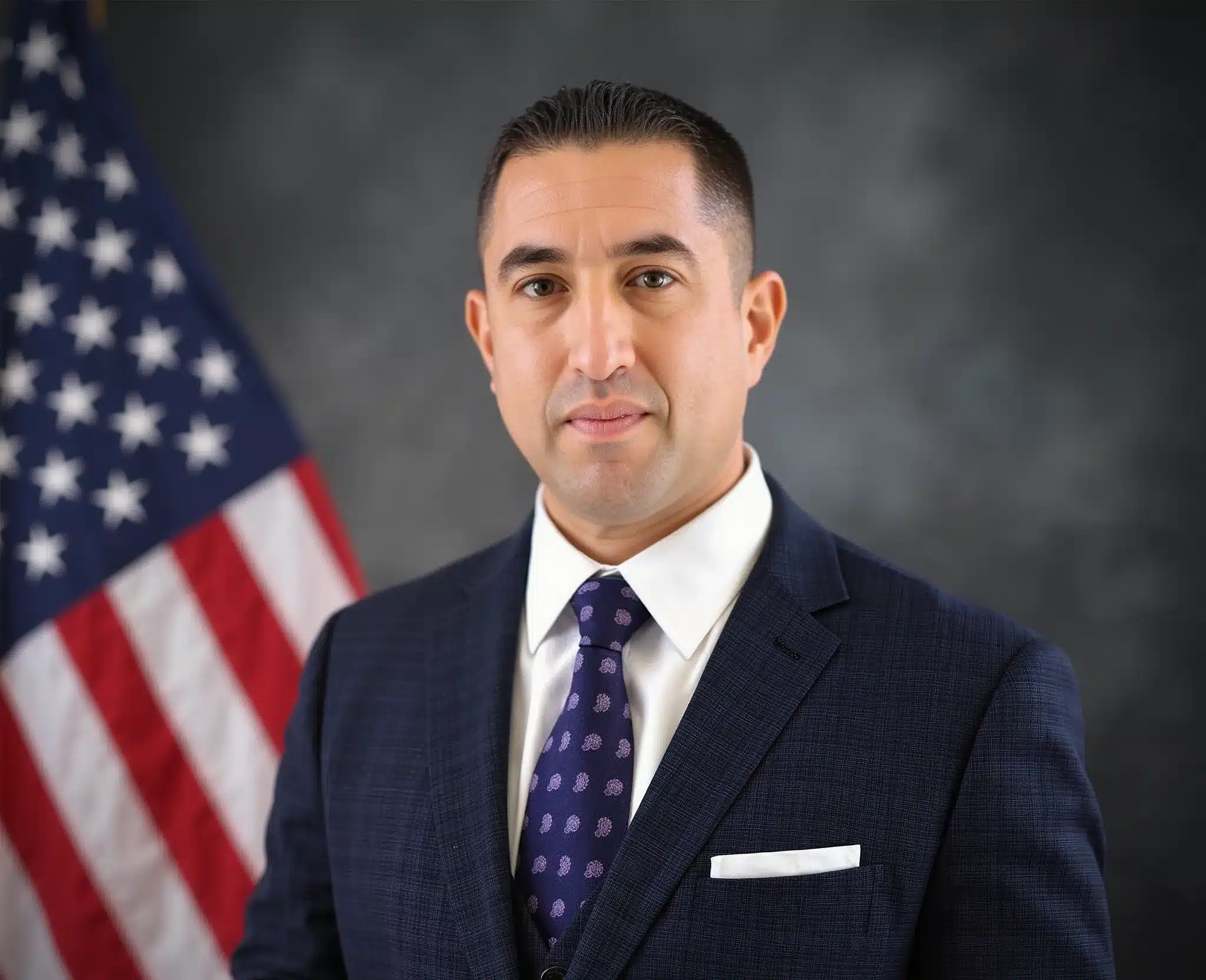
If you are dealing with a resisting arrest accusation connected to Tara Hills, you do not have to face the process alone. The Law Office of Nabiel C. Ahmed, based in Oakland, represents people throughout Contra Costa County and understands the local court system, procedures, and personalities involved. Our firm is committed to listening to your story, reviewing the evidence with care, and explaining every step in plain language so you can make well-informed choices. By taking a proactive approach and addressing concerns early, we aim to protect your rights, your record, and your goals for the future.
Choosing a criminal defense law firm for a resisting arrest case is a deeply personal decision. At the Law Office of Nabiel C. Ahmed, clients from Tara Hills and surrounding communities receive direct attention from a firm that focuses its practice on criminal defense in Alameda and Contra Costa Counties. We prioritize clear communication, honest guidance, and a grounded assessment of what is realistically achievable in your situation. From the first consultation, we work to understand your concerns, identify potential defenses, and outline strategies tailored to the specific facts and circumstances of your arrest and background.
Our firm knows how overwhelming the criminal justice system can feel, especially if this is your first time being charged. Court dates, forms, and legal terms can be confusing, and you should not have to navigate them without support. When you work with our Oakland office, you gain an advocate who is familiar with local prosecutors, judges, and court procedures in and around Tara Hills. We handle the details, track deadlines, and keep you informed at every stage so you can focus on your life while we focus on protecting your rights and seeking the best available resolution.
Defending a resisting arrest case in Tara Hills begins with a focused understanding of your story. At the Law Office of Nabiel C. Ahmed, we start by listening carefully to your account, reviewing the police reports, and identifying immediate concerns such as upcoming court dates or bail conditions. From there, we gather evidence, including videos and witness statements, and evaluate legal issues such as probable cause and use of force. Throughout the process, we stay in close contact, explain each development in straightforward terms, and involve you in key decisions about negotiation, motions, and whether to pursue a trial.
The first step in defending a resisting arrest charge is an in-depth consultation and case review. When you contact our Oakland office about a Tara Hills case, we ask detailed questions about where the incident occurred, who was present, and what you remember. We gather any paperwork you received, such as citations or release documents, and confirm your court date. Our goal at this stage is to identify urgent issues, such as the need to preserve video, and provide immediate guidance about what to do and what to avoid while the case is pending in Contra Costa County court.
During the initial confidential meeting, you have the opportunity to speak openly about what happened without judgment. We encourage clients with Tara Hills resisting arrest cases to share every detail, even those that feel embarrassing or unimportant, because small facts can matter later. We review your criminal history, if any, and discuss how the charge might affect work, school, or immigration. This conversation helps us understand your priorities, such as avoiding jail, protecting a license, or preventing a conviction. With this information, we begin shaping a preliminary strategy tailored to your circumstances and the specific allegations you face.
After learning your story, the next part of Step 1 involves gathering as many records as possible. For a Tara Hills resisting arrest case, this may include police reports, body camera footage, 911 recordings, and medical records if injuries occurred. We also look for potential witnesses and any private video from homes or businesses near the scene. With this early information, we begin assessing the strength of the prosecution’s case and any immediate opportunities for negotiation or early motions. We then discuss these preliminary findings with you, so you understand what to expect as the case moves forward.
Step 2 focuses on deepening the investigation and using the information gathered to shape your defense. In Tara Hills resisting arrest cases, this can involve filing discovery requests, interviewing witnesses, and consulting with appropriate professionals when necessary to interpret evidence such as use of force or injuries. We assess whether officers followed the law in stopping, detaining, and arresting you, and we consider filing motions to suppress evidence or dismiss charges when warranted. At the same time, we open constructive discussions with prosecutors, sharing information that supports your position and exploring potential agreements that align with your goals.
During the investigation phase, we take a close look at every element of the resisting arrest allegation. For a Tara Hills case, that might mean visiting the scene, examining photos, reviewing body camera video frame by frame, and checking for inconsistencies between different officer reports. We look at whether commands were clear, whether force appeared reasonable, and whether any witnesses contradict the official version of events. This careful review often reveals gaps or weaknesses that can be highlighted in motions or used during negotiation. Our aim is to understand the incident better than anyone else involved in the case.
Once we understand the evidence, we decide whether filing pretrial motions could improve your position. In Tara Hills resisting arrest cases, this can include motions to suppress unlawfully obtained evidence or to exclude statements that were taken without proper advisements. At the same time, we engage in plea discussions with the prosecutor, emphasizing the strengths of your defense and any positive aspects of your background. We keep you informed about all offers, explain the pros and cons of each option, and listen carefully to your concerns. Together, we decide whether to resolve the case or move toward trial.
If your resisting arrest case in Tara Hills does not resolve through negotiation, we prepare for trial. This stage involves organizing evidence, developing a clear theory of defense, and anticipating the arguments the prosecutor and officers will present. We may prepare visual exhibits, outlines for cross-examination, and questions for you or other witnesses. Throughout this process, you remain closely involved, with opportunities to ask questions and practice your testimony if you choose to testify. Our focus is on presenting your side of the story in a clear, persuasive way that highlights reasonable doubt and respects your legal rights.
Trial preparation begins with shaping a compelling narrative that explains your actions in a way that jurors or a judge can understand. In a Tara Hills resisting arrest case, that might mean emphasizing confusion over commands, fear based on past experiences, or concern for a family member. We choose which witnesses to call, determine how to handle cross-examination, and decide which legal arguments best support your defense. By organizing the evidence into a clear story that aligns with the law, we aim to make it easier for the court to see why the prosecution has not met its burden of proof.
When trial begins, we present your case through opening statements, witness examination, and closing argument, all designed to highlight reasonable doubt about the resisting arrest allegation. For Tara Hills cases, we may confront officers with inconsistencies in their reports, introduce videos that tell a different story, and present witnesses who saw events from another angle. Throughout the proceedings, we protect your rights by objecting to improper questions or evidence and ensuring the judge applies the correct legal standards. After trial, we discuss the outcome with you and, if necessary, explore options for appeal or post-conviction relief.
Being charged with resisting arrest in Tara Hills usually means law enforcement claims you willfully resisted, delayed, or obstructed an officer or EMT who was performing their duties. This could involve physically pulling away, arguing instead of following repeated commands, or interfering with another person’s arrest. The charge is often filed under California Penal Code section 148(a)(1), and it can stand alone or be added to other accusations, such as theft or domestic-related offenses. Even if you feel you did nothing wrong, the case can still move forward based on the officer’s report. Courts take these allegations seriously because they involve public safety and police authority. That is why it is important to learn what the prosecution must prove and how the circumstances of the encounter, including video and witness accounts, may influence the outcome of your Tara Hills case.
Most resisting arrest charges under Penal Code 148(a)(1) are filed as misdemeanors in California, including in Tara Hills. A misdemeanor can still carry significant penalties such as jail time, probation, fines, and court-ordered programs. In some situations, related conduct might be charged as more serious offenses, particularly if there are allegations of injury to an officer or use of force beyond simple resistance. Whether your case remains a misdemeanor or escalates depends on the specific accusations and any additional charges, like battery on a peace officer or making threats. Understanding the exact statutes listed on your citation or complaint is essential. A criminal defense lawyer can review those documents, explain the potential exposure, and discuss strategies aimed at keeping charges as low as possible or working toward a resolution that limits long-term consequences in Contra Costa County.
Yes, it is possible to face a resisting arrest charge in Tara Hills even if you never physically touched an officer. The law focuses on resisting, delaying, or obstructing, which can include actions like refusing lawful commands, moving away during handcuffing, or allegedly getting in the way while officers are trying to detain someone else. Verbal conduct alone is usually not enough, but behavior that interferes with an officer’s ability to perform their duties may be targeted. Because the statute is broad, some people are charged in situations that involve misunderstandings, fear, or confusion rather than intentional obstruction. That is why it is important to closely review the officer’s report, body camera footage, and any witness statements. These materials can help show whether your actions truly met the legal definition of resisting or whether the charge stretches the law beyond what the facts support.
Penalties for a misdemeanor resisting arrest conviction in Tara Hills can include up to one year in county jail, fines, probation, community service, and court-ordered classes. Judges may also impose stay-away orders or other conditions designed to address the circumstances of the incident. The actual sentence depends on factors like your prior record, whether anyone was injured, and whether the court believes you pose an ongoing risk of similar behavior. Beyond the immediate penalties, a conviction can have long-term consequences. It may appear on background checks, influence immigration proceedings, and affect professional licensing or security clearances. For students or young adults, it can create complications with school programs or future career paths. Because of these potential impacts, many people charged with resisting arrest seek legal representation to explore options for reducing penalties, avoiding jail, or resolving the case in a way that minimizes long-term harm.
A lawyer can provide vital support by examining the facts of your Tara Hills resisting arrest case, identifying legal issues, and presenting your side of the story in a clear and organized way. They can request body camera footage, 911 recordings, and other evidence that might show the situation differently than the police report suggests. By reviewing this material carefully, your lawyer can evaluate whether officers acted lawfully, whether commands were clear, and whether your actions were truly intentional resistance. In addition to investigating, a lawyer can communicate with the prosecutor on your behalf, negotiate plea offers, and argue motions to suppress evidence or dismiss charges when appropriate. They can also prepare you for court appearances, explain the likely outcomes of different choices, and help you weigh whether to accept a deal or proceed to trial. Having someone focused on your defense allows you to navigate the process with greater confidence and clarity.
A resisting arrest conviction typically becomes part of your criminal record, which can be accessed in background checks for employment, housing, and professional opportunities. In Tara Hills and throughout California, employers or landlords who run background checks may see the conviction and draw their own conclusions about what it means. This is one reason many people charged with resisting arrest work hard to avoid a conviction or seek reduced charges that may look less damaging. In some cases, there may be options in the future to reduce the impact of a conviction, such as seeking expungement after you successfully complete probation and meet other requirements. While expungement does not erase the past completely, it can provide some relief when applying for certain jobs or opportunities. A criminal defense lawyer can discuss both immediate defense strategies and long-term record considerations that may apply to your situation.
Right after being accused of resisting arrest in Tara Hills, it is important to stay calm and avoid arguing with officers at the scene. Anything you say can be included in reports and used in court. Once you are safe, write down everything you remember, including the names of officers, any witnesses, and whether cameras were nearby. Preserve any documents you received and take photos of injuries or the location if appropriate. Your next step should be to contact a criminal defense lawyer as soon as you can. Early involvement allows the lawyer to request time-sensitive evidence, such as surveillance footage that might be erased, and to advise you about what to say and what not to say to law enforcement or others. Acting quickly can improve your chances of building a strong defense and may open the door to better negotiation options with prosecutors in Contra Costa County.
Yes, resisting arrest charges in Tara Hills can sometimes be dismissed or reduced, depending on the facts and the strength of the evidence. If video or witness statements contradict the officer’s report, or if there are questions about whether the detention or arrest was lawful, prosecutors may decide that the case is not as strong as they initially thought. In such circumstances, they might agree to drop charges, reduce them to a less serious offense, or offer a diversion-type resolution. Even when the evidence appears challenging, a well-prepared defense can often negotiate more favorable terms by highlighting your background, lack of prior record, or steps you have taken to address underlying issues. While no lawyer can promise a particular outcome, exploring all possible defenses and negotiating from a position of preparation gives you the best chance of achieving a result that minimizes the long-term impact of the case.
Body camera video often plays a significant role in resisting arrest cases in Tara Hills. It can show the tone of the interaction, the clarity of commands, and how quickly events unfolded. Sometimes the footage supports the officer’s account, but in other situations, it reveals inconsistencies or context missing from the written report. For example, video may show you complying with most instructions or reacting to confusing or conflicting orders. A defense lawyer will typically review body camera video carefully, sometimes multiple times, to identify moments that help your case. They may use still images or clips in negotiations or, if the case goes to trial, present them to the jury. Because video evidence can be persuasive, obtaining it as early as possible is important. It can shape defense strategy, inform plea discussions, and influence whether to take a case to trial in Contra Costa County court.
You should contact a lawyer as soon as possible after a resisting arrest accusation in Tara Hills, ideally before your first court appearance. Early guidance can help you avoid missteps, such as making statements that might be misunderstood or missing deadlines that affect your rights. A lawyer can also start requesting body camera footage and other evidence that might not be available later if too much time passes. Even if you think the case is minor or that the situation was a misunderstanding, it is wise to discuss it with a criminal defense lawyer who understands Contra Costa County procedures. They can explain the charges, discuss possible outcomes, and help you decide whether to fight the case or pursue a resolution. Having representation from the beginning often leads to a smoother process and can improve your chances of a more favorable result.
"*" indicates required fields