
Facing accusations of criminal threats or witness intimidation in Saranap can be overwhelming, especially when your freedom, reputation, and relationships are on the line. California prosecutors and judges treat these allegations very seriously, particularly in Contra Costa County courts. A single statement, text message, or heated argument can be interpreted as a threat, even when you never intended to harm anyone. Understanding the charges, the possible penalties, and your options for defense is essential so you can make informed choices about how to protect your future.
At the Law Office of Nabiel C. Ahmed, the focus is on defending people accused of violent and serious crimes throughout Alameda and Contra Costa Counties, including Saranap. Criminal threats and witness intimidation cases often turn on context, credibility, and nuance, not just what appears in a police report. This page is designed to walk you through what these charges mean, how the legal process works, and how a tailored strategy can help you fight back. With the right guidance, you can confront the situation with clarity instead of fear.
Criminal threats and witness intimidation charges in Saranap can lead to jail or prison time, probation conditions, restraining orders, and long-term consequences for employment, immigration status, and family life. Having a seasoned criminal defense attorney by your side means you have someone who understands how local judges, prosecutors, and juries view these cases. A thoughtful defense can challenge the alleged victim’s story, highlight misinterpretations of text messages or social media posts, and raise reasonable doubt about intent. This legal service helps you navigate every step, from early negotiations to trial, with the goal of reducing or dismissing charges whenever possible.
The Law Office of Nabiel C. Ahmed is a criminal defense firm representing clients in Oakland, Saranap, and communities across Contra Costa and Alameda Counties. The practice has handled a wide range of violent and serious crime allegations, including criminal threats, domestic disputes, and accusations of pressuring or intimidating witnesses. The firm understands how local law enforcement investigates these cases and how prosecutors build them in court. By focusing on thorough investigation, careful analysis of the evidence, and clear communication with clients, the office works to protect constitutional rights and pursue the most favorable outcome available under the circumstances.
Criminal threats and witness intimidation cases often begin with a call to police following an argument, domestic conflict, or ongoing dispute in Saranap. Officers may quickly side with the reporting party and record statements that do not fully reflect what really happened. In California, words spoken in anger, online posts, or voicemail messages can form the basis of a criminal charge if they are interpreted as threats or attempts to influence a witness. Many people are shocked to learn that even without physical injury, they can still face serious felony accusations carrying substantial penalties.
To build a strong defense, it is important to understand what the prosecution must prove and where weaknesses may exist in their case. Factors like the exact language used, the tone, the surrounding circumstances, and the alleged victim’s reaction can all affect whether a statement legally qualifies as a criminal threat or witness intimidation. The legal service offered by the Law Office of Nabiel C. Ahmed focuses on analyzing these details, preserving helpful evidence such as text messages or call logs, and identifying defenses that can undermine the accusations or reduce the charges in Contra Costa County courts.
In California, criminal threats generally involve a statement that threatens death or great bodily injury, made with the apparent intent that it be taken seriously, and that actually causes the other person to experience sustained fear. Witness intimidation involves attempts to discourage or influence a witness or victim from reporting a crime, testifying, or cooperating with law enforcement. These offenses can be charged as misdemeanors or felonies depending on the circumstances, the accused’s history, and any alleged use of weapons. In Saranap and surrounding communities, prosecutors aggressively pursue these cases, often relying heavily on statements from one person and limited supporting evidence.
Criminal threats and witness intimidation prosecutions typically revolve around a few key elements: what was said or done, how it was perceived, and what the accused intended. The process usually begins with an arrest or citation, followed by an arraignment in Contra Costa County, where charges are formally read and bail or release conditions are addressed. Discovery then allows your attorney to examine police reports, recordings, and witness statements. Pretrial motions may challenge evidence or seek to limit what the jury hears. Throughout this process, negotiations with the prosecutor may offer opportunities for reduced charges, diversion options, or dismissal when the evidence is weak.
Understanding the language used in criminal threats and witness intimidation cases can make the legal process less confusing and help you make informed decisions. Police, prosecutors, and judges often rely on specific terms from the California Penal Code that may sound intimidating or unclear at first. By breaking down these phrases into everyday language, you can better follow what is happening in your Saranap case and work more effectively with your attorney. The following glossary highlights several important concepts that regularly appear in these violent and serious crime prosecutions and can significantly influence how a case is charged and resolved.
In criminal threats cases, “sustained fear” refers to more than a brief moment of being startled or upset. The law requires the alleged victim to experience a level of fear that lasts for a period of time and is reasonable under the circumstances. Prosecutors in Contra Costa County may argue that repeated calls, texts, or confrontations show ongoing fear, while the defense may point to inconsistent behavior, continued contact, or delayed reporting to challenge that claim. Demonstrating that the fear was exaggerated, short-lived, or unreasonable can weaken the prosecution’s case significantly.
For witness intimidation charges, the prosecution must usually show that the accused intended to discourage or influence a witness or victim’s cooperation with law enforcement or the court. This might involve allegations of pressuring someone not to testify, urging them to change their story, or threatening consequences if they participate in a case. In Saranap, a defense may focus on demonstrating that any communication was simply venting, emotional conversation, or an attempt to resolve matters, rather than a deliberate effort to interfere with the legal process. Clarifying intent can make a major difference in the outcome.
A “credible threat” in California is a threat that causes the other person to reasonably fear for their safety or the safety of their immediate family. The threat does not have to be carried out, and it does not always require a weapon. Courts in Contra Costa County look at the words used, the history between the parties, any prior incidents, and whether the accused appeared able to carry out the threat. Defense strategies may focus on showing that the statement was ambiguous, exaggerated, a joke, or taken out of context, thereby challenging whether it truly qualified as credible under the law.
Many criminal threats and witness intimidation charges are considered “wobbler” offenses in California, meaning they can be filed as either misdemeanors or felonies. The decision often depends on the seriousness of the allegations, any injuries, the accused’s prior record, and the prosecutor’s assessment of the case. In Saranap and other Contra Costa County communities, this distinction is critical because felony convictions can bring longer jail or prison terms and more severe long-term consequences. A defense lawyer can advocate for misdemeanor treatment, reduced charges, or alternative resolutions that limit the impact on your record and your future.
When facing criminal threats or witness intimidation charges in Saranap, you may have several paths forward, depending on the evidence and your goals. Some cases may be resolved through negotiations that lead to reduced charges, informal agreements, or alternative programs that avoid a conviction. Others may require filing motions to suppress statements, challenging the credibility of the accusations, or preparing for trial. Understanding the strengths and weaknesses of the prosecution’s case allows you to evaluate whether a limited approach or a more comprehensive defense strategy is appropriate. Careful guidance ensures you do not rush into a plea that harms your long-term interests.
A limited approach may be appropriate when the evidence against you is thin, inconsistent, or based on a single statement taken out of context. For example, a one-time heated comment with no history of violence, no weapon, and quick reconciliation between the parties may be more suitable for targeted negotiations rather than a lengthy court battle. In Saranap, prosecutors may be willing to consider dismissals, reduced charges, or counseling-based resolutions under these circumstances. The focus in such cases is on carefully presenting favorable facts, highlighting weaknesses in the allegations, and avoiding unnecessary escalation of the conflict.
In some Contra Costa County cases, including matters arising from Saranap, a limited strategy centered on negotiation may open the door to diversion programs, informal agreements, or plea arrangements that avoid formal convictions. When the prosecution recognizes mitigating factors like lack of prior record, cooperation with law enforcement, or clear signs of emotional stress, they may be open to creative resolutions. In these situations, your attorney may prioritize early dialogue with the district attorney, gathering supportive records or character letters, and demonstrating that a heavy-handed outcome is unnecessary. This measured approach can protect your record while keeping legal costs and stress under control.
A comprehensive defense plan is often necessary when criminal threats or witness intimidation charges are filed as felonies, especially when they may count as strikes under California’s Three Strikes law. In Saranap and throughout Contra Costa County, a felony conviction can mean longer time in custody, restrictive probation conditions, and serious consequences for future cases. A broader approach may involve intensive investigation, obtaining phone records and digital evidence, interviewing witnesses, filing multiple pretrial motions, and preparing for trial. This level of effort aims to reduce the charge to a misdemeanor, secure a dismissal, or present a compelling defense before a jury if required.
When a case involves numerous witnesses, recorded calls, social media messages, or a history of prior incidents, a more involved defense strategy is usually needed. Prosecutors might try to portray a pattern of threatening behavior or claim a coordinated effort to influence testimony. In these Saranap cases, your attorney may need to carefully review hours of recordings, cross-check statements for contradictions, consult with investigators, and develop a clear narrative that explains your actions. A comprehensive approach allows you to challenge the state’s story at every stage, rather than relying on a single argument or hoping for a quick plea deal.
Taking a comprehensive approach to defending criminal threats and witness intimidation charges provides several advantages. By examining every detail of the evidence, your attorney can uncover inconsistencies, missing context, or motives for false accusations that may otherwise go unnoticed. Thorough preparation helps anticipate the prosecutor’s arguments, allows for more effective cross-examination of witnesses, and strengthens your bargaining position during plea negotiations. In Saranap, where these cases can move quickly through the Contra Costa County courts, having a well-developed strategy reduces surprises and gives you greater confidence in the decisions you make about how to resolve your case.
A thorough defense also improves the chances of achieving outcomes that protect your future, not just your immediate freedom. By aggressively pursuing evidence favorable to you, exploring diversion options, and seeking opportunities for reduced or alternative charges, your attorney can work to preserve employment prospects, professional licenses, and immigration status. This larger view is especially important in violent and serious crime cases where a single conviction can follow you for years. For individuals in Saranap and nearby communities, a comprehensive approach ensures that your defense accounts for both the legal consequences and the personal impact on your life and family.
When the prosecution sees that your defense is fully prepared, with a deep understanding of the facts and the law, they are often more open to meaningful negotiations. A well-documented investigation can reveal weaknesses such as unreliable witnesses, unclear recordings, or questionable police procedures. In Saranap criminal threats and witness intimidation cases, this can lead to reduced charges, dismissal of enhancements, or agreements for less damaging resolutions. Instead of simply reacting to the prosecutor’s demands, a comprehensive approach allows your attorney to propose alternative outcomes backed by evidence, which can significantly improve your position at the bargaining table.
Sometimes, negotiations do not produce a fair result and a trial becomes the best way to challenge criminal threats or witness intimidation charges. A comprehensive defense ensures that you are not starting from scratch when that moment arrives. Instead, the evidence has already been reviewed, witnesses have been evaluated, and key arguments have been developed. In a Saranap case, this level of readiness can make testimony more effective and allow your attorney to respond quickly to unexpected developments. Even if your case ultimately resolves short of trial, preparing as though it will go before a jury often leads to better outcomes.


After an arrest or accusation in Saranap, it can be tempting to explain yourself to friends, family, or even the alleged victim. Doing so can unintentionally provide prosecutors with more material to use against you, particularly in witness intimidation and criminal threats cases where every word may be scrutinized. Social media posts, text messages, and informal conversations can all end up in a police report. The safest approach is to remain calm, refuse to discuss the details with anyone other than your attorney, and never try to contact witnesses about their statements or testimony while the case is pending.
If a restraining order, no-contact order, or specific release conditions are imposed in your Saranap case, it is extremely important to follow them exactly. Even a brief or friendly contact with a protected person can lead to new charges and complicate your defense, especially in witness intimidation cases. Keep copies of all court orders, clarify any confusing terms with your attorney, and document your compliance when possible. Demonstrating that you respect the court’s directions can improve your standing with the judge and may support negotiations for more favorable outcomes as your case moves forward.
Even if you believe the accusations are exaggerated or based on misunderstandings, criminal threats and witness intimidation charges should never be taken lightly. The consequences in Saranap can include jail or prison time, lengthy probation, and a permanent record that affects employment, housing, and family matters. Early legal representation allows you to avoid missteps, protect your rights during questioning, and respond effectively to the prosecution’s allegations. A defense attorney can help you understand the actual risks you face, explore your options, and pursue strategies designed to minimize the impact on your life.
Without legal guidance, you may accidentally say or do things that strengthen the case against you, such as trying to explain yourself to officers or texting the complaining witness. An attorney familiar with Contra Costa County’s courts and practices can step in to handle communications, gather favorable evidence, and push back against overcharging or unfair bail conditions. For people in Saranap, having an advocate focused on their side of the story brings reassurance during a stressful time and increases the likelihood of a result that allows them to move forward with stability and dignity.
Criminal threats and witness intimidation allegations often arise from emotionally charged situations rather than planned conduct. Heated arguments between partners, disputes with neighbors, or conflicts involving former friends can all escalate into criminal cases when someone calls the police. Police may also be contacted during ongoing criminal investigations, leading to accusations that you tried to influence a witness or discourage them from cooperating. In Saranap, these cases frequently involve text messages, social media, or late-night phone calls. Understanding how everyday conflicts can turn into serious charges is the first step in mounting an effective defense.
Many criminal threats cases in Saranap begin with a domestic disagreement or family dispute that escalates beyond anyone’s expectations. Strong emotions, raised voices, and angry statements can prompt a partner or relative to call 911, sometimes hoping only to defuse the situation, not to cause an arrest. Once law enforcement arrives, however, officers may interpret statements as threats and document them accordingly. Later, the complaining witness may want to recant or clarify, but the case is already moving forward. In these situations, your defense may focus on context, reconciliation, and the absence of sustained fear or intent to harm.
Disputes with neighbors, co-workers, or acquaintances also commonly lead to criminal threats or witness intimidation allegations. Ongoing conflicts over noise, parking, workplace disagreements, or social fallouts can build tension over time. A single heated exchange in a parking lot or an angry message after work may be interpreted as a threat or attempt to influence someone’s statements. In Saranap, these situations often involve differing accounts from each side, sometimes with little or no independent evidence. A thoughtful defense can highlight inconsistencies, question motives, and show that statements were expressions of frustration rather than serious, credible threats.
Witness intimidation charges often arise when someone under investigation contacts a witness or alleged victim, sometimes without realizing how the law treats such contact. A call asking someone to “drop the charges” or “not say anything” can be interpreted as an attempt to interfere with the case. In Saranap, investigators and prosecutors carefully review call logs, jail calls, and social media to build these allegations. It is important to understand that even indirect messages through friends can create problems. With timely legal guidance, you can avoid actions that worsen your situation and focus on building a strong defense instead.
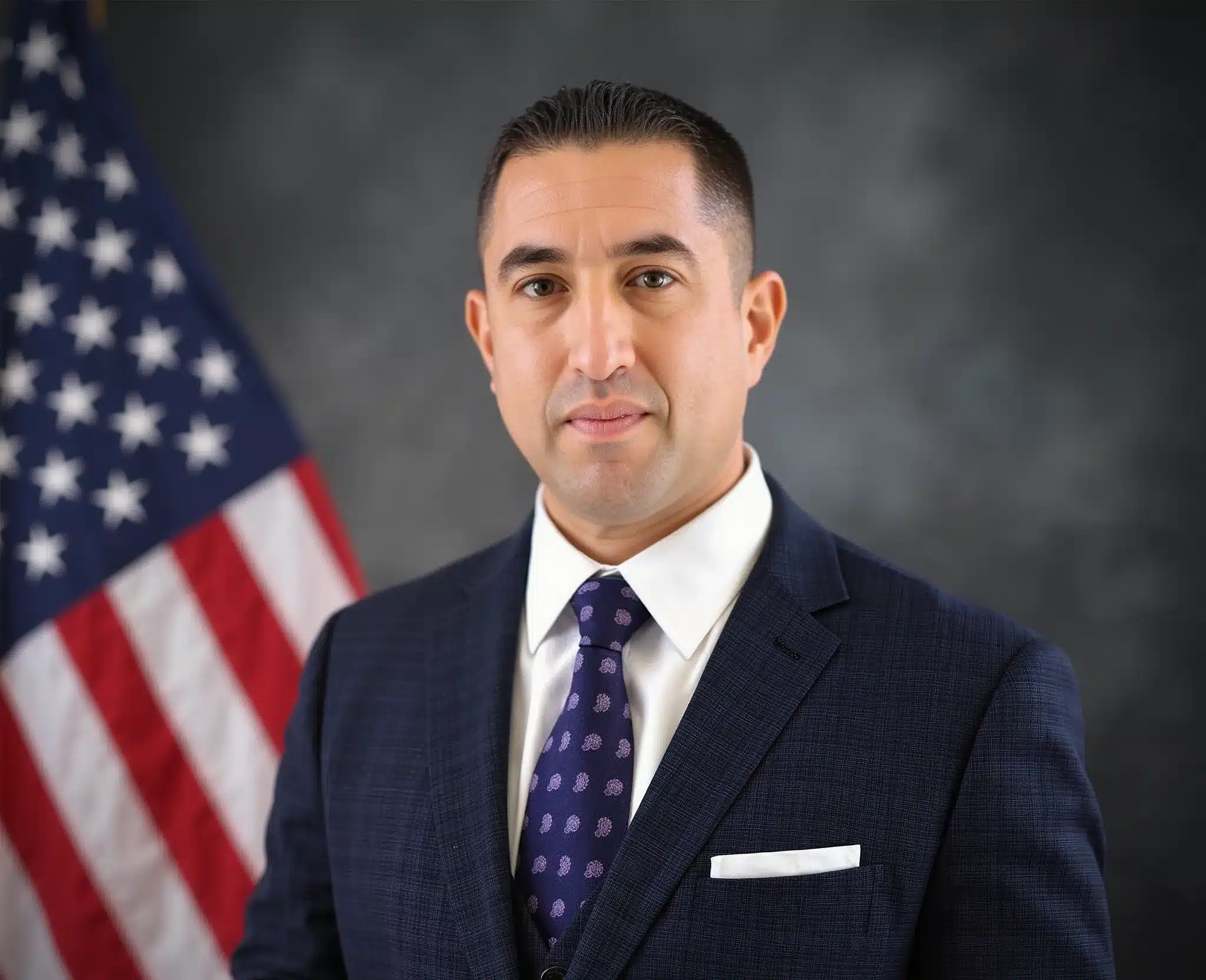
The Law Office of Nabiel C. Ahmed understands how unsettling it is to face charges like criminal threats or witness intimidation in Saranap. You may be worried about your job, your family, and how a criminal record could follow you for years. Our role is to stand between you and the power of the state, ensuring your rights are protected and your voice is heard. From the moment you reach out, we focus on listening to your story, explaining the process in clear terms, and taking concrete steps to defend you in Contra Costa County’s criminal courts.
Choosing the right attorney for a criminal threats or witness intimidation case can significantly affect how your matter unfolds. The Law Office of Nabiel C. Ahmed has built a practice centered on defending individuals accused of violent and serious crimes in Oakland, Saranap, and surrounding communities. The firm understands the nuances of California’s threat and witness laws, how local judges tend to rule, and how prosecutors build their files. This experience informs a tailored strategy for each client, rather than a one-size-fits-all approach, and allows for realistic advice about risks and potential outcomes.
The firm emphasizes open communication, prompt responses, and straightforward guidance so you always know where your case stands. By thoroughly reviewing the evidence, exploring weaknesses in the prosecution’s arguments, and seeking creative resolutions when appropriate, the Law Office of Nabiel C. Ahmed strives to protect both your immediate freedom and your long-term future. Whether your case calls for aggressive litigation, careful negotiation, or a combination of both, you will have a committed legal advocate working to present your side of the story and pursue the best possible result under the circumstances.
When you contact the Law Office of Nabiel C. Ahmed about a criminal threats or witness intimidation charge, we follow a clear process designed to protect your rights from the start. We begin by gathering your version of events, reviewing any paperwork you received, and identifying immediate concerns like upcoming court dates or active restraining orders. We then obtain the police reports and other discovery, evaluate the strengths and weaknesses of the case, and discuss realistic options with you. Throughout the process, we keep you informed, answer your questions, and adjust the defense strategy as new information emerges.
The first step in defending a Saranap criminal threats or witness intimidation case is a thorough consultation. During this meeting or call, we listen carefully to your concerns, gather basic background information, and review any citations, release terms, or court notices you have received. We talk about what led up to the incident, what was said or written, and who else may have been present. At this stage, we also explain the charges you are facing, the possible penalties, and what to expect at your first court appearance. This foundation guides the next steps in your defense.
Early in the process, it is important for us to understand not just the alleged incident, but also your broader circumstances. We ask about your work, family, prior record, and any ongoing disputes with the complaining witness. This helps us identify potential motives for exaggeration or false accusations and any collateral concerns, such as immigration or professional licensing issues. We also address urgent matters like no-contact orders and upcoming deadlines. By clarifying your priorities from the outset, we can tailor our approach to protect what matters most while laying the groundwork for a strong defense in court.
Understanding what you are charged with and how the court process works can ease some of the anxiety you may feel. During the initial phase, we break down the specific Penal Code sections involved, explain the difference between misdemeanors and felonies, and outline the stages of a criminal case in Contra Costa County. We discuss arraignment, pretrial conferences, motions, possible settlement talks, and trial. This conversation gives you a clearer picture of what lies ahead and allows you to prepare realistically. Knowing the timeline also helps you arrange work, family, and transportation around court dates.
Once you decide to move forward, we dive into the investigative stage. We obtain and review police reports, body camera footage, 911 recordings, witness statements, and any digital evidence such as texts or social media posts. In many Saranap criminal threats and witness intimidation cases, the details in these materials can reveal misunderstandings or gaps in the story. When necessary, we may interview witnesses or consult investigators to verify timelines and challenge assumptions. This careful review allows us to identify legal and factual issues that can be used in motions, negotiations, or trial to strengthen your defense.
During the evidence-gathering phase, we request all available discovery from the prosecutor, including supplemental reports and digital files. We also work with you to collect materials that may support your defense, such as screenshots, messages, call logs, and photographs. When appropriate, we reach out to potential witnesses who can provide context, offer alternate perspectives, or contradict key parts of the prosecution’s narrative. This step is especially important in Saranap cases involving criminal threats or allegations of pressuring witnesses, where the meaning of words and gestures often depends heavily on the surrounding circumstances and prior relationships.
After gathering the evidence, we carefully analyze it for inconsistencies, missing context, and legal weaknesses. We look at whether the alleged threat was truly specific and credible, whether the complaining witness’s fear was reasonable and sustained, and whether any communication about testimony actually qualifies as intimidation under California law. We examine police procedures for errors or oversights that may support suppression motions. By identifying these issues, we can craft persuasive arguments to challenge the prosecution’s case, negotiate for better outcomes, or, if necessary, present a strong defense before a Contra Costa County judge or jury.
With a clear understanding of the evidence and possible defenses, we move into active advocacy on your behalf. In many Saranap cases, this stage involves strategic negotiations with the district attorney, filing motions to limit or exclude certain evidence, and appearing in court to argue for favorable rulings. We keep you informed of each development and discuss any offers or options in detail so you can make informed decisions. When trial is appropriate, we prepare thoroughly, focusing on presenting your story in a compelling, understandable way to the judge or jury hearing your case.
Many criminal threats and witness intimidation cases in Contra Costa County are resolved through negotiations rather than trials. Drawing on our analysis of the evidence, we present the prosecution with reasons to reduce charges, dismiss certain counts, or consider alternatives such as informal agreements or diversion programs. We may highlight weaknesses in the case, mitigating factors in your background, and your willingness to address any underlying issues through counseling or classes. Our goal is always to secure the most favorable resolution possible while respecting your priorities, whether that means avoiding a conviction, minimizing custody time, or protecting your long-term record.
When negotiations do not result in a fair outcome, we are prepared to present your defense in court. This includes arguing pretrial motions, challenging the admissibility of statements or recordings, and cross-examining witnesses whose accounts may be incomplete or unreliable. In a Saranap criminal threats or witness intimidation trial, we work to show the jury the full context of your words and actions, emphasizing reasonable interpretations that do not amount to criminal conduct. Throughout the process, we stand by you, explaining each step and helping you make decisions that align with both your legal interests and your personal values.
Yes, you can be charged with criminal threats in Saranap even if you never intended to actually carry out the threat. California law focuses on whether your words, taken in context, conveyed a serious threat of death or great bodily injury and caused the other person to experience reasonable, sustained fear. The prosecution does not need to prove that you planned to follow through, only that the threat appeared believable and was taken seriously by the alleged victim. However, your intent still matters for building a defense. If your statement was clearly a joke, a figure of speech, or made in a moment of frustration without genuine purpose to scare, your attorney can use those facts to challenge whether it qualifies as a criminal threat. A careful review of the surrounding circumstances, including your tone, history with the person, and any follow-up communication, can create reasonable doubt and support a more favorable outcome.
Penalties for criminal threats in Contra Costa County can vary widely depending on whether the case is filed as a misdemeanor or a felony and whether a weapon is alleged. A misdemeanor conviction can lead to up to a year in county jail, fines, probation, and protective orders. Felony convictions can bring longer county jail or state prison terms, and in some circumstances, a criminal threats conviction can count as a strike under California’s sentencing laws. Beyond jail or prison, there are additional consequences to consider, such as restraining orders, loss of firearm rights, challenges finding employment, and potential effects on child custody or divorce proceedings. Each case is different, so it is important to speak with an attorney who can evaluate your specific charges, any prior criminal history, and the strength of the evidence before giving you a realistic assessment of what you are facing and how to respond.
Witness intimidation goes beyond simply asking someone not to testify or to reconsider their involvement. Under California law, it generally involves attempts to prevent or discourage a witness or victim from reporting a crime, cooperating with police, or appearing in court, often through pressure, threats, or promises. Even subtle attempts to influence someone’s testimony can be portrayed as intimidation, particularly when they occur during an active investigation or criminal case. In contrast, a sincere request for privacy or a desire to resolve matters informally may not be enough to qualify as a crime, especially if no threats or promises are involved. The line can be blurry, and prosecutors sometimes stretch ordinary conversations into witness intimidation charges. A careful review of what was said, how it was communicated, and the broader context can help your attorney argue that your actions did not amount to unlawful interference with the justice system in your Saranap case.
If you are convicted of criminal threats or witness intimidation, the conviction will appear on your criminal record and may show up in background checks for employment, housing, or licensing. The impact can be especially significant because these offenses are categorized as crimes involving violence or interference with justice. In some situations, the conviction may also be treated more seriously in future criminal cases, potentially leading to enhanced penalties. However, there may be options over time to reduce the impact of a conviction. Depending on the circumstances, you might be eligible for relief such as expungement after successfully completing probation, or reduction of certain felonies to misdemeanors. These remedies have specific requirements and are not available in every case. Speaking with a defense attorney can help you understand what long-term options might exist and how choices made now will affect your record down the road.
It is common for alleged victims in criminal threats and domestic-related cases to later decide they no longer want to participate or want the case dismissed. However, in California, once charges are filed, the decision to continue prosecuting rests with the district attorney, not the complaining witness. Prosecutors often proceed even if the person who initially called the police changes their mind. They may rely on statements already given, 911 recordings, and officer testimony to move forward. That said, a complaining witness’s current position can still influence how the case is handled. If they are unwilling to testify or clarify their statements, the prosecution’s evidence may weaken. Your attorney may be able to present this development during negotiations, highlighting the challenges of proving the case beyond a reasonable doubt. It is important that you do not pressure the alleged victim yourself; instead, let your lawyer address any changes in their wishes through proper legal channels.
Yes, text messages, social media posts, emails, and voicemail recordings are frequently used as evidence in criminal threats and witness intimidation cases. Investigators and prosecutors may review your phone, obtain records from service providers, or use screenshots provided by the complaining witness. Even messages you think are sarcastic or taken out of context can be interpreted as menacing when presented in court, particularly if the rest of the conversation is not available or has been deleted. Because of this, it is important to stop discussing the situation electronically once you realize you may be under investigation. Preserve any communications that may help your defense but avoid sending new messages that could complicate the case. Share existing digital evidence with your attorney, who can review it, challenge misleading interpretations, and seek to present the full context to the court if it benefits your position in your Saranap case.
Even if you are confident the accusations are exaggerated, mistaken, or entirely false, it is still very risky to handle criminal threats or witness intimidation charges on your own. The legal standards involved are complex, and well-intentioned statements to police or the prosecutor can be misinterpreted and used against you. Without guidance, you may miss opportunities to challenge the evidence, raise legal defenses, or negotiate for reduced charges or alternative resolutions. An attorney familiar with Contra Costa County’s criminal courts understands how local judges and prosecutors approach these cases and what arguments they find persuasive. Your lawyer can help you avoid damaging admissions, preserve favorable evidence, and develop a coherent strategy from the outset. Taking the accusations seriously, even when you know your side of the story is much different, is one of the best ways to protect yourself and work toward a fair result.
Your first court appearance, called an arraignment, is usually brief but important. The judge will inform you of the charges, advise you of your rights, and address issues like bail, release conditions, and any protective orders. In a Saranap criminal threats or witness intimidation case, the prosecutor may request a no-contact order with the alleged victim and other specific restrictions. You will typically enter a plea of not guilty at this stage, and future court dates will be scheduled for pretrial conferences or settlement discussions. Having an attorney at your arraignment can help ensure that your rights are protected from the beginning. Your lawyer can argue for reasonable bail or release terms, seek to limit overly broad protective orders, and start the process of obtaining the evidence against you. This early advocacy may influence how the rest of your case unfolds and can prevent conditions that make it harder to work, see family, or prepare your defense.
Yes, criminal threats and witness intimidation charges can have serious consequences for immigration status and certain professional licenses. Because these offenses may be viewed as involving moral turpitude, violence, or interference with justice, they can trigger immigration concerns such as deportation, denial of naturalization, or problems re-entering the country. Professional licensing boards for fields like healthcare, education, or law enforcement may also review such convictions closely and impose discipline or denial of licenses. If you have immigration issues or hold a professional license, it is critical to let your attorney know right away so these factors can be considered when planning your defense and evaluating plea offers. In some cases, alternative charges or carefully structured resolutions may reduce the collateral consequences. A thoughtful approach seeks to protect not only your freedom, but also your ability to live and work in your chosen field.
You should contact an attorney as soon as you learn that you are under investigation or suspect that criminal threats or witness intimidation allegations may be coming. Early involvement allows your lawyer to advise you before you speak with police, helping you avoid statements that could later be used against you. Your attorney can also begin gathering helpful evidence while it is still fresh, such as messages, call logs, or potential witnesses who might otherwise be hard to locate later. In Saranap and throughout Contra Costa County, cases can move quickly from investigation to formal charges. Having a lawyer on your side at an early stage improves the chances of influencing charging decisions, negotiating favorable conditions if you are arrested, and shaping the narrative presented to the court. Prompt legal help also gives you more time to understand your options and make informed choices about how to approach your defense.
"*" indicates required fields