
Facing allegations of a violent or serious crime in Rodeo can turn your life upside down overnight. You may be worried about prison time, a permanent record, and how this case could affect your family, your job, and your future opportunities. At the Law Office of Nabiel C. Ahmed, our criminal defense law firm helps people throughout Rodeo, Contra Costa County, and the surrounding communities understand their options and take measured steps forward. This page explains what these charges mean in California and how strategic legal representation can protect your rights.
Violent and serious crime accusations often move quickly through the Contra Costa County courts, and it can feel like the system is already working against you. Prosecutors may push for harsh penalties and try to convince you to accept a plea before you fully understand the consequences. Our firm focuses on defending people charged with serious offenses in Rodeo and across Alameda and Contra Costa Counties. We take time to explain the process, investigate the facts, and develop a defense that reflects your circumstances rather than a one‑size‑fits‑all approach.
Violent and serious crime convictions in California can result in lengthy incarceration, strikes under the Three Strikes law, and lifetime consequences that do not disappear once a sentence is complete. Working with a dedicated criminal defense attorney in Rodeo gives you an advocate who can challenge the prosecution’s version of events, question the legality of police actions, and negotiate from a position of strength. With careful preparation and persuasive advocacy, it may be possible to reduce charges, limit sentencing exposure, or even have your case dismissed, helping you protect your freedom and your future.
The Law Office of Nabiel C. Ahmed is a criminal defense law firm based in Oakland that regularly appears in courts throughout Contra Costa County, including cases arising in Rodeo. Over many years of practice in California criminal courts, our attorney has defended individuals facing allegations ranging from bar fights and domestic incidents to high‑level violent felony charges. We take a hands‑on approach that includes in‑depth case review, honest guidance, and direct communication. Our firm’s focus on criminal defense allows us to stay current with changes in California law that can affect violent and serious crime cases.
California law uses the terms “violent felony” and “serious felony” for specific offenses that the legislature has identified as particularly harmful or dangerous. These labels can dramatically increase the possible penalties and have important effects under the Three Strikes law. If you are charged in Rodeo, your case will typically be handled in Contra Costa County court, where prosecutors may pursue these enhanced classifications. Knowing how your charges are categorized, what sentencing ranges apply, and whether strikes are at issue is an essential part of making informed decisions about your defense.
Not every arrest in Rodeo that sounds violent will necessarily qualify as a violent or serious felony under California statutes. The specific code section, any alleged injuries, whether a weapon is involved, and your prior record all play a major role in how a case is filed. A careful lawyer can analyze the complaint, police reports, and evidence to determine whether the charges have been over‑filed or whether enhancement allegations are actually supported. This understanding opens the door to motions, negotiations, and trial strategies aimed at reducing your exposure and protecting your record.
In California, violent and serious felonies are defined by statute and include offenses such as robbery, certain burglaries, some domestic violence charges, assault with a deadly weapon, attempted murder, and specific sex offenses. These crimes often carry sentencing enhancements, mandatory minimums, and strike consequences that can turn a first offense into a life‑altering event. For someone arrested in Rodeo, a charge that falls into one of these categories can mean exposure to state prison and restrictive probation or parole terms. Understanding exactly which statute you are accused of violating is the first step in developing a meaningful defense strategy.
Violent and serious crimes prosecutions in Rodeo typically begin with an arrest by local law enforcement or county agencies, followed by a filing decision from the Contra Costa County District Attorney. The prosecution must prove every element of the charge, such as intent, use of force, or use of a weapon, beyond a reasonable doubt. Your lawyer can challenge witness credibility, identification procedures, forensic evidence, and whether police followed constitutional rules. Throughout arraignment, pretrial hearings, motion practice, and possible trial, your defense strategy aims to weaken the prosecution’s case and create avenues for reduction, dismissal, or favorable pleas.
When you are dealing with violent or serious crime allegations in Rodeo, the legal language used in court documents and hearings can be confusing and intimidating. Terms like “strike,” “enhancement,” and “great bodily injury” each have specific meanings that affect possible outcomes. A clearer understanding of these words helps you participate actively in your defense. Below are some common concepts you may hear throughout your case, along with plain‑language explanations meant to demystify the process and give you more confidence when discussing your options with your attorney.
A “strike” offense is a violent or serious felony listed in California’s Three Strikes law. If you are convicted of a strike in Rodeo, that conviction can significantly increase penalties for any future felony cases. A second strike can result in doubled sentences, and a third strike may lead to a potential life term. Because of these harsh consequences, defense strategies often focus on avoiding strike convictions, challenging the classification of the offense, or seeking resolutions to non‑strike charges when possible.
An enhancement is an additional allegation that, if proven, increases the potential sentence beyond the base term for the underlying crime. Common enhancements in violent and serious crimes cases include use of a firearm, causing great bodily injury, or committing an offense for the benefit of a gang. In a Rodeo case, these enhancements can add years to a state prison sentence. A strong defense may involve attacking the factual basis for the enhancement or negotiating to have enhancements dismissed as part of a plea agreement.
Great bodily injury is a legal term that refers to significant or substantial physical injury, going beyond minor or moderate harm. Prosecutors in Contra Costa County may allege GBI in violent crime cases to seek harsher sentences and additional time. Whether an injury qualifies as GBI can be a contested issue, often involving medical records, photographs, and witness testimony. By scrutinizing the evidence closely, your defense can argue that the injuries do not meet the legal standard, potentially reducing your sentencing exposure and affecting strike implications.
A plea agreement is a negotiated resolution where you agree to plead guilty or no contest to certain charges or enhancements in exchange for concessions from the prosecution, such as reduced charges, fewer enhancements, or a more predictable sentence. In a Rodeo violent crimes case, a carefully structured plea can sometimes avoid strikes, reduce prison exposure, or create opportunities for probation. Entering into a plea should only be done after a full review of the evidence, potential defenses, and long‑term consequences for your record and future.
After an arrest for a violent or serious crime in Rodeo, you may feel pressure to make quick decisions about your case, including whether to take an early plea, cooperate with law enforcement, or fight the charges at trial. Each path has advantages and risks that depend on your specific facts, prior record, and personal goals. A thoughtful criminal defense attorney can walk you through the strengths and weaknesses of the prosecution’s evidence, potential motions, likely sentencing ranges, and the practical realities of trial so you can make informed choices rather than reacting out of fear.
Some Rodeo cases involving alleged violence may be based on thin evidence, conflicting witness accounts, or injuries that are relatively minor. In those situations, a focused defense that concentrates on a few key evidentiary weaknesses and targeted negotiation may be enough to secure a favorable outcome. For example, your lawyer might highlight credibility problems with a complaining witness, challenge identification procedures, or raise self‑defense issues. This narrower strategy can sometimes lead to dismissals, reductions to non‑strike offenses, or manageable plea agreements without the need for lengthy litigation.
When a person with no prior record faces a lower‑level violent charge in Rodeo, and there are strong mitigating factors such as employment history, family responsibilities, or evidence of rehabilitation, a limited approach can be effective. In these cases, presenting a well‑documented background, character letters, and proof of counseling or treatment can encourage prosecutors and judges to consider reduced charges, diversion programs, or probation. Rather than litigating every issue, the focus becomes demonstrating that the incident is unlikely to repeat and that a harsh sentence is not necessary to protect the community.
When you are facing serious felony charges in Rodeo that qualify as strikes or involve lengthy potential prison terms, a comprehensive defense strategy becomes essential. These cases often require extensive investigation, consultation with experts such as forensic professionals or use‑of‑force analysts, and substantial motion practice to challenge search warrants, statements, or identification procedures. Your attorney may need to interview multiple witnesses, obtain surveillance footage, and carefully analyze digital evidence. This broader approach aims not only to contest guilt, but also to attack enhancements and negotiate from the strongest possible position.
Violent crime cases in Rodeo sometimes involve multiple defendants, alleged gang ties, or complex forensic evidence such as ballistics, DNA, or cell phone data. When the prosecution’s theory relies on intricate timelines or digital trails, a comprehensive defense includes working with investigators, reviewing thousands of pages of discovery, and potentially retaining specialists to interpret technical evidence. Your lawyer must separate your role from others, highlight inconsistencies, and push back on assumptions made by law enforcement. This level of preparation can open the door to dismissals, severances, or individually tailored resolutions that better reflect your actual conduct.
Taking a thorough approach to your violent or serious crimes case in Rodeo can significantly influence the outcome. By carefully examining every aspect of the arrest, the evidence, and the legal charges, your attorney can uncover defenses that might otherwise be overlooked, such as constitutional violations, flawed forensic testing, or incomplete witness statements. This depth of preparation strengthens your bargaining position in plea negotiations and allows you to make a realistic decision about whether to take your case to trial or pursue an alternative resolution that better protects your future.
A comprehensive strategy also helps address the human side of your case. Beyond police reports and charge sheets, your background, family responsibilities, health needs, and personal growth can be powerful factors in negotiations and sentencing. Gathering records, letters of support, and documentation of treatment or counseling can demonstrate to the court that you are more than the allegations. In Rodeo and throughout Contra Costa County, judges and prosecutors regularly weigh these details, and a well‑prepared defense can use them to argue for lower sentences, alternative programs, or reduced classifications.
When the prosecution in a Rodeo violent crimes case sees that the defense has thoroughly investigated the facts and is prepared to challenge key evidence, the tone of negotiations often changes. Instead of assuming a quick guilty plea, prosecutors must account for weaknesses in their case and the risk of losing at trial. Well‑developed mitigation materials and legal arguments can support offers that remove strike allegations, dismiss enhancements, or reduce charges altogether. This improved bargaining position can lead to more favorable plea agreements that significantly lower the long‑term impact on your life.
A comprehensive defense also gives you greater clarity and peace of mind during an extremely stressful time. Instead of feeling left in the dark, you receive ongoing explanations about the evidence, legal options, and likely outcomes in your Rodeo case. This information allows you to participate meaningfully in decisions such as whether to accept a plea offer, testify, or proceed to trial. By understanding both the risks and potential benefits of each path, you can choose a strategy that aligns with your values, your family’s needs, and your long‑term goals.

If you are arrested or even questioned about a violent or serious crime in Rodeo, it is important to clearly and calmly assert your right to remain silent and your right to an attorney. Many people think they can talk themselves out of trouble, but statements made in the heat of the moment often end up in police reports and courtrooms. Politely decline to answer questions without counsel present, avoid posting about the incident on social media, and contact a criminal defense lawyer as soon as possible to protect your rights from the very beginning.
If you are released from custody while your Rodeo case is pending, the court may impose strict conditions such as no‑contact orders, geographic restrictions, or requirements to attend counseling. Violating these terms, even unintentionally, can lead to new charges, higher bail, or revocation of release. Take time to understand every condition, ask your lawyer to clarify anything that seems confusing, and keep written notes of what the judge said. By following these rules closely, you avoid creating additional problems and show the court that you are taking the process seriously.
Allegations of violent or serious crimes carry some of the most severe penalties in California, including long prison sentences, strikes, and lifetime barriers to employment and housing. Prosecutors in Contra Costa County devote significant attention to these cases, and they often come to court well‑prepared. Having a dedicated violent crimes lawyer in Rodeo levels the playing field by giving you someone who understands local court practices, evidentiary rules, and effective negotiation strategies. With so much at stake, professional guidance can help you avoid missteps and pursue the best possible resolution.
Even if you believe the incident was a misunderstanding, self‑defense, or blown out of proportion, the criminal justice system will not automatically see it that way. Without skilled representation, you may miss opportunities to challenge the legality of the stop, suppress damaging statements, or question the reliability of identification procedures. A Rodeo violent crimes attorney can investigate alternative explanations, seek out favorable witnesses, and present your story in a clear and persuasive way. This focused advocacy gives you a better chance of protecting your record, your freedom, and your future.
Violent and serious crime charges in Rodeo can arise from many different situations, ranging from bar or street altercations to domestic disputes or incidents involving weapons. Sometimes a heated argument escalates quickly, witnesses see only part of what happened, or law enforcement arrives after the fact and must piece together conflicting stories. Alcohol, stress, and fear can also affect how events unfold and how they are remembered. Whenever physical force, threats, or weapons are alleged, there is a real risk that prosecutors will file serious felony charges that require immediate legal attention.
A simple disagreement at a bar, party, or public place in Rodeo can quickly turn into a fight, especially when emotions run high or alcohol is involved. In the aftermath, police may arrive to find people injured or upset and make rapid decisions about who to arrest. Witnesses might provide inconsistent descriptions, and surveillance footage may not capture everything. Yet prosecutors can still file assault or battery charges, sometimes with serious felony allegations. A careful defense examines how the confrontation started, whether you were defending yourself, and what the evidence truly shows.
Domestic incidents in Rodeo often begin as verbal arguments between partners or family members and escalate when someone calls the police, sometimes just hoping to calm things down. Once officers arrive, they may feel pressure to make an arrest, especially if there are visible injuries or allegations of threats. These situations can result in felony domestic violence charges with significant consequences for housing, employment, and parental rights. Your attorney can explore whether the statements made in the heat of the moment are reliable, whether there were mutual actions, and if alternative resolutions are appropriate.
Cases involving firearms, knives, or other objects that can be used as weapons often draw heightened attention from law enforcement and prosecutors in Rodeo. Even if no one is seriously hurt, the mere allegation that a weapon was displayed or used can elevate charges to violent or serious felonies and add enhancements. Sometimes, however, the object was never actually used, belonged to someone else, or was carried lawfully. A strong defense looks at how the weapon was found, whether it was operable, and if the prosecution can truly prove its connection to the alleged crime.
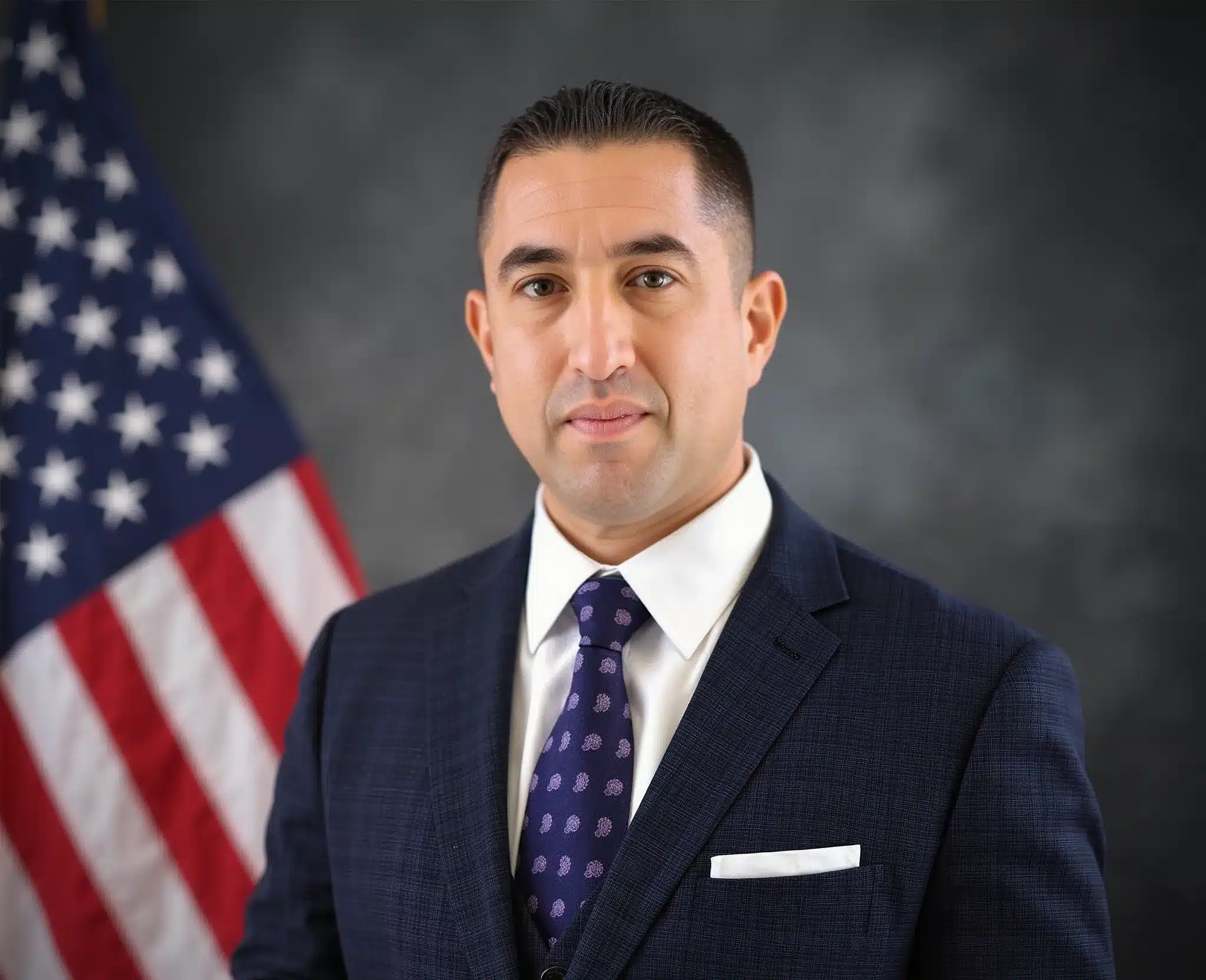
At the Law Office of Nabiel C. Ahmed, we understand how overwhelming it feels to be accused of a violent or serious crime in Rodeo. From the moment you contact our Oakland office at 510-271-0010, our team works to learn your story, gather important details, and start protecting your rights. We handle cases throughout Contra Costa and Alameda Counties and are familiar with local courts and procedures. Our goal is to guide you through each phase of the process, provide straightforward advice, and pursue outcomes that safeguard your freedom and your future.
Choosing the right criminal defense law firm after a violent crime arrest in Rodeo can make a significant difference in how your case is handled. Our Oakland‑based practice focuses on defending people charged with serious offenses in Contra Costa and Alameda Counties. We prioritize thorough investigation, clear communication, and strategic advocacy tailored to your circumstances. From reviewing body‑worn camera footage to challenging enhancements and strike allegations, we take a proactive approach aimed at improving your position both in negotiations and, when necessary, in front of a judge or jury.
When you work with our firm, you are not treated as just another case file. We take time to understand your background, your family, and what matters most to you moving forward. This relationship allows us to present a fuller picture of who you are, not just the allegations in a police report. Clients are kept informed at every stage, and we make ourselves available to answer questions and explain options in plain language. If you are facing violent or serious crime charges in Rodeo, we are ready to stand with you and fight for a fair outcome.
Violent and serious crimes cases can move quickly, which is why our firm follows a structured approach designed to protect clients from the beginning. After an initial consultation, we obtain all available reports, recordings, and court filings related to your Rodeo case. We then review the evidence with you, identify immediate concerns such as bail or protective orders, and map out potential strategies. Throughout the process, we maintain open communication with you and, when appropriate, your family, so that everyone understands the steps ahead and the options available at each stage.
The first step when you contact our office about a violent or serious crime charge in Rodeo is a detailed consultation where we listen to your account of what happened, review any paperwork you have received, and answer pressing questions. This early evaluation allows us to spot urgent issues, such as upcoming court dates, potential immigration consequences, or the need to preserve evidence. We also explain how violent and serious felony laws work in California and discuss realistic expectations, giving you a clearer picture of what to expect in the coming weeks and months.
During the initial phase, we focus on learning about you as a person as well as the details of the incident in Rodeo. We discuss your work history, family obligations, prior record, and any medical or mental health issues that may be relevant. Understanding your background helps us prepare for bail hearings and potential sentencing arguments. At the same time, we identify immediate concerns such as no‑contact orders, housing problems, or employment issues related to the arrest. Addressing these early can reduce some of the stress while your case is pending.
Many clients come to us feeling overwhelmed by the legal paperwork and worried about worst‑case scenarios. We take time at the start to explain each charge you are facing in your Rodeo case, what the prosecution must prove, and the possible sentencing ranges. We also discuss how strike allegations, enhancements, and prior convictions could affect outcomes. With this information, we outline potential strategies, from challenging the legality of the arrest to preparing for trial or exploring negotiated resolutions. Our goal is to replace some of the fear with informed, practical planning.
Once we are formally representing you in your Rodeo violent crimes case, we move quickly to obtain discovery from the prosecution, which can include police reports, body‑camera footage, witness statements, and forensic results. We may conduct an independent investigation, interview witnesses, or visit the scene. As we analyze this material, we look for legal and factual issues that could support motions to suppress evidence, challenge identifications, or strike enhancements. This stage lays the groundwork for strong negotiations and builds the foundation for trial if the case cannot be resolved beforehand.
In many Rodeo violent crime cases, the initial police narrative is incomplete or one‑sided. Our firm carefully reviews every piece of discovery we receive and compares it with your account and any information from witnesses who support you. We may work with investigators to locate additional evidence, such as surveillance footage, phone records, or social media posts that place events in context. By building a fuller picture of what happened, we can identify inconsistencies, exaggerations, or mistakes in the prosecution’s case that can be used to your advantage in court.
After reviewing the evidence in your Rodeo case, we may file motions asking the judge to exclude certain statements, suppress physical evidence obtained through unlawful searches, or dismiss particular charges or enhancements. These written legal challenges are often supported by hearings where officers and witnesses can be questioned under oath. Even when motions are not fully granted, they can highlight weaknesses in the prosecution’s case and create leverage in negotiations. This phase can significantly shape the landscape of your case before any trial date is set.
The final stage of the process involves weighing plea offers against the risks and potential benefits of going to trial. In Rodeo violent crime cases, we present the prosecution with legal challenges, evidentiary issues, and mitigation materials to seek more favorable terms. At the same time, we prepare as if trial will occur, developing themes, organizing exhibits, and planning witness examinations. This dual approach ensures that if a negotiated resolution is not in your best interest, we are ready to present a strong, well‑prepared defense in court.
When prosecutors in Contra Costa County extend plea offers in your Rodeo case, we do more than simply relay the terms. We analyze how the proposed plea compares to your trial exposure, whether it includes strikes or enhancements, and how it could affect your life in the long term, including employment, housing, and immigration. We also explore alternative sentencing options such as treatment programs, community service, or split sentences where appropriate. With this information, you can decide whether to accept a resolution or move forward toward trial with full awareness of the trade‑offs.
If your Rodeo violent crimes case proceeds to trial, we work closely with you to prepare every aspect of your defense. This includes developing a clear narrative, selecting and preparing witnesses, crafting cross‑examination of the prosecution’s witnesses, and deciding whether you should testify. We also help you understand courtroom procedures and what to expect each day of trial, reducing some of the anxiety that comes with appearing in front of a jury. By presenting a compelling and well‑organized defense, we aim to challenge the prosecution’s story and highlight reasonable doubt.
If you are arrested for a violent or serious crime in Rodeo, the most important step is to stay calm and avoid arguing with officers. Clearly state that you wish to remain silent and that you want an attorney, then stop answering questions. Anything you say can be used against you later, even casual comments made in the back of a patrol car or at the station. As soon as possible, contact a criminal defense lawyer who handles cases in Contra Costa County. Provide your attorney with any paperwork, court dates, and details about potential witnesses or evidence. Your lawyer can advise you about bail, upcoming hearings, and how to avoid common mistakes that could harm your case while it is still in the early stages.
Not every violent‑sounding charge in Rodeo is automatically a strike offense under California’s Three Strikes law. The state has a specific list of violent and serious felonies that count as strikes, and some offenses may be filed in ways that fall outside those categories. The exact code section, enhancements, and allegations matter a great deal. A criminal defense attorney can examine your charging document to determine whether the prosecution is alleging a strike. In some cases, it may be possible to negotiate a plea to a non‑strike offense or challenge the classification itself. Understanding whether a strike is at issue is important because it can greatly affect potential sentences and future consequences.
Yes, you can sometimes face serious felony charges even when injuries are limited or no one is badly hurt. Certain offenses in California, such as robbery or some burglary charges, are classified as serious felonies regardless of the extent of physical harm. Prosecutors in Rodeo may also allege enhancements or specific conduct that elevates the case. Your lawyer will review the facts to see whether the charges accurately reflect what happened or whether they have been over‑filed. In some cases, it may be appropriate to argue that the conduct does not meet the legal definition of a serious felony or to seek reduction to a misdemeanor. These distinctions can make a big difference in sentencing and long‑term record consequences.
The timeline for a violent or serious crimes case in Rodeo varies widely depending on the complexity of the charges, the amount of evidence, and whether the case goes to trial. Some cases resolve in a few months through targeted negotiations, while others involving serious felonies, multiple defendants, or extensive forensic evidence can take a year or longer. Although a quick resolution might sound appealing, moving too fast can sometimes mean missing important defenses or opportunities for a better outcome. Your attorney will balance the benefits of thorough investigation and motion practice with your desire for closure, keeping you informed as the case progresses and explaining any delays or strategic decisions.
A conviction for a violent felony does not automatically mean you will go to prison, although the risk is higher than with many other offenses. Sentencing in California depends on factors such as the specific charge, enhancements, your prior record, and any mitigating or aggravating circumstances. Some people receive probation, county jail time, or split sentences instead of long terms in state prison. Your lawyer’s goal is to present compelling reasons why a prison sentence is not necessary in your particular case. This may include evidence of work history, family responsibilities, treatment or counseling, and a low likelihood of future problems. By humanizing you in the eyes of the judge and prosecutors, your attorney can often argue for alternatives that better support rehabilitation and community safety.
A lawyer can help reduce or dismiss violent crime charges in Rodeo by challenging the prosecution’s evidence at every stage. This may include questioning the reliability of eyewitness identifications, examining whether statements were obtained legally, and scrutinizing forensic testing. Your attorney can also file motions to suppress evidence from unlawful searches or to exclude prejudicial material. At the same time, your lawyer can negotiate with prosecutors using both legal arguments and mitigation evidence, such as your lack of prior record or efforts toward counseling. In some cases, these efforts can lead to reduced charges, dismissal of enhancements, or resolutions that avoid strikes. While no particular result can be guaranteed, having a dedicated advocate significantly improves your ability to pursue a favorable outcome.
Even if the alleged victim in your Rodeo case says they want to drop the charges, the decision to continue or dismiss a prosecution rests with the District Attorney, not the individual. Prosecutors may choose to move forward based on other evidence such as 911 calls, photographs, or officer observations. This is especially common in domestic violence or serious injury cases. However, the wishes of the complaining witness can still influence how the case is handled. Your attorney can communicate with the prosecution about the victim’s position, any changes in their account, and whether they are willing to cooperate. In some situations, this can help in negotiations or affect sentencing, but it is important not to pressure or contact the alleged victim in violation of any court orders.
Prior convictions can have a significant impact on a new violent crime case in Rodeo. If you have previous strikes or certain felony convictions, you may face enhanced sentencing ranges or mandatory minimums. Even non‑strike priors can influence bail, plea offers, and the judge’s view of your case at sentencing. That said, not all priors are treated the same, and some may be too old or legally ineligible to count as strikes. Your lawyer can review your criminal history to determine what the prosecution can legally use against you and whether any priors can be challenged or struck. Understanding this landscape helps shape negotiation strategy and realistic expectations about possible outcomes.
You should not discuss your case with police or detectives before speaking with a lawyer, even if you believe you did nothing wrong or want to tell your side of the story. Officers are trained to ask questions in ways that may elicit statements that can be used against you later. Once made, those statements are difficult or impossible to undo, even if parts were misunderstood. Instead, politely state that you wish to remain silent and that you want an attorney present for any questioning. Once you have legal representation, your lawyer can evaluate whether speaking to law enforcement could benefit your case or whether it is safer to decline. This approach helps protect your rights and prevents unintentional harm to your defense.
When choosing a violent crimes lawyer for a case in Rodeo, look for someone whose practice focuses on criminal defense and who regularly appears in Contra Costa County courts. Pay attention to how clearly they explain the legal process, whether they listen to your concerns, and how comfortable you feel asking questions. A strong attorney‑client relationship is built on trust, communication, and honesty about both risks and opportunities. It can also be helpful to ask how the lawyer approaches violent and serious felony cases, including investigation, motions, and trial preparation. You want a firm that is prepared to dig into the evidence and advocate for you at every stage, not simply push quick pleas. Meeting for a consultation can give you a sense of whether the attorney is a good fit for your needs and goals.
Aggressive defense for all criminal charges
"*" indicates required fields