
Money laundering charges in Rodeo can arise from many different situations, including business activity, online transactions, or simply being connected to the wrong people. Even before a case reaches court, investigations can be invasive and intimidating. A conviction may bring prison time, heavy fines, and lasting damage to your reputation, employment, and immigration status. Our firm helps people in Rodeo and throughout Contra Costa County understand what they are facing, protect their rights during investigations, and develop a tailored defense aimed at minimizing the impact of these allegations on their future.
At the Law Office of Nabiel C. Ahmed, we understand how quickly a money laundering investigation in Rodeo can turn your life upside down. Law enforcement often moves aggressively, freezing accounts, seizing property, and pushing for statements that may later be used against you. Our goal is to level the playing field by explaining the process in clear, straightforward terms and building a defense strategy that responds to the prosecution’s theory. Whether your case stems from alleged fraud, drug activity, or another offense, we work to safeguard your freedom and financial stability at every stage.
Money laundering cases in Rodeo often involve complex financial records, overlapping state and federal laws, and aggressive prosecutorial tactics. Without focused legal representation, people can unintentionally waive important rights, provide harmful statements, or agree to deals that do not reflect the weaknesses in the case. By working with a defense lawyer who regularly handles financial crime allegations in Contra Costa County, you gain guidance on what to say and when to remain silent, how to respond to subpoenas or search warrants, and what options may exist for charge reductions, diversions, or negotiated resolutions that protect your long‑term interests.
The Law Office of Nabiel C. Ahmed is a criminal defense law firm based near Oakland, serving clients in Rodeo and surrounding Contra Costa County communities. Over many years in practice, the firm has defended people facing a broad range of charges, from theft and fraud to serious felonies with substantial prison exposure. Attorney Nabiel C. Ahmed has appeared in courts throughout Contra Costa and Alameda Counties, negotiating with local prosecutors and taking challenging cases to trial when necessary. The firm focuses on careful case investigation, honest communication, and strategic advocacy designed to protect clients’ liberty, finances, and future opportunities.
Money laundering accusations usually involve claims that a person tried to hide, move, or disguise money that law enforcement believes came from criminal activity. In Rodeo, these cases may be filed in state court under California law, and sometimes they are linked to federal investigations as well. Prosecutors often rely on bank records, electronic transfers, business ledgers, and witness statements to suggest that transactions were meant to conceal the source of funds. Knowing how these cases are built, and how the government attempts to prove intent, is essential to identifying weak spots in the evidence and building a meaningful defense.
People in Rodeo may be surprised to learn that they can face money laundering charges even if they were not directly involved in the original alleged crime, such as drug sales or fraud. Simply moving funds, allowing accounts to be used, or participating in certain transactions can lead to serious accusations if authorities believe you knew or should have known the money was tied to unlawful activity. This broad net can pull in business owners, employees, family members, and friends. Understanding the exact statute you are charged under, the potential penalties, and any enhancements or related charges is the first step in defending your case.
Under California law, money laundering generally refers to conducting financial transactions with money that is believed to come from criminal activity, with the intent to promote that activity or to hide the source, ownership, or control of the funds. In Rodeo, this might involve bank deposits, wire transfers, check cashing, use of shell companies, or moving money through businesses. The prosecution must usually show that you knew, or reasonably should have known, the money was tied to unlawful conduct. A strong defense may attack this knowledge element, challenge the source of the funds, or show a legitimate explanation for the transactions.
Money laundering prosecutions often turn on several key elements: the origin of the funds, the defendant’s knowledge of that origin, and the purpose behind the transactions. In Rodeo, cases typically begin with an investigation by local police, state agencies, or federal authorities, sometimes triggered by suspicious activity reports from banks or other financial institutions. Investigators may seek search warrants, seize records, and attempt to interview you before filing charges. Once charges are filed, the case moves through arraignment, pretrial motions, plea negotiations, and potentially trial. Strategic challenges to searches, seizures, and financial analysis can play a central role in the defense.
Money laundering law uses technical terms that can be confusing when you first encounter them in charging documents or during an investigation. Understanding this language helps you follow what is happening in your Rodeo case and make informed decisions. Terms like predicate offense, structuring, suspicious activity report, and forfeiture each carry specific legal meanings that affect your options. When you clearly grasp how these concepts apply, it becomes easier to discuss strategy with your lawyer, evaluate any plea offers, and decide whether to negotiate, seek dismissal, or take the case to trial in Contra Costa County court.
A predicate offense is the underlying crime that allegedly generated the illegal proceeds involved in a money laundering case. In Rodeo, this could include drug sales, fraud, theft, embezzlement, or other unlawful activity that prosecutors claim produced the money at issue. The government often must show that a predicate offense occurred, or at least that the funds are tied to such conduct, to support the money laundering charge. Challenging whether a predicate offense can be proven, or whether the money actually came from that activity, can be a powerful way to weaken the prosecution’s overall case.
Structuring refers to breaking up financial transactions into smaller amounts to avoid triggering reporting requirements or drawing attention from banks and regulators. For example, repeatedly depositing just under the reporting threshold might be characterized as structuring. In Rodeo money laundering investigations, authorities may point to patterns of deposits or withdrawals as evidence of an intent to evade oversight. However, not every pattern is illegal. There may be legitimate business or personal reasons for how transactions were handled, and a strong defense can highlight those innocent explanations and challenge overly broad interpretations of normal financial behavior.
A Suspicious Activity Report, often called a SAR, is a document that financial institutions must file when they detect transactions that may involve illegal activity. Banks, credit unions, and other institutions operating in and around Rodeo regularly submit SARs to regulators and law enforcement. These reports frequently trigger money laundering investigations, even before any crime is formally alleged. While you usually cannot see the SAR itself, its contents may guide how authorities pursue your case. Understanding that a SAR may be behind sudden scrutiny of your accounts can help your legal team anticipate the government’s theories and evidence.
Asset forfeiture is the process by which the government attempts to seize money, vehicles, real estate, or other property believed to be linked to criminal activity, including alleged money laundering. In Rodeo cases, forfeiture can begin even before a criminal conviction, placing immediate pressure on your finances and your ability to run a business or support your family. Challenging forfeiture often involves separate court procedures with different deadlines and rules. A focused defense can contest whether the government has sufficient evidence connecting the property to illegal conduct or argue that the forfeiture would be disproportionate and unfair.
When facing money laundering accusations in Rodeo, you may have several legal options, each with different risks and potential benefits. Some individuals choose to cooperate early, hoping for reduced charges, while others pursue aggressive challenges to searches, statements, or financial records. There may also be options for plea negotiations that avoid more serious related counts, or, in some cases, opportunities to push for outright dismissal. Evaluating these paths requires a clear understanding of the evidence, your personal priorities, and the likely positions of Contra Costa County prosecutors, so that you do not rush into a decision that harms your long‑term interests.
In some Rodeo money laundering investigations, law enforcement may be in the early stages of reviewing records or relying on vague allegations. If the evidence appears weak, a limited approach focused on monitoring the situation, responding carefully to subpoenas, and avoiding damaging statements might be appropriate. Your attorney can quietly communicate with investigators, clarify misunderstandings, and present documentation that shows lawful sources of funds. This strategy can sometimes resolve concerns before charges are filed, sparing you the stress and expense of full criminal litigation while still protecting your rights and laying groundwork in case the matter escalates later.
If the suspected money laundering activity in your Rodeo case involves a small number of transactions with clear, innocent explanations, a targeted legal response may be all that is needed. In these circumstances, the defense can focus on gathering records, emails, invoices, or other proof that demonstrates legitimate business or personal reasons for the transactions. By proactively presenting this information to prosecutors, it may be possible to head off broader charges or limit the scope of the case. This measured approach can reduce disruption to your life while still guarding against unexpected turns in the investigation.
In many Rodeo cases, money laundering is only one part of a larger prosecution that may include drug offenses, fraud, theft, or conspiracy. When your exposure includes years in prison, significant fines, and asset forfeiture, a comprehensive defense strategy is vital. This broader approach involves detailed review of discovery, consultation with financial and forensic professionals, careful motion practice, and, when needed, preparation for trial. Coordinating defenses to each allegation, while keeping an eye on immigration, employment, and licensing consequences, allows your legal team to pursue outcomes that safeguard every part of your life, not just the immediate criminal case.
Some Rodeo money laundering matters involve multiple agencies, such as local police, state task forces, and federal authorities. These cases can move quickly, with overlapping subpoenas, parallel investigations, and complicated plea discussions. A comprehensive defense is necessary to keep track of each proceeding, avoid inconsistent statements, and evaluate how decisions in one case might affect another. Your legal team can coordinate responses, protect you during interviews, and negotiate with different offices when appropriate. This kind of coordinated strategy helps prevent surprises and positions you to seek the most favorable resolution across all pending investigations and charges.
Taking a comprehensive approach to money laundering charges in Rodeo means looking beyond the immediate accusation and considering how every decision may affect your future. This strategy addresses not only potential jail time and fines, but also the risk of asset forfeiture, damage to business operations, immigration consequences, and impacts on professional opportunities. By examining the entire picture, your defense can prioritize what matters most to you and identify creative options for resolving the case. Thorough preparation often improves your leverage with prosecutors, opening the door to more favorable plea offers or giving you confidence to proceed to trial.
A comprehensive defense also encourages early, proactive action rather than waiting for the prosecution to define the narrative. In Rodeo money laundering cases, this can include interviewing witnesses while memories are fresh, securing important financial records, and consulting knowledgeable professionals who can help interpret complex transactions. It may involve challenging search warrants, contesting the basis for account freezes, or filing motions to exclude unreliable evidence. By steadily building your case from day one, your legal team can better anticipate the prosecution’s arguments, counter misleading assumptions, and position you for the best possible result under difficult circumstances.
When your defense in a Rodeo money laundering case is thorough and well‑documented, prosecutors can see that you are prepared to challenge their evidence at every step. This preparation often leads to better negotiations, because the government must weigh the risks and resources involved in going to trial. A comprehensive approach allows your attorney to highlight weaknesses in financial analyses, questionable witness credibility, or gaps in proving intent. It also helps present you as a whole person, with work, family, and community ties, which can support more favorable plea terms, reduced charges, or alternative sentencing options in Contra Costa County courts.
Money laundering cases in Rodeo often come with aggressive attempts to seize assets, freeze accounts, and disrupt business operations. A comprehensive defense strategy makes protecting your property and financial stability a central goal. This may involve contesting forfeiture actions, negotiating release of essential funds, or demonstrating lawful sources of income for key assets. At the same time, your legal team can evaluate how different outcomes may affect your credit, licensing, immigration status, and future employment. By thinking beyond the immediate case, you can pursue resolutions that not only address the charges but also preserve your ability to move forward once the matter is resolved.

When law enforcement or regulatory agents contact you in Rodeo about possible money laundering, it can be tempting to explain everything in hopes of clearing up a misunderstanding. Unfortunately, off‑the‑cuff statements often end up in police reports and may be interpreted in the worst possible light. You have the right to remain silent and the right to an attorney. Politely request contact information, decline to answer questions, and immediately reach out for legal guidance. This simple step can prevent damaging admissions, protect your defenses, and give your legal team time to review your situation before any further communication.
Once you know you are being investigated for money laundering in Rodeo, it is wise to pause any transactions that could be viewed as unusual or complicated without first speaking to your lawyer. Sudden transfers, large cash movements, or shifting assets between accounts may attract additional scrutiny or be misinterpreted as attempts to hide funds. Your attorney can help you determine which transactions are safe and necessary, such as paying legitimate bills or payroll, and which should be delayed or restructured. This careful approach minimizes the risk of additional allegations and demonstrates that you are acting responsibly during the investigation.
Even if you feel confident that you have done nothing wrong, taking money laundering allegations seriously in Rodeo is essential. These cases can move quickly from informal questioning to formal charges that carry severe penalties. Early legal guidance helps you avoid missteps, such as consenting to searches, turning over unnecessary records, or discussing the case with others who might later testify. A defense lawyer familiar with Contra Costa County courts can evaluate your risk level, explain possible outcomes, and begin shaping a strategy that aligns with your goals, whether that means fighting the case or exploring resolution options.
Seeking defense counsel in a Rodeo money laundering case also signals to prosecutors that you take the matter seriously and are prepared to defend yourself. This can influence how they allocate resources, what offers they extend, and whether they pursue certain enhancements or additional charges. Your attorney can engage with the government on your behalf, making sure your side of the story is heard through the proper channels rather than informal conversations. By investing in a strong defense early, you give yourself the best chance to protect your freedom, finances, and reputation as the case unfolds.
Money laundering accusations in Rodeo can arise from a variety of everyday situations, not just large‑scale criminal enterprises depicted in the media. Sometimes, small business owners are accused because of how they handle cash receipts or deposit patterns. Other times, people are drawn into investigations through personal relationships, by allowing others to use their accounts, or by receiving funds with unclear origins. Online businesses, cryptocurrency transactions, and peer‑to‑peer payment apps can trigger suspicion when banks or agencies do not understand the underlying activity. Recognizing these common scenarios can help you take steps to protect yourself and respond quickly if questions arise.
Owners and employees of cash‑intensive businesses in and around Rodeo, such as convenience stores, restaurants, or small retail shops, may face money laundering scrutiny based on their bank deposits. Regularly depositing varying amounts of cash, holding money before depositing it, or using multiple accounts can appear suspicious to banks and regulators. However, these practices can have completely legitimate explanations tied to business needs, security concerns, or accounting practices. When questions arise, working with a defense lawyer who understands both criminal law and practical business realities can help present a clear, lawful picture of your financial activity to investigators and the court.
Another common scenario in Rodeo involves allowing friends, family members, or business associates to route money through your personal accounts. While this may seem like a harmless favor or temporary arrangement, it can raise red flags if those funds are later linked to alleged criminal activity. Investigators may question why the money flowed through your accounts and whether you knew its source. In these cases, documenting your understanding of the arrangement, the purpose of the funds, and any agreements can be important. An attorney can help frame this information in a way that supports your defense and clarifies your true role.
As more Rodeo residents use online marketplaces, cryptocurrency exchanges, and digital wallets, authorities have become increasingly attentive to unusual digital transactions. Rapid movement of funds between platforms, use of overseas exchanges, or large transfers connected to online sales can draw suspicion. Many people engaged in legitimate e‑commerce or investing do not realize how these patterns might appear to investigators. When questioned about online financial activity, it is vital to pause, seek legal advice, and gather records that explain the business purpose, counterparties, and timing. A thoughtful defense can distinguish lawful digital commerce from the government’s assumptions about hidden or illegal income.
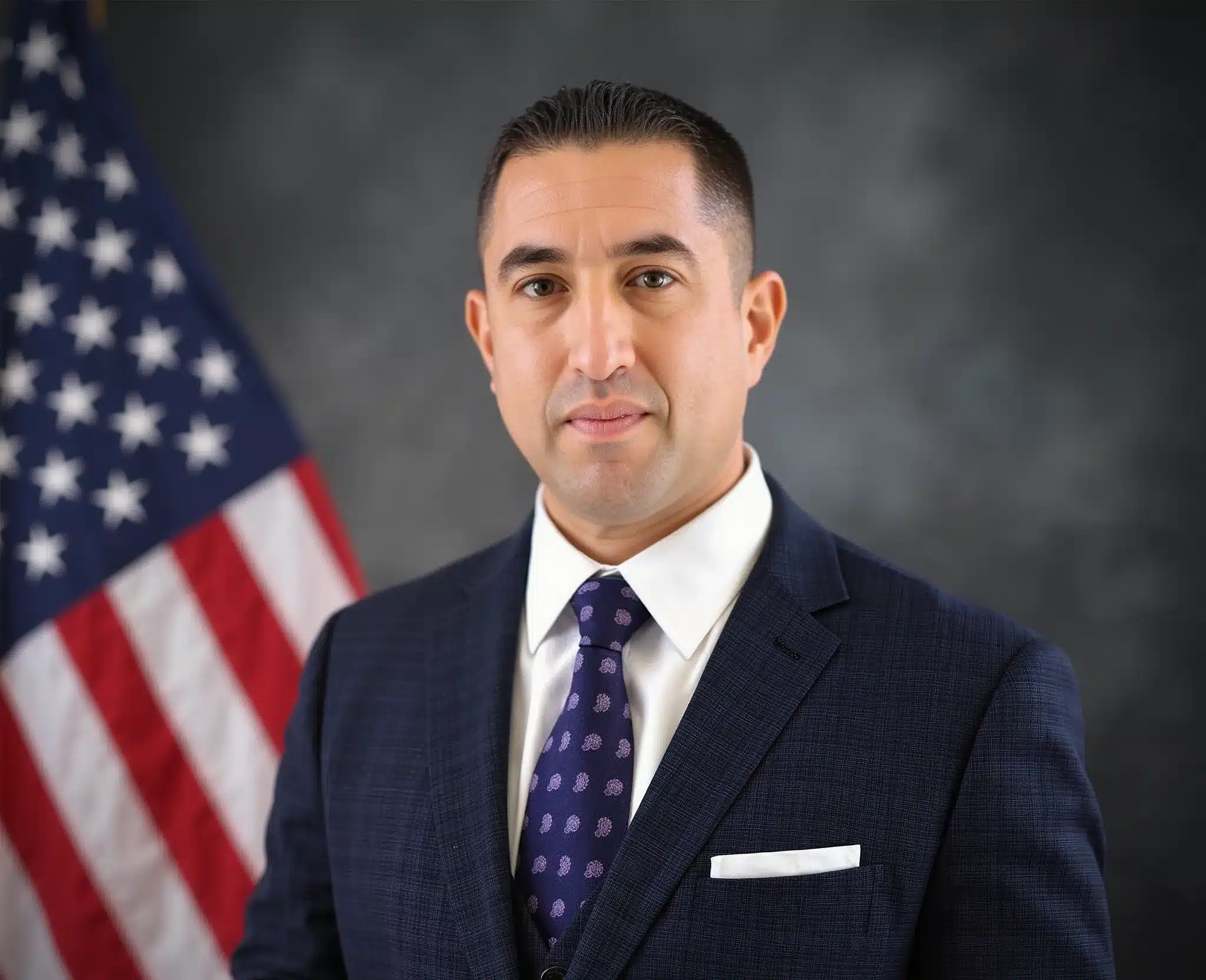
If you are under investigation or have been charged with money laundering in Rodeo, you do not have to handle it alone. The Law Office of Nabiel C. Ahmed is committed to guiding clients through every stage of the process, from initial contact with law enforcement to negotiations, hearings, and trial when necessary. Our team takes the time to learn about your life, your goals, and the specific details of your case. We then build a defense focused on protecting your freedom, your finances, and your reputation. Call 510-271-0010 to discuss your options in a confidential consultation.
Choosing the right legal representation for a money laundering case in Rodeo can make a meaningful difference in how your case moves forward. The Law Office of Nabiel C. Ahmed is a criminal defense law firm that has spent years standing up for people accused of serious offenses in Contra Costa and Alameda Counties. We understand local court procedures, how prosecutors approach financial crimes, and what judges often look for in these cases. Our approach is hands‑on and thorough: we investigate the facts, scrutinize the government’s evidence, and communicate honestly with you about both the challenges and opportunities in your case.
When you work with our firm on a Rodeo money laundering matter, you receive more than just representation in the courtroom. We are available to answer questions, help you understand each stage of the process, and prepare you for hearings, meetings, or potential testimony. We coordinate with financial professionals when needed, challenge overreaching forfeiture efforts, and seek resolutions that align with your priorities, whether that means fighting the charges or exploring negotiated outcomes. Above all, we are committed to treating you with respect and providing steady guidance during what may be one of the most stressful times of your life.
At the Law Office of Nabiel C. Ahmed, we follow a clear, structured approach to money laundering cases in Rodeo so that clients know what to expect. From the first call, we focus on listening to your story, assessing the urgency of your situation, and identifying immediate steps to protect you. We then gather records, review discovery, and analyze how prosecutors may attempt to prove their case. Throughout the process, we keep you informed, explain options in plain language, and work collaboratively to choose the path that best fits your goals, whether that involves negotiation, litigation, or trial.
The first step in defending a Rodeo money laundering case is a thorough consultation. During this meeting, we review how you came under investigation, what contact you have had with law enforcement, and any documents or notices you have received. We also discuss your background, work, and family situation to understand what is at stake for you. Based on this information, we identify immediate concerns, such as upcoming deadlines, interrogations, or court dates, and outline preliminary strategies. This initial evaluation lays the foundation for a tailored defense and gives you a clearer picture of the road ahead in Contra Costa County court.
In the early stage, it is important that you feel comfortable sharing details about your case and your concerns. During your initial consultation for a Rodeo money laundering matter, we encourage you to speak openly, knowing that our discussion is confidential. We ask targeted questions about your financial history, relationships with other people involved, and any past interactions with law enforcement. This helps us spot potential issues early, such as prior statements that may need to be addressed or evidence that should be preserved. The more accurate information we have, the better equipped we are to protect your rights and build a strong defense.
After learning about your Rodeo money laundering case, we identify urgent steps to safeguard your position. This may include advising you not to speak further with investigators, providing guidance on how to handle future contact from law enforcement, and beginning to collect key financial records. In some situations, we may reach out to the prosecutor’s office to clarify your representation and limit direct contact. We also discuss how to manage social media, communications with potential witnesses, and employment concerns. Addressing these issues at the outset reduces the chance of misunderstandings, helps prevent additional complications, and positions you more favorably for the next stages.
Once we have taken immediate protective steps, we turn to a more detailed investigation of the allegations in your Rodeo money laundering case. We review discovery from the prosecution, including financial records, reports, and witness statements, and compare them with information and documents you provide. When appropriate, we consult with financial or forensic professionals who can help analyze complex transactions. Using this information, we identify weaknesses in the government’s case, such as questionable assumptions about the source of funds or gaps in proving intent. We then work with you to develop a strategy tailored to your goals and risk tolerance.
In this phase, we take a close look at every piece of evidence in your Rodeo money laundering case. We examine bank statements, wire records, business documents, and electronic communications to see how the prosecution is constructing its narrative. At the same time, we work with you to gather additional materials that may not appear in the government’s discovery, such as receipts, contracts, tax filings, or correspondence that shows legitimate reasons for the transactions. By assembling a complete picture, we can challenge misleading inferences, correct errors in financial analysis, and build a factual foundation for motions, negotiations, or trial.
Many Rodeo money laundering cases involve search warrants, subpoenas, or seizures of property. During this part of the process, we scrutinize how law enforcement obtained evidence and whether your constitutional rights were respected. If there are grounds to argue that a search or seizure was unlawful, we may file motions asking the court to exclude certain evidence. At the same time, we refine a broader defense strategy, deciding which issues to emphasize, what plea options to consider, and whether to prepare for trial. Throughout, we keep you informed and involved, so that each major decision reflects your informed choices.
As your Rodeo money laundering case progresses, we move into the stage where important decisions are made about resolution. Depending on the strength of the evidence and your preferences, we may enter plea discussions, file additional motions, or prepare intensively for trial. We represent you at all court hearings, ensuring that your rights are protected and that the judge hears our arguments clearly. If negotiation is possible, we work to secure terms that reflect the realities of the case and minimize consequences. If trial becomes necessary, we shift our focus to presenting your defense persuasively to a judge or jury.
Not every Rodeo money laundering case goes to trial. In many situations, carefully managed plea negotiations can lead to reduced charges, lighter sentencing, or dismissal of related counts. During this stage, we discuss the strengths and weaknesses of the case with you, explain potential outcomes, and determine your comfort level with different options. We then negotiate with prosecutors, presenting mitigating factors and highlighting legal or factual issues in the government’s case. At all court hearings, we speak on your behalf, advocate for fair treatment, and ensure you understand what is happening so you can make informed decisions at each step.
If your Rodeo money laundering case proceeds to trial, thorough preparation is essential. We work with you to review testimony, organize exhibits, and anticipate the government’s arguments. We may interview witnesses, prepare cross‑examinations, and refine themes that explain your side of the story in a clear, relatable way. Throughout this process, we make sure you understand courtroom procedures, potential risks, and how your participation may be needed. Our goal at trial is to challenge the prosecution’s version of events, highlight reasonable doubt, and present a thoughtful narrative that gives the judge or jury a strong basis to question the accusations.
If you are contacted by law enforcement, a regulatory agency, or a bank about suspected money laundering in Rodeo, your first step should be to remain calm and avoid giving detailed explanations. Politely obtain the caller’s name, agency, and contact information, and explain that you would like to speak with an attorney before answering questions. You have the right to remain silent, and exercising that right cannot be used against you in court. Early legal guidance can prevent misunderstandings and help you avoid statements that may later be taken out of context. After ending the conversation, contact a criminal defense lawyer who handles financial crime cases in Contra Costa County. Share any letters, emails, or documents you received so your attorney can evaluate the situation and advise you on next steps. This may include planning how to respond to future inquiries, preserving relevant records, and anticipating whether a formal investigation is already underway. Addressing these issues at the outset positions you far better than waiting until charges have already been filed in court.
Yes, it is possible to face money laundering charges in Rodeo even if you were not directly involved in the underlying crime that allegedly produced the money. Prosecutors often focus on whether you conducted financial transactions with funds that were believed to be tied to unlawful activity, and whether you knew, or should have known, about that connection. For example, someone who moves money for another person, or allows accounts to be used, may come under suspicion even if they never participated in the original offense. In these cases, the central issues often involve your knowledge and intent. A strong defense may show that you reasonably believed the funds were legitimate, that you were misled about their source, or that you had a valid business or personal reason for handling the transactions. Challenging the government’s assumptions about what you knew and when you knew it can significantly weaken their case, particularly if the evidence of a predicate offense or your involvement is thin or based on unreliable witnesses.
Penalties for money laundering in Rodeo can be severe and may include jail or prison time, substantial fines, probation, restitution, and forfeiture of property. The exact punishment depends on several factors, including which statute you are charged under, the amount of money involved, your prior record, and whether there are related offenses such as drug trafficking or fraud. California law provides for serious consequences even for first‑time offenders when the alleged conduct involves significant sums or repeated transactions. Beyond formal sentencing, a money laundering conviction can affect many aspects of your life. You may face difficulty finding employment, maintaining professional licenses, securing housing, or dealing with immigration consequences if you are not a citizen. Because the stakes are so high, it is important to treat any money laundering investigation or charge in Rodeo with urgency. A careful defense can sometimes reduce charges, negotiate more favorable terms, or challenge the accusations entirely, helping you avoid the harshest outcomes allowed by law.
Not everyone charged with money laundering in Rodeo will serve time in custody, but jail or prison is always a possibility, especially in cases involving large sums or multiple related offenses. Whether you face incarceration depends on the specific charges, your prior record, the strength of the evidence, and the judge’s assessment of the case. Some individuals may be eligible for probation, reduced charges, or alternative sentencing arrangements that limit or avoid time behind bars, particularly when the financial impact is limited and there are strong mitigating factors. Your attorney’s role is to present reasons why a non‑custodial or reduced sentence is appropriate, even if a conviction cannot be entirely avoided. This may include evidence of your work history, family responsibilities, community ties, and efforts to address any underlying issues. By negotiating with prosecutors and advocating during sentencing, your lawyer can argue for terms that allow you to rebuild your life, maintain employment, and meet financial obligations while still satisfying the court’s requirements.
Prosecutors in Contra Costa County typically attempt to prove money laundering by tracing the flow of funds and showing that the transactions were designed to hide the source or ownership of money derived from illegal activity. They may use bank records, surveillance, witness statements, and financial analysis to argue that deposits, withdrawals, or transfers followed a pattern inconsistent with legitimate business or personal finances. They also focus heavily on demonstrating that you knew the money came from unlawful conduct, often relying on circumstantial evidence and inferences about your intent. A strong defense challenges these assumptions at every stage. This can involve presenting lawful explanations for transactions, questioning the accuracy of financial analyses, and attacking the reliability of witnesses who claim to know the origin of the funds. Your lawyer may also scrutinize how the investigation was conducted, including whether searches and seizures were lawful and whether any statements were obtained in violation of your rights. By poking holes in the government’s version of events, your defense can create reasonable doubt and leverage for more favorable outcomes.
You should be cautious about speaking with your bank or investigators before hiring a lawyer if you are suspected of money laundering in Rodeo. Although it may feel natural to explain yourself to bankers or officers you have known for years, their interests are not necessarily aligned with yours. Banks are required to report suspicious activity and cooperate with investigators, and anything you say may end up in written reports or testimony that the prosecution later uses to support charges or challenge your credibility. By consulting with a criminal defense attorney first, you can get advice on whether and how to communicate with these parties. In some cases, it may be appropriate for your lawyer to speak on your behalf or help you prepare written responses that are accurate but limited to what is truly necessary. This approach reduces the risk of accidental admissions, misstatements, or incomplete explanations that can be taken out of context and presented as evidence of guilt in your Rodeo case.
Yes, the government can attempt to freeze or seize property in connection with a money laundering case in Rodeo, sometimes even before a criminal conviction. This process, known as forfeiture, may target bank accounts, cash, vehicles, real estate, or other assets believed to be linked to illegal activity. These actions can create immediate financial hardship, affecting your ability to pay bills, run a business, or hire counsel. Understanding the scope of the forfeiture and the deadlines for contesting it is critical to protecting your property rights. Your defense lawyer can review the forfeiture documents, explain your options, and take steps to challenge the government’s claims. Possible strategies include arguing that the property was purchased with legitimate funds, that you were an innocent owner unaware of any alleged criminal conduct, or that the forfeiture is disproportionate to the offense. In some cases, it may be possible to negotiate partial releases or settlements that allow you to access essential funds while the underlying Rodeo criminal case proceeds through the courts.
The timeline for resolving a money laundering case in Rodeo can vary widely, depending on factors such as the complexity of the financial transactions, the number of defendants, and whether the case is tied to broader investigations. Some matters may resolve within a few months through negotiations, especially if the evidence is limited and the amounts at issue are modest. Other cases, particularly those involving large sums, multiple agencies, or complex financial structures, can take a year or longer to move from investigation to final resolution. During this time, your attorney will work to keep the case moving at a pace that balances your need for closure with the need for thorough preparation. This may involve filing motions, engaging in discovery, negotiating potential plea agreements, or preparing for trial. Regular communication with your lawyer helps you understand where things stand, what to expect next, and how you can assist in your own defense by gathering documents, identifying witnesses, and following legal advice about your conduct while the case is pending.
Money laundering charges in Rodeo are often connected to other alleged crimes, such as drug offenses, fraud, or theft. When this happens, the stakes are higher because you are dealing with multiple counts, each carrying its own potential penalties. The prosecution may use the underlying offense to argue that the money involved came from illegal activity, while also using the money laundering count to seek additional punishment. Managing these intertwined charges requires careful coordination so that arguments in one part of the case do not unintentionally harm your position in another. Your lawyer will analyze how each charge fits into the overall picture and look for opportunities to challenge the government’s narrative. Sometimes, successfully attacking the underlying offense can weaken the money laundering allegation, or vice versa. In negotiating or preparing for trial, your attorney may seek to separate counts, reduce overlapping charges, or focus on obtaining a global resolution that addresses all allegations at once. This coordinated strategy helps ensure that decisions made in one aspect of the case support, rather than undermine, your overall defense.
Hiring the Law Office of Nabiel C. Ahmed for a Rodeo money laundering case means working with a criminal defense law firm that has spent years in Contra Costa and Alameda County courts advocating for people facing serious accusations. The firm understands how local prosecutors approach financial crimes, what judges often consider when evaluating these cases, and which strategies can be most effective in negotiations and at hearings. We focus on clear communication, thorough case review, and honest advice, so you always understand the risks and potential benefits of each option. From the moment you contact us, we work to protect your rights, preserve important evidence, and anticipate the government’s moves. We know that money laundering allegations can threaten not only your freedom, but also your business, your finances, and your reputation. By taking a comprehensive, client‑focused approach, we aim to reduce the impact of these charges on your life and pursue the best possible outcome under the circumstances. To learn how we can help in your Rodeo case, call 510-271-0010 for a confidential consultation.
"*" indicates required fields