
Hit and run charges in Rodeo can turn your life upside down in a matter of moments. One mistake, a moment of panic, or simple confusion about what the law requires after a collision can lead to serious criminal accusations. At the Law Office of Nabiel C. Ahmed, we represent people facing hit and run allegations throughout Contra Costa County, helping them understand what is at stake and what can be done to protect their record, license, and freedom. You do not have to face aggressive prosecutors or confusing court procedures on your own.
Whether the incident involved a parked car, a minor fender-bender, or an accident with injuries, a hit and run case in Rodeo demands careful attention. California prosecutors often assume the worst about why someone left the scene, even when there are reasonable explanations. Our firm focuses on criminal defense in Alameda and Contra Costa Counties, and we know how local judges and prosecutors view these cases. From the first consultation, our goal is to give you clear guidance, steady support, and a strategy aimed at the best outcome possible under the circumstances.
Hit and run accusations are more than just another traffic ticket. A conviction can bring jail time, heavy fines, license suspension, higher insurance premiums, and a criminal record that can follow you for years. Having a dedicated defense lawyer on your side levels the playing field against the government. We can carefully review the evidence, communicate with prosecutors, and pursue options such as charge reductions, diversion, or dismissal where appropriate. With the right guidance, many clients avoid the worst penalties and move forward with their lives with less damage to their reputation and future opportunities.
The Law Office of Nabiel C. Ahmed is a criminal defense law firm serving clients in Rodeo, Contra Costa County, and across the East Bay. Over many years in local courts, our attorney has handled a wide range of driving and drug offenses, including misdemeanor and felony hit and run cases. We understand how police investigate collisions, how prosecutors build their files, and how judges tend to view leaving-the-scene allegations. Our approach is hands-on and detail-oriented, focusing on the story behind the incident, the strengths and weaknesses of the evidence, and practical solutions that fit each client’s real-life concerns.
To build a strong defense, it helps to understand how California law treats hit and run cases. In Rodeo and throughout the state, drivers have legal duties after any collision, even when damage seems minor. Failing to stop, exchange information, or render aid can lead to criminal charges, regardless of who caused the accident. Some cases involve property damage only, while others include allegations of injury, which can increase the severity of the charge. Knowing which type of hit and run charge you face and what the prosecutor must prove is the foundation for any defense strategy.
Many people accused of hit and run in Rodeo never intended to break the law. They may not realize contact occurred, feel unsafe stopping at the scene, or mistakenly believe they satisfied their legal duties. Others may panic from fear of arrest, immigration concerns, or prior tickets. California law recognizes that the facts of each case matter, and there are often defenses or mitigating circumstances that can be raised. Our job is to help you understand the potential consequences, explore every legal option, and guide you step-by-step through the court process with clear, honest communication.
In California, a hit and run occurs when a driver is involved in a collision and fails to stop and fulfill certain legal obligations. In Rodeo, this usually means stopping at or near the scene, providing your name, address, and vehicle information, and, in injury cases, offering reasonable assistance or calling for help. There are separate laws for hit and run involving only property damage and hit and run involving injury or death. The key issues are whether you knew, or reasonably should have known, that a collision occurred and whether you followed the required steps before leaving the area.
Every hit and run case involves a few core questions: Was there a collision? Did you know or reasonably should you have known about it? Did you stop as required and exchange information or render aid? Prosecutors in Rodeo rely on police reports, witness statements, surveillance footage, and physical damage to build their case. The defense process often includes challenging how the collision was investigated, whether identification of the driver is reliable, and whether your legal duties were truly violated. From arraignment through negotiations or trial, having someone focused on your side can make each step more manageable and less overwhelming.
Legal language around hit and run charges can feel intimidating, especially when you are already worried about the future. Understanding basic terms used in Rodeo courts can help you make better decisions. Words like misdemeanor, felony, restitution, priorable offense, and traffic infraction all carry real consequences, and confusion about their meaning can lead to poor choices. We take time to explain these concepts in plain English, so you are never left guessing about what is happening in your case, what the prosecutor is asking for, or what options might be available to reduce the impact on your life.
Misdemeanor hit and run typically involves leaving the scene of a collision that caused property damage only, such as striking a parked car, fence, or other object in Rodeo. Even without injuries, the law requires you to stop and provide identifying information. A misdemeanor conviction can still bring jail time, fines, probation, and increased insurance rates, along with a mark on your criminal record. Defenses may involve mistaken identity, lack of knowledge that a collision occurred, or proof that you complied with your legal obligations, even if your actions were later misunderstood by law enforcement or witnesses.
Felony hit and run usually arises when a driver allegedly leaves the scene of a collision that caused injury or death. In Rodeo and across California, these cases are treated very seriously, with exposure to state prison, substantial fines, and long-term license consequences. Prosecutors must show not only that you were involved in a collision but that you willfully failed to stop and render aid or exchange information. Defense strategies may focus on challenging who was driving, whether you knew of the injuries, or whether your conduct actually violated the law, based on the specific facts and timing.
Restitution is money that a court may require a defendant to pay to an alleged victim to cover losses related to a hit and run incident, such as repair bills, medical costs, or other out-of-pocket expenses. In Rodeo hit and run cases, restitution often becomes part of plea negotiations and sentencing discussions. Properly documenting what damage is truly linked to the incident can significantly affect the final amount. Our firm reviews repair estimates and insurance records carefully and, when appropriate, challenges inflated or unsupported claims so that any restitution order is fair and grounded in reliable evidence.
A priorable offense is a type of offense that can be used to enhance penalties for later convictions. Certain hit and run convictions in California may be treated as priorable, meaning that if you are arrested again in the future, the new case could bring harsher consequences based on your record. In Rodeo courts, prosecutors often review your driving and criminal history closely when deciding what charges to file and what offers to extend. Protecting your record now can have a major impact on your options later, making a strong defense particularly important in your first case.
After a hit and run arrest or investigation, many people feel stuck between pleading guilty quickly or risking a drawn-out court battle. In reality, there are often more paths available. Options may range from informal negotiations with the prosecutor to seek a reduced charge, to diversion programs or civil compromise in some circumstances, to filing motions or taking the case to trial. Each route has trade-offs involving risk, cost, and time. Our firm helps clients understand these choices clearly, so they can make informed decisions based on their goals, priorities, and tolerance for uncertainty in the legal process.
In some Rodeo hit and run cases, the damage is minor and the surrounding circumstances are highly favorable. For example, a low-speed scrape in a parking lot with minimal repair costs and no prior record may allow for quicker resolution. In these situations, a limited approach focused on documentation, communication with the prosecutor, and careful handling of insurance and restitution issues might achieve a reasonable outcome. Even then, having guidance can help avoid unintended admissions, protect your driving record, and ensure that any agreement does not create more long-term problems than it solves.
Sometimes police misunderstand the situation and file hit and run charges even when the driver substantially complied with California’s requirements. Perhaps you left a detailed note, promptly reported the accident, or reasonably believed there was no damage. In Rodeo, if documentation and witness statements strongly support your version of events, a focused strategy aimed at early dismissal or reduction of charges may work. By gathering records, photos, and timelines, and presenting them clearly to the prosecutor, it may be possible to correct the record without the need for lengthy litigation or multiple contested court hearings.
Hit and run cases involving injury, potential felony charges, or a prior criminal record demand a more intensive defense strategy. In Rodeo, these cases can bring the possibility of state prison, lengthy probation, and long-term license problems. A comprehensive approach may involve accident reconstruction, independent investigation, detailed review of medical reports, and close scrutiny of how police conducted the investigation. It often includes filing motions, negotiating with prosecutors over several hearings, and preparing as though the case could go to trial. The goal is to reduce the risk of severe penalties and protect your future opportunities.
In some Rodeo hit and run cases, the central dispute is not whether a collision occurred, but who was actually driving or what they knew at the time. Witness descriptions may be vague, surveillance footage blurry, or law enforcement may rely on assumptions about vehicle ownership rather than firm proof. A full-scale defense in these situations can include tracking down additional witnesses, obtaining and analyzing video, challenging lineups or photo identifications, and exposing gaps in the prosecution’s case. Thorough preparation can create leverage in negotiations and give you a realistic chance of dismissal or significant charge reduction.
A comprehensive defense strategy does more than react to each court date. It looks at the entire picture: your background, the evidence, the potential consequences, and your long-term goals. In Rodeo hit and run cases, this approach can uncover defenses that might otherwise be missed, such as problems with identification, incomplete investigations, or legal issues with how statements were obtained. It can also position you for better plea negotiations, or for trial if necessary. By planning ahead, rather than scrambling at the last minute, you give yourself a stronger chance at a favorable outcome.
Comprehensive representation also helps you manage the stress that comes with a hit and run charge. Instead of facing each new letter from the court or call from an insurance adjuster alone, you have guidance on what to say, what to avoid, and what steps to take. Our firm helps coordinate communication with insurers, advises on license and DMV issues, and keeps you informed about deadlines and requirements. This reduces the risk of missed appearances, additional penalties, or unintentional self-incrimination, and allows you to focus on your job, family, and personal well-being while the case moves forward.
When prosecutors see that a case is thoroughly prepared and that the defense understands the legal and factual issues, negotiations often become more productive. In Rodeo hit and run matters, a well-documented record of your character, employment, family obligations, and efforts to make amends can make a real difference. Comprehensive preparation allows us to present mitigation packages, restitution plans, and alternative sentencing proposals that appeal to judges and prosecutors. This can translate into reduced charges, less jail time, more favorable probation terms, or outcomes that focus on rehabilitation rather than purely on punishment.
Your driving record and criminal history can affect employment, housing, and insurance for years to come. A comprehensive defense in a Rodeo hit and run case looks beyond the immediate penalties and focuses on protecting your future. This may involve pursuing reduced charges that do not count as priorable offenses, seeking dispositions that minimize DMV points, or negotiating outcomes that avoid formal conviction where possible. By carefully weighing how each option affects your record and license, we aim to put you in the best position to move forward once the case is resolved, with fewer long-term setbacks.

After a hit and run accusation, many people feel pressure to explain themselves to police, insurance adjusters, or alleged victims immediately. In Rodeo, statements you make early on can end up in a police report and be used against you later, even if you were just trying to be honest. It is usually better to stay calm, avoid detailed discussions about fault or what you did at the scene, and contact a defense lawyer right away. With guidance, you can respond to requests for information in a way that protects your rights and avoids unnecessary damage to your case.
Ignoring a court date or DMV notice can turn an already stressful situation into something far worse. In Rodeo hit and run cases, failing to appear can lead to a warrant for your arrest, additional charges, or license consequences that could have been avoided. As soon as you receive paperwork, keep it in a safe place and note all deadlines and hearing dates. Share those documents with your attorney so they can track the case, communicate with the court, and, when appropriate, appear on your behalf. Staying organized helps prevent unnecessary complications and keeps your defense on track.
Hit and run accusations in Rodeo can affect nearly every part of your life. You may worry about jail, losing your license, paying restitution, or how a conviction might appear on background checks. Prosecutors and judges focus on protecting the community and alleged victims, and they may assume that leaving the scene shows poor judgment. Without guidance, it is easy to say or do something that makes the situation harder to fix. Legal representation helps balance the conversation, ensuring your side of the story is heard and that your rights and future are not overlooked in the process.
Early legal help can also open doors that might otherwise stay closed. In some Rodeo cases, it may be possible to negotiate for reduced charges, alternative sentencing, or outcomes that limit long-term consequences. An attorney can explain the likely range of outcomes, help you weigh whether to fight or settle, and identify steps you can take immediately to improve your position, such as restitution efforts or counseling. Rather than facing the court system alone, you gain an advocate focused on keeping the damage as limited as possible and guiding you toward a more stable future.
Hit and run charges in Rodeo arise from many different situations, not just dramatic crashes. Some cases involve crowded shopping center parking lots where drivers clip parked cars and believe there is no real damage. Others stem from late-night collisions where people feel unsafe stopping, or from misunderstandings when drivers think exchanging information later is enough. There are also cases involving cyclists, pedestrians, or property such as fences and mailboxes. Regardless of the scenario, police and prosecutors often view leaving the scene harshly, so seeking guidance right away can make a significant difference in how the case unfolds.
One of the most frequent sources of hit and run allegations in Rodeo is the parking lot scrape. A driver may bump a parked car while pulling out, see minimal damage, and drive away without realizing that the law still requires contact or a note. Later, surveillance footage or witnesses provide a license plate, and police follow up with a visit or phone call. In these situations, the primary issues often involve property damage, restitution, and whether you reasonably believed there was a need to stop. Addressing the case quickly can help minimize penalties and protect your record.
Another common scenario involves nighttime collisions where a driver feels unsafe stopping in a particular location. In and around Rodeo, some roads or neighborhoods may leave people uneasy about remaining at the scene, especially if tempers are flaring or visibility is low. Drivers sometimes leave intending to report the incident later, only to find themselves facing hit and run accusations. These cases raise important questions about what is reasonable under the circumstances, whether attempts were made to contact authorities, and how quickly steps were taken to address any injuries or damage after leaving the immediate area.
Multi-vehicle collisions can be chaotic, especially on busy roads near Rodeo. Drivers may believe that exchanging information with one person satisfies their legal duties, only to learn later that another party claims they were ignored. In the confusion, someone might leave without realizing that police expect everyone to remain. These situations can lead to finger-pointing, conflicting stories, and hit and run allegations based on incomplete information. A careful review of reports, witness statements, and any available video can help clarify what really happened and whether your conduct was truly a violation of California hit and run laws.
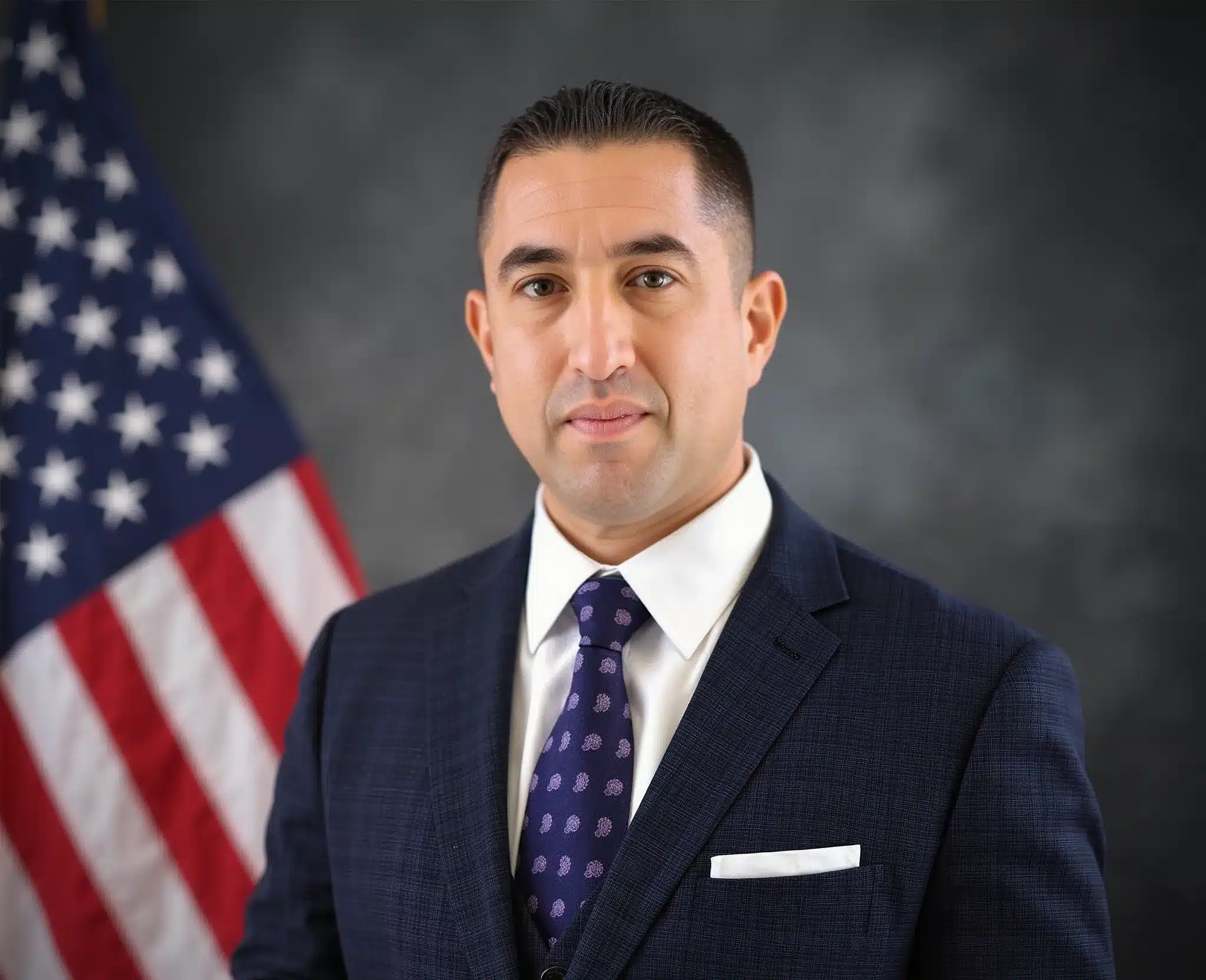
If you are under investigation or already charged with hit and run in Rodeo, you do not have to navigate this alone. The Law Office of Nabiel C. Ahmed focuses on defending people accused of crimes in Contra Costa and Alameda Counties, including a wide range of driving offenses. We know how stressful it is to worry about court, your license, and your future. Our team is committed to listening carefully, explaining the process in clear language, and developing a defense strategy tailored to your situation. From the first call at 510-271-0010, you can start getting practical guidance and support.
Choosing the right defense lawyer for a hit and run case in Rodeo is an important decision. The Law Office of Nabiel C. Ahmed is a criminal defense law firm with a longstanding presence in East Bay courts, including Contra Costa County. We have handled many driving and drug-related offenses, giving us a working familiarity with how local prosecutors negotiate, what judges look for, and which strategies tend to resonate. Our approach is proactive, communicative, and grounded in real courtroom experience, so clients are never left guessing about what comes next or how their case is progressing.
Clients appreciate that we treat each case as more than just a file number. A hit and run charge can threaten your job, your family life, and your sense of security. We take time to learn your story, understand your concerns, and craft a plan that balances legal strategy with practical realities. Whether your case calls for aggressive litigation, careful negotiation, or a combination of both, we are prepared to stand with you from the first investigation through final resolution. Our goal is to protect your rights, limit the fallout, and help you move forward with confidence.
Hit and run cases move quickly through the Contra Costa County court system, and deadlines can sneak up on you. At our firm, we follow a step-by-step approach designed to keep you informed and prepared. From the first consultation, we gather details about the incident, review any paperwork, and explain what to expect at each stage. We handle communication with the prosecutor and court, investigate the facts, and use what we learn to guide negotiations or prepare for hearings. Throughout the process, we focus on reducing anxiety, answering questions promptly, and giving you clear options for how to proceed.
The process begins with an in-depth consultation, either by phone or in person, where we review what happened before, during, and after the alleged hit and run in Rodeo. We look at any police reports, letters, or citations you have received and discuss your background, prior record, and concerns. During this stage, we explain the potential charges, possible consequences, and likely timeline of the case. By the end of the evaluation, you should have a clearer understanding of what you are facing and how our firm can help you navigate the road ahead in a thoughtful, strategic way.
During the first part of the process, our priority is to hear your side of the story without judgment. We encourage you to share everything you remember about the incident in Rodeo, including what you saw, heard, and felt at the time. We also review any citations, DMV letters, insurance correspondence, or photographs you have. This helps us identify immediate issues, such as upcoming court dates or deadlines, and begin spotting potential defenses or weaknesses in the case against you. From there, we can start shaping a plan that responds to the specific facts of your situation.
Once we understand the basics of your case, we walk you through the possible charges, from misdemeanor hit and run to more serious felony allegations, and explain what penalties Rodeo courts may consider. We discuss potential outcomes, including dismissal, reductions, diversion programs, and plea agreements, as well as the risks associated with each approach. By outlining the likely steps in the legal process, including arraignment, pretrial hearings, and possible motions or trial, we aim to replace confusion with clarity. You leave this stage knowing what to expect and how our firm plans to protect your interests.
After the initial evaluation, we move into a more detailed investigation and strategy phase. For a Rodeo hit and run case, this can involve obtaining complete police reports, body camera footage, 911 recordings, and any available surveillance video. We may also gather repair estimates, medical records, and witness statements to test the strength of the prosecution’s evidence. As we review this material, we identify legal issues, factual inconsistencies, and opportunities to negotiate. From there, we develop a tailored strategy to either challenge the case in court or pursue favorable resolutions through discussions with the district attorney.
The first part of this step focuses on building a complete picture of what the government believes happened. We request full copies of police reports and any supplemental documents related to the hit and run in Rodeo. When available, we seek body camera footage, dashcam recordings, and 911 calls, as these can reveal details not captured in written reports. We also look for surveillance video from nearby businesses or homes and identify potential witnesses. This thorough information-gathering process helps us evaluate the reliability of the state’s evidence and uncover facts that may support your defense or mitigation.
Once we have the evidence in hand, we analyze it with a focus on building a coherent defense theory. This might involve challenging whether you were the driver, whether you knew a collision occurred, or whether you satisfied California’s legal duties before leaving. For Rodeo cases, we also consider local tendencies of judges and prosecutors. Based on this analysis, we outline a negotiation plan that may include presenting mitigation materials, proposing restitution arrangements, or filing motions to suppress or exclude certain evidence. This dual focus on courtroom and negotiation strategy helps position your case for the best possible resolution.
The final step centers on representing you in court, working toward resolution, and addressing any follow-up issues. In Rodeo hit and run cases, we appear with you at hearings, communicate directly with the prosecutor, and present arguments to the judge on your behalf. Whether the case resolves through negotiation, motion practice, or trial, we keep you informed and involved in each decision. After the case concludes, we advise on next steps, such as satisfying any court conditions, addressing DMV issues, or exploring options like record clearing in the future, when available, to help you move on with your life.
In many Rodeo cases, attending court can feel intimidating, especially when you are facing a serious charge like hit and run. We take the lead in speaking for you in the courtroom, addressing the judge, and negotiating with the prosecutor. Our role includes arguing for release terms, contesting unnecessary restrictions, and pushing back against unreasonably harsh offers. We keep you informed about each development, explain the implications of any proposed agreements, and seek your input before decisions are made. This partnership approach ensures that you are never left guessing about what is happening or why.
Once your Rodeo hit and run case reaches resolution, our work shifts toward helping you move forward in the safest way possible. We review all court orders with you, making sure you understand any fines, classes, probation terms, or restitution obligations. We also discuss DMV consequences, insurance concerns, and, when appropriate, future options for record relief or expungement under California law. By addressing these issues early, we aim to prevent surprises down the road and support you in rebuilding stability after a stressful legal experience, with a clear understanding of your rights and responsibilities going forward.
If police contact you about a hit and run in Rodeo, stay calm and remember that you have the right to remain silent. You are not required to answer detailed questions about where you were driving, what happened, or why you left the scene. Politely ask for the officer’s contact information and let them know you wish to speak with an attorney before making any formal statement. Anything you say can end up in a report and may be misunderstood or taken out of context later in court. Before returning calls or going to the station, contact a criminal defense law firm that regularly handles driving offenses in Contra Costa County. An attorney can assess the situation, talk with you privately about the facts, and guide you on how to respond. In some cases, your lawyer may communicate with the investigating officer on your behalf, arrange a controlled surrender if necessary, or present information that could influence charging decisions. Getting guidance early helps protect your rights and strengthens your position from the very beginning.
Yes, many hit and run charges in Rodeo can be dismissed or reduced under the right circumstances. The outcome depends on factors such as the strength of the evidence, whether anyone was injured, the amount of property damage, your prior record, and the steps you take after the incident. In some cases, problems with identification, lack of proof that you knew a collision occurred, or evidence that you tried to comply with the law can significantly weaken the prosecution’s case. Even when the evidence appears strong, it may still be possible to negotiate for a lesser charge, alternative sentencing, or an agreement that avoids a formal conviction. Judges and prosecutors often consider restitution, character letters, and your efforts to address the situation responsibly. A defense lawyer familiar with Contra Costa County courts can evaluate the specific facts of your case, identify available defenses, and pursue strategies aimed at securing the most favorable resolution possible, whether through motions, negotiations, or, when necessary, trial.
In California, the main difference between misdemeanor and felony hit and run usually centers on whether the collision involved only property damage or caused injury or death. A misdemeanor typically involves leaving the scene of an accident that damaged another person’s property, such as a vehicle or structure. The penalties can still include jail time, fines, probation, and increased insurance costs, but they are generally less severe than felony penalties. Felony hit and run generally involves leaving the scene when someone has been injured or killed, regardless of who caused the initial collision. These cases in Rodeo can expose you to state prison, substantial fines, and long-term license and record consequences. Prosecutors must prove that you were involved in the accident, knew or should have known it occurred, and willfully failed to fulfill your legal duties. Understanding which type of charge you face is essential to evaluating risk and deciding how to approach your defense.
A hit and run charge in Rodeo can lead to driver’s license consequences, but the exact impact depends on the specific charge and your prior record. Some convictions may trigger points on your driving record, while others can result in a suspension or revocation, especially if there was injury involved or if you have prior offenses. In addition, the DMV may take action separate from the court, sometimes based on its own administrative standards. During your case, your lawyer can help you understand the potential DMV consequences and, in some situations, represent you at DMV hearings. There may be options to protect or restore your driving privileges, such as challenging the basis for a suspension, requesting a restricted license, or negotiating a resolution that has less severe licensing impact. Because driving is essential for work, family, and daily life in and around Rodeo, it is important to address license issues early and proactively.
It is generally not a good idea to contact the alleged victim or their insurance company directly about a hit and run incident, especially before speaking with a lawyer. Anything you say might be recorded, repeated to police, or used as an admission in court. Well-intentioned apologies or explanations can be misinterpreted as evidence of guilt or responsibility for damages or injuries, even when the reality is more complicated than it appears. Instead, discuss any communication with your attorney first. In many Rodeo cases, your lawyer can handle contact with the alleged victim’s insurance company or coordinate restitution discussions in a way that protects your legal position. When appropriate, they may help you show that you are taking the situation seriously and are willing to address legitimate losses, while still preserving important defenses. This careful approach can help manage both criminal and civil aspects of the case more safely and effectively.
The length of a hit and run case in Rodeo can vary widely. Some cases resolve in a few weeks or months, especially if the evidence is clear and both sides reach an early agreement. Others take longer, particularly when there are serious injuries, complicated facts, disputed identification, or extensive negotiations about restitution and sentencing. Court calendars, the availability of evidence, and the prosecutor’s workload can also affect the timeline. While many clients understandably want the matter resolved quickly, rushing can sometimes lead to less favorable outcomes. A careful defense often requires time to gather records, obtain surveillance footage, interview witnesses, and explore legal issues. Your attorney should keep you updated on progress, explain delays, and help you weigh the pros and cons of moving quickly versus waiting for additional information. The goal is to balance your understandable desire for closure with the need to protect your long-term interests.
Not realizing there was damage or injury is a common issue in hit and run cases, especially involving minor contact or crowded parking lots. California law requires prosecutors to show that you knew, or reasonably should have known, that an accident occurred and that someone’s property or body was affected. If the impact was very slight, the noise minimal, or your attention reasonably directed elsewhere, this may form part of a defense or at least a mitigating factor in negotiations. In Rodeo, we often see cases where drivers honestly believed they had not caused any harm, only to be contacted later by police or their insurance company. Your attorney can review the facts, including photos, repair estimates, and witness accounts, to evaluate whether the evidence supports your explanation. Even when the court still finds a violation, demonstrating your lack of intent or knowledge can influence how the case is charged and what penalties are ultimately imposed.
A hit and run conviction can affect more than just your immediate court case. Employers, landlords, and licensing boards sometimes run background checks that reveal criminal records, including driving-related offenses. Depending on the nature of your work, a conviction from a Rodeo hit and run case might raise concerns about reliability, honesty, or responsibility, potentially impacting current or future job prospects. Insurance companies may also increase premiums or, in some cases, decline coverage after a serious conviction. For non-citizens, criminal convictions can have immigration consequences, depending on the specific charges and facts. It is important to tell your attorney about your immigration status so they can consider potential impacts and, when possible, structure resolutions that reduce risk. While no lawyer can guarantee how employers or immigration authorities will respond, informed planning gives you a better chance of minimizing negative effects on your long-term goals.
Even when the damage seems minor, it is usually worth consulting a lawyer about a hit and run allegation in Rodeo. What appears to be a simple scrape or dent may still carry significant legal consequences, including a criminal record, points on your license, fines, and increased insurance rates. A misstep early in the case, such as an ill-advised statement or guilty plea, can create long-term problems that are hard to undo later, even if the incident itself seemed small. A defense attorney can help you evaluate whether there are defenses, opportunities for dismissal or reduction, or ways to handle restitution that protect your interests. In some situations, a lawyer can resolve the matter efficiently without a drawn-out court battle, saving you time and stress while still guarding against unnecessary consequences. At minimum, a consultation gives you clarity about your rights and risks, so you can make informed decisions instead of guessing about what to do next.
The Law Office of Nabiel C. Ahmed represents people facing hit and run charges in Rodeo and throughout Contra Costa County. We start by listening to your story, reviewing the evidence, and explaining the law in clear terms. From there, we investigate the facts, communicate with prosecutors, and develop a defense strategy tailored to your situation. Whether that means pushing for dismissal, negotiating for a reduced charge, or preparing for trial, our focus is on protecting your rights and minimizing the impact on your life, license, and record. Our firm also helps you manage the practical fallout of a hit and run case, including court appearances, DMV issues, and contacts with insurance companies. We keep you informed about deadlines, hearing dates, and possible outcomes, so you are never in the dark about where your case stands. If you are facing a hit and run investigation or charge in Rodeo, calling 510-271-0010 is a strong first step toward understanding your options and building a path forward.
"*" indicates required fields