
Being arrested in Rodeo for a driving and drug offense can turn your life upside down overnight. A traffic stop on I-80 or a quiet neighborhood street can suddenly lead to handcuffs, court dates, and serious worries about your license, job, and future. California drug and DUI laws are complex, and local practices in Contra Costa County add another layer of difficulty. This page explains how these cases work, what is at stake, and how thoughtful legal representation can protect your record and your driving privilege.
If you or a loved one is facing allegations involving drugs and driving in Rodeo, you may be feeling overwhelmed and unsure where to turn. You might be dealing with a chemical test, field sobriety tests, or accusations that a prescription or illegal substance affected your ability to drive. The Law Office of Nabiel C. Ahmed focuses on defending people in Contra Costa and Alameda Counties. Here, you will learn about charges, defenses, the court and DMV process, and how early guidance can make a meaningful difference.
Driving and drug offenses can bring jail time, steep fines, probation, license suspension, and long-term consequences for employment and immigration status. Insurance premiums may skyrocket, and a conviction can follow you for years in background checks. Working with a focused criminal defense attorney in Rodeo helps you understand the full range of options, from challenging the traffic stop and search to fighting the chemical test and negotiating with prosecutors. Effective defense work can reduce or dismiss charges, protect your license, limit penalties, and help you move forward with as little disruption as possible.
The Law Office of Nabiel C. Ahmed is a criminal defense law firm serving Rodeo and surrounding communities in Contra Costa and Alameda Counties. Over many years, the firm has handled hundreds of DUI, drug possession, drug transportation, and combined driving and narcotics cases in local courts. Attorney Nabiel Ahmed brings extensive courtroom experience, strong negotiation skills, and a thorough understanding of police procedures, search and seizure law, and DMV regulations. Clients receive attentive guidance, realistic advice, and strategies tailored to the facts of their case and their personal priorities, whether avoiding jail, protecting a career, or safeguarding immigration status.
Driving and drug offenses in Rodeo cover a wide range of situations, from a simple traffic stop with a small amount of marijuana to allegations of driving under the influence of prescription medication, methamphetamine, or other controlled substances. California law treats these cases differently than alcohol-only DUIs, often relying heavily on officer observations, drug recognition evaluations, and blood tests. Prosecutors may file both DUI drug charges and separate possession or transportation counts. Knowing how local law enforcement, the Contra Costa County District Attorney, and the courts handle these cases is essential to building a strong defense.
Unlike alcohol DUIs, there is no single legal limit for most drugs, which gives law enforcement more discretion but also opens the door to more challenges. Questions arise about whether the drug actually impaired driving, whether the search of your vehicle was lawful, and whether testing procedures were properly followed. Many Rodeo arrests begin with minor infractions, such as speeding, lane drifting, or equipment violations, that lead to more invasive investigations. A careful review of the stop, detention, questioning, and testing often reveals weaknesses that can be used to suppress evidence or negotiate better outcomes.
In California, a driving and drug offense typically refers to operating a vehicle while under the influence of a controlled substance, or while unlawfully possessing drugs in a vehicle. This can include illegal drugs, misused prescription medications, and even some over-the-counter substances if they significantly impair driving. Prosecutors may charge Vehicle Code violations such as DUI drugs, alongside Health and Safety Code offenses like possession, possession for sale, or transportation. In Rodeo, these cases are usually filed in Contra Costa County Superior Court. Understanding the specific statutes and how they apply to your situation is the first step in planning an effective defense strategy.
Driving and drug cases usually involve several core elements: the legality of the stop, whether the officer had reasonable suspicion to detain you, whether there was probable cause for arrest, and how any search or testing was conducted. Officers may use field sobriety tests, Drug Recognition Expert evaluations, and blood or urine tests to build their case. Each step must meet constitutional and statutory requirements. In Rodeo cases, the evidence often comes from highway patrol, local police, or sheriff’s deputies, and is later presented in court and at DMV hearings. A thorough defense involves challenging every aspect of this process, from roadside contact through lab analysis.
The world of driving and drug offenses has its own language, which can be confusing when you are trying to make decisions about your case. Terms like “per se DUI,” “probable cause,” “Drug Recognition Expert,” and “implied consent” appear in police reports and court documents. Understanding what these words mean in practical terms helps you recognize potential defenses and evaluate plea offers. The following glossary breaks down some of the most common concepts you may encounter in a Rodeo driving and drug case, whether you are dealing with a first arrest or facing enhanced penalties from prior convictions.
DUI drugs refers to driving while impaired by any drug, including illegal substances, prescription medications, or certain over-the-counter drugs. Unlike alcohol DUIs, there is no set legal limit, so prosecutors rely on officer observations, performance on field sobriety tests, and chemical test results. In Rodeo, DUI drug arrests can lead to both criminal court cases and DMV proceedings that threaten your license. Defenses may focus on the legality of the stop, the reliability of officer opinions, underlying medical conditions, medication tolerance, and whether the substance actually impaired your ability to drive safely.
A drug recognition evaluation is a series of tests performed by a specially trained officer who attempts to determine whether a driver is under the influence of drugs, and if so, what category of drug. The evaluation may include eye examinations, vital signs, coordination tests, and questioning about recent use. In many Rodeo cases, prosecutors rely heavily on these evaluations to support DUI drug charges when there is no clear blood alcohol content. A careful legal review can highlight inconsistencies, improper procedures, or alternative explanations for a driver’s behavior, such as fatigue, anxiety, or legitimate medical conditions.
Probable cause is the legal standard officers must meet before arresting someone for a driving and drug offense. It means the facts and circumstances would lead a reasonable person to believe a crime has been committed. In a Rodeo traffic stop, probable cause might be based on driving behavior, admissions, physical appearance, or test results. If an officer arrests you without sufficient probable cause, your attorney can ask the court to suppress evidence gathered after the unlawful arrest. Challenging probable cause is often a key part of defending against charges and can lead to reduced or dismissed counts.
Implied consent laws in California require drivers lawfully arrested for DUI to submit to a chemical test of their blood or breath. In drug cases, blood tests are most common because they can detect a wide range of substances. Refusing a test can lead to automatic DMV penalties, including license suspension and longer periods without a restricted license. In Rodeo driving and drug cases, the timing of the test, the procedures used, and the handling of samples are important issues. Errors in collection, storage, or analysis can undermine the accuracy of the results and form the basis for motions in court.
After a driving and drug arrest in Rodeo, you may face several paths: fighting the case at trial, negotiating a plea, seeking diversion, or pursuing reduced charges. Each option carries different risks and benefits depending on your record, immigration status, employment needs, and the strength of the evidence. Some drivers focus on keeping a clean record, while others prioritize avoiding custody or retaining a commercial license. A thoughtful analysis considers both the court case and the DMV action, as well as collateral consequences like professional licensing or security clearance issues, before choosing the strategy that best aligns with your goals.
In some Rodeo cases, a limited defense approach may be appropriate, particularly when the evidence is relatively strong, the driver has no prior record, and the primary goal is to minimize penalties. For example, a first-time offender with a positive blood test and no significant constitutional issues might benefit from focused negotiation rather than extensive litigation. In these situations, attention turns to securing reduced charges, alternative sentencing, or diversion options that keep jail time low and protect future opportunities. Even then, careful review of the police reports and lab results is essential to avoid unnecessary or overly harsh consequences.
A limited approach can also work well when a Rodeo driving and drug case clearly fits within available diversion, deferred entry of judgment, or treatment-based programs. Some courts are open to resolutions that prioritize rehabilitation, especially where addiction or mental health issues play a significant role. In those cases, the focus may be on documenting treatment, demonstrating stable support, and crafting a plan that satisfies the judge and prosecutor. This strategy aims to reduce criminal penalties, protect your record where possible, and help you address underlying issues, all while avoiding unnecessary court battles that may not significantly change the outcome.
A comprehensive defense becomes vital when a Rodeo driving and drug case involves prior convictions, allegations of sales or transportation, an accident with injury, or potential immigration consequences. In these situations, the stakes are much higher, and even a single conviction can trigger lengthy custody, extended license suspension, or removal proceedings. Your attorney may need to challenge the stop, search, testing, and lab analysis, while also working with experts, investigators, or immigration counsel. A broad strategy looks beyond the immediate case to protect your long-term future, family stability, and ability to work and remain in the United States.
When your case involves questions about search warrants, consent to search your vehicle, roadside interrogations, or disputed blood test procedures, a comprehensive defense strategy is often necessary. Rodeo arrests that start as minor traffic stops can quickly escalate into complex investigations involving multiple officers, K-9 units, or extended detentions. In-depth legal work might include filing motions to suppress evidence, cross-examining officers about inconsistencies, and challenging the qualifications and methods of lab personnel. By thoroughly examining every step of the investigation, your defense can uncover errors or rights violations that significantly improve your position in court and at the DMV.
Taking a comprehensive approach to your Rodeo driving and drug case can produce meaningful benefits that reach far beyond the initial court date. By carefully examining the stop, testing, and lab work, your attorney may uncover grounds to suppress evidence or reduce charges. Thorough preparation sends a clear message to the prosecutor that you are ready to fight, which can lead to better plea offers. A broad strategy also allows you to address both court and DMV proceedings in a coordinated way, increasing the chances of protecting your license, avoiding jail, and preserving your record for future opportunities.
A well-planned defense also helps you regain a sense of control during a stressful time. You understand what is happening at each stage, what options are available, and why certain decisions are recommended. For many Rodeo clients, this clarity reduces anxiety and allows them to focus on work and family while the case moves forward. A comprehensive plan can incorporate treatment or counseling, letters of support, and documentation of your progress. All of these elements demonstrate to judges and prosecutors that you are taking the situation seriously and deserve the fairest outcome possible under California law.
One clear advantage of a comprehensive approach is the greater chance of achieving reduced or dismissed charges in your Rodeo driving and drug case. When the defense digs deeply into the facts, it often uncovers issues that may not be obvious from a quick review. These can include questionable probable cause, unclear consent to search, or mistakes in blood draw and storage. Each problem becomes leverage in negotiations or ammunition at motion hearings. Prosecutors who realize that their case has weaknesses may be more willing to offer reductions, alternative charges, or even dismissals, especially when you have taken positive steps in your life.
A thorough defense strategy does more than address the immediate charges; it considers how today’s decisions will affect your license, career, and personal life years down the road. In Rodeo, a driving and drug conviction can impact jobs that require driving, background checks, or professional licensing. Young clients worry about school and future employment, while others face concerns about immigration or security clearances. By looking at the whole picture, your attorney can tailor the defense to prioritize what matters most to you, whether that means avoiding certain convictions, limiting probation terms, or pursuing resolutions that better protect your long-term goals.

Time is critical after a driving and drug arrest in Rodeo. You may have only a short window to request a DMV hearing to contest your license suspension. Waiting can limit your options and make it harder to gather helpful evidence, such as surveillance footage, witness statements, or medical records. Reaching out to a criminal defense attorney early allows for a prompt review of police reports and test results. Early action also helps you avoid damaging statements to insurance companies or investigators and supports a more organized, strategic response to both the court case and the DMV process.
Judges and prosecutors in Contra Costa County often look carefully at what a defendant is doing outside the courtroom. If substance use played a role in your Rodeo driving and drug case, voluntary counseling, support groups, or treatment can be very helpful. Keeping records of attendance, progress, and negative test results can strengthen negotiations and sentencing arguments. Likewise, letters from employers, teachers, or community leaders that describe your responsibilities and character can make a meaningful difference. By gathering this documentation early, you present a fuller picture of who you are and why you deserve a second chance.
Driving and drug offenses carry consequences that are often more serious than people initially realize. Beyond fines and possible jail time, a conviction can lead to license suspension, probation, mandatory classes, and lasting damage to your record. For Rodeo residents, additional concerns may include immigration status, professional licensing, or family obligations that make any interruption in driving extremely difficult. Working with a criminal defense law firm that regularly handles these cases in Contra Costa County can help you understand the risks, identify realistic goals, and pursue a strategy aimed at protecting both your immediate freedom and your long-term future.
Even if you believe the evidence is strong, professional legal guidance can uncover defenses you might overlook and negotiate outcomes you might not get on your own. Prosecutors and judges deal with these cases every day, and going to court without an attorney can leave you at a significant disadvantage. By having a dedicated advocate familiar with local procedures, you can avoid common mistakes, ensure deadlines are met, and present your side of the story in the most favorable light. For many Rodeo drivers, this support makes a meaningful difference in both the process and the result.
Rodeo drivers find themselves charged with driving and drug offenses in a variety of circumstances, ranging from late-night traffic stops to daytime commutes. Sometimes the case begins with a minor violation, such as a broken taillight, lane change without signaling, or speeding on I-80, and escalates when an officer smells marijuana or believes the driver appears impaired. Other times, collisions prompt more intense investigations, especially when injuries are involved. Understanding the patterns that often lead to charges can help you remember important details about your own encounter and work with your attorney to challenge assumptions or errors made by law enforcement.
One frequent path to a driving and drug case in Rodeo starts with something simple, such as rolling through a stop sign or driving with a broken headlight. Once the officer approaches the car, they may claim to smell marijuana, notice prescription bottles, or observe what they consider signs of impairment. These observations can lead to questions, field sobriety tests, and requests to search your vehicle. Many drivers do not realize they have rights during these encounters. Later, careful legal analysis may show that the stop, detention, or search went beyond what the law allows, providing grounds to challenge key evidence.
Another common scenario involves collisions, whether minor fender-benders or more serious accidents on busy Rodeo roads. When officers arrive at a crash scene, they often look for signs of impairment, especially if someone is injured or property damage is significant. They may question drivers, request field sobriety tests, or order chemical testing. Stress, shock, and injuries can affect how a person appears and behaves, sometimes leading to mistaken assumptions about drug use. A thoughtful defense examines the entire context of the accident, including witnesses, medical records, and traffic conditions, to counter claims that drugs were the primary cause of the incident.
Many Rodeo driving and drug cases do not involve illegal substances at all but legal prescriptions or over-the-counter medications. Drivers may be taking painkillers after surgery, anti-anxiety medication, sleep aids, or allergy pills without realizing how they might affect driving or interact with other substances. Officers sometimes assume impairment is drug-related when a driver appears tired, confused, or unsteady for other reasons. These cases can be especially complex because the presence of a medication in the bloodstream does not automatically mean it impaired driving. Careful review of medical records, dosage, and timing can play a central role in defending these allegations.
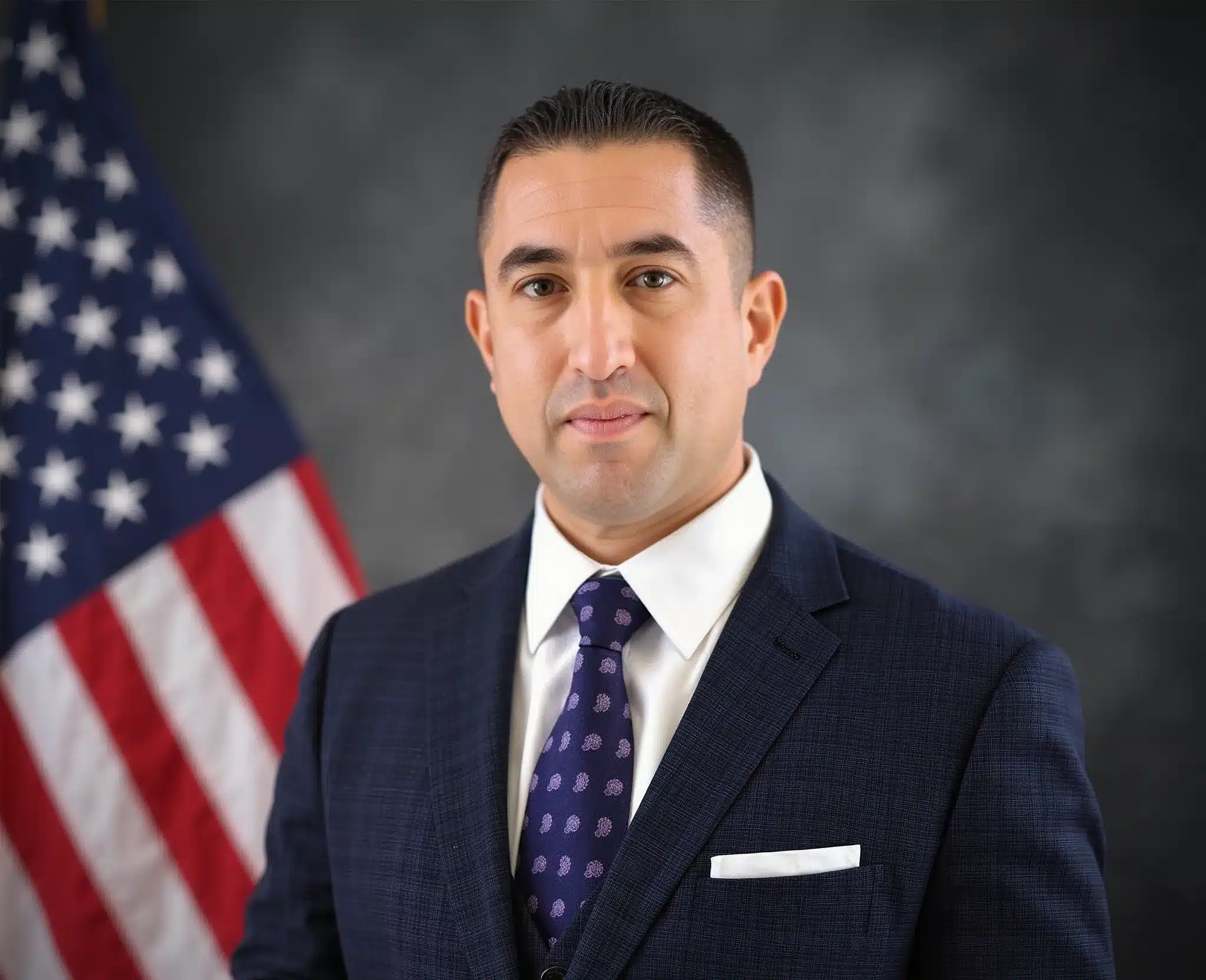
Facing a driving and drug accusation in Rodeo can feel isolating, but you do not have to navigate this situation alone. The Law Office of Nabiel C. Ahmed offers dedicated criminal defense representation to individuals throughout Contra Costa County. From the first consultation, the firm focuses on listening to your story, explaining the process in clear language, and identifying immediate steps to protect your rights and license. You will receive guidance tailored to your circumstances, honest assessments of your options, and strong advocacy in both court and DMV proceedings, with the goal of securing the most favorable outcome possible.
The Law Office of Nabiel C. Ahmed concentrates on criminal defense, with significant experience handling driving and drug charges in Rodeo and throughout Contra Costa and Alameda Counties. The firm understands how local judges and prosecutors approach these cases and what factors influence their decisions. This insight helps shape effective strategies, whether that means challenging the legality of a stop, attacking the reliability of chemical tests, or negotiating for diversion or reduced charges. Clients benefit from attentive communication, thorough preparation, and a commitment to protecting their rights, their licenses, and their futures at every stage of the case.
When you hire the firm, you work with a team that takes the time to understand your background, goals, and concerns. You are not treated as just another case number. Instead, the firm tailors its approach to your life, whether you are a student, professional driver, parent, or someone facing immigration challenges. The office is accessible and responsive, ready to address questions and guide you through court dates and DMV hearings. By choosing a firm that regularly defends driving and drug allegations in the Oakland and Rodeo areas, you put a strong advocate in your corner when it matters most.
At the Law Office of Nabiel C. Ahmed, every Rodeo driving and drug case begins with a detailed review of the traffic stop, arrest, and evidence. The firm gathers police reports, body camera footage when available, and lab results, then identifies legal and factual issues that may strengthen your defense. From there, you receive a clear explanation of the charges, potential penalties, and possible strategies. The process usually includes both criminal court appearances and a DMV hearing. Throughout, the firm keeps you informed, prepares you for each step, and works to obtain the best available outcome under the circumstances.
The first step is an in-depth consultation, where you share your account of what happened in Rodeo, including the stop, questioning, and any testing. The firm reviews citations, bail papers, and any paperwork you received from the DMV. This conversation helps identify immediate issues, such as deadlines for requesting a DMV hearing or securing release conditions. You will discuss your priorities, whether avoiding jail, protecting a commercial license, or safeguarding immigration status. By the end of this stage, you should have a clearer understanding of your situation and a preliminary plan for moving forward with your defense.
During the initial phase, the firm gathers as much information as possible about your Rodeo driving and drug case. This includes your criminal history, employment situation, family responsibilities, and any medical or treatment history related to substance use. Understanding who you are and what you hope to achieve allows your attorney to tailor the defense strategy to your life, not just the charges. You will also learn about the court in which your case will be heard, possible timelines, and key decision points. This foundation supports better communication and more informed choices throughout the rest of the process.
Soon after your arrest, there are time-sensitive tasks that need attention. One of the most important is requesting a DMV hearing to contest any proposed license suspension. Missing this deadline can limit your options, even if you later succeed in court. The firm also works to preserve helpful evidence, such as surveillance footage from nearby businesses, photographs of the scene, or medical records that may explain your condition. By acting quickly in Rodeo cases, you improve the chances of obtaining records before they are lost and create a stronger foundation for challenging the prosecution’s version of events.
In the second stage, the focus shifts to deeper investigation and strategic interaction with the prosecutor. The firm carefully reviews discovery, including police reports, lab results, and any video or audio recordings. When appropriate, the defense may file motions challenging the legality of the stop, search, or arrest, or contesting the reliability of chemical testing. At the same time, your attorney communicates with the district attorney’s office, presenting mitigating information and exploring possible resolutions. Throughout this phase, you receive updates and advice about whether to pursue negotiations, continue fighting in court, or prepare for trial, based on the strength of your case.
A significant part of many Rodeo driving and drug defenses involves challenging how law enforcement conducted the investigation. Your attorney may scrutinize whether the officer had a valid reason to stop your vehicle, whether the detention lasted longer than allowed, and whether any search complied with constitutional rules. The firm also reviews chemical testing procedures, looking for problems with the blood draw, chain of custody, or lab analysis. When legal violations or serious errors are found, motions can be filed to suppress evidence. Successful challenges may weaken the prosecution’s case and lead to better plea offers or dismissals.
Not every driving and drug case in Rodeo needs to go to trial. In many situations, careful negotiation can produce outcomes that significantly reduce the impact on your life. The firm presents your positive qualities, treatment efforts, and community support to the prosecutor, along with any legal weaknesses in the case. Possible resolutions might include reduced charges, diversion, or sentencing terms that avoid jail and limit license consequences. You will be fully informed about the pros and cons of any offer, so you can make decisions that reflect your priorities and comfort level with risk while still protecting your future.
The final stage focuses on either preparing for trial or finalizing a negotiated resolution. If your Rodeo driving and drug case is headed to trial, the firm develops a detailed plan for presenting your defense, including witness preparation, cross-examination strategies, and evidentiary arguments. If a negotiated resolution is reached, attention turns to ensuring the terms are clear and manageable, and that you understand all obligations. In either scenario, your attorney stands with you at each court appearance, explains what is happening, and continues pushing for the most favorable result possible under California law and local Contra Costa County practices.
When a fair resolution cannot be reached, trial preparation becomes the priority. This involves organizing evidence, identifying helpful witnesses, and developing a clear, compelling theory of defense tailored to your Rodeo case. Your attorney will practice direct and cross-examination, plan how to address prosecution witnesses such as officers and lab technicians, and file motions to control what the jury hears. You will receive guidance on how to testify if you choose to take the stand and what to expect in the courtroom. Thorough preparation helps reduce anxiety and gives you the best chance of a positive result.
If your Rodeo driving and drug case ends in a plea or conviction, the focus shifts to sentencing and life after court. The firm works to present strong mitigation, including treatment efforts, community support, and work or family responsibilities, to persuade the judge to impose the least restrictive terms possible. You will receive clear instructions about fines, classes, probation, and DMV requirements so you can stay in compliance and avoid future problems. When appropriate, your attorney may discuss options for future relief, such as expungement. The goal is to help you complete the process and move forward with your life.
After a driving and drug arrest in Rodeo, you will typically receive a citation or be taken into custody, then released with a court date. You may also receive a pink temporary license and a notice that your driving privilege will be suspended unless you act quickly. Your case will usually be filed in Contra Costa County Superior Court, where you must appear or have an attorney appear for you. The first court date, called an arraignment, is when charges are read, and you enter an initial plea. At the same time, the DMV may begin proceedings to suspend your license, separate from the court case. You usually have only a short time to request a hearing to challenge this suspension. An attorney can help you schedule that hearing, obtain police reports and test results, and start evaluating defenses. Early legal guidance can help prevent missed deadlines, reduce the risk of damaging statements, and set the foundation for a stronger defense in both court and at the DMV.
A driving and drug arrest in California can lead to license consequences through both the DMV and the court system. In many DUI drug cases, the DMV will seek to suspend your driving privilege based on the arrest and any chemical test results or refusal. The length of suspension depends on whether you have prior DUI-related incidents and whether you refused testing. Completing required classes and meeting other terms may be necessary before reinstatement. From the court’s perspective, certain convictions also require license suspensions or restrictions. However, outcomes can vary significantly depending on how the case is resolved. Some plea agreements or alternative charges can reduce license impacts. A defense attorney familiar with Rodeo and Contra Costa County courts can help coordinate the criminal case strategy with the DMV hearing, aiming to protect your ability to drive for work, school, and family responsibilities as much as possible under the law.
Prescription medications are lawful when used as directed, but they can still lead to driving and drug charges if law enforcement believes they impair your ability to drive safely. In Rodeo, officers often look for signs such as slurred speech, unsteady balance, or confusion, then ask about medications you are taking. Certain prescriptions, especially painkillers, sedatives, and sleep aids, are more commonly associated with DUI drug investigations. However, the presence of a medication in your system does not automatically mean you were impaired or guilty of a crime. Tolerance, dosage, timing, and interaction with other substances all matter. Medical conditions can also explain some of the behaviors officers attribute to drug use. A thoughtful defense reviews your prescriptions, consults with medical professionals when appropriate, and examines whether the prosecution can truly prove that the medication, rather than another factor, caused unsafe driving at the time of the stop.
Police in Rodeo cannot search your car for drugs after a traffic stop unless certain legal conditions are met. Generally, they need probable cause to believe a crime is occurring or your consent to search. They may claim they smell marijuana, see contraband in plain view, or observe behavior that suggests drug activity. In some situations, they may rely on a search incident to arrest or inventory searches after impounding a vehicle, but each of these has limits. If an officer searched your vehicle without a warrant, your attorney can review the circumstances carefully to determine whether the search complied with California and federal law. If the search violated your rights, a motion can be filed to suppress the drugs or other evidence found. Successful suppression can significantly weaken or even destroy the prosecution’s case, sometimes leading to reductions or dismissals of driving and drug charges arising from the Rodeo stop.
In many DUI drug cases, officers request a blood test because it can detect a wide range of substances beyond alcohol. Under California’s implied consent laws, drivers lawfully arrested for DUI must generally submit to a chemical test. Refusal can lead to enhanced penalties and automatic license consequences. However, even when a blood test is taken, the results are not beyond challenge. There are many steps in the process where errors can occur, from the initial draw to lab analysis and reporting. A defense attorney can examine who drew the blood, how it was stored, whether the chain of custody was properly documented, and what testing methods the lab used. Contamination, fermentation, or instrument calibration problems can affect accuracy. In Rodeo driving and drug cases, challenging blood test reliability can make a significant difference, especially when the prosecution’s case relies heavily on lab results rather than clear evidence of erratic driving or obvious impairment.
Penalties for a first-time driving and drug offense in California can include fines, probation, mandatory DUI classes, community service, and possible short jail terms. License suspension through the DMV or court is also common, although the length and conditions vary depending on the circumstances. If the case involves an accident, high levels of a substance, or refusal to submit to testing, the penalties can increase. Judges in Contra Costa County consider your prior record, cooperation, and any efforts to address substance use issues when deciding on sentencing. It is important to remember that the legal maximum penalties are not always what courts impose. A strong defense in your Rodeo case can lead to reduced charges, alternative sentencing, or arrangements that minimize time in custody. For some first offenders, there may be diversion or treatment-oriented options that protect their record. Early consultation with a criminal defense attorney can help you understand the realistic range of outcomes and work toward the most favorable one.
The length of time a driving and drug conviction affects your record depends on the context. For DMV purposes and future DUI sentencing, prior offenses are usually considered for many years and can increase penalties if you are arrested again. On background checks, a conviction can appear indefinitely unless you obtain relief such as an expungement or other post-conviction remedy. Employers, landlords, and licensing agencies may view drug-related driving offenses differently depending on their policies. Because of these long-term impacts, it is important to think beyond the immediate fines or classes when deciding how to handle your Rodeo case. Negotiating for reduced charges, alternative dispositions, or diversion can make a meaningful difference in how your record appears later. After the case is resolved, your attorney can also advise you about potential future steps to clean up your record, such as petitioning for expungement once you have completed your sentence and met all legal requirements.
Even if you plan to plead guilty, talking with a lawyer before making that decision is highly recommended. Driving and drug cases involve complex laws, and a guilty plea can have consequences you may not anticipate, including immigration problems, professional licensing issues, and long-term license restrictions. A quick plea in a Rodeo courtroom might seem like the fastest way to move on, but it could lock you into a result that seriously harms your future opportunities. An attorney can review the evidence, explain the realistic strengths and weaknesses of the case, and explore whether better offers are available. Sometimes, police mistakes or problems with testing create leverage for reductions or alternative resolutions. Even when a plea is ultimately the right choice, your lawyer can negotiate terms that are more favorable than what you might receive on your own, such as lower fines, reduced custody time, or programs that protect your record.
In the days following a driving and drug arrest in Rodeo, it is important to stay calm and take strategic steps. First, keep all paperwork you received from law enforcement and the DMV, including any temporary license. Write down everything you remember about the stop, questioning, and testing while details are fresh. Avoid discussing the case on social media or with anyone other than your attorney, as statements can be used against you. Next, contact a criminal defense law firm promptly to schedule a consultation. There are short deadlines for requesting DMV hearings and preserving certain rights. Your attorney can request discovery, begin investigating the case, and advise you on whether to seek treatment or counseling that may help both personally and in court. By acting quickly and thoughtfully, you put yourself in a much stronger position to contest the charges and protect your future in Rodeo and throughout Contra Costa County.
The Law Office of Nabiel C. Ahmed assists Rodeo clients by providing thorough, personalized defense in driving and drug cases. The firm reviews every aspect of your arrest, from the initial traffic stop to chemical testing and DMV procedures, looking for defenses and opportunities to improve your position. You receive clear explanations of the charges, potential penalties, and strategic options, so you can make informed decisions rather than feeling pushed into a quick plea. With significant experience in Contra Costa and Alameda County criminal courts, the firm understands local practices and what factors can influence prosecutors and judges. Your attorney can appear at court hearings on your behalf when allowed, help you navigate DMV hearings, and work to negotiate reduced charges or alternative resolutions. If trial becomes necessary, the firm prepares a detailed plan tailored to your case. Throughout the process, you have a dedicated advocate focused on protecting your rights, record, and driving privilege.
Aggressive defense for all criminal charges
"*" indicates required fields