
Facing a vandalism charge in Richmond can be overwhelming, especially when you are worried about your record, your job, and your future. California treats property damage and graffiti offenses seriously, and a momentary mistake or misunderstanding can quickly turn into a criminal case. The Law Office of Nabiel C. Ahmed represents people accused of vandalism and related theft and property crimes throughout Richmond, Contra Costa County, and nearby communities, working to protect their rights and guide them through every stage of the process from investigation to court.
Whether the allegation involves graffiti, broken windows, damaged vehicles, or property defaced during an argument, vandalism charges in Richmond can lead to fines, probation, and even jail, depending on the amount of damage. A conviction can follow you on background checks and can affect school, housing, and employment opportunities. Having a Richmond vandalism lawyer who understands local courts, prosecutors, and procedures can make a meaningful difference in how your case is handled, negotiated, and presented, giving you a chance to move forward with fewer long-term consequences.
The Law Office of Nabiel C. Ahmed is a criminal defense law firm serving Richmond, Contra Costa County, and Alameda County. The firm focuses on defending people accused of vandalism, theft, and other crimes, from first-time offenders to those with prior records. Over years of practice in Bay Area courts, the firm has handled a wide range of property-related charges, negotiating with local prosecutors and appearing before judges who regularly hear vandalism cases. Clients receive straightforward guidance, honest case assessments, and dedicated advocacy aimed at minimizing penalties and protecting their long-term prospects.
Vandalism in Richmond generally involves damaging, defacing, or destroying someone else’s property without permission. Under California Penal Code 594, this can include graffiti, carving into surfaces, keying a car, breaking windows, or damaging signs, homes, or businesses. The value of the damage influences whether the charge is handled as a misdemeanor or a felony. Many people are surprised to learn that even minor damage can lead to a criminal case, and that restitution, fines, community service, and potential jail time can all be on the table if the case is not handled carefully.
Vandalism cases often arise from misunderstandings, heated arguments, or locations where several people are present when damage occurs. Police may move quickly to assign blame, and witnesses may be mistaken or pressured. Evidence can include surveillance footage, text messages, photos, or statements to law enforcement. A Richmond vandalism lawyer can analyze how the case began, whether property value has been overstated, and whether your rights were respected during the investigation and arrest. Understanding the charges is the first step toward building a defense strategy that fits your circumstances and goals.
California law defines vandalism as willfully damaging, destroying, or defacing property that belongs to someone else. This can include both public and private property in Richmond, such as homes, storefronts, vehicles, street signs, fences, and public buildings. Graffiti with paint, markers, etching tools, or other substances may be charged as vandalism, even when the property appears only slightly damaged. The law considers both the nature of the act and the cost to repair or replace the property. Prosecutors must prove that you acted willfully, not by accident, and that the damage was done without the owner’s consent.
A vandalism case in Richmond typically turns on several important elements: whether you were the person who caused the damage, whether the act was intentional, and the amount of financial loss. Prosecutors often rely on witness statements, video recordings, or admissions made to police. The process usually includes arrest or citation, arraignment, pretrial hearings, negotiations, and possibly trial. Throughout each stage, your attorney can file motions, challenge identification, question valuation of the property, and push for outcomes such as diversion or dismissal. Understanding these elements and steps helps you prepare for what to expect in Richmond court.
Vandalism charges involve several legal terms that can shape the outcome of your case in Richmond. Understanding what prosecutors mean by phrases like “maliciously,” “restitution,” or “wobbler” can help you follow what is happening in court and in negotiations. These terms often affect whether charges are filed as misdemeanors or felonies and what penalties might apply. Knowing the meaning of these words also helps you communicate more clearly with your attorney, ask better questions, and make informed choices about plea offers, potential defenses, and long-term implications for your record and future opportunities.
In California vandalism cases, “maliciously” refers to acting with intent to annoy, injure, or damage, or acting with a conscious disregard for the rights and property of others. Prosecutors often use this term to argue that the damage in a Richmond case was more than a simple accident or mistake. Your attorney may challenge whether your actions were truly malicious, pointing to the surrounding circumstances, your relationship with the property owner, or evidence suggesting a misunderstanding. Showing that an act was not malicious can sometimes lead to reduced charges or a more favorable resolution in court.
Restitution is the amount of money a court may order you to pay the property owner for repair or replacement of damaged property in a Richmond vandalism case. This figure is often based on estimates, invoices, or testimony about the cost of restoring the property. Restitution may be part of probation terms, a plea agreement, or a condition of a diversion program. A defense lawyer can review the claimed amount, question inflated costs, or request independent assessments, helping ensure you are not held responsible for damage beyond what the evidence supports or for unrelated repairs.
A “wobbler” offense is a crime that can be charged as either a misdemeanor or a felony, depending on the circumstances and the prosecutor’s decision. Certain vandalism cases in Richmond, especially those involving higher-value damage, may be treated as wobblers. This means the stakes are higher, but it also creates room for negotiation. Your lawyer may seek to have a felony filing reduced to a misdemeanor, either during charging, through pretrial discussions, or at sentencing. How a wobbler is resolved can significantly affect jail exposure, fines, and long-term impact on your record.
Diversion is a process where a vandalism case may be routed into an alternative program rather than resulting in a traditional conviction. In Richmond, this might involve graffiti abatement, community service, counseling, or restitution in exchange for dismissal or reduction of charges upon successful completion. Diversion can be especially important for young people, students, or first-time offenders hoping to avoid a criminal record. Not every case qualifies, and availability may depend on the facts, prior history, and local policies. An attorney can advocate for diversion and help you understand the obligations and potential benefits.
When facing vandalism charges in Richmond, you may have several legal paths, from quickly accepting a plea to aggressively challenging the allegations in court. Some people may be eligible for diversion, while others might seek charge reductions or alternative sentencing focused on restitution rather than custody. Each option carries trade-offs relating to time, risk, and long-term consequences. An attorney can review discovery, evaluate the strength of the evidence, and help you weigh whether to negotiate, file motions, or prepare for trial. The goal is to select a strategy that best protects your future and fits your priorities.
In some Richmond vandalism cases, the alleged damage is modest, the property owner is open to quick repayment, and the prosecution seems willing to consider informal resolution. When restitution is readily available and there are no prior offenses or aggravating circumstances, a focused, limited legal approach may be effective. Your attorney might prioritize negotiating a civil compromise, community service, or informal agreements that encourage dismissal or significant reduction of charges. Even with a limited approach, it is important to review the evidence, protect your rights, and avoid resolutions that create unnecessary long-term risks.
First-time vandalism allegations in Richmond, especially those involving young people or isolated incidents, may be good candidates for a more limited legal strategy focused on negotiation and rehabilitation. Courts and prosecutors sometimes recognize that people can learn from a single mistake, particularly when they take responsibility, pay restitution, and participate in constructive programs. In these situations, your lawyer may concentrate on obtaining diversion, informal dismissal, or reduced charges without extensive litigation. The aim is to protect your record while avoiding unnecessary conflict, as long as the proposed outcome fairly reflects what actually happened.
A comprehensive legal strategy becomes especially important when vandalism charges in Richmond involve high repair costs, threats of felony filing, or an existing criminal history. In these situations, the consequences of a conviction can include extended jail time, higher fines, and greater impact on employment and housing. Your attorney may need to conduct a detailed investigation, challenge valuation of the damage, interview witnesses, and file multiple motions. Thorough preparation is often essential to negotiate effectively, argue for reduced charges, or present a persuasive case to a judge or jury when the stakes are significantly higher.
When there is genuine disagreement about who caused the damage, how it occurred, or whether it was intentional, a more extensive defense in Richmond may be necessary. Cases based on shaky eyewitness accounts, unclear surveillance footage, or statements made under pressure create opportunities for challenge, but they also demand careful preparation. Your lawyer might engage investigators, pursue additional video, obtain phone records, or consult with valuation professionals. This level of involvement can reveal weaknesses that support dismissal, acquittal, or substantial reduction of charges, ensuring that you are not unfairly blamed for vandalism you did not commit.
Taking a comprehensive approach to a Richmond vandalism case means looking beyond the immediate charges and considering how every decision might affect your long-term record and goals. Thorough representation can uncover problems with the prosecution’s evidence, such as questionable identification, inflated damage estimates, or incomplete investigations. It can also open the door to alternatives like diversion, creative sentencing, or charge reductions that might not be offered without persistent advocacy. By examining all aspects of the incident and your background, your attorney can pursue solutions tailored to your situation rather than relying on one-size-fits-all plea offers.
A complete defense strategy in Richmond can also make the court more aware of your story, including your work, education, family responsibilities, and positive contributions to the community. This context can influence how prosecutors and judges view your case and what resolutions they are willing to accept. It may help soften penalties, reduce probation terms, or protect against future enhancements. Ultimately, a comprehensive approach seeks not only to address the vandalism charge in front of you but also to safeguard your opportunities in school, employment, and housing long after the case is over.
When your Richmond vandalism defense is carefully prepared, you often stand in a stronger position during negotiations and, if necessary, in court. Prosecutors take cases more seriously when they see that the defense has investigated thoroughly, identified legal issues, and is ready to challenge assumptions. This can lead to better plea offers, consideration of diversion, or openness to creative outcomes. Likewise, judges are more likely to consider leniency when the defense presents organized, well-supported arguments. A thorough approach gives you leverage, helping turn uncertain situations into opportunities for more favorable resolutions.
Vandalism allegations in Richmond can ripple through your life for years, especially if they appear on background checks. A comprehensive defense focuses on protecting your record as much as possible, whether by pushing for dismissal, seeking reduction to less damaging charges, or pursuing outcomes that may later be expunged. This attention to long-term consequences can help preserve opportunities for school, professional licensing, and employment, as well as keep options open for housing and loans. By planning ahead and considering how each legal decision will affect you, your attorney can help you move forward with fewer obstacles.

After an arrest or investigation for vandalism in Richmond, it can be tempting to explain your side of the story to police, the property owner, or friends on social media. Doing so often creates statements that prosecutors later use in court. Instead, remain calm and polite, but avoid answering detailed questions until you have legal guidance. Ask clearly for a lawyer and do not sign written statements or waivers without understanding them. Protecting your right to remain silent gives your attorney room to evaluate the situation and craft a defense without unnecessary admissions complicating your case.
Some people initially treat a vandalism allegation in Richmond as a minor issue, assuming it will simply go away or result in a small fine. This can be a mistake, because criminal records and possible restitution orders may follow you long after the case ends. Taking the situation seriously means attending all court dates, following instructions, and staying in close contact with your attorney. It may also involve addressing underlying issues, such as conflict, substance use, or peer pressure. Proactive steps can demonstrate responsibility to the court and improve the chances of a more favorable resolution.
Vandalism charges in Richmond carry more than just immediate penalties; they can affect employment, housing, and educational opportunities across California. Navigating the criminal justice system without guidance can lead to uninformed decisions, missed defenses, and harsher outcomes than necessary. A vandalism defense lawyer understands local procedures, court expectations, and diversion options in Contra Costa County. By having representation, you gain an advocate who can explain your rights, identify weaknesses in the case, and help you work toward resolutions that reduce the long-term damage a criminal accusation can cause to your life and reputation.
People consider hiring a Richmond vandalism lawyer for many reasons, including fear of jail, concern over a clean record, immigration worries, or the impact on children and family. Whether you are a student, working professional, or parent, the stakes can be significant. Representation can help ensure that key issues, such as valuation, intent, misidentification, and restitution, receive the detailed attention they deserve. Your lawyer can also communicate on your behalf with the court and prosecutors, reducing stress and uncertainty while guiding you through each step with clear explanations and straightforward advice about your options.
Vandalism charges in Richmond often arise from familiar situations: arguments that escalate, gatherings where multiple people are present, or nights out that end with broken property or graffiti. Sometimes, individuals are accused simply because they were nearby or fit a general description, even when they did not cause the damage. Other times, young people or groups may be blamed for tagging, scratching vehicles, or defacing buildings. Understanding how these circumstances typically unfold helps your lawyer identify potential defenses, such as mistaken identity, lack of intent, exaggerated damage claims, or incomplete investigations by law enforcement.
One of the most common sources of vandalism charges in Richmond is graffiti or tagging on walls, fences, transit areas, or business storefronts. Law enforcement sometimes conducts focused operations in areas with frequent tagging, leading to quick arrests based on presence rather than clear proof of who actually painted the surface. In some cases, a person may be carrying markers or spray paint but did not tag the specific property in question. A careful review of video footage, timelines, and witness statements can show whether the prosecution’s theory truly fits the facts or leaves reasonable doubt.
Vandalism charges in Richmond can also stem from heated arguments between friends, family members, or partners where property gets damaged. Breaking a phone, scratching a car, or throwing an object during a dispute may be charged as vandalism if the property belongs to someone else. These cases often overlap with domestic violence or restraining order issues and can be emotionally charged. An attorney can examine whether the damage was accidental, whether ownership is unclear, and whether both sides contributed to the conflict. Many times, careful handling can reduce criminal exposure and focus on restitution or conflict resolution.
Another frequent scenario involves groups of people where only one or two individuals actually damage property, yet several are accused. In Richmond, police may arrest multiple people near the scene of graffiti, broken windows, or vandalized vehicles, relying on limited observations or quick identifications. Video or photos may be unclear, especially at night or from a distance. A strong defense focuses on whether the evidence truly shows you caused the damage, or whether you were simply present. Challenging assumptions and pointing out reasonable doubt can be key to defending group-related vandalism charges in local courts.
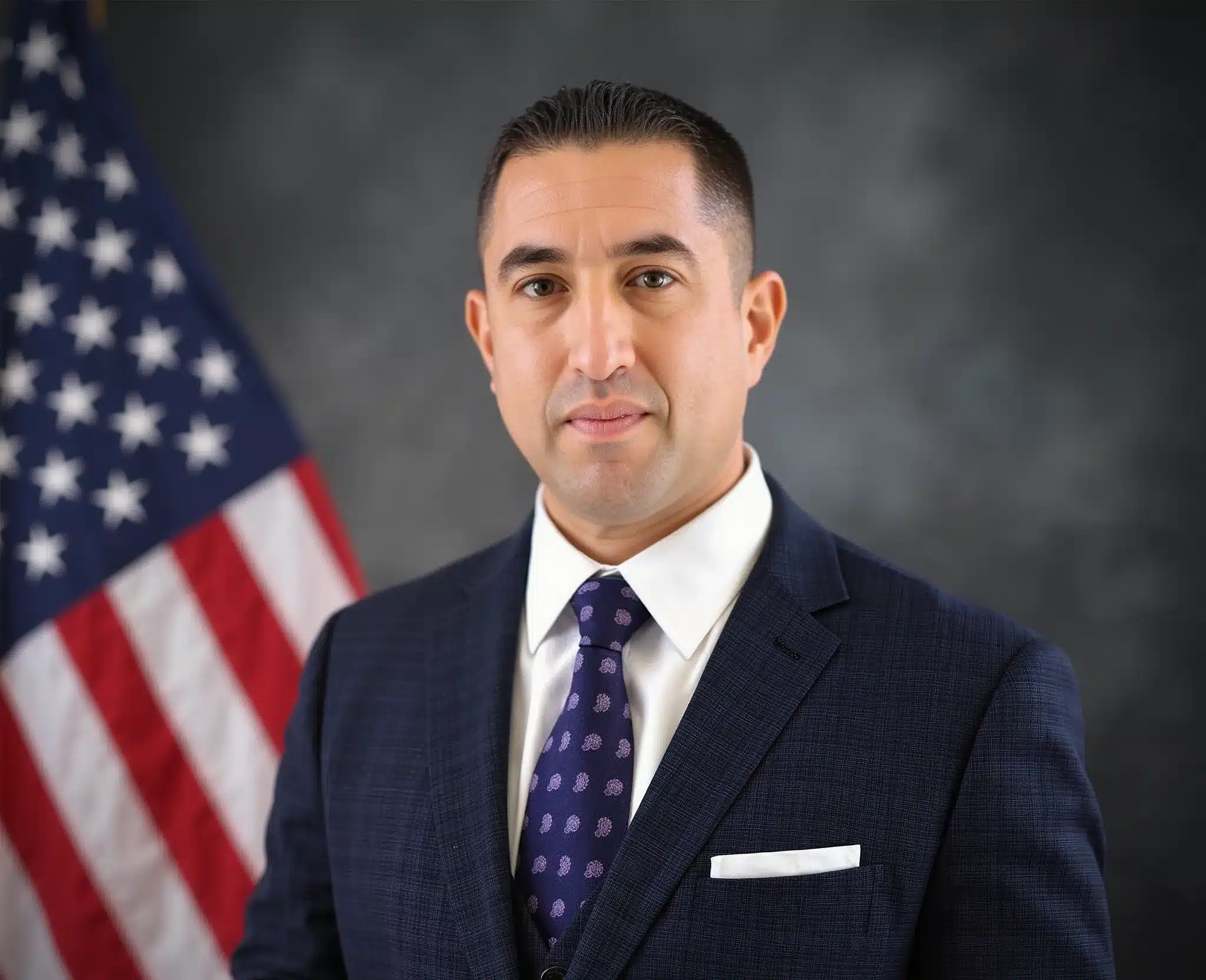
At the Law Office of Nabiel C. Ahmed, the focus is on helping people in Richmond and surrounding Contra Costa County communities work through vandalism and other criminal charges with as little disruption to their lives as possible. The firm understands that an arrest can be stressful and confusing, especially if this is your first time in the criminal justice system. You can expect clear communication, honest expectations, and a commitment to pursuing the most favorable outcome available. From the first consultation through the resolution of your case, the goal is to protect your rights and your future.
Choosing the right criminal defense firm in Richmond can strongly influence how your vandalism case is resolved. The Law Office of Nabiel C. Ahmed focuses its practice on criminal defense, including theft and other property-related offenses, throughout Alameda and Contra Costa counties. The firm is familiar with local judges, prosecutors, and procedures that shape vandalism cases in Richmond. Clients receive one-on-one attention, detailed explanations of available options, and strategic recommendations based on the facts rather than a cookie-cutter approach, helping them make informed decisions at each critical stage of the case.
Working with this firm means you have a defense lawyer who listens to your concerns, reviews the evidence carefully, and stands up for you in negotiations and court. The office is committed to responsive communication, answering questions and keeping you updated as your Richmond vandalism case moves forward. Whether the goal is dismissal, reduction, or an alternative resolution that protects your record, the firm strives to find creative paths forward. If you or a loved one faces vandalism charges, you can reach the Law Office of Nabiel C. Ahmed at 510-271-0010 to discuss your options.
When you contact the Law Office of Nabiel C. Ahmed about a vandalism charge in Richmond, the firm follows a step-by-step approach designed to understand your situation and protect your rights. The process begins with a detailed conversation about what happened, your background, and your concerns. From there, the firm requests police reports and other evidence, reviews the strengths and weaknesses of the case, and explains possible outcomes in plain language. Throughout, your lawyer stays focused on minimizing consequences and exploring alternatives to conviction whenever the facts and the law support those options.
The first step in handling a Richmond vandalism case is a thorough consultation and case evaluation. During this meeting, you can explain what led to the charges, ask questions about the court process, and share any documents or messages you have received. The firm will review basic information about your background, including prior cases, work, and family responsibilities. This helps your attorney understand both the legal issues and what is at stake for you personally. By the end of this stage, you should have a clearer picture of your rights, possible defenses, and the next steps.
At the beginning of representation, the Law Office of Nabiel C. Ahmed takes time to listen carefully to your account of the alleged vandalism in Richmond. This includes where you were, who else was present, what law enforcement said, and what you remember about the property involved. You can also discuss your worries about school, work, family, or immigration. This information provides context that may not appear in police reports. Understanding your story and concerns early allows your attorney to focus on the issues that matter most to you while shaping a defense that fits your goals.
After hearing your story, the firm will explain what the vandalism charges mean under California law and how Richmond courts typically handle similar cases. You will review the formal complaint, maximum penalties, and potential collateral consequences, such as effects on driving privileges, housing, or professional plans. Your attorney will outline how factors like damage amount, prior record, and cooperation may influence the outcome. This conversation is a chance to ask about possible defenses, diversion opportunities, and realistic expectations. Clear information at this stage helps you feel better prepared for what lies ahead in your case.
The next stage in a Richmond vandalism case involves gathering information and developing a defense strategy. The firm obtains discovery from the prosecutor, including police reports, photos, videos, and witness statements. At the same time, you may be asked to share any evidence or contacts that might help your side of the story. Together, this information is evaluated to identify weaknesses in the prosecution’s case, possible legal motions, and opportunities for negotiation. Based on these findings, your attorney can recommend whether to pursue diversion, seek reduced charges, or prepare for a contested hearing or trial.
During the investigation phase, your Richmond vandalism defense involves a careful review of all available evidence. This may include surveillance video, photographs of the alleged damage, repair estimates, body camera recordings, and statements by witnesses or officers. Your attorney may visit the scene, consult with independent evaluators about property value, or track down additional witnesses. The goal is to verify whether the prosecution’s version of events is accurate, whether identification is reliable, and whether the claimed damage and cost are supported. Any inconsistencies or gaps can become powerful tools in negotiations or at trial.
Once the evidence has been reviewed, your attorney will work with you to create a defense plan tailored to your Richmond vandalism case. This plan might involve filing motions to suppress statements, challenge identification, or dispute the amount of damage. It may also include gathering positive background materials, such as school records, work history, or letters of support. Together, these elements shape negotiations with the prosecutor and prepare the case in case trial becomes necessary. Throughout this phase, you will receive updates and input so you understand the strategy and can participate in important decisions.
The final phase of a Richmond vandalism case typically includes ongoing negotiations with prosecutors, court hearings, and potential resolution by plea, diversion, or trial. Your attorney will appear with you at key hearings, speak on your behalf, and argue for outcomes that protect your record and minimize penalties. Depending on the evidence and circumstances, this might mean pushing for dismissal, seeking informal diversion, or negotiating reduced charges. If trial is the best path, your lawyer will present your defense to the judge or jury. The overarching goal is to achieve the most favorable resolution possible under the facts.
In many Richmond vandalism cases, negotiations with prosecutors play a central role in the outcome. Your attorney will present legal arguments, highlight evidentiary problems, and share information about you that may not appear in police reports, such as your work, education, or community involvement. This mitigation can influence whether the district attorney is willing to offer diversion, reduce charges, or recommend lighter penalties. By combining legal challenges with a full picture of who you are, your lawyer seeks to humanize your case and encourage the prosecution to consider resolutions that provide a second chance.
If your Richmond vandalism case does not resolve through early negotiations or diversion, your attorney will prepare you for trial or a contested hearing. This preparation includes explaining courtroom procedures, reviewing your testimony if you choose to testify, and organizing exhibits and witnesses. Even when cases ultimately settle close to trial, thorough preparation strengthens your bargaining position and ensures you are ready if the case proceeds. Your lawyer will discuss the risks and benefits of going to trial versus accepting offers, so you can decide how to proceed with a clear understanding of possible outcomes.
After a vandalism arrest in Richmond, you may be taken to jail or released with a citation and a future court date. The next step is usually an arraignment, where the charges are formally read, and you enter an initial plea. It is important to appear on time and dress respectfully, because judges and prosecutors form early impressions. At this stage, the court may address bail, release conditions, and the schedule for future hearings. Soon after arraignment, your attorney can request police reports, videos, and other discovery related to your vandalism case. This evidence helps evaluate the strength of the prosecution’s claims and guides decisions about negotiation or trial. Your lawyer may also contact witnesses, gather favorable information about you, and explore options like diversion or informal resolution. By getting representation early, you give your defense more time to develop and improve your chances of a better outcome in Richmond court.
In California, vandalism can be charged as either a misdemeanor or a felony depending on the amount of damage and your prior record. In Richmond, lower-value property damage often results in misdemeanor charges, which still carry the possibility of jail, fines, restitution, and probation. Higher damage amounts or repeated offenses can lead to felony filing, along with more serious potential penalties and long-term consequences for employment and housing. Some vandalism cases are considered wobblers, meaning the district attorney can choose whether to file them as misdemeanors or felonies. Your lawyer can advocate for misdemeanor treatment, emphasizing mitigating facts and challenges to the evidence. Even in misdemeanor cases, the impact on your record can be significant, so it is important not to treat the charges casually. Understanding how the prosecution classified your case is the first step toward planning an effective defense strategy in Richmond.
Yes, many vandalism cases in Richmond can be dismissed or reduced, depending on the facts, your background, and available defenses. For example, if prosecutors have difficulty proving you caused the damage, miscalculated the repair cost, or violated your rights during investigation, your attorney may be able to use those issues to seek dismissal or significant reduction. Courts sometimes consider civil compromise or restitution-focused resolutions that avoid a full criminal conviction, especially for first-time offenders. Even when dismissal is not realistic, your lawyer may be able to negotiate reduced charges, such as lowering a felony vandalism count to a misdemeanor or substituting a less damaging offense. Options like diversion, informal agreements, and creative sentencing can all limit the long-term impact on your record. Every case is different, so a careful review of the evidence and local Richmond practices is essential to understanding which outcomes may be achievable in your situation.
A vandalism conviction in Richmond will appear on your criminal record, which can surface in background checks for employment, housing, and certain licenses. However, it does not necessarily stay there forever without relief. Depending on the outcome and your later conduct, you may be eligible for record-clearing options such as expungement or reductions that lessen the impact of the conviction. Courts may look at your completion of probation, payment of restitution, and law-abiding behavior over time. Avoiding a conviction or securing a reduced charge from the start often provides the best protection. That is why your defense strategy in Richmond should consider long-term consequences, not just immediate penalties. Even after a case is resolved, it may be worth consulting with a lawyer about post-conviction relief. Taking steps to clean up your record can help you move forward, reopen opportunities, and limit how much a single vandalism case affects your future in California.
Many vandalism allegations in Richmond arise from accidents, misunderstandings, or situations where property was damaged during an argument but not intentionally targeted. California law requires that vandalism be willful, meaning intentional damage or defacing of property. If your conduct was accidental, or if you reasonably believed you had permission, those facts may provide important defenses or at least grounds for reducing the severity of the charges. Your attorney will want to understand exactly what happened before giving advice about strategy. Sometimes, prosecutors file charges quickly based on incomplete information from police reports or upset property owners. A thorough investigation may show that the damage occurred differently than originally reported or that another person was responsible. Even if you caused the damage, the difference between intentional and accidental conduct can significantly affect the outcome. Explaining the full story and providing supporting evidence can help your lawyer argue for dismissal, lesser charges, or resolutions focused on restitution rather than punishment.
It is generally unwise to discuss the details of alleged vandalism with police without a lawyer present. Officers in Richmond may seem friendly or say they just want to hear your side, but anything you say can be used against you in court. Even innocent explanations or attempts to clear up confusion can be misinterpreted or taken out of context. You have the right to remain silent and to request an attorney before answering questions about the incident. Politely asserting your rights does not make you look guilty; it shows you understand the seriousness of the situation. Once you have counsel, your lawyer can decide if and when it makes sense to share information with law enforcement or prosecutors. Sometimes, it may be beneficial to provide a statement, but this decision should be made strategically after reviewing the evidence. Protecting yourself from unnecessary admissions is one of the most important early steps in a vandalism case.
The cost of hiring a vandalism lawyer in Richmond depends on several factors, including whether the case is charged as a misdemeanor or a felony, the complexity of the evidence, and how far the case proceeds in court. Some matters can be resolved relatively quickly, while others require extensive investigation and multiple court appearances. At the Law Office of Nabiel C. Ahmed, the firm strives to be transparent about fees, discussing costs and payment options during the initial consultation. While legal representation is an investment, it can help protect you from higher fines, extended probation, or avoidable consequences that may affect your job and future opportunities. Before deciding based only on cost, it is important to consider what is at stake if the case is not handled carefully. A conversation with a Richmond vandalism lawyer can help you weigh the potential value of legal services against the risks of navigating the criminal justice system on your own.
Juvenile vandalism cases in Richmond are usually handled in the juvenile court system, which focuses more on rehabilitation than punishment. Young people accused of graffiti or property damage may face consequences such as community service, restitution, counseling, or educational programs. Juvenile records can sometimes be sealed, especially when the minor successfully completes court-ordered requirements. Because these cases can affect school, college applications, and family dynamics, having guidance tailored to minors is particularly important. A lawyer can help the family understand the juvenile process, represent the minor in hearings, and advocate for outcomes that support growth rather than long-term harm. In some situations, it may be possible to avoid formal petitions or secure resolutions that keep the young person from entering deeper into the system. Early intervention, honest communication, and strong advocacy can make a meaningful difference in how a juvenile vandalism case in Richmond is resolved and how it affects the child’s future.
Diversion is sometimes available in Richmond vandalism cases, especially for first-time offenders, juveniles, or those facing lower-level property damage. Diversion programs may involve restitution, graffiti cleanup, classes, or community service, and successful completion can result in dismissal or reduction of charges. Availability depends on local policies, the facts of the case, and your prior record, so not everyone qualifies. Your attorney can discuss whether formal or informal diversion options are realistic for you. Even when there is no standard diversion program listed, creative negotiation with prosecutors and the court may achieve similar results. For example, a lawyer might propose a tailored agreement centered on repayment, community work, or counseling in exchange for a more favorable outcome. The key is demonstrating that you are addressing the situation constructively and are unlikely to reoffend. Exploring diversion early can preserve opportunities to resolve your Richmond vandalism case without a lasting criminal conviction.
It is important to contact a vandalism lawyer as soon as possible after a Richmond arrest or when you learn you are under investigation. Early representation allows your attorney to protect your rights during questioning, advise you before you make statements, and begin gathering helpful evidence before it disappears. Waiting until just before a court date can limit your options and reduce the time available to challenge the prosecution’s case or pursue diversion and alternative resolutions. By reaching out quickly, you can turn a chaotic situation into a structured plan. Your lawyer can explain what to expect at arraignment, address concerns about bail or release conditions, and start building a defense strategy tailored to your circumstances. Acting promptly demonstrates to the court and the prosecution that you are taking the matter seriously. For guidance with a vandalism case in Richmond, you can contact the Law Office of Nabiel C. Ahmed at 510-271-0010.
"*" indicates required fields