
Facing a domestic violence charge in Pleasant Hill can turn your entire life upside down in a moment. Allegations often arise out of heated disputes, misunderstandings, or one-sided accounts, yet they can immediately affect your freedom, housing, employment, and family relationships. The Law Office of Nabiel C. Ahmed provides focused criminal defense representation for individuals accused of domestic violence in Pleasant Hill and throughout Contra Costa County. This page explains how these cases work in California, what to expect from the court process, and how a dedicated defense strategy can help protect your future and your reputation.
Domestic violence investigations usually move very quickly in Pleasant Hill, and important decisions are made long before a case ever reaches trial. Protective orders, bail conditions, and charging decisions can shape the entire outcome. Having a defense lawyer who understands local Pleasant Hill courts and Contra Costa County procedures can make a meaningful difference in the direction of your case. Our firm works closely with clients to review the facts, gather helpful evidence, and challenge the narrative presented by the prosecution. The goal is to safeguard your rights at every stage while pursuing the most favorable resolution available under California law.
Domestic violence convictions in California can carry jail time, long-term probation, mandatory classes, firearm bans, and lasting damage to your record. In Pleasant Hill, judges and prosecutors take these cases very seriously, and a single misstep can influence the outcome. Legal representation provides a buffer between you and the system, helping you avoid incriminating statements, missed opportunities, or rushed plea agreements. A thoughtful defense approach may uncover inconsistencies in witness statements, highlight self-defense issues, or show that the incident has been exaggerated. By having a lawyer guiding you through each step, you can make informed choices about how to move forward and protect your future.
The Law Office of Nabiel C. Ahmed is a criminal defense law firm serving Pleasant Hill, Contra Costa County, Alameda County, and surrounding communities. Over many years of practice, the firm has handled a wide range of violent and serious crime cases, including misdemeanor and felony domestic violence charges under California law. The office is committed to personal attention, clear communication, and thorough preparation. Clients receive guidance tailored to their specific circumstances, whether the case involves a first-time arrest, a prior record, or immigration concerns. From the initial consultation through resolution, the firm’s focus is on realistic advice, strategic planning, and strong advocacy in local courts.
Domestic violence is not a single crime, but a group of offenses involving alleged harm or threats against someone with a close relationship to the accused. In Pleasant Hill, cases may involve spouses, former partners, people who share a child, or household members. Police often make quick arrest decisions based on limited information, and prosecutors may file charges even when the alleged victim later asks to drop the case. Knowing how domestic violence is defined in California, and how these cases are prosecuted in Contra Costa County, can help you understand what you are facing and what options may be available.
These cases may be charged as misdemeanors or felonies, depending on factors such as alleged injuries, prior convictions, and whether weapons were involved. Common charges include domestic battery, corporal injury to a spouse or cohabitant, criminal threats, and violations of protective orders. In Pleasant Hill, domestic violence allegations can trigger emergency protective orders, no-contact orders, and immediate firearm restrictions. The consequences are not limited to the courtroom; family law, housing, and employment issues often arise at the same time. A careful review of the police reports, witness statements, and physical evidence is essential in building a defense that addresses both the charges and the broader impact on your life.
Under California law, domestic violence generally involves the use or threat of force against an intimate partner or household member. This can include alleged pushing, hitting, grabbing, or other unwanted physical contact, as well as serious threats that cause fear. Importantly, charges can be filed even when injuries are minor or not visible, and even when the other person does not want to proceed. In Pleasant Hill, officers responding to a domestic call often separate the parties, take statements, and make an arrest when they believe a crime may have occurred. Understanding these legal definitions and how they are applied in real cases helps explain why seemingly small arguments can lead to surprisingly serious criminal charges.
Domestic violence prosecutions usually focus on several key elements: the relationship between the parties, the alleged conduct, any injuries, and the intent behind the actions. The process often begins with a 911 call and a police report, followed by filing decisions by the Contra Costa County District Attorney. In Pleasant Hill cases, the first court appearance typically addresses bail, protective orders, and the formal reading of charges. Over time, there may be negotiations, motions, and hearings to challenge evidence or seek dismissal. If the case does not resolve, it can proceed to trial. Throughout this process, having someone who knows how to evaluate the strengths and weaknesses of the case is essential to protecting your rights.
Domestic violence charges come with terminology that can be confusing for anyone encountering the system for the first time. Understanding these common terms can help you communicate more clearly with your lawyer and make informed choices. Words like “corporal injury,” “protective order,” and “wobbler” have specific meanings under California law that affect how serious your case is and what outcomes are possible. In Pleasant Hill, judges, prosecutors, and probation officers use this language every day, and knowing what it all means can reduce anxiety and uncertainty as you navigate the process.
“Corporal injury to a spouse or cohabitant” refers to a California offense that involves causing a physical injury to an intimate partner, such as a spouse, former spouse, live-in partner, or parent of your child. This charge is often filed as a felony or a misdemeanor “wobbler,” depending on the circumstances and any prior history. In Pleasant Hill domestic violence cases, prosecutors may rely on photographs, medical records, or officer observations to show that an injury occurred. Even relatively minor injuries can lead to significant penalties, so this charge requires careful attention and a detailed review of the evidence.
A Criminal Protective Order, often called a CPO, is a court order designed to restrict contact between the accused and the alleged victim in a domestic violence case. In Pleasant Hill, judges may issue these orders at the first court appearance, sometimes without hearing your side of the story in detail. A CPO can prohibit direct and indirect contact, require you to move out of a shared home, and restrict communication except for limited purposes. Violating a protective order can lead to additional charges and stricter conditions. Understanding the terms of any order and how to comply is essential while your case is pending.
Domestic battery is a California offense that involves the use of force or violence against an intimate partner, even if there is no visible injury. In Pleasant Hill, this charge is frequently filed when police believe there was unwanted physical contact during an argument, such as pushing, grabbing, or slapping. Because physical injury is not required, domestic battery can be easier for prosecutors to file, but that does not mean the evidence is always strong. Witness inconsistencies, intoxication, or mutual confrontation can play a role. A careful defense strategy looks at the entire context of the incident rather than just a brief snapshot in a police report.
A “wobbler” offense is a crime that can be charged as either a misdemeanor or a felony, depending on the facts of the case and the prosecutor’s decision. Many domestic violence charges in California, including certain corporal injury offenses, fall into this category. In Pleasant Hill, the way a wobbler is charged can significantly influence potential penalties, immigration consequences, and long-term record issues. Through negotiation and strategic advocacy, it may be possible in some cases to seek a reduction from felony to misdemeanor, or to pursue alternative resolutions that limit jail and collateral consequences while still addressing the court’s concerns.
After a domestic violence arrest in Pleasant Hill, you may be presented with several choices, from accepting an early plea offer to fighting the charges at trial. Some people hope the case will simply go away, while others feel pressure to resolve it quickly without fully understanding the consequences. There are also alternatives such as counseling-based resolutions, reduced charges, or diversion in some situations. Each option has trade-offs involving risk, time, cost, and long-term impact. A careful comparison of these paths, based on the actual evidence and your personal goals, helps you decide how aggressively to contest the charges and what outcomes are acceptable.
In some Pleasant Hill domestic violence cases, the allegations are relatively minor, injuries are slight or nonexistent, and the evidence is thin. Perhaps the police responded after an argument had already cooled down, or witnesses gave inconsistent statements. In these situations, a limited legal approach focused on negotiation, documentation of counseling, or early presentation of favorable information may be enough to secure a reasonable outcome. The goal is to avoid unnecessary escalation while still protecting your record. Even with a limited strategy, it remains important to understand the potential consequences and ensure any plea or agreement does not create unexpected long-term problems.
First-time domestic violence cases in Pleasant Hill sometimes allow room for more constructive solutions, particularly when the accused has no prior record and the alleged harm is relatively low. In these situations, courts and prosecutors may consider options such as counseling, anger management, or community-based programs instead of harsh jail sentences. A limited legal approach can focus on demonstrating accountability, highlighting positive background information, and addressing concerns about future conflict. When handled carefully, this strategy may resolve the case while preserving employment, housing, and family relationships, allowing you to move forward with fewer long-term consequences on your record.
When a Pleasant Hill domestic violence case involves significant injuries, weapons, or prior convictions, the stakes rise quickly. Felony charges can carry long jail or prison sentences, lengthy probation, and severe collateral consequences for immigration, professional licenses, and custody. In these circumstances, a comprehensive defense strategy is usually necessary. This may include detailed investigation, consultation with medical or forensic professionals, careful review of digital evidence, and extensive motion practice. The objective is to test the prosecution’s case at every point, look for opportunities to reduce the charges or penalties, and present a complete picture of your life beyond the accusation.
Domestic violence convictions can lead to life-changing consequences beyond the immediate sentence, especially for those with immigration concerns, sensitive careers, or ongoing family law cases. In Pleasant Hill, a plea that seems manageable at first glance may still trigger removal proceedings, loss of employment opportunities, or disadvantages in child custody disputes. A comprehensive defense approach looks beyond the short-term outcome to evaluate how each possible resolution affects these connected areas of your life. By planning for these broader consequences, you can make informed decisions that protect not only your freedom but also your long-term stability and relationships.
A thorough approach to domestic violence defense in Pleasant Hill allows every part of the case to be carefully evaluated instead of relying solely on the initial police report. This can reveal weaknesses in the prosecution’s evidence, such as inconsistent statements, unclear injuries, or missing context. By gathering texts, emails, social media records, and independent witness accounts, your defense can present a fuller picture of what really happened. This often strengthens your bargaining position and may open the door to reduced charges, alternative resolutions, or even dismissal. The process also gives you a clearer understanding of your risks and options at each stage.
Another major benefit of a comprehensive defense is the chance to address the court’s concerns proactively. Judges in Pleasant Hill often want assurance that any underlying issues, such as communication problems, substance use, or stressful life changes, are being addressed. By engaging in appropriate counseling, classes, or support programs, and documenting that progress, you can present yourself in a more favorable light. This can lead to more flexible sentencing, better plea offers, or alternatives to custody. A well-rounded defense strategy protects your legal interests while also supporting meaningful changes that help reduce the likelihood of future conflict.
When your domestic violence defense is built on investigation, documentation, and careful preparation, you are in a stronger position to negotiate with prosecutors and present your case to the court. In Pleasant Hill, prosecutors are more likely to consider reductions or alternative resolutions when they see legitimate issues with proof, mitigation, or fairness. A well-developed defense can highlight gaps in the evidence, demonstrate your positive history, and show the constructive steps you are taking. This approach does not guarantee a specific outcome, but it often results in better offers and more favorable consideration than cases where little preparation or advocacy has been done.
Domestic violence charges can leave a lasting mark on your record, affecting employment, housing, licensing, and community standing. A comprehensive defense strategy is designed to protect these interests as much as possible. In Pleasant Hill, this might involve pursuing reduced charges, seeking outcomes that minimize long-term record consequences, or positioning the case for future relief when available. Protecting your rights during investigation and court proceedings also helps prevent unnecessary restrictions on your freedom, property, and family life. By focusing on both the short-term case and your long-term goals, a thorough defense gives you the best chance at moving past this experience with your life on track.


After a domestic violence arrest in Pleasant Hill, it can be tempting to explain your side to police, the alleged victim, or friends and family. However, anything you say may be misunderstood or used against you in court. Social media posts, text messages, and calls from jail are often reviewed by prosecutors. A safer approach is to remain calm, avoid discussing details of the incident, and decline to answer questions from law enforcement until you have spoken with a lawyer. This does not mean hiding the truth; it means making sure your rights are protected before sharing information that could be taken out of context.
Memories fade quickly, especially after a stressful event. As soon as possible after a domestic violence arrest in Pleasant Hill, write down your recollection of what happened, including times, locations, witnesses, and any text messages or calls. Save photos, messages, and contact information for anyone who saw or heard relevant events. This information can be invaluable in building your defense, especially if the police report leaves out important details or misinterprets what occurred. By gathering this material early and sharing it with your lawyer, you help create a more complete and accurate picture that can be used to challenge the prosecution’s version of events.
Domestic violence charges are among the most sensitive and high-stakes cases in the criminal courts. In Pleasant Hill, even a misdemeanor case can affect your freedom, housing, family relationships, and career. Police, prosecutors, and judges may view these cases through a lens of public safety and victim protection, which can make it difficult for your side of the story to be heard fairly without legal representation. Seeking a domestic violence lawyer ensures that someone is focused solely on protecting your rights, questioning the prosecution’s assumptions, and pursuing outcomes that reflect the full context of your life and the incident.
Another reason to seek legal help is the complexity of the laws and procedures involved. There may be mandatory classes, firearm restrictions, probation conditions, and immigration or licensing issues that are not obvious from the initial charges. A lawyer familiar with Pleasant Hill and Contra Costa County courts can help you understand the potential consequences of each choice, whether you are considering a plea, a diversion program, or taking the case to trial. With guidance, you can make decisions that account for both immediate concerns and long-term goals, instead of making rushed choices under pressure or uncertainty.
Domestic violence charges in Pleasant Hill often arise from intense personal conflicts that escalate quickly. Arguments may occur after work, during financial stress, or in the middle of a breakup. Alcohol, misunderstandings, and emotions can lead to actions or accusations that neither party fully intended. Sometimes neighbors call the police after hearing raised voices, or a family member dials 911 out of concern, only to see the situation turn into an arrest. In other cases, ongoing custody disputes or relationship changes may play a role. Whatever the circumstances, these allegations can have significant legal consequences that require careful attention and a thoughtful response.
One common scenario involves a disagreement that spirals during a stressful time or after drinking. In Pleasant Hill, police responding to loud arguments may encounter conflicting stories and heightened emotions. Even a minor physical contact, such as a shove while trying to leave the room, can be interpreted as domestic violence in the heat of the moment. Alcohol or substance use can blur memories and make it hard for everyone involved to describe events clearly. These situations often benefit from a careful investigation into what actually occurred, including the role of intoxication, mutual confrontation, and the possibility that actions were misinterpreted.
Another frequent circumstance involves breakups, separations, or ongoing custody disputes. In Pleasant Hill, tensions may run high when one person moves out, exchanges personal property, or negotiates parenting arrangements. Misunderstandings about visits, text messages, or new relationships can quickly escalate into accusations of threats, harassment, or physical contact. Sometimes, one side may call the police out of fear or frustration, not realizing the serious consequences that can follow. In these cases, the underlying family conflict often shapes the allegations, and a careful defense must consider both the criminal charges and how they intersect with family law issues and long-term co-parenting concerns.
Domestic violence cases often begin when neighbors or bystanders hear an argument and call the police, even when neither party inside the home wants law enforcement involved. In Pleasant Hill apartment complexes and close neighborhoods, raised voices can easily be overheard. Officers may arrive to find everyone calmer, yet still feel obligated to make an arrest based on what was reported or what they see in the moment. These cases can hinge on limited observations, assumptions about who was the aggressor, or small details like minor redness or broken items. A thorough defense highlights alternative explanations and the limits of what outside witnesses truly observed.
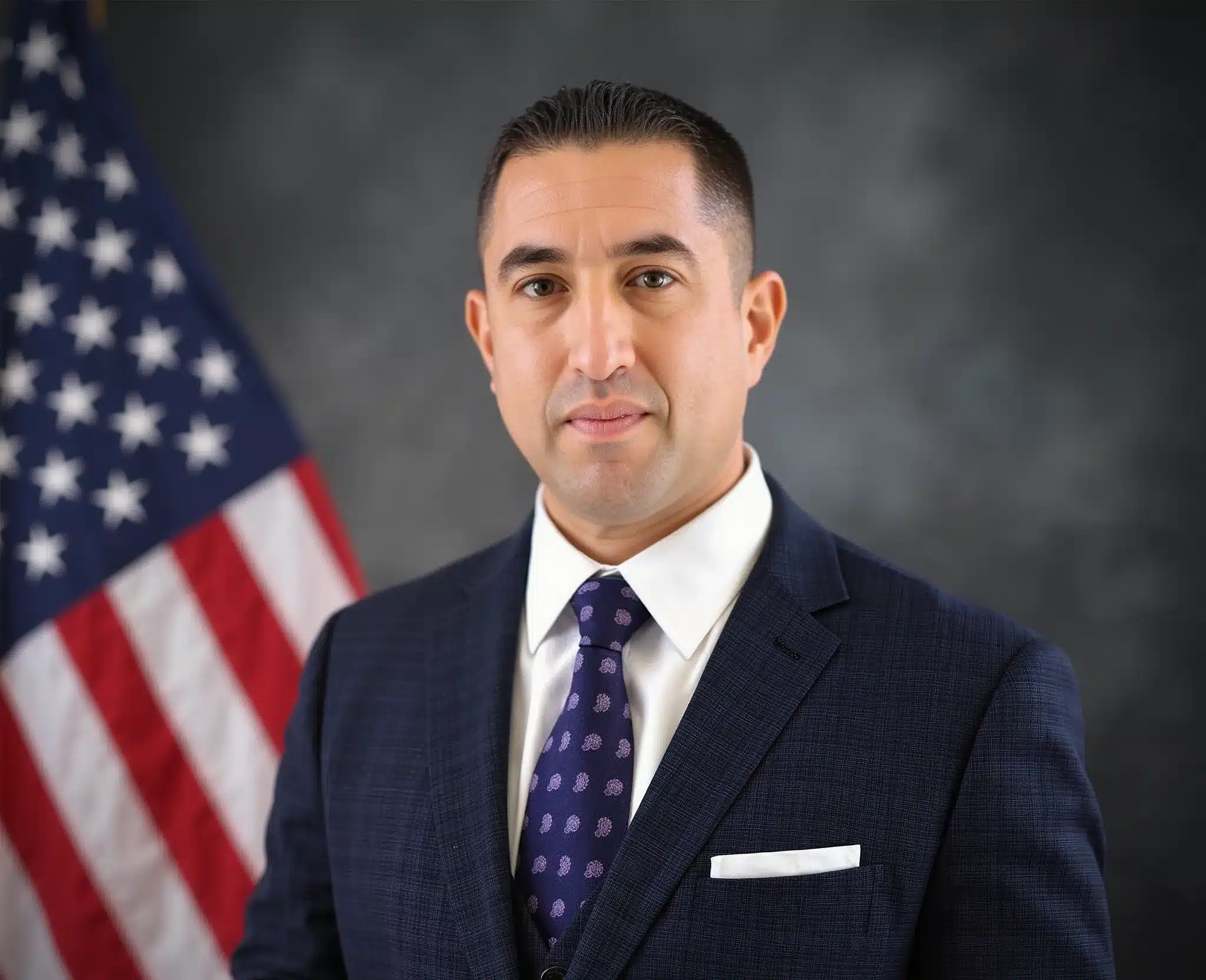
An arrest for domestic violence in Pleasant Hill can feel isolating and overwhelming. You may be worried about your family, your job, and what will happen next in court. The Law Office of Nabiel C. Ahmed understands how disruptive this experience can be and provides guidance tailored to your situation. From the first call, the focus is on helping you understand the charges, the possible outcomes, and the steps we can take together to protect your rights. With offices serving Contra Costa County and Alameda County, the firm is accessible for Pleasant Hill residents who need steady, informed representation during a challenging time.
Choosing a criminal defense law firm for a domestic violence case in Pleasant Hill is a very personal decision. The Law Office of Nabiel C. Ahmed focuses its practice on defending individuals accused of crimes throughout Contra Costa County and Alameda County, including many cases involving alleged intimate partner violence. The firm combines in-depth knowledge of California criminal law with familiarity of local courts and procedures. Clients receive direct communication, honest assessments of their case, and strategies designed around their goals. The emphasis is on thorough preparation, thoughtful negotiation, and strong courtroom advocacy when necessary.
When you work with the Law Office of Nabiel C. Ahmed, you are not treated as just a case number. The firm takes time to understand your background, your relationships, and the events that led to the charges. This allows the defense to highlight mitigating factors, present your story in a compelling way, and push back against one-sided narratives. Whether the goal is dismissal, significant reduction, or damage control, the firm pursues outcomes that reflect both the law and the realities of your life. For Pleasant Hill residents, having a committed advocate in your corner can make the process more manageable and less overwhelming.
At the Law Office of Nabiel C. Ahmed, domestic violence cases from Pleasant Hill follow a structured process designed to uncover the facts and protect your rights from day one. It begins with a comprehensive intake, where you can explain what happened in your own words and share documents or messages that may be important. From there, the firm obtains police reports, evaluates the evidence, and identifies immediate issues such as protective orders or bail conditions. Throughout the process, you are kept informed about developments, options, and risks. The goal is to move strategically rather than reactively, always with an eye toward the best achievable outcome.
The first step in handling a Pleasant Hill domestic violence case is a detailed consultation and case evaluation. During this stage, you will have an opportunity to describe the incident, any prior history with the other party, and what occurred before, during, and after the arrest. The firm reviews the charges, discusses possible consequences, and identifies urgent concerns such as housing, work, or contact with family members. This is also when available documents, messages, and contact information for witnesses are gathered. By the end of this phase, you should have a clearer understanding of what you are facing and an initial roadmap for moving forward.
In the early part of the first step, the focus is on understanding the exact charges and immediate issues that need attention. For Pleasant Hill domestic violence cases, this includes reviewing the booking information, release conditions, and any emergency protective orders already in place. You will have a chance to ask questions about what each charge means, possible penalties, and court dates. The firm will also discuss how to handle communication with the alleged victim, law enforcement, and employers. Addressing these urgent concerns quickly helps reduce anxiety and prevents avoidable mistakes that could complicate your case later on.
The second part of Step 1 involves gathering detailed background information and early evidence that may help shape your defense. This can include saving text messages, emails, social media exchanges, photographs, and contact information for witnesses. In Pleasant Hill domestic violence cases, small details often matter, such as who called 911, prior arguments, and the timeline leading up to the incident. The firm will discuss what information is helpful, how to preserve it properly, and what should not be shared publicly. Building this foundation early allows for a more accurate assessment of the strengths and weaknesses of the prosecution’s case.
Once the initial evaluation is complete, the next step focuses on investigation, discovery, and strategic planning. The firm obtains and reviews police reports, body camera footage if available, 911 calls, photographs, and any medical records. In Pleasant Hill cases, this stage may also involve interviewing witnesses, visiting the scene, and examining digital evidence. With this information, the firm can identify inconsistencies, missing context, and defenses such as self-defense or false accusations. Strategic planning includes assessing whether to file motions, how to negotiate with the prosecutor, and whether trial may be advisable. Each decision is made in consultation with you, based on your priorities and risk tolerance.
In the first part of Step 2, attention turns to a thorough review of the discovery provided by the prosecution. For Pleasant Hill domestic violence cases, this usually includes officer reports, statements from the alleged victim and witnesses, recordings, and photographs. The firm examines these materials for inconsistencies, omissions, and signs that the situation has been misunderstood or overstated. Where appropriate, motions may be filed to challenge the admissibility of certain evidence or to obtain additional information. By scrutinizing the prosecution’s case at this stage, your defense gains a clearer picture of its strengths and weaknesses, which guides future negotiation and trial decisions.
The second part of Step 2 involves using the information gathered to craft a defense strategy tailored to your case and goals. This may include highlighting self-defense, disputing the alleged level of force, or presenting evidence that contradicts key claims. In Pleasant Hill, prosecutors often consider both the facts and the personal background of the accused when deciding whether to offer reductions or alternative resolutions. The firm works with you to decide whether to pursue negotiations, request specific terms, or prepare for trial. Throughout this process, you remain involved and informed so that your choices align with your values and long-term plans.
The final step in a Pleasant Hill domestic violence case is reaching a resolution, either through negotiated agreement or trial. By this stage, the strengths and weaknesses of both sides’ cases should be clearer. If negotiation is the chosen path, the firm will advocate for terms that protect your record, minimize penalties, and address any special concerns such as immigration, licensing, or family law issues. If trial is necessary, preparation will focus on presenting your defense effectively to a judge or jury. Throughout Step 3, you will receive clear explanations of your options and the potential consequences of each choice.
In the first part of Step 3, many Pleasant Hill domestic violence cases are resolved through negotiation rather than trial. The firm uses the information gathered and issues raised during investigation to argue for more favorable terms. This can mean reduced charges, lighter sentencing, alternatives to jail, or outcomes that better protect your future record. The prosecution’s willingness to negotiate often depends on the perceived strength of their evidence and the mitigation presented. Throughout negotiations, you are consulted about each offer and counteroffer, with clear explanations of the benefits and drawbacks so that any decision to accept an agreement is informed and voluntary.
When settlement offers are unacceptable or you maintain that the allegations are untrue, preparing for trial may become the best option. In Pleasant Hill domestic violence cases, this involves detailed planning of witness testimony, cross-examination of prosecution witnesses, and presentation of your own evidence. The firm will work with you to review likely questions, organize exhibits, and anticipate prosecution arguments. Jury selection, opening statements, and closing arguments all play important roles in how your story is told. While trial carries risks, it also provides a chance to challenge the accusations in a formal setting and require the prosecution to prove its case beyond a reasonable doubt.
Whether you will go to jail for a first-time domestic violence charge in Pleasant Hill depends on many factors, including the specific offense, any injuries, your prior record, and the judge’s view of the case. Some first-time cases resolve with probation, classes, fines, or community-based programs instead of jail, especially when the allegations are less severe and there is mitigation. However, jail time is still possible, and early decisions may influence the outcome. A lawyer can review the evidence, highlight positive aspects of your background, and advocate for alternatives to custody whenever the circumstances allow. In Contra Costa County, presenting counseling, stable employment, and family support can help demonstrate that you are addressing any concerns the court may have. While no result can be guaranteed, strong advocacy and preparation often improve your chances of avoiding or minimizing time in custody on a first offense.
In California, including Pleasant Hill, the alleged victim does not control whether domestic violence charges are filed or dropped. Once law enforcement submits a report, the Contra Costa County District Attorney decides whether to pursue the case, even if the other person wants to move on or recants. Prosecutors often proceed based on the evidence they have, such as statements, photographs, and 911 recordings. That said, the wishes and cooperation level of the alleged victim can affect how a case develops. A lawyer can advise you about how any changes in the other person’s position might influence negotiations or trial. It is important that you do not try to pressure or influence the alleged victim, especially if a protective order is in place. Instead, work through your attorney, who can communicate appropriately with the prosecution while safeguarding your rights and avoiding new charges.
Your first court appearance in a Pleasant Hill domestic violence case is usually the arraignment. At this hearing, the judge will inform you of the charges, address bail or release conditions, and consider any criminal protective orders. You will also be asked to enter a plea of guilty, not guilty, or no contest, though it is common to plead not guilty initially while your case is being evaluated. Having a lawyer at this stage helps ensure that you understand the process and do not agree to terms that are more restrictive than necessary. The judge may set a no-contact or stay-away order, require certain conditions of release, and schedule future court dates. Prosecutors sometimes provide early plea offers at or after the arraignment, but these are not always the best available outcomes. A defense lawyer can review the evidence, discuss possible defenses, and determine whether it makes sense to negotiate, request modifications, or prepare for further litigation before making any long-term decisions.
Domestic violence convictions can have serious consequences for gun rights under both California and federal law. In many cases, a qualifying domestic violence conviction leads to a prohibition on owning, possessing, or purchasing firearms. In Pleasant Hill, judges often order temporary firearm restrictions while the case is pending, and a final conviction can result in long-term or lifetime bans. These rules can affect not only personal gun ownership but also employment for those whose work involves firearms. Because the impact on gun rights can be significant and lasting, it is important to consider this issue before entering any plea. In some situations, carefully negotiated outcomes or alternative charges may reduce or change the effect on firearm eligibility. A lawyer familiar with domestic violence cases can help you understand how different resolutions might affect your gun rights and discuss whether there are options to lessen those consequences while still resolving the criminal case.
Domestic violence charges in Pleasant Hill can sometimes be reduced or dismissed, depending on the evidence, your history, and the willingness of the prosecutor and court. Reductions may include changing a felony to a misdemeanor, or negotiating a plea to a different type of offense that carries fewer long-term consequences. Dismissal may be possible when the evidence is weak, key witnesses are unavailable, or certain legal issues undermine the prosecution’s case. Achieving these results usually requires careful investigation and strong advocacy. Your lawyer can challenge questionable evidence, highlight mitigating circumstances, and present alternatives such as counseling or community programs. While not every case will be dismissed or significantly reduced, actively working to uncover weaknesses in the prosecution’s case often improves negotiating leverage and the likelihood of a more favorable resolution than the initial charges suggest.
Talking to the police without legal advice can be risky, especially in domestic violence cases where emotions run high and details may be disputed. In Pleasant Hill, officers may interpret statements in ways you did not intend, and partial explanations can sometimes make things worse rather than better. You have the right to remain silent and to consult with a lawyer before answering questions. Exercising these rights does not make you look guilty; it simply helps ensure that your words are not misunderstood or taken out of context. A lawyer can help you decide whether it is beneficial to provide a statement at all, and if so, how to do so in a way that protects your interests. In some situations, it may be better to let the prosecution’s evidence stand on its own without additional statements from you. In others, carefully planned communication through counsel may help clarify misunderstandings. Either way, getting legal guidance before speaking can significantly reduce the risk of unintentional harm to your defense.
False or exaggerated accusations do occur in domestic violence cases, often during breakups, custody disputes, or other stressful transitions. If you are facing allegations in Pleasant Hill that you believe are untrue, it is important to approach the situation calmly and strategically. Do not attempt to confront the accuser or influence their story, especially if a protective order exists. Instead, work with a lawyer to gather messages, social media posts, witness statements, and other evidence that may contradict the claims. In court, credibility is a central issue. Your defense can highlight inconsistencies, motives to lie, and any objective evidence that supports your version of events. The prosecution still carries the burden of proving the charges beyond a reasonable doubt. While it can be deeply frustrating to fight accusations you feel are false, a focused and organized defense gives you the best chance of exposing problems in the case and achieving a more just outcome.
The length of a domestic violence case in Pleasant Hill varies, but many cases take several months from the first court appearance to final resolution. Factors that influence timing include the seriousness of the charges, the court’s schedule, the amount of evidence, and whether the case is resolved through a plea agreement or goes to trial. Some matters resolve quickly through early negotiation, while others require multiple hearings, motion practice, and extensive preparation. While delays can be stressful, they also provide time for investigation, negotiation, and the development of mitigation such as counseling or programs. Rushing to resolve a case without understanding the full consequences can lead to outcomes you later regret. Your lawyer can give you a realistic sense of how long your particular case may take, explain each stage, and help you weigh the benefits of a faster resolution against the potential advantages of continued preparation and negotiation.
Domestic violence charges can have serious consequences for non-citizens, including potential immigration detention, denial of benefits, or removal from the United States. In Pleasant Hill, a plea that seems manageable in criminal court may still be considered a deportable offense under immigration law. This is why it is vital for non-citizens to let their criminal defense lawyer know about their status at the very beginning of the case. Your attorney can factor immigration issues into every decision and, when appropriate, consult with or coordinate with immigration counsel. In some situations, it may be possible to negotiate a plea to a different offense or structure an outcome that reduces immigration risks. However, the interaction between criminal and immigration law is complex, and what works in one case may not work in another. Do not assume that a standard plea offer is safe for your status. Carefully evaluating immigration consequences before resolving the case is essential to protecting your ability to remain in the country.
When choosing a domestic violence lawyer in Pleasant Hill, look for someone whose practice focuses on criminal defense and who regularly appears in local Contra Costa County courts. Familiarity with local procedures, judges, and prosecutors can be valuable in understanding how cases are likely to be handled. It is also important that you feel comfortable discussing sensitive personal details and asking questions. Clear communication, realistic advice, and a willingness to explain your options are key qualities to look for during an initial consultation. You may also want to consider the lawyer’s experience with cases similar to yours, their approach to negotiation and trial, and how they involve clients in decision-making. Ask how the lawyer plans to investigate your case, what strategies might be appropriate, and how they will keep you updated. Ultimately, the right attorney for you is someone you trust to listen carefully, advocate firmly, and guide you through a difficult process with attention to both your legal and personal concerns.
"*" indicates required fields