
Assault and battery charges in Pleasant Hill can turn your life upside down in an instant. A heated argument, a bar fight, or even a misunderstanding can suddenly lead to an arrest, court dates, and the fear of jail time. At the Law Office of Nabiel C. Ahmed, we help people across Pleasant Hill and the surrounding Contra Costa County communities navigate these accusations and protect their future. This page explains what these charges mean, how California law treats them, and what options may be available to you.
If you are facing assault or battery allegations in Pleasant Hill, you do not have to face the system alone. The prosecution is already building a case against you, and anything you say can be used in court. Our firm focuses on criminal defense across Alameda and Contra Costa Counties, including many violent and serious crime cases. We aim to protect your record, your freedom, and your reputation while guiding you through every step of the legal process with clear communication and practical advice.
The Law Office of Nabiel C. Ahmed is a criminal defense law firm serving Pleasant Hill, Contra Costa County, and nearby Alameda County communities. Over many years, our office has handled a wide range of violent and serious crime cases, including misdemeanor and felony assault and battery charges, domestic incidents, bar fights, and self‑defense situations. We understand how local courts in Martinez and surrounding areas operate and what prosecutors look for when deciding how to proceed. Our approach is hands‑on and thorough, combining careful investigation, strategic motions, and clear communication so you always know what is happening in your case.
Assault and battery are often mentioned together, but under California law they are separate offenses with different elements and potential penalties. Many Pleasant Hill residents are surprised to learn that you can be charged with assault even if no physical contact ever occurs. Police reports sometimes reflect only part of the story, and misunderstandings, exaggerations, or conflicting witness accounts can quickly escalate into criminal charges. Understanding the difference between assault and battery, and how the district attorney in Contra Costa County evaluates these cases, is a vital first step toward building an effective defense.
Assault and battery cases in Pleasant Hill often involve layered issues like self‑defense, defense of others, mutual combat, or mistaken identity. Alcohol, high emotions, and fast‑moving confrontations can make it difficult for officers to sort out what truly happened in the moment. The legal system, however, still expects you to respond to charges that can carry jail, fines, and protective orders. By learning how these cases are structured and what the prosecution must prove, you place yourself in a stronger position to work with a defense attorney and push back against unfair or overstated accusations.
Under California law, simple assault is an attempt to use force or violence on another person, combined with the apparent ability to carry out that force. No actual physical contact is required, which surprises many people in Pleasant Hill who believe assault always involves injury. Battery, on the other hand, involves willful and unlawful physical contact, such as hitting, pushing, or striking someone. When injuries, weapons, or certain protected victims are involved, charges can be elevated to aggravated forms or filed as felonies. Understanding these basic definitions helps you see where your case fits within the broader category of violent and serious crimes.
Assault and battery prosecutions in Pleasant Hill usually follow a series of steps, beginning with an incident report and often ending in either a negotiated resolution or trial. The government must prove specific elements, such as intent, use or attempted use of force, lack of consent, and absence of valid defenses like self‑defense. Along the way, there may be arraignments, pretrial hearings, discovery exchanges, and motions challenging how evidence was obtained. Each of these stages presents opportunities for a defense lawyer to raise legal and factual issues, seek reduction or dismissal of charges, or negotiate outcomes that avoid the harshest consequences.
Assault and battery law comes with a set of legal terms that can sound unfamiliar or confusing if you have never been involved with the court system before. Words such as “willful,” “force,” and “great bodily injury” have specific definitions that do not always match everyday conversation. In Pleasant Hill, judges and prosecutors rely on these terms when evaluating police reports, witness statements, and medical records. Learning what these phrases mean can help you follow what is happening in court, understand the risks and options in your case, and participate in decisions about plea offers, motions, and trial strategy.
Simple assault in California is the unlawful attempt, combined with the present ability, to use force or violence on another person. In Pleasant Hill, this might involve raising a fist as if to strike, swinging and missing during an argument, or making a move that causes someone to reasonably fear immediate harm. The prosecutor does not have to show that actual contact occurred, only that you intended to commit an act that would likely result in force. Simple assault is usually charged as a misdemeanor but can still bring jail time, fines, and a lasting criminal record.
Battery causing serious injury, often tied to the legal phrase “great bodily injury,” involves more significant harm than a minor scrape or bruise. In Pleasant Hill, this might include broken bones, deep cuts, or injuries requiring substantial medical treatment. When prosecutors believe serious injury occurred, they can file felony charges that carry much higher potential prison terms and sentencing enhancements under California law. These cases are treated as violent and serious offenses, and judges often take them very seriously at sentencing. Challenging medical evidence, causation, and the nature of the injuries becomes a central part of the defense.
Aggravated assault generally refers to an assault involving a deadly weapon or force likely to cause serious injury. In Pleasant Hill, this could include using a knife, firearm, vehicle, or heavy object during a confrontation, or engaging in conduct that risks substantial harm. These cases are often charged as felonies and fall within California’s violent and serious crime categories, exposing you to prison time, strike consequences, and lengthy probation or parole. A careful review of the facts, including witness statements and any video footage, can sometimes show the force was not as dangerous as claimed or that another legal defense applies.
Self‑defense is a legal justification that can apply when someone in Pleasant Hill reasonably believes they face an immediate threat of harm and uses appropriate force to protect themselves or others. To claim self‑defense, the response must be proportionate to the perceived threat, and the person asserting it cannot have used more force than reasonably necessary. In many assault and battery cases, both sides claim the other started the fight, leading to conflicting accounts. Establishing self‑defense often involves witness testimony, any available video, prior threats, and the surrounding circumstances that led to the confrontation.
After an arrest for assault or battery in Pleasant Hill, you may feel overwhelmed by choices, from accepting an early plea offer to pushing your case toward trial. Some people consider going to court alone, while others seek private counsel or rely on a public defender. Each path comes with different levels of time, attention, and strategy. A thoughtful comparison of your options includes the strength of the evidence, your prior record, immigration concerns, employment needs, and the long‑term impact of a conviction. Our firm works with clients to weigh these factors and pursue an approach that fits their goals and tolerance for risk.
In some Pleasant Hill assault and battery cases, a limited approach focused on negotiation may be enough to reach a fair resolution. This is more likely when injuries are minor, there is little or no prior criminal history, and the incident appears isolated or out of character. Prosecutors sometimes consider anger management, community service, or informal counseling when deciding how to handle lower‑level cases. By presenting a clear picture of your background, employment, and family responsibilities, a defense attorney may help secure a reduced charge, diversion program, or plea that avoids more severe penalties and allows you to move forward.
A limited legal strategy may also work when the prosecution’s case in Pleasant Hill has obvious weaknesses, such as inconsistent witness statements, unclear video footage, or conflicting medical records. In those situations, thorough pretrial investigation and targeted negotiation can sometimes lead the district attorney to offer significant reductions or dismiss charges without the strain of a full trial. However, identifying and presenting these weaknesses effectively still requires preparation and timely action. Waiting too long to address evidence problems can reduce your leverage, so it is important to involve a defense lawyer early, even if the goal is ultimately a negotiated outcome.
When your Pleasant Hill case involves felony assault, allegations of great bodily injury, or potential strike consequences under California law, a full‑scale defense becomes especially important. These cases can bring lengthy prison terms, long‑lasting probation conditions, and life‑changing collateral effects on employment, housing, and immigration status. A comprehensive approach can include independent investigation, review of body‑worn camera footage, consultation with medical or use‑of‑force professionals, and extensive motion practice. By exploring every available avenue, a defense lawyer can work to reduce charges, negotiate alternate sentencing options, or challenge the accusations at trial if necessary.
Assault and battery cases with domestic violence allegations or prior incidents often require a deeper and more deliberate defense in Pleasant Hill. These cases can trigger protective orders, firearm restrictions, mandatory counseling, and long‑term consequences far beyond any jail sentence. Repeat accusations may lead prosecutors and judges to view the case through a harsher lens, making it harder to secure lenient outcomes. A comprehensive defense strategy may involve gathering text messages, emails, social media records, and witness testimony to show the full history of the relationship, including any mutual conflict, false accusations, or motivations that might influence the statements made to police.
Taking a thorough approach to your Pleasant Hill assault or battery case can provide significant advantages that are not always obvious at the beginning. Careful investigation and preparation allow your defense attorney to spot inconsistencies in the government’s story, identify witnesses who were never interviewed, and uncover video or digital evidence that supports your version of events. This groundwork strengthens your position in plea negotiations and can lead to reduced charges or alternative resolutions. Even when a trial becomes necessary, having already gathered and organized the evidence positions you to present a clear, persuasive defense to the judge or jury.
A comprehensive defense strategy also helps protect you from unintended consequences that can follow an assault or battery conviction in Pleasant Hill. Beyond jail or fines, a criminal record can affect professional licenses, security clearances, immigration status, and future opportunities. By looking at the big picture, a defense lawyer can tailor negotiations and proposed resolutions to safeguard the areas of your life that matter most, such as your job, family obligations, and housing. This broader view often opens the door to creative outcomes like diversion programs, reduced charges, or plea terms crafted with your long‑term future in mind.
When your Pleasant Hill assault or battery case is thoroughly investigated and carefully prepared, it immediately improves your negotiating position with the Contra Costa County District Attorney’s Office. Prosecutors are more likely to consider charge reductions or alternative sentencing when they understand that the defense has identified witnesses, collected records, and is ready to move forward to motions or trial if necessary. Presenting a well‑documented mitigation package, including background information, treatment efforts, and community support, can further encourage more favorable offers. This leverage comes from preparation and persistence, rather than simply waiting to see what plea is offered at the last minute.
A comprehensive defense gives you more clarity and control during what can be one of the most stressful experiences of your life. In Pleasant Hill assault and battery cases, uncertainty about what will happen next can be overwhelming. A detailed approach allows your attorney to explain the likely paths your case can take, the potential consequences at each stage, and the realistic odds of different outcomes. With this information, you can make informed decisions about whether to accept an offer, file motions, or go to trial. That sense of understanding helps reduce anxiety and allows you to focus on your family, work, and future.


After an arrest for assault or battery in Pleasant Hill, it can be tempting to share your side of the story online or through text messages. Unfortunately, prosecutors and police regularly review social media posts, direct messages, and other digital communications when building their cases. Comments made in frustration or anger can later be taken out of context in court. Instead of posting publicly, keep details of the incident private, avoid discussing the case with anyone other than your attorney, and preserve any messages or photos that might help your defense so they can be properly reviewed.
If you are released after an assault or battery arrest in Pleasant Hill, the court may impose conditions such as protective orders, stay‑away requirements, or alcohol and drug restrictions. Following these directions carefully helps demonstrate respect for the process and prevents new violations that could complicate your case. Even accidental contact with an alleged victim or missed court dates can result in additional charges or a warrant. Keep copies of your paperwork, set reminders for every appearance, and discuss any concerns with your attorney in advance so you can maintain compliance while still managing your daily responsibilities.
Facing assault or battery allegations in Pleasant Hill exposes you to risks that extend far beyond the courtroom. A conviction can affect your job, family relationships, and standing in the community, especially if the case involves domestic violence, weapons, or serious injury claims. The law is complex, and attempting to handle these charges alone can leave you at a disadvantage when dealing with prosecutors and judges. Seeking legal help allows you to fully understand the case against you, explore defenses such as self‑defense or mistaken identity, and pursue options aimed at protecting your freedom and your future opportunities.
Assault and battery cases often move quickly through the Pleasant Hill court system, with early decisions having long‑lasting effects. Choices about whether to speak to police, accept a plea offer, or waive certain rights can be difficult to reverse once made. Legal representation ensures that you receive guidance before critical hearings and deadlines, helping you avoid unintentional mistakes. An attorney can communicate with the prosecutor on your behalf, appear with you in court, and work to reduce stress by explaining each step in plain language. This support allows you to make reasoned decisions rather than reacting out of fear or confusion.
Assault and battery charges in Pleasant Hill arise from many different situations, not just stereotypical bar fights or street confrontations. Arguments at home that escalate, disputes at sporting events, road rage incidents, workplace conflicts, and misunderstandings outside restaurants or bars can all lead to police involvement. Sometimes both people are injured, or witnesses only see part of the encounter and draw quick conclusions. Alcohol or heightened emotions may play a role, but the law still treats the case as a violent and serious matter. Regardless of how the event started, these charges call for attentive representation and a thoughtful defense.
One frequent source of assault and battery charges in Pleasant Hill is a domestic dispute that gets out of hand. Partners or family members may exchange heated words, and physical contact can follow, even if brief or minor. Neighbors sometimes call the police after hearing yelling, and once officers arrive, one or both people may be arrested even when no one wants to press charges. These cases can trigger emergency protective orders, no‑contact conditions, and long‑term consequences for housing and child custody. A careful defense seeks to present the full context, including any mutual conflict, reconciliation, or exaggerated claims.
Pleasant Hill’s restaurants and nightlife occasionally give rise to confrontations that result in assault or battery accusations. A misunderstanding, perceived insult, or accidental bump can quickly escalate when alcohol is involved and crowds gather. Witnesses may only see the final moments of a conflict and mistakenly identify the wrong person as the aggressor. Security or cellphone video may exist but not be immediately available in the police report. In these situations, gathering surveillance footage, interviewing neutral witnesses, and examining inconsistencies in statements can be essential to defending against overstated or mistaken assault and battery charges.
Another common scenario leading to assault allegations in Pleasant Hill involves road rage or public confrontations in parking lots, parks, or shopping centers. Drivers may accuse each other of cutting off, following too closely, or using aggressive gestures. When tempers flare, someone might exit their vehicle, and a physical or attempted physical encounter can follow. Even if no one is seriously hurt, police may view the situation as a serious public safety issue and make an arrest. Defense in these cases often centers on who started the altercation, whether any contact occurred, and whether the force used was reasonably defensive.
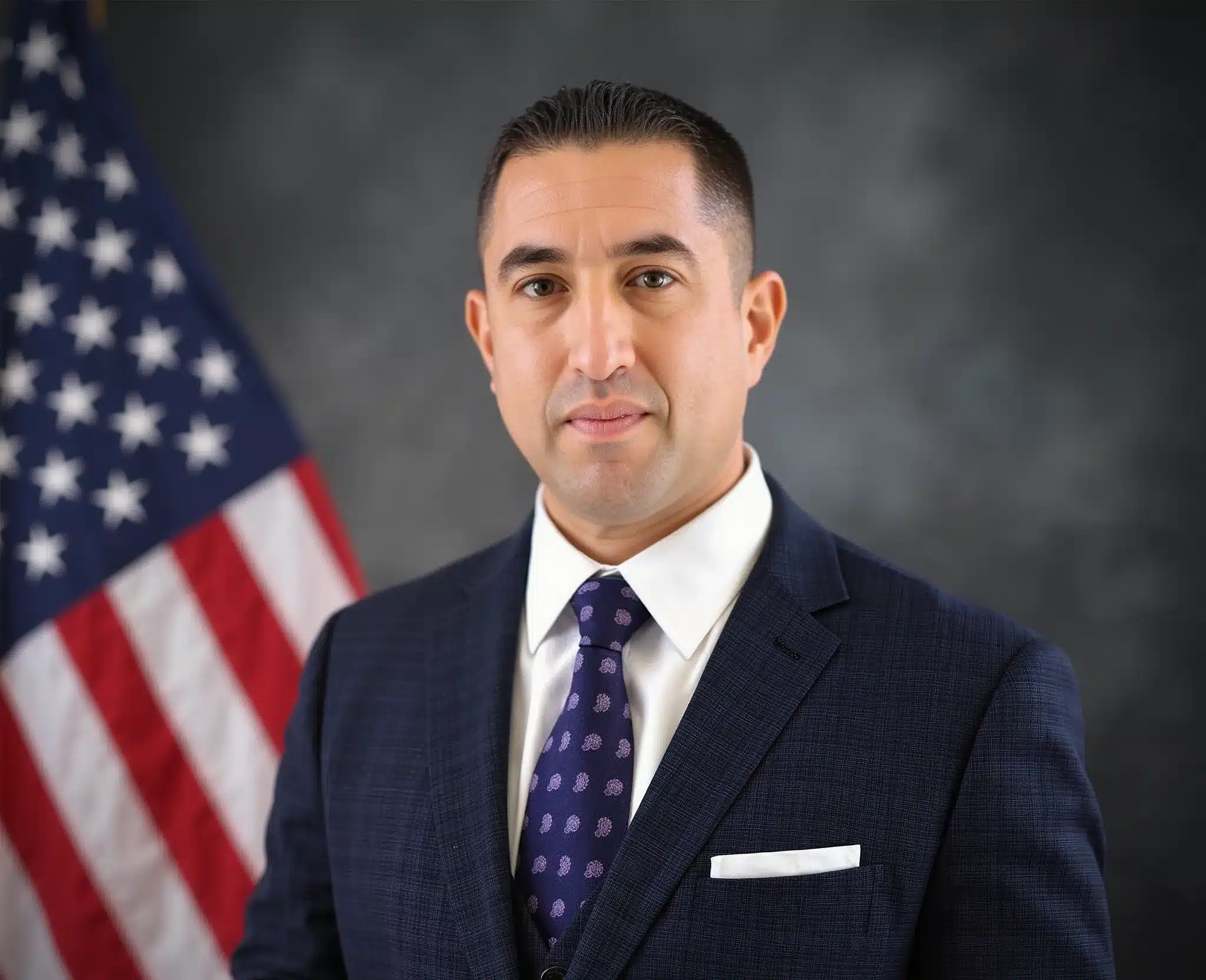
If you are dealing with an assault or battery accusation in Pleasant Hill, the Law Office of Nabiel C. Ahmed is prepared to guide you through every stage of the case. From the first phone call to the final resolution, our team works to answer your questions, keep you informed, and protect your rights in court. We understand the stress that comes with facing violent and serious crime allegations and the impact it can have on your family and future. Our goal is to pursue the most favorable outcome possible so you can move forward with greater confidence.
Choosing a law firm for an assault or battery case in Pleasant Hill is an important decision. The Law Office of Nabiel C. Ahmed focuses its practice on criminal defense, representing clients throughout Alameda and Contra Costa Counties. Over many years, our office has handled a wide variety of violent and serious crime cases, from misdemeanors to felonies, in local courts. We take the time to listen to your side of the story, review the evidence carefully, and develop strategies tailored to your specific circumstances rather than applying a one‑size‑fits‑all approach.
Clients who hire our firm for Pleasant Hill assault and battery cases receive personal attention and consistent communication. We explain each step of the legal process, discuss potential consequences, and answer questions promptly so you are never left wondering what comes next. Our team is committed to thorough preparation, from investigating the facts and filing appropriate motions to engaging in meaningful negotiations with prosecutors. Whether your case is best resolved through a carefully negotiated agreement or needs to be litigated in court, we work to protect your record, your liberty, and your long‑term future.
When you contact the Law Office of Nabiel C. Ahmed about an assault or battery case in Pleasant Hill, we follow a structured yet flexible process designed to understand your situation and protect your rights. We begin by reviewing what led to your arrest, the specific charges you are facing, and any upcoming court dates. From there, we obtain police reports and other evidence, identify strengths and weaknesses in the case, and discuss potential strategies with you. Throughout the process, we aim to keep you informed and involved, empowering you to make decisions with a clear understanding of your options.
The first step in handling a Pleasant Hill assault or battery matter is an in‑depth consultation and case evaluation. During this meeting, we listen to your account of what happened, review any paperwork you received from the court or police, and discuss your goals and concerns. We will explain the charges, potential penalties, and immediate steps you should take to protect yourself. This initial stage allows us to identify urgent issues, such as upcoming arraignments or protective order hearings, and to begin organizing the information needed for a strong defense plan moving forward.
As part of the initial evaluation of your Pleasant Hill assault case, we gather background information that can influence how the court and prosecutor view your situation. This includes employment history, family responsibilities, prior contacts with the criminal justice system, and any existing treatment or counseling. Understanding your personal history helps us present a fuller picture of who you are, not just the allegations in the police report. This context can be important in negotiating for reduced charges, alternative sentencing, or dismissal, especially in cases where the incident appears to be isolated or out of character.
We also closely review the exact charges filed, the complaint, and every piece of paperwork you receive from the Pleasant Hill court. Deadlines for arraignment, motions, and compliance with protective orders are critical, and missing them can hurt your case. During this part of the process, we explain each document in plain language, clarify any confusing terms, and outline what to expect at your next court appearance. This helps reduce uncertainty and ensures that you understand not only the possible penalties but also the timeline and obligations that come with your pending assault or battery case.
Once we have a clear understanding of the charges and your goals, our Pleasant Hill assault defense process moves into investigation, evidence review, and strategy development. We obtain police reports, body‑worn camera footage, medical records, photographs, and any available video from nearby businesses or witnesses. Our team looks for inconsistencies, missing information, and details that support defenses such as self‑defense, mutual combat, or misidentification. We then discuss our findings with you, explain how they affect the case, and work together to decide whether to pursue negotiations, file motions, or prepare for trial.
Discovery is the formal process by which the prosecutor must share evidence in your Pleasant Hill assault or battery case. We request all available materials, including reports, witness statements, recordings, and photographs. Our review focuses on whether the evidence truly supports the allegations, whether officers followed proper procedures, and whether any constitutional rights were violated. By analyzing this information carefully, we can identify grounds for motions to suppress or exclude evidence, highlight credibility issues with witnesses, and spot gaps in the timeline or narrative that can be used to challenge the prosecution’s version of events.
Beyond the evidence provided by the prosecution, we work to identify and secure materials that may help your defense in Pleasant Hill. This can include interviews with witnesses who were present but not listed in police reports, collecting text messages or emails that show the context of a dispute, and tracking down surveillance footage from nearby businesses or residences. Sometimes, photographs of injuries or lack of injuries can be decisive in an assault or battery case. By gathering and preserving this information early, we increase the chances of uncovering helpful details that might otherwise be lost over time.
The final phase of our Pleasant Hill assault defense process involves active courtroom advocacy. Depending on the strength of the evidence and your goals, this may include negotiating with the prosecutor for reduced charges or alternative sentencing, filing motions to challenge problematic evidence, or preparing for trial. Throughout this stage, we keep you informed about new developments, potential plea offers, and the pros and cons of each option. Our focus remains on protecting your rights, minimizing the impact of the charges, and seeking an outcome that allows you to move forward with your life.
In many Pleasant Hill assault and battery cases, meaningful negotiation can lead to outcomes far better than the initial charges suggest. We present prosecutors with evidence that undermines the allegations, mitigation materials that highlight your positive qualities, and proposals for resolving the case through reduced charges, diversion programs, or probationary terms. Alternative resolutions may focus on counseling, community service, or anger management rather than extended custody. Our goal is to ensure that any agreement takes into account your long‑term interests, such as employment, professional licensing, immigration status, and family responsibilities, before you decide whether to accept or reject it.
When negotiations do not produce a fair outcome, we move forward with pretrial motions and, if necessary, trial in your Pleasant Hill assault case. Motions can challenge the way evidence was obtained, seek to exclude unreliable statements, or request dismissal of charges when legal standards are not met. If the case proceeds to trial, we present your defense through witness questioning, evidence presentation, and persuasive argument. Throughout this process, we discuss each decision with you, from jury selection issues to whether you should testify, so that you remain fully engaged and comfortable with the direction of your defense.
In California, assault and battery are related but distinct offenses. Assault is generally an attempt to use force or violence on someone else, combined with the apparent ability to do so. The law does not require that contact actually occur, only that your actions could reasonably result in force. Battery, by contrast, involves the unlawful and willful use of force or violence, meaning there is actual physical contact, even if the injury is minor. Many Pleasant Hill cases involve both charges being filed together. Understanding the difference matters because each offense carries its own elements and potential penalties. Simple assault is typically charged as a misdemeanor, while battery can range from misdemeanor to felony depending on the facts, injuries, and alleged victim. In some situations, the prosecution may agree to reduce a battery charge to assault as part of a negotiated resolution. A defense attorney can assess the evidence and determine whether the facts truly support one or both charges, or whether legal defenses may lead to reduced or dismissed counts.
Yes, you can be charged with assault in Pleasant Hill even if no one was physically injured. Under California law, assault focuses on the attempt to apply force, not the success of that attempt. For example, swinging at someone and missing, or making a move that causes another person to reasonably fear immediate harm, can be enough to support an assault charge. The absence of injury may affect the severity of the penalties, but it does not automatically prevent prosecution. Although no injury occurred, the case should still be taken seriously because a conviction can result in jail time, probation, fines, and a criminal record that appears on background checks. However, the lack of injuries can also provide meaningful room for negotiation and defense. An attorney can argue for reduced charges, alternatives to jail, or dismissal, particularly when there are questions about credibility, mutual confrontation, or whether your conduct truly met the legal standard for assault under California law.
Penalties for assault and battery in Pleasant Hill depend on several factors, including the severity of the alleged conduct, whether injuries occurred, and your prior record. Simple assault or misdemeanor battery can carry county jail time, fines, probation, counseling requirements, and protective orders. When the case involves domestic violence, weapons, or protected victims, additional consequences like mandatory classes, firearm restrictions, and long‑term stay‑away orders may apply. Judges look at the individual circumstances of each case when deciding a sentence. Felony assault or battery cases, especially those involving weapons or serious injury, expose you to more significant consequences, including state prison terms and potential strike offenses under California’s Three Strikes law. Beyond formal penalties, a conviction can affect employment, housing applications, and professional licenses. Because the stakes can be high, it is important to talk with a defense lawyer who can analyze the charges, explain the likely sentencing range, and pursue strategies aimed at reducing or avoiding the harshest outcomes whenever possible.
In most situations, it is safer not to speak with police about your Pleasant Hill assault case without first consulting a defense attorney. Officers may seem friendly or say they simply want your side of the story, but any statements you make can be used against you in court. Once you begin talking, it can be difficult to know which questions to answer and which details might unintentionally harm your defense. You always have the right to remain silent and to ask for a lawyer. That does not mean you should ignore law enforcement entirely. A defense lawyer can communicate with investigators on your behalf, provide necessary information in a controlled way, and prevent misunderstandings that could worsen your situation. In some cases, carefully planned communication can actually help. The key is to make those decisions after receiving legal advice, not in the heat of the moment. Exercising your rights respectfully and promptly can protect you from damaging statements that the prosecution might later emphasize.
If you acted in self‑defense during an incident in Pleasant Hill, that fact can be a powerful part of your defense. California law allows a person to use reasonable force to protect themselves or others when they reasonably believe they face an immediate threat of harm. The amount of force used must be proportionate to the perceived danger, and you generally cannot continue using force once the threat has passed. Many fights involve unclear or conflicting accounts about who started the confrontation and how each person behaved. To establish self‑defense, your attorney may gather witness statements, video footage, medical records, and any prior history of threats or violence. It is important to share all details with your lawyer, including facts that may seem unfavorable, so they can evaluate how the law applies. A strong self‑defense claim can lead to reduced charges, better plea offers, or, in some cases, dismissal or acquittal at trial. The sooner you raise this issue with your legal counsel, the better they can preserve and develop supporting evidence.
An assault or battery conviction in Pleasant Hill typically becomes part of your criminal record and may appear on background checks for employment, housing, and licensing. How long it remains visible depends on various factors, including the type of conviction, whether it is a misdemeanor or felony, and the rules of different background check services. Even after you complete probation or serve your sentence, the record does not automatically disappear. This is why many people feel ongoing effects long after their court case ends. However, there may be options to improve your record over time. Depending on the circumstances, you might be eligible for relief such as expungement or reduction of certain felonies to misdemeanors under California law. While these remedies do not erase history completely, they can make a meaningful difference in how future employers and others view your record. Speaking with a criminal defense attorney about post‑conviction options can help you understand what steps, if any, may be available to lessen the long‑term impact.
The length of an assault or battery case in Pleasant Hill can vary widely based on the complexity of the facts, the seriousness of the charges, and the court’s schedule. Some misdemeanor cases resolve within a few months, especially if there is a clear path to negotiation or diversion. Felony cases, or those involving multiple witnesses, extensive evidence, or serious injuries, can take longer, sometimes lasting many months or more than a year. Each court date typically serves a specific purpose, such as arraignment, pretrial negotiations, motion hearings, or trial. While a quick resolution can be appealing, moving too fast can sometimes limit your defense options. Thorough investigation, review of discovery, and thoughtful negotiation take time. A defense attorney can give you a more tailored estimate after reviewing your case and explain the factors that might speed up or slow down the process. Throughout, regular communication about upcoming dates and developments can make the timeline more manageable and help you plan around work, family obligations, and other commitments.
For your first meeting with an assault defense lawyer about a Pleasant Hill case, it helps to bring all documents related to your arrest and charges. This includes any citations, court notices, bail paperwork, protective orders, and written statements you may have received. If you have contact information for potential witnesses, photos of injuries or the scene, or copies of text messages, emails, or social media posts related to the incident, bring those as well. The more information you provide, the better prepared the attorney will be to evaluate your situation. You should also bring a written timeline of events, including what happened before, during, and after the alleged assault or battery. Include details about alcohol use, any prior conflicts with the other party, and steps you have taken since the incident, such as counseling or treatment. This helps your lawyer understand both the legal and personal context of the case. Finally, prepare a list of questions you want answered so that the consultation addresses your most pressing concerns and you leave with a clearer sense of your options.
Assault and battery charges can have serious immigration consequences for non‑citizens living or working in Pleasant Hill. Certain convictions may be treated as crimes involving moral turpitude or aggravated felonies under federal immigration law, potentially affecting eligibility for visas, green cards, or naturalization. In some cases, a conviction can lead to detention, deportation, or denial of reentry into the United States. Even seemingly minor misdemeanor cases can create problems, depending on the exact charge and sentence imposed by the court. Because of these risks, it is important for non‑citizens to tell their defense attorney about their immigration status from the start. A lawyer can then consider immigration‑safe options when negotiating charges or sentencing terms, sometimes seeking alternative offenses that carry less risk under federal law. When necessary, coordination with an immigration attorney can help evaluate how different outcomes might affect your status. Making informed choices early in the case can significantly reduce long‑term immigration consequences associated with a Pleasant Hill assault or battery arrest.
The Law Office of Nabiel C. Ahmed approaches Pleasant Hill assault and battery cases with careful preparation and consistent communication. From the outset, we listen to your story, review the charges and evidence, and identify immediate concerns such as upcoming court dates and protective orders. We then gather discovery, investigate the facts, and evaluate potential defenses, including self‑defense, mistaken identity, or exaggerated claims. Our goal is to understand both the legal and personal stakes so we can tailor our strategy to your specific needs and priorities. Throughout the case, we keep you informed about developments, plea offers, and possible outcomes. We handle negotiations with prosecutors, file motions where appropriate, and prepare for trial when necessary. Our focus is on protecting your rights, reducing the impact of the charges, and seeking the most favorable resolution possible under the circumstances. By combining thorough legal work with clear, honest guidance, we aim to help you navigate the Pleasant Hill court system with greater confidence and a plan for moving forward.
"*" indicates required fields