
Facing an assault or battery charge in Lafayette can be overwhelming, confusing, and frightening. Your reputation, freedom, and future are all at stake, and every decision you make early on can shape the outcome of your case. At the Law Office of Nabiel C. Ahmed, our criminal defense law firm provides steady guidance to people charged with violent and serious crimes throughout Contra Costa County. This page explains how assault and battery cases work in California, what you might be up against, and how a focused Lafayette defense strategy can help protect your rights.
Assault and battery accusations often arise from heated situations, misunderstandings, or one‑sided stories. Yet law enforcement and prosecutors may move quickly, sometimes before all the facts are gathered. If you or a loved one has been arrested in Lafayette or anywhere in Contra Costa County, you deserve clear information and strong advocacy. Our firm works with clients to understand what happened, review the evidence, and identify the most effective legal options. The following guide walks you through key concepts, possible defenses, and what to expect as your case moves through the California criminal court system.
Assault and battery charges carry more than the risk of jail or prison. A conviction can lead to a permanent criminal record, employment problems, immigration consequences, and limitations on housing or professional opportunities. Having a Lafayette defense lawyer who focuses on violent and serious crimes means you have someone watching out for your rights at every turn. From challenging the prosecution’s version of events to negotiating for reduced charges or diversion, skilled representation can help you avoid avoidable consequences. The goal is to secure the most favorable outcome possible while minimizing the disruption to your life and your family.
The Law Office of Nabiel C. Ahmed is an Oakland criminal defense law firm serving clients across Alameda and Contra Costa Counties, including Lafayette. Over many years in California courts, our attorney has handled a wide range of violent and serious crime cases, from misdemeanor battery to serious strike-level felonies. We understand how local prosecutors approach these cases and the strategies that can make a meaningful difference. Clients receive candid advice, clear communication, and persistent advocacy from the initial consultation through resolution. Whether your case involves a bar fight, domestic allegations, or a confrontation with strangers, our firm provides focused, strategic defense.
Assault and battery are often mentioned together, but under California law they are separate offenses with different elements and penalties. An assault charge focuses on an attempt or threat to use force, while battery involves actual physical contact. In Lafayette, these allegations may stem from disputes in public places, domestic situations, road incidents, or neighborhood conflicts. Prosecutors look closely at whether weapons were involved, whether anyone was injured, and whether there are prior convictions. Understanding each component of the charges against you is the first step toward building a strong defense and avoiding long‑term consequences.
California’s assault and battery laws are more complex than they might appear from the police report. Cases can range from misdemeanors to serious felonies, and enhancements can be added for alleged great bodily injury, use of a weapon, or accusations involving certain protected individuals. In Lafayette, judges also consider your prior record, the facts of the incident, and any signs of self‑defense or mutual combat. A careful review of witness statements, video footage, medical reports, and police procedures can reveal weaknesses in the prosecution’s case. With the right approach, charges may be reduced, dismissed, or resolved through alternative options.
Under California law, assault generally refers to an unlawful attempt, along with the present ability, to apply force to another person. Battery is defined as any willful and unlawful use of force or violence on another person, even if the contact causes little or no injury. In Lafayette cases, this can include pushing, grabbing, hitting, or throwing objects, depending on the circumstances. The law also considers whether the contact was offensive, unwanted, or harmful. Understanding these definitions is important because the prosecutor must prove each element beyond a reasonable doubt, and any gaps can be used to defend your case.
When you face an assault or battery charge in Lafayette, several key elements come into play. The prosecution must show that you acted willfully, that any force used was unlawful, and that you did not have a valid legal defense such as self‑defense or defense of others. At the same time, your case moves through the California criminal court process, which can include arraignment, pretrial hearings, motion practice, negotiations, and possibly trial. Each stage offers opportunities to challenge evidence, raise defenses, and seek favorable resolutions. A thoughtful strategy begins early and continues until your case is fully resolved.
Assault and battery cases in Lafayette often involve legal terminology that can feel intimidating at first. Words like “willful,” “great bodily injury,” and “deadly weapon” have specific meanings under California law, and those definitions can greatly influence how your case is charged and punished. Understanding these terms helps you follow what is happening in court and make informed decisions about your defense. Our firm takes the time to explain how each concept applies to your situation so that you are not left guessing. The following glossary breaks down several commonly used terms in violent and serious crime cases.
Assault in California is an attempt to use force or violence against another person, combined with the present ability to carry out that act. In Lafayette, you can be charged with assault even if there was no physical contact and no actual injury. Prosecutors often rely on statements about threats, raised fists, or sudden movements to support an assault allegation. However, context matters, including whether the other person misinterpreted your actions or whether you were trying to avoid a confrontation. Showing that there was no real intent or ability to use force can significantly weaken an assault charge.
Battery is any willful and unlawful use of force or violence upon another person. The contact does not have to cause serious injury; even a shove or unwanted touch can be enough if prosecuted. In Lafayette cases, battery charges may follow disputes at bars, parties, family gatherings, or public events. The severity of the charge often depends on whether injuries are alleged, whether a weapon was used, and who the other person is. A thorough defense looks at how the contact occurred, whether it was truly intentional, and whether the complaining witness has reasons to exaggerate or misrepresent events.
Great bodily injury is a term used in California law to describe significant or substantial physical injury, going beyond minor or moderate harm. In a Lafayette assault or battery case, an allegation of great bodily injury can trigger sentencing enhancements, longer potential prison time, and strike consequences. Prosecutors may argue that broken bones, serious cuts, or lasting pain meet this definition. However, the line between minor and substantial injuries can be debated. A careful review of medical records, photographs, and witness accounts can challenge whether the facts truly support a great bodily injury enhancement.
A deadly weapon can be any object used in a way that is likely to produce great bodily injury or death. This can include firearms and knives, but also everyday items such as bottles, vehicles, or heavy tools, depending on how they are used. In Lafayette, assault with a deadly weapon is treated as a serious offense and can be charged as a felony. Prosecutors may argue that the object’s potential for harm is enough, even if no serious injury occurred. Defending these allegations may involve challenging how the object was used and whether it truly posed a deadly risk.
When facing assault or battery charges in Lafayette, you may have several legal paths available. Some people hope to resolve things quickly by accepting the first plea offer, while others want to fight the charges all the way to trial. There are also in‑between options, such as seeking diversion programs, negotiating for reduced charges, or pursuing alternative sentencing. The best choice depends on the strength of the evidence, your goals, potential immigration or professional consequences, and any prior record. A thoughtful comparison of these options helps you make decisions that protect both your immediate situation and your long‑term future.
In some Lafayette assault and battery cases, a narrower defense approach can still lead to a satisfactory result. This may be true when you have no prior criminal history, the allegations involve minor or no injury, and the complaining witness is open to resolution. In such situations, pursuing a negotiated plea, informal counseling, or diversion might protect your record while avoiding the uncertainty of trial. Even with a limited strategy, it is important to carefully review the police reports, identify inconsistencies, and ensure that any agreement minimizes long‑term impact on your job, schooling, or immigration status.
A limited approach can also make sense when the evidence against you appears strong but the potential penalties are relatively low. For example, a misdemeanor battery in Lafayette involving minor contact and no lasting injuries may be resolved through targeted negotiations and careful sentencing advocacy. The focus in these cases is often on limiting probation terms, avoiding jail where possible, and protecting future opportunities. By prioritizing what matters most to you, such as professional licensing, immigration, or family responsibilities, a structured but limited defense can still make a meaningful difference in how the case affects your life.
When a Lafayette assault or battery case involves felony charges, alleged great bodily injury, weapons, or strike‑level consequences, a comprehensive defense becomes especially important. These cases may carry long potential prison terms, mandatory consequences, and lasting effects on your record. A broad strategy can include detailed investigation, consultation with medical or forensic professionals, aggressive motion practice, and preparation for trial. By examining every aspect of the prosecution’s case and exploring all available defenses, a comprehensive approach aims to reduce or dismiss charges, protect your record, and avoid life‑altering penalties whenever possible.
Assault and battery charges can create serious collateral consequences for non‑citizens, licensed professionals, and parents in Lafayette. A conviction may affect immigration status, employment opportunities, security clearances, or family law matters. In these situations, a comprehensive defense strategy looks beyond the immediate criminal penalties to understand how each outcome might impact other parts of your life. This can involve coordinating with immigration counsel, considering immigration‑safe dispositions, and crafting resolutions that minimize harm to your career or custody arrangements. Thoughtful planning helps ensure that short‑term decisions do not create long‑term problems.
A comprehensive approach to assault and battery defense in Lafayette means looking at your case from every angle, not just reacting to the prosecution’s moves. This starts with a close review of the facts, including surveillance footage, phone records, social media, and any prior interactions between the parties. It also includes challenging police procedures, questioning witness credibility, and identifying legal defenses like self‑defense or defense of others. By leaving no stone unturned, a robust defense can uncover weaknesses that might otherwise go unnoticed, giving you leverage in negotiations or a better position if your case proceeds to trial.
Beyond addressing the criminal charges, a comprehensive strategy in Lafayette considers how your case intersects with work, school, immigration, and family obligations. This may involve seeking reduced charges, alternative sentencing, or diversion options that protect your record. It can also include planning for protective orders, counseling requirements, or treatment programs when appropriate. Taking a wide‑angle view of your situation allows your defense attorney to pursue outcomes that support your long‑term stability, not just short‑term relief. The result is a more thoughtful, tailored approach that recognizes every aspect of what is at stake for you.
When your Lafayette defense team thoroughly investigates an assault or battery case, it often uncovers details the prosecution has overlooked. These findings can range from inconsistent witness statements to missing video footage or flawed police procedures. Presenting this information clearly and persuasively can significantly strengthen your position in plea negotiations. Prosecutors who see that their case may face serious challenges at trial are more likely to consider reduced charges, alternative programs, or creative resolutions. A comprehensive approach therefore not only prepares you for trial but also enhances your chances of resolving the case favorably before trial.
Assault and battery cases can follow you long after court dates end, especially if you work in sensitive fields or hold immigration status. A comprehensive defense strategy in Lafayette takes these long‑term concerns seriously. By exploring every legal avenue, from charge reductions to alternative sentencing and post‑conviction relief, your defense can help preserve employment opportunities, professional licenses, and immigration options. Addressing potential collateral consequences early allows your attorney to negotiate solutions that align with your future goals, rather than focusing solely on the immediate risk of jail or fines.


After an arrest in Lafayette, it can be tempting to explain your side of the story to friends, family, or even the alleged victim. However, anything you say could be repeated to law enforcement or appear in court. Social media posts and text messages are frequently used as evidence in assault and battery cases. Protect yourself by keeping details private and directing conversations about the incident to your lawyer. This includes avoiding statements to police without legal counsel present. Staying quiet and preserving your rights early on can prevent misunderstandings and protect your defense strategy later.
Once your Lafayette case is filed, courts may impose conditions such as no‑contact orders, counseling, or check‑ins. Following these requirements closely shows the judge that you are taking the process seriously and can help avoid additional violations or new charges. Always appear on time for court, dress respectfully, and stay in close communication with your attorney about any concerns. If a condition is unworkable or creates hardship, discuss it with your lawyer rather than ignoring it. Respecting the court process can improve how your case is viewed and may support more favorable outcomes.
Many people facing assault or battery charges in Lafayette have never been in trouble before and are unsure whether they really need a defense lawyer. The truth is that even seemingly minor cases can bring lasting consequences, including criminal records, immigration issues, and damage to professional opportunities. Prosecutors are trained to build strong cases, and attempting to navigate the system alone can put you at a disadvantage. Having a dedicated advocate on your side levels the playing field, helping you understand your options, avoid common pitfalls, and pursue outcomes that protect both your present circumstances and your future.
Assault and battery charges often involve complicated dynamics, including alcohol use, self‑defense, mutual combat, or ongoing personal disputes. These situations rarely fit neatly into police reports. A Lafayette defense attorney can help you tell the full story, gather supportive evidence, and challenge assumptions that might otherwise go unaddressed. Additionally, many cases involve delicate issues such as restraining orders, family conflicts, and immigration status. Careful legal guidance can help you navigate these overlapping concerns, reduce your stress, and make informed decisions about how to move forward at every stage of the case.
Assault and battery charges in Lafayette arise from a wide range of everyday situations. A night out at a bar, a heated argument in a parking lot, or a disagreement at a family gathering can escalate quickly and result in calls to law enforcement. Sometimes both sides share responsibility, yet only one person is arrested. Other times, misunderstandings or false accusations lead to serious allegations. Regardless of the setting, once police are involved, the situation becomes a legal matter. Having a criminal defense lawyer step in early helps you respond strategically instead of reacting out of fear or confusion.
Arguments that begin in Lafayette bars, restaurants, or nightlife venues can quickly spiral when alcohol and crowded spaces are involved. Pushing through a crowd, stepping on someone’s foot, or responding to aggressive behavior can lead to accusations of assault or battery, especially when security or staff call police. Surveillance cameras, witness statements, and any history between the parties become important in these cases. A strong defense will look at whether you were defending yourself, whether others were involved, and whether the alleged contact truly matches what is described in the report or by the complaining witness.
Disputes between neighbors, drivers, or pedestrians can quickly get out of hand and lead to assault and battery charges in Lafayette. Parking lot incidents, noise complaints, or long‑running neighbor conflicts can all end with someone calling the police. Often, each side has a different version of what happened, and officers must make quick decisions about whom to arrest. In these cases, witness accounts, audio or video recordings, and the history of tension between the parties can significantly affect the outcome. A careful defense considers all of these factors, not just the snapshot described in a brief police report.
Arguments within families or romantic relationships are deeply personal, and when emotions run high, accusations of assault or battery can follow. In Lafayette, domestic‑related allegations can trigger additional legal consequences, including protective orders, mandatory counseling, and potential impacts on custody or immigration. Sometimes the person who calls the police later wants to drop the charges, but that decision rests with the prosecutor, not the alleged victim. A thoughtful defense looks at the entire relationship, any past calls for help, and whether there is physical evidence supporting the claims, while also keeping your family’s long‑term well‑being in mind.
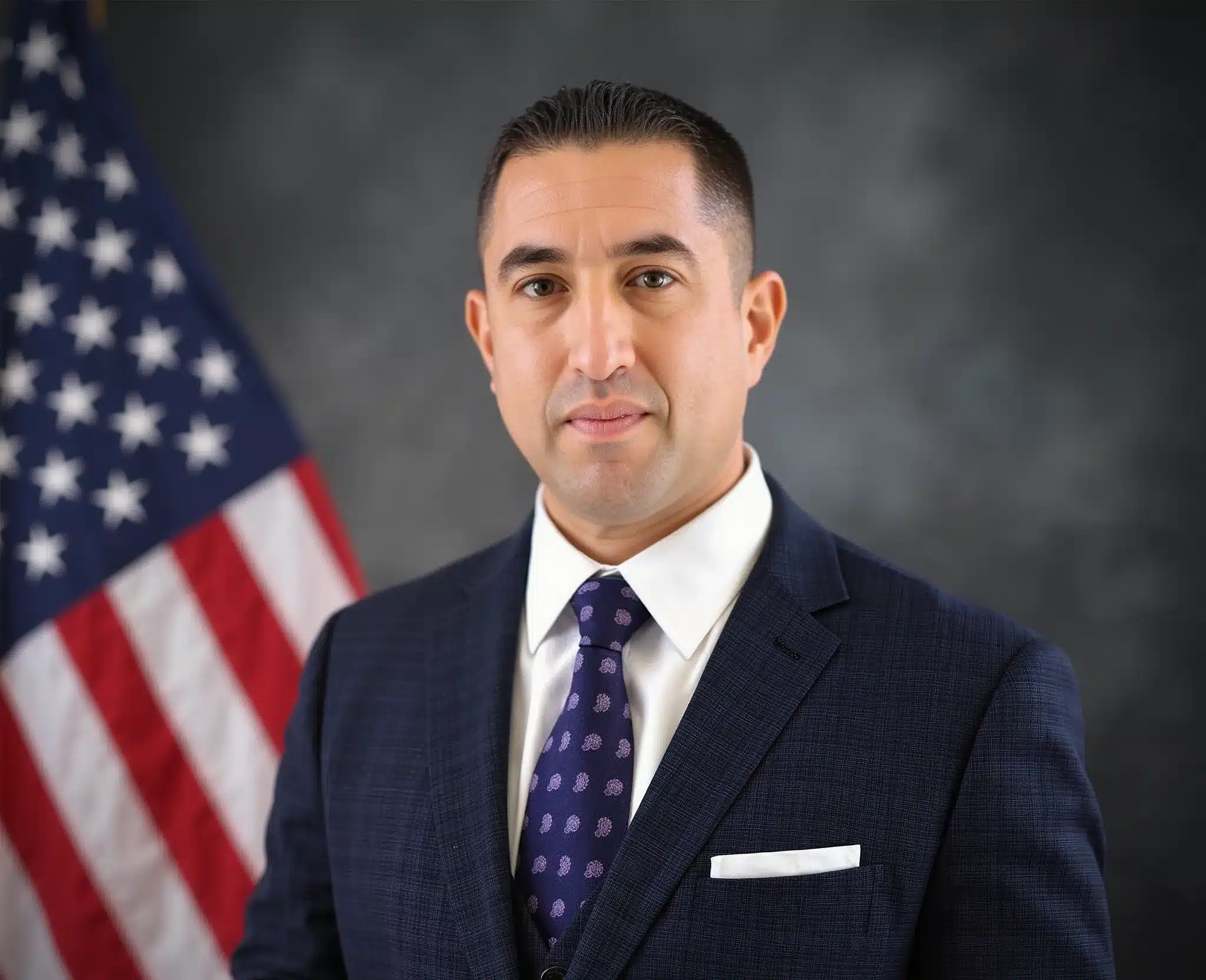
If you are facing assault or battery charges in Lafayette, you do not have to confront the system alone. The Law Office of Nabiel C. Ahmed provides dedicated criminal defense representation to clients throughout Contra Costa County and Alameda County. Our goal is to understand your story, explain your options clearly, and stand by you at every stage of the process. From the first phone call to the final resolution, we focus on protecting your rights, your record, and your future. Reach out today to discuss your situation and learn how we can help you move forward.
Choosing the right criminal defense law firm can make a meaningful difference in how your Lafayette assault or battery case unfolds. At the Law Office of Nabiel C. Ahmed, we focus our practice on defending people accused of crimes across Contra Costa and Alameda Counties. This focus means we understand local court procedures, how prosecutors evaluate cases, and which strategies can be effective in violent and serious crime matters. Clients receive honest assessments, prompt communication, and a defense strategy tailored to their goals, whether that means fighting the case in court or pursuing a carefully negotiated outcome.
We know that an arrest can be one of the most stressful experiences of your life, especially when you are worried about your family, job, or immigration status. Our firm takes the time to listen to your concerns, answer your questions, and keep you informed about what to expect next. We carefully examine the evidence, look for legal issues that can benefit your case, and work to protect your rights at every step. When you hire our Oakland‑based criminal defense law firm, you gain a committed advocate who is focused on helping you navigate a difficult situation.
When you contact the Law Office of Nabiel C. Ahmed about a Lafayette assault or battery charge, we follow a clear and structured process designed to give your case the attention it deserves. It begins with a detailed consultation where we review the charges, discuss what happened from your perspective, and identify urgent priorities such as bail, protective orders, or upcoming court dates. From there, we obtain and analyze police reports, witness statements, and any available video or medical records. Throughout the process, we keep you informed and involved so you can make confident decisions at every stage.
The first step in our Lafayette assault and battery defense process is an in‑depth consultation. During this meeting, we listen carefully to your account of the incident, review any documents you already have, and explain the charges and potential penalties under California law. We also talk about your background, immigration status, employment situation, and any previous criminal history, since these factors can influence how the case should be handled. By the end of this step, you will have a clearer understanding of where you stand and what immediate steps we recommend to protect your rights and options.
In many Lafayette assault and battery cases, the police report only captures a fraction of what actually occurred. That is why we begin by listening closely to your story, including what led up to the incident, how others were behaving, and what you were thinking and feeling at the time. We also discuss your concerns about jail, work, school, family, or immigration. This conversation is confidential and allows us to see the situation through your eyes. Understanding your priorities and perspective helps us craft a defense strategy that truly reflects your needs and the realities of your life.
Once we understand your situation, we walk you through the charges you face and the range of possible outcomes under California law. For Lafayette clients, this includes explaining the difference between assault and battery, potential enhancements, and how prior convictions may affect sentencing. We also outline immediate options, such as addressing bail, protecting your rights during police questioning, and preparing for the first court appearance. Our goal at this stage is to replace uncertainty with clarity so that you know what to expect during the early days of the case and can avoid missteps that might hurt your defense.
After the initial consultation, we turn to detailed investigation and evidence review. For Lafayette assault and battery cases, this can include obtaining full police reports, body‑worn camera footage, dispatch logs, photographs, medical records, and statements from witnesses. We look for inconsistencies, missing information, and potential defenses such as self‑defense or mistaken identity. Where appropriate, we may also seek out surveillance footage from nearby businesses or residences. This step allows us to understand the strengths and weaknesses of the prosecution’s case and to identify strategic opportunities for challenging the allegations or negotiating reduced charges.
In many Lafayette cases, key details are captured on video or in third‑party records that are not immediately included in the police file. Our firm works to locate and secure this material before it disappears. This might include surveillance footage from businesses near the scene, cellphone videos, text messages, or social media posts. We also identify potential witnesses who may have seen what happened or can speak to the character of those involved. Collecting this information early gives us a fuller picture of the incident and can reveal evidence that supports your version of events or undermines the prosecution’s claims.
Once we have gathered the available evidence, we carefully analyze the prosecution’s case for legal and factual weaknesses. In Lafayette assault and battery matters, this can include questioning whether police had lawful grounds to detain or arrest you, whether statements were taken in violation of your rights, or whether key witnesses have credibility concerns. We also examine whether the alleged injuries match the described conduct and whether there is support for enhancements such as great bodily injury or weapon use. This analysis becomes the foundation for motions, negotiations, and trial preparation aimed at securing the best attainable outcome.
The final step in our Lafayette assault and battery defense process involves implementing a tailored strategy in court. Based on the facts, your goals, and the strength of the evidence, we may file motions to suppress evidence, challenge charges, or seek dismissal. We negotiate with prosecutors from a position informed by thorough investigation, always keeping your priorities in mind. If a plea agreement is in your best interest, we work to secure terms that minimize penalties and collateral consequences. If your case proceeds to trial, we present your defense to the judge or jury with preparation and determination.
Many Lafayette assault and battery cases are resolved through negotiated agreements rather than trials. We approach negotiation with a clear plan, grounded in the strengths we have identified in your case and your personal priorities. This can involve advocating for reduced charges, alternative sentencing, counseling or treatment options, or diversion programs where available. We present mitigating factors, such as your lack of prior record, community ties, and efforts to address underlying issues. Our goal is to secure a resolution that protects your future as much as possible while reducing the stress and uncertainty of prolonged litigation.
Whether your case resolves through negotiation or proceeds toward trial, strong courtroom representation is essential. For Lafayette clients, we appear at each hearing prepared to argue on your behalf, challenge unfavorable conditions, and ensure your rights are respected. If trial becomes necessary, we develop a clear narrative, question witnesses, and present evidence designed to raise reasonable doubt. Throughout the process, we explain what is happening in plain language so you feel informed and involved. Our aim is to stand beside you at every stage, working relentlessly to secure the most favorable outcome the circumstances allow.
If you are arrested for assault or battery in Lafayette, the most important step is to protect your rights from the very beginning. Stay calm, be respectful, and do not resist arrest. You have the right to remain silent, and you are not required to answer questions about the incident without an attorney present. Anything you say can be used against you later, even if you believe you are simply explaining your side. Politely request a lawyer and decline to discuss the facts of the case until you have legal representation. As soon as you can, contact a criminal defense law firm that handles violent and serious crimes in Contra Costa County. Provide your lawyer with details about the arrest, any witnesses, and any evidence you know of, such as text messages or video recordings. Your attorney can help address bail, advise you about upcoming court dates, and start preserving evidence that may support your defense. Early legal help often leads to better outcomes because it allows potential issues to be identified and addressed before they become more difficult to challenge.
Yes, in many Lafayette cases, assault or battery charges can be reduced or even dismissed, depending on the facts and the available evidence. Dismissals may occur when there are serious problems with the prosecution’s case, such as inconsistent witness statements, lack of credible evidence, or constitutional violations in how the police conducted the investigation. In other situations, charges may be reduced from felonies to misdemeanors or to lesser offenses that carry fewer consequences, especially when injuries are minor and you have little or no prior record. Your attorney’s job is to thoroughly review the evidence, identify weaknesses in the case, and present those issues effectively to the prosecutor and, when appropriate, the court. Negotiations may focus on the strength of your defenses, mitigating circumstances, the impact on your life, or your willingness to participate in counseling or community programs. While no outcome can be guaranteed, having a strategic defense approach often increases the chances of securing a reduction, diversion, or some form of resolution that avoids the harshest penalties available under California law.
Not everyone charged with assault or battery in Lafayette will go to jail. The outcome depends on many factors, including the severity of the allegations, whether there were injuries or weapons, your prior criminal history, and the strength of the evidence. For first‑time offenders facing misdemeanor charges with minimal harm, judges may be open to alternatives such as probation, community service, counseling, or other conditions in place of jail time. However, felony or strike‑level cases, or cases involving serious injury, carry greater risk of incarceration and require careful, proactive defense. Your defense lawyer can work to minimize the chance of jail by challenging the prosecution’s case, presenting favorable evidence, and advocating for alternative sentencing options. Demonstrating that you have strong community ties, employment, or family responsibilities can also influence how a judge views sentencing. In some situations, negotiating for reduced charges or a plea agreement can significantly lower or remove the risk of jail. The earlier you involve an attorney, the more opportunities there are to shape the outcome in a way that protects your freedom and future.
Self-defense is a common and often powerful defense in California assault and battery cases, including those arising in Lafayette. To successfully raise self-defense, you must generally show that you reasonably believed you were in imminent danger of being harmed, that you reasonably believed using force was necessary to prevent that harm, and that you used no more force than was reasonably necessary under the circumstances. The law recognizes that people in stressful situations cannot be perfectly precise, but your actions still must be reasonable based on what you knew at the time. Evidence supporting self-defense can include witness statements, video footage, medical records, and information about the other person’s behavior or prior threats. Sometimes the initial aggressor later claims to be the victim, or the police only hear one side of the story before making an arrest. Your attorney can help gather and present evidence showing that you were defending yourself or someone else. When presented effectively, a self-defense claim can lead to reduced charges, favorable plea offers, or an acquittal at trial, depending on how the judge or jury views the evidence.
In California, including Lafayette, the difference between misdemeanor and felony assault often turns on the circumstances of the incident and the harm alleged. Misdemeanor cases typically involve less serious injuries, no weapons, and fewer aggravating factors. These cases may still carry jail time, probation, fines, and other penalties, but the potential consequences are generally lower than in felony matters. Felony assault charges may arise when there are allegations of serious injury, use of a deadly weapon, or conduct that qualifies as a strike under California’s sentencing laws. The prosecutor usually decides whether to file a case as a misdemeanor or felony based on the police reports, the alleged injuries, and your prior record. Some offenses are “wobblers,” meaning they can be charged either way. A skilled defense lawyer can sometimes persuade the prosecutor or judge to treat a wobbler as a misdemeanor rather than a felony. This distinction matters because felony convictions often bring longer sentences, stricter consequences, and more serious long‑term impacts on employment, housing, and civil rights. Early legal advocacy can be critical in influencing how the case is charged.
Assault and battery convictions can carry significant immigration consequences, particularly for non‑citizens living or working in Lafayette. Depending on the specific offense and the facts of the case, a conviction may be considered a crime involving moral turpitude or a violent offense under immigration law. This can affect eligibility for visas, green cards, naturalization, or relief from removal. Even seemingly minor cases can create serious risk, especially when combined with other prior convictions or immigration issues. If you are not a United States citizen, it is very important to tell your criminal defense attorney about your immigration status from the beginning. Your lawyer can coordinate with immigration counsel and work to pursue dispositions that reduce the likelihood of severe immigration consequences. This might involve seeking reduced charges, alternative pleas, or other resolutions that are more favorable under immigration law. Addressing these concerns early helps avoid unintended outcomes that could jeopardize your ability to remain in or return to the country, even after your Lafayette criminal case is resolved.
Talking to the police without a lawyer present is risky, even if you believe you are innocent or misunderstood. In Lafayette assault and battery cases, officers and detectives are trained to ask questions designed to gather evidence for prosecution. Statements you make, even casually, can be taken out of context or used to support charges. Once you start talking, it can be difficult to control the direction of the conversation or to undo damaging admissions. For this reason, it is usually safer to politely decline to answer questions until you have legal representation. Exercising your right to remain silent does not mean you are guilty; it simply means you understand the seriousness of the situation. When your attorney is involved, they can speak with law enforcement on your behalf, provide information strategically, or advise you not to give a statement at all. This protection can prevent misunderstandings and help preserve your defenses. If police contact you about an incident, reach out to a criminal defense law firm as soon as possible before agreeing to any interviews or making any statements about the case.
The length of an assault or battery case in Contra Costa County, including Lafayette, can vary widely. Some straightforward misdemeanor cases may resolve within a few months through negotiations or diversion programs. More complex matters, especially felonies involving serious injuries, multiple defendants, or extensive evidence, can take many months or even longer to reach a conclusion. Court schedules, motion hearings, and the time needed to complete investigations all contribute to the overall timeline. While waiting can be stressful, moving too quickly without proper preparation can hurt your case. Your attorney’s role includes managing deadlines, keeping you informed about upcoming hearings, and balancing the need for thorough preparation with the desire for a timely resolution. In some situations, continuances may be requested to gather additional evidence or pursue negotiations that could lead to better outcomes. In others, pushing for a quicker court date may be appropriate. Throughout the process, clear communication helps you understand why certain steps are being taken and what to expect as your Lafayette case moves forward through the system.
In California, including Lafayette, the decision to pursue or drop assault and battery charges belongs to the prosecutor, not the alleged victim. Even if the person who made the initial report later wants to withdraw their complaint or refuses to cooperate, the district attorney can still choose to move forward using other available evidence, such as 911 calls, police observations, medical records, and witness statements. This is particularly common in cases involving domestic relationships or serious injuries, where prosecutors may believe continued prosecution serves public safety interests. That said, a victim’s wishes and level of cooperation can still influence how a case is handled. If the alleged victim is reluctant to testify or expresses a desire for a less severe outcome, the prosecutor may be more open to negotiations, reduced charges, or alternative resolutions. Your defense lawyer can help navigate these dynamics, ensuring that any communications are handled appropriately and ethically. Relying on the victim alone to “drop” the case is risky; instead, work with a criminal defense attorney to address the situation through proper legal channels.
The cost of hiring a Lafayette assault and battery lawyer varies depending on factors such as the seriousness of the charges, whether the case is a misdemeanor or felony, the amount of evidence involved, and whether the matter goes to trial. More complex cases that require extensive investigation, expert witnesses, or multiple court appearances typically involve higher fees. Many criminal defense law firms, including the Law Office of Nabiel C. Ahmed, discuss fees openly during the initial consultation so you understand what to expect before making any commitments. While cost is an important consideration, it is also essential to weigh the potential consequences of the case, including jail time, probation, fines, and long‑term impacts on employment or immigration. Investing in a strong defense can sometimes save you money and hardship in the long run by helping you avoid harsher penalties or future complications. Ask prospective attorneys about payment structures, what services are included, and how they will keep you informed about the progress of your Lafayette case. Clear communication about fees is part of building a trustworthy attorney‑client relationship.
"*" indicates required fields