
Facing a felony or misdemeanor charge in Lafayette can turn your life upside down in an instant. A single accusation of theft or another criminal offense can threaten your freedom, your job, your immigration status, and even your relationships. The criminal justice system in Contra Costa County moves quickly and can feel intimidating, especially if this is your first arrest. You deserve clear guidance, straightforward information, and a strong legal strategy that is tailored to your situation and goals from the very beginning.
At the Law Office of Nabiel C. Ahmed, we help people in Lafayette and across Contra Costa County navigate felony and misdemeanor cases involving theft and other crimes. Whether you are under investigation, recently arrested, or already have a court date, there is still time to protect your future. This page explains how felony and misdemeanor charges work in California, what to expect in local courts, and how a focused defense approach can improve your chances of a better outcome.
Quality legal representation for felony and misdemeanor charges in Lafayette can make the difference between a lasting conviction and a workable resolution. Prosecutors may push for jail time, steep fines, or long probation terms, even when there are weaknesses in the case. Having a defense lawyer who understands theft and other crimes allows you to challenge questionable evidence, highlight favorable facts, and explore alternatives such as diversion or reduced charges. Early involvement can protect your record, limit exposure to jail, and preserve opportunities for employment, housing, and professional licenses.
The Law Office of Nabiel C. Ahmed focuses on criminal defense matters throughout Alameda County and Contra Costa County, including Lafayette. Over many years of practice, the firm has represented individuals charged with a wide range of felony and misdemeanor theft and other offenses, from first-time shoplifting cases to more serious allegations involving alleged violence or multiple prior convictions. Our approach is hands-on and practical: we listen carefully, investigate thoroughly, and communicate in plain language so you always know where your case stands and what choices you have.
In California, every criminal charge is classified as either an infraction, a misdemeanor, or a felony. Misdemeanors are generally punishable by up to one year in county jail, while felonies can carry much longer sentences and more severe long-term consequences. Many theft and related offenses in Lafayette, such as shoplifting or certain property crimes, may be charged as misdemeanors, but the same conduct can sometimes be filed as a felony depending on the value involved, prior convictions, and the prosecutor’s charging decision.
Felony and misdemeanor cases go through several stages, including arraignment, pretrial hearings, potential motion practice, and trial, unless they are resolved earlier through negotiation or dismissal. Decisions made at the beginning—what to say to police, how to address bail, whether to accept an early offer—can shape your entire case. For Lafayette residents, it is important to understand how local judges and prosecutors tend to handle theft and other crimes so that your defense strategy reflects real-world courtroom practices, not just theory.
A misdemeanor in California is a criminal offense that typically carries up to one year in county jail, plus fines, probation, restitution, and other conditions the court may impose. A felony is a more serious offense that can result in state prison time, longer periods of formal probation, and significant limitations on your rights, such as firearm restrictions. Some theft and other crimes are “wobblers,” meaning they can be charged as either felonies or misdemeanors. How your Lafayette case is classified affects everything from bail to plea options and long-term consequences.
Every felony or misdemeanor case in Lafayette involves several important steps. First, law enforcement investigates the alleged incident and may make an arrest or submit the case to the district attorney for review. Next, the district attorney decides whether to file charges and in what form—felony, misdemeanor, or not at all. Once charges are filed, the arraignment is your first court appearance, where you are informed of the allegations and enter a plea. Following that, there may be pretrial conferences, motion hearings, plea negotiations, and, if necessary, a jury trial to determine guilt or innocence.
Understanding some of the terminology used in Contra Costa County courts can help you feel more prepared when facing theft and other criminal charges. Terms like “wobbler,” “arraignment,” and “diversion” are used frequently by judges, prosecutors, and defense lawyers. When you understand what these words mean, you can follow what is happening in your case, ask better questions, and make informed decisions about how to move forward. The following glossary highlights important concepts you are likely to encounter during your Lafayette felony or misdemeanor case.
A wobbler offense is a crime that can be charged either as a felony or a misdemeanor under California law. Many theft and other property crimes fall within this category, including certain types of grand theft and receiving stolen property. The district attorney in Contra Costa County has significant discretion in deciding how to file a wobbler case. A strong defense presentation early in the process may persuade the prosecutor or judge to treat a wobbler as a misdemeanor, or even to reduce a felony charge later through negotiation or a motion under Penal Code section 17(b).
Arraignment is the first formal court hearing after charges are filed in your Lafayette felony or misdemeanor case. At this hearing, the judge reads, or waives the reading of, the complaint, advises you of your rights, and asks for a plea of guilty, not guilty, or no contest. Bail and release conditions may be addressed, and future dates are set. Having legal counsel at arraignment helps ensure that your rights are protected, inappropriate bail requests are challenged, and early opportunities for dismissal or reduction are not overlooked in the rush of the initial appearance.
Diversion is an alternative resolution that may be available in some misdemeanor and even certain felony cases involving theft and other crimes. Instead of proceeding toward a conviction, the court may allow you to complete counseling, community service, classes, or restitution in exchange for a dismissal upon successful completion. Programs vary in Lafayette and throughout Contra Costa County, and eligibility depends on the specific charge, your prior record, and prosecutorial policies. When available, diversion can protect your record, reduce the stress of repeated court appearances, and help you move forward more quickly.
Probation is a court-ordered period of supervision in the community that can follow a felony or misdemeanor conviction. Instead of serving a full jail or prison sentence, you may be allowed to remain out of custody subject to conditions such as obeying all laws, reporting to a probation officer, paying fines and restitution, attending classes, or staying away from certain people or places. In Lafayette theft and other crime cases, negotiating favorable probation terms can reduce the impact on your daily life and create pathways to future relief, such as early termination or record clearing.
When facing felony or misdemeanor accusations in Lafayette, you will be asked to make important decisions about how to proceed. Some people are tempted to accept the first plea offer just to get the case over with, while others may want to fight every detail at trial. In reality, the best approach depends on the strength of the evidence, your criminal history, the type of theft or other crime alleged, and your long-term goals. A thoughtful comparison of limited and more comprehensive defense strategies can help you choose a path that fits your situation.
In some Lafayette misdemeanor cases involving minor theft or low-level misconduct, the evidence may be straightforward and the potential penalties relatively modest. If there are no significant disputes about what happened, and you have little or no prior record, a more limited approach focused on obtaining a fair plea agreement or diversion may be appropriate. This might involve gathering a small set of favorable documents, addressing restitution quickly, and presenting background information to the prosecutor or judge. Even with a limited strategy, thoughtful advocacy can still improve the outcome considerably.
For first-time offenders in Lafayette, especially in shoplifting or other lower-level theft cases, a limited defense strategy may make sense if there is a realistic chance at diversion or an informal agreement that leads to dismissal. In these situations, the focus may be on demonstrating responsibility, documenting employment or school commitments, and resolving restitution promptly. Rather than investing resources in extensive investigation or motion practice, energy is directed toward presenting you as a good candidate for a second chance, while still preserving your rights if negotiations do not go as planned.
If you are charged with a serious felony in Lafayette or have multiple prior convictions, a comprehensive defense approach becomes especially important. Significant jail or prison exposure, strike allegations, or enhancement claims can dramatically raise the stakes of your case. In these situations, your defense should include a thorough review of all police reports, body camera footage, witness statements, and forensic evidence, as well as investigation into possible defenses or mitigating facts. Detailed preparation for motions and trial can also strengthen your position during settlement talks with the prosecutor.
Some Lafayette felony and misdemeanor charges carry serious collateral consequences beyond the courtroom, especially for non-citizens, licensed professionals, and individuals in sensitive employment positions. A theft conviction, for example, may create immigration problems or jeopardize professional licensing. In these circumstances, a comprehensive defense strategy looks beyond immediate jail time or fines and considers long-term impacts. This may include consulting with immigration or licensing counsel, seeking creative plea options, and building a record that positions you for future relief. Careful planning can greatly reduce the risk of unintended consequences later.
Taking a comprehensive approach to your Lafayette felony or misdemeanor case means looking at every angle: legal defenses, factual disputes, procedural errors, and mitigation. This level of attention often uncovers issues that might otherwise be missed, such as unlawful searches, unreliable witnesses, or incomplete police work. By fully understanding the strengths and weaknesses of the case against you, you position yourself to negotiate from a place of knowledge rather than fear. Even if trial ultimately is not the right choice, thorough preparation can help secure more favorable terms.
A comprehensive strategy also allows your defense to address the human side of your case, not just the legal file. For Lafayette residents, that may mean gathering letters of support, documenting treatment or counseling, and presenting evidence of employment or family responsibilities. Showing the prosecutor and judge who you are outside of this case can lead to reduced charges, alternative sentencing options, or diversion opportunities that might not be available otherwise. The goal is to protect your future as much as possible while navigating the realities of the criminal justice system.
When your Lafayette felony or misdemeanor case is thoroughly prepared, you approach negotiations from a position of strength. Prosecutors take note when a defense file is organized, when discovery has been carefully reviewed, and when potential motions have real merit. Detailed investigation and thoughtful legal analysis can highlight weaknesses in the government’s case, raising concerns about proof at trial. This often leads prosecutors to offer reduced charges, dismissal of certain counts, or more lenient sentencing recommendations, which can significantly improve the final outcome of your theft or other criminal matter.
A comprehensive defense does more than respond to the immediate charges; it looks ahead to how today’s decisions will impact your life in Lafayette and beyond. This includes considering immigration status, future employment, professional licensing, housing opportunities, and family obligations. By carefully reviewing potential plea options, sentencing alternatives, and post-conviction remedies, your defense can work to minimize the long-term effects of a felony or misdemeanor record. Thoughtful planning now may open doors later to expungement, reduction of charges, or other forms of relief that help you move forward with greater confidence.


If you are arrested or questioned in Lafayette about a theft or other alleged crime, the most important step is to remain calm and avoid answering detailed questions without legal counsel. Police may seem friendly or say that cooperating will help, but anything you say can later be used in court. Politely provide basic identifying information, but clearly state that you wish to speak with a lawyer before discussing the incident. This choice does not make you look guilty; it simply protects your constitutional rights and helps prevent unintentional self-incrimination.
After an arrest, it can be tempting to vent on social media or text friends about your Lafayette case. Doing so can seriously harm your defense. Prosecutors and investigators routinely review online posts, messages, and photos looking for statements that contradict your defense or appear to admit fault. Even posts you think are private may be discovered. The safest approach is to say nothing online about the incident, the alleged victim, or law enforcement. Instead, share your concerns with your defense lawyer in a confidential setting where your words cannot be twisted against you.
People in Lafayette contact the Law Office of Nabiel C. Ahmed when they are facing felony or misdemeanor accusations and feel overwhelmed by the criminal justice system. A theft or other criminal charge can put a career, immigration status, or educational goals at risk, even if the case ultimately results in a reduced offense. Many clients are unsure what to expect at court, how to handle probation officers, or whether they should accept a plea offer. Guidance from a dedicated defense lawyer can provide clarity and direction at a difficult time.
Seeking legal help early in a Lafayette criminal case also allows you to preserve valuable evidence and avoid common mistakes, such as missing court dates or speaking too freely with law enforcement. Your defense lawyer can help you understand your options, from diversion to trial, and tailor a strategy to your unique situation. For many clients, simply having someone explain the process step by step and answer questions honestly brings significant peace of mind. The goal is to protect both your immediate freedom and your long-term future in the community.
Felony and misdemeanor charges in Lafayette arise from many different situations, and not all involve intentional wrongdoing. Some cases begin with misunderstandings in stores, heated arguments that escalate, or mistakes in judgment made under stress. Others involve traffic stops that lead to discovery of alleged contraband or outstanding warrants. Whatever the circumstances, once the police and district attorney become involved, the situation can quickly become formal and intimidating. Understanding how these cases typically begin can help you see that you are not alone and that there are realistic paths forward.
One of the most common reasons Lafayette residents face misdemeanor theft charges is alleged shoplifting from local retailers or shopping centers. Store security or employees may misinterpret behavior, overlook innocent explanations, or rely heavily on video footage that does not show the whole story. Some clients are accused of theft after forgetting items in a cart or bag, while others are detained in stressful situations that can lead to confused statements. Even if the value seems small, a conviction can carry lasting consequences, making a thoughtful defense approach important.
Allegations of employee theft or embezzlement in Lafayette often arise from internal company audits, bookkeeping discrepancies, or workplace disputes. Employers sometimes assume that missing funds or inventory must point to a particular person, even when other explanations are possible. These accusations can lead to felony charges, significant restitution demands, and damage to professional reputations. Early involvement by a defense lawyer can help evaluate financial records, question assumptions, and negotiate with prosecutors or employers. The goal is to address both the criminal exposure and the practical impact on your career and future employment.
Many Lafayette criminal cases grow out of situations where alcohol, drugs, or strong emotions played a role. Arguments at home, in parking lots, or outside bars can quickly attract police attention, leading to charges that do not fully reflect what happened. Witnesses may have limited perspectives, and law enforcement officers may arrive after the most important events have already occurred. These cases often involve conflicting stories and incomplete evidence. A careful defense review can reveal inconsistencies, highlight self-defense or mutual responsibility, and work toward a resolution that better reflects the reality of the situation.
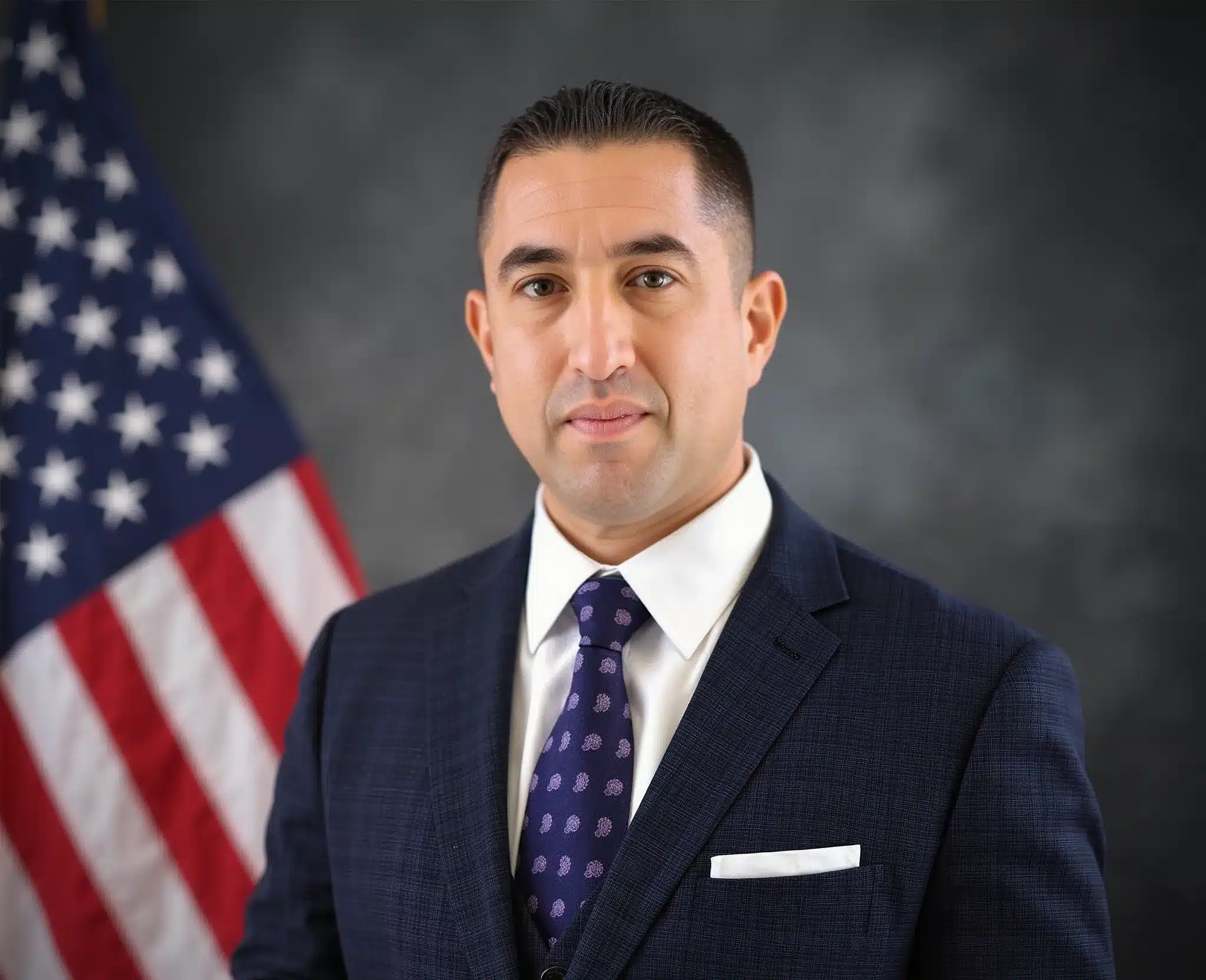
If you or a loved one is facing felony or misdemeanor charges in Lafayette, you do not have to navigate the process on your own. The Law Office of Nabiel C. Ahmed regularly represents clients in Contra Costa County courts on theft and other criminal matters, guiding them through every stage of the case. From the first consultation, we focus on understanding your priorities, explaining your options, and developing a strategy that fits your life. Our goal is to protect your rights, lessen the impact of the charges, and help you move forward.
Choosing a law firm for a Lafayette felony or misdemeanor case is a personal decision. At the Law Office of Nabiel C. Ahmed, we combine deep familiarity with Contra Costa and Alameda County courts with a personalized approach to each client’s situation. We take the time to listen to your story, review the evidence carefully, and discuss realistic outcomes, rather than giving generic assurances. This allows us to build a defense that reflects both the legal facts and your long-term goals, whether that means avoiding jail, protecting a career, or preserving immigration options.
Clients appreciate our straightforward communication and commitment to keeping them informed throughout the process. We explain court procedures in clear terms, promptly answer questions, and prepare you for each hearing so you know what to expect. Our office understands the stress that comes with theft and other criminal allegations in Lafayette and works to reduce that burden by providing steady guidance and focused advocacy. When you work with our firm, you have a legal team in your corner that is dedicated to pursuing the most favorable resolution possible under the circumstances.
At the Law Office of Nabiel C. Ahmed, we follow a clear, step-by-step process for Lafayette felony and misdemeanor cases. From the moment you contact our office, we focus on gathering accurate information, identifying immediate concerns such as bail or warrants, and protecting your rights. We then review the evidence, discuss possible defenses, and talk candidly about the risks and opportunities in your case. Throughout this process, we remain accessible to answer questions and adjust our strategy as new facts emerge, keeping you informed at each stage of your matter.
Your relationship with our firm begins with an initial consultation, where we listen carefully to your description of what happened, review any paperwork you have received, and explain how felony and misdemeanor cases proceed in Lafayette. This meeting is your opportunity to ask questions about potential penalties, court dates, and next steps. We also discuss fees and what you can expect from our representation. By the end of the consultation, you should have a clearer understanding of your situation and a roadmap for how we propose to move forward together.
During the initial phase, we gather detailed background information about you, including your work history, family responsibilities, prior record, and any special concerns such as immigration, licensing, or schooling. Understanding your priorities helps shape our approach to your Lafayette case. For some clients, avoiding jail is paramount; for others, protecting a clean record or safeguarding immigration status is the primary concern. We also collect any documents you have, such as citations, bail paperwork, or notices to appear, so we can verify court dates and filing details immediately.
Many people facing felony or misdemeanor charges in Lafayette feel anxious simply because they do not know what to expect. We take time early on to explain how cases typically move through Contra Costa County courts, including arraignment, pretrial conferences, motions, and trial. We discuss possible timelines, what happens at each hearing, and how decisions like entering a plea or waiving time may affect the schedule. By providing a clear overview of the process, we help reduce uncertainty and give you the information you need to participate meaningfully in your defense.
Once you decide to work with our firm, we begin a structured investigation of your Lafayette felony or misdemeanor case. This includes obtaining and reviewing police reports, body camera footage, 911 recordings, photographs, and any other discovery provided by the prosecutor. We may also interview witnesses, visit the scene, or consult with professionals when appropriate. Based on what we learn, we identify potential legal challenges and develop a tailored defense strategy. Throughout this stage, we keep you updated and invite your input, since you often know details others have overlooked.
Careful review of the evidence is central to any strong defense. In Lafayette theft and other criminal cases, that may include surveillance video, store reports, financial records, or witness statements. We analyze whether the police followed proper procedures, whether searches were lawful, and whether identifications are reliable. Any inconsistencies or gaps in the evidence can become powerful tools in negotiations or motions to suppress evidence. We discuss our findings with you in plain language, so you understand the risks, opportunities, and how each piece of evidence affects your overall defense strategy.
After analyzing the evidence, we develop a strategy for motions, negotiations, and, if necessary, trial. This can include challenging the legality of a stop or search, contesting statements you allegedly made, or highlighting self-defense or lack of intent. At the same time, we consider potential resolutions that might involve reduced charges, diversion, or alternative sentencing. For Lafayette cases, understanding local prosecutorial practices and judicial tendencies helps guide realistic goals. We discuss all options with you so that any decision to negotiate, file motions, or proceed to trial is fully informed and intentional.
The final stage of your Lafayette felony or misdemeanor case involves resolving the charges through dismissal, plea agreement, or trial, followed by sentencing if necessary. Our focus at this stage is on securing the best available outcome and preparing for life after the case. That may include advocating for favorable terms at sentencing, seeking alternatives to jail, and planning for future relief options such as expungement or reduction of charges. We stay with you through the conclusion of the matter, answering questions and helping you understand what your obligations are going forward.
If your case results in a plea or conviction, the sentencing phase in Lafayette becomes extremely important. We present information that shows the full picture of who you are, including work history, family responsibilities, community involvement, and any steps you have taken to address underlying issues. We also advocate for alternatives to jail where appropriate, such as community service, classes, or treatment programs. By providing the court with a well-prepared sentencing presentation, we aim to reduce the severity of penalties and support your ability to move forward productively.
Even after your Lafayette felony or misdemeanor case is resolved, there may be opportunities to lessen the impact of the record over time. Depending on the outcome, you may later seek expungement, reduction of certain felonies to misdemeanors, or early termination of probation. We discuss these possibilities with you so you understand what steps to take and when you may be eligible. By planning ahead, you can position yourself to pursue jobs, housing, or educational opportunities with fewer barriers. Our goal is to help you not only resolve the case, but also rebuild your future.
In California, misdemeanors are offenses that typically carry a maximum of one year in county jail, along with possible fines, probation, and other conditions. Felonies are more serious charges that can result in state prison sentences, longer periods of formal probation, and significant limitations on rights such as firearm possession. Both types of cases can involve theft and other crimes, but the potential punishment and long-term impact differ substantially. In Lafayette, the district attorney decides whether to file charges as misdemeanors or felonies based on the facts, your prior record, and state law. Some offenses, known as wobblers, can be charged either way. How your case is classified affects everything from bail to plea negotiations and future record-clearing options, which is why early legal guidance is so important when facing any criminal allegation in Contra Costa County.
Many theft offenses in California, including some charged initially as felonies in Lafayette, are wobblers. This means they can be filed or later reduced to misdemeanors at the prosecutor’s or judge’s discretion. Factors that influence this decision include the value involved, any prior theft-related convictions, the presence of alleged violence, and your overall background. Presenting mitigating information and challenging weak evidence can increase the chances of a reduction. In some cases, a motion under Penal Code section 17(b) may be used to ask the court to reduce a wobbler felony to a misdemeanor, either as part of a negotiated resolution or after certain conditions are met. Even when a charge cannot be formally reduced, it may be possible to negotiate a plea to a different offense with less severe consequences. An attorney familiar with Contra Costa County practices can explain realistic options based on the specifics of your situation.
Not everyone convicted of a first-time misdemeanor theft in Lafayette goes to jail. Judges and prosecutors often look at factors such as the value involved, whether any force or threats were alleged, your prior record, and how you have conducted yourself since the incident. For many first-time defendants, it is possible to negotiate alternatives such as probation, restitution, community service, or classes, sometimes through a diversion program that can lead to dismissal upon successful completion. However, jail is still a legal possibility in misdemeanor cases, particularly if there are aggravating factors or prior offenses. The best way to reduce the risk of custody time is to address the case proactively. That means obtaining guidance early, staying in contact with your lawyer, complying with any court orders, and taking steps that demonstrate responsibility. These efforts can make a meaningful difference in how your Lafayette case is ultimately resolved in court.
If you are under investigation in Lafayette, it is generally wise not to speak with police without first consulting a lawyer. Officers may say they just want your side of the story, but their questions are often designed to gather evidence that can later be used against you. Even innocent people can make statements under stress that are misunderstood or sound damaging when taken out of context or repeated in the courtroom. By asserting your right to remain silent and politely requesting a lawyer, you protect yourself from unintentionally harming your case. This does not prevent you from later providing information through your attorney in a controlled and strategic way. A defense lawyer can evaluate whether speaking with law enforcement might help or hurt, and if necessary, arrange any communication in a way that safeguards your rights while addressing legitimate investigative concerns.
Your first court appearance in Lafayette, known as an arraignment, is when you are formally informed of the charges against you. The judge will advise you of your rights, including the right to counsel and the right to a trial. You will typically be asked to enter a plea of guilty, not guilty, or no contest. Bail and release conditions may also be addressed, especially in felony cases, and future court dates will be scheduled. You do not need to present your entire defense at arraignment, and it is usually not the time to argue about the facts of the case in detail. The main goals are to ensure you understand the charges, secure legal representation, and address release conditions. Having a lawyer present can help protect your rights, challenge inappropriate bail requests, and begin the process of obtaining discovery so that a comprehensive defense strategy can be developed.
The length of a felony or misdemeanor case in Lafayette varies widely depending on the complexity of the charges, the amount of evidence, and whether the case is resolved through negotiation or goes to trial. Some straightforward misdemeanors may be resolved in a few months, while more serious felonies can take many months or longer, especially if extensive investigation or motion practice is needed. Court calendars and scheduling constraints also play a significant role. In general, California law provides timelines for bringing cases to trial, but those timelines can be extended if you and your lawyer decide that additional preparation time is in your best interest. Your attorney can explain how these rules apply in your situation and help you weigh the advantages and disadvantages of moving quickly versus taking more time to investigate and negotiate. Regular communication with your lawyer helps manage expectations and reduces uncertainty as the case progresses.
In many situations, it is possible to seek relief from a Lafayette felony or misdemeanor conviction down the road, although results are not guaranteed. California law allows for expungement of certain convictions after successful completion of probation, which can help you honestly answer some employment questions more favorably. Some felony wobbler offenses may also be reduced to misdemeanors after the fact, depending on the initial charge and the court’s discretion. Record relief does not erase the past entirely, and certain agencies, such as immigration authorities or licensing boards, may still see the original conviction. However, obtaining expungement or reduction can still provide important benefits, including improved job prospects and greater peace of mind. A defense lawyer can review your case outcome and advise you on when and how to pursue these remedies, as well as what steps you can take now to improve your eligibility in the future.
Judges in Lafayette and across Contra Costa County are generally open to diversion and alternative sentencing when the law permits and the circumstances support it, especially for lower-level, nonviolent offenses and individuals with limited or no prior record. Factors that influence these decisions include the nature of the alleged conduct, any harm to victims, your history of compliance with court orders, and efforts you have made to address underlying issues, such as substance use or mental health concerns. Your defense lawyer can help present a persuasive case for diversion or alternative sentencing by gathering documentation, letters of support, and proof of participation in counseling or programs. While judges ultimately decide on a case-by-case basis, demonstrating accountability and a commitment to change can improve the likelihood of a favorable outcome. Early planning and open communication with your attorney are key to identifying and pursuing these opportunities in Lafayette criminal cases.
For your first meeting with a criminal defense lawyer about a Lafayette felony or misdemeanor case, it helps to bring all paperwork you have received, such as citations, bail documents, charging papers, or any letters from the court. If you have contact information for witnesses or copies of text messages, emails, or photos related to the incident, those can also be valuable. A list of questions you want answered can ensure you make the most of your time. You should also be prepared to discuss your background, including employment, education, prior criminal history, and any special concerns you have about immigration, licensing, or family responsibilities. The more accurate information you provide, the better your lawyer can assess your situation and outline a strategy. Remember that your conversation is confidential, so it is important to be honest and thorough, even about details that you find uncomfortable or embarrassing.
The cost of hiring a criminal defense attorney in Lafayette varies depending on factors such as the seriousness of the charges, whether the case is a felony or misdemeanor, the amount of evidence involved, and the likelihood of trial. Many lawyers handle theft and other criminal cases on a flat-fee basis, which may cover representation through certain stages, while others may use a hybrid approach. During your consultation, the lawyer should explain the fee structure clearly so you understand what is included and what might cost extra. While cost is an important consideration, it should be weighed against the potential long-term impact of a conviction on your freedom, employment, and future opportunities. A cheaper option is not always the best fit if it does not provide the level of attention your case requires. At the Law Office of Nabiel C. Ahmed, we discuss fees upfront, answer questions honestly, and work with clients to find practical solutions whenever possible.
"*" indicates required fields