
Facing a hit and run charge in Lafayette can feel overwhelming and isolating, especially when you are worried about your license, your job, and your future. California law treats leaving the scene of an accident very seriously, whether the incident involved property damage, injuries, or both. At the Law Office of Nabiel C. Ahmed, we help people throughout Lafayette and nearby Contra Costa County communities understand their options, respond to police investigations, and protect their rights from the very beginning of a case.
This page is designed to give you a clear, honest overview of how hit and run cases are handled in Lafayette and what you can do right now to protect yourself. While every situation is different, you do not have to navigate confusing statutes, insurance issues, and court deadlines on your own. Our criminal defense law firm works with clients facing driving and drug offenses across Contra Costa and Alameda Counties, and we focus on practical solutions that aim to reduce the impact on your record, finances, and everyday life.
Hit and run accusations in Lafayette can trigger criminal charges, DMV consequences, insurance problems, and even civil lawsuits. Having dedicated legal help can make a meaningful difference in how your case unfolds. A careful review of the police report, witness statements, surveillance footage, and any statements you may have made can uncover weaknesses in the prosecution’s case and open the door to reduced charges or alternative resolutions. Effective representation can also help you avoid common mistakes, such as making unadvised statements to law enforcement or insurance companies that later harm your defense, and can help you pursue outcomes that preserve your driving privileges and limit long-term damage.
The Law Office of Nabiel C. Ahmed is a criminal defense law firm serving clients in Lafayette, Contra Costa County, and neighboring Alameda County. Over many years, our office has handled a wide range of driving and drug offenses, including misdemeanor and felony hit and run allegations. We understand how local judges, prosecutors, and probation departments typically approach these cases and what arguments and mitigation materials can be persuasive. Our approach is hands-on and communication-focused: we carefully explain the process, outline realistic options, and keep you informed at every stage so you can make confident decisions about your future.
Hit and run charges in Lafayette generally arise when a driver is accused of leaving the scene of a collision without providing legally required information or assistance. California law distinguishes between incidents involving only property damage and those involving injuries or death, and the penalties can range from fines and probation to jail time and long-term license consequences. The circumstances that led to leaving the scene can vary widely, from panic or confusion to misunderstanding what the law required. Understanding the specific statute you are accused of violating is the first step in building a strong response.
Because Lafayette is within Contra Costa County, your case will likely move through local courts that follow California’s complex vehicle and criminal codes. Evidence can include 911 calls, dashcam or security video, physical damage to vehicles, and statements from witnesses or passengers. Sometimes, hit and run investigations begin days later when officers appear at your home or contact you by phone. How you respond at that moment can significantly affect your case. Having guidance early on helps you understand your rights, your options, and the strategies available to avoid or reduce charges where possible.
In California, a hit and run generally means being involved in a collision and then leaving the scene without stopping to share identifying information or render reasonable aid when someone is injured. Even if you believe the accident was minor, or you think the other driver was at fault, the law usually requires you to stop and exchange information, and in some situations to contact law enforcement. Hit and run can be charged as a misdemeanor when only property is damaged or as a felony when injuries are involved. Understanding which statute you face and what the prosecution must prove is central to your defense and can influence potential outcomes.
A hit and run case in Lafayette typically moves through several stages, from investigation to potential arrest, arraignment, and pretrial negotiations. Prosecutors usually must show that you were driving, that a collision occurred, that you knew or reasonably should have known about the accident, and that you willfully left without fulfilling legal duties. Each of these elements can be challenged through careful examination of the facts. At the same time, there may be opportunities to resolve the matter through restitution, civil compromises, or negotiated pleas that focus on rehabilitation and accountability rather than jail, depending on your history and the circumstances.
Understanding common terms used in Lafayette hit and run cases can make the process less confusing and help you follow what is happening in court. Words like misdemeanor, felony, restitution, and prior conviction all carry specific legal meanings that can influence the penalties you face and the options available. For example, the difference between an injury crash and a property-only collision can change whether a case is handled in a more informal setting or under stricter felony procedures. Learning this vocabulary now can make discussions with your legal team clearer and allow you to ask more informed questions about your case and strategy.
Misdemeanor hit and run in California usually involves leaving the scene of a collision where only property damage occurred, such as damage to another vehicle, a fence, or a parked car in Lafayette. Even without injuries, a misdemeanor conviction can bring fines, probation, possible county jail time, and DMV consequences. Insurance rates may increase, and future background checks may reveal the conviction. Defenses often focus on whether you actually realized a collision occurred, whether you tried to locate the owner, or whether someone else was driving your car at the time the property damage took place.
A civil compromise is a potential resolution in some misdemeanor cases where the person who suffered property damage is fully compensated, and a judge is asked to dismiss the criminal charges in the interest of justice. While not available in every Lafayette hit and run case, it can sometimes be an option when there are no injuries, the driver has little or no prior record, and the victim agrees to the arrangement. Presenting a strong restitution plan, along with proof of payment and steps taken to address the behavior, can support a request for civil compromise when permitted by the court.
Felony hit and run generally applies when someone is accused of leaving the scene of an accident that caused injury or death. In Lafayette and across Contra Costa County, these cases are treated very seriously and can involve state prison exposure, lengthy probation terms, and substantial restitution orders. The prosecution still must prove that you were involved in the collision and had reason to know that someone was hurt. Defenses may involve challenging identity, contesting whether injuries are connected to the incident, and presenting evidence that you did not intend to flee or believed you had satisfied your legal responsibilities.
Restitution is money paid to compensate victims for losses related to a crime, such as vehicle repairs, medical bills, or lost wages stemming from a hit and run in Lafayette. Courts in California often order restitution as a condition of probation, and prosecutors may consider early repayment as a positive factor in negotiations. Properly documenting what has been paid and what damage is truly connected to the incident is important to avoid unfair or inflated demands. In some cases, structured payment plans or insurance contributions can be used to address restitution while helping you maintain financial stability.
When facing a hit and run allegation in Lafayette, you may have several paths forward, including fighting the charges, pursuing a reduction, or seeking an alternative resolution that focuses on restitution and rehabilitation. Each option carries different risks and benefits, and the best approach often depends on your prior record, the strength of the evidence, whether injuries are involved, and your long-term goals. Some individuals may prioritize avoiding a criminal conviction, while others may focus on minimizing jail exposure or preserving immigration status. Carefully evaluating all available paths before making decisions can help you avoid rushed choices that lead to harsh, lasting consequences.
In some Lafayette hit and run cases involving only minor property damage and no injuries, a more limited legal strategy may be sufficient. For example, if the evidence is straightforward and the person harmed is open to restitution, it may be possible to focus on negotiations rather than extensive litigation. A narrow approach can center on repairing property, demonstrating responsibility, and presenting character information to support leniency. While no outcome is guaranteed, this type of strategy can sometimes lead to reduced penalties, diversion-type resolutions, or other outcomes that lessen the long-term impact on your record and driving history.
Occasionally, hit and run allegations in Lafayette arise from misunderstandings, such as a driver believing there was no meaningful damage or thinking they had properly exchanged information. In those situations, a targeted strategy aimed at clarifying facts and correcting miscommunications may be effective. This can include providing documentation, photographs, insurance records, or statements that demonstrate efforts to do the right thing. By bringing context to prosecutors early in the process, it may be possible to avoid escalation or secure a more manageable resolution, especially when there is little or no prior history and the conduct appears out of character.
When a Lafayette hit and run case involves serious injuries, possible felony charges, or multiple counts, a thorough, multi-layered defense strategy becomes especially important. These cases can bring significant jail or prison exposure, long probation terms, and heavy restitution. In-depth preparation may include accident reconstruction, medical record review, interviews with witnesses, and exploration of alternative explanations for the alleged flight. There may also be immigration, professional licensing, or employment consequences to consider. Addressing all of these factors together helps ensure that decisions made in the criminal case do not unintentionally create severe problems in other parts of your life.
Some Lafayette drivers facing hit and run charges also confront DUI allegations, driving on a suspended license, or prior convictions. In those situations, a comprehensive approach that addresses the entire case is often necessary. Prosecutors may push for enhanced penalties, and judges may have concerns about public safety. A carefully planned defense can explore legal motions, evidentiary challenges, mitigation packages, and treatment or counseling options that demonstrate positive change. By looking at the full picture rather than only the current charge, you can pursue resolutions that aim to limit cumulative penalties and support long-term stability.
Taking a comprehensive approach to a Lafayette hit and run case means looking beyond the immediate court date and considering how this situation may affect your future. Thorough preparation can reveal weaknesses in the prosecution’s evidence, such as unreliable eyewitness accounts or assumptions about who was driving. It also creates opportunities to gather positive information about your background, employment, and community involvement. This fuller picture can be used to negotiate more favorable outcomes, argue for reduced charges, or persuade a judge to consider alternatives to jail, all while helping you better understand each step of the legal process.
Another benefit of a broad defense strategy is that it can address related concerns, such as DMV hearings, insurance disputes, and the impact on professional or educational plans. For drivers in Lafayette and throughout Contra Costa County, a hit and run case can ripple through many parts of life, including family responsibilities and housing. By coordinating responses across these areas, you can avoid inconsistent statements, missed deadlines, or decisions that unintentionally harm your situation. A unified plan increases your ability to move forward with clarity once the case is resolved and helps you rebuild stability with fewer surprises.
When your Lafayette hit and run case is thoroughly prepared, you are often in a stronger position to negotiate with prosecutors. Instead of reacting to offers, you can present a clear narrative supported by evidence, character letters, proof of restitution, and documentation of any treatment or counseling. Prosecutors may be more open to reductions, alternative sentencing options, or creative resolutions when they see genuine effort to address concerns. Preparation signals that you are taking the matter seriously and gives you more leverage to advocate for terms that protect your record, your driving privileges, and your future opportunities.
A comprehensive approach to hit and run defense can also reduce long-term fallout that might not be obvious at the beginning of the case. Background checks, loan applications, professional licenses, and immigration reviews can all pick up criminal records from Lafayette and elsewhere in California. By focusing not just on the immediate penalty but on how the outcome will appear years later, you can aim for resolutions that are more manageable and less damaging. This might involve pursuing dismissals, charge reductions, or plea structures that leave fewer lasting marks, helping you move past a difficult chapter with greater stability.


After a suspected hit and run, it can be tempting to explain yourself to police, insurance adjusters, or other drivers in Lafayette. However, statements made in the heat of the moment may later be used against you, even if they were incomplete or misunderstood. It is generally wise to remain calm, provide only legally required information, and avoid detailed discussions about fault or what you did after the incident until you have guidance. Taking time to understand your rights can prevent you from unintentionally strengthening the case against you while you are still processing what happened.
Hit and run cases in Lafayette sometimes arise from underlying issues such as fear of arrest for driving on a suspended license, concerns about substances, or anxiety about immigration status. Taking proactive steps to address these concerns, whether through counseling, driving courses, or other supportive resources, can benefit you personally and may also help your legal case. Courts often look favorably on individuals who take responsibility and demonstrate meaningful efforts to prevent future problems. Early action can provide valuable documentation that shows growth and can be highlighted during negotiations or sentencing to support a more balanced and compassionate outcome.
There are many reasons to seek legal assistance if you are under investigation or already charged with hit and run in Lafayette. The laws can be complex, involving both criminal and traffic codes, and mistakes early in the process may be difficult to fix later. Prosecutors and judges may interpret silence or delay as indifference, while insurance companies may deny claims based on inaccurate or incomplete information. Having someone guiding you through each step can reduce confusion, improve communication with the court, and ensure that deadlines, filings, and strategic decisions are handled carefully and thoughtfully.
Another key reason to get help is that hit and run allegations often come with emotional stress and worry about the future. Lafayette residents may fear losing their license, employment, or standing in the community. A clear understanding of what to expect can provide peace of mind and reduce the sense of helplessness that often follows an arrest or police contact. By discussing your concerns openly and developing a plan tailored to your circumstances, you can move from reacting out of fear to taking deliberate, informed steps to protect your record, your family, and your long-term goals.
Hit and run charges in Lafayette can arise in many different ways, and they are not always the result of intentional wrongdoing. Sometimes drivers panic after a collision, especially late at night or when they worry about insurance or licensing issues. Other times, a driver may believe there was no real damage or may be unaware that contact even occurred. There are also situations where the wrong person is accused, such as when a vehicle is borrowed or reported stolen. Understanding these common patterns can help you see that you are not alone and that there are often meaningful defenses to explore.
One frequent scenario in Lafayette involves low-speed collisions in parking lots or garages where a driver clips a parked car and later faces a hit and run accusation. Often, the driver believes the damage is too minor to report or cannot locate the owner at the time. Surveillance footage or witness statements then become the foundation for a criminal case. In these situations, presenting evidence of attempts to contact the owner, insurance cooperation, and prompt restitution can sometimes soften how prosecutors and judges view the incident and may open the door to more forgiving resolutions.
Another common circumstance arises when a driver in Lafayette is involved in an unexpected collision and reacts out of fear, leaving the scene without fully thinking through the consequences. This can be especially true for young drivers, individuals with limited prior experience with law enforcement, or those already worried about other legal issues. When the shock wears off, many wish they had stayed and handled things differently. While the law still takes the conduct seriously, courts may consider genuine remorse, voluntary cooperation, and rapid efforts to make amends when evaluating how to treat these cases.
Some Lafayette drivers misunderstand what the law requires after a minor accident, particularly when there appears to be only slight paint transfer or a small scratch. They may assume leaving a note is optional, or that driving away after a quick glance is acceptable. Later, they are surprised to learn that the other party reported the incident as a hit and run. Addressing these misunderstandings through education, restitution, and sincere acknowledgment of responsibility can play an important role in negotiations. Demonstrating that the behavior is unlikely to repeat can help support requests for leniency and alternatives to harsh penalties.
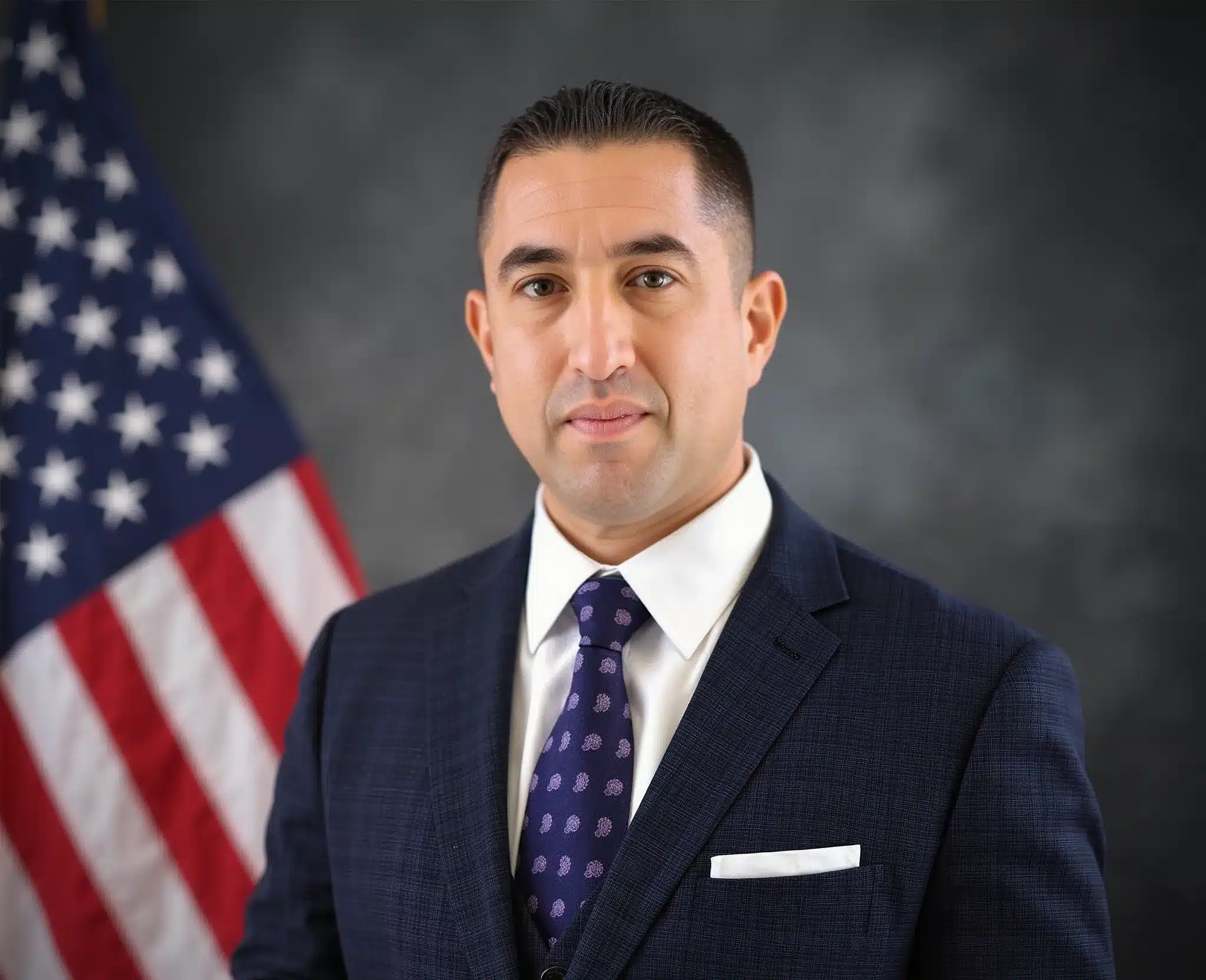
If you or a loved one is facing hit and run allegations in Lafayette, you do not have to face the system alone. The Law Office of Nabiel C. Ahmed is committed to guiding clients through every phase of the process, from the first phone call from law enforcement to the resolution of the case in court. We take time to listen to your story, review the evidence, and explain realistic options in plain language. Our goal is to reduce the fear and confusion that often surround these cases and to pursue outcomes that protect your future as much as possible.
Drivers throughout Lafayette, Contra Costa County, and Alameda County come to the Law Office of Nabiel C. Ahmed for help with hit and run cases because we focus our practice on criminal defense and driving-related offenses. Over time, we have become familiar with local courts, procedures, and tendencies that can influence how a case is handled. We prepare thoroughly, communicate openly, and prioritize strategies that fit your individual needs rather than offering one-size-fits-all answers. This client-centered approach helps ensure that your concerns are heard and that the decisions made in your case align with your goals and values.
Our office understands that a hit and run charge often affects more than just your legal record. It can cause strain at work, in your family, and in your own sense of security. That is why we strive to be accessible, responsive, and practical, keeping you informed about developments and next steps. By combining careful legal analysis with real-world problem-solving, we aim to help you move through this difficult period with clarity and confidence. When your future feels uncertain, having a steady guide on your side can make a meaningful difference in how you experience the process.
When you contact our office about a hit and run case in Lafayette, we follow a structured process designed to gather information quickly, protect your rights, and build a thoughtful strategy. We begin with a detailed conversation about what happened, then review any paperwork, police reports, or letters you have received. From there, we identify urgent deadlines, such as court dates or DMV issues, and start investigating the facts. Throughout the process, we stay in communication, explaining what to expect at each stage and helping you weigh choices so you can make informed decisions about how to move forward.
The first step in our Lafayette hit and run defense process is an initial consultation focused on understanding your situation and answering your immediate questions. During this meeting, we talk about the events leading up to the incident, any contact with police, and your personal background. We also discuss potential charges, likely court locations, and possible penalties under California law. By the end of this step, you should have a clearer picture of what you are facing, what information we still need, and how our firm can assist you in protecting your rights and planning a strategy.
In the first part of Step 1, we focus on listening carefully to your account of what happened in Lafayette. We ask about the scene, the vehicles involved, any communication with others, and your actions before and after the incident. We also collect available documents, such as citations, tow slips, insurance letters, and contact information for witnesses. This information helps us spot immediate issues, such as potential defenses or urgent deadlines. Understanding your perspective from the beginning allows us to tailor our approach to your needs and to treat you as a person, not just a case number.
The second part of Step 1 is dedicated to education and planning. Once we know the basics of your Lafayette hit and run case, we explain in plain language what charges may apply, what the prosecution must prove, and what penalties the court can impose. We also discuss early options, such as preserving evidence, avoiding damaging statements, and addressing restitution if appropriate. This conversation is interactive, giving you the chance to ask questions and voice concerns. Our goal is to replace confusion with clarity so you can move forward with a realistic understanding of the road ahead.
After the initial evaluation, our Lafayette hit and run defense work moves into investigation and strategy development. We obtain and review the police report, body camera footage if available, and any photographs or videos related to the incident. We may contact witnesses, seek additional records, or consult with professionals such as accident reconstruction analysts when appropriate. With a fuller picture of the evidence, we identify strengths and weaknesses in the case and map out potential paths, from negotiating reductions to preparing for motions or trial. This step lays the groundwork for informed, effective advocacy in and out of court.
The first part of Step 2 centers on a careful review of all available evidence. In Lafayette hit and run cases, this can include officer narratives, diagrams, photographs of property damage, dispatch logs, and surveillance or dashcam footage. We look for inconsistencies, gaps, and assumptions that may be open to challenge. Questions about who was driving, whether you knew an impact occurred, or whether identification procedures were reliable can all become important. By systematically analyzing the evidence, we can begin to outline defense themes and identify what further investigation is needed to support a favorable outcome.
The second part of Step 2 involves turning what we learn from the evidence into a practical plan. For Lafayette hit and run cases, that plan often includes preparing mitigation materials, such as character letters, proof of employment, education records, or counseling documentation, and considering restitution options. We also evaluate which legal arguments are strongest and how they are likely to be received in local courts. From there, we develop a strategy for negotiations with prosecutors and, if necessary, for hearings or trial. Throughout this process, we discuss options with you, respecting your priorities and comfort level.
The final step in our Lafayette hit and run defense process focuses on resolving the case and helping you move on with your life. Resolution might come through a negotiated agreement, a contested hearing, or a trial, depending on what is best under the circumstances. Once an outcome is reached, we explain any obligations such as classes, community service, restitution, or probation terms in detail so you understand how to comply. We also talk about future impacts, including record issues, and discuss whether any later relief might be available. Our aim is not only to resolve the case but to support your path forward.
In the first part of Step 3, we work to bring your Lafayette hit and run case to a resolution that reflects your goals and the realities of the evidence. This can involve continued negotiations with prosecutors, filing and arguing motions, or presenting your case in court. We advocate for outcomes that reduce penalties, protect your driving privileges when possible, and acknowledge any efforts you have made to address the situation. Throughout, we keep you informed about risks and potential benefits, helping you decide whether to accept offers, continue negotiating, or proceed to contested hearings or trial.
The second part of Step 3 focuses on what happens after your Lafayette hit and run case is resolved. We review the court’s orders with you, making sure you understand payment schedules, class requirements, and any probation rules so you can avoid violations. We also talk about practical steps to rebuild stability, such as addressing license issues, dealing with insurance, and planning for background checks or job applications. When appropriate, we discuss future options for relief, such as potential record remedies, so you know what might be available down the road. Our support is aimed at helping you put the case behind you in a constructive way.
If Lafayette police contact you about a suspected hit and run, it is important to stay calm and remember that you have the right to remain silent. You are not required to answer detailed questions about where you were driving, who was with you, or what happened at a particular location. Providing identifying information is one thing; discussing the facts of the case is another. Anything you say can later be used in court, even if you believe you are simply clearing up a misunderstanding. Before agreeing to an interview, consider speaking with a criminal defense lawyer who handles hit and run cases in Contra Costa County. An attorney can communicate with officers on your behalf, help you avoid statements that may be taken out of context, and advise you about whether cooperation, silence, or some combination is in your best interest. Early guidance often shapes how the investigation unfolds and can influence whether charges are filed and what level of offense you may face.
Yes, a hit and run in Lafayette can be charged as a felony when someone is injured or killed in the collision. Under California law, prosecutors look at whether you were involved in a crash, whether you knew or should have known someone might be hurt, and whether you left without providing required information or reasonable assistance. Felony charges can carry more severe penalties, including possible prison time, higher fines, and long-term probation with strict conditions. Even in serious cases, the facts often contain nuances that can affect the level of charges and potential outcomes. Questions about who was driving, the extent of the injuries, and what you reasonably understood at the scene may all be important. A careful review of medical records, witness statements, and physical evidence may open the door to reduced charges or alternative resolutions. Seeking legal help as early as possible gives you a better chance to present your side of the story in a structured and persuasive way.
A hit and run case in Lafayette can affect your driving privileges, but losing your license is not automatic in every situation. The specific impact depends on factors such as whether you are charged with a misdemeanor or felony, your prior record, and whether the incident involved injuries. The court may impose conditions that affect your ability to drive, and the DMV may take separate action, sometimes requiring hearings with their own rules and deadlines. Ignoring DMV notices can lead to unexpected suspensions even while your criminal case is still pending. Because criminal courts and the DMV operate on separate tracks, it is important to understand both processes. In some cases, resolving the criminal matter favorably can help with DMV outcomes, especially when combined with proof of insurance, restitution, or traffic safety courses. An attorney familiar with driving offenses in Contra Costa County can help you track important dates, request hearings when appropriate, and develop strategies aimed at protecting your ability to drive whenever possible under California law.
Many people facing hit and run charges in Lafayette say they did not realize an accident had occurred, especially in low-speed or nighttime situations. California law, however, often looks at whether you knew or reasonably should have known about the collision. Loud music, distractions, or minor contact can complicate this analysis. Prosecutors may rely on vehicle damage, witness observations, and your own statements to argue that you must have been aware something happened. Challenging these assumptions can be an important part of defending your case. If this issue is central to your case, detailed investigation becomes critical. Photographs, expert evaluations of damage, and testimony about road conditions or noise can help show that any impact may have been undetectable. Your driving history and behavior after learning about the allegations may also influence how the court views your explanation. Presenting a consistent, well-supported narrative can make it easier for judges or juries to understand that a failure to stop was based on genuine lack of awareness rather than intentional avoidance.
Paying for the damage in a Lafayette hit and run case can sometimes help, but it does not automatically make charges disappear. Prosecutors and judges may see voluntary restitution as a positive step that shows responsibility and concern for the person harmed. In some misdemeanor property-damage cases, full repayment may support requests for reduced penalties or alternative resolutions, including civil compromise when legally permitted. However, decisions about dismissal ultimately rest with the court and prosecution, not with the person who received the payment. It is also important to handle restitution carefully so it does not appear to be an attempt to improperly influence testimony or avoid cooperation with law enforcement. Working with a criminal defense lawyer can help ensure that payments are documented properly and presented in a way that supports your case. Your attorney can also negotiate with prosecutors to connect restitution with specific outcomes where possible, such as reductions in charges, more favorable plea terms, or sentencing recommendations that limit jail time.
The length of a hit and run case in Lafayette depends on many factors, including the complexity of the facts, the level of charges, court schedules, and whether you decide to fight the case or pursue a negotiated resolution. Some misdemeanor cases with clear evidence and cooperative negotiations may resolve within a few months. More complicated matters, especially those involving injuries, multiple defendants, or contested legal issues, can take significantly longer as both sides gather evidence and file motions. While it may be tempting to push for a quick resolution to reduce stress, moving too fast can sometimes lead to harsher outcomes. Allowing enough time for thorough investigation, negotiations, and consideration of collateral consequences often leads to better-informed decisions. Your attorney can help you weigh the benefits of a faster resolution against the potential advantages of additional preparation. Throughout the process, staying informed and attending all required court dates is essential to avoid warrants or added complications.
When a Lafayette hit and run case involves an allegation of driving under the influence, the legal situation becomes more complicated. You may be facing both DUI and hit and run charges, each with its own elements and potential penalties. Evidence such as breath or blood tests, field sobriety reports, and officer observations about impairment will be considered alongside questions about leaving the scene. Prosecutors sometimes use the combination of charges to argue for stiffer consequences based on perceived risk to public safety. Defending a combined DUI and hit and run case often requires carefully coordinating strategies for both allegations. This can involve challenging the legality of the stop, the accuracy of chemical tests, and the reliability of identification as the driver. Mitigation efforts, such as alcohol education or treatment programs, may also influence how the court views the case. Because the stakes can be higher, including potential license suspension, jail time, and impacts on employment, having cohesive representation that addresses both parts of the case is especially important.
Talking to the other driver’s insurance company after a Lafayette hit and run accusation should be approached with caution. Insurance adjusters are focused on resolving claims for their company, not on protecting your criminal case. Statements you make about how the collision happened, who was driving, or why you left the scene may later be requested by law enforcement or prosecutors. Even casual comments can be interpreted in ways that are not helpful to your defense, especially when transcribed or repeated out of context during negotiations or trial. Before giving a detailed recorded statement, consider consulting with a lawyer who handles hit and run and driving offenses in Contra Costa County. Your attorney can advise you on what information is necessary for claim handling and what topics could create risks in your criminal case. In some instances, the lawyer may communicate with insurers on your behalf or help you prepare limited, carefully worded responses. This guidance can help you balance the need to address property and injury claims with the need to protect your legal position.
A hit and run conviction in Lafayette can affect employment, housing, professional opportunities, and immigration status, depending on your circumstances. Many employers and landlords run background checks that reveal criminal records, particularly when they involve driving conduct, honesty, or public safety concerns. Certain professions may have reporting requirements or licensing rules that treat these convictions more seriously, especially when they are felonies or accompanied by other offenses such as DUI or driving on a suspended license. For non-citizens, any criminal case can raise concerns about immigration consequences. While each situation is unique, it is important to consider how plea options, sentence length, and specific charges may interact with federal immigration law. Early consultation with a criminal defense lawyer, and when appropriate an immigration attorney, allows you to evaluate options that limit risk. Even after a case is resolved, there may be future possibilities for relief that help reduce the impact of a conviction on your record and opportunities.
The Law Office of Nabiel C. Ahmed focuses on defending people accused of crimes, including hit and run and other driving offenses, in Lafayette and throughout Contra Costa and Alameda Counties. Our firm understands how stressful it is to face police investigations, court dates, and uncertainty about your license and record. We offer straightforward guidance, explain complex legal concepts in accessible language, and develop strategies grounded in the facts of your case and your personal goals. Clients appreciate our commitment to communication and our willingness to stand with them from start to finish. When you contact our office at 510-271-0010, you speak with a team that takes your situation seriously and understands how local courts approach these charges. We investigate thoroughly, look for practical solutions, and advocate firmly for fair treatment and reasonable outcomes. By working with a criminal defense law firm that regularly handles driving and drug offenses, you gain a knowledgeable ally who can help you navigate each stage of the process and pursue the best available resolution for your circumstances.
"*" indicates required fields