
Facing a drunk in public charge in Kensington can feel overwhelming, especially if it is your first time dealing with the criminal courts. A simple night out can suddenly turn into an arrest, court dates, and concerns about your record and reputation. At the Law Office of Nabiel C. Ahmed, we help people throughout Kensington, Contra Costa County, and nearby communities understand what lies ahead and what can be done to safeguard their future. This page explains how California treats public intoxication and how a thoughtful defense strategy can make a meaningful difference.
Public intoxication cases in Kensington are often more nuanced than the police report suggests. Maybe you were waiting safely for a ride, unfairly singled out, or dealing with a medical condition that was misunderstood as intoxication. Even if alcohol was involved, it does not automatically mean the prosecution can prove every element of the offense. Our firm focuses on criminal defense throughout Alameda and Contra Costa Counties, including Kensington, and we work to highlight your side of the story, protect your rights, and pursue the most favorable outcome that the facts and law allow.
A drunk in public charge in Kensington might seem minor at first, but it can carry lasting consequences, including fines, probation, and a criminal record visible to employers, landlords, and licensing boards. Taking the accusation seriously from the beginning gives you a stronger chance to limit or avoid those outcomes. Effective legal representation can challenge the basis for the detention, contest whether you were actually a danger to yourself or others, and seek options such as dismissal, diversion, or reduction. By addressing the case early and strategically, you protect not only the immediate case, but also your long‑term employment, immigration, and educational opportunities.
The Law Office of Nabiel C. Ahmed is a criminal defense firm serving Kensington, Contra Costa County, and Alameda County. Over years of practice, the firm has handled a wide range of alcohol‑related offenses, including drunk in public, DUI, and related driving and drug allegations. We understand how local judges, prosecutors, and law enforcement agencies approach public intoxication cases and what evidence they rely on. That local insight helps us evaluate your situation realistically and pursue resolutions that align with your goals, whether that means fighting the charges, negotiating for reduced consequences, or seeking diversion where available under California law.
In California, a drunk in public case is usually filed under Penal Code section 647(f), which targets people who are allegedly under the influence in a public place and unable to care for their own safety or the safety of others. In Kensington, these cases often begin with calls about disturbances, loud behavior, or concerns that someone is passed out or stumbling near homes or businesses. Police reports may describe slurred speech, unsteady gait, or the odor of alcohol, but those descriptions do not automatically equal guilt. Understanding each part of the statute is the first step in seeing what defenses may apply to your specific circumstances.
A key part of drunk in public law is that mere drinking is not enough. The prosecution must show that you were in a public place, under the influence of alcohol or drugs, and so impaired that you could not reasonably look after yourself or others, or that you obstructed public ways. In Kensington, that might involve sidewalks, streets, parks, or outside of bars and restaurants. Sometimes officers rely heavily on subjective impressions rather than objective evidence. By examining body‑worn camera footage, witness statements, and the timeline of events, your defense can expose gaps, inconsistencies, or alternative explanations that may lead to a better outcome in court.
Under California Penal Code 647(f), drunk in public occurs when a person is in a public place while under the influence of alcohol, drugs, or a combination, and as a result is unable to exercise care for their own safety or the safety of others, or interferes with the free use of a public way. In Kensington, that can include sidewalks, streets, parking lots, and common areas outside businesses or residences. Importantly, feeling buzzed or having alcohol on your breath is not enough for conviction. The law focuses on substantial impairment and actual risk. Recognizing this distinction is vital when building a defense and negotiating with the prosecutor.
In a Kensington drunk in public case, prosecutors must establish several elements beyond a reasonable doubt: that you were in a public place, that you were under the influence, and that your condition made you unable to care for yourself or others, or that you obstructed public ways. The process usually begins with an arrest or citation, followed by an arraignment in a Contra Costa County courthouse, pretrial hearings, and possibly a trial. Along the way, your lawyer can request police reports, videos, and witness lists, evaluate the strength of the evidence, file motions to suppress unlawful searches or detentions, and negotiate with the district attorney for dismissal, diversion, or reduced charges when appropriate.
California drunk in public law includes several terms that can be confusing when you first read your citation or complaint. Understanding words like “public place,” “under the influence,” and “unable to care for safety” can help you follow what is happening in your Kensington case. Each term has been interpreted by courts over the years and carries more nuance than everyday conversation suggests. The following brief glossary is designed to give you a clearer sense of what the prosecutor must prove and where a defense lawyer may find room to challenge the allegations or the way the law is applied to your situation.
A public place under California law generally includes areas open to common use, such as streets, sidewalks, parks, parking lots, and some business interiors. In Kensington, that can mean the sidewalk outside a bar, a grocery store lot, or a residential street accessible to the public. However, not every location that is visible from the street is automatically public. Portions of private property, like fenced yards or private club areas, may fall outside this definition. Whether a location counts as public can be contested in court, and a careful review of where the incident occurred may reveal that the setting does not meet the legal standard.
“Unable to exercise care” refers to a level of impairment where a person cannot reasonably look after their own safety or the safety of others. This goes beyond being tipsy or mildly unsteady. In a Kensington drunk in public case, prosecutors may point to stumbling, falling, wandering into traffic, or passing out in unsafe places. However, officers sometimes overstate these observations or interpret nervousness or a medical condition as intoxication. The law looks at the totality of the circumstances, so video footage, witness accounts, and your medical history may all help show that you were managing your own safety and did not meet this heightened level of impairment.
Being “under the influence” in the context of drunk in public means that alcohol, drugs, or both are affecting your mental or physical abilities to an appreciable degree. In Kensington, police may rely on signs like red eyes, slurred speech, or an odor of alcohol, but those indicators can have many causes, including fatigue, allergies, or anxiety. There is usually no breath or blood test requirement for a 647(f) case, and many charges rely mostly on the officer’s impressions. Your attorney can challenge whether those observations truly show impairment, especially when you were cooperative, oriented, and able to follow instructions during the encounter.
Diversion is an alternative approach in which a case is set aside or dismissed if the accused completes certain conditions, such as classes, counseling, or community service. In some Kensington drunk in public matters, diversion may be available depending on your record, the facts of the incident, and local prosecutorial policies. Successful completion can help you avoid a conviction and limit the long‑term consequences for employment, housing, and professional goals. Not every case qualifies, and terms can vary, so it is important to explore whether a diversion program is an option early in the process, before accepting any standard plea arrangement from the prosecution.
When facing a drunk in public charge in Kensington, you have more than one path forward. Some people consider simply pleading guilty to resolve the matter quickly, while others explore negotiated pleas, diversion opportunities, or taking the case to trial. Each approach carries different risks and benefits, including the potential impact on your criminal record, immigration status, and professional licensing. A limited strategy may focus only on reducing immediate fines, while a more thorough approach evaluates long‑term consequences and evidentiary weaknesses. By carefully comparing these options with guidance from your defense lawyer, you can choose a course that reflects both your priorities and the realities of the court system.
In some Kensington drunk in public cases, the evidence may be relatively strong and the risk of long‑term damage limited, such as when the person has no prior record and there were no allegations of aggression or property damage. In those situations, a streamlined strategy focused on negotiating a favorable plea or informal diversion might be appropriate. The goal can be to minimize fines, avoid jail, and reduce the chance of future problems with employers or background checks. Even with a limited approach, having someone who understands local court practices can help uncover options that are not obvious from the citation alone.
A limited strategy may also make sense when the underlying facts are low in conflict and you have strong mitigation, such as stable employment, community involvement, or documented steps taken to address alcohol‑related concerns. In Kensington, prosecutors sometimes show more flexibility when they see that the conduct was out of character and unlikely to be repeated. In those instances, your lawyer may focus on presenting a clear picture of your background, emphasizing responsible steps you have already taken, and requesting terms like informal probation or dismissal after completion of conditions, rather than preparing for a lengthy contested hearing or trial.
A more comprehensive defense becomes important when key facts are disputed, or there are concerns about how Kensington law enforcement handled the encounter. Perhaps you were not actually in a public place, or you were safely waiting for a ride when officers intervened. Maybe you were detained or searched without a valid legal basis, or the police report overstates your level of impairment. In those situations, your attorney may file motions challenging the legality of the stop, request body‑worn camera recordings, interview witnesses, and push for dismissal or significant reductions. This deeper approach aims to protect not only this case, but also your broader constitutional rights.
A thorough defense strategy is particularly important when a Kensington drunk in public conviction could trigger serious collateral consequences. This may include immigration concerns, professional or occupational licensing issues, security clearances, or sensitive employment positions. Even a misdemeanor can create complications in these areas. A comprehensive approach considers how any plea or conviction might affect your future and looks for resolutions that minimize damage, such as amended charges, deferred judgments, or diversion programs. By examining both the legal and practical impact of each option, your lawyer can better tailor the defense to protect your long‑term goals, not just resolve the immediate court date.
Taking a comprehensive approach to a Kensington drunk in public charge means looking beyond the surface of the police report and considering every aspect of your case. This can reveal weaknesses in the prosecution’s evidence, such as inconsistent officer statements, missing video, or witnesses whose accounts support your version of events. It also allows your lawyer to explore alternatives to a standard conviction, including informal diversion, negotiated dismissals, or amended charges that have a smaller impact on your record. By thoroughly reviewing the facts, applicable law, and local court practices, you increase your chances of achieving a result that truly reflects what happened.
Another benefit of a comprehensive defense is the attention given to your broader life circumstances. A drunk in public case can affect jobs, professional licenses, immigration status, and family responsibilities, especially in tight‑knit communities like Kensington. When your lawyer understands these concerns, negotiations with the prosecutor can be shaped to prioritize outcomes that protect your future, not just end the case. This may involve arranging plea terms that allow for later dismissals, requesting sentencing structures that avoid custody, or building mitigation packages that show your positive contributions. A holistic strategy treats you as a whole person, not simply a case number.
A detailed defense strategy often puts you in a stronger position when dealing with the prosecutor and the court in Kensington. When the prosecution sees that your lawyer has carefully reviewed the reports, gathered favorable evidence, and is prepared to litigate, they may be more willing to discuss creative resolutions. This might include reduced charges, agreements for dismissals after conditions, or alternative sentencing options. Thorough preparation also means that if negotiations stall, you are better prepared to argue motions or go to trial. The more clearly your defense story is supported by evidence and legal analysis, the more leverage you have when advocating for a fair outcome.
A comprehensive approach is also valuable because it keeps your long‑term opportunities at the center of the defense. A drunk in public conviction in Kensington may appear on background checks, raising questions for employers, landlords, and schools. It can also complicate immigration processes or professional licensing. By examining these potential impacts from the start, your lawyer can seek outcomes that limit public records or create paths toward later relief, such as expungement. Protecting how your case appears on paper is often just as important as avoiding immediate penalties, and a thoughtful strategy aims to safeguard both your present circumstances and your future reputation.
After a drunk in public arrest or citation in Kensington, it can be tempting to set the paperwork aside and hope the situation somehow resolves itself. Doing so can lead to missed court dates, warrants, and additional legal problems that are harder to fix. As soon as you receive your citation or release paperwork, read it carefully and calendar any listed appearance. Then, contact a criminal defense attorney to review the documents, explain what to expect, and begin preserving any helpful evidence, such as messages, photos, or witnesses who saw your condition before the police arrived.
It is natural to want to vent after being arrested or cited for drunk in public in Kensington, but posting about your case on social media can seriously hurt your defense. Prosecutors and law enforcement often review online profiles for statements, photos, or videos that they can use in court. Comments made in frustration or joking posts can be taken out of context and used against you. Instead, keep details of your case private and talk only with your attorney and trusted advisors. Focusing your communication in this way helps protect your legal position and reduces the risk of unintended consequences later.
Many people think a drunk in public charge is minor and does not warrant hiring a lawyer, but the reality in Kensington and Contra Costa County can be very different. A conviction creates a criminal record that may surface in background checks for years. It might influence immigration matters, school applications, and professional opportunities. Having a defense attorney review your case ensures that you understand the actual consequences and options available, from contesting the charge to pursuing diversion. Legal guidance also provides peace of mind, helping you feel more prepared and less alone as you navigate an unfamiliar court process.
Another reason to seek legal help is that drunk in public cases can involve important constitutional issues. Questions often arise about whether Kensington police had a valid basis to stop you, whether you were truly in a public place, or whether your condition met the legal standard for being under the influence. Without someone to spot and raise these issues, opportunities for dismissal or reduction might be missed. A defense lawyer can analyze the facts, identify legal defenses, and present your background in a way that encourages prosecutors and judges to consider more favorable outcomes than a straightforward conviction.
Drunk in public cases in Kensington arise from many everyday situations: a night out with friends, a neighborhood gathering, or even waiting for a rideshare after an event. Police are often called when someone appears unsteady, falls asleep in a public place, or becomes loud or argumentative. In some instances, people dealing with anxiety, medical issues, or exhaustion are mistaken for being intoxicated. Others may be safely minding their own business when an encounter escalates quickly. Understanding these common patterns helps you see that you are not alone and that many factors beyond the police narrative may influence how your case should be viewed.
A frequent scenario in Kensington involves someone leaving a bar or restaurant after drinking and continuing a conversation or argument on the sidewalk or in a parking lot. Staff or bystanders may call police if they feel uncomfortable with the noise or behavior. Officers arriving on scene may quickly decide someone is intoxicated and unable to care for themselves based on limited observation. In reality, the person might be upset, tired, or reacting to a personal dispute rather than dangerously impaired. Examining surveillance video and speaking with witnesses can provide a more accurate picture than the brief snapshot in the officer’s report.
Another common situation arises when someone in Kensington does the responsible thing by not driving after drinking and instead waits on a sidewalk, curb, or bench for a friend or rideshare. If the person appears unsteady or falls asleep, concerned citizens may call law enforcement. What begins as an attempt to stay safe can turn into a drunk in public allegation. These cases may involve mixed signals about impairment, fatigue, or medication. Demonstrating that you had arranged a safe ride, were not obstructing public ways, and remained generally oriented can be important in persuading prosecutors or judges to reduce or dismiss the charge.
In some Kensington cases, individuals with medical or mental health conditions are mistakenly viewed as intoxicated due to slurred speech, unsteady movement, or confusion. Conditions such as diabetes, neurological disorders, or anxiety episodes can mimic signs of alcohol or drug use. When police respond, they may interpret these symptoms as evidence of intoxication and arrest for drunk in public instead of seeking medical assistance. Providing medical records, treatment history, and testimony from healthcare providers can help clarify what was really happening. This information can be powerful in negotiations and may lead to dismissals or more suitable resolutions tailored to your health needs.
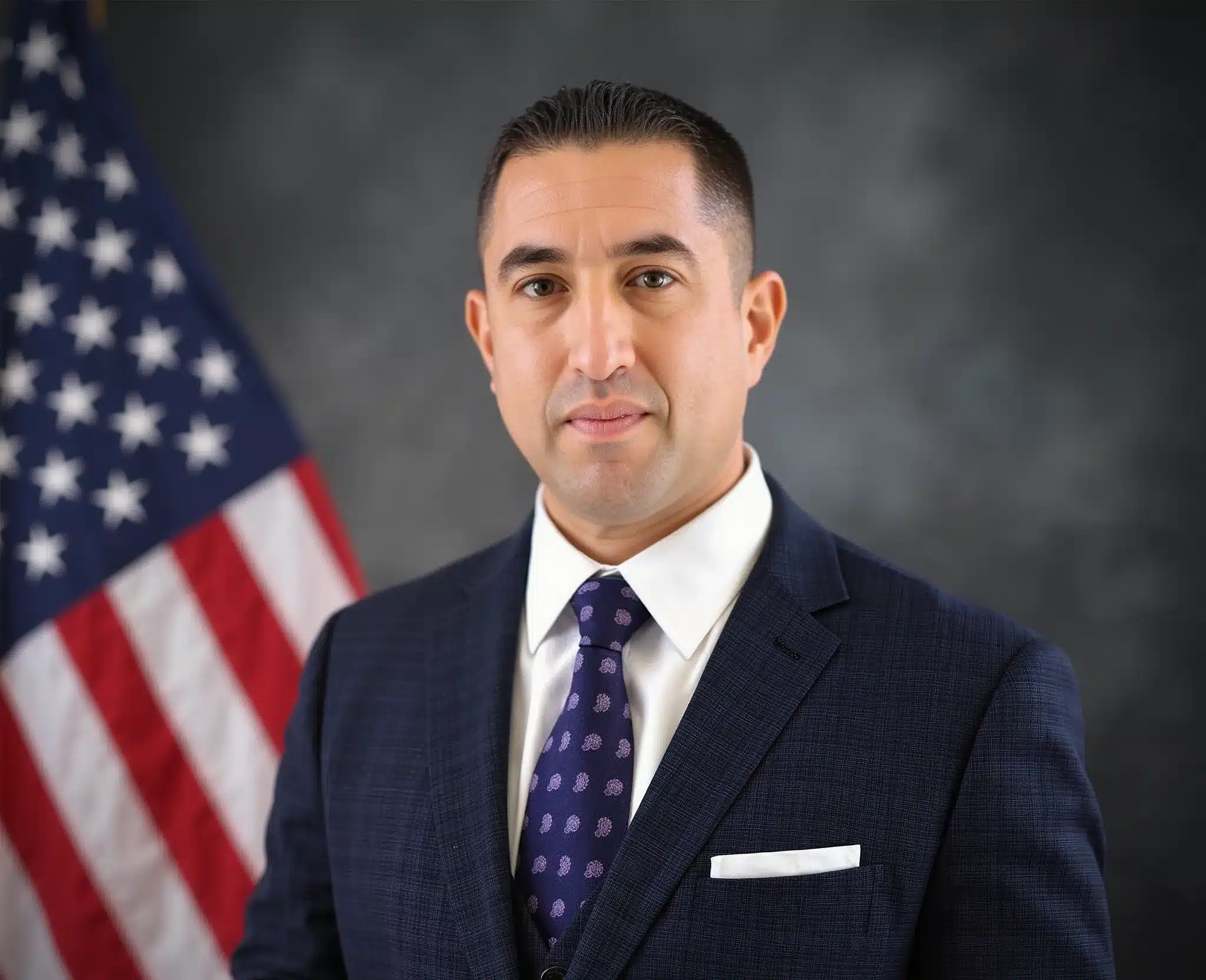
If you or a loved one has been arrested or cited for drunk in public in Kensington, you do not have to face the process alone. The Law Office of Nabiel C. Ahmed is a criminal defense firm that represents people throughout Contra Costa and Alameda Counties, including Kensington. We are committed to listening carefully to your story, reviewing the evidence, and explaining your options in clear language. From the moment you contact our office at 510-271-0010, our goal is to guide you through each step, reduce uncertainty, and work toward the best achievable outcome for your particular situation.
Choosing a law firm to handle your Kensington drunk in public case is an important decision. The Law Office of Nabiel C. Ahmed focuses on criminal defense and works daily in courts across Contra Costa and Alameda Counties. We understand how local prosecutors approach public intoxication charges and what arguments tend to resonate with judges. Our approach is hands‑on and client‑focused, meaning we take time to learn about your background, goals, and concerns before recommending a course of action. This allows us to tailor a strategy that reflects both the legal realities and the personal stakes involved in your case.
Clients who hire our firm for drunk in public and related driving and drug offenses often appreciate our thorough preparation and communication. We review police reports and available video, identify potential defenses, and discuss the strengths and weaknesses of the case with you honestly. We also keep you informed about court dates, negotiations, and realistic possible outcomes. Whether the best path is seeking dismissal, diversion, or a carefully structured plea, we advocate for resolutions designed to protect your record, employment, and future plans. Our goal is to give you the confidence that someone is actively working to safeguard your rights.
When you contact the Law Office of Nabiel C. Ahmed about a Kensington drunk in public charge, we begin by listening. We discuss what happened, review your citation or paperwork, and answer initial questions about the court process. From there, we obtain police reports and other discovery, evaluate the evidence under California law, and assess potential defenses or diversion options. Throughout the case, we keep you informed about developments, negotiate with the prosecutor on your behalf, and prepare for hearings or trial when necessary. Our process is designed to reduce stress, clarify your choices, and pursue the best available outcome under the circumstances.
The first step in handling a Kensington drunk in public matter is a thorough consultation and case review. During this phase, we gather details about the incident, including where it occurred, who was present, and how law enforcement became involved. We also examine your citation, prior record, and any concerns about work, school, or immigration. This information helps us identify immediate issues, such as upcoming court dates or potential evidence that needs to be preserved quickly. By the end of this step, you should have a clearer understanding of the charges, possible penalties, and general strategies that may be available in your situation.
Our process begins with careful listening. We want to know what you remember about the events in Kensington, how much you had to drink, whether any drugs or medications were involved, and how officers treated you. We also ask about your personal background, employment, schooling, and family responsibilities, since these factors often influence what kind of outcome will work best for you. Creating a comfortable space for you to talk openly helps us spot strengths in your case and potential concerns early. This step sets the foundation for a defense strategy that reflects both the facts and what matters most in your life.
After hearing your account, we review your citation, booking sheet, and any release documents line by line. These papers often contain important information about the charges, the alleged time and location of the offense, and your first court appearance in Contra Costa County. We make sure that deadlines are clearly understood and that there is a plan in place to address them. At this stage, we may also advise you on practical steps, such as avoiding certain locations, seeking treatment if appropriate, or gathering character letters. Early organization helps prevent missed appearances and demonstrates responsibility when we begin discussions with the prosecutor or court.
The second step in our approach to Kensington drunk in public cases is focused investigation. We request police reports, body‑worn camera footage, and any available 911 recordings from the prosecution. When appropriate, we also gather surveillance video from nearby businesses, speak with witnesses, and review any photos or messages you can provide. This evidence helps us understand how the incident unfolded and whether the legal elements of drunk in public are truly supported. Careful investigation often reveals inconsistencies or missing information, which can be used to challenge the prosecution’s version of events and strengthen our position in negotiations or at trial.
One of our priorities is obtaining and reviewing all available law enforcement materials. In Kensington drunk in public cases, this usually includes the incident report, any supplemental reports, and body‑worn camera or dash‑cam footage. We look closely at how officers describe your behavior, speech, and appearance, and we compare those descriptions with the video. Sometimes, the footage shows a calmer or more controlled situation than the written report suggests. We also check whether officers followed proper procedures when detaining and interacting with you. Identifying discrepancies can become a powerful tool when arguing for dismissal, reduction, or more favorable case resolutions.
Beyond police records, we work with you to identify witnesses who observed your condition before or during the incident in Kensington. Friends, bystanders, bar staff, or rideshare drivers may be able to confirm that you were not as impaired or disruptive as claimed. We also consider other supporting materials, such as medical records, receipts, rideshare logs, or text messages that help reconstruct the timeline. In some cases, this evidence can show that you were waiting safely for transportation or dealing with a medical issue rather than intoxication. Presenting a fuller picture helps counter a one‑sided narrative and supports more favorable outcomes in court.
The final step involves using the information gathered to guide negotiations and court proceedings. After evaluating the strength of the prosecution’s case and your personal goals, we discuss potential strategies with you, including seeking dismissal, diversion, or negotiated pleas. At arraignment and later hearings in Contra Costa County, we speak on your behalf, raise legal challenges where appropriate, and present mitigation that supports a reduced or alternative outcome. If necessary, we prepare for trial to contest the allegations directly. Throughout this phase, we keep you informed and involved, so you can make informed choices about how to resolve your Kensington drunk in public matter.
Once we understand the evidence and your priorities, we begin discussions with the prosecutor handling your Kensington drunk in public case. We may highlight weaknesses in the evidence, such as unclear video or inconsistent officer accounts, and present mitigation materials that show your positive qualities, like employment records, community involvement, or documented steps to address alcohol use. This combination of legal and personal information can open the door to diversion, amended charges, or more lenient sentencing terms. Our aim is to present you as a whole person rather than just a case file, persuading decision‑makers to consider fair and constructive solutions.
If negotiations do not lead to a resolution that makes sense for you, we prepare for contested hearings or trial. In a Kensington drunk in public case, that can include filing motions to suppress evidence, challenging the legality of the detention, or questioning whether the prosecution has met each element of Penal Code 647(f). We review testimony, develop cross‑examination questions for officers and witnesses, and work with you so you know what to expect in court. Even when a case ultimately resolves short of trial, readiness to litigate can strengthen your position and encourage more reasonable offers from the prosecution.
In California, drunk in public under Penal Code 647(f) is usually charged as a misdemeanor. In Kensington, potential penalties can include fines, probation, community service, mandatory classes, and in some cases short jail time, depending on your record and the facts of the incident. While a first‑time offense may not lead to significant custody for many people, courts still treat these cases seriously, especially when public safety concerns are alleged. The exact penalty range and likelihood of jail depend on factors like prior convictions, level of alleged impairment, and any claims of resistance or property damage. Beyond the immediate penalties, a misdemeanor conviction can have ongoing consequences. A Kensington drunk in public conviction may appear on background checks, raising questions for employers, landlords, and schools. It can also affect immigration matters or professional and occupational licensing in certain fields. Because of these potential long‑term effects, many people choose to work with a criminal defense attorney to explore options to avoid a conviction, seek diversion, or negotiate terms that limit the impact on their record. Understanding the full picture of possible outcomes is essential before entering any plea.
Yes, a drunk in public conviction in Kensington will typically go on your criminal record as a misdemeanor unless the case is dismissed or an alternative resolution is reached. This means that it may appear on background checks used by employers, landlords, licensing agencies, and sometimes educational institutions. While some entities focus more on serious or recent offenses, others may pay attention to any criminal history, especially if a position involves public trust, driving responsibilities, or contact with vulnerable populations. The visibility and impact of the conviction can vary, but it is not something that automatically disappears on its own. There are, however, options to limit the long‑term effect. In some situations, your attorney may be able to negotiate a dismissal, diversion, or an amended charge that is less damaging. After a period of time and successful completion of probation, you may also be eligible to seek relief such as expungement under California law, which can help when applying for many types of jobs. Talking with a defense lawyer familiar with Kensington courts can help you understand the realistic options in your case and plan ahead to protect your record as much as possible.
In many Kensington cases, a drunk in public charge can be dismissed or reduced, depending on the facts, your record, and local prosecutorial policies. Dismissals may occur when there are serious evidentiary issues, such as unclear video, inconsistent officer statements, or doubts about whether the location was truly public. Sometimes, your lawyer may negotiate a reduction to a different offense or an agreement that allows dismissal after completion of conditions like classes or community service. The strength of the available defenses and your willingness to follow through on court‑ordered terms often play significant roles in what can be achieved. Diversion is another potential avenue for resolving drunk in public charges for eligible individuals. In a diversion arrangement, the case may be paused while you complete certain requirements, and then dismissed if you successfully meet them. Not all cases or defendants qualify, and availability can vary over time and by courthouse. A criminal defense firm familiar with Kensington, Contra Costa County practices can review your situation and discuss which strategies are realistic. The key is to address the case proactively rather than simply pleading guilty without exploring these alternative options.
Whether you must personally appear in court for a Kensington drunk in public citation depends on several factors, including how the charge is filed, the court’s rules, and whether you have hired an attorney. In many misdemeanor cases, a lawyer can appear on your behalf for certain hearings, especially the early ones, which can reduce the disruption to your work and family life. However, there may be specific dates, such as a plea or sentencing, where your presence is required. Failing to appear when required can result in a warrant and additional charges, so it is important to know your obligations. When you retain counsel, one of the first benefits is having someone who can clarify which hearings you must attend and which can be handled without you. Your attorney can also help you understand what to expect during each appearance, including how to dress, when to arrive, and how long the hearing might last. For Kensington residents or visitors who live outside Contra Costa County, this guidance can be especially valuable, as travel and scheduling can be challenging. Clear communication with your lawyer helps ensure that no court dates are missed and that your rights remain protected.
If you were waiting for a rideshare when arrested for drunk in public in Kensington, that fact can be very important for your defense. Choosing not to drive after drinking is generally responsible behavior, and courts often view that decision more favorably than someone who gets behind the wheel. The key issue in a 647(f) case is not simply that you had been drinking, but whether you were in a public place and so impaired that you could not care for your safety or were obstructing public ways. Demonstrating that you had arranged safe transportation can help show that you were acting prudently. Your attorney may gather records from the rideshare company, such as trip logs or time‑stamped screenshots, to support your account. Witnesses who saw you waiting calmly, without causing a disturbance, can also be helpful. In some Kensington cases, this information can persuade prosecutors to reduce or dismiss charges, especially when combined with a clean record and responsible follow‑up actions. It is important to share all details about your efforts to get home safely with your lawyer so they can present the strongest possible picture to the court.
You can be charged with drunk in public in Kensington only if the prosecution can show that you were in a “public place” as interpreted under California law. Generally, this includes areas open to the public, such as sidewalks, streets, parks, and many business interiors. Being on clearly private property, like inside your home or in a fenced private yard, usually does not qualify. However, some spaces that feel private may still be treated as public if they are open or easily accessible to others, such as shared driveways, apartment complex common areas, or unfenced front yards. If your case involves questions about whether you were actually in a public place, that can become a central issue in your defense. Your lawyer may use photos, diagrams, or witness testimony to explain the layout and access to the location in Kensington where the incident occurred. Courts sometimes differ on how they interpret borderline spaces, so this is not always straightforward. A careful legal analysis can reveal arguments that the location does not meet the statutory definition, which can support motions to dismiss or give your attorney leverage in negotiating a more favorable resolution with the prosecutor.
A drunk in public case can have significant effects on immigration or professional licensing, depending on the specific facts and your background. For non‑citizens in Kensington, even a misdemeanor may raise questions in immigration proceedings or applications, particularly if there are allegations involving drugs or repeated alcohol‑related incidents. While a single 647(f) conviction may not automatically trigger removal, it can contribute to a broader pattern that immigration authorities consider. Consulting both a criminal defense lawyer and, when appropriate, an immigration attorney is wise when these issues overlap. Professional and occupational licensing boards also often review criminal history when considering applications or disciplinary actions. Fields such as healthcare, education, finance, and law enforcement may pay close attention to alcohol‑related conduct. The outcome of your Kensington drunk in public case, including the specific plea and any later relief like expungement, can influence how licensing bodies respond. A defense lawyer who understands these collateral consequences can help you pursue resolutions that reduce the risk, such as amended charges, diversion, or later record relief options. It is important to discuss your career plans early so they can be factored into the defense strategy.
Immediately after a drunk in public arrest in Kensington, your priorities should be safety, understanding your paperwork, and protecting your legal rights. Once you are released, carefully review any citation or documents you received for your charges and court date. Avoid discussing the details of the incident with anyone other than your lawyer, and do not post about it on social media. Writing down your recollection while it is fresh, including where you were, who was present, and how officers behaved, can be extremely helpful later. Preserving any photos, videos, or messages related to the night is also important. Next, contact a criminal defense law firm serving Kensington to review your situation. An attorney can explain the legal process, potential penalties, and strategies tailored to your circumstances. They can also reach out to the court and prosecutor on your behalf, request police reports and video, and begin building a defense. If you believe you have medical or mental health conditions that played a role in the incident, gather relevant records and share that information with your lawyer. Taking prompt, organized steps in the days after the arrest often leads to better outcomes than waiting until the last minute.
The length of a Kensington drunk in public case can vary, but many misdemeanor matters resolve within a few months, depending on the court’s schedule and whether contested hearings are needed. Some cases may conclude quickly at an early pretrial conference if the evidence is straightforward and a fair resolution can be reached. Others take longer because your attorney needs time to obtain and review body‑worn camera footage, locate witnesses, or file motions challenging aspects of the case. Court backlogs and scheduling conflicts can also add time, particularly in busy Contra Costa County calendars. While it can be stressful to have a case pending, sometimes taking additional time leads to better results. A careful defense may uncover weaknesses in the prosecution’s evidence or identify alternative resolutions, such as diversion, that were not initially offered. Your lawyer should keep you informed about the timeline, explain the purpose of each hearing, and help you plan around court dates. Understanding that the process can take several months helps manage expectations and allows you to focus on constructive steps that may support a more favorable outcome in your Kensington drunk in public matter.
Hiring a criminal defense law firm for a drunk in public charge in Kensington is valuable because these cases involve more than just paying a fine. There are legal standards the prosecution must meet, such as proving that you were in a public place and so impaired that you could not care for yourself or others. A lawyer can scrutinize the evidence, detect constitutional issues, and determine whether the facts truly support those elements. They can also identify diversion or alternative resolutions you might not know about, potentially avoiding a conviction on your record. Beyond the legal analysis, a defense firm provides guidance and support through an unfamiliar system. They can appear in court on your behalf when allowed, negotiate with the prosecutor, and explain each step in clear language. For Kensington residents, visitors, and students, this can reduce disruption to work, school, and family life. A thoughtful defense strategy considers not just the immediate case but also long‑term impacts on employment, housing, and immigration. Working with a firm that regularly handles criminal matters in Contra Costa and Alameda Counties helps ensure your rights and future opportunities receive careful attention.
"*" indicates required fields