
Facing a drug possession or sales charge in Kensington can turn your life upside down in an instant. You may be worried about jail time, a permanent record, losing your license, or how this case could affect your work and family. The Law Office of Nabiel C. Ahmed focuses on defending people across Contra Costa and Alameda Counties who are dealing with these stressful allegations. This page explains how California drug laws apply, what to expect in court, and how a strong defense strategy can help protect your future.
Whether your arrest happened during a traffic stop on Arlington Avenue, a search of your vehicle, or an investigation tied to alleged sales, you deserve a clear explanation of your rights. Drug possession and sales cases in Kensington often involve complicated issues like search and seizure, probation terms, and immigration or professional licensing consequences. Our firm works closely with clients to understand their goals, evaluate the evidence, and pursue smart legal options. With careful preparation and strategic advocacy, you can work toward damage control and a path forward.
Drug possession and sales charges in Kensington carry serious penalties, including possible incarceration, fines, probation, and long-term collateral consequences. A conviction can affect employment, housing opportunities, schooling, and even professional or driver’s licenses. Having a law firm that understands local Contra Costa County courts and California drug laws can make a meaningful difference in how your case is handled. Careful review of police conduct, lab reports, and witness statements may open the door to reduced charges, diversion programs, or dismissals. Focused, diligent representation aims to protect your record and help you move on with your life.
The Law Office of Nabiel C. Ahmed is a criminal defense law firm serving clients throughout Kensington, Contra Costa County, and neighboring Alameda County. Over many years, the firm has represented people accused of a wide range of driving and drug offenses, including simple possession, possession for sale, transportation, and sales cases. The practice is familiar with local court procedures, plea bargaining dynamics, and diversion options that may be available under California law. Clients receive direct communication, careful case review, and guidance that is tailored to the facts of their situation, with a consistent focus on minimizing long-term harm.
California drug laws are complex, and Kensington drug possession or sales cases often turn on small details that may not be obvious at first. Prosecutors can file charges based on the type of substance, the amount, how it was packaged, and any statements made to law enforcement. The difference between a simple possession charge and possession for sale can change the potential penalties dramatically. In addition, the way police obtained the drugs—during a traffic stop, vehicle search, or home search—is often a central issue. Challenging unlawful searches can sometimes lead to evidence being suppressed or charges reduced.
Driving and drug offenses in Kensington frequently involve layered allegations, such as driving under the influence of drugs combined with possession or alleged sales. This can raise questions about field sobriety tests, chemical testing, and the legality of the stop itself. Even if the evidence seems overwhelming, there may be options such as diversion, treatment-based resolutions, or plea agreements that avoid a felony conviction. Understanding how local judges and prosecutors handle these cases helps shape a defense plan that aims to protect your freedom, preserve your record, and support long-term stability in your personal and professional life.
Drug possession in Kensington generally involves having a controlled substance on your person, in your vehicle, or in a place you control, while knowing about the substance and its presence. Sales and possession for sale involve allegations that you intended to sell or distribute the drugs, which prosecutors may try to prove through packaging, scales, cash, or text messages. California distinguishes between personal use and sales, and certain substances or larger quantities can trigger harsher consequences. Understanding these legal definitions is important because the charges filed, and the potential defenses, depend heavily on how prosecutors interpret the facts.
Most Kensington drug possession and sales cases revolve around several key elements: whether you possessed the substance, whether you knew about it, whether there was intent to sell, and whether police followed the law when they found it. The process typically begins with an arrest or citation, followed by an arraignment where charges are formally read and pleas entered. After that, there may be pretrial hearings, motion practice to challenge the evidence, negotiations with prosecutors, and potentially a trial. Throughout this process, strategic decisions—such as when to file motions or pursue treatment-based options—can influence the outcome.
Drug possession and sales cases use technical language that can be confusing if you are unfamiliar with California criminal law. Police reports may reference probable cause, constructive possession, and controlled substances, while prosecutors talk about enhancements, priors, and diversion eligibility. Understanding the meaning of these terms helps you make informed choices about your case. This short glossary explains several concepts frequently seen in Kensington drug cases so you can follow what is happening in court, ask focused questions, and participate meaningfully in decisions about negotiations, motions, or taking your case to trial.
A controlled substance is any drug or chemical whose manufacture, possession, or use is regulated by law. In Kensington drug cases, this can include substances such as cocaine, methamphetamine, heroin, prescription medications without a valid prescription, and certain other regulated drugs. California’s schedules classify substances into different categories, and the schedule, type, and amount of a controlled substance can affect whether a charge is filed as a misdemeanor or felony. Understanding whether the substance in your case is listed, and in what schedule, is important because it shapes potential penalties and available resolution options.
Possession for sale is a charge alleging that someone held drugs with the intention of selling or distributing them, rather than simply using them personally. Prosecutors in Kensington may point to the way the drugs were packaged, the presence of scales, baggies, large amounts of cash, or communications that suggest transactions. Importantly, the prosecution does not need to prove that a sale actually occurred, only that the intent to sell existed. Challenging this intent element can be a powerful defense strategy, especially when the quantity is consistent with personal use or there are innocent explanations for items found.
Constructive possession means you can be charged with possessing drugs even when they are not found in your pocket or directly on your person. In Kensington, this often arises when drugs are discovered in a shared vehicle, a home, or another location that several people can access. Prosecutors must show that you had the right to control the place where the drugs were found and that you knew they were there. Defenses may focus on lack of knowledge, shared access, or the presence of other individuals who may have had equal or greater control over the area.
Search and seizure refers to the actions law enforcement officers take when they stop, search, and seize property, including drugs, during an investigation. In Kensington drug possession and sales cases, this often involves traffic stops, vehicle searches, pat-downs, and home entries. Officers must comply with constitutional protections, including having reasonable suspicion, probable cause, or valid warrants when required. If police overstep these limits, it may be possible to file motions to suppress the evidence they obtained. Successful challenges to search and seizure can significantly weaken the prosecution’s case and influence negotiations or trial outcomes.
When facing a drug possession or sales charge in Kensington, you may have several potential legal paths. Some people focus on pursuing a quick plea to move on, while others want to challenge the evidence, seek diversion, or fight the case at trial. Each route carries different risks and benefits, depending on your record, immigration status, employment, and the strength of the prosecution’s evidence. Carefully weighing these options, with an eye toward long-term consequences, helps you choose an approach that aims to preserve your freedom, protect your record, and maintain stability in your life.
In some Kensington cases, a limited approach may make sense, particularly when the charge involves small amounts of drugs, minimal prior history, and strong personal circumstances favoring leniency. For example, a first-time possession case with clear signs of personal use and no aggravating factors may be suitable for prompt negotiation toward diversion or reduced charges. In these situations, extensive litigation might not be necessary, and a focused plan to demonstrate rehabilitation, community support, and stability can go a long way. The goal is to resolve the case efficiently while limiting long-term damage.
Sometimes the evidence in a Kensington drug possession or sales case is very strong, but the prosecution is willing to offer a resolution that protects your record or minimizes custody time. When a plea agreement includes reduced charges, diversion, or other benefits that fit your priorities, a limited approach focused on negotiation rather than extensive motion practice can be appropriate. In these circumstances, assembling a mitigation package, letters of support, and proof of treatment or employment can be more productive than lengthy litigation. The emphasis is on practical, results-oriented advocacy tailored to available opportunities.
When Kensington charges involve alleged sales, possession for sale, or significant quantities of drugs, the stakes become much higher. Potential felony convictions, jail or prison exposure, and long-term supervision can change the course of your life. In these cases, a comprehensive defense strategy is important, including aggressive review of police reports, body camera footage, lab analysis, and digital evidence such as text messages. Motions to suppress, investigative work, and consultation with professional evaluators may all play a role in challenging the prosecution’s case and building leverage for a better resolution or trial.
For some Kensington residents, the most serious impact of a drug conviction is not just the immediate sentence, but the ripple effects on immigration status, professional licensing, government benefits, or career paths. Noncitizens, healthcare workers, teachers, and others may face consequences that outlast probation. In these situations, a comprehensive approach is important to evaluate alternative pleas, diversion programs, or record-protective resolutions. The defense strategy should consider how different outcomes affect your future, not just the short-term penalty, and work toward solutions that reduce the long-lasting damage that a drug case can cause.
A comprehensive defense approach to Kensington drug possession and sales cases looks beyond the immediate charges and considers your entire situation. By thoroughly examining police conduct, the legality of searches, the reliability of lab testing, and the accuracy of witness accounts, your legal team can identify weaknesses in the prosecution’s case. This level of preparation often leads to stronger negotiation positions, potential reduction of charges, or even dismissal of key evidence. It also allows for thoughtful planning around treatment, rehabilitation, and life stability, which can favorably influence how judges and prosecutors view your case.
Another benefit of a comprehensive approach is the ability to coordinate your drug case with other concerns, such as employment, schooling, family responsibilities, and immigration issues. Rather than rushing into the first plea offered, careful planning can help you prioritize what matters most: staying out of custody, protecting your record, or maintaining eligibility for future opportunities. In Kensington, where local courts pay attention to mitigation and rehabilitation, presenting a full picture of your life can be persuasive. A broad, well-organized strategy is often the most effective way to work toward a second chance.
When your defense team takes a comprehensive approach to a Kensington drug possession or sales case, it becomes easier to spot flaws in how police handled the investigation. Careful review of the traffic stop, search, and seizure can uncover issues such as lack of reasonable suspicion, missing consent, or problems with warrants. Examining lab reports for accuracy and chain-of-custody errors may also reveal evidentiary weaknesses. By developing these challenges thoroughly, your lawyer can seek to suppress illegally obtained evidence, reduce the prosecution’s leverage, and potentially secure a more favorable outcome in negotiations or at trial.
A comprehensive strategy also helps present you in the best possible light when pursuing diversion or lenient sentencing in Kensington. Instead of simply asking for a break, your defense can offer documentation of treatment, counseling, employment, education, and community involvement. Judges and prosecutors often look for signs that you are taking the case seriously and making positive changes. By organizing a strong mitigation package and exploring all available programs under California law, your legal team can advocate for outcomes that emphasize rehabilitation over punishment, seeking to guard your future opportunities while resolving the case responsibly.

After a drug-related arrest or traffic stop in Kensington, many people feel tempted to explain themselves to officers, hoping honesty will make the situation go away. Unfortunately, these statements are often used to build the case against you. It is generally safer to provide basic identifying information only, clearly state that you wish to remain silent, and request a lawyer. Avoid discussing where the drugs came from, who they belong to, or your intended use. Protecting your right to remain silent preserves valuable defenses and limits damaging statements that might be difficult to overcome later in court.
Taking action quickly after a Kensington drug possession or sales arrest can significantly influence how your case is viewed. Contact a criminal defense law firm as soon as possible and bring any paperwork you received from the court or police. Attend all hearings on time, follow any release conditions, and consider enrolling in counseling or treatment if substance use is a concern. Judges often look favorably on people who take responsibility for their situation and show a commitment to change. Early, proactive steps can improve negotiation prospects and support a resolution focused on rehabilitation rather than harsh punishment.
If you are facing drug possession or sales charges in Kensington, you may be wondering whether hiring a criminal defense firm is truly necessary. The reality is that California drug laws and local court procedures can be confusing, and decisions you make early in the case can have lasting consequences. A law office that regularly handles driving and drug offenses can help you evaluate the strength of the evidence, explore diversion or alternative sentencing, and work to avoid outcomes that jeopardize your employment, schooling, housing, or immigration status. Thoughtful guidance can provide clarity during a difficult time.
Another reason to seek help is that drug possession and sales cases often involve complicated factual disputes, such as who actually possessed the drugs, whether they were for personal use or sale, and whether law enforcement followed proper procedures. Without informed guidance, you may miss opportunities to challenge unlawful searches, question the reliability of lab results, or present mitigation that could lead to reduced charges. Working with a dedicated criminal defense law firm serving Kensington gives you a chance to fully understand your options, avoid preventable mistakes, and push for an outcome that supports your long-term goals.
Kensington drug possession and sales cases can arise in many different situations, some of which may feel routine until they suddenly turn serious. Many cases start with a traffic stop for a minor violation, such as a broken taillight or lane change, that leads to a vehicle search. Others begin with a call from neighbors, an investigation at a residence, or surveillance based on suspected sales activity. Understanding these common patterns can help explain why charges were filed and what defenses might be available. Each scenario brings unique questions about searches, consent, and who actually controlled the drugs.
One of the most frequent paths to a Kensington drug possession or sales case is a traffic stop that escalates into a vehicle search. Officers may claim to smell marijuana, see something in plain view, or rely on a perceived admission to justify searching the car. These situations raise important legal questions: whether the stop was valid, whether you consented to the search, and whether officers exceeded the scope of any permission given. Thoroughly examining the details of the stop and search can uncover violations of your rights and support motions to limit or exclude the evidence.
Another common scenario in Kensington involves police contact at a home or apartment, sometimes triggered by noise complaints, neighbor reports, or ongoing investigations. Officers may ask to enter, claim they see something suspicious, or arrive with a warrant. When drugs are found, questions arise about who actually possessed them, whether the search was lawful, and whether the warrant was supported by reliable information. Cases involving multiple roommates or visitors are especially complex, as possession may be unclear. Carefully reviewing warrant documents, officer reports, and the layout of the property can reveal potential defenses and reasonable doubt.
Some Kensington drug cases arise from alleged street-level sales or longer-term surveillance operations, where officers claim to observe hand-to-hand transactions or rely on informants. These cases often involve debates over what was actually seen, the reliability of confidential sources, and whether there is enough evidence to prove sales rather than personal use. Video footage, phone records, and text messages may be part of the evidence, but they can also raise questions about context and interpretation. Challenging the credibility of observations and the trustworthiness of informants can be a key part of defending against sales allegations.
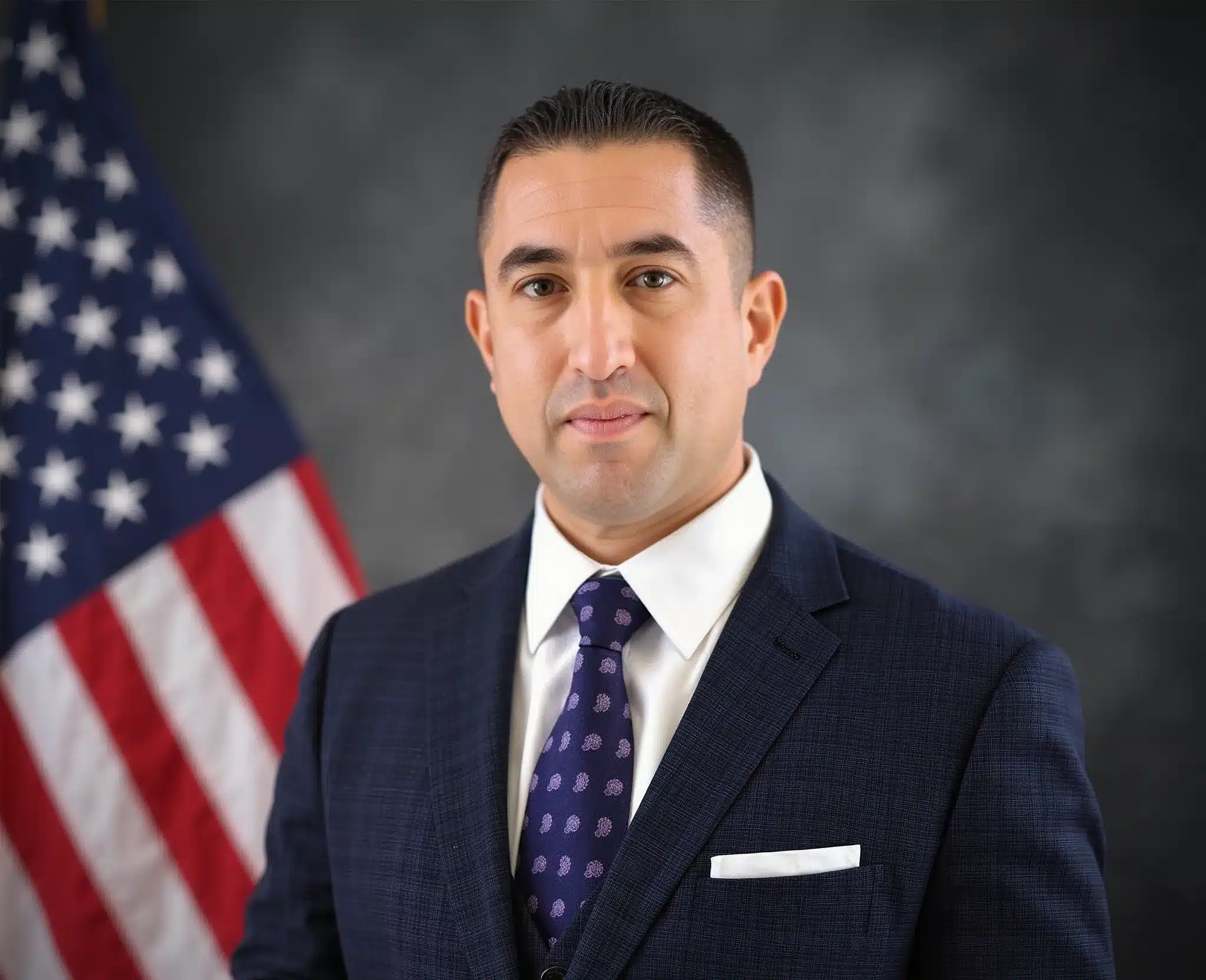
The Law Office of Nabiel C. Ahmed understands how overwhelming a drug possession or sales case can be for Kensington residents and their families. From the first call, the firm focuses on listening to your concerns, explaining the court process, and outlining practical options to protect your future. Whether your case involves a traffic stop, home search, or alleged sales, you do not have to navigate the system alone. With convenient access from Oakland and familiarity with Contra Costa County courts, the firm is prepared to stand with you at each step and pursue a resolution that supports your goals.
Choosing the right law firm to handle a Kensington drug possession or sales case can make a meaningful difference in your experience and outcome. The Law Office of Nabiel C. Ahmed is a criminal defense practice that concentrates on protecting people accused of serious offenses throughout Contra Costa and Alameda Counties. The firm is familiar with local judges, prosecutors, and diversion options, allowing for strategies that are grounded in how cases actually unfold in nearby courts. Clients receive honest guidance, straightforward communication, and representation tailored to the facts of their situation and their personal priorities.
When you work with this firm on a Kensington driving and drug offense, you can expect a careful review of your police reports, evidence, and potential defenses. The office prioritizes investigating search and seizure issues, exploring treatment-based alternatives where appropriate, and keeping you informed about each development in your case. You will have the opportunity to discuss different paths, from negotiation to litigation, with a focus on long-term consequences for work, family, and immigration. The goal is to provide dedicated advocacy that helps you move forward with as much stability and dignity as possible.
When you contact the Law Office of Nabiel C. Ahmed about a Kensington drug possession or sales charge, the firm follows a clear process designed to protect your rights and reduce uncertainty. It starts with a detailed conversation about what happened, your background, and your goals. From there, the office obtains police reports, evaluates the charges, and identifies potential weaknesses in the case. Throughout the process, you receive direct communication about court dates, negotiation options, and any recommended steps like treatment or counseling, so you can make informed decisions at every stage.
The first step in handling a Kensington drug possession or sales case is an in-depth consultation and case evaluation. During this meeting or call, you will have the opportunity to explain how the arrest occurred, what officers said and did, and what concerns you have about the future. The firm reviews any tickets or paperwork you received and begins to identify potential legal issues, such as search and seizure problems or questionable evidence. This stage sets the foundation for a defense strategy tailored to your priorities, whether that means avoiding jail, protecting your record, or both.
At the beginning of the case, the firm focuses on hearing your story in full. Many Kensington clients feel judged or misunderstood after a drug arrest, particularly when substance use or complicated personal circumstances are involved. Taking the time to understand your background, family situation, employment, and health provides important context. It also helps identify mitigation that may be persuasive to the court. You will be encouraged to ask questions, share documents, and describe your goals, so that the defense strategy reflects what truly matters to you rather than a one-size-fits-all approach.
After learning about your situation, the firm reviews the charges filed, potential sentencing ranges, and upcoming court dates. For Kensington drug possession and sales cases, this includes analyzing whether the allegations involve simple possession, possession for sale, or sales, and how your prior record, if any, might affect the case. Together, you will discuss possible paths, from seeking early diversion to preparing for litigation. The goal is to create a clear, step-by-step plan so you know what to expect at the arraignment and beyond, reducing anxiety and allowing you to focus on constructive action.
Once the initial evaluation is complete, the firm moves into the investigative and negotiation phase of your Kensington drug case. This often involves obtaining full police reports, body camera footage, audio recordings, and lab results, then scrutinizing them for inconsistencies or legal violations. When appropriate, the firm may file motions to suppress evidence, challenge probable cause, or contest other aspects of the case. At the same time, negotiations with prosecutors begin, exploring possibilities for reduced charges, diversion, or alternative sentencing that align with your priorities and the strength of the available evidence.
During this stage, the focus is on a thorough review of the evidence in your Kensington drug possession or sales case. That means carefully reading police reports, comparing them with body camera footage, and checking lab results for accuracy and proper handling. The firm looks for discrepancies between officer accounts and video, missing documentation, or signs that a search may have exceeded legal limits. By identifying these issues, your defense gains leverage to challenge the prosecution’s case, file targeted motions, and argue for outcomes that reflect the true evidentiary strength rather than assumptions.
As the evidence review progresses, the firm uses the information gathered to start meaningful discussions with the prosecution. In Kensington drug cases, this can include advocating for diversion programs, reductions from sales to simple possession, or sentencing terms that prioritize treatment over incarceration. The defense presents favorable facts about your life, such as employment, education, family responsibilities, and efforts at rehabilitation. These negotiations are guided by your goals and the risks of going to trial, with the understanding that any final decision about pleas or proceeding further rests with you.
The final stage of a Kensington drug possession or sales case is reaching a resolution, either through a negotiated plea or trial. If a plea agreement is reached, the firm will walk you through the terms, potential consequences, and any obligations such as treatment or community service. If trial becomes the best option, preparation intensifies, focusing on cross-examining officers, challenging the prosecution’s narrative, and presenting your side of the story. Throughout this stage, you will receive ongoing guidance so that each decision is informed, voluntary, and aligned with your long-term interests.
When prosecutors present plea offers in Kensington drug cases, it can be difficult to know whether to accept or push for more. The firm helps you evaluate each proposal by examining possible jail time, probation terms, fines, and collateral consequences such as immigration or licensing issues. Alternatives like diversion, deferred entry of judgment, or reductions from felony to misdemeanor may also be considered. By carefully comparing the risks of trial with the benefits of a plea, you can make a decision that balances the desire for a favorable outcome with the realities of your specific situation.
If negotiations do not produce an acceptable resolution, the case may proceed to trial in a Contra Costa County courtroom. Trial preparation in a Kensington drug possession or sales case includes identifying key witnesses, refining cross-examinations of officers, and deciding which evidence to highlight or challenge. The firm will work with you to prepare for testimony if needed, discuss potential jury reactions, and ensure you understand each phase of the trial process. Going to trial is a serious decision, but thorough preparation and clear communication can help you move forward with confidence in your chosen path.
Immediately after a drug-related arrest in Kensington, your first priority should be protecting your rights. Try to remain calm, avoid arguing with officers, and do not volunteer information beyond what is required for identification. Politely state that you wish to remain silent and want to speak with a lawyer. Anything you say can be used later, so it is generally safer to wait until you have legal guidance. If you are released, keep all paperwork you receive, including citations, property receipts, and any temporary license forms. As soon as possible, contact a criminal defense law firm that regularly handles driving and drug offenses in Contra Costa County. During your initial conversation, share details about the stop, search, and arrest. Early involvement allows your attorney to track down evidence, request body camera footage, and advise you about upcoming court dates. Acting quickly also gives you time to start addressing underlying issues, such as substance use, which can be helpful in negotiations and demonstrate to the court that you are taking the situation seriously.
Many Kensington drug possession charges can potentially be reduced to lesser offenses, depending on the facts of the case and your prior record. Prosecutors sometimes agree to amend charges when the amount of drugs is small, there is little evidence of sales activity, or there are significant issues with the search or seizure. Reductions might involve reclassifying a felony as a misdemeanor, changing a possession for sale allegation to simple possession, or agreeing to a charge that carries fewer long-term consequences. Whether reduction is realistic in your case depends on several factors, including the strength of the evidence, how local judges view similar cases, and your willingness to engage in treatment or counseling. A lawyer can review your police reports and lab results, then negotiate with the prosecution using any weaknesses or mitigating facts to seek better terms. Even if the evidence seems strong, exploring reduction options is often worthwhile because it can protect employment, immigration status, and future opportunities.
In California, simple possession usually refers to having a controlled substance for personal use, while possession for sale alleges that you intended to sell or distribute the drugs. In Kensington, prosecutors look at factors such as the quantity of the substance, how it is packaged, and whether items like scales, baggies, or large amounts of cash are present. They might also examine text messages or social media communications to argue that the drugs were not just for personal consumption. This distinction is important because possession for sale charges usually carry harsher penalties than simple possession. Defending against a possession for sale allegation often involves showing that the amount is consistent with personal use, that certain items have innocent explanations, or that the prosecution’s interpretation of the evidence is speculative. Careful analysis of the facts and creative presentation of alternative explanations can sometimes persuade prosecutors or jurors to see the case as personal use rather than commercial activity.
Whether you will lose your driver’s license after a Kensington driving and drug offense depends on the specific charges and circumstances. If your case involves driving under the influence of drugs, the Department of Motor Vehicles (DMV) may impose administrative penalties separate from the criminal court process, including license suspension. Certain drug convictions can also have licensing implications, especially when combined with other offenses or prior history. It is important to address the DMV aspect promptly, as deadlines to challenge license actions are short. Even when your case involves possession or sales without a direct driving allegation, the resolution can still affect your ability to drive in the long term. Your lawyer can advise you about how different pleas or convictions might impact your license and explore options that minimize transportation-related consequences. Sometimes, negotiating for particular types of dispositions or participating in specific programs can help preserve driving privileges or shorten suspension periods, which is especially important for work and family responsibilities.
Yes, many Kensington drug cases may qualify for diversion or treatment-oriented programs, depending on the charges, substance involved, and your prior record. California law provides several paths that can emphasize rehabilitation over punishment, such as pretrial diversion, treatment in lieu of traditional sentencing, and specialty court programs in some counties. These options can sometimes lead to dismissal of charges upon successful completion, which can greatly improve your long-term outlook and reduce the impact on employment and housing. Eligibility requirements vary, and prosecutors and judges have discretion in deciding whether to offer or approve diversion. Factors like the seriousness of the offense, evidence of sales, and prior convictions all play a role. A lawyer familiar with Contra Costa County practices can assess which programs you might qualify for and advocate for your participation. Demonstrating a genuine commitment to treatment, counseling, or other supportive services can strengthen your case for diversion and show the court that you are working toward lasting change.
Illegal search and seizure issues can dramatically affect a Kensington drug possession or sales case. The Constitution requires that law enforcement officers have lawful grounds to stop, detain, and search individuals or property. If officers lacked reasonable suspicion or probable cause, exceeded the scope of a warrant, or coerced consent, the evidence they obtained may be challenged in court. A successful motion to suppress can result in key evidence being excluded, which may weaken the prosecution’s case and sometimes lead to dismissal of charges. Evaluating search and seizure begins with a careful review of the facts: why the stop occurred, what officers observed, whether they requested consent, and how the search unfolded. Body camera footage, dispatch logs, and witness statements often play important roles. Your lawyer can analyze these materials to identify constitutional violations and decide whether to file motions. Even if the entire case is not dismissed, suppression of certain evidence can shorten sentences, reduce charges, or increase the likelihood of a favorable plea agreement.
The first court date in a Kensington drug case, called the arraignment, is where you are formally advised of the charges and your rights. The judge will ask whether you understand the allegations and will typically request a plea of guilty, not guilty, or no contest. In most cases, it is wise to enter a not guilty plea at this stage so there is time to review the evidence, investigate search issues, and explore negotiation or diversion options. Bail or release conditions may also be addressed at the arraignment. Arraignment is not usually the time to present your whole defense or argue about the specific facts of the case. Instead, it is the starting point for the legal process. After this hearing, your lawyer can obtain police reports, lab results, and other materials, then begin building a strategy tailored to your situation. Knowing what to expect at arraignment can reduce anxiety and help you focus on practical steps, such as complying with any court orders and documenting details about the incident.
In many situations, a Kensington drug conviction can eventually be reduced or dismissed from public view through a process commonly referred to as expungement, though the technical rules vary. California law allows some individuals who successfully complete probation or meet other requirements to petition the court to withdraw their plea and have the case dismissed. While this does not erase the record entirely, it often improves employment prospects and helps demonstrate rehabilitation to future decision-makers. Eligibility for post-conviction relief depends on factors like the type of offense, whether you served prison time, and your record since the conviction. Certain drug offenses are more likely to qualify, especially when resolved as misdemeanors. Because the law does change, it is wise to discuss your specific history with a lawyer who can review your case and explain what relief may be available. Planning for record cleanup at the outset of your Kensington case can also influence how you approach pleas and sentencing.
Prior convictions can significantly influence how a new Kensington drug possession or sales case is charged and resolved. Prosecutors may be less willing to offer generous plea deals or diversion when there is a history of similar offenses, and certain enhancements under California law can increase potential penalties. Repeat offenses may also change how judges view requests for lenient sentences, particularly if prior opportunities such as diversion or probation did not lead to lasting change. That said, prior convictions do not automatically determine the outcome. A skilled defense involves showing what has changed in your life since earlier cases, such as employment, family responsibilities, or treatment efforts. Sometimes, it may be possible to challenge the validity of old convictions or clarify that they do not qualify for certain enhancements. Understanding exactly how your record will be used in court helps shape realistic goals and focused strategies to mitigate its impact, even when the past cannot be fully erased.
You should contact a lawyer as soon as you know you are under investigation or have been arrested for a Kensington drug possession or sales charge. Early legal guidance can help you avoid harmful statements, protect your rights during questioning, and meet important deadlines, such as DMV hearings in driving cases. Waiting until just before your first court date can limit your options and leave less time to gather helpful evidence, like surveillance footage, witness contact information, or documentation of treatment efforts. Even if you are not sure whether charges will be filed, speaking with a criminal defense firm can provide peace of mind and a clear plan. The lawyer can explain what to expect from the Contra Costa County court system, answer your questions about potential penalties, and suggest steps to strengthen your position. Taking action sooner rather than later often leads to better outcomes and reduces the stress and uncertainty that come with facing a serious drug allegation in Kensington.
"*" indicates required fields