
Facing a resisting arrest charge in East Richmond Heights can be overwhelming, especially when the incident unfolded quickly and emotions were running high. A single encounter with law enforcement can lead to criminal allegations that put your record, freedom, and future opportunities at risk. At the Law Office of Nabiel C. Ahmed, our criminal defense team understands how these cases develop, how prosecutors tend to build them, and how juries often view police reports. This page explains resisting arrest charges in California and how our Oakland-based firm helps clients throughout Contra Costa County.
Many people charged with resisting arrest were originally contacted by police for something minor, only to see the situation escalate unexpectedly. What may have felt like confusion, fear, or self‑protection in the moment can later be framed as intentional resistance, obstruction, or delay. In East Richmond Heights courts, judges and prosecutors take these allegations seriously, especially when paired with other theft or related offenses. Our goal is to help you understand what you are facing, protect your constitutional rights at every stage, and pursue a result that keeps your life on track.
Resisting arrest charges in California can have lasting consequences, including jail time, probation terms that restrict your movement, steep fines, and a criminal record that can affect work and housing. In East Richmond Heights and the greater Contra Costa County area, prosecutors often view these cases as a challenge to law enforcement authority, which can lead to aggressive courtroom strategies. Having a focused criminal defense team on your side brings structure to a stressful situation. We analyze body‑worn camera footage, police reports, and witness statements, looking for inconsistencies and legal issues that may support dismissal, reduction of charges, or favorable plea negotiations.
The Law Office of Nabiel C. Ahmed is an Oakland-based criminal defense law firm serving people across Contra Costa and Alameda Counties, including East Richmond Heights. Over many years, our firm has handled a wide range of resisting arrest and related theft or obstruction charges, from misdemeanor Penal Code 148(a)(1) cases to more serious allegations involving force or alleged injury. We understand how local judges and prosecutors approach these files and what kinds of arguments resonate in nearby courthouses. Our practice is built around careful investigation, clear communication with clients, and strategic advocacy at every phase of the criminal process.
In California, resisting arrest is usually charged under Penal Code section 148(a)(1), which focuses on willfully resisting, delaying, or obstructing a peace officer or emergency medical technician performing their duties. In East Richmond Heights, these allegations often arise out of street encounters, traffic stops, or investigations related to theft and other crimes. Many people are surprised to learn that physical force is not always required; prosecutors may rely on accusations of verbal interference, pulling away, or simply not complying quickly enough. Understanding how the law is worded and how courts interpret that language is an important first step toward building a defense.
Context matters in resisting arrest cases. Officers may claim they clearly identified themselves, gave lawful commands, and faced intentional resistance, while a person accused may recall confusion, fear, or difficulty understanding what was happening. In some East Richmond Heights cases, body‑worn camera footage or bystander video paints a more complicated picture than the initial report suggests. The law also requires that the officer be lawfully performing their duties, which opens the door to challenges based on unlawful stops, excessive force, or constitutional violations. By examining the full story, your defense can highlight the human factors behind the encounter.
Resisting arrest in California generally means willfully resisting, delaying, or obstructing a peace officer or EMT who is lawfully performing their duties. The prosecution in East Richmond Heights must prove several elements, including that the officer was engaged in their duties, that you knew or reasonably should have known they were an officer, and that your actions were intentional and not accidental. Something as simple as tensing your arms, pulling away, or refusing to provide your hands for handcuffing may be described as resistance. A key part of any defense is showing what actually happened, why it happened, and whether the legal elements are truly met.
Resisting arrest charges move through several stages in the East Richmond Heights area, usually beginning with the arrest, booking, and a decision by the district attorney to file formal charges. The key elements include the officer’s lawful performance of duties, your awareness of their status, and an intentional act of resistance, delay, or obstruction. After charges are filed, your case proceeds through arraignment, pretrial conferences, motion hearings, and potentially trial. At each step, there are opportunities to challenge evidence, negotiate reductions, or seek dismissal. A thoughtful defense strategy focuses on both the legal issues and the practical realities of the local court system.
Resisting arrest cases in East Richmond Heights often involve legal terms that can feel unfamiliar or intimidating. Understanding these concepts makes it easier to follow what is happening in court and to make informed decisions about your case. Common phrases include references to probable cause, lawful performance of duties, and willful conduct, as well as terms describing potential outcomes such as dismissal, diversion, or probation. By breaking this language down into plain English, our firm helps clients see where the prosecution’s case may be vulnerable and what paths exist toward protecting their record and their future.
Probable cause is the legal standard officers must meet before making an arrest or conducting certain searches. In resisting arrest cases in East Richmond Heights, the underlying detention or arrest must be supported by specific facts that would lead a reasonable person to believe a crime was committed. If probable cause is weak or missing, any resulting resisting arrest charge may be subject to challenge. Attacking probable cause can lead to suppression of evidence or dismissal, especially when body‑worn camera footage or witness statements contradict the officer’s explanation for the initial stop or continued detention.
Lawful performance of duties refers to an officer acting within legal boundaries while carrying out their job. For a resisting arrest conviction in California, prosecutors must show that the officer in East Richmond Heights was acting lawfully at the time of the alleged resistance. If the officer used excessive force, detained you without proper justification, or violated constitutional protections, this element may not be satisfied. Demonstrating that an officer stepped outside the law can significantly weaken the prosecution’s case and may support motions to dismiss or to reduce the severity of the charges you are facing.
Willful conduct means that you acted on purpose, not by accident or mistake. In resisting arrest cases, prosecutors in East Richmond Heights must prove that any resistance, delay, or obstruction was intentional. This can become a central issue when a person was confused, frightened, or reacting instinctively to physical discomfort. Evidence of misunderstanding, language barriers, medical issues, or panic can counter the claim that your actions were willful. Showing that any non‑compliance was unintentional may open avenues for negotiation, reduction of charges, or acquittal at trial, depending on the full set of facts.
Diversion is a process where a defendant agrees to meet certain conditions—such as classes, counseling, or community service—in exchange for a dismissal or reduction of charges. In some East Richmond Heights resisting arrest cases, diversion programs may be available depending on your record, the facts of the encounter, and the policies of the Contra Costa County courts. Diversion aims to address underlying issues while avoiding a long‑term criminal conviction. A careful review of your background and the case details can help determine whether diversion is a realistic option and how best to present your case to the prosecutor.
When facing a resisting arrest accusation in East Richmond Heights, you have several possible paths, ranging from quickly resolving the case with minimal court appearances to mounting a full defense through motions and trial. Some people choose a limited approach focused on securing the earliest possible plea agreement, while others pursue a comprehensive strategy that challenges every aspect of the prosecution’s case. The right approach depends on your goals, immigration or employment concerns, prior record, and the strength of the evidence. Our firm works with you to compare these options and to select a path that protects your priorities.
In some East Richmond Heights resisting arrest cases, the allegations are relatively minor and there is strong information in your favor, such as no prior record, steady employment, and supportive character references. When the evidence clearly shows some level of non‑compliance but not aggressive behavior, a limited defense approach may focus on negotiating reduced charges or informal diversion. This strategy emphasizes presenting you as a whole person, highlighting your positive history and the unusual circumstances of the incident, which may persuade prosecutors and judges to consider outcomes that avoid harsh penalties.
If body‑worn camera footage from an East Richmond Heights officer clearly shows conduct that a jury is likely to view as resistance, pursuing lengthy litigation may not always be in your best interest. In those situations, a limited approach can center on quickly gathering mitigation materials, assessing immigration or licensing concerns, and using that information to negotiate the best available plea. While every client has the right to a trial, some prefer to avoid the stress, cost, and uncertainty by prioritizing a predictable resolution that minimizes jail exposure and long‑term consequences.
A comprehensive defense is often appropriate when there are significant disputes about what happened during the East Richmond Heights encounter, especially if you believe the officer used unnecessary force or exaggerated your actions. In such cases, our firm may file motions requesting body‑worn camera footage, internal records, and additional evidence that sheds light on the officer’s behavior and credibility. By carefully reviewing statements, timelines, and physical evidence, we look for inconsistencies and legal violations that can support suppression of evidence, impeachment at trial, or outright dismissal of the resisting arrest charge.
For some East Richmond Heights residents, a resisting arrest conviction could threaten immigration status, professional licensing, or employment in sensitive fields. When the stakes are this high, a comprehensive defense strategy becomes especially important. This approach may include early consultation with immigration or licensing counsel, detailed investigation of the incident, and robust motion practice. The goal is to explore every pathway that might avoid a damaging conviction, reduce the offense level, or secure an outcome that limits long‑term consequences. We tailor the strategy to your specific life circumstances and long‑range goals.
A comprehensive defense in a resisting arrest case does more than react to the charges; it actively shapes the narrative that reaches the court in East Richmond Heights. By gathering video evidence, interviewing witnesses, reviewing dispatch logs, and analyzing officer reports line by line, your legal team can uncover details that might otherwise be overlooked. This thorough review often reveals legal and factual defenses, such as unlawful detention, miscommunication, or minimal conduct that does not actually meet the statutory definition of resistance. The result is a stronger position for negotiation and, if necessary, trial.
Taking a broad view of your situation also allows us to address long‑term concerns, including background checks, immigration issues, and professional goals. A comprehensive approach in East Richmond Heights looks beyond the immediate court date to consider how today’s decisions may affect you years from now. By weighing possible outcomes, such as diversion, amended charges, or plea structures that protect future opportunities, we work to secure resolutions that align with your priorities. This level of planning can make a meaningful difference in how a resisting arrest case impacts your life moving forward.
When prosecutors in Contra Costa County see that your defense has carefully reviewed evidence, identified legal issues, and is prepared to litigate, they often take settlement discussions more seriously. A comprehensive approach signals that your team is ready to challenge questionable statements, highlight favorable footage, and present credible witnesses. This can lead to better offers, such as reduced charges, informal diversion, or agreements that minimize custody time. By laying the groundwork early, your defense can shift negotiations away from assumptions based solely on the initial police report and toward a more balanced view of the incident.
Resisting arrest allegations can leave you feeling powerless, especially if you believe the report does not accurately reflect what happened in East Richmond Heights. A comprehensive approach helps restore a sense of control by keeping you informed about each step, explaining your options in plain language, and involving you in strategic decisions. Understanding the strengths and weaknesses of both sides, as well as the possible outcomes, allows you to make decisions based on knowledge rather than fear. This collaborative process often reduces anxiety and leads to choices that feel more aligned with your values and long‑term plans.


Memories fade quickly after a stressful encounter with law enforcement, so it helps to write down everything you remember as soon as possible. For East Richmond Heights incidents, include the location, time of day, names or badge numbers of officers if known, and what was said on both sides. Note any witnesses, nearby cameras, or physical marks on your body. This personal account can become a valuable reference later, especially if it captures details not included in police reports. Share this information with your defense team so they can compare it against official records and videos.
It is natural to want to talk about what happened, especially if you feel the resisting arrest accusation is unfair. However, public posts or casual conversations can be misunderstood or taken out of context. In East Richmond Heights cases, prosecutors sometimes review social media, jail calls, and text messages when preparing their files. Consider discussing the details only with your attorney and avoiding public statements about the incident or the officers involved. This cautious approach helps protect your defense strategy and reduces the risk that offhand comments will later be used against you in court.
Although resisting arrest is often charged as a misdemeanor, the impact on your life can be significant. A conviction in East Richmond Heights can lead to jail, probation requirements, community service, and fees. It can also create a permanent record that employers, landlords, and licensing boards may see in background checks. In some cases, resisting arrest is filed alongside theft or other offenses, increasing overall penalties. Addressing the charge with focused legal representation early in the process improves your chances of reducing the damage, protecting your reputation, and preserving your future opportunities in California.
Resisting arrest cases also carry personal and emotional weight. Being accused of defying law enforcement can feel deeply upsetting, particularly if you believe your actions were misunderstood. In East Richmond Heights, the way you respond to the charge—whether by quickly accepting a plea or by fighting for a better outcome—can influence how others view you. Taking the case seriously allows time to gather evidence, present your background in a positive light, and explore alternatives like diversion or reduced charges. Thoughtful defense efforts often make the difference between a damaging conviction and a manageable resolution.
Resisting arrest allegations in East Richmond Heights often grow out of tense moments where communication breaks down. Many cases begin with relatively minor matters—such as a traffic stop, a suspected theft at a store, or an investigation in a public area—that escalate quickly. People may react to fear, confusion, or pain during handcuffing, leading officers to interpret movements as intentional resistance. Alcohol, stress, and misunderstandings contribute to these situations. Understanding how these circumstances usually unfold can help you and your defense team explain your behavior in context and challenge unfair characterizations made in police reports.
Many resisting arrest cases in East Richmond Heights start with a simple traffic stop for speeding, a broken taillight, or a registration issue. During the encounter, questions about identification, passengers, or possible contraband may increase tension. If an officer decides to remove someone from the vehicle or conduct an arrest, quick movements, questions about the officer’s authority, or hesitation in following commands can be labeled as resistance. Later, a court may only see a brief description in the report, not the full context of confusion, surprise, or fear that shaped your reaction in the moment.
Another frequent setting for resisting arrest charges involves suspected shoplifting or theft from businesses near East Richmond Heights. Store security may detain a person, call law enforcement, and present their version of events. By the time officers arrive, tensions can already be high, and any disagreement or attempt to leave may be seen as resistance. Allegations might include pulling away, refusing to place hands behind the back, or arguing loudly. These cases often hinge on surveillance footage, witness accounts, and the exact sequence of events, all of which your defense team can scrutinize carefully.
Some East Richmond Heights resisting arrest charges arise from street encounters where officers respond to calls about suspicious activity or disturbances. When officers approach quickly, use strong commands, or attempt to detain someone who does not immediately understand what is happening, confusion can lead to sudden movements or questions. Those reactions may be described in reports as refusal to comply or physical resistance. Language barriers, hearing issues, or anxiety can play a large role. By gathering information about your health, background, and the surrounding circumstances, your defense can help explain what truly happened and challenge overstatements in the allegations.
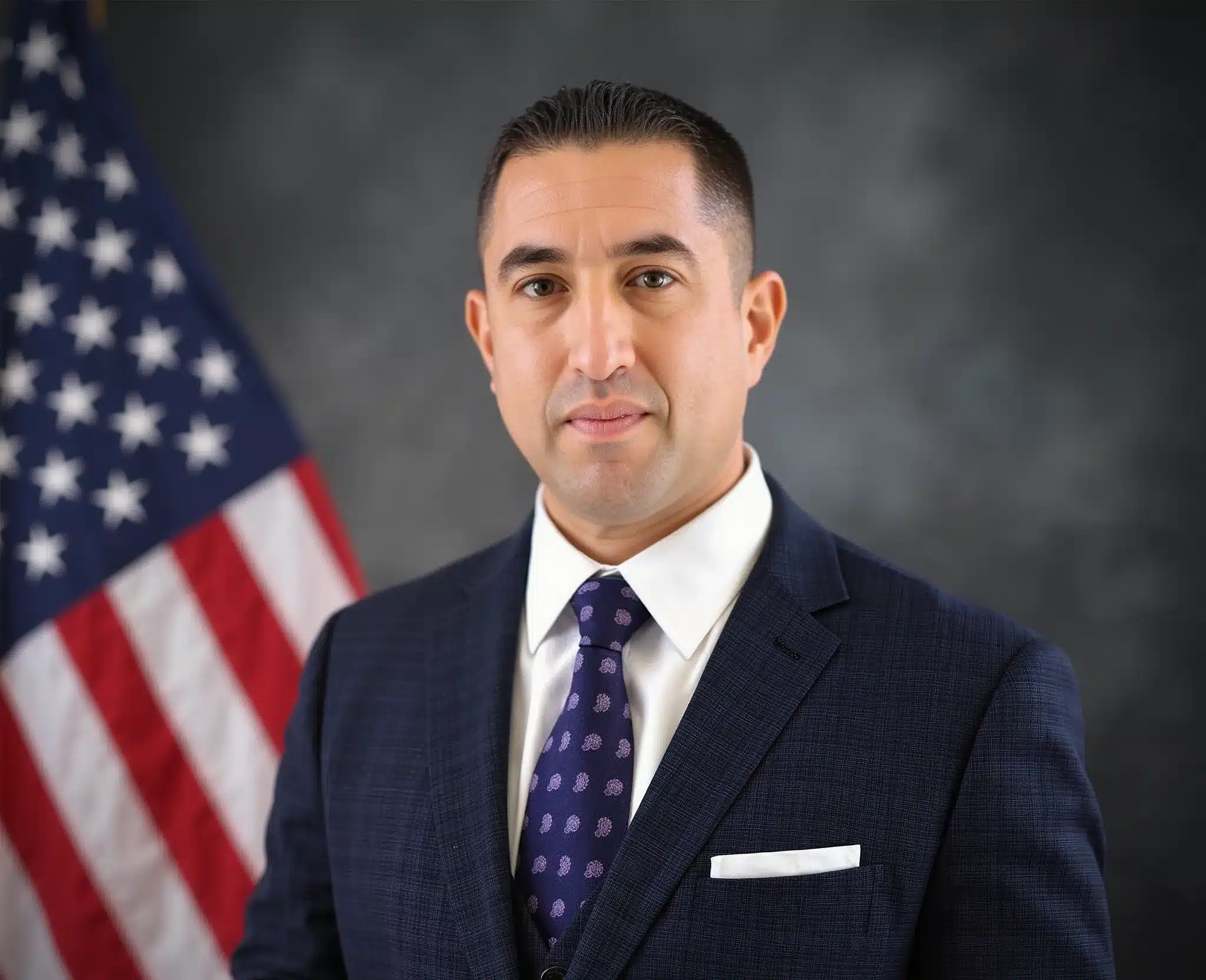
The Law Office of Nabiel C. Ahmed serves clients throughout Contra Costa and Alameda Counties, including those facing resisting arrest charges in East Richmond Heights. We understand that being arrested can be frightening, embarrassing, and disruptive to your family and work life. Our team aims to provide steady guidance, clear communication, and strong advocacy from the first phone call through the last court date. Whether your case is at the investigation stage or charges have already been filed, we are ready to review your situation, explain your options, and work toward the most favorable outcome available.
Choosing a law firm for a resisting arrest case is a personal decision. Our Oakland criminal defense practice has spent years representing people accused of offenses across Contra Costa County, including East Richmond Heights. We focus on careful case analysis, respectful treatment of clients, and practical strategies designed for local courts. When you work with our firm, you can expect honest assessments of your situation, timely updates, and a defense that takes your life beyond the courtroom into account. We know how much is at stake and treat your case with the attention it deserves.
Resisting arrest cases often turn on details in video, timing, and officer conduct, so thorough preparation is central to our approach. We work to obtain and review all available evidence, from dispatch logs to medical records, and we explore both negotiated and litigated paths to resolution. Our firm’s experience with theft and other crimes means we understand how resisting arrest charges interact with companion offenses and how to seek outcomes that reduce overall impact. If you are facing charges related to an incident in East Richmond Heights, we are ready to stand with you in court.
At the Law Office of Nabiel C. Ahmed, we follow a structured process designed to uncover the full story behind your resisting arrest charge and to protect your rights in East Richmond Heights courts. From the first consultation, we gather details about your background, the incident, and your goals. We then move quickly to obtain police reports, body‑worn camera footage, and other evidence. Throughout the case, we keep you informed, discuss options at each stage, and adjust the strategy as new information emerges. Our aim is to combine thorough preparation with clear guidance so you always know where your case stands.
The process begins with a confidential consultation, often by phone at 510-271-0010 or in person at our Oakland office. During this first step, we learn about your East Richmond Heights resisting arrest charge, review any paperwork you received, and discuss your primary concerns, such as work, family, or immigration status. We outline the basic court process and give you an initial sense of possible outcomes. This is also the stage where we advise you about what to do—and what to avoid doing—while the case is pending, such as limiting public comments and preserving potential evidence.
Understanding who you are is just as important as understanding the police report. Early in the process, we will ask about your work history, education, family responsibilities, and any prior contact with the criminal justice system. For East Richmond Heights clients, we also explore local community ties and support networks that may help during negotiations. Knowing your goals—such as avoiding jail, protecting a professional path, or safeguarding immigration status—allows us to tailor the defense strategy. This information can later be used to build mitigation packages that show the prosecutor and judge more than just the allegations on paper.
During the initial phase, we pay close attention to deadlines, court dates, and paperwork. Our firm obtains the complaint, charging documents, and early police reports as soon as possible. We also confirm your first East Richmond Heights area court appearance and explain what to expect when you walk into the courtroom. If you live or work outside the immediate area, we discuss whether your presence is required at each hearing. Staying ahead of deadlines and understanding the schedule from the start reduces surprises and helps you plan your life around the steps in your resisting arrest case.
Once the basics are in place, we move into a deeper investigation phase. For resisting arrest cases from East Richmond Heights, this often means requesting body‑worn camera video, 911 recordings, dispatch logs, and any available surveillance footage from nearby homes or businesses. We compare these materials with officer reports, looking for gaps or inconsistencies. When appropriate, we file motions challenging the legality of the stop, detention, or arrest, or seeking to exclude unreliable statements. This stage is about building leverage—either to win key rulings in court or to strengthen our position in negotiations with the prosecutor.
Video and audio evidence frequently play a central role in resisting arrest cases. Our team carefully reviews body‑worn camera footage frame by frame, noting what officers said, how commands were given, and how you responded. We also consider lighting, background noise, and positioning, as these details may influence how events are interpreted in East Richmond Heights courts. When possible, we contact witnesses who saw the incident unfold, gathering statements that may support your account. By comparing all these sources, we identify strengths and weaknesses in the case and shape arguments that highlight reasonable doubt or mitigating circumstances.
After reviewing the evidence, we determine whether to file motions targeting unlawful searches, questionable detentions, or unreliable statements. These legal challenges can result in key evidence being excluded or even charges being dismissed in East Richmond Heights. At the same time, we often use what we have learned to open or deepen plea discussions with the prosecutor. Presenting evidence of your character, community ties, and the full context of the incident can lead to reduced charges, diversion options, or sentencing agreements that protect your future. Throughout this step, we keep you informed so you can weigh offers with confidence.
Eventually, every resisting arrest case moves toward resolution, whether through a negotiated agreement or a trial in front of a judge or jury. In East Richmond Heights matters, we prepare for both paths, ensuring that you understand the benefits and risks involved. If a reasonable offer is on the table, we will discuss how it affects your record, employment, and long-term goals. If negotiations fall short or the evidence raises serious doubts, we can move forward to trial and present your side. The final decision always belongs to you, supported by our guidance and preparation.
As negotiations progress, prosecutors may propose plea offers that involve reduced charges, specific sentencing recommendations, or diversion programs. We review these offers with you in detail, explaining how they compare to the risks of trial in East Richmond Heights courts. Together, we look at potential jail time, probation terms, and long‑term consequences such as immigration or employment impacts. Sometimes, we may counteroffer with additional mitigation or alternative terms. Our goal is to make sure that if you choose to resolve the case by agreement, you do so with full information and a clear understanding of what you are accepting.
When a resisting arrest case goes to trial, preparation becomes even more important. We develop a clear theory of defense, organize exhibits, and identify witnesses who can help the jury understand what really happened in East Richmond Heights. This may involve highlighting video that supports your account, questioning the officer’s memory or perspective, or explaining how fear, confusion, or physical limitations affected your actions. Throughout trial preparation, we keep you involved so you feel ready for testimony and courtroom procedures. The objective is to present a coherent, truthful story that gives the judge or jury real reasons to doubt the accusations.
In California, basic resisting arrest under Penal Code 148(a)(1) is usually filed as a misdemeanor, but related conduct can lead to more serious felony charges. For example, if prosecutors allege that force or violence was used against an officer, or that the officer suffered injury, additional statutes may come into play carrying higher penalties. The exact charges in your East Richmond Heights case will depend on the officer’s report, any injuries, and the prosecutor’s assessment of the evidence. Even when the primary charge is a misdemeanor, the situation should be treated seriously. A misdemeanor resisting arrest conviction can include jail time, probation, fines, and long‑term consequences for employment or immigration. It is important to have a defense team review the details to see whether the conduct truly meets the statute, whether the officer was lawfully performing their duties, and whether there is room to argue for dismissal, reduction, or alternative resolutions.
Penalties for a misdemeanor resisting arrest conviction in East Richmond Heights can include up to one year in county jail, probation, community service or work programs, and fines. Courts may also order counseling, classes, or stay‑away conditions, especially if the case involves additional charges such as theft or public intoxication. Beyond the immediate sentence, you could face increased exposure if charged with future offenses, since judges often consider past resisting arrest convictions as aggravating factors. There are also indirect consequences to consider. A criminal conviction can show up on background checks, potentially affecting job applications, rental decisions, and certain licensing opportunities. For non‑citizens, even a misdemeanor can raise immigration concerns. Because the range of possible penalties and impacts is broad, it is important to work with a defense firm that will assess your situation, explore mitigated outcomes, and fight to limit the short‑ and long‑term harm of a resisting arrest charge.
Yes, in California you can face a resisting arrest charge even if you never struck or physically struggled with the officer. The statute covers willfully resisting, delaying, or obstructing an officer in the performance of their duties. In East Richmond Heights, prosecutors sometimes rely on allegations that a person refused to comply with commands, tensed up during handcuffing, or interfered verbally with an investigation. These situations can be complex, because what feels like confusion or fear to you may be described as defiance in the police report. The absence of physical struggle can also present opportunities for defense. By closely reviewing body‑worn camera footage, witness statements, and the timing of events, your attorney can highlight misunderstandings, communication problems, or minimal conduct that does not rise to the legal standard for resistance. In many cases, showing that the interaction was more about miscommunication than intentional obstruction can help secure reduced charges, diversion, or other outcomes that avoid the harshest penalties.
A resisting arrest conviction becomes part of your criminal record and may appear on background checks requested by employers, landlords, and others. In East Richmond Heights and throughout California, this type of conviction can raise concerns for potential employers who worry about reliability, judgment, or future interactions with law enforcement. Some professional licensing boards also ask about criminal history, and you may be required to disclose the conviction on certain applications, depending on the circumstances and the law at the time. However, the impact of a resisting arrest conviction is not the same for everyone. Factors like the specific charge, additional offenses, and the sentence imposed can affect how serious it appears. In some situations, later relief such as expungement may be available to lessen the effect. By working with a defense firm early, you increase the chances of negotiating an outcome in East Richmond Heights that minimizes damage to your record, including reductions or dismissals when the facts and law support them.
For a resisting arrest conviction, prosecutors must generally show that you knew or reasonably should have known that the person you allegedly resisted was a peace officer performing their duties. If the officer did not clearly identify themselves, was not in uniform, or approached in a confusing manner, this issue can become very important in East Richmond Heights cases. Evidence such as video, witness testimony, and dispatch records can help clarify what was said and how the situation would have appeared to a reasonable person. If the court finds that you did not know—and could not reasonably have known—that you were dealing with an officer, that can weaken the prosecution’s case. Your defense may argue that any reaction was based on fear or surprise rather than intentional resistance. While each case is fact‑specific, raising questions about identification and communication can sometimes lead to reduced charges, more favorable plea negotiations, or dismissal, especially when combined with other legal or factual defenses.
Body‑worn camera footage often plays a central role in resisting arrest cases. These videos may capture tone of voice, body language, and the sequence of events more accurately than written reports alone. In East Richmond Heights, reviewing this footage is one of the first steps our firm takes when defending a resisting arrest allegation. Sometimes, video reveals that commands were unclear, that the officer used more force than described, or that your actions were far less aggressive than the report suggests. Of course, not all video is helpful to the defense, and cameras do not always show every angle. Even when footage appears unfavorable at first glance, careful review can uncover important details, such as how quickly events unfolded or whether you were dealing with pain, fear, or confusion. These nuances can be used in negotiations or at trial to provide context and challenge the prosecution’s version of events, making body‑worn camera evidence a critical piece in many East Richmond Heights cases.
Speaking with police without legal counsel after a resisting arrest incident carries significant risks. Officers and detectives in East Richmond Heights are trained to ask questions that may seem casual but are designed to gather statements that can be used in court. Even if you believe you can clear up a misunderstanding, you might unintentionally admit facts that help the prosecution or make it harder to challenge certain elements later. Once statements are made, it is difficult to undo their impact. You have the right to remain silent and the right to speak with a lawyer before answering questions. Exercising these rights does not make you look guilty; it simply protects you from making uninformed decisions in a stressful moment. By consulting with a defense attorney first, you can decide whether speaking with law enforcement is in your best interest, and if so, under what conditions. This careful approach can make a meaningful difference in the outcome of your East Richmond Heights resisting arrest case.
Fear and confusion are common reactions during sudden encounters with law enforcement. In resisting arrest cases, prosecutors must show that your conduct was willful, meaning intentional rather than accidental or purely reflexive. If you were frightened, did not fully understand what was happening, or reacted to pain or a medical condition, those factors can be part of a defense. In East Richmond Heights, courts sometimes consider evidence related to anxiety, past trauma, or panic, especially when supported by medical or mental health records. While fear or confusion alone may not automatically lead to dismissal, they can help explain your behavior and challenge the idea that you deliberately chose to obstruct or delay the officer. When combined with other evidence—such as unclear commands, noisy environments, or rapidly escalating situations—these factors may persuade prosecutors or jurors to view your actions more sympathetically. Presenting this context thoughtfully is often an important part of defending a resisting arrest charge in Contra Costa County.
Yes, resisting arrest charges can sometimes be dismissed or reduced, depending on the facts and evidence. In East Richmond Heights, this may happen if video contradicts the officer’s report, if the stop or detention was unlawful, or if key elements—such as willful conduct or lawful performance of duties—cannot be proven. Successful motions challenging the legality of the encounter or the admissibility of statements can weaken the prosecution’s case and encourage more favorable offers. Even when dismissal is not immediately likely, reductions to lesser offenses or informal diversion agreements may be possible. Negotiations often take into account your prior record, community ties, and the presence of any companion charges like theft. By thoroughly investigating the case, presenting mitigation, and asserting legal defenses where appropriate, a dedicated defense team can often move a resisting arrest case toward a more manageable resolution, even if the initial situation in East Richmond Heights felt overwhelming.
Hiring an Oakland criminal defense firm for an East Richmond Heights resisting arrest case offers several advantages. Our office is familiar with courts and prosecutors across Contra Costa and Alameda Counties, and we regularly handle matters involving similar charges. This regional perspective helps us anticipate how a particular judge might view a case, what negotiation strategies tend to be effective, and which alternatives to traditional sentencing might be available. Proximity also allows for convenient meetings and quick responses when new developments arise. At the Law Office of Nabiel C. Ahmed, we focus on clear communication and thorough preparation. We take the time to understand your background, gather evidence, and develop strategies tailored to the facts of your East Richmond Heights case. Our goal is to protect your rights, present your story in a compelling way, and work toward an outcome that limits the impact of a resisting arrest accusation on your life. Having local counsel by your side can ease stress and provide steady guidance throughout the process.
"*" indicates required fields