
Facing a weapons offense in Diablo can be overwhelming, especially when you are unsure what the charges mean or how they could affect your future. California firearm and weapons laws are strict, and prosecutors in Contra Costa County often pursue these cases aggressively. A conviction can threaten your freedom, employment prospects, immigration status, and gun rights. At the Law Office of Nabiel C. Ahmed, our Diablo-focused criminal defense team works to explain your situation clearly, evaluate the evidence, and start building a defense strategy tailored to the facts of your case and your goals.
This Diablo weapons offenses guide is designed to help you understand what you are facing and what options may be available. Whether your case involves alleged unlawful possession, brandishing, use of a firearm in connection with another offense, or carrying a prohibited weapon, early legal guidance can make a real difference. We serve clients throughout Contra Costa County and Alameda County, with a strong focus on protecting the rights of people arrested in and around Diablo. The information below is not legal advice, but it will help you ask better questions and make informed choices.
Weapons allegations often carry serious penalties, including jail time, extended probation, mandatory classes, and long-term barriers to housing and employment. In Diablo, law enforcement and prosecutors may treat these charges as indicators of heightened risk, especially when firearms are involved. Having a dedicated defense attorney for weapons offenses means you have someone reviewing the stop, search, and seizure, challenging unreliable statements, scrutinizing lab or ballistics reports, and negotiating firmly with the district attorney. The right approach can lead to reduced charges, diversion, alternatives to custody, or even dismissal, while helping you navigate court dates and protect your record as much as possible.
The Law Office of Nabiel C. Ahmed is a criminal defense law firm based in Oakland, serving clients across Contra Costa County and Alameda County, including Diablo. Over many years of courtroom practice, the firm has handled a wide range of violent and serious crime cases, including alleged weapons offenses, assault with a deadly weapon, and firearm enhancements. The firm focuses on thorough investigation, careful review of police procedures, and strong advocacy during negotiations and hearings. Clients receive candid guidance about their options and possible outcomes, with attention to how a case may affect work, family, and future opportunities in the Bay Area.
In Diablo and throughout California, “weapons offenses” is a broad term that can include unlawful possession of a firearm, carrying a loaded gun in public, possessing an assault weapon, having a gun while prohibited, or using a weapon during another alleged crime. Some charges are misdemeanors, while others are felonies that may count as strikes under California’s Three Strikes law. The consequences often depend on the type of weapon, where it was found, whether there is a prior record, and whether anyone was injured or threatened. Understanding the exact statute and allegations against you is the first step toward defending your rights.
Weapons cases in Diablo frequently arise from traffic stops, domestic calls, neighborhood disturbances, or larger investigations. Officers may search a vehicle, home, or person and claim they discovered a firearm, ammunition, or another prohibited weapon. Even when a gun is legally owned, prosecutors may allege it was carried or stored in a way that violates California law. These cases often raise complex questions about probable cause, search warrants, consent, and whether the accused actually possessed or controlled the weapon. A defense strategy should carefully examine every step officers took, from the initial stop through booking and evidence handling.
Under California law, weapons offenses cover a range of conduct involving firearms, knives, and other objects that can be used as weapons. Common charges include carrying a concealed firearm without a permit, possessing a loaded firearm in public, having a firearm as a prohibited person, or possessing certain banned firearms such as assault weapons or short-barreled rifles. There are also offenses involving the sale or transfer of guns, possession of ammunition under certain conditions, or using a weapon in connection with another alleged crime. Each statute has specific elements that the prosecution must prove beyond a reasonable doubt in a Diablo courtroom.
Most weapons charges in Diablo require the prosecution to prove that you possessed, carried, or used a weapon and that you did so knowingly, without a lawful exception. For example, in a carrying concealed firearm case, the state typically must show that the gun was substantially concealed and that you knew it was present. The process usually begins with arrest and booking, followed by an arraignment where charges are read and a plea is entered. After that, there may be pretrial hearings, motions to suppress evidence, negotiations, and potentially a trial. Timely legal representation can significantly influence this process and potential outcomes.
Weapons cases often involve legal terms that can feel confusing when you first step into a Diablo courtroom. Understanding basic concepts like “possession,” “firearm enhancement,” and “prohibited person” can help you follow what is happening in your case and participate in important decisions. The glossary below explains some of the language used in California weapons laws and in Contra Costa County courts. While these explanations are simplified, they provide a helpful starting point for conversations with your attorney about defenses, possible sentencing ranges, and how specific terms may apply to the facts of your situation.
In weapons cases, “possession” does not always mean a gun or knife was physically in your hand or pocket. California law recognizes actual possession, where a weapon is directly on you, and constructive possession, where prosecutors claim you had control or the right to control the weapon, even if it was in a car, home, or shared space. In Diablo prosecutions, disputes often arise over who truly possessed an item found in a vehicle or residence. Challenging the government’s claims about knowledge, control, and access can be a powerful part of a defense strategy.
A firearm enhancement is an additional allegation that a gun was used, carried, or present during another offense, such as robbery or assault. In California, these enhancements can significantly increase potential penalties, sometimes adding years to a sentence. In Diablo, the district attorney may file firearm enhancements in violent and serious crime cases to leverage harsher consequences or gain bargaining power in negotiations. Defending against enhancements can involve challenging whether a gun was actually present, whether it was personally used, and whether the law applies to the circumstances described in the police reports and witness statements.
A “prohibited person” is someone who is barred by law from owning or possessing firearms or ammunition. This can include people with certain felony convictions, specific misdemeanor convictions, domestic violence restraining orders, or particular mental health-related court findings. In Diablo weapons cases, prosecutors may charge a prohibited person in possession offense even when the underlying prior case is years old. Defending these cases can involve examining the validity of the prior conviction, whether proper notices were given, and whether the person truly possessed or controlled the firearm or ammunition alleged by law enforcement.
“Search and seizure” refers to the actions law enforcement takes when they stop, detain, or arrest someone and look through their belongings, home, or vehicle. The U.S. and California Constitutions place limits on when officers may conduct searches, whether they need a warrant, and how they must handle evidence. Many Diablo weapons offenses arise from traffic stops or contacts that lead to a search. If police violated search and seizure rules, your attorney may seek to suppress the weapon or related evidence, which can weaken or even dismantle the prosecution’s case in Contra Costa County court.
When facing a weapons offense in Diablo, there is rarely just one path forward. Depending on the facts, you and your attorney may consider options such as aggressively litigating a motion to suppress, negotiating to reduce a felony to a misdemeanor, seeking diversion or alternative programs, or preparing for trial. Some cases benefit from early resolution, while others may improve as more details emerge and evidence is challenged. Each choice carries risks and potential benefits, including how it affects your record, custody exposure, and future rights. Thoughtful guidance can help you weigh these options and choose a direction that fits your priorities.
In some Diablo weapons cases, a limited defense approach may be appropriate because the evidence is strong, but there is still room to secure a reasonable outcome. For example, if the weapon is clearly tied to you and the stop appears lawful, your attorney may focus on mitigating factors, such as lack of prior record, employment history, or positive community involvement. In these situations, the goal may be to negotiate a reduced charge, avoid jail, seek probation, or obtain diversion where available. Even when the strategy is limited, careful preparation and thoughtful presentation to the prosecutor and judge remain important.
A limited approach may also make sense when the alleged weapons incident is relatively minor, such as a technical violation involving storage or transportation where no one was harmed or threatened. In Diablo, judges and prosecutors may be more open to lenient resolutions when the facts show a one-time mistake, cooperative conduct, and steps taken to address any concerns. In these cases, your lawyer might emphasize compliance, corrective actions, and community ties rather than an all-out challenge to every element. This can streamline the process and reduce stress, while still protecting your record as much as possible.
A comprehensive defense becomes especially important when Diablo weapons charges carry potential strike consequences, long prison terms, or immigration risks. If the case involves allegations of using a gun during a robbery, assault, or other violent offense, the stakes can be extremely high. Your attorney may need to investigate aggressively, interview witnesses, consult with investigators, and file detailed motions challenging the legality of the stop, search, or identification. The goal is to reduce or eliminate enhancements, challenge questionable statements, and highlight weaknesses in the prosecution’s theory so you have meaningful options instead of simply accepting a harsh outcome.
In many Diablo weapons cases, officers’ accounts, witness statements, and physical evidence do not line up neatly. There may be disputes about who owned a gun found in a shared car, whether a person knew a weapon was in a backpack, or whether police had the right to search a home or phone. A comprehensive defense approach involves thoroughly reviewing reports, body camera footage, and forensic testing, and sometimes bringing motions to suppress or exclude unreliable evidence. When facts are contested and searches raise constitutional questions, a broad and persistent defense strategy can significantly change the direction of the case.
Choosing a thorough defense strategy for a Diablo weapons case can open doors that might otherwise remain closed. By carefully examining every stage of the investigation, your attorney may uncover grounds to suppress evidence, challenge the reliability of witness accounts, or reveal weaknesses in how the weapon was linked to you. These efforts can give you leverage in negotiations and improve your chances at trial. Even when a case does not completely go away, diligent advocacy can help secure reduced charges, shorter probation periods, fewer collateral consequences, and a result that better supports your future plans and responsibilities.
A comprehensive approach also allows you to make informed decisions at each stage of your Diablo case. Instead of feeling pressured into a quick plea, you can weigh the strengths and weaknesses of the evidence, potential defenses, and likely outcomes if you go to trial. Your lawyer can explain how different options may affect employment, family, housing, or immigration status, so your choices reflect your long-term goals. This level of attention and preparation helps you feel more in control of a stressful process and more confident that your side of the story is being clearly presented.
When prosecutors in Diablo know your defense team is fully prepared, has investigated thoroughly, and is ready to litigate, they may be more open to reasonable negotiations. Demonstrating weaknesses in the government’s case—such as questionable search procedures, inconsistent witness accounts, or problems linking the weapon to you—can support a request for reduced charges, dismissal of enhancements, or alternative sentencing. At the sentencing stage, a well-documented record of your background, support network, and efforts to move forward can influence the judge’s decision. A thorough approach positions you as a person, not just a case number, and encourages more balanced consideration.
A detailed defense strategy also gives you greater clarity about what is really happening in your Diablo weapons case. Instead of guessing about the evidence, you and your attorney can review reports, videos, and legal issues together and discuss realistic outcomes. This understanding allows you to participate in decisions about whether to pursue motions, accept a negotiated plea, or prepare for trial. Knowing the strengths and limitations of your case may ease some anxiety and help you communicate honestly with family members who are concerned. In a stressful time, feeling informed and heard can be a meaningful benefit on its own.

After an arrest in Diablo, it can be tempting to explain your side of the story to officers, friends, or on social media. Doing so can unintentionally harm your defense and create statements that prosecutors may later use against you. Instead, exercise your right to remain silent and politely decline interviews until you have legal counsel. Share details only with your attorney in a confidential setting, and avoid texting or posting about the incident. Protecting your privacy at this stage gives your defense team more room to address the case effectively in Contra Costa County court.
Facing a weapons charge in Diablo can be stressful, but staying proactive can improve both your legal position and your peace of mind. Keep track of your court dates, arrive early, and dress respectfully. Follow any release conditions, such as obeying protective orders or firearm restrictions, and keep your attorney updated about changes in your contact information or employment. Ask questions when you do not understand something and take notes about your conversations. Treating your case as a shared project with your lawyer helps ensure important details are not overlooked and shows the court that you are taking the matter seriously.
Weapons allegations in Diablo are not minor matters. Even a first-time offense can bring jail exposure, strict probation, and long-term consequences that affect work, housing, and family life. Certain convictions may lead to lifetime firearm prohibitions or count as strikes under California law, increasing penalties for any future cases. In addition, background checks can reveal weapons-related offenses and may raise concerns for employers or landlords. Understanding the stakes and acting quickly to protect your rights can help you avoid choices that might seem convenient in the moment but cause significant problems down the road.
Hiring a criminal defense law firm that handles weapons offenses in Contra Costa County can provide important support and direction. An attorney can help you evaluate the evidence, identify legal issues, and explore options such as dismissal, charge reductions, or alternative sentencing. For some clients, protecting immigration status or professional licenses is as important as avoiding jail. By discussing your priorities openly, you can work with your lawyer to focus on what matters most for your life in Diablo and the larger Bay Area. Early, informed action increases the chance of steering your case toward a manageable outcome.
Weapons cases in Diablo often begin with everyday events that suddenly escalate into criminal charges. Some arrests arise from routine traffic stops where officers claim to see or smell something suspicious and then search a vehicle. Others start with noise complaints, domestic calls, or neighbor disputes that bring law enforcement to a home. During these encounters, officers might say they discovered a firearm, ammunition, or another weapon. Understanding how these situations turn into criminal cases provides context for your defense and can highlight potential challenges to the legality of the stop, search, or arrest.
Many Diablo weapons charges arise from vehicle stops on local roads or freeways. Officers may pull a driver over for alleged speeding, equipment issues, or lane violations and then expand the contact into a search of the car. They might claim they saw a weapon in plain view, smelled marijuana, or received consent to search. In these cases, your defense may focus on whether the stop was lawful, whether consent was truly voluntary, and whether the search exceeded legal limits. Challenging improper vehicle searches can lead to key evidence being suppressed, weakening the prosecution’s case significantly.
Another common pathway to weapons charges in Diablo involves domestic arguments or neighbor disputes. When emotions run high, someone may call law enforcement out of fear or frustration, sometimes exaggerating or misinterpreting events. Officers who respond may decide to search the home or property, especially if they believe a weapon might be present. Even when no one is injured, a gun or other weapon found in the home can lead to charges involving possession, storage, or use. Your defense may require careful examination of 911 calls, statements taken in the heat of the moment, and the legality of any search.
Some Diablo weapons cases emerge from broader investigations, where law enforcement obtains search warrants for homes, phones, or vehicles. These investigations may involve allegations of violent crime, gangs, or other serious offenses, with weapons charges added based on what officers report finding. In such cases, the defense may focus on whether the warrant was supported by enough reliable information, whether officers stayed within the scope of the warrant, and how they handled any seized items. Challenging a flawed warrant or improper execution can sometimes lead to important evidence being excluded and may reshape the prosecution’s entire strategy.
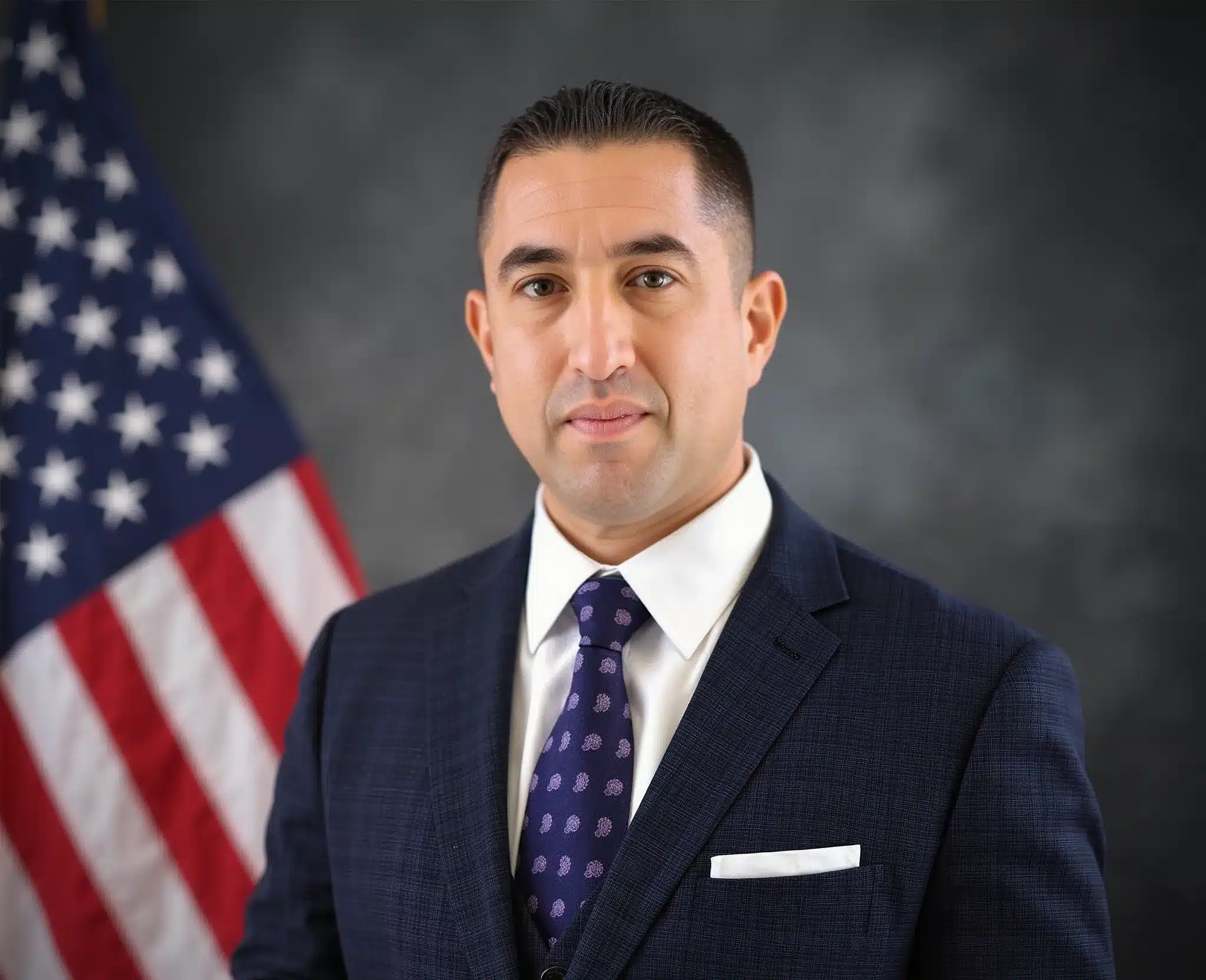
Being arrested or investigated for a weapons offense in Diablo can leave you feeling isolated and unsure where to turn. The Law Office of Nabiel C. Ahmed is an Oakland-based criminal defense law firm that regularly represents people in Contra Costa County and Alameda County courts. Our team understands how stressful these cases are and the impact they can have on your future. We work closely with clients to analyze the charges, discuss possible defenses, and develop strategies aimed at protecting their freedom and opportunities. If you are facing weapons allegations, reaching out promptly can help you regain a sense of direction.
Choosing the right criminal defense law firm for a Diablo weapons case can influence both the process and the result. At the Law Office of Nabiel C. Ahmed, we focus on defending people charged with violent and serious crimes, including firearms and other weapons offenses, in Contra Costa County and Alameda County. Our approach is hands-on and detail-oriented. We review every report, video, and piece of evidence to look for inconsistencies, constitutional problems, and opportunities to push back. Clients receive straightforward guidance about risks and options, so they can decide how to move forward with clear information.
Our firm is based in Oakland, giving us regular contact with local courts and an understanding of how weapons cases are often handled in the Diablo area. We know that every client’s priorities are different—some worry most about jail, others about work, family, or immigration concerns. We take the time to understand your situation and shape a defense that reflects your goals. Whether your case calls for aggressive motion practice, careful negotiation, or preparation for trial, we aim to protect your rights at every stage and work toward the most favorable outcome available under the circumstances.
When you contact the Law Office of Nabiel C. Ahmed about a Diablo weapons charge, we begin by listening to your story and reviewing the paperwork you received. From there, we obtain police reports and other discovery, evaluate the legality of the stop and search, and identify any immediate concerns, such as protective orders or firearm restrictions. Throughout the process, we keep you informed about upcoming court dates, possible motions, and negotiation options. Our goal is to combine careful legal analysis with clear communication, so you understand what is happening and feel supported as your case moves through the system.
The first step in handling a Diablo weapons case at our firm is an initial consultation. During this meeting or call, we gather basic information about the arrest, charges, and your background. We will ask about where the weapon was found, who else was present, and whether there were any witnesses or recordings. We also review any paperwork you received from the court or jail. This early evaluation helps us spot urgent issues, such as upcoming arraignment dates or bail concerns, and allows us to start considering possible defenses and strategies tailored to your circumstances.
During the initial consultation, we focus on hearing your side of the story in detail. Many Diablo weapons cases involve misunderstandings, misidentifications, or incomplete reports that do not capture the full picture. We encourage you to describe the events leading up to the arrest, any interactions with officers, and what you remember about searches or questioning. This conversation is confidential and designed to give you a safe space to talk openly. Your account often reveals details that do not appear in official documents and can point to important legal or factual issues worth exploring further.
After hearing your account, we review the charges filed in your Diablo case and explain what each count means in plain language. We discuss potential penalties, including whether the offense is a felony or misdemeanor, and look at any firearm enhancements or prior convictions that may affect sentencing. We also address urgent concerns such as upcoming court dates, bail amounts, and any restraining orders or firearm prohibitions already in place. By the end of this step, you should have a clearer understanding of where your case stands and what immediate actions are necessary to protect your rights.
The second step in our Diablo weapons case process involves a deeper dive into the evidence and legal issues. We obtain discovery from the prosecution, including police reports, body camera footage, photographs, and any lab or ballistics records. We may also conduct our own investigation, interviewing witnesses or visiting the scene when helpful. Based on what we uncover, we consider filing motions challenging the stop, search, or other aspects of the case. This stage is often where weaknesses in the prosecution’s evidence surface, creating opportunities for improved negotiations or setting the stage for a strong defense at trial.
During the investigation phase, we work to collect and analyze information that may support your defense or undermine the prosecution’s claims. In a Diablo weapons case, that could include reviewing body camera footage for inconsistencies, examining the location where a weapon was found, or obtaining phone records, messages, or surveillance videos that clarify events. We also look closely at how officers documented the search and seizure, including whether they followed department policies and legal requirements. By comparing your account to the documented evidence, we can identify areas where the state’s version may be incomplete or unreliable.
If our review suggests that officers in Diablo may have conducted an unlawful search, detained you without reasonable suspicion, or obtained statements without proper warnings, we may file motions asking the court to suppress that evidence. These written motions explain the facts and legal grounds for excluding certain items or statements. At the hearing, the judge may listen to testimony and review exhibits before deciding whether the evidence can be used at trial. Successful motions can significantly weaken the prosecution’s case, sometimes leading to dismissals or more favorable plea offers. Even when motions do not fully succeed, they often improve negotiation positions.
The third step in our Diablo weapons defense process centers on negotiation, trial preparation, and final resolution. Once we have thoroughly reviewed the evidence and litigated key motions, we discuss realistic outcomes with you, including possible plea offers and trial prospects. Some clients choose to resolve their case through a negotiated agreement that reduces charges or limits penalties. Others decide to proceed to trial and contest the allegations before a judge or jury. Throughout this phase, we keep you informed, prepare you for court appearances, and work diligently to achieve the best available result under the circumstances.
As your Diablo case progresses, the prosecution may present plea offers that range from reductions in charges to sentencing recommendations. We carefully review these proposals with you, explaining likely outcomes, potential immigration effects, and how each option may appear on your record. Where possible, we explore alternatives such as diversion, deferred entry of judgment, or probation in place of jail. Our role is to help you weigh the risks and benefits of each choice, not to pressure you. With full information about consequences and realistic trial prospects, you can choose the path that aligns best with your priorities.
When negotiations do not lead to an acceptable resolution, or when you want to challenge the allegations publicly, we prepare your Diablo weapons case for trial. Trial preparation involves shaping a clear theory of defense, organizing exhibits, preparing cross-examination questions, and identifying witnesses who can support your version of events. We also work with you on testifying, if that becomes part of the plan, and explain what to expect in the courtroom. While trial carries uncertainty, a well-prepared defense can highlight weaknesses in the state’s case and give you a real opportunity to contest the charges before a judge or jury.
The penalties for a weapons offense in Diablo depend on the specific charge, whether it is filed as a misdemeanor or felony, and whether any firearm enhancements or prior convictions are involved. Consequences can include jail or prison, probation, fines, mandatory classes, and restrictions on firearm possession. Some offenses may also count as strikes under California’s Three Strikes law, increasing punishment for future cases. Judges often look at the facts of the incident, your history, and any harm or risk alleged when deciding what sentence to impose. Beyond the immediate sentence, a weapons conviction can have lasting consequences in many areas of life. It may affect employment opportunities, housing, professional licenses, and immigration status. Certain convictions can result in state and federal firearm prohibitions, sometimes for life. Because the range of potential outcomes is broad, it is important to understand the exact charges and to work with a defense lawyer who can explain realistic consequences in your situation and pursue options to limit or avoid the harshest penalties where possible.
A weapons conviction in California often affects your ability to legally own or possess firearms and ammunition. Some offenses result in a ten-year prohibition, while others, especially felony convictions or certain violent crimes, may trigger a lifetime ban under state and federal law. In Diablo, courts routinely advise defendants of these consequences at sentencing, but the precise impact depends on the statute involved and your prior record. Even if the case seems minor, a conviction could still create long-lasting restrictions that are difficult to undo later. There are limited circumstances where people seek relief from firearm prohibitions, but these processes can be complicated and are not available in every case. Additionally, federal laws may impose their own restrictions, which can differ from California’s rules. Because of these layers, it is important to consider firearm rights before entering any plea. Your attorney can review how the charges you face interact with both state and federal law and help you weigh options that may better protect your long-term rights and interests.
If you are arrested for a weapons charge in Diablo, the most important immediate step is to protect your rights by staying calm, remaining polite, and avoiding explanations or arguments with officers. You have the right to remain silent and to ask for an attorney. Do not discuss your case with law enforcement or sign written statements without legal counsel. Anything you say, even if you believe it helps, can be misunderstood or taken out of context and later used against you in Contra Costa County court. As soon as possible, contact a criminal defense law firm that handles weapons offenses in the Diablo area. Provide your attorney with all documents you received, such as citation slips, bail papers, or release conditions, and share information about witnesses, photographs, or videos related to the incident. Following any release terms and attending all court dates is also critical. Early legal guidance can influence bail decisions, protect your record, and shape the defense strategy before evidence disappears or memories fade.
Whether police can search your car or home for weapons without a warrant depends on the specific circumstances. In Diablo, officers often rely on exceptions to the warrant requirement, such as consent, probable cause related to a vehicle, or emergency situations. They might claim they saw a weapon in plain view, smelled contraband, or believed someone was in immediate danger. These claims are not always accurate or legally sufficient. If a search is later challenged in court, a judge may decide whether the officer’s actions complied with constitutional requirements. If the search violated your rights, your attorney may file a motion to suppress, asking the court to exclude any weapons or other evidence obtained as a result. A successful motion can dramatically weaken the prosecution’s case, sometimes leading to dismissals or better plea offers. Because search and seizure law is complex and fact-specific, it is important that you share a detailed account of what happened with your lawyer, including what officers asked, what you said, and where exactly they searched during the encounter.
Prior convictions can significantly influence how a new weapons charge is handled in Diablo. Prosecutors may file the new case as a felony rather than a misdemeanor, seek enhanced penalties, or allege that you are a prohibited person who is not allowed to possess firearms. Under California’s Three Strikes law, certain prior convictions can increase the sentencing range, sometimes doubling potential prison time. Judges also consider prior cases when deciding bail, probation conditions, and whether to grant leniency or alternative programs. However, prior convictions do not automatically guarantee a harsh outcome. Your attorney can review the details of your record, verify whether the priors qualify for enhancements, and explore ways to challenge or mitigate their impact. In some situations, it may be possible to negotiate for reduced charges or to focus on rehabilitation and community support to counterbalance concerns about your history. The key is to address prior convictions honestly while advocating for a resolution that reflects your current circumstances and efforts to move forward.
It is common in Diablo weapons cases for people to be charged based on weapons found in shared spaces, such as cars or homes, even when they insist the items were not theirs. California law allows prosecutors to argue constructive possession, claiming that you had control over or access to the area where the weapon was discovered. However, the state still must prove beyond a reasonable doubt that you knowingly possessed the weapon. If others had equal or greater access, that can be an important issue for the defense. Your attorney may investigate who else used the vehicle or lived in the home, whether your belongings were near the weapon, and what statements were made at the scene. Witness testimony, fingerprints, DNA, or other evidence may help show that the weapon was associated with someone else. By highlighting uncertainty about ownership and knowledge, your defense can challenge the prosecution’s theory and potentially create reasonable doubt, which may lead to reduced charges, a better plea offer, or an acquittal at trial.
Many Diablo weapons charges can be reduced to misdemeanors or resolved in ways that avoid the most serious consequences, depending on the facts, your record, and the strength of the evidence. For example, a felony charge might be reduced to a misdemeanor, or a weapons count could be dismissed as part of a negotiated agreement focusing on another offense. In some cases, prosecutors may agree to alternative programs or sentencing options that limit jail time and help protect your long-term prospects. Whether dismissal is possible depends heavily on legal and factual issues, such as the validity of the stop and search, the reliability of witness accounts, and whether the weapon can truly be linked to you. Aggressive motion practice and thorough investigation can reveal weaknesses that encourage the prosecution to reconsider its position. Your attorney can explain what outcomes are realistic in Contra Costa County courts and work to negotiate terms that best reflect your situation and future goals, while being prepared to take your case to trial if necessary.
The length of a weapons case in Contra Costa County varies widely. Some Diablo cases resolve quickly at an early court date, especially if the evidence is straightforward and both sides reach an agreement. Others take several months or longer, particularly when there are contested motions, complex evidence, or serious felony charges. Court calendars, availability of witnesses, and scheduling issues can also affect the timeline. While most cases do not go to trial, those that do typically require more extensive preparation and multiple hearings. From your first court appearance to final resolution, your attorney should keep you informed about expected timeframes and any factors that could speed up or slow down the process. Sometimes it makes sense to move quickly to secure a favorable offer; other times, delaying can help as more information emerges or legal challenges play out. The best approach depends on the details of your Diablo case and your personal priorities, including work, family, and other responsibilities that may be affected by extended court involvement.
Weapons convictions can have serious consequences beyond jail and fines, particularly for people with immigration concerns or professional licenses. Certain firearm-related offenses may be considered deportable or inadmissible under federal immigration law, even if the sentence is relatively light. For licensed professionals in California, such as nurses, teachers, or real estate agents, a weapons-related conviction may trigger disciplinary proceedings, license suspension, or additional reporting requirements. These collateral consequences can sometimes be more disruptive than the immediate criminal penalties. Because immigration and licensing rules are complex, it is important to tell your attorney about your status and any professional boards that regulate your work. With this information, your lawyer can seek plea options that reduce collateral damage where possible, such as focusing on alternative charges or carefully structured dispositions. In some situations, coordinating with immigration or licensing counsel is helpful. The earlier you raise these concerns, the more opportunity there is to shape a defense strategy that protects not only your freedom but also your long-term ability to live and work in the United States.
Hiring a local criminal defense law firm for a Diablo weapons case offers important advantages. A firm based in Oakland, like the Law Office of Nabiel C. Ahmed, regularly appears in Contra Costa County and Alameda County courts and understands how local judges and prosecutors tend to approach weapons offenses. Familiarity with local procedures, diversion programs, and negotiation styles can help your attorney anticipate challenges and craft strategies that reflect what actually happens in nearby courtrooms. Local counsel is also more accessible for in-person meetings and case updates. Beyond courtroom familiarity, a nearby firm understands the communities around Diablo and the real-world impact a weapons case can have on work, family, and housing in the Bay Area. This perspective helps your attorney present you as a complete person, not just a file. By combining legal knowledge with local insights, a nearby criminal defense law firm can offer more tailored guidance, communicate effectively with courts and prosecutors, and work diligently to protect your future in the region where you live and work.
"*" indicates required fields