
Hit and run accusations in Diablo can turn a routine drive into a life‑altering legal crisis. One moment you are on the road, and the next you may be facing police contact, confusion about your rights, and worries about jail, your job, and your license. California law treats these cases seriously, and even a misunderstanding at the scene can lead to charges. Our firm helps drivers in Diablo, Contra Costa County, and nearby communities understand what they are facing and how to respond in a smart, informed way.
If you or a loved one is under investigation or already charged with a hit and run in Diablo, you do not have to navigate this alone. The Law Office of Nabiel C. Ahmed focuses on defending people accused of driving and drug offenses throughout Alameda and Contra Costa counties, including challenging hit and run allegations. We examine the facts, the police reports, and the circumstances that led to the accusation, working to protect your record, your license, and your future opportunities in the East Bay.
A Diablo hit and run case can affect nearly every part of your life, from employment background checks to professional licensing and immigration status. Having a seasoned criminal defense attorney on your side can help you avoid statements that hurt your case, meet strict court deadlines, and explore options that might reduce or even dismiss charges. Effective representation may help you pursue civil compromises, negotiate favorable plea terms, or present strong defenses at trial. For drivers in Diablo and throughout Contra Costa County, the right legal strategy can mean the difference between a permanent conviction and a more manageable outcome.
The Law Office of Nabiel C. Ahmed is a criminal defense law firm based in Oakland, serving clients across Diablo, Contra Costa County, and Alameda County. Over many years, the firm has handled a wide range of driving and drug offense cases, including misdemeanor and felony hit and run charges, DUI-related collisions, and complex multi-vehicle incidents. Our approach is hands‑on and client‑focused: we investigate the details, analyze evidence like surveillance footage and dispatch logs, and communicate clearly about options. Clients receive guidance at every stage, from the first call after an accident through negotiations and, when necessary, courtroom advocacy.
California hit and run laws can be confusing, especially in the stressful moments after an accident. Many drivers believe that leaving the scene briefly to find help or avoid danger is harmless, only to later learn that prosecutors see things differently. In Diablo and the rest of Contra Costa County, a hit and run charge may arise even when damage is minor or no one appears seriously injured. Understanding the legal duties to stop, exchange information, and render aid is essential to evaluating the strength of the case against you and any defenses that may apply.
Hit and run allegations often involve more than just a traffic ticket. Depending on whether property damage, injury, or death is involved, prosecutors may file misdemeanor or felony counts under the California Vehicle Code. Insurance coverage, prior driving history, and whether alcohol or drugs are suspected can all influence how the case is charged in Diablo. A defense attorney can review police reports, witness statements, and accident reconstruction to challenge assumptions made at the scene. With the right legal strategy, it may be possible to lessen the long‑term consequences of an accusation that started with a few chaotic moments on the road.
Under California law, a hit and run generally refers to leaving the scene of a collision without stopping to provide required information or assistance. This duty applies whether the crash involves another vehicle, a parked car, a fence, or a person. In Diablo, drivers must typically provide their name, address, and vehicle registration and show identification on request. When someone is injured, they may also be required to offer reasonable aid or call for medical help. Failing to do so can lead to criminal charges, even if you were not at fault for the original collision or any resulting damage.
A Diablo hit and run prosecution usually focuses on several core questions: was there an accident, did you know or should you have known it occurred, and did you fail to stop and provide information or assistance as required by law? Police may rely on witness statements, surveillance video, license plate readers, and vehicle damage to build their case. Once charges are filed, you will face arraignment, pretrial hearings, and potential motion practice. Throughout this process, a defense attorney can challenge the sufficiency of the evidence, contest identification, negotiate with the district attorney, and present mitigating circumstances that may influence how the case is resolved.
Hit and run investigations in Diablo often involve legal and insurance terminology that can feel overwhelming. Words like misdemeanor, felony, civil compromise, and restitution appear in court documents and conversations with prosecutors. Understanding these terms helps you make informed choices about whether to accept a plea, pursue diversion, or fight charges at trial. Our firm takes time to explain how each concept applies to your specific situation, especially in the context of Contra Costa County courts and local practices. With clear information, you can better weigh risks and benefits before deciding how to move forward.
Misdemeanor hit and run usually involves leaving the scene of a collision that causes property damage but no injury. In Diablo, this might include driving away after striking a parked car, mailbox, or fence without leaving your information. While less serious than a felony, a misdemeanor still carries potential jail, probation, fines, and DMV consequences. A conviction can appear on background checks and affect employment, professional licensing, and insurance premiums. Defense strategies may involve challenging whether you knew an impact occurred, identifying alternate drivers, or negotiating civil compromises to reduce the long‑term impact on your record.
A civil compromise is a potential resolution sometimes available in misdemeanor hit and run property damage cases where the driver compensates the victim directly for losses. In Diablo, courts may consider dismissing charges if the injured party is fully paid and agrees to the resolution, though the judge and prosecutor retain discretion. While not appropriate in every case, this approach can reduce long‑term criminal consequences. An attorney can help evaluate whether a civil compromise is realistic, negotiate with insurance carriers and property owners, and present the agreement to the court in a way that highlights accountability and future law‑abiding intentions.
Felony hit and run typically arises when a driver leaves the scene of a collision involving injury or death. In Diablo and throughout Contra Costa County, these cases carry significantly higher stakes, including potential state prison, formal probation, and serious driver’s license consequences. Prosecutors may rely on medical records, eyewitness testimony, and extensive accident reconstruction to support their charges. Defense may focus on whether the driver knew a person was injured, challenges to identification, or whether another event caused the harm. Because the penalties can affect your freedom and future, timely and strategic legal representation is especially important.
Restitution is money ordered by the court requiring a defendant to compensate victims for direct financial losses, such as medical bills, vehicle repairs, or lost wages. In Diablo hit and run cases, restitution may be a condition of probation or part of a negotiated plea. Insurance payments can sometimes offset amounts owed, but courts will look closely at documentation to determine what is fair. Properly addressing restitution can show accountability and may help support requests for reduced penalties, alternative sentencing, or early termination of probation, allowing you to move forward while meeting your legal obligations.
When facing a hit and run accusation in Diablo, you may have more than one path forward. Some drivers resolve their case quickly through early plea negotiations, while others pursue motions or trial to challenge weak evidence. For certain misdemeanor matters, diversion, civil compromise, or reduced charges may be realistic options. Each approach carries different risks, costs, and long‑term consequences. A thoughtful review of your goals, prior record, immigration status, and professional needs is important before deciding how to proceed. The right strategy is tailored, not one‑size‑fits‑all, and should reflect both the evidence and your personal circumstances.
In some Diablo hit and run cases involving only minor property damage and no prior record, a more limited legal approach may adequately protect your interests. If you promptly report the incident, cooperate appropriately, and take concrete steps to repair or replace damaged property, prosecutors and judges may be more open to lenient resolutions. Early restitution and sincere efforts to make things right can sometimes support diversion, infraction reductions, or favorable plea agreements. Here, the focus is often on resolving the case efficiently while minimizing long‑term consequences, rather than engaging in lengthy motion practice or contested trials.
There are situations in Diablo where the evidence against a driver is strong, and the client’s main goal is a quick, predictable resolution rather than a drawn‑out court battle. When video footage, eyewitness accounts, and admissions leave little room to dispute the incident, focusing on mitigation may make more sense than aggressive litigation. A limited approach can emphasize personal background, employment, family obligations, and positive community ties. By highlighting accountability and presenting a strong sentencing package, it may be possible to negotiate outcomes that protect your future as much as possible without unnecessary stress and expense.
Felony hit and run charges, allegations of serious injury, or a history of prior offenses often call for a comprehensive defense strategy in Diablo. In these matters, the stakes can include lengthy custody, extended probation, and long‑term impact on employment and licensing. A thorough approach might involve hiring accident reconstruction professionals, interviewing witnesses, gathering medical records, and filing motions to challenge the legality of stops or statements. The goal is to examine every angle, from identity to causation, to see whether charges can be reduced, evidence suppressed, or reasonable doubt presented to a judge or jury.
Complex Diablo hit and run cases often involve disputed facts, questionable identification, or high stakes beyond the courtroom, such as immigration risks, professional licensing, or child custody concerns. When police reports contain inconsistent statements or unreliable witnesses, a deeper investigation may uncover facts that significantly change the case. A comprehensive defense can include obtaining surveillance footage, canvassing the neighborhood for additional witnesses, and consulting with investigators to evaluate alternate explanations. At the same time, counsel can coordinate with immigration or employment advisors to understand collateral consequences and craft resolutions that safeguard your future as much as possible.
Taking a thorough approach to hit and run defense in Diablo can provide valuable leverage when dealing with prosecutors and judges. Detailed investigation may uncover weaknesses in the state’s case, such as unreliable identification, missing witnesses, or conflicting physical evidence. When the defense can show that officers jumped to conclusions or ignored important leads, it becomes easier to negotiate reductions or, in some cases, dismissals. Even if trial is not the goal, being prepared as if it were often results in more favorable plea offers. Thorough preparation also gives clients a clearer picture of risks and likely outcomes.
A comprehensive strategy also helps address the broader impact of a Diablo hit and run charge on your life. Beyond the immediate risk of fines or custody, a conviction can influence immigration status, employment opportunities, and professional licensing. By carefully reviewing your background, career, and family obligations, defense counsel can tailor arguments to highlight what matters most to you. This may support requests for reduced charges, alternative sentencing, or creative resolutions that limit collateral damage. The result is a defense that looks beyond the next court date and focuses on your long‑term stability and future plans.
When a hit and run case is thoroughly investigated and well‑documented, the defense often gains a stronger position during negotiations in Diablo. Prosecutors are more likely to consider charge reductions or creative resolutions when they see legitimate evidentiary issues, mitigating circumstances, and a well‑prepared defense ready for trial. Comprehensive preparation demonstrates that the case will require work to prosecute and that the narrative is more complex than the initial police report suggests. This leverage can be used to pursue outcomes such as amended charges, reduced sentencing exposure, or agreements that minimize impact on your driving record and future opportunities.
A detailed, thoughtful defense helps safeguard you against the long‑term consequences of a Diablo hit and run conviction. By examining immigration, employment, housing, and licensing implications early on, your legal team can prioritize resolutions that limit lasting damage. For example, negotiating for non‑strike offenses, alternative dispositions, or plea structures that reduce immigration risk can be incredibly valuable. A comprehensive approach also means building a strong record of rehabilitation through counseling, community involvement, or driving courses. These efforts can influence how judges view your case and enhance opportunities for early termination of probation or record clearing down the road.
After a hit and run allegation in Diablo, it can feel natural to explain yourself immediately to police, insurance adjusters, or even the alleged victim. However, off‑the‑cuff comments often get misinterpreted and may later appear in reports or court. Instead, provide only basic identifying information as required and politely request an opportunity to speak with an attorney before answering detailed questions. This does not mean you are hiding anything; it simply protects you from misunderstandings and preserves your options. A calm, measured approach early on can significantly affect how your case develops in Contra Costa County courts.
Hit and run cases in Diablo often involve overlapping criminal and insurance issues. Promptly notifying your insurance carrier, within policy requirements and after speaking with an attorney, can protect coverage. In some situations, early efforts to repair damage or reimburse losses may support better outcomes in court, especially for misdemeanors. However, it is important to coordinate these steps through your lawyer so that settlement discussions do not unintentionally harm your defense. By planning ahead, you may be able to reduce financial exposure, demonstrate accountability to the court, and position yourself for a resolution that better protects your long‑term interests.
Facing hit and run allegations in Diablo can be overwhelming, particularly when you are unsure what prosecutors must prove or what defenses may apply. A criminal defense attorney who routinely handles driving and drug offenses can help you understand the charges, possible penalties, and available options. From evaluating whether the evidence truly shows you were the driver to exploring restitution, diversion, or reductions, legal counsel provides perspective and guidance. Having someone handle court dates, negotiations, and procedural requirements also reduces stress, allowing you to focus on family, work, and daily responsibilities while your case moves forward.
Hit and run convictions can affect far more than your immediate court case in Diablo. Background checks, immigration reviews, and professional licensing boards often scrutinize these offenses. Insurance premiums may increase, and the DMV can impose separate driving consequences. Seeking legal help early allows you to plan for these broader impacts and aim for outcomes that reduce long‑term damage. Your attorney can also advise on what to say to employers, insurers, and family members, helping you navigate difficult conversations. Proactive, informed legal guidance offers a path toward regaining stability after a stressful and unexpected accusation.
Hit and run allegations in Diablo can arise in many different ways, and not all involve serious collisions. Sometimes a driver lightly taps a parked car, does not see damage, and leaves, only to later learn that a witness reported the license plate. In other cases, nighttime accidents, confusing intersections, or fear of confrontation cause people to drive away. Alleged intoxication, prior tickets, or panic after a chaotic crash can also play a role. Understanding how these situations typically unfold helps your defense team identify misunderstandings, gaps in proof, or issues with the investigation that may benefit your case.
One of the most frequent scenarios in Diablo involves a driver striking a parked or unoccupied vehicle in a lot, residential area, or narrow street. Drivers may believe the damage is minor and leave, planning to handle it later or hoping insurance will sort things out. Unfortunately, California law still requires reasonable efforts to locate the owner or leave contact information in a visible place. When a neighbor reports the incident or security cameras capture the plate, police may open a hit and run investigation. A defense attorney can review the facts and explore whether the evidence truly shows a willful failure to comply.
Another common Diablo situation occurs when drivers panic after a low‑speed collision at a stop sign, driveway, or parking exit. Fear of confrontation, uncertainty about whether damage occurred, or concern about immigration or license status can lead someone to drive away. Later, they might learn that the other driver reported the incident and provided a partial plate or description. These facts do not automatically establish guilt. Questions often remain about who was driving, whether contact actually occurred, and whether the accused knew there was an impact. Exploring these issues carefully can sometimes lead to reduced charges or more favorable resolutions.
More serious Diablo hit and run cases often involve allegations of injury, sometimes combined with DUI or drug accusations. In the chaos of a collision, drivers may believe no one was hurt or that emergency services have already been called. Others may fear arrest due to suspected alcohol or drug use and leave the scene in panic. Later, they may be tracked through vehicle registration, social media, or tips. These cases require careful analysis of timing, statements, medical records, and causation. It may be possible to contest whether injuries were related, challenge testing procedures, or dispute claims that the driver knew someone was hurt.
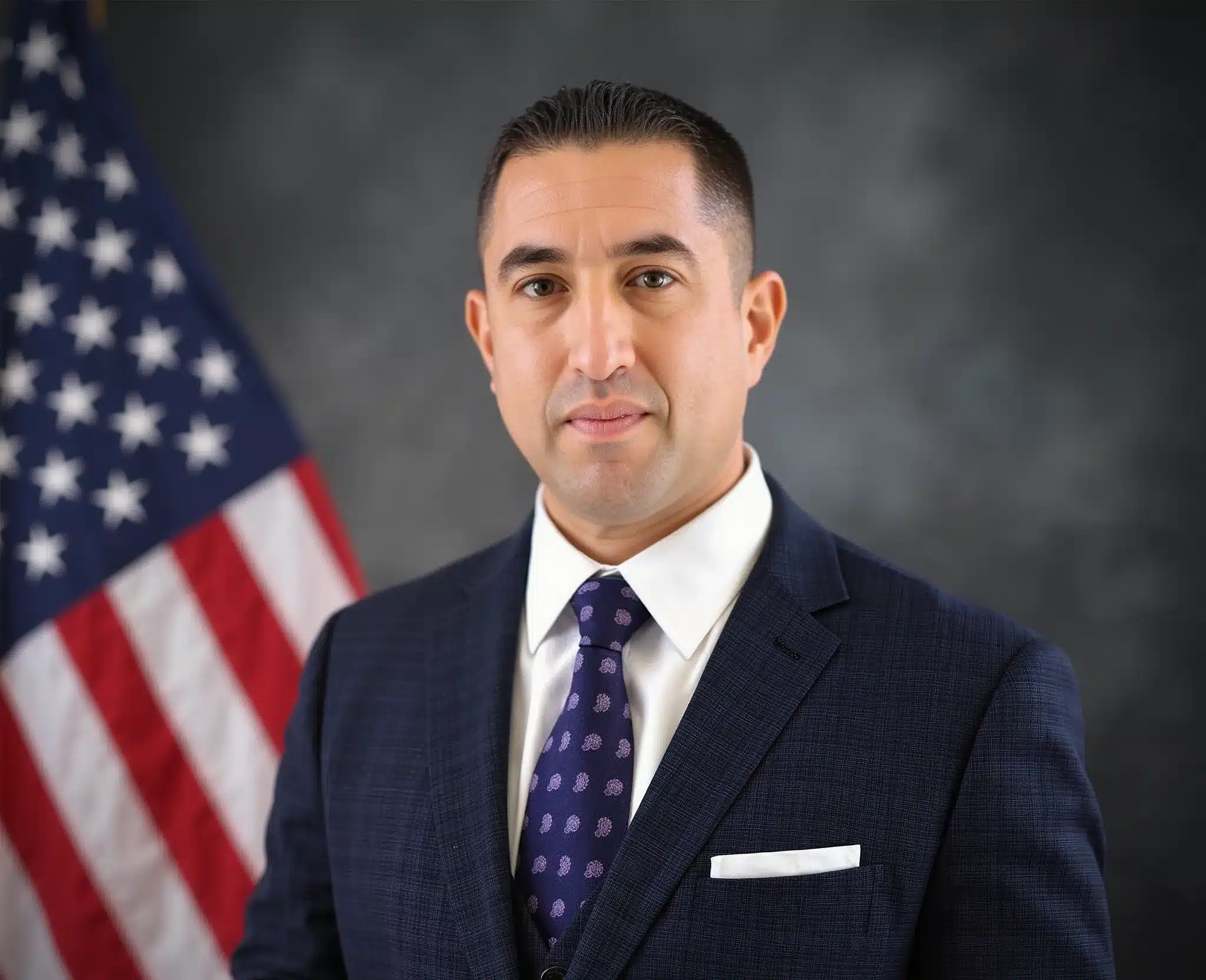
If you are under investigation or already charged with hit and run in Diablo, you do not have to face the situation alone. The Law Office of Nabiel C. Ahmed, based in Oakland, represents clients throughout Contra Costa and Alameda counties in driving and drug offenses. We listen carefully to your side of the story, review evidence with a critical eye, and explain each step of the process in plain language. Our goal is to reduce uncertainty, protect your rights, and pursue the most favorable outcome available, allowing you to move forward with greater confidence and stability.
Drivers in Diablo and across Contra Costa County choose the Law Office of Nabiel C. Ahmed because we focus our practice on criminal defense and understand the dynamics of local courts. We have handled many driving and drug offense cases, including a wide range of hit and run matters, from minor parking lot allegations to serious injury prosecutions. Our firm is committed to thorough preparation, from obtaining discovery and surveillance footage to consulting with investigators when needed. Throughout the case, we maintain open communication so you know what to expect at each stage and can make informed decisions about how to proceed.
What sets our Oakland firm apart is our commitment to personalized attention and practical problem‑solving. We recognize that every Diablo hit and run case represents a unique person with family responsibilities, work obligations, and future plans at stake. Our legal strategies are tailored to your priorities, whether that means avoiding custody, protecting a professional license, or reducing immigration risk. From the first phone call to the final court date, we remain focused on your goals, helping you navigate a stressful process with steady guidance and a clear focus on long‑term stability.
When you contact our Oakland office about a Diablo hit and run charge, we begin by listening carefully to your account of what happened and what concerns you most. We then obtain and review police reports, DMV records, and any available video or photographic evidence. Our team explains the charges, potential penalties, and likely court timeline in Contra Costa County. As the case progresses, we handle court appearances, negotiations, and motion practice while keeping you updated on developments. The overall goal is to reduce anxiety, protect your rights, and pursue the most favorable resolution consistent with your long‑term needs.
The process begins with an initial consultation where we learn about the incident, your background, and any prior criminal or driving history. During this stage, we encourage you to share all relevant details, including communications with police, insurance, and potential witnesses. We then outline the charges you may face, discuss what the prosecution must prove, and identify immediate steps to protect your interests. This may include advising you about future contact with law enforcement, preserving evidence, and planning for upcoming court dates. By the end of this step, you will have a clearer understanding of the road ahead.
During the first phase, we focus on listening and gathering detailed information. You know more about what happened in Diablo than anyone else, and your perspective shapes our approach. We ask about the scene, lighting, speed, passengers, and what you recall before and after the incident. We also discuss your work, family, and any concerns about immigration or licensing. This allows us to identify potential defenses and collateral issues early. Everything you share is protected by confidentiality, giving you a safe space to be candid so we can build the strongest strategy for your specific circumstances.
Once we understand your initial account, we explain how California hit and run laws apply to your situation and what the possible outcomes might be in Diablo. We review any citations, complaint documents, or release paperwork you have received, clarifying the difference between misdemeanors and felonies, as well as potential penalties and DMV consequences. We also discuss near‑term concerns like upcoming arraignments, bail or release conditions, and how to respond if law enforcement reaches out again. By addressing these issues early, you can approach the next steps with greater confidence and fewer surprises.
In the second step, we gather discovery from the prosecutor, including police reports, witness statements, photographs, and any video or audio evidence related to your Diablo hit and run case. We carefully analyze each piece of information to identify inconsistencies, missing details, or legal issues. When appropriate, we conduct our own investigation, which may include visiting the scene, interviewing witnesses, or consulting with accident reconstruction professionals. Based on these findings, we develop a tailored defense strategy that may focus on challenging the evidence, negotiating reductions, or preparing for trial, depending on your goals and the strength of the case.
Discovery review is a central part of our approach in Diablo hit and run cases. We obtain all available reports, audio recordings, dashcam or body‑worn camera footage, and any 911 calls. Our team looks closely for inconsistencies, timing gaps, unclear identifications, and discrepancies between witness accounts. We also compare police statements to your recollection and any independent evidence you have gathered. This careful review often reveals important details that can support motions to suppress, arguments for reduced charges, or bargaining leverage during negotiations. We then discuss these findings with you and adjust the strategy as needed.
After analyzing discovery, we work with you to choose the most appropriate defense path. In some Diablo cases, this means challenging whether you were the driver or whether you knew an accident occurred. In others, the focus may be on demonstrating your cooperation, restitution efforts, and strong community ties to support a reduced resolution. We communicate with the district attorney to present mitigating facts and propose options such as amended charges, diversion, or negotiated pleas. Throughout, we keep you informed about offers, risks, and benefits so that any decision to accept or reject a proposal is fully informed.
The final phase involves court hearings, potential motions, and ultimately either a negotiated agreement or trial. In Diablo hit and run cases, this stage may include pretrial conferences, evidentiary hearings, and sentencing proceedings. We represent you at each appearance, advocating for your interests and making sure the judge understands the full context of your situation. If the case resolves through a plea, we work to secure terms that protect your future as much as possible. If the matter proceeds to trial, we present your defense through testimony, evidence, and argument. After resolution, we can discuss options for record clearing when appropriate.
Court appearances can feel intimidating, especially if you have never been through the system before in Diablo or Contra Costa County. Our firm appears with you, explains what to expect, and ensures your rights are respected at every hearing. We address scheduling, negotiate with the prosecutor, and argue motions to exclude or limit evidence when appropriate. You will always know why a particular hearing is scheduled, what decisions may be made, and how it fits into the broader strategy. This support helps reduce uncertainty and makes the process more manageable while we pursue the best available outcome.
As your Diablo hit and run case approaches resolution, we focus on achieving the most favorable terms possible and planning for life after the case. If you accept a negotiated agreement, we prepare you for sentencing by gathering letters of support, proof of employment, counseling records, and evidence of restitution. We present these materials to the judge to highlight your character and future goals. After sentencing, we discuss probation conditions, DMV issues, and, when appropriate, future options for record clearing or relief. Our representation aims not just to resolve the case but to help you move forward with stability.
If police contact you about a hit and run in Diablo, remain calm and remember that you are not required to answer detailed questions without speaking to a lawyer first. Provide basic identifying information if requested, but politely state that you would like to consult with counsel before discussing the incident. Officers may suggest that cooperating fully will help, but unprepared statements can be misinterpreted or later used out of context in court. Before returning calls, visiting the station, or consenting to any searches or interviews, reach out to a criminal defense attorney who handles driving offenses in Contra Costa County. An attorney can evaluate whether speaking with law enforcement is appropriate, help you avoid self‑incrimination, and sometimes communicate with investigators on your behalf. Addressing the situation strategically from the start often leads to more favorable outcomes and reduces the risk of misunderstandings that could complicate your case.
Not every hit and run in Diablo is charged as a felony. Under California law, cases involving only property damage—such as hitting a parked car or fence—are typically filed as misdemeanors, though they still carry possible jail time, fines, restitution, and probation. Felony charges are more likely when injuries or death are alleged, especially if significant harm is involved or there are aggravating factors like suspected DUI or prior convictions. The way your case is charged depends on the specific facts, including the extent of damage, any injuries, and your record. A defense attorney can often communicate with the Contra Costa County District Attorney’s Office to present mitigating information early. In some situations, this may influence whether a case is filed as a misdemeanor or felony, or may support negotiations to reduce a felony to a less serious offense, significantly changing potential consequences.
In California, prosecutors generally must show that you knew, or reasonably should have known, that an accident occurred to secure a hit and run conviction. In Diablo, this can be a contested issue, especially in low‑speed, low‑impact situations where the driver felt only a slight bump or was distracted by traffic or weather. If you truly did not realize a collision happened, that can be an important part of your defense. Courts will look at the circumstances, including the force of the impact, resulting damage, and whether a reasonable person in your position would have noticed. Evidence such as vehicle damage, witness accounts, and your own consistent statements may help demonstrate lack of awareness. An attorney can analyze these details, gather supporting information, and present arguments that call into question the prosecution’s claim that you knowingly left the scene.
A Diablo hit and run case can affect both your driver’s license and your insurance rates. The DMV may impose points or suspensions depending on whether the offense is a misdemeanor or felony and how the case is resolved. Even if the court outcome seems lenient, separate DMV actions can still impact your ability to drive legally, so it is important to understand both systems. Insurance companies frequently view hit and run accusations as serious risk indicators. A conviction or even certain traffic findings may lead to increased premiums, policy cancellations, or nonrenewal. A defense strategy that avoids specific findings, reduces charges, or achieves alternative resolutions can sometimes limit these consequences. Your attorney can consider these collateral issues when negotiating and help you anticipate how different case outcomes might influence your insurance and driving record long-term.
Many Diablo hit and run cases can be dismissed or reduced, depending on the facts, evidence, and your history. In property damage-only matters, civil compromise, restitution, or diversion programs may occasionally lead to dismissals or favorable reductions. Even when dismissal is unlikely, negotiation can sometimes result in amended charges with less serious consequences for your record and driver’s license. Achieving these outcomes usually requires early, proactive work. Your attorney may gather mitigating information, challenge weak or inconsistent evidence, and present your positive background to the prosecutor and court. While no lawyer can promise a specific result, a tailored strategy that addresses both legal and personal factors often improves your chances of avoiding the harshest penalties and reaching a resolution that better protects your future in Diablo and beyond.
Leaving the scene because you were afraid or felt unsafe is a more common situation than many people realize, especially at night or in isolated parts of Diablo. While fear does not automatically prevent charges, it can be important context when explaining your actions and seeking leniency. Courts understand that people sometimes make decisions in panic that they regret once they feel secure. A defense attorney can help present your safety concerns in a way that supports mitigation or alternative sentencing. In some cases, returning to the scene, cooperating appropriately, or promptly contacting counsel may help reduce the perception that you intended to avoid responsibility altogether. By openly addressing the reasons for your fear while still acknowledging legal obligations, you may be able to influence charging decisions, negotiations, and sentencing outcomes.
The length of a Diablo hit and run case varies based on complexity, court calendars, and whether the matter is resolved through negotiation or trial. Some misdemeanor property damage cases may resolve in a few months, especially if evidence is straightforward and both sides are open to agreement. Cases involving injuries, disputed facts, or felony charges often take longer as attorneys investigate, file motions, and prepare for possible trial. While waiting can be stressful, taking the necessary time to thoroughly review discovery, gather evidence, and explore options often leads to better results. Your attorney should keep you informed about upcoming dates and reasons for any continuances. Understanding that the process may involve multiple hearings can help you plan around work and family obligations while still giving your defense the attention it needs.
You should be cautious about speaking with the other driver’s insurance company after a Diablo hit and run allegation. Adjusters may seem friendly, but their job includes gathering information that could reduce payout or support fault findings. Statements given without legal guidance may later be used in civil or even criminal proceedings. Before returning calls or providing recorded statements, it is wise to consult a criminal defense attorney. Your lawyer can advise whether to communicate directly, allow counsel to speak on your behalf, or delay discussions until more information is known about the criminal case. Coordinating your insurance and legal strategies can help prevent unintentional admissions and preserve defenses. In some situations, it may be possible to resolve property claims in a way that supports, rather than harms, your position in court.
Hit and run convictions can carry significant immigration consequences, including potential concerns about moral turpitude or aggravated felony classifications, depending on the facts and the sentence imposed. For non‑citizens in Diablo, even seemingly minor convictions can trigger review by immigration authorities or complicate future applications for status, travel, or naturalization. It is important to address these issues at the outset rather than waiting until after a plea is entered. A criminal defense attorney familiar with immigration‑related concerns can coordinate with immigration counsel to evaluate risks and explore safer plea options. This may involve negotiating for amended charges, specific sentencing structures, or alternative dispositions that reduce potential immigration impact. By considering these factors early, you can make informed decisions and avoid unintended consequences that might affect your ability to remain in or return to the United States.
You should contact a lawyer as soon as you become aware of a Diablo hit and run investigation, even if charges have not yet been filed. Early representation allows your attorney to communicate with law enforcement, advise you before any interviews, and help you avoid missteps that could strengthen the case against you. In some situations, proactive engagement may influence whether charges are filed or how they are framed. Waiting until your first court date can limit options and leave you navigating important decisions alone. By reaching out promptly, you give your attorney time to gather evidence, speak with witnesses, and understand the prosecutor’s perspective. This preparation can shape both negotiations and courtroom strategy, improving the chances of a resolution that protects your record, your license, and your long‑term plans in Diablo and the surrounding communities.
"*" indicates required fields