
Driving and drug offenses in Danville can turn a routine traffic stop into a life‑altering criminal case. Prosecutors in Contra Costa County aggressively pursue DUI involving drugs, prescription medication allegations, and possession cases that begin with a vehicle stop. A conviction can affect your license, employment, immigration status, and professional opportunities for years. At the Law Office of Nabiel C. Ahmed, we help drivers understand what they are facing, what options may be available, and how to move forward. This page explains the basics so you can make informed decisions about your situation.
If you were stopped in Danville and accused of a driving and drug offense, you may feel overwhelmed by field sobriety tests, chemical testing, and court dates. You do not have to navigate this process alone or guess about possible penalties. Our Oakland‑based criminal defense law firm regularly represents people in Contra Costa County courts, including cases arising from Danville traffic stops and roadside investigations. We explain the charges in plain language, review the evidence, and pursue strategies designed to protect your record, freedom, and driver’s license from long‑term harm.
Driving and drug allegations can involve complex interactions between traffic law, search and seizure rules, and California’s controlled substance statutes. Having a lawyer who routinely handles DUI with drugs and vehicle‑related drug charges in Alameda and Contra Costa Counties can make a meaningful difference in the outcome. A thoughtful defense can challenge the legality of the stop, the basis for the search, and the reliability of drug recognition evaluations or blood tests. Effective representation can help reduce or dismiss charges, limit harsh license consequences, and protect your future opportunities in work, education, and housing.
The Law Office of Nabiel C. Ahmed is a criminal defense law firm based in Oakland, representing clients throughout Alameda County and Contra Costa County, including Danville. For years, our practice has focused on defending people accused of driving‑related crimes, DUI involving drugs or alcohol, and drug possession or transportation. We have appeared in local courts across the East Bay, which means we understand how judges, prosecutors, and probation departments tend to handle these cases. Our goal in every matter is straightforward: provide attentive, strategic representation aimed at reaching the most favorable result the facts allow.
Driving and drug offenses cover a broad group of accusations that may arise from a single Danville traffic stop. Police may allege that a driver was under the influence of marijuana, prescription medication, or illegal drugs, or that narcotics were found in the vehicle. Some cases involve Vehicle Code DUI with drugs, while others center on Health and Safety Code violations, such as possession for personal use or intent to sell. Understanding which statutes apply, and how they interact, is the first step toward developing an effective defense and planning your next steps.
These cases often begin with an alleged traffic violation, such as speeding, lane changes, or equipment issues. After the stop, an officer might claim to smell marijuana, see pills or paraphernalia, or observe signs of impairment, then proceed to field sobriety tests, a mouth swab, or a blood draw. Each step raises legal questions about reasonable suspicion, probable cause, and compliance with testing rules. Having a clear understanding of these issues helps you see where potential defenses may exist, whether the evidence can be challenged, and what opportunities may be available for reduced charges or alternative resolutions.
In California, a driving and drug offense generally refers to operating a vehicle while allegedly under the influence of a controlled substance, or being accused of possessing or transporting drugs in connection with driving. You might face a DUI with drugs charge if police believe your ability to drive was impaired by marijuana, prescription medications, or other substances, even without alcohol. You can also be charged with separate drug crimes if officers find narcotics or paraphernalia in your car. These accusations can lead to criminal penalties, DMV consequences, probation terms, and collateral impacts that extend well beyond the courtroom.
Driving and drug cases usually involve several important elements: the initial stop, the officer’s observations, any field sobriety testing, the search of your person or vehicle, and the collection and handling of chemical tests. Each step must comply with constitutional and statutory requirements. The legal process starts with your arrest and booking, followed by arraignment in Contra Costa County court, pretrial hearings, and possible motions challenging evidence or procedures. Throughout this process, your lawyer can negotiate with prosecutors, pursue suppression of unlawfully obtained evidence, and prepare for trial or resolution that best protects your interests and future.
The language used in driving and drug cases can be confusing, especially when you are already dealing with stress from an arrest. Terms like probable cause, implied consent, and per se limits may be unfamiliar but have a direct impact on whether evidence is admissible and how your case is evaluated. By learning the meaning of a few frequently used concepts, you can better follow what happens in court, participate in decisions about your defense, and understand what law enforcement and prosecutors must prove before a judge or jury can find you guilty of any charge.
Probable cause is the legal standard police must meet before they can arrest you for a driving and drug offense or obtain a warrant for a blood draw or vehicle search. It means there are enough specific, observable facts to suggest that a crime has likely occurred, not just a hunch or suspicion. In Danville traffic stops, officers often point to driving behavior, physical appearance, statements, or the smell of substances to justify probable cause. If probable cause is lacking, your lawyer may seek to suppress evidence or challenge the validity of the arrest in court.
Implied consent refers to California laws that require drivers lawfully arrested for certain DUI offenses to submit to a chemical test, such as a breath or blood test, or face potential license consequences. In the context of DUI with drugs, this often involves a blood draw to determine the presence of controlled substances. These rules are complex and differ from what applies during the roadside investigation phase. Understanding when implied consent applies, and what happens if you refuse testing, is important in Danville driving and drug cases because it can affect both your criminal case and DMV proceedings.
Reasonable suspicion is the standard an officer must meet to initiate a traffic stop or brief detention. It requires specific, articulable facts suggesting a law may have been violated, such as weaving, speeding, or equipment problems. In many Danville driving and drug cases, the legality of the initial stop becomes a central issue because any evidence found afterward may be challenged if reasonable suspicion was lacking. When a lawyer reviews your case, they will often begin by analyzing dash‑cam footage, reports, and witness statements to determine whether the stop complied with constitutional requirements and California law.
DMV administrative action refers to the separate process the California Department of Motor Vehicles may initiate after a driving and drug arrest. This can involve a potential suspension or revocation of your driver’s license, independent of what happens in criminal court. In many cases, you must request a DMV hearing within a short deadline or lose the chance to challenge the action. For Danville drivers, this means dealing with two tracks: the court case in Contra Costa County and the DMV process. Handling both properly can be important in protecting your ability to drive for work and family.
When facing a driving and drug allegation in Danville, you may have several paths forward, depending on the facts of your case and your history. Some people might resolve their case through negotiations that reduce charges, limit penalties, or avoid a criminal conviction, while others may choose to litigate search issues or take a case to trial. Alternative programs, such as treatment‑focused options, may be available in some circumstances. Evaluating these options requires careful review of the evidence and a realistic understanding of local court practices in Contra Costa County and the broader East Bay region.
In some Danville driving and drug cases, the evidence is straightforward, the alleged conduct is relatively minor, and the person has no prior record. When prosecutors and judges view the situation as low‑risk, a limited approach focused on negotiation may be appropriate. This might involve pursuing reduced charges, informal diversion, or manageable probation terms rather than extensive motion practice or trial preparation. Even in these circumstances, having a lawyer who carefully reviews the reports, lab results, and video footage helps ensure that you are not accepting a resolution that could have been improved with modest additional effort.
A limited approach may also be suitable when there is meaningful mitigation and local court practices support lenient resolutions. For example, if you quickly enroll in counseling, treatment, or education programs after a Danville arrest, prosecutors may be more open to community‑focused outcomes. In Contra Costa County, early proactive steps can show genuine commitment to addressing underlying issues, such as substance use or stress, which may help in negotiations. Your lawyer can present this mitigation to the court in a focused way, sometimes avoiding drawn‑out litigation while still safeguarding your future and driving privileges.
In many Danville driving and drug cases, a comprehensive defense strategy is important because the outcome turns on complicated legal and scientific issues. Blood draws must follow strict procedures, and mishandling samples can raise questions about reliability. Drug recognition evaluations, field sobriety tests, and consent to search are often contested. When your case involves disputed roadside observations, questionable searches of your vehicle, or lab results that seem inconsistent, a deeper defense approach that includes motions, hearings, and careful investigation may significantly strengthen your position and increase the chance of a better resolution.
A comprehensive approach is especially important when you face serious potential penalties, such as prior DUI or drug convictions, alleged sales or transportation, or accusations involving an accident with injuries. In these situations, the stakes can include extended jail time, long license suspensions, and far‑reaching effects on employment, immigration, or professional licensing. For Danville residents with previous cases in Alameda or Contra Costa Counties, prosecutors may push for harsher outcomes. Thorough preparation, including investigation of past records, mitigation development, and careful negotiation, can help counter these pressures and work toward a more balanced and fair result.
Approaching a Danville driving and drug case comprehensively means examining every stage of the encounter, from the initial stop to eventual court hearings. This can uncover issues that might otherwise be overlooked, such as inconsistencies in police reports, missing body‑cam footage, or problems with lab documentation. A full review can also reveal personal circumstances that support mitigation, including work history, family responsibilities, or health concerns. When these details are gathered and presented effectively, they can influence how prosecutors and judges view your case, opening the door to outcomes that better reflect your entire story, not just an arrest report.
Comprehensive representation also helps you anticipate the broader impact of a driving and drug allegation on your life in Danville and the greater East Bay. Beyond fines and possible jail, there may be DMV hearings, insurance issues, and employment consequences. Understanding these ripple effects early allows you and your lawyer to plan ahead, pursue alternative programs, and coordinate strategies across court and administrative proceedings. This kind of thoughtful, wide‑angle approach can reduce surprises, lower stress, and give you greater control over decisions that affect your future, your family, and your ability to drive and work.
One major benefit of a comprehensive defense is the ability to challenge the prosecution’s case from multiple angles. In Danville driving and drug matters, this might include questioning whether the officer truly had reasonable suspicion for the stop, whether probable cause justified a search, and whether field sobriety or drug recognition procedures were conducted properly. It may also involve scrutinizing lab methods for detecting substances. When these issues are fully explored, prosecutors often reassess the strength of their case, which can lead to reduced charges, more favorable plea offers, or, in some situations, dismissal of key counts.
Another important benefit of a comprehensive approach is its focus on your long‑term interests, not just short‑term convenience. A quick plea in a Danville driving and drug case may seem attractive initially but can create problems for employment background checks, immigration status, professional licensing, or later criminal matters. By carefully weighing each option, considering expungement possibilities, and looking at how different outcomes affect your record, you make informed choices about your future. Thoughtful advocacy can help you avoid unnecessary consequences and position you to move past the case with fewer lasting obstacles and greater peace of mind.
After a driving and drug arrest in Danville, many people focus on the court date and overlook the separate DMV process. In many cases, you have only a short window to request a hearing or risk an automatic license suspension. Do not wait until your first court appearance to address this issue. Contact a criminal defense law firm promptly so they can request the hearing on time, gather paperwork, and start reviewing the circumstances of your stop and arrest. Early action can significantly improve your chances of keeping your driving privileges or limiting the impact of any suspension.
It can be tempting to talk openly about your Danville driving and drug case with friends, coworkers, or on social media, especially when you feel misunderstood or frustrated. However, statements you make can sometimes be used against you by police or prosecutors, even when taken out of context. Instead of discussing details publicly, share information only with your lawyer in a private setting where communications are protected. If investigators or officers contact you after the arrest, politely decline to answer questions until you have legal counsel. This careful approach can help protect your rights and your defense strategy.
Driving and drug offenses in Danville can carry consequences that reach far beyond fines or a short jail sentence. A conviction may affect your driver’s license, insurance rates, ability to commute, and future job prospects, especially if your work involves driving or background checks. Immigration status and professional licensing can also be impacted. With so much at stake, having a lawyer who regularly handles these cases in Contra Costa County can provide guidance, reduce uncertainty, and help you avoid decisions that might seem convenient now but lead to serious complications later in life.
Another important reason to seek legal representation is the complexity of driving and drug laws in California. A single Danville traffic stop can trigger multiple charges, DMV action, probation terms, and potential collateral issues. Without guidance, it is easy to misunderstand options or overlook defenses, such as unlawful searches or problems with chemical testing. A criminal defense law firm can walk you through available strategies, explain the likely outcomes in plain language, and advocate for a resolution that reflects both the facts and your personal circumstances, giving you a realistic path toward moving forward.
Driving and drug charges often arise from everyday situations that quickly escalate. A routine traffic stop for speeding or a broken taillight can lead to questions about marijuana use, prescription medications, or other substances. Officers may ask you to step out of the vehicle, perform field sobriety tests, or consent to a search. In Danville and surrounding areas, investigations frequently involve claims of odor, visible paraphernalia, or nervous behavior. Understanding how these common scenarios unfold helps you recognize your rights, the limits on law enforcement authority, and when it is time to contact a criminal defense law firm.
One frequent scenario involves drivers who legally used marijuana or CBD products before getting behind the wheel. Even if you felt fine to drive, an officer in Danville may claim to smell marijuana or see related items in your car, leading to a DUI with drugs investigation. Because there is no fixed legal limit for many substances like there is for alcohol, these cases often rely heavily on subjective observations and blood tests. A lawyer can evaluate whether the stop was lawful, whether any admission or test was obtained properly, and how best to address the prosecution’s claims.
Another common circumstance arises when drivers take medication prescribed by their doctor and are later pulled over in Danville. Some medications can cause drowsiness or other side effects that officers interpret as signs of impairment, even when taken as directed. You may suddenly find yourself facing allegations of driving under the influence of drugs and possessing controlled substances. These cases require careful review of prescription records, medical conditions, and the officer’s observations. A lawyer can help explain the difference between lawful use and alleged impairment, and seek outcomes that reflect your medical needs and the realities of your situation.
Driving and drug cases can also arise when officers search a vehicle during a Danville traffic stop and claim to find controlled substances or paraphernalia. You may be surprised to learn that items found in a car can lead to charges against multiple occupants, even when ownership is disputed. These situations raise important questions about consent to search, probable cause, and whether any search exceeded legal limits. A careful defense will analyze how the search was conducted, whether your rights were respected, and whether any evidence should be suppressed, often playing a significant role in the final outcome.
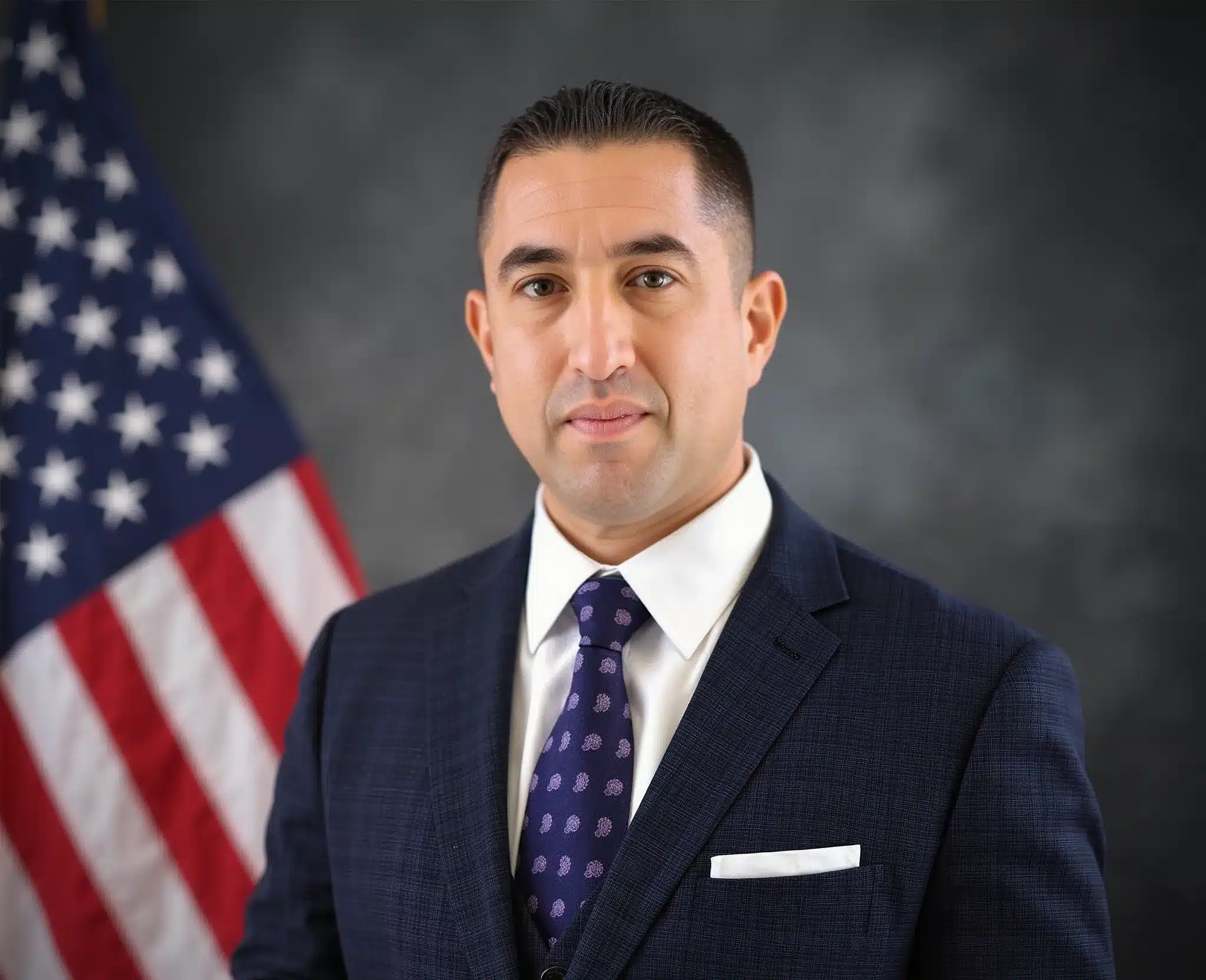
Facing a driving and drug allegation in Danville can feel isolating, but you do not have to handle it alone. The Law Office of Nabiel C. Ahmed serves clients throughout Contra Costa and Alameda Counties, offering guidance grounded in years of defending people in East Bay courts. We listen to your concerns, answer your questions, and tailor our approach to your unique circumstances, whether you are worried about your license, your job, or your family. From the first consultation through the final hearing, our goal is to help you move forward with clarity and a practical plan.
Choosing a lawyer for a driving and drug case in Danville is about more than simply having someone stand beside you in court. At the Law Office of Nabiel C. Ahmed, we bring a deep understanding of how Contra Costa County judges and prosecutors handle these matters, along with a track record of navigating complex DUI and drug allegations. We take the time to review reports, video, and lab results carefully, and we keep you informed at every stage so you can make decisions with confidence. Your goals and concerns guide the strategy we develop together.
Our firm is based in Oakland and dedicated to criminal defense throughout Alameda and Contra Costa Counties, including Danville. We know that an arrest can disrupt your work, your family life, and your sense of security. That is why we prioritize clear communication, realistic expectations, and thoughtful advocacy aimed at achieving the best result possible under the circumstances. Whether that involves negotiation, motion practice, or trial, we stand with you throughout the process. When you call 925‑430‑7313, you can speak with a team committed to helping you address this challenge and move forward with your life.
When you contact the Law Office of Nabiel C. Ahmed after a Danville driving and drug arrest, we follow a clear process designed to protect your rights and keep you informed. We begin by listening to your account and reviewing all available documents, then obtain police reports, body‑cam footage, and lab results. We identify legal issues, such as the basis for the stop or the validity of testing, and explore potential resolutions with you. Throughout the case, we communicate regularly so you know what to expect at each court date and how each decision may affect your future.
The first step in handling a Danville driving and drug case is a thorough consultation, usually shortly after your arrest or citation. During this meeting, we gather information about the traffic stop, your background, and any prior record. We explain the charges, potential penalties, and the difference between the criminal case and DMV proceedings. We also review any paperwork you received from police or the jail. This evaluation helps us identify immediate deadlines, such as requesting a DMV hearing, and begin shaping a strategy tailored to your concerns, whether that is avoiding jail, preserving your license, or protecting employment.
Our initial priority is to listen. During the first stage of your Danville driving and drug case, we want to hear how the stop unfolded from your perspective, what you remember officers saying or doing, and what worries you most. This conversation often reveals details not captured in police reports, such as witness names, medical conditions, or factors that may have influenced your behavior during testing. By understanding your story and personal circumstances, we can better present you to the court and develop strategies that address both the legal issues and the practical realities you and your family are facing.
After hearing your account, we closely review the citation, booking sheet, and any other paperwork from your Danville arrest. Many clients find these documents confusing, with multiple codes and abbreviations. We translate the legal language into plain English, explain what each charge means, and outline the possible consequences. We also discuss important deadlines, including court dates and DMV hearing requests. This step helps you understand where your case stands, what the prosecution must prove, and which aspects of the evidence—such as the stop, search, or testing—may present opportunities for challenge or negotiation on your behalf.
Once we have an initial understanding of your Danville driving and drug case, we move into investigation and pretrial strategy. This includes requesting police reports, body‑cam or dash‑cam footage, lab records, and any 911 recordings. We also request and prepare for the DMV hearing to challenge any proposed license suspension. During this phase, we identify legal issues, such as questionable searches or problems with testing procedures, and open discussions with prosecutors. Our goal is to uncover weaknesses in the case, gather favorable information, and position you for the strongest possible outcome before trial is ever considered.
A key part of our pretrial work in Danville driving and drug cases is challenging the legality of the stop, the scope of any search, and the reliability of tests. We examine whether the officer had reasonable suspicion and probable cause, whether consent to search was truly voluntary, and whether any blood draw or field sobriety tests were conducted correctly. When appropriate, we file motions to suppress evidence or limit what the prosecution can use at trial. These challenges can significantly strengthen your position in negotiations and, in some situations, result in reduced charges or case dismissal.
During the second step, we also represent you at the DMV hearing and begin negotiations with the prosecutor. The DMV process focuses on your driving privilege, while the criminal case addresses guilt or innocence. We present arguments and evidence at the DMV to challenge any proposed suspension, and we provide prosecutors with information that may support a more favorable resolution, such as treatment enrollment, employment history, or lack of prior offenses. Coordinating these efforts helps ensure that your defense strategy is consistent across both arenas and aimed at protecting your ability to drive and maintain stability in your life.
The final step in a Danville driving and drug case involves resolving the matter through negotiation, sentencing, or trial. After reviewing all evidence and discussing options with you, we decide together whether to accept a negotiated outcome or proceed to trial. If you choose a plea agreement, we work to secure terms that protect your record and limit penalties, including alternative programs when available. If trial is the best path, we prepare thoroughly to present your side to a judge or jury. Throughout this stage, we continue to advise you, answer questions, and focus on your long‑term goals.
When prosecutors make offers in Danville driving and drug cases, we carefully evaluate the terms and explain them to you in detail. This includes reviewing proposed charges, probation conditions, fines, and potential impact on your license, record, and immigration status. We also explore alternative options that might be available, such as diversion, treatment‑focused programs, or amended charges that reduce long‑term harm. Our role is to help you weigh the risks and benefits of each choice so you can make informed decisions that align with your priorities, whether that means minimizing penalties or contesting the accusations more aggressively.
If your Danville driving and drug case proceeds to trial or sentencing, preparation becomes vital. We organize evidence, identify helpful witnesses, and craft arguments that highlight weaknesses in the prosecution’s case and important aspects of your background. At trial, we cross‑examine officers and challenge the reliability of their observations or tests. If the case resolves at sentencing, we present mitigation, such as treatment, community involvement, or family responsibilities, to seek leniency. In either setting, our focus remains on presenting you as a whole person, not just a case number, and striving for the most favorable outcome possible.
After a driving and drug arrest in Danville, your first priority should be to stay calm and avoid arguing with officers. Once you are released, carefully read any paperwork you receive and make a note of court dates and DMV deadlines. Write down everything you remember about the stop, including where it occurred, what the officer said, and whether there were any witnesses or video cameras nearby. These early details can be very important later when your lawyer evaluates the legality of the stop, search, and testing procedures. You should also contact a criminal defense law firm as soon as possible, especially because DMV deadlines can arrive quickly. A lawyer can request your DMV hearing, start obtaining police reports and evidence, and advise you on what to do—and what to avoid—while your case is pending. Avoid discussing details of the incident on social media or with anyone other than your attorney, since statements you make could be taken out of context and used against you in court or negotiations.
Yes, it is possible to lose your driver’s license after a drug‑related DUI in Danville. The California DMV can initiate an administrative action separate from the criminal court case. If you do not request a DMV hearing within the required time, your license may be automatically suspended, even if the criminal case has not yet been resolved. The length of any suspension depends on factors like prior DUI history, whether you refused testing, and the specific charges filed by the prosecutor in Contra Costa County. A timely DMV hearing gives you a chance to challenge the suspension by questioning whether the stop and arrest were lawful and whether testing procedures were followed. While winning a DMV hearing can be challenging, it can also be a valuable opportunity to preserve your driving privileges or shorten any suspension. An attorney who handles Danville driving and drug cases can represent you at this hearing, present evidence, and argue on your behalf while coordinating strategies with your criminal court defense.
Marijuana and prescription drug DUIs are handled differently from alcohol DUIs because there is no universally accepted legal limit for many substances. Instead of focusing on a specific blood alcohol concentration, prosecutors in Danville rely on officer observations, field sobriety tests, drug recognition evaluations, and blood test results to argue impairment. This can make the evidence more subjective and open to challenge, particularly when medical conditions, fatigue, or nervousness could explain certain behaviors that officers interpret as signs of drug influence. Prescription medication cases can be even more complicated. You may have lawfully obtained medication and taken it as directed, yet still face allegations that it affected your ability to drive safely. In these cases, the interaction between your health, the medication, and your driving behavior must be examined carefully. A lawyer can review medical records, consult with professionals when appropriate, and challenge assumptions about impairment, helping the court understand that lawful use does not always equal unsafe driving or criminal behavior.
During a Danville traffic stop, you are required to provide your driver’s license, registration, and proof of insurance, but you generally do not have to answer questions about where you are going, whether you have used drugs, or what is in your car. Politely providing basic documents while declining to discuss details can protect your rights. You can say something like, “I want to remain silent and speak with a lawyer,” in a calm and respectful way. This approach helps avoid statements that might be misinterpreted or used against you later in court. Officers may still continue their investigation by observing your behavior, requesting field sobriety tests, or asking for consent to search your vehicle. You have the right to refuse consent to a search, although officers may proceed if they believe they have independent legal grounds. If you feel pressured or confused during the encounter, do not argue at the scene. Instead, speak with a criminal defense law firm afterward so they can review what occurred, evaluate whether your rights were violated, and determine how those issues might affect your case.
Police in Danville cannot automatically search your car for drugs during a routine stop without a lawful basis. Generally, they need your consent, a warrant, or probable cause that evidence of a crime is present. Probable cause might be based on claims of seeing contraband in plain view, smelling marijuana, or observing behavior they associate with drug use. However, these observations can sometimes be challenged as insufficient or inaccurate. If a search was conducted without proper justification, your lawyer may be able to ask the court to suppress any evidence obtained as a result. It is important to understand that you have the right to decline consent to a search. Clearly but politely stating that you do not agree to a search can preserve valuable legal arguments later, even if the officer decides to proceed. Do not interfere physically with officers; instead, remain calm and make mental notes about what was said and done. Afterward, share those details with your attorney, who can evaluate whether the search met constitutional standards and whether any violations might provide grounds to limit the prosecution’s evidence.
Penalties for a first‑time driving and drug offense in Danville can vary widely depending on the specific charges, your record, and whether anyone was injured. You may face fines, probation, mandatory classes, community service, or even short periods of jail time. A DUI with drugs charge can also trigger license suspension, installation of an ignition interlock device, and increased insurance costs. If additional drug charges are involved, such as possession or transportation, the potential penalties may increase, especially when larger quantities or allegations of sales are part of the case. Despite these possibilities, many first‑time offenders have options that can significantly reduce the long‑term impact of a case. Courts sometimes consider treatment, education programs, or community‑based resolutions, particularly when there is no prior record and the incident appears isolated. A lawyer can help identify which outcomes are realistic in Contra Costa County and negotiate for terms that protect your record as much as possible. By addressing the case proactively and presenting strong mitigation, it may be possible to avoid the harshest consequences and focus on moving forward constructively.
A driving and drug conviction can remain on your criminal record indefinitely unless it is later reduced or expunged under California law. For DUI‑related offenses, prior convictions may count against you for a number of years when determining penalties for future cases, potentially leading to increased fines, longer license suspensions, or more significant jail time. Even beyond formal sentencing consequences, employers, landlords, and licensing boards may see the conviction on background checks, which can affect opportunities long after the case seems finished. However, there may be tools available to lessen the long‑term impact. Once you complete probation and meet certain criteria, you may be eligible to seek relief such as expungement, which can improve how the case appears on many background checks. Certain reductions or dismissals may also help. A criminal defense law firm can advise you not only about your immediate Danville case but also about how different resolutions might affect future options, allowing you to plan ahead and strive for the most protective outcome possible.
A Danville drug‑related DUI can affect your job or professional license, particularly if you work in fields that require driving, clean records, or state licensing. Employers may have policies that require reporting convictions or could take action based on a suspended license. For professional licenses in areas like healthcare, education, or finance, disciplinary boards may review the case and decide whether to impose conditions or sanctions. Even if your employer is initially understanding, a criminal record can complicate promotions or future job searches in competitive markets. That said, not every case automatically leads to career damage. The specific outcome—such as the charge you are convicted of, whether it is reduced, and how the sentence is structured—can make a major difference. An attorney can work to negotiate resolutions that are more acceptable to employers or licensing boards, such as reductions to lesser offenses or participation in treatment and education programs. Being proactive, seeking counseling when appropriate, and gathering supportive references can also help demonstrate to decision‑makers that you are committed to moving forward responsibly and reliably.
Yes, driving and drug charges can sometimes be reduced or dismissed, depending on the facts of the case and the strength of the evidence. In Danville, reductions might occur when there are issues with the traffic stop, problems with chemical testing, or doubts about whether the accused was actually impaired or in possession of drugs. Prosecutors may also consider mitigation, such as lack of prior record, participation in treatment, or strong community ties, when deciding whether to offer a lesser charge or more lenient resolution that avoids some of the harshest consequences. Dismissals can happen when key evidence is suppressed, witnesses become unavailable, or the prosecution concludes it cannot prove the case beyond a reasonable doubt. While no lawyer can promise a specific outcome, a thorough review of the evidence and proactive negotiation can significantly improve your chances of a favorable result. Working closely with your attorney, providing complete information, and following recommendations about treatment or counseling can all help position your Danville driving and drug case for the best available resolution under the circumstances.
Hiring a local East Bay criminal defense law firm can be beneficial because familiarity with the courts, prosecutors, and common practices in Contra Costa and Alameda Counties often helps in guiding strategy. A lawyer who regularly appears in Danville‑related cases understands how local judges tend to handle motions, plea agreements, and sentencing. This local knowledge can inform honest advice about likely outcomes and realistic goals, saving you from relying on generic information that may not reflect how cases are actually resolved in the area where your matter will be heard. Additionally, a nearby firm is often better positioned to meet with you in person, attend hearings efficiently, and respond quickly when new developments arise in your case. Building a working relationship with a lawyer who knows the East Bay community can make a stressful process feel more manageable. At the Law Office of Nabiel C. Ahmed in Oakland, we focus on serving clients in Contra Costa and Alameda Counties, including Danville, providing accessible defense services tailored to the needs and realities of people living and working in this region.
Aggressive defense for all criminal charges
"*" indicates required fields