
Facing a felony or misdemeanor charge in Contra Costa Centre can be overwhelming, especially when you are unsure what comes next or how the criminal process works. A single allegation can threaten your freedom, reputation, job, and immigration status. At the Law Office of Nabiel C. Ahmed, the focus is on protecting people accused of theft and other crimes throughout Alameda and Contra Costa counties. This page explains what these charges mean, how they are handled in local courts, and what you can start doing today to protect your future.
Felony and misdemeanor accusations are not all the same, and the way they are handled in Contra Costa County courts can vary widely depending on your history, the evidence, and the exact charge. Whether you were arrested at a retail center, pulled over while driving through Contra Costa Centre, or contacted at home, early guidance can make a meaningful difference. By understanding how California law classifies theft and related offenses, you can make more informed decisions and avoid common mistakes that may harm your case later.
A focused felony and misdemeanor defense for theft and other crimes in Contra Costa Centre can help balance the scales when you feel the system is stacked against you. A criminal conviction may lead to jail, fines, probation, restitution, and long‑term consequences with employment, housing, and professional licensing. Careful attention to the facts, the police investigation, and your personal circumstances can uncover defenses, highlight weaknesses in the prosecution’s case, and open the door to reduced charges, diversion programs, or even dismissals. The right approach aims to protect both your immediate freedom and your long‑term record.
The Law Office of Nabiel C. Ahmed is a criminal defense law firm based in Oakland, serving people charged with theft and other crimes throughout Alameda and Contra Costa counties, including Contra Costa Centre. Over many years in local courts, the firm has handled a wide range of felony and misdemeanor matters, from shoplifting and petty theft to more serious allegations carrying potential prison time. The practice is built on detailed case preparation, clear communication, and strong courtroom advocacy, always with an eye toward minimizing the damage that an arrest or conviction can bring to a client’s life.
California law divides crimes into infractions, misdemeanors, and felonies, with misdemeanors and felonies carrying the most serious potential consequences. In Contra Costa Centre, theft and related charges can fall into either category depending on the value of the property, whether force or threats were used, and your prior record. Understanding this difference is important because it affects potential jail time, fines, probation conditions, and the long‑term impact on your record. Many people are surprised to learn that some offenses can be charged either way, giving the prosecutor significant discretion.
For someone arrested in Contra Costa Centre, the label placed on the charge is only the starting point. Felony counts may sometimes be reduced to misdemeanors through negotiation or legal motion, while certain misdemeanors may be eligible for diversion or dismissal once conditions are completed. The process involves arraignment, pretrial hearings, and potentially trial, each stage offering opportunities to challenge evidence and negotiate. Having a clear picture of how local judges, prosecutors, and probation treat these cases helps shape a strategy that fits both the law and the realities of the courtroom.
In California, a misdemeanor is a crime punishable by up to one year in county jail, while a felony can carry time in state prison and more severe long‑term consequences. In the context of theft and other crimes in Contra Costa Centre, misdemeanors often include lower‑value shoplifting, petty theft, or certain first‑time offenses without violence. Felonies usually involve higher‑value property, repeat conduct, or facts suggesting force, breaking into property, or organized activity. Some offenses, known as wobblers, can be charged as either a felony or misdemeanor, leaving room for negotiation and reduction.
Every felony or misdemeanor case begins with specific legal elements that the prosecution must prove beyond a reasonable doubt. In theft and other property‑related cases, these elements often include taking property that does not belong to you, without consent, and with intent to deprive the owner of it. In Contra Costa Centre, cases typically move from arrest to booking, then to arraignment in county court, followed by pretrial hearings, motion practice, and, if necessary, trial. Along the way, there may be opportunities for diversion, plea agreements, or alternative sentencing that avoid the harshest outcomes.
Understanding a few common terms can make the court process less confusing for someone facing charges in Contra Costa Centre. Words like arraignment, wobblers, diversion, and priorable offense often come up in discussions with the court and prosecutor. Having these concepts explained in plain language allows you to follow what is happening and participate in decisions about your case. The following short glossary highlights several phrases frequently used in California felony and misdemeanor matters involving theft and other crimes, especially in Alameda and Contra Costa county courts.
A wobbler offense is a crime that can be charged either as a misdemeanor or a felony, depending on the facts of the case and your criminal history. Many California theft‑related crimes fall into this category, including certain grand theft and receiving stolen property charges. In Contra Costa Centre cases, whether the prosecutor files a wobbler as a felony or agrees to reduce it to a misdemeanor can significantly affect potential jail time and long‑term consequences. Effective advocacy can sometimes persuade the court to treat a wobbler as a misdemeanor at sentencing.
Arraignment is the first formal court appearance in a criminal case, usually taking place shortly after an arrest or citation. In Contra Costa Centre felony and misdemeanor matters, arraignment is when the charges are read, you are informed of your rights, and a plea of not guilty, guilty, or no contest is entered. The judge may also address bail, release conditions, and future court dates. Having someone by your side at arraignment who understands local procedures can help protect your rights and avoid early missteps that might affect the rest of the case.
A diversion program is an alternative way of resolving certain California criminal charges without a traditional conviction, often available in lower‑level felony and misdemeanor cases. In Contra Costa Centre theft matters, eligible defendants may complete counseling, classes, community service, or restitution in exchange for a dismissal or reduction of charges. Diversion can be particularly valuable for people with limited or no criminal history who want to avoid a permanent record. Availability and requirements depend on the specific charge, your background, and the policies of Contra Costa County judges and prosecutors.
Restitution is money paid to compensate a victim for financial losses resulting from a crime, such as the value of stolen or damaged property. In Contra Costa Centre theft and other property‑related cases, restitution is often a key part of any plea agreement, probation order, or diversion program. Courts in Contra Costa County regularly require detailed documentation of claimed losses before setting an amount. Addressing restitution early can sometimes help resolve felony or misdemeanor charges more favorably, especially when combined with other steps that show responsibility and a commitment to making things right.
People charged with theft and related crimes in Contra Costa Centre often assume their only choices are pleading guilty as charged or going to trial. In reality, there is usually a wider range of options, from informal negotiations and charge reductions to diversion, deferred entry of judgment, or carefully structured plea agreements that protect immigration or professional licensing interests. The right path depends on the evidence, your prior record, and your personal goals. Understanding when a limited approach might be enough, and when a more comprehensive strategy is needed, can shape how your case moves forward.
In Contra Costa Centre, a limited approach may be appropriate for first‑time, low‑level misdemeanor cases where the facts are straightforward and the evidence is strong. For example, a minor shoplifting incident with no prior record and full cooperation may be addressed by focusing on restitution, classes, and swift resolution. In such situations, the priority may be securing a disposition that protects your record and avoids jail, such as diversion or informal probation. Even with a limited strategy, careful review of the police reports and store security footage can uncover leverage for better terms.
Some Contra Costa Centre theft and related cases qualify for established diversion programs or dismissal after conditions are met. When eligibility is clear and the prosecution appears open to alternative resolutions, a streamlined approach that concentrates on meeting those requirements can be effective. This might include gathering proof of employment, school enrollment, treatment, or community service to present to the court. The goal is to avoid unnecessary conflict while still protecting your rights. Even then, it is important to confirm that paperwork, court orders, and your record accurately reflect the final outcome.
More serious felony accusations or cases involving repeat offenses in Contra Costa Centre usually call for a comprehensive defense strategy. When the potential penalties include state prison, long‑term felony probation, or significant restitution, it becomes important to examine every aspect of the case. This can involve dissecting police procedures, challenging identification, reviewing digital and video evidence, and consulting with investigators or other professionals. A broad approach provides room to file motions, contest enhancements, and pursue creative resolutions that might not be obvious at first glance, especially in contested theft or burglary matters.
Some felony and misdemeanor charges carry consequences far beyond the courtroom, particularly for people with immigration concerns, professional licenses, or sensitive careers. A theft conviction from Contra Costa Centre can affect green card eligibility, citizenship applications, or state licensing in fields such as healthcare, education, or finance. In these situations, a comprehensive defense strategy looks beyond immediate punishment and focuses on long‑term impact. That may mean negotiating for alternative plea structures, amended charges, or dispositions that reduce damage to your record while still addressing the concerns of the court and prosecution.
A comprehensive approach to felony and misdemeanor defense in Contra Costa Centre can uncover options that may be missed with a narrow focus. By thoroughly examining the facts, law, and local court practices, it is sometimes possible to identify weaknesses in the prosecution’s case, raise constitutional challenges, or highlight mitigating factors in your background. This kind of preparation can provide stronger bargaining power during plea discussions and better positioning if your case goes to motion hearings or trial. The goal is to protect not just the outcome today, but your record and opportunities going forward.
Comprehensive defense also promotes peace of mind. Knowing that every angle has been considered, from potential defenses to sentencing alternatives, can reduce the anxiety that often comes with facing theft and other crime charges in Contra Costa Centre. It allows you to make informed decisions at each step, understanding both the legal risks and the practical realities of local courts. This broader perspective can lead to more creative resolutions, such as treatment‑based options, restorative justice programs, or tailored probation terms that support your life, work, and family obligations.
When your defense is built on thorough investigation and careful legal analysis, you tend to walk into negotiations and court with a stronger position. In Contra Costa Centre felony and misdemeanor cases, prosecutors and judges often respond differently when they see that the facts have been closely examined and potential legal issues are clearly identified. This can translate into better plea offers, reduced charges, or more favorable sentencing recommendations. It also ensures that, if you choose to proceed to hearings or trial, you are prepared to present your side of the story clearly and persuasively.
The impact of a theft or related conviction can last long after fines are paid and probation is over. A comprehensive approach to felony and misdemeanor defense in Contra Costa Centre keeps this in focus from day one. Instead of focusing only on short‑term jail exposure, it looks at how different outcomes may affect employment, housing, schooling, immigration, and professional licensing. This may involve seeking plea structures that are less damaging, exploring dismissal after completion of conditions, or planning ahead for record clearance options. The aim is to protect your future opportunities as much as possible.

After an arrest for theft or another crime in Contra Costa Centre, what you say can quickly be used against you. Police interviews, offhand remarks, and even conversations near a patrol car may be recorded or written into reports. It is generally safer to provide basic identifying information only and politely decline to answer detailed questions until you have had a chance to talk with legal counsel. Avoid discussing the incident on social media or through text messages, as those communications can be obtained later and may complicate your defense in court.
Missing a court date or ignoring release conditions can make a difficult situation much worse in Contra Costa Centre. Failing to appear often leads to bench warrants, additional charges, or tougher stances from judges and prosecutors. If you are ordered to obey protective orders, attend classes, or stay away from certain locations, take those instructions seriously and keep records showing your compliance. Arriving early to court, dressing neatly, and staying in close contact with your attorney demonstrates respect for the process and can positively influence how your case is handled.
If you or someone you care about faces felony or misdemeanor charges for theft or related conduct in Contra Costa Centre, getting help early can make the process less intimidating and more manageable. The legal system has its own language, deadlines, and expectations that can be confusing to navigate alone. Having guidance means you are not guessing about what comes next or how to respond when the court or prosecutor makes an offer. It also ensures that your rights are protected from the outset, before decisions are made that may be hard to reverse later.
Beyond managing the case itself, seeking legal help provides a supportive structure during a stressful time. You can ask questions, explore different outcomes, and weigh the risks of going to trial versus accepting a plea in your Contra Costa Centre matter. Someone familiar with local courts can explain how judges tend to view certain charges, what probation typically looks like, and whether diversion or alternative sentencing might be available. This information allows you to make decisions based on a clear understanding of both the law and the realities of your specific situation.
Felony and misdemeanor theft charges in Contra Costa Centre arise from many different situations. Some start with allegations of shoplifting from retail stores or taking items from workplaces. Others involve disputes over borrowed property that escalate into criminal complaints, accusations of using someone else’s credit card, or misunderstandings about consent. In more serious cases, burglary or robbery counts may be filed when force, threats, or unlawful entry are alleged. No matter how the accusation began, each case presents unique facts and context that deserve careful attention before any decisions are made in court.
Shoplifting incidents at malls, big‑box stores, and small businesses in and around Contra Costa Centre are a frequent source of misdemeanor and sometimes felony charges. Store security personnel may detain people, contact police, and provide video or written statements that become central evidence in the case. Many clients are surprised at how quickly a misunderstanding or impulsive decision can lead to formal charges, civil demand letters, and significant stress. Addressing these cases promptly can help explore options like diversion, restitution arrangements, or charge reductions that limit long‑term consequences on your record and daily life.
Some Contra Costa Centre theft cases begin with disputes among friends, roommates, or family members over money or property. Items may be borrowed and not returned, or there may be confusion over ownership, leading someone to call law enforcement. These situations can be especially painful because they mix criminal allegations with personal relationships. Charges may sometimes be filed even when the reporting party later has doubts or wants to drop the case. In these matters, carefully presenting the history between the people involved and working toward restitution or agreement can play a big role in resolving the case.
Accusations involving workplace theft, misuse of company property, or online and financial misconduct often lead to more serious felony‑level charges in Contra Costa Centre. Employers or financial institutions may conduct their own investigations before involving law enforcement, creating detailed records that are then turned over to the district attorney. These cases may involve complex documents, computer data, or long timelines. Taking them seriously from the start is important, as statements made during an employer’s internal investigation may be used later. Early legal guidance can help you avoid missteps and begin building an effective defense strategy.
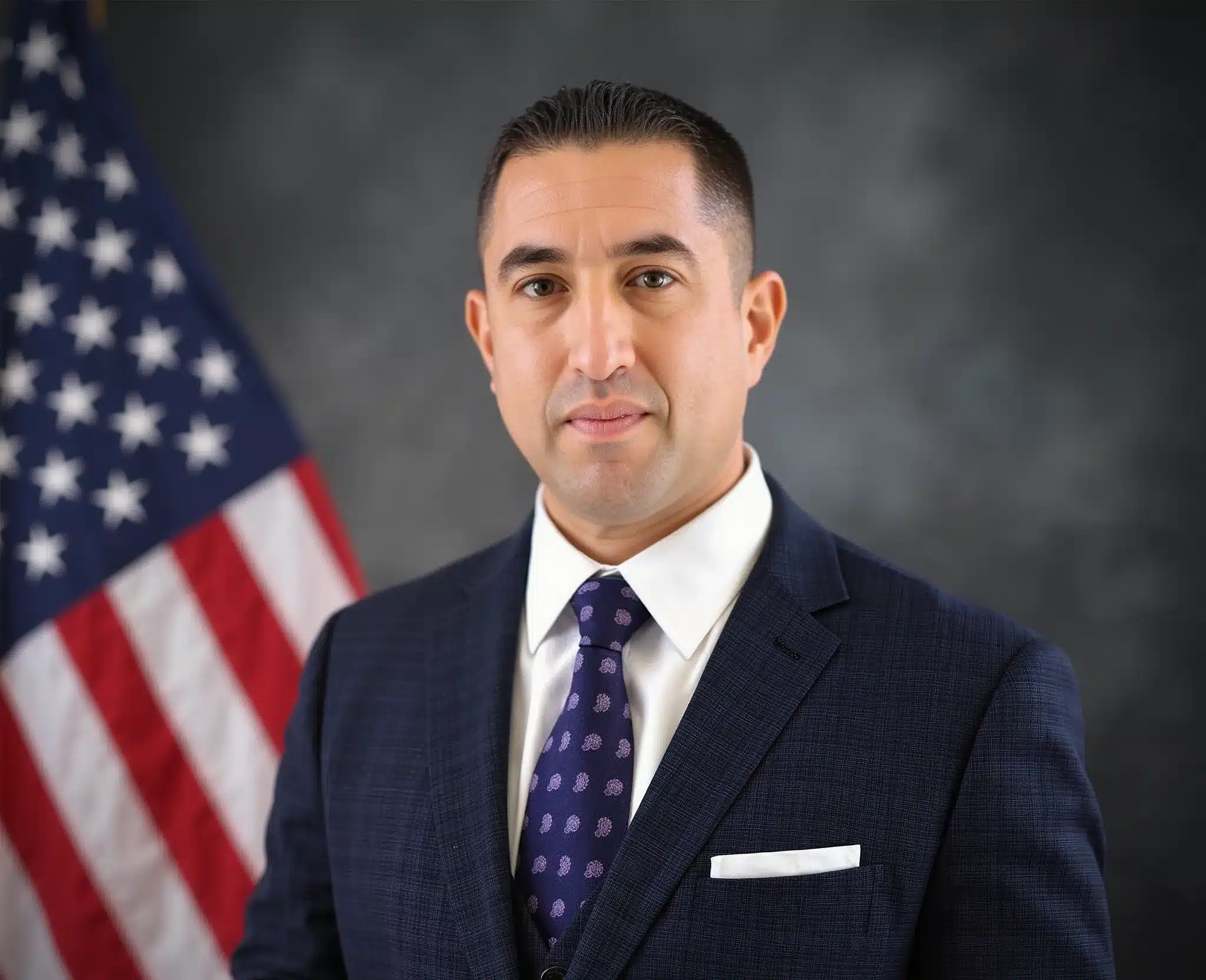
The Law Office of Nabiel C. Ahmed understands how disruptive a felony or misdemeanor charge can be, especially when it involves allegations of theft or related conduct in Contra Costa Centre. From the moment you reach out, the focus is on listening to your story, explaining the process, and outlining realistic options based on the facts. The firm handles cases throughout Alameda and Contra Costa counties, so you benefit from familiarity with local court procedures and tendencies. Whether your priority is avoiding jail, protecting immigration status, or safeguarding your career, the firm is committed to helping you move forward.
Choosing legal representation for a felony or misdemeanor case in Contra Costa Centre is a significant decision. The Law Office of Nabiel C. Ahmed offers focused criminal defense services with particular attention to theft and related charges in Alameda and Contra Costa counties. Clients receive candid advice about the strengths and weaknesses of their cases, clear explanations of each stage of the process, and dedicated courtroom advocacy. The firm’s approach emphasizes preparation, communication, and persistence, with the goal of reaching the most favorable outcome possible under the circumstances of each individual case.
Many clients come to the firm feeling anxious, embarrassed, or uncertain about the future. The Law Office of Nabiel C. Ahmed works to reduce that stress by answering questions promptly, keeping clients informed about court dates and developments, and involving them in key decisions. The firm’s experience in local courts gives insight into how prosecutors and judges often handle Contra Costa Centre theft matters, which can be invaluable during negotiations and hearings. From minor misdemeanors to serious felonies, the mission is to protect your rights and help you pursue a path forward.
When you contact the Law Office of Nabiel C. Ahmed about a felony or misdemeanor charge in Contra Costa Centre, the firm follows a structured but flexible process designed to protect your rights and uncover helpful details. It begins with a thorough consultation, review of paperwork, and a clear explanation of what to expect in local courts. From there, the firm investigates the facts, obtains discovery from the prosecution, and works with you to identify goals. Throughout the process, you receive guidance on court appearances, potential resolutions, and how each decision may affect your future.
The first step in handling a Contra Costa Centre felony or misdemeanor case is a detailed consultation and case review. During this stage, the firm listens to your account of what happened, reviews citations, booking sheets, and any paperwork from the court, and discusses your background, concerns, and priorities. This is also when potential defenses, problem areas, and realistic outcomes are first identified. By the end of this step, you should have a clearer understanding of the charges, the possible consequences, and how the Law Office of Nabiel C. Ahmed plans to approach your case.
Every case starts with understanding your side of the story. In Contra Costa Centre theft and related matters, clients often have important details that are not captured in police reports or store security statements. During the initial meeting, the firm encourages you to share what led up to the incident, how the arrest unfolded, and any concerns about work, family, or immigration. This information helps shape a defense that reflects your reality, not just what appears on paper, and builds the foundation for informed decisions about negotiations, motion practice, or trial.
After hearing your account, the firm carefully reviews the complaint, police reports, and any other available documents. In Contra Costa Centre felony and misdemeanor cases, charges can include technical language and references to statutes that are unfamiliar. This step involves translating that legal language into plain English so you understand what the prosecution must prove, what the potential penalties are, and how your prior record might affect the case. Clarifying these points early helps you feel more prepared for arraignment and future court dates, and it guides the next steps in your defense.
Once the initial review is complete, the Law Office of Nabiel C. Ahmed turns to gathering information and developing a tailored strategy. In Contra Costa Centre theft and other criminal cases, this includes obtaining full discovery from the district attorney, such as reports, videos, and witness statements. The firm may also conduct independent investigation, contact witnesses, or request additional records. Using this information, a strategy is crafted that may involve filing motions, negotiating for reduced charges or diversion, or preparing for trial. The plan is adjusted as new information emerges and opportunities develop.
Discovery is the evidence the prosecution must share with the defense, and it forms the backbone of most Contra Costa Centre felony and misdemeanor cases. The firm requests and reviews all available materials, including police narratives, security videos, photos, 911 recordings, and witness statements. This analysis looks for inconsistencies, missing information, and legal issues such as improper searches or questionable identifications. Understanding the strengths and weaknesses of the prosecution’s case is essential for making informed choices about negotiations, filing motions to suppress evidence, or challenging certain counts or enhancements in court.
After the evidence is reviewed, the firm works with you to build a defense and negotiation plan tailored to your Contra Costa Centre case. This may involve gathering character letters, employment records, proof of treatment, or restitution funds that can positively influence the outcome. The firm considers how local prosecutors and judges typically handle similar theft or related charges and uses that insight to shape proposals aimed at reduced counts, diversion, or alternative sentencing. At the same time, trial preparation often begins in the background so you are ready if negotiations do not resolve the case.
The final phase of your Contra Costa Centre felony or misdemeanor case involves attending court hearings, pursuing negotiations or motions, and working toward either a negotiated resolution or trial. The Law Office of Nabiel C. Ahmed appears with you in court, advises you about offers, and helps you weigh the risks and benefits of each option. If the case resolves through plea or diversion, the firm guides you through sentencing, compliance with court orders, and planning for possible future record‑clearing options. If your case proceeds to trial, the groundwork laid earlier supports a strong presentation.
Throughout the court process in Contra Costa Centre, there may be multiple hearings addressing bail, discovery, motions, and settlement conferences. The firm uses these appearances to protect your rights, push for missing evidence, and advocate for fair treatment. Motion practice can challenge the legality of searches, statements, or identification procedures, sometimes resulting in excluded evidence or dismissed counts. At the same time, the firm conducts plea discussions with the prosecutor, using the strengths of your case and mitigating information to seek a resolution that aligns as closely as possible with your priorities and needs.
If your Contra Costa Centre felony or misdemeanor case resolves through plea or verdict, the next stage is sentencing and compliance with court orders. The firm works to present your background and future plans in the best possible light, seeking reasonable terms for probation, community service, classes, or restitution. After sentencing, staying on top of requirements is essential to avoid violations. The Law Office of Nabiel C. Ahmed can also discuss future options, such as early termination of probation or record‑clearing procedures when available, helping you move beyond the case and focus on rebuilding.
In California, misdemeanors are generally punishable by up to one year in county jail, while felonies can carry longer sentences, including time in state prison. Both types of crimes can result in fines, probation, restitution, and a criminal record, but felonies are considered more serious and typically have greater long‑term impact. Some offenses are clearly categorized, while others may depend on the value of property, use of force, or your prior history. There are also offenses known as wobblers, which can be charged either as felonies or misdemeanors. In Contra Costa Centre theft and related cases, wobblers are common and can sometimes be reduced through negotiation or court motion. The distinction between felony and misdemeanor affects not only potential jail time but also employment opportunities, voting rights in some situations, and eligibility for certain record‑clearing options later on.
Yes, many felony theft charges filed in Contra Costa Centre are wobblers that can potentially be reduced to misdemeanors, either through negotiation with the district attorney or by motion to the court. Whether a reduction is realistic depends on the facts of the case, the value of the property, your criminal history, and how the alleged victim has been affected. Demonstrating restitution, rehabilitation, or other positive factors can sometimes help support a request for reduction. Even if a case begins as a felony, it may be possible to resolve it as a misdemeanor at the time of plea or sentencing. A reduction can significantly lessen the impact on your record, housing, and employment prospects, and may make certain record‑clearing options available in the future. Having someone who understands local Contra Costa County practices review your case is important to determine whether this path is worth pursuing.
Many first‑time misdemeanor theft cases in Contra Costa Centre resolve without jail, particularly when the value is low and there are strong mitigating circumstances. Judges and prosecutors may consider diversion, community service, restitution, and classes instead of active custody, especially for people with stable housing, jobs, or schooling. However, outcomes vary based on the facts, local policies, and how you present yourself in court. Jail is still a possibility, so it is unwise to assume it will automatically be off the table. Addressing the case proactively, gathering positive documents, and showing responsibility can improve your chances of avoiding custody. Discussing your concerns openly with your attorney allows them to tailor a strategy aimed at minimizing or eliminating jail exposure while still working within the realities of Contra Costa County courts and applicable sentencing laws.
If you are arrested for theft or another crime in Contra Costa Centre, try to stay calm and avoid arguing with officers at the scene. Provide basic identifying information, but decline to answer detailed questions until you have spoken with a lawyer. Anything you say can be written into reports or recorded on body cameras and used later. As soon as possible, write down your recollection of events while they are still fresh, including names of witnesses and any important details. Next, gather any documents or messages related to the incident, such as receipts, texts, or emails, and avoid posting about the situation on social media. Contact a criminal defense lawyer familiar with Contra Costa County to review the paperwork, explain the charges, and guide you through arraignment and future court dates. Acting quickly helps preserve evidence, protect your rights, and potentially improve the options available to resolve your case.
The length of a felony or misdemeanor case in Contra Costa County varies widely. Some misdemeanor theft cases resolve within a few weeks or months, especially if there is a clear diversion program or early plea agreement. Felony matters, particularly those involving complex evidence or multiple defendants, can take many months or even more than a year to reach resolution. Court schedules, discovery delays, and motion practice all affect the timeline. While it may be tempting to rush, moving too quickly can sometimes mean missing important defenses or negotiation opportunities. On the other hand, dragging a case out unnecessarily can add stress and uncertainty. A good approach balances thorough preparation with reasonable efficiency, keeping you informed about why delays occur and how each hearing fits into the larger strategy. Regular communication with your attorney helps you understand what to expect at each stage.
In many cases, a theft conviction will remain on your record unless steps are taken later to reduce or clear it when allowed by law. Background checks used by employers, landlords, and licensing agencies often reveal both felony and misdemeanor convictions from Contra Costa Centre and elsewhere. The impact of a conviction may lessen over time, but it can still create obstacles for housing, jobs, and professional opportunities. California law does provide some avenues for relief, such as reductions of certain felonies to misdemeanors or petitions to dismiss eligible convictions after successful completion of probation. These remedies have limitations and are not available in every case, particularly when prison time has been served or certain offenses are involved. Discussing long‑term goals with your attorney early on can influence how your current case is resolved and preserve future options for record relief.
Prior convictions can significantly affect how a new felony or misdemeanor case is handled in Contra Costa Centre. Prosecutors may file more serious charges, add sentencing enhancements, or be less inclined to offer diversion or lenient plea agreements if they see a pattern of similar conduct. Judges may also view prior convictions as indicators of risk when setting bail or determining appropriate sentences. That said, the age, type, and circumstances of prior convictions matter. Older or unrelated offenses may carry less weight than recent, similar conduct. Demonstrating positive changes in your life, such as stable employment, treatment, or family responsibilities, can sometimes help counterbalance past mistakes. A candid discussion with your attorney about your record allows them to anticipate how it might influence the case and to develop strategies for addressing it in negotiations and at sentencing.
Even if an alleged victim in a Contra Costa Centre theft case wants to drop the charges, the decision to continue prosecution belongs to the district attorney, not the individual. Prosecutors may take the victim’s wishes into account, but they are not required to dismiss simply because the complaining witness has changed their mind. They will often evaluate the strength of the evidence, any prior history, and public safety concerns when deciding how to proceed. However, a cooperative or forgiving attitude from the alleged victim can sometimes open the door to more favorable resolutions, such as reduced charges, diversion, or alternative sentencing. In some cases, restitution and written statements may play a role. It is important not to pressure or improperly influence the complaining witness, as that can lead to additional charges. Your attorney can advise on appropriate, lawful ways to address the victim’s concerns through the legal process.
Yes, certain theft and fraud convictions can create serious immigration problems for non‑citizens, including potential deportation, denial of naturalization, or loss of status. Crimes involving moral turpitude, which may include many theft‑related offenses, are of particular concern under immigration law. A plea that seems acceptable in criminal court in Contra Costa Centre may still have harsh consequences for green card holders, visa holders, or undocumented individuals. Because the interaction between criminal and immigration law is complex, it is essential to inform your attorney about your immigration status as early as possible. In some cases, it may be possible to negotiate alternative charges, sentence structures, or plea language that reduces immigration risk. Your criminal defense lawyer may also suggest consultation with an immigration attorney to fully understand how different outcomes could affect your current or future status in the United States.
When choosing a lawyer for a felony or misdemeanor case in Contra Costa Centre, consider their focus on criminal defense and familiarity with local courts, judges, and prosecutors. Look for someone who is willing to answer your questions clearly, explain the process in plain language, and give you honest feedback about the strengths and weaknesses of your case. Comfort and trust are important, because you will be sharing personal information and making significant decisions together. It can be helpful to ask how the attorney approaches negotiation, motion practice, and trial, and whether they have handled theft and related charges in Contra Costa County. Pay attention to how they communicate during your initial consultation and whether they listen carefully to your concerns. Ultimately, you want someone who will advocate for you, keep you informed, and work diligently to pursue the best possible outcome for your situation.
"*" indicates required fields