
Facing a weapons charge in Concord can be intimidating and confusing, especially when you are worried about your future, your job, and your family. California’s firearm and dangerous weapons laws are enforced aggressively throughout Contra Costa County, and prosecutors often push for jail time, long probation terms, and damaging criminal records. At the Law Office of Nabiel C. Ahmed, our Concord-focused defense team helps individuals confront these allegations head-on, protect their rights at every stage, and work toward outcomes that reduce penalties, minimize consequences, and safeguard long-term opportunities.
Whether your case involves a firearm, knife, ammunition, or allegedly prohibited device, the legal process in Concord can move quickly and feel overwhelming. You may be unsure what to say to law enforcement, whether to accept a plea offer, or how a conviction might affect immigration, professional licenses, or gun ownership rights. This page explains how California views weapons offenses, the possible defenses available, and how a defense-focused Concord law firm can guide you through each step, from the initial investigation to potential dismissal, reduction, or negotiation of charges.
Weapons offenses in Concord can bring severe penalties, including county jail time, state prison exposure, fines, probation, and long-term restrictions on your rights. A focused defense can help identify weaknesses in the prosecution’s case, such as unlawful searches, unreliable witness accounts, or gaps in proof that a weapon was actually possessed or used unlawfully. By working with a Concord criminal defense law firm that understands local judges, prosecutors, and courthouse procedures, you gain guidance in seeking reduced charges, diversion options where available, and strategies to protect employment, housing, and future opportunities that could otherwise be placed at risk.
The Law Office of Nabiel C. Ahmed is a criminal defense law firm serving clients throughout Contra Costa County and Alameda County, with a strong focus on Concord. Our practice handles a wide range of violent and serious crimes, including cases involving firearms, knives, and other alleged weapons. Over years of defending individuals in local courts, the firm has developed a deep familiarity with California weapons statutes, charging trends, and plea practices. Clients receive straightforward communication, thorough case review, and a defense strategy tailored to the facts of their situation and the realities of the Concord courthouse.
California weapons laws cover much more than illegal guns. In Concord, charges may stem from carrying a concealed firearm, possessing a loaded weapon in public, owning a prohibited firearm, having a weapon as a prohibited person, or allegedly using a weapon during another offense. Even items that may not seem dangerous, like certain knives or improvised objects, can trigger serious allegations. It is common for these cases to arise from traffic stops, neighborhood calls, or searches related to unrelated investigations. Understanding the type of charge filed against you is the first step in planning an effective defense.
Weapons offenses can be charged as misdemeanors or felonies, and prosecutors often seek sentencing enhancements if a weapon is alleged to have been used or present during another crime. In Concord, this can drastically increase potential jail exposure and complicate plea negotiations. Some charges carry mandatory minimums or restrictions on early release, while others may qualify for diversion or reduced sentencing options. A careful review of police reports, body camera footage, and forensic evidence helps determine whether law enforcement complied with search and seizure rules and whether there are grounds to challenge possession, knowledge, or intent to use the weapon unlawfully.
A weapons offense in California generally involves possessing, carrying, using, or selling a firearm or other prohibited device in ways that violate state law. In Concord, common charges include carrying a concealed firearm without a permit, possessing a loaded gun in a vehicle, owning an assault-style weapon, having a weapon as a person with a prior disqualifying conviction, or brandishing a weapon in a threatening manner. Some statutes focus on the nature of the object itself, while others focus on how and where it is used. Even without firing a shot or harming anyone, these allegations can bring serious criminal and collateral consequences.
In a typical Concord weapons case, the prosecution must prove several elements, such as possession, knowledge of the weapon, and that the item met the legal definition of a firearm or prohibited weapon. The case often begins with an arrest or citation, followed by arraignment, pretrial hearings, and, if not resolved, trial. Along the way, your defense team can challenge the basis of the stop, search, or detention, question the accuracy of law enforcement accounts, and seek to exclude unlawfully obtained evidence. Many cases resolve through negotiation, but some proceed to motions or trial when the facts support a more aggressive approach.
Weapons cases in Concord involve legal terms that can feel confusing at first, but understanding them can help you follow what is happening in court. Terms like “possession,” “loaded firearm,” and “assault weapon” have specific legal meanings that differ from everyday language. Allegations may also reference being a “prohibited person” or the concept of a “wobbler,” meaning a charge that can be filed as either a misdemeanor or a felony. Knowing how these terms apply to your case helps you evaluate plea offers, potential defenses, and the realistic range of outcomes available in Contra Costa County courts.
In California weapons cases, possession does not always mean the weapon was found in your hand or pocket. In Concord, prosecutors may argue that you had actual possession, meaning direct physical control, or constructive possession, meaning the weapon was in a place you could access and had the right to control, such as a vehicle or shared residence. Disputes often arise over whether you knew the weapon was present or belonged to you. Challenging possession can be a powerful defense strategy when there are multiple occupants or unclear connections between you and the seized item.
A prohibited person is someone who, under California law, is not allowed to own or possess firearms or certain ammunition. In Concord, this can include individuals with particular felony convictions, specific misdemeanor domestic violence or weapons-related convictions, or certain restraining orders. Immigration status and mental health-related court findings can also impact firearms eligibility. When a prohibited person is accused of possessing a weapon, charges and potential penalties may become more severe. Evaluating prior records, underlying orders, and the legality of the alleged prohibition is an important part of building a defense in these cases.
The term loaded firearm has a precise meaning in California law. In Concord cases, a firearm is generally considered loaded when ammunition is in, or attached to, the firearm in a manner that allows it to be fired. This can include a round in the chamber or ammunition in an attached magazine. Some individuals are surprised to learn that even if they believed the gun was not ready to fire, law enforcement may still treat it as loaded. Understanding this definition helps assess whether the prosecution can actually prove a loaded firearm allegation beyond speculation or assumption.
A wobbler offense is a charge that prosecutors can file as either a misdemeanor or a felony, depending on the facts of the case and the person’s history. Many weapons-related crimes in Concord fall into this category. The way a wobbler is filed can dramatically change potential consequences, including maximum jail time, eligibility for certain programs, and long-term record impact. Through negotiation, strategic motion practice, or presentation of mitigating information, a defense team may persuade the prosecution or court to treat a wobbler as a misdemeanor, which can significantly reduce the harm of a weapons arrest.
After a weapons arrest in Concord, you may feel pressure to accept the first plea offer or simply plead guilty to get the case behind you. However, there are often several legal paths to consider, including filing motions to suppress evidence, seeking a reduction from felony to misdemeanor, negotiating amendments to lesser charges, or exploring diversion and alternative sentencing when available. Each option carries different risks and benefits for immigration, employment, and future legal rights. A thorough evaluation of the evidence, your history, and local court tendencies can help you choose a course that aligns with your goals.
Sometimes a Concord weapons case involves a relatively low-level allegation, such as a technical violation or a first-time offense where no one was harmed and the item was never displayed. When strong mitigating factors are present, including a clean record, steady employment, community involvement, or evidence of misunderstanding, a more limited legal response may be appropriate. In these situations, focusing on negotiation, early intervention, and presentation of favorable information can lead to outcomes like informal diversion, community service, or reduced charges, helping to resolve the case without prolonged litigation or unnecessary conflict.
In some Concord cases, the evidence problems are so apparent that the prosecution is open to early resolution once those weaknesses are highlighted. For example, unclear possession, questionable identification, or obvious constitutional violations may make it difficult for the state to proceed confidently. When both sides recognize these issues, a limited approach emphasizing targeted motions and settlement discussions may avoid the need for a contested trial. This can allow you to move forward more quickly while still protecting your rights, reducing uncertainty, and pursuing a result that minimizes long-term consequences for your record and reputation.
When you are facing serious felony weapons charges in Concord, especially with prior convictions on your record, a comprehensive defense strategy becomes extremely important. Prosecutors may seek prison exposure, sentencing enhancements, or conditions that affect your freedom long after the case ends. In these situations, your legal team must carefully analyze every aspect of the stop, search, and alleged statements, consult with investigators where appropriate, and prepare for the possibility of motions and trial. A comprehensive approach allows time to gather mitigation, challenge the state’s narrative, and pursue every available path toward a better outcome.
For many Concord residents, a weapons conviction carries risks beyond jail and fines. Non-citizens may face immigration consequences, while nurses, contractors, teachers, and others with state or professional licenses may see disciplinary action or loss of livelihood. In these cases, a comprehensive defense requires looking past the immediate plea offer and considering how each possible resolution will affect your life years down the road. This may involve coordinating with immigration counsel, understanding licensing rules, and seeking charge structures that avoid devastating collateral damage, allowing you to protect both your record and your future plans.
A thorough defense in a Concord weapons case goes beyond simply showing up to court and waiting for offers. It means carefully reviewing reports, videos, and physical evidence, identifying legal challenges, and gathering records that show your positive contributions and responsibilities. This broader picture can persuade prosecutors or judges to view you as more than just a case number, leading to reductions, alternative sentencing, or even dismissals when the facts allow. A comprehensive approach also helps you understand realistic risks and options, reducing surprises and allowing you to make informed decisions at every stage.
Another benefit of a comprehensive approach is long-term planning. Instead of focusing only on the next court date, your defense team can work with you to address issues that may have contributed to the arrest, such as substance use, mental health concerns, or unstable living conditions. Showing proactive steps like counseling, treatment, or community involvement can improve both your life and how your case is viewed in Concord courts. This strategy not only strengthens negotiations but also lays a foundation for a more stable future, helping you move past the case with greater confidence and security.
A comprehensive defense gives you a stronger position when negotiating with Concord prosecutors. By thoroughly investigating your case, identifying legal issues, and compiling mitigation, your legal team can push for reduced charges, dismissal of enhancements, or alternative resolutions that better reflect your circumstances. Instead of relying solely on the initial police version, the prosecutor is presented with a more complete story, often revealing doubts or human factors that deserve consideration. This elevated negotiating posture can make the difference between a long-term felony record and a more manageable outcome that allows you to rebuild more quickly.
Weapons cases can affect important rights, including future firearm eligibility, voting rights in some situations, housing options, and access to certain careers. A comprehensive Concord defense strategy accounts for these concerns from day one. By considering how each potential resolution may impact your long-term goals, your defense team can aim for outcomes that limit damage, such as reduced charges, alternative plea structures, or sentencing choices that preserve eligibility for future relief. This forward-looking approach helps protect not only your immediate freedom but also your ability to pursue education, work, and family stability after the case ends.


After a weapons arrest in Concord, it can be tempting to explain your side to officers, friends, or social media followers. However, statements made in anger or fear can be taken out of context and used against you later in court. The safest approach is to remain polite but firm with law enforcement, clearly invoking your right to remain silent and to have legal representation before answering questions. Avoid texting or posting about the case, and do not pressure witnesses to speak on your behalf. Instead, provide all information directly to your defense team in a confidential setting.
Courts in Concord often look at the bigger picture when evaluating weapons cases. Taking proactive steps, such as enrolling in counseling, substance use treatment, anger management, or job training, can demonstrate responsibility and a commitment to moving forward in a better direction. Letters from employers, mentors, or community leaders can also help show your positive qualities beyond the arrest. When your defense team presents these efforts to the prosecutor or judge, it can influence plea negotiations and sentencing decisions, sometimes leading to more lenient outcomes and opportunities to avoid long-term damage to your record.
Even a single weapons charge in Concord can carry penalties that follow you for years. Prosecutors may seek jail time, probation conditions, fines, and restrictions on firearms rights, while background checks can expose convictions to employers and landlords. Trying to handle the case alone risks missing legal defenses or negotiation opportunities that could improve the outcome. By working with a criminal defense law firm familiar with Contra Costa County courts, you gain guidance on the legal process, clear explanations of your options, and a strategy designed to reduce harm and protect your future as much as possible.
Weapons laws in California are complex and frequently updated, and online information does not always reflect how cases are actually resolved in Concord courtrooms. Having a dedicated defense team means you have someone to review the evidence, challenge improper searches or stops, and communicate with prosecutors on your behalf. This support can relieve some of the stress of repeated court appearances and help you avoid missteps that could weaken your position. If you value your record, employment prospects, and long-term rights, it makes sense to seek legal representation tailored to weapons offenses in your local community.
Weapons charges in Concord arise from many different situations, not just high-profile incidents. A routine traffic stop that turns into a vehicle search, a neighbor calling police about a disturbance, or a disagreement that escalates can all lead to allegations involving firearms or other weapons. Sometimes the weapon is discovered during an investigation into unrelated activity, such as suspected theft or drug possession. In other cases, misunderstandings about California’s complex carry and transportation laws lead to charges even when there was no intention to harm anyone. Each scenario requires a tailored defense based on the specific facts.
Many Concord weapons cases begin with a simple traffic stop for speeding, equipment issues, or alleged lane violations. Once a vehicle is stopped, officers may claim to smell contraband, see suspicious movements, or notice items in plain view, leading to a search that uncovers a firearm or other alleged weapon. These situations raise important questions about whether the stop was lawful, whether consent to search was truly voluntary, and whether the scope of the search stayed within legal limits. Challenging these aspects can be vital in suppressing improperly obtained evidence and reshaping the direction of the case.
Disagreements at home or between partners sometimes lead to calls for police assistance in Concord. When officers respond to a disturbance, they may search the residence or surrounding area for safety reasons and discover a firearm, knife, or other alleged weapon. In the emotional aftermath, statements may be misunderstood or exaggerated, leading to serious charges that do not accurately reflect what occurred. These cases often involve complicated relationships, conflicting accounts, and unclear evidence about who owned or controlled a weapon. A careful defense aims to untangle these issues, highlight context, and prevent a moment of conflict from defining your future.
Weapons allegations in Concord can also arise from street encounters, park incidents, or interactions outside businesses. Police may respond to reports of someone seen with a weapon or acting suspiciously, leading to stops and pat-downs that uncover an item later described as dangerous. In some situations, the object may not meet the legal definition alleged, or there may be disputes over whether it was used or displayed in a threatening way. These cases often turn on witness reliability, video footage, and the precise conduct officers observed. A focused defense examines each of these details to build a more accurate picture.
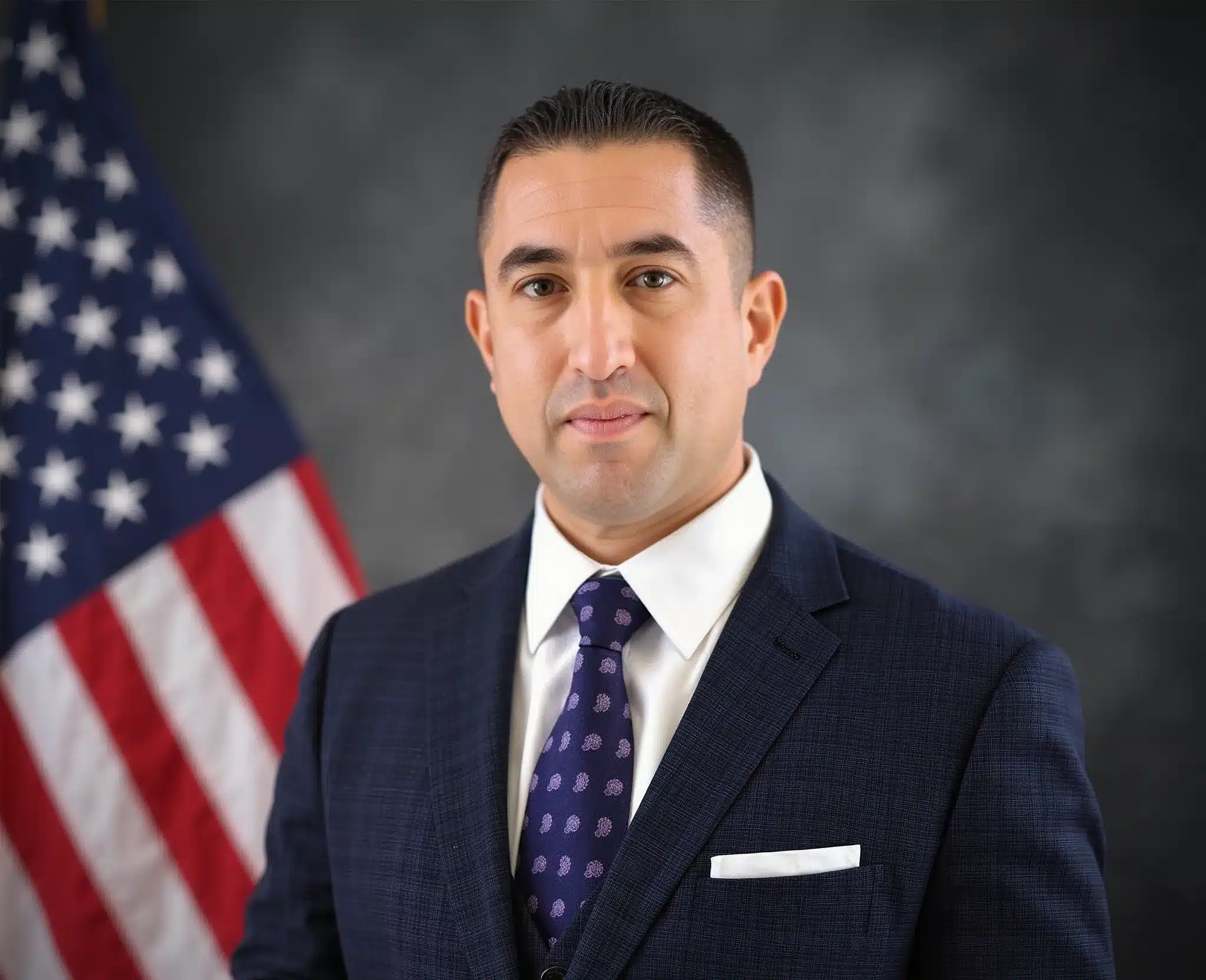
If you or someone you care about is facing a weapons charge in Concord, you do not have to face the court system alone. The Law Office of Nabiel C. Ahmed is a criminal defense law firm committed to defending individuals in Contra Costa County and Alameda County. From the moment you contact our office, you can receive guidance on what to expect, how to protect your rights, and what steps to take before your next court date. Our goal is to reduce stress, provide clear information, and pursue the most favorable result that the facts of your situation allow.
Choosing the right legal team for a weapons case in Concord can significantly change how your matter is handled and resolved. The Law Office of Nabiel C. Ahmed focuses its practice on criminal defense, including violent and serious crimes and weapons-related charges. The firm understands local court customs, common prosecutorial approaches, and the unique concerns facing individuals in Contra Costa County. Clients receive straightforward, honest communication about strengths and risks in their case, along with a defense plan that reflects their priorities regarding jail exposure, future rights, and long-term goals.
Our office takes the time to listen to your story, answer your questions, and explain what each court appearance means. We investigate the facts, analyze whether law enforcement overstepped boundaries, and identify options that may not be apparent from the initial police reports. Whether your case is best resolved through negotiation, motions, or preparing for trial, we aim to protect your rights at every stage. By hiring a criminal defense law firm that regularly appears in Bay Area courts, you gain an advocate dedicated to reducing the impact of weapons allegations on your life and future.
At the Law Office of Nabiel C. Ahmed, our process for handling weapons cases in Concord is designed to provide clarity, support, and strong advocacy from the start. We begin by learning about you, your background, and the circumstances of the arrest. Then we review police reports, video, and physical evidence, looking for inconsistencies or constitutional issues. Throughout the case, we keep you informed about what is happening in court and what to expect next. By combining careful investigation with open communication, we help you navigate the legal system and pursue the most favorable resolution available.
The first step in our Concord weapons defense process is an in-depth consultation and case evaluation. During this meeting or call, we discuss the charges you are facing, your prior history, and what matters most to you, such as immigration, employment, or family responsibilities. We review available documents, including citations, release paperwork, and any court notices. This stage allows us to identify immediate concerns, deadlines, and opportunities to protect your rights. You also have the chance to ask questions about the legal process and receive an honest assessment of the issues and potential paths forward.
Early in the process, we collect background information to understand the full context of your Concord weapons case. This includes your criminal history, if any, immigration status, employment situation, and family responsibilities. We also gather any prior court documents or records that may affect bail, charging decisions, or sentencing. Understanding this broader picture allows us to anticipate how prosecutors and judges might view your case and to spot opportunities for mitigation. It also helps us tailor our approach to your specific needs, whether that means focusing on avoiding custody, protecting licenses, or preserving long-term opportunities.
Once we have your background information, we carefully review the precise California statutes you are charged under, including any alleged enhancements. We explain the difference between misdemeanors and felonies, discuss possible penalties, and outline how a conviction might affect immigration, firearms rights, and future employment. For Concord clients, we also talk about typical local practices and what similar cases may look like in Contra Costa County courts. This clear explanation helps you understand the stakes and make informed choices about how to proceed, rather than feeling left in the dark about crucial aspects of your case.
After the initial evaluation, our Concord weapons defense process moves into detailed investigation and evidence review. We obtain police reports, body camera footage, dispatch audio, and any available witness statements. When necessary, we seek additional records or consult with investigators to clarify timelines and locations. Our goal is to identify constitutional issues, factual inconsistencies, and alternative explanations that may support dismissal, reduction, or favorable negotiation. If appropriate, we file motions to suppress evidence or challenge aspects of the prosecution’s case, positioning you for a stronger outcome in court or at the negotiation table.
Many Concord weapons cases hinge on whether law enforcement acted within legal boundaries when stopping a vehicle, detaining someone on the street, or entering a home. During this stage, we closely examine the justification for the stop or contact, the scope of any search, and how the alleged weapon was discovered. If officers lacked reasonable suspicion or probable cause, or if consent to search was questionable, we may file motions to suppress the evidence. Successfully challenging an unlawful search can significantly weaken the prosecution’s case and sometimes lead to dismissal or more favorable resolutions.
In addition to legal challenges, we examine witness statements and physical evidence with a critical eye. In Concord weapons cases, different witnesses may offer conflicting versions of what happened, and memory can be affected by stress, lighting, or distance. We compare statements to body camera footage, photographs, and physical items, looking for inconsistencies or details that support your defense. If the nature or operability of a weapon is disputed, we may seek additional documentation or testing. This careful analysis helps us build a more accurate narrative and prepares us to question the reliability of the prosecution’s evidence in court.
The final stage of our Concord weapons defense process involves negotiating with prosecutors, preparing for possible trial, and guiding you through decisions about resolution. Using what we have learned from investigation and motion practice, we present mitigation, legal arguments, and factual explanations to support reduced charges or favorable sentencing terms. At the same time, we prepare as though the case may proceed to trial, developing themes, identifying key witnesses, and organizing exhibits. This balanced approach ensures that, whether your case resolves through negotiation or in the courtroom, you are positioned for the strongest result achievable under the circumstances.
During negotiations, we highlight aspects of your life that show you as a whole person, not just a case file. For Concord clients, this may include employment history, educational achievements, family responsibilities, community involvement, and proactive steps like counseling or treatment. We use this information to advocate for alternatives to harsh custody time, such as community service, classes, or probationary terms that allow you to keep working and caring for loved ones. By emphasizing positive factors and growth, we often open doors to resolutions that better reflect your true character and potential.
While many weapons cases in Concord resolve through negotiation, some require trial when the evidence supports a strong challenge to the charges or the offered resolution is unjust. In those situations, we prepare carefully, reviewing witness lists, planning cross-examination, and organizing exhibits such as photos, diagrams, or records that support your defense. We also work closely with you so you understand what to expect in the courtroom and can make informed choices about testifying or remaining silent. Thorough trial preparation ensures that, if your case goes before a jury, your defense is presented clearly, confidently, and persuasively.
After a weapons arrest in Concord, you may be taken into custody or released with a citation, depending on the allegation and your history. Your first court date, called an arraignment, is when the judge will formally read the charges and address bail or release conditions. You will have the opportunity to enter an initial plea, and the court will set future dates for pretrial hearings or other proceedings. It is important to contact a defense lawyer quickly so your rights are protected from the very beginning. Between arraignment and resolution, your lawyer can obtain police reports, video, and other evidence, then evaluate potential defenses and negotiation strategies. There may be opportunities to challenge the legality of a stop or search, question the accuracy of witness statements, or present mitigating circumstances. Many cases are resolved through plea negotiations, but some proceed to motions or trial. Throughout the process, having a defense team familiar with Concord courts helps you understand what to expect and make informed decisions.
Yes, many weapons charges in California are wobblers, meaning they can be filed and resolved as either misdemeanors or felonies. In Concord, prosecutors may initially file a charge as a felony but later agree to reduce it based on the facts of the case, your prior record, and mitigating information presented by your lawyer. This reduction can significantly impact potential jail exposure, future rights, and how the case appears on background checks. Securing a reduction often involves a combination of legal and practical advocacy. Your defense team may file motions that highlight weaknesses in the state’s evidence or challenge the legality of the search. At the same time, presenting proof of employment, education, counseling, or community involvement can support a more lenient view. While no particular result can be guaranteed, negotiating for reduction from felony to misdemeanor is a common and important goal in weapons cases in Contra Costa County.
Not everyone charged with a first-time weapons offense in Concord goes to jail, but the risk depends on the specific charge, facts, and your background. Some low-level or non-aggravated cases may resolve with probation, fines, classes, or community service instead of custody. The presence of aggravating factors, such as prior convictions, alleged threats, or other crimes, can increase the likelihood of jail time. The exact statute you are charged under and whether the case is a misdemeanor or felony play a critical role in determining potential penalties. A defense lawyer can evaluate your case and help you understand realistic sentencing outcomes in Concord courts. By identifying legal defenses, presenting mitigating information, and negotiating with prosecutors, your attorney may be able to reduce the charges or secure alternative sentencing options. It is important to address the case proactively and to follow any recommendations your lawyer gives, such as attending counseling or classes, to strengthen your position when the court considers punishment.
Police in Concord must follow constitutional rules when stopping people and searching vehicles, homes, or personal belongings for weapons. Generally, officers need reasonable suspicion to stop you and probable cause or valid consent to conduct most searches, although there are exceptions, such as searches incident to arrest or situations involving officer safety concerns. If law enforcement steps outside these legal boundaries, any evidence found, including weapons, may be subject to challenge in court. A defense lawyer examines the circumstances of the stop and search in detail, reviewing reports and body camera footage to determine whether your rights were respected. If there are grounds to argue that the search was unlawful, your attorney may file a motion to suppress the seized weapon and any related evidence. A successful suppression motion can weaken or even dismantle the prosecution’s case, sometimes leading to dismissals or substantially better plea offers in Contra Costa County weapons matters.
Weapons convictions can carry serious immigration consequences for non-citizens, including lawful permanent residents and visa holders. Certain firearms offenses may be considered deportable or may affect eligibility for relief in immigration court. Even a misdemeanor conviction can raise concerns, depending on the statute and the person’s immigration history. Because of this, it is important to identify potential immigration issues early when handling a Concord weapons case. A criminal defense lawyer handling your case should be aware of these concerns and, when necessary, coordinate with an immigration attorney to understand the specific risks. Together, they can work to negotiate charges or resolutions that reduce or avoid immigration harm where possible, such as by pursuing alternative plea structures or charges. While there are no guarantees, being proactive about immigration consequences is essential for non-citizens facing weapons allegations in California courts.
It is not uncommon for someone in Concord to be charged with a weapons offense even when they insist the weapon was not theirs or they did not know it was present. The law allows prosecutors to argue constructive possession, meaning you had access to or control over the area where the weapon was found. In shared homes or vehicles, this can lead to unfair assumptions about who owned or controlled a particular item, especially when several people are present during a search. Your defense lawyer can challenge these assumptions by examining who had keys, who was seated where, whose belongings were nearby, and whether fingerprints or other evidence actually tie you to the weapon. Witness statements, text messages, or other records may support your claim that the item belonged to someone else or that you were unaware of its presence. Highlighting these points can cast doubt on the prosecution’s theory and strengthen your defense in a Concord courtroom.
Yes, the fact that a firearm was not actually loaded can sometimes provide important defenses or at least affect the severity of the charges. California law defines a loaded firearm in a specific way, and if the prosecution cannot prove that ammunition was in or attached to the firearm in a manner that allowed it to be fired, certain charges may not fit. In Concord, this distinction can mean the difference between more serious counts and less severe allegations or even dismissal of particular enhancements. However, an unloaded weapon can still lead to criminal charges under other statutes, such as carrying a concealed firearm or possessing a firearm as a prohibited person. A defense lawyer will analyze the exact charges and evidence, including photos, lab reports, and officer testimony, to determine whether the state can truly prove the firearm was loaded and whether the legal definitions are being applied correctly. These nuances often become central issues in weapons cases in Contra Costa County courts.
The length of a Concord weapons case can vary widely based on the seriousness of the charges, the complexity of the evidence, and the court’s schedule. Some cases resolve in a few months through early negotiations or diversion programs, while more serious or contested cases may take six months to a year or longer, especially if motions or trial are involved. Each court appearance typically serves a specific purpose, such as exchanging discovery, arguing motions, or discussing potential resolutions. Although waiting for a case to resolve can be stressful, taking time to properly investigate and prepare often leads to better outcomes than rushing. Your defense lawyer will keep you informed about upcoming court dates, what to expect at each hearing, and how the case is progressing. Being patient and engaged in the process, while following your lawyer’s advice about classes or counseling, can improve both the legal outcome and how judges and prosecutors view your commitment to change.
Speaking to police about your weapons case without a lawyer present is generally not recommended. Even if you believe you can explain everything or clear up misunderstandings, statements made under stress can be misinterpreted or used out of context later. In Concord, officers and detectives are trained to ask questions that may elicit admissions or details that strengthen the prosecution’s case. Once you speak, it is difficult to undo any harm caused by unguarded comments or attempts to be cooperative without guidance. You have the right to remain silent and to request an attorney before answering questions. Exercising these rights does not make you look guilty; it simply protects you from saying something that could be used against you. Once a lawyer is involved, they can communicate with law enforcement on your behalf, assess whether speaking with investigators might help, and, if appropriate, arrange any conversations in a controlled way that safeguards your interests.
Hiring a Concord weapons defense lawyer early allows you to protect your rights from the moment the investigation begins, not just after formal charges are filed. Early representation can help prevent damaging statements, secure time-sensitive evidence such as surveillance footage, and address bail or release issues at the first court appearance. Your lawyer can also begin conversations with prosecutors before positions harden, sometimes influencing charging decisions or avoiding more serious allegations. In addition, having a lawyer from the outset provides you with a clear understanding of the process, potential outcomes, and steps you can take to strengthen your case. This may include enrolling in programs, gathering character letters, or addressing underlying issues that concern the court. By getting ahead of the case instead of reacting after key decisions are made, you give yourself the best chance to achieve a resolution that limits long-term damage to your record, rights, and future opportunities.
"*" indicates required fields