
Facing a felony or misdemeanor charge in Concord can turn your life upside down. A single arrest for theft or another offense can threaten your job, housing, immigration status, and reputation throughout Contra Costa County. You may be worried about court dates, possible jail time, and what this means for your future. At the Law Office of Nabiel C. Ahmed, we help people navigate these stressful situations with clear guidance and focused defense strategies tailored to the unique facts of each case and each client’s goals.
Whether you are accused of a low-level misdemeanor or a serious felony involving theft or other alleged crimes, the decisions you make early in your case can shape the outcome. Law enforcement and prosecutors are already building their version of events. You deserve someone who will investigate your side, protect your rights, and push back against overcharging or unfair penalties. Our firm has spent years defending people in Concord, Oakland, and across Contra Costa and Alameda Counties, working to limit the damage and pursue the most favorable result possible.
Felony and misdemeanor allegations are more than just court cases; they can affect every part of your life. A conviction for theft or another offense can lead to fines, jail or prison, probation terms, and long-term consequences like background checks and licensing hurdles. By working with a dedicated criminal defense firm, you gain a team that reviews the evidence, challenges questionable police conduct, and looks for weaknesses in the prosecution’s case. Effective representation can often mean reduced charges, alternative sentencing, or even a dismissal, giving you a better foundation for your future.
The Law Office of Nabiel C. Ahmed is a criminal defense law firm serving Concord, Oakland, and communities throughout Contra Costa and Alameda Counties. Our practice focuses on defending people accused of theft offenses, felony charges, misdemeanors, and other criminal matters in California courts. We understand how local judges, prosecutors, and probation departments operate, and we use that knowledge to develop practical strategies. From first-time shoplifting allegations to serious felony theft or related charges, we work closely with clients, explain each step clearly, and stay committed to protecting their rights.
California law divides crimes into felonies, misdemeanors, and infractions, each carrying different potential penalties and long-term impacts. In Concord, theft and other crimes may be filed as either a felony or a misdemeanor depending on the facts, the value involved, and your prior record. Some offenses are wobblers, meaning prosecutors can choose to file them as either level of charge. Knowing where your case falls on this spectrum helps you understand your risks and options, and shapes whether negotiation, litigation, or alternative resolutions might be available.
For many people in Concord, a misdemeanor may seem minor compared to a felony, but even a misdemeanor conviction can bring jail time, strict probation rules, and a lasting record. Felony convictions can carry more severe custody terms, formal probation or parole, and potential consequences for employment and civil rights. When theft or other allegations arise, it is important to analyze the charging documents, police reports, and evidence quickly. Our firm walks clients through these distinctions, explaining possible outcomes in plain language so they can make informed choices.
In California, a misdemeanor is generally a crime punishable by up to one year in county jail, while a felony can involve more than a year of custody, including possible state prison time. Theft offenses, such as shoplifting, petty theft, or grand theft, may be charged at either level based on the value taken, the circumstances, and prior convictions. Some charges begin as wobblers, which gives prosecutors discretion to reduce or increase the severity. Understanding the classification of your case is important because it affects potential sentences, plea options, and future opportunities.
A felony or misdemeanor case in Concord usually follows several main stages, beginning with arrest or citation and continuing through arraignment, pretrial conferences, and possibly trial. During these stages, your lawyer can request discovery, review body camera footage, evaluate search and seizure issues, and file motions to challenge questionable evidence or statements. For felony cases, there may also be a preliminary hearing where the judge decides if there is enough evidence to move forward. Each step offers opportunities to negotiate reductions, argue for dismissal, or shape a resolution that better protects your record.
Felony and misdemeanor cases involve legal terms that can feel confusing when you are under stress. Terms like arraignment, plea bargain, and wobbler appear in court paperwork but are rarely explained. By understanding what these words mean in the context of Concord and Contra Costa County courts, you can participate more confidently in your defense. Our firm takes time to translate legal language into practical explanations, so you always know what is happening, what decisions are coming next, and how each option might affect your life, work, and family moving forward.
Arraignment is usually your first formal court appearance after being arrested or cited for a felony or misdemeanor in Concord. At this hearing, the judge tells you the charges, advises you of your rights, and asks for a plea of guilty, not guilty, or no contest. Bail or release conditions may also be addressed. While the arraignment can feel routine, it sets the tone for the rest of your case. Raising early concerns about bail, police conduct, or missing information can help position your defense for better negotiations later.
A plea bargain is an agreement between the defense and the prosecution where you agree to plead to certain charges, often in exchange for reduced counts, a lighter sentence, or alternative programs. In Concord felony and misdemeanor cases, plea discussions can involve reducing a felony to a misdemeanor, eliminating jail time, or agreeing to probation with conditions like counseling or community service. While no one is required to accept a plea, understanding the strengths and weaknesses of your case helps you decide if a negotiated resolution is better than taking the case to trial.
A wobbler is an offense that can be charged as either a felony or a misdemeanor under California law. Many theft-related crimes fall into this category, depending on the value involved and your history. In a Concord wobbler case, prosecutors choose how to file the charge, and judges may later have power to reduce it. This flexibility can create opportunities for negotiation and long-term protection of your record. A reduction from felony to misdemeanor can significantly change potential penalties and the way a conviction may affect your employment and personal life.
Diversion is a program that allows some defendants to complete treatment, classes, or community service in exchange for dismissal of charges upon successful completion. In Concord, diversion may be available for certain misdemeanors and lower-level felony theft or related offenses, depending on eligibility rules and the prosecutor’s position. Entering diversion can help you avoid a conviction while still addressing underlying issues, such as substance use or behavioral concerns. It is important to understand both the benefits and responsibilities of diversion before agreeing, because failure to complete terms can restart prosecution.
When facing a felony or misdemeanor in Concord, you may have several paths to resolve your case. Some people choose to fight charges at trial; others focus on reducing a felony to a misdemeanor, entering a diversion program, or negotiating a plea that minimizes custody and long-term impact. The right approach depends on the evidence, your background, and what matters most to you. Our firm evaluates every angle, including possible defenses, procedural errors, and personal circumstances, so that any decision you make is informed by a realistic view of the possible outcomes.
In some Concord felony and misdemeanor cases, the best path forward is not an all-out courtroom battle but a focused negotiation. This may be true when the evidence is strong yet there are compelling reasons for leniency, such as a clean record, low-value theft, or significant personal rehabilitation. A limited approach might emphasize character letters, restitution, or treatment. By targeting the issues that matter most to the prosecutor and judge, it is sometimes possible to secure reduced charges, informal probation, or alternative programs without the cost and risk of a full trial.
A narrower defense strategy may be appropriate when diversion or other alternative programs are on the table. In certain Concord misdemeanor and lower-level felony theft cases, the primary goal may be protecting your record by qualifying for a program that leads to dismissal after completion. In these situations, energy is often best spent documenting eligibility, addressing risk concerns, and presenting a persuasive plan to the prosecutor and court. This approach can conserve resources while still pursuing a meaningful resolution that avoids a conviction and minimizes disruption to your life and career.
Some Concord cases call for a full-scale defense effort, especially when you face serious felony exposure or complex allegations involving theft and other crimes. These matters may involve large amounts of evidence, multiple witnesses, questions about search warrants, or forensic issues. A comprehensive strategy can include independent investigation, consultation with professionals in relevant fields, detailed motion practice, and thorough trial preparation. Taking this broader approach allows your defense team to uncover inconsistencies, highlight constitutional violations, and present a well-developed narrative that challenges the prosecution’s version of events in court.
A wider defense plan is often appropriate when a conviction could damage more than just your record. In Concord, people charged with felonies or misdemeanors may face serious immigration concerns, professional licensing risks, or employment consequences. In these situations, the defense must look beyond basic plea offers and consider how different outcomes will appear on background checks, license applications, or immigration paperwork. A comprehensive strategy may involve working with immigration or licensing counsel, exploring creative plea structures, and fighting for resolutions that protect your long-term goals as much as possible.
Taking a comprehensive approach to felony and misdemeanor charges in Concord means looking at more than just the immediate court result. It involves understanding how different outcomes will affect your family, job, housing, and future opportunities. By examining the facts, the law, and your personal circumstances together, a broad defense strategy can uncover alternatives that might otherwise be missed. This may include diversion, charge reductions, creative plea terms, or trial options. The goal is not only to minimize penalties now but to guard against long-term harm to your record and reputation.
A wide-ranging defense plan also keeps you informed and involved, which can reduce stress during a difficult time. Instead of reacting to each new development, your legal team works from a clear roadmap that anticipates the prosecution’s moves and the court’s concerns. In Concord, where local practices and personalities can influence outcomes, this preparation helps make negotiations and hearings more productive. By approaching your felony or misdemeanor case with a full view of the stakes, you give yourself a better chance at rebuilding stability after the case ends.
When your defense team thoroughly investigates the facts, reviews every piece of discovery, and prepares as if the case will go to trial, it often improves your leverage with prosecutors. In Concord felony and misdemeanor cases, a well-documented defense can lead to better plea offers, charge reductions, or agreements to pursue diversion. Prosecutors are more likely to negotiate when they see that the defense is ready to challenge weaknesses in the case. This preparation also means that if trial becomes the best option, your side is ready to present a clear, compelling defense.
Felony and misdemeanor charges can affect your life long after the case is closed, especially when theft or related crimes appear on your record. A comprehensive approach considers record-cleaning options down the road, such as expungement, and structures resolutions with those goals in mind. In Concord, this might mean negotiating pleas that avoid certain labels, limit formal admissions, or focus on lesser offenses. By planning ahead, your defense team can help you move on more quickly, rebuild trust with employers and landlords, and reduce the chance that this case will define your future.


After an arrest or during an investigation in Concord, officers may say that cooperating or giving your side of the story will help you. Anything you say can be used against you, and statements made in the heat of the moment may be misunderstood or taken out of context. You have the right to remain silent and to request a lawyer before answering questions. Using these rights does not make you look guilty; it simply protects you. Waiting until you have legal guidance helps ensure that your defense is not undermined by avoidable mistakes.
Missing a court date or violating a release condition can make your situation much worse, even in a relatively minor misdemeanor case. Judges in Concord expect defendants to follow orders, appear on time, and comply with any terms such as no-contact orders, travel restrictions, or electronic monitoring. Violations can lead to additional charges, higher bail, or jail time. Keep a calendar, arrange reliable transportation, and stay in regular contact with your legal team. Taking the process seriously shows the court that you are willing to follow through and address the case responsibly.
Many people hope that a misunderstanding will simply clear itself up, especially in theft and other non-violent cases. Unfortunately, once charges are filed in Concord, prosecutors rarely drop them without a good reason. Having a criminal defense firm by your side means someone is actively looking for legal and factual issues that may support dismissal, reduction, or a more favorable plea offer. You also gain guidance on how to handle probation officers, treatment programs, and court obligations, which can help you avoid missteps that might lead to harsher outcomes.
Support from a dedicated defense lawyer also eases the emotional toll of a felony or misdemeanor case. The criminal justice system can feel confusing and intimidating, especially if you have never been charged before. Our firm helps clients in Concord understand what to expect, prepare for each hearing, and make decisions that align with their priorities. Instead of facing prosecutors and judges alone, you have an advocate in your corner, working to protect your rights and your future from the moment you contact us until the case is resolved.
Felony and misdemeanor allegations in Concord arise from a wide range of everyday situations. Some clients are accused of shoplifting at local stores, while others face charges based on workplace disputes, misunderstandings between friends or family, or encounters with security staff. Alcohol or drug use can sometimes play a role, clouding judgment or leading to confrontations. Whatever the circumstances, a sudden arrest often comes as a shock. Our firm works to understand the story behind the charges, identify where things may have been misinterpreted, and present that context clearly to the court.
Retail theft and shoplifting charges are among the most frequent reasons people in Concord seek help with misdemeanors and felonies. These cases often involve surveillance footage, loss prevention officers, and statements made in stressful back-room interviews. Sometimes items were accidentally not scanned or paid for, or there may have been confusion at self-checkout stations. In other situations, the value is disputed, which can affect whether the case is treated as petty theft or a more serious offense. Careful review of store policies, videos, and witness accounts is essential to building a fair defense.
Disputes among friends, roommates, or family members sometimes lead to accusations of theft or related crimes. A misunderstanding over shared property or borrowed items can escalate, especially when emotions run high. Police responding to calls in Concord may file charges even when the situation is more complicated than it appears. Later, the complaining witness might regret how far things went or want to change their story. Our firm looks closely at these personal dynamics, communications, and any history between the people involved to present the full picture and seek a resolution that reflects reality.
Many felony and misdemeanor cases begin during late-night encounters, often involving alcohol or drugs. People may be accused of taking property, damaging items, or getting into confrontations outside bars, parties, or events in and around Concord. Memories can be hazy, and witnesses may disagree on what really happened. Video from nearby businesses or phones can become important, but it is not always preserved automatically. By moving quickly to gather evidence and interview witnesses, your defense team can help sort out what is reliable and challenge exaggerated or incomplete versions of the incident.
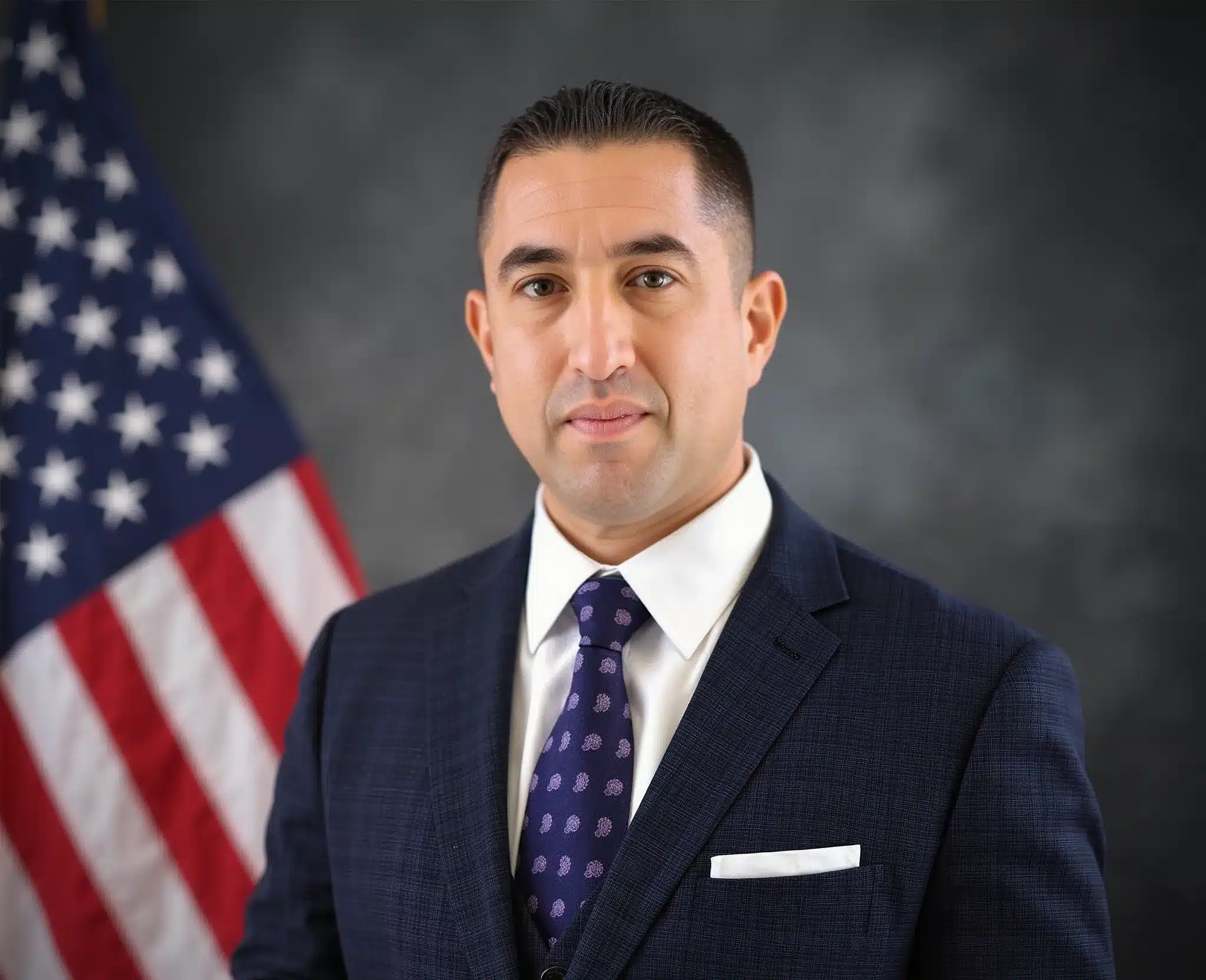
If you or someone you care about is facing a felony or misdemeanor related to theft or other crimes in Concord, you do not have to go through this alone. The Law Office of Nabiel C. Ahmed understands how overwhelming an arrest can feel, especially when your freedom and future are on the line. We listen carefully, explain your options plainly, and develop strategies tailored to your goals. From the first phone call to the final court date, our focus is on protecting your rights and working toward the best outcome available.
Selecting a criminal defense lawyer for a felony or misdemeanor case is a personal decision. Clients throughout Concord, Oakland, and the rest of Contra Costa and Alameda Counties turn to our firm because we take the time to understand what matters most to them. We know that a student, a working parent, and a professional each face different concerns when charged with theft or another crime. Our approach is grounded in preparation, communication, and a persistent focus on outcomes that help clients move forward with dignity and stability.
At the Law Office of Nabiel C. Ahmed, you work directly with a criminal defense team that keeps you informed and involved. We promptly return calls, provide updates before each court date, and explain the pros and cons of every option, whether it involves negotiation, motions, or trial. Our experience in local Concord and Oakland courts helps us anticipate how prosecutors and judges may respond to different strategies. Above all, we are committed to standing beside you through every stage of the process, from arrest to resolution.
When you contact our office about a felony or misdemeanor charge in Concord, we begin by listening to your story and reviewing any paperwork you have. From there, we gather information from the court and prosecution, evaluate the evidence, and discuss potential defenses and goals. Throughout the case, we keep you updated and involved in strategy decisions, whether that means pursuing negotiation, filing motions, or preparing for trial. Our structured process ensures that no important detail is overlooked and that your defense reflects both the facts and your personal priorities.
The first step in defending a felony or misdemeanor case is an in-depth consultation where we learn about you, the charges, and how this situation developed. During this meeting, we cover what happened before, during, and after the arrest, and we look over citations, bail information, and any conditions of release. We also talk about your background, work, and family responsibilities, because these details can shape defense goals and negotiation strategies. By the end of the evaluation, you have a clearer sense of what to expect and how our firm can assist.
Many clients coming to our Concord office feel unheard by the system. Police reports often present only one perspective, leaving out important context. In this first phase, we encourage you to explain what happened in your own words, including anything you think may have contributed to the incident or the accusation. We also discuss your biggest worries, such as employment, immigration, or family issues. This candid conversation helps us identify potential defenses, witnesses, or evidence and ensures that our strategy reflects both the legal issues and your personal priorities.
After hearing your story, we carefully review the complaint, police reports, and any available evidence. We explain the difference between the charges filed against you, potential penalties, and any early opportunities for relief, such as bail reductions or protective order modifications. For Concord felony and misdemeanor cases, early decisions can affect how the prosecutor views your matter. By understanding the legal landscape at the outset, you can make informed choices about whether to pursue aggressive motion practice, focus on negotiation, or prepare for the possibility of trial.
Once we have a clear picture of your charges and goals, we move into investigation and pretrial advocacy. This may include requesting additional discovery, reviewing body camera footage, interviewing witnesses, and examining any physical or digital evidence. In many Concord cases, we file motions to challenge unlawful searches, questionable identifications, or unreliable statements. At the same time, we open lines of communication with the prosecutor to explore reductions, diversion, or other resolutions. This two-track approach allows us to build leverage while always keeping your long-term interests at the forefront.
During this stage, we focus on uncovering every helpful fact and legal issue in your favor. In felony and misdemeanor cases involving theft and other crimes, that may mean examining surveillance footage, credit card records, or location data, as well as talking with witnesses who saw events differently than the police reports describe. We also analyze whether officers had lawful grounds to stop, search, or question you. When appropriate, we bring these issues before the court through motions, aiming to suppress evidence, reduce charges, or even dismiss the case entirely.
Not every case should go to trial, and a well-negotiated plea can sometimes be the most practical solution. As we strengthen your defense, we also engage in discussions with the prosecutor about alternative charges, sentencing ranges, and programs that might fit your situation. In Concord, this could include reducing a felony to a misdemeanor, limiting custody time, or exploring diversion for eligible offenses. We always present you with the full picture, including the benefits and risks of any proposal, so that you can decide whether an offered resolution meets your needs.
If your felony or misdemeanor case cannot be resolved through motions or negotiation, we prepare to present your defense in court. That preparation involves organizing evidence, preparing witnesses, and crafting opening statements and closing arguments that clearly tell your story. Whether your case ends in trial or a negotiated plea, we also focus on sentencing, advocating for the least restrictive outcome possible. After the case concludes, we discuss record-cleaning options, such as expungement, when available. Our goal is not only to manage the present crisis but to help safeguard your future.
When a Concord case moves toward trial, we intensify our efforts to shape how the judge or jury sees the evidence. This includes rehearsing testimony with defense witnesses, testing how exhibits will appear in court, and anticipating the prosecution’s arguments. We work with you closely so you know what to expect in the courtroom, from jury selection to verdict. Throughout the trial, we highlight inconsistencies in the state’s case, emphasize reasonable doubt, and present your narrative in a clear, organized way that respects the seriousness of the proceedings.
Even when a case resolves through a plea or verdict, there is still important work to be done at sentencing and afterward. We present mitigating information, such as letters of support, treatment records, and employment history, to advocate for reduced penalties or alternatives to custody. For Concord clients, we also explain how probation works, what conditions to expect, and how to avoid violations. After sentencing, we discuss record-related options that may be available in the future, helping you understand how to rebuild stability and minimize the long-term impact of the case.
In California, the main difference between a felony and a misdemeanor is the potential punishment. A misdemeanor generally carries up to one year in county jail, while a felony can involve more than a year of custody, including possible state prison time. In Concord, theft and other crimes may fall into either category depending on the value involved, the circumstances, and your prior record. Some charges are wobblers, meaning they can be filed as either a felony or a misdemeanor based on how the prosecutor chooses to proceed. Beyond the immediate sentence, felonies and misdemeanors can affect your life in different ways. A felony conviction tends to carry more serious long-term consequences for employment, housing, and, in some cases, civil rights. Misdemeanors still matter, especially when background checks are involved, but often allow more flexibility in sentencing and future record-cleaning options. Understanding how your specific charge is classified is an important first step in planning an effective defense strategy in Concord.
Yes, in many cases a felony theft charge in Concord can be reduced to a misdemeanor, either through negotiation or by asking the judge to exercise discretion. This is especially true for wobblers, which are offenses that may be treated as either level depending on the facts and your history. Factors such as the amount alleged, any restitution paid, and steps you have taken to address underlying issues can influence whether prosecutors or judges are open to a reduction. Securing a reduction from felony to misdemeanor is often a high priority because it can significantly lower potential jail or prison exposure and lessen long-term consequences. A misdemeanor conviction is still serious, but it generally creates fewer obstacles for employment, housing, and licensing. Your defense lawyer can evaluate the strength of the evidence, highlight favorable circumstances, and advocate for charge reductions during plea negotiations or at sentencing hearings in Contra Costa County courts.
Many first-time misdemeanor defendants in Concord are understandably worried about going to jail. Whether that happens depends on several factors, including the nature of the charge, the harm alleged, your prior record, and how you handle the case. For lower-level theft and other non-violent misdemeanors, especially when there is no prior criminal history, courts may consider alternatives to jail such as probation, fines, counseling, or community service, particularly if restitution is paid. That said, nothing is guaranteed, and even first-time offenders can face custody time in some circumstances. Working with a criminal defense law firm can help you present your background in a positive light, address any concerns the prosecutor or judge may have, and pursue outcomes that avoid or minimize jail. Promptly engaging in recommended programs, maintaining employment, and following court orders can all support a request for a more lenient sentence in Contra Costa County.
If you are arrested for theft in Concord, the most important steps are to stay calm, avoid arguing with officers, and exercise your right to remain silent. Anything you say can be used against you, even if you believe it is helpful. Do not discuss the incident with store employees, security, or other witnesses after you have been detained. Instead, politely state that you wish to speak with a lawyer before answering questions, and do not sign any written statements without legal advice. After release, gather any documents related to the incident, such as receipts, text messages, or notices from the store, and write down everything you remember while it is still fresh. This information can be invaluable to your defense team. Contact a criminal defense law firm that handles Concord theft cases as soon as possible, so they can begin investigating, preserving surveillance footage, and advising you about bail, court dates, and early options for resolving the charges.
The length of a felony or misdemeanor case in Contra Costa County varies widely. Some cases resolve quickly at early court appearances through dismissal, plea agreements, or diversion. Others may take several months or even longer, especially if there are complex legal issues, extensive evidence, or the need for multiple hearings. Continuances can occur for many reasons, including discovery delays, witness availability, or the need to file and argue motions. Your defense lawyer will typically balance the desire for a timely resolution with the need to thoroughly investigate and prepare your case. Rushing to accept the first offer may not be in your best interest if important evidence has not yet been reviewed. At the same time, unnecessary delay can increase stress and uncertainty. A thoughtful approach involves gathering key information early and then deciding whether negotiation, motion practice, or trial preparation will serve you best in the Concord court system.
Your first court appearance, called the arraignment, is where the judge formally informs you of the charges and your rights. In Concord, you will be asked to enter a plea, usually not guilty at this stage, and the court may address bail or release conditions. You may also receive dates for future hearings. It is common for people to feel anxious at arraignment, but much of the hearing is procedural and focused on scheduling and the basic outline of the case. Having a lawyer at arraignment helps ensure that your rights are protected from the outset. Counsel can argue for release on your own recognizance, request reduced bail, and start the process of obtaining discovery from the prosecution. They may also raise immediate concerns about protective orders or other conditions that could affect your work or family life. Taking arraignment seriously sets a strong foundation for your defense in felony and misdemeanor cases throughout Contra Costa County.
In many situations, it is possible to seek relief from the impact of a felony or misdemeanor conviction through California’s record-cleaning laws. Depending on the specific offense, sentence, and your history, you may be eligible for expungement or other forms of post-conviction relief after completing probation or custody. An expungement does not erase the case entirely, but it can allow you to truthfully state in most private employment settings that you have not been convicted of that offense. For certain felonies, it may also be possible to ask the court to reduce the conviction to a misdemeanor, which can improve your long-term prospects. These options often depend on how the case was originally resolved, making it important to consider future record issues during plea negotiations. A defense lawyer familiar with Concord and Oakland courts can explain what relief may be available in your situation and help you plan for those steps even while the case is still pending.
The cost of hiring a criminal defense lawyer for a felony or misdemeanor case in Concord depends on several factors, including the seriousness of the charges, the amount of evidence, and whether the case is likely to go to trial. Some matters can be handled for a relatively modest flat fee, while more complex cases with multiple court appearances and extensive motion practice may require higher fees. Many firms offer payment plans or accept credit cards to make representation more manageable. During an initial consultation, you should feel comfortable asking about fees, what services are included, and how costs change if the case becomes more involved than expected. The Law Office of Nabiel C. Ahmed strives to be transparent about pricing and to structure retainers in a way that reflects the work required. Clear communication about costs helps you plan ahead and focus on defending your case rather than worrying about unexpected financial surprises.
It is generally unwise to discuss your case with police, store security, or anyone else involved without first speaking to a lawyer. Even informal conversations or attempts to explain yourself can be misunderstood and later used as evidence. In Concord theft and other criminal cases, officers and loss prevention employees are trained to gather statements that may support prosecution. You may feel pressure to talk, especially if they suggest that cooperation will lead to leniency, but you are not required to answer questions. Politely stating that you wish to remain silent and want a lawyer present is your constitutional right. This applies whether you are in custody or being interviewed in a back office at a store. Once you have a defense lawyer, they can communicate with law enforcement or store representatives on your behalf, ensuring that any necessary information is shared in a careful and strategic way. Protecting your right to remain silent is one of the most important steps you can take.
People choose the Law Office of Nabiel C. Ahmed for Concord felony and misdemeanor cases because our practice is focused on criminal defense and grounded in local court experience. We understand how judges, prosecutors, and probation officers in Contra Costa and Alameda Counties handle theft and other charges, and we tailor our strategies accordingly. Clients appreciate that we take the time to explain each step, answer questions, and keep them informed, rather than leaving them in the dark about what is happening in their case. Our firm’s commitment is to protect your rights, seek every advantage permitted under the law, and work toward outcomes that support your goals and responsibilities. Whether that means negotiating for reduced charges, pursuing diversion, or preparing for trial, we approach your case with thorough preparation and thoughtful advocacy. When you call 510-271-0010, you reach a criminal defense law firm dedicated to guiding you through a difficult time with clarity and determination.
"*" indicates required fields