
Facing a felony or misdemeanor accusation in Clayton can turn your life upside down in an instant. A momentary lapse in judgment, a misunderstanding, or being in the wrong place at the wrong time can suddenly put your freedom, reputation, and future at risk. At the Law Office of Nabiel C. Ahmed, we defend people charged with theft and other crimes throughout Contra Costa County and Alameda County. This page explains how felony and misdemeanor charges work in California so you can make informed decisions about your next steps.
Whether you are under investigation or have already been arrested in Clayton, you may be worried about jail time, a criminal record, and how this will affect your family and career. You do not have to navigate this alone. Our firm focuses on defending people accused of theft, property offenses, and related felony and misdemeanor charges. We take the time to understand your side of the story, evaluate the evidence, and build a strategy aimed at protecting your freedom, your record, and your long-term opportunities.
California’s felony and misdemeanor laws carry serious penalties, and courts in Clayton and throughout Contra Costa County take these cases very seriously. A conviction for theft or another offense can lead to jail, probation, fines, and long-term consequences like difficulty finding employment or housing. Having a dedicated defense team on your side can help you understand the charges, evaluate the prosecutor’s case, and pursue outcomes such as reduced charges, diversion, alternative sentencing, or dismissal when possible. Thoughtful legal representation can often mean the difference between a permanent record and a second chance.
The Law Office of Nabiel C. Ahmed is a criminal defense law firm serving Clayton, Oakland, and communities across Contra Costa and Alameda Counties. Over years of practice, our office has handled a wide range of theft and other criminal cases, from first-time misdemeanor shoplifting to serious felony allegations. We are familiar with local court procedures, negotiation tactics used by prosecutors, and the concerns judges focus on in sentencing hearings. Our approach is hands-on and attentive, keeping you informed at each stage while we work to protect your rights and pursue the most favorable resolution available.
In California, crimes are generally classified as infractions, misdemeanors, or felonies. For theft and related offenses in Clayton, the difference between a misdemeanor and a felony can depend on the value of the property, whether force or threats were involved, and your prior record. These distinctions affect potential jail time, fines, probation terms, and your long-term criminal history. Knowing where your case fits within this system is essential to understanding what you are facing and what options might be available to resolve the charges.
Many theft and other crimes in California can be charged as “wobblers,” meaning prosecutors may file them as either misdemeanors or felonies depending on the circumstances. In Clayton, that charging decision can be influenced by factors like alleged victim impact, evidence strength, and any prior convictions. Effective advocacy can sometimes persuade the prosecution to reduce a felony to a misdemeanor, seek diversion, or agree to a plea that protects your record. Understanding these moving parts allows you to participate meaningfully in decisions about your defense strategy.
A misdemeanor in California is typically punishable by up to one year in county jail, probation, fines, and other conditions such as classes or community service. Felonies carry the possibility of longer jail or state prison terms, more significant fines, and stricter supervision. In theft and other crime cases, a misdemeanor might involve shoplifting or petty theft, while felonies might include grand theft, robbery, or burglary. Some offenses start as misdemeanors but can be elevated based on prior convictions or the facts alleged. Knowing this framework is key when evaluating potential risks and outcomes.
Felony and misdemeanor cases in Clayton generally follow a series of stages: investigation, arrest, arraignment, pretrial hearings, possible motions, negotiations, and trial if the case does not resolve earlier. At each stage, important decisions are made, such as whether to challenge evidence, request certain hearings, or accept an offer. The prosecution must prove specific elements of the alleged theft or other crime beyond a reasonable doubt, including intent, property value, or use of force, depending on the charge. A thoughtful defense involves carefully reviewing each element and the procedures the police and prosecution followed.
The language used in felony and misdemeanor cases can be confusing, especially when you are already stressed about pending charges in Clayton. Terms like “wobbler,” “arraignment,” or “probation violation” may appear on your paperwork without clear explanation. Understanding what these words mean can make the process feel more manageable and help you participate in your own defense. Below are some common terms you might encounter in theft and other crime cases in Contra Costa County, with plain-language explanations to help you see how they may apply in your situation.
A wobbler offense is a crime in California that can be charged as either a misdemeanor or a felony, depending on the facts of the case and the prosecutor’s discretion. Many theft and other crime charges in Clayton fall into this category, including certain grand theft and burglary offenses. The classification affects potential penalties and how the conviction appears on your record. With proper advocacy, some wobblers can be reduced to misdemeanors or even dismissed, which can significantly lessen the long-term consequences for your employment, housing, and reputation.
Probation is a form of supervision that allows a person convicted of a felony or misdemeanor to remain in the community subject to certain conditions instead of serving the full sentence in jail or prison. In Clayton theft and other crime cases, probation can involve reporting to an officer, attending classes, staying away from certain people or places, paying restitution, and obeying all laws. A violation can lead to additional penalties, including jail time. When used effectively, probation can provide a path forward while limiting time behind bars.
Arraignment is the first formal court appearance in a felony or misdemeanor case, where the judge informs you of the charges and your constitutional rights. In Clayton and throughout Contra Costa County, you will be asked to enter a plea of guilty, not guilty, or no contest. Bail or release conditions may also be addressed. This hearing sets the tone for the case and can be an opportunity to start negotiations, request time to review evidence, or raise initial concerns. Having guidance at this stage can help you avoid missteps that may affect later options.
Diversion is a program that allows eligible defendants to complete certain conditions, such as classes, counseling, or community service, in exchange for dismissal or reduction of charges. In some Clayton theft and other crime cases, diversion may be available to first-time or low-risk defendants. Successful completion can help you avoid a conviction on your record, which can make a significant difference for school, work, and housing. Eligibility depends on the specific charge, your history, and local court practices, so it is important to review this option carefully when planning your defense.
People facing charges in Clayton sometimes wonder whether they should handle the case on their own, rely on brief advice, or seek more comprehensive defense services. Limited help might seem less expensive or faster, but it may not account for long-term consequences such as immigration issues, licensing problems, or future background checks. A full-scale defense looks beyond the immediate charges and considers the entire picture: evidence challenges, negotiation opportunities, possible defenses, and collateral consequences. Understanding the difference between these approaches can help you decide what level of support aligns with your goals and risks.
In some Clayton cases involving very minor allegations, such as low-level infractions or less serious misdemeanors with straightforward evidence and clear diversion options, a limited legal approach might be sufficient. If the prosecution has already offered a highly favorable resolution with minimal long-term impact, you might simply need guidance to understand paperwork, court dates, and basic consequences. Even in these situations, however, it is wise to have someone review the offer to confirm that you are not overlooking hidden risks, such as immigration concerns or future enhancement possibilities.
Sometimes the facts of a Clayton misdemeanor are not seriously disputed and the potential penalties are limited, such as a modest fine or short-term probation that does not threaten your job or housing. In those circumstances, you might decide that focused, limited assistance is appropriate. For instance, you may only need help understanding the plea form, confirming eligibility for a diversion program, or clarifying what the court will expect from you. Choosing a limited approach in such cases can still benefit from careful review to ensure it truly fits your priorities.
When you are facing serious felony charges in Clayton or throughout Contra Costa County—especially those involving potential prison time, strikes, or long-term probation—a comprehensive defense is strongly recommended. These cases often involve complex evidence, multiple witnesses, and legal issues that can affect admissibility and potential defenses. The stakes are high, and the outcome can shape the rest of your life. A full defense strategy includes reviewing police conduct, challenging questionable evidence, exploring mitigation, and negotiating aggressively while preparing for trial if that becomes necessary.
Even a misdemeanor theft or other crime in Clayton can carry consequences far beyond fines and probation, particularly if you hold a professional license, are a student, or have immigration concerns. A conviction may affect your ability to work in certain fields, secure housing, travel, or seek citizenship. In these situations, a comprehensive approach looks at how different plea options, charge reductions, or diversion programs might impact each part of your life. Careful planning can sometimes protect your long-term goals while still resolving the criminal case in a manageable way.
Taking a comprehensive approach to felony and misdemeanor defense in Clayton means looking closely at every aspect of the case, from the initial police contact to potential sentencing and beyond. This thorough review can uncover weaknesses in the prosecution’s evidence, such as unreliable witnesses, faulty identifications, or improper searches. It also allows time to gather favorable information about you, including your work history, family responsibilities, and community ties. Presenting a full picture can influence negotiations, judge decisions, and even jury perceptions, often leading to better outcomes.
A comprehensive approach also pays attention to the long-term effects of any resolution. Instead of focusing only on avoiding the highest penalties, this strategy examines how different options may affect your record, career path, schooling, immigration status, and family obligations. In Clayton theft and other crime cases, that might mean prioritizing charge reductions, diversion, or sentencing alternatives that limit damage to your future. By planning beyond the immediate court date, a thorough defense helps you move forward with more stability and fewer unexpected obstacles.
When your defense is built on a detailed investigation and clear legal strategy, you are often in a better position to negotiate with prosecutors in Clayton and surrounding courts. Identifying weaknesses in the case—such as questionable witness statements, chain-of-custody issues, or errors in police procedure—can encourage the prosecution to consider reduced charges, diversion, or more favorable plea terms. Presenting substantial mitigation, including positive background information and rehabilitation efforts, can further influence how judges and prosecutors view you as a person, which may lead to more flexible and individualized resolutions.
Felony and misdemeanor charges bring anxiety, confusion, and uncertainty, especially when you are unfamiliar with the Clayton court system. A comprehensive approach provides clear explanations at every stage—what hearings mean, what paperwork says, what options exist, and what risks each choice carries. When you know what is happening and why certain steps are taken, it can reduce fear and help you make informed decisions. This clarity gives you more control over your situation, allowing you to participate in your defense and plan for your future with greater confidence.

After an arrest or investigation in Clayton, officers may encourage you to explain your side, promising it will “help” you. Anything you say can be used in court, even if you believe you are clearing up a misunderstanding. Stress, fear, and confusion can lead to statements that sound inconsistent or incomplete when written in a police report. Instead of answering detailed questions, politely assert your right to remain silent and your right to consult an attorney. This simple step can protect your options and prevent avoidable harm to your case.
Missing court or not following release conditions can make a difficult situation much worse. In Clayton, failing to appear can lead to a warrant, additional charges, and more restrictive conditions if you are re-arrested. If the court orders you to obey certain rules—such as no-contact orders, travel limits, or check-ins—take them seriously, even if you disagree with them. Communicate with your defense team about any problems complying. Demonstrating respect for the court process can help your case and may positively influence how judges view you.
Even if you believe the charges are minor or that everything is a misunderstanding, felony and misdemeanor accusations in Clayton can carry long-term consequences. A conviction may impact your job, professional license, schooling, or immigration status. Background checks are common for employment, rentals, and loans, and theft or other crime convictions can raise red flags. By seeking dedicated defense assistance, you give yourself an opportunity to explore options like dismissal, reduction of charges, diversion, or alternative sentencing that can significantly lessen the impact on your future.
Another important reason to seek defense help is the complexity of California’s criminal laws and local court procedures. There may be defenses or procedural issues you are not aware of, such as unlawful searches, unreliable identifications, or incomplete police work. The prosecution must prove each element of the charge beyond a reasonable doubt, and a thorough review sometimes reveals gaps that can be used to your advantage. Getting guidance early in the process increases the chance of preserving favorable evidence and developing a strategy tailored to your personal circumstances.
People from all walks of life find themselves facing felony or misdemeanor charges in Clayton, often without any prior contact with the criminal justice system. Allegations can arise from misunderstandings in stores, disputes between neighbors or family members, traffic stops that escalate, or encounters with loss prevention officers. Sometimes alcohol or stress plays a role, clouding judgment or memory. Regardless of how the situation began, the reality is that you may now be dealing with serious charges. Recognizing how these cases commonly arise can help you see that you are not alone.
Many misdemeanor and some felony cases in Clayton start with accusations of shoplifting or retail theft. Loss prevention staff may detain someone they believe concealed items or failed to pay. Security footage, receipts, and witness statements become central pieces of evidence. Sometimes, misunderstandings or simple mistakes at self-checkout kiosks lead to criminal allegations. In other situations, the value of the items or prior history can elevate the charge. Having a defense team review the evidence and circumstances can help uncover weaknesses in the case or opportunities for diversion and reduced penalties.
Serious felony cases in Clayton often involve allegations of burglary, robbery, or break-ins at homes, vehicles, or businesses. These offenses carry significant potential penalties and can be complicated by questions about identification, intent, and the use of force or threats. Police may rely on eyewitness accounts, surveillance video, or physical evidence that require careful examination. In some cases, people are misidentified or associated with events through social circles or digital traces rather than direct evidence. A thorough defense evaluates each piece of the case to see whether the charges are supported or can be reduced.
Disagreements that escalate into shouting matches or physical confrontations can lead to misdemeanor or felony charges in Clayton, especially if property is damaged or someone claims they were threatened or harmed. These cases may involve family members, roommates, or neighbors and can have added complexity if restraining orders or child custody issues are already in place. Emotions run high, and stories can change as time passes. Sorting through what really happened and how the law applies to those facts is essential, as the consequences can affect your home life, relationships, and future court proceedings.
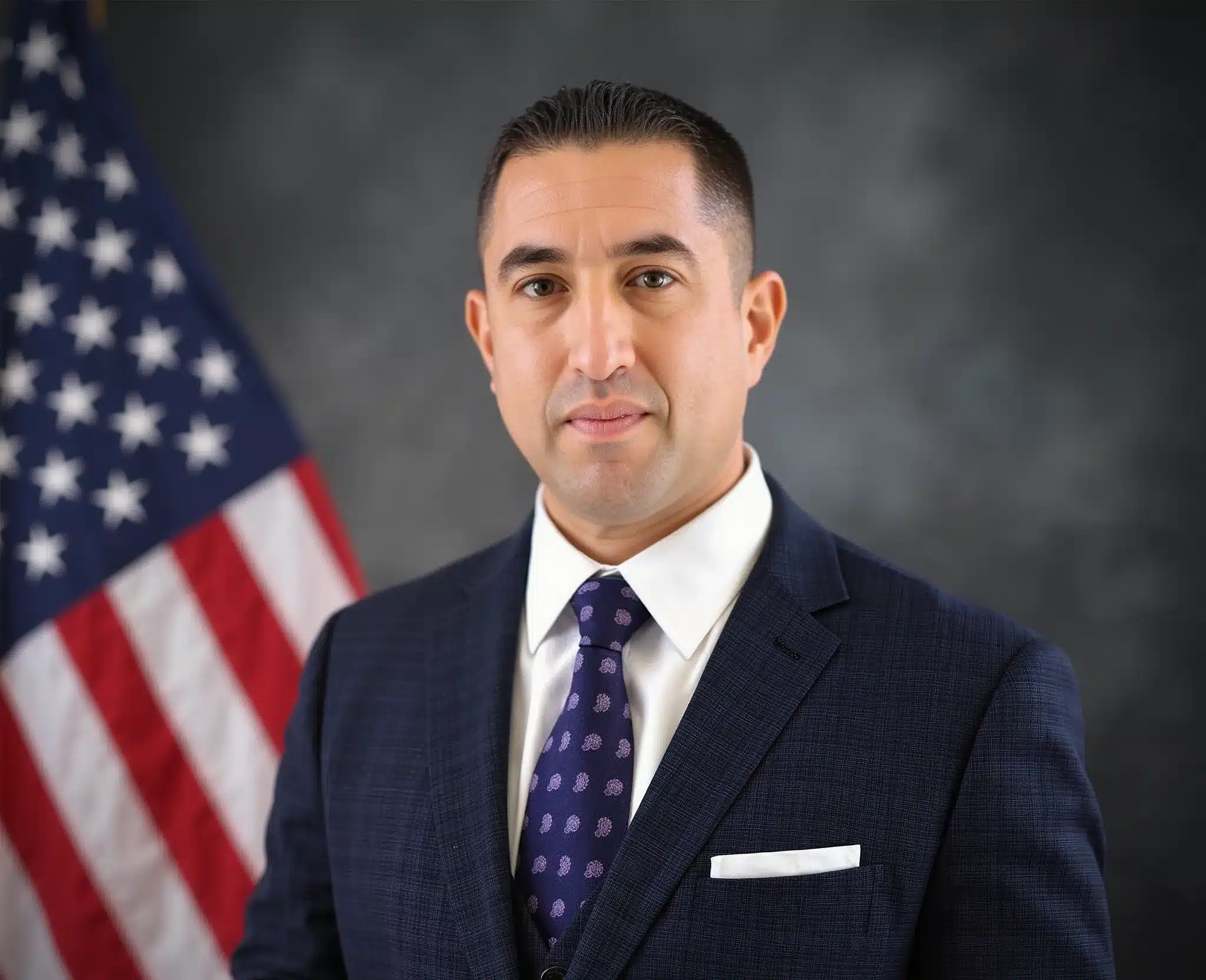
If you or a loved one has been arrested or is under investigation for a felony or misdemeanor in Clayton, the Law Office of Nabiel C. Ahmed is ready to stand by your side. Our criminal defense firm focuses on serving people in Contra Costa and Alameda Counties who are dealing with theft and other crime allegations. We listen carefully to your concerns, explain the process in plain language, and build a strategy focused on protecting your rights and your future. From the first phone call, you will know you have a committed advocate on your side.
Choosing the right defense team for your Clayton felony or misdemeanor case can strongly influence how your situation unfolds. Our firm devotes its practice to criminal defense, with substantial experience in theft and other crime cases in Contra Costa and Alameda Counties. We understand local court expectations, the strategies prosecutors use, and the concerns that matter to judges. Our approach is personal and attentive: we take time to learn your story, respond to your questions, and involve you in key decisions so that you always know where your case stands.
From the moment you contact our office at 510-271-0010, our focus is on protecting your future. We thoroughly review the evidence, identify legal and factual issues, and explore options ranging from dismissal and diversion to plea negotiations and trial when appropriate. We also consider how any potential outcome may affect your job, schooling, and immigration status. Our goal is not only to resolve the immediate charges, but also to minimize long-term harm and help you move forward with greater stability and peace of mind.
When you reach out to the Law Office of Nabiel C. Ahmed about felony or misdemeanor charges in Clayton, we follow a structured process designed to give your case careful attention from day one. We start by listening to your account of what happened and reviewing any paperwork you received. Next, we obtain police reports, evidence, and court records to evaluate the prosecution’s claims. As we identify potential defenses and strategies, we keep you informed and involved. Throughout the process, our focus remains on seeking the best possible outcome for your unique circumstances.
Your defense journey begins with an initial consultation, where we discuss the charges, your background, and your goals. For Clayton cases, we also review where your case is pending and what court dates are scheduled. You are encouraged to share details about the incident, any witnesses, and evidence you may have, such as texts or photos. We explain the general legal process, potential penalties, and immediate steps to take. This first step sets the foundation for a tailored defense plan that accounts for your concerns and priorities.
During the first part of the process, we focus on listening closely to your story without judgment. We review the complaint, citation, or ticket you received, along with any release conditions or protective orders. Understanding your personal background, work situation, and family responsibilities helps us anticipate issues that may come up later in court. We also talk about what you can expect at your next hearing, such as an arraignment or pretrial conference. This detailed information-gathering stage guides our next steps and helps you feel more prepared.
After gathering initial information, we identify immediate priorities in your Clayton felony or misdemeanor case. That might include confirming bond conditions, helping you understand no-contact orders, or preparing for an upcoming court date. We discuss any urgent concerns you have, such as job-related issues, professional licenses, or immigration status, so we can factor them into our strategy. We then outline a preliminary plan for obtaining evidence, communicating with the prosecutor, and protecting your rights at early hearings, giving you a clearer sense of what comes next.
The next stage of our process involves a thorough look at the evidence in your Clayton theft or other crime case. We obtain and review police reports, body camera footage where available, 911 calls, witness statements, and any physical or digital evidence relating to the alleged felony or misdemeanor. As we study this material, we look for inconsistencies, legal issues, and defenses that may support motions or negotiations. Communication with you remains ongoing, and we discuss developments as they arise to ensure that you are part of every key decision.
In this phase, we examine whether the police followed proper procedures in your Clayton case, including how they conducted searches, questioned you, and collected evidence. We analyze whether witness descriptions match the physical evidence, whether identifications were reliable, and whether there are alternative explanations for what occurred. When appropriate, we may file motions to suppress evidence obtained unlawfully or to limit how certain testimony is presented. By pushing back against weak or unreliable evidence, we work to strengthen your negotiating position and protect your rights at trial if necessary.
At the same time we challenge the evidence, we evaluate possible resolutions with the prosecutor and the court. For felony and misdemeanor cases in Clayton, that might include diversion programs, reduced charges, or plea agreements that avoid jail or minimize long-term consequences. We carefully review each option with you, explaining the potential benefits and risks so you can choose a path that aligns with your priorities. Our goal is to secure the most favorable outcome available while keeping you informed and supported throughout the negotiation process.
If your Clayton felony or misdemeanor case does not resolve early through diversion or negotiation, we move into a more intensive litigation phase. This may involve filing and arguing motions, preparing for trial, and continuing discussions with the prosecution. Throughout this step, we remain committed to seeking dismissal, reduction, or alternative sentencing options whenever possible. Whether your case ultimately resolves through a negotiated agreement or a trial, we work to ensure that your rights are fully protected and that your voice is heard in the courtroom.
During this stage, we file any appropriate motions in your Clayton case, such as requests to suppress unlawfully obtained evidence, dismiss charges, or compel additional discovery. We prepare you for hearings, explaining what the judge will consider and how the process will unfold. We also continue to investigate, follow up with witnesses, and gather any additional records that may help your defense. As hearings proceed, we assess how the judge responds to key issues and adjust our strategy as needed to position your case for the strongest possible outcome.
If your case moves toward trial, we develop a detailed strategy tailored to the specific facts, charges, and court in Clayton. That includes planning how to question witnesses, present evidence, and highlight reasonable doubts about the prosecution’s story. We continue to consider plea offers and alternative resolutions, discussing with you whether any proposal meets your needs. Once your case resolves—through dismissal, plea, or trial verdict—we also talk about next steps, such as compliance with any court orders, possible record relief in the future, and ways to move forward positively.
In California, misdemeanors are offenses punishable by up to one year in county jail, fines, and probation, while felonies can carry longer jail or state prison sentences and more severe collateral consequences. Clayton courts follow this statewide structure, but the specific punishment depends on the charge, the facts, and your prior record. Some crimes, known as wobblers, can be charged either way. The impact of a felony conviction is generally more severe than a misdemeanor, affecting civil rights, employment options, and housing opportunities. However, even a misdemeanor theft or other crime can harm your record. Understanding how your case is charged and whether it can be reduced or diverted is a key part of planning a defense that fits your circumstances and priorities.
Many first-time misdemeanor theft cases in Clayton do not result in substantial jail time, especially when the value is low and there is no significant prior record. Courts often consider alternatives, such as probation, fines, community service, or theft awareness classes. In some situations, diversion or deferred entry of judgment may be available, which can lead to dismissal if completed successfully. That said, every case is different, and there is always some risk of jail depending on the facts, prior history, and the judge’s view of the case. A thoughtful defense can present mitigating information, challenge weak evidence, and pursue options aimed at keeping you out of custody. It is important not to assume the outcome based on another person’s experience or something you read online.
After an arrest in Clayton, try to stay calm and avoid discussing the facts of the case with police, other involved parties, or on social media. Anything you say may be used against you, even if you think you are helping yourself. Make note of witnesses, documents, or evidence that may support your side of the story and avoid destroying or altering anything that could be relevant, even if you think it looks bad. Next, seek legal guidance as soon as possible so that important deadlines and opportunities are not missed. Early involvement allows a defense team to request evidence, advise you on interactions with law enforcement, and begin shaping negotiations with the prosecution. Prompt action can also help protect your job, driving privileges, and family responsibilities while the case is pending in court.
Yes, many felony charges in California, including some theft and other crimes, are wobblers that can be reduced to misdemeanors. This might happen through plea negotiations, successful motion practice, or at sentencing if the judge determines the case is better treated as a misdemeanor. Factors such as the seriousness of the conduct, harm to any alleged victim, and your background can influence that decision. In Clayton courts, reductions can significantly change the potential sentence and long-term consequences, including how the conviction appears on background checks. A misdemeanor typically carries shorter maximum jail terms and may be viewed more leniently by employers and landlords. A carefully developed defense strategy can highlight reasons why a felony should be reduced, even when the prosecution initially pushes for a more serious classification.
The length of a felony or misdemeanor case in Clayton varies widely depending on the charges, complexity, and whether the case goes to trial. Some simple misdemeanors may resolve in a few months, while more involved felony matters can take a year or longer. Court calendars, the need for investigation, and ongoing negotiations all affect the timeline. Rushing to resolve a case is not always in your best interest, especially if important evidence has not been obtained or motions have not been explored. On the other hand, unnecessary delays can create stress and uncertainty. A balanced strategy aims to move the case forward efficiently while still allowing time to build a strong defense, gather mitigation, and pursue the most favorable resolution available.
A theft conviction in California can remain on your criminal record indefinitely unless it is later reduced, dismissed, or granted some form of relief by the court. This means that background checks for employment, housing, or licensing may continue to show the conviction. Clayton residents often feel the long-term effects of even a single mistake when they apply for jobs or apartments. However, there may be options to improve your situation over time. Depending on the case, you might be able to seek expungement-like relief, reduction of a felony to a misdemeanor, or other forms of record clearing after completing certain requirements. The best time to protect your record is during the original case, when dismissals, reductions, or diversion programs may still be on the table.
Many people assume that if the alleged victim wants to drop charges, the case will automatically be dismissed, but that is not how California’s system works. In Clayton, once a case is filed, the prosecutor decides whether to continue or dismiss it. The alleged victim’s wishes are important, but the district attorney may proceed even if that person no longer wants to participate, especially in more serious cases. That said, changes in the alleged victim’s position, statements, or willingness to cooperate can still significantly affect the outcome. These developments might influence plea negotiations, evidentiary questions, or the likelihood of success at trial. It is important to handle any contact related to the case carefully and lawfully, particularly if protective orders are in place, to avoid new charges or complications.
Even if you think you want to plead guilty right away, it is wise to consult a lawyer before doing so. A quick plea in Clayton might seem like the easiest way to put the situation behind you, but it can carry hidden consequences you may not learn about until later, such as immigration problems, employment issues, or future sentence enhancements if you are ever charged again. Legal guidance can help you understand whether the offer is fair, whether stronger defenses exist, and whether alternatives like diversion or charge reductions might be available. Sometimes minor adjustments to the plea, such as changing the specific offense or wording, can make a big difference down the line. Taking time to review your options can prevent regrets and protect your long-term interests.
The cost of defending a felony or misdemeanor case in Clayton depends on the seriousness of the charges, the complexity of the facts, and whether the case is likely to go to trial. More serious felonies or cases requiring extensive investigation, motions, and expert witnesses will generally cost more than straightforward misdemeanors that resolve quickly. Many firms offer payment plans or staged fees depending on case progress. During an initial consultation, you can usually receive an estimate tailored to your situation and the court where your case is pending. It is important to consider not only the financial cost, but also the potential impact of a conviction on your job, housing, and future opportunities. Investing in a strong defense can sometimes save significant long-term costs associated with a damaging criminal record.
The Law Office of Nabiel C. Ahmed focuses its practice on criminal defense in Contra Costa and Alameda Counties, including Clayton. Our firm has spent years handling theft and other crime cases, giving us familiarity with local court procedures, prosecutors, and judges. We take a hands-on approach to each case, spending time to understand your background, your concerns, and the specific facts so that we can tailor our strategy to your needs. Clients appreciate that we combine tenacious advocacy with clear communication. We explain the process in straightforward terms, keep you updated, and involve you in important decisions. From reviewing evidence and challenging police conduct to negotiating with prosecutors and preparing for trial when needed, our goal is to safeguard your rights and pursue outcomes that protect your freedom and your future in Clayton.
"*" indicates required fields