
Facing a driving and drug offense in Clayton can upend your life in an instant. A stop that lasts only a few minutes may lead to serious charges, the risk of losing your license, and the possibility of jail time. The Law Office of Nabiel C. Ahmed defends people throughout Contra Costa County who are accused of driving under the influence of drugs, possession while driving, and related allegations. This page explains how these cases work in California and what you can do to protect your future.
Clayton roads are regularly patrolled, and officers are trained to look for any sign of impairment or suspected drug activity. Even a momentary lapse or misunderstanding can become evidence used against you. What happens in the hours and days after an arrest often has a major impact on the outcome of your case. By understanding your rights, the court process, and the defenses that may be available, you can make informed choices instead of reacting out of fear or confusion.
A driving and drug offense conviction in Clayton can affect far more than your record. You may face license suspension, higher insurance rates, steep fines, probation terms, and possible time in county jail. For many people, driving is essential for work, school, and family responsibilities, so any restriction can be devastating. A focused defense aims to challenge the stop, the search, and any testing that was done, while also working to reduce or dismiss charges where possible. The goal is to protect your freedom, driving privileges, and long-term opportunities.
The Law Office of Nabiel C. Ahmed is a criminal defense law firm serving Clayton, Contra Costa County, and Alameda County. The firm has handled thousands of criminal matters, including a wide range of driving and drug cases involving traffic stops, roadside evaluations, blood or urine testing, and complex search and seizure issues. Drawing on years in Bay Area courts, the firm understands how local judges, prosecutors, and police agencies typically approach these cases. That insight allows the defense strategy to be tailored to Clayton and neighboring communities, always with an eye toward practical, real-world results.
Driving and drug offenses cover more than traditional DUI cases. In Clayton, you can be charged for driving while allegedly under the influence of prescription medication, marijuana, or other controlled substances, even if no alcohol is involved. Officers may also accuse drivers of possessing drugs or paraphernalia in the vehicle, transporting controlled substances, or driving while in unlawful possession of medication. Each type of allegation has different elements the prosecution must prove, and understanding these differences is the first step in building a strong defense.
California law allows officers to rely on field observations, statements, and chemical tests when pursuing driving and drug charges. However, mistakes can happen at every stage, from the traffic stop through the booking process. In Clayton, cases often hinge on whether the stop was lawful, whether the search of the vehicle complied with constitutional limits, and whether any drug recognition or blood testing was conducted according to proper procedures. Evaluating these details thoroughly can reveal weaknesses that may lead to reduced charges, dismissed counts, or alternative resolutions.
A driving and drug offense generally refers to operating a motor vehicle while allegedly impaired by drugs, or while unlawfully possessing or transporting controlled substances. In Clayton, common charges include driving under the influence of drugs, possession of a controlled substance in a vehicle, being under the influence while driving, or having open containers of marijuana accessible to the driver. Prosecutors must show that you were driving, that you had a qualifying substance, and that your use or possession met the legal definition of a crime. Each element is open to challenge if the evidence is weak or improperly obtained.
Most Clayton driving and drug cases follow a similar pattern. It begins with a traffic stop, often based on alleged lane weaving, speeding, equipment violations, or a minor infraction. From there, officers may conduct field sobriety tests, question the driver, search the vehicle, and request breath, blood, or urine samples. After arrest, charges are filed, court dates are set, and the DMV may start its own license suspension process. At each stage, there are opportunities to contest evidence, negotiate with prosecutors, and present your side of the story. A careful review of every step can significantly affect the outcome.
Driving and drug offense cases often involve technical language that can be confusing at first. Understanding the terms used by police, prosecutors, and judges in Clayton courts can help you follow what is happening in your case and make better decisions. Words like impairment, probable cause, blood concentration, and implied consent appear in police reports and court documents, yet they carry specific legal meanings. This glossary breaks down several common terms so you can see how they fit into your case and why they matter when challenging the charges against you.
Impairment refers to how drugs or medications allegedly affect a person’s ability to drive safely. In Clayton, officers often claim impairment based on driving behavior, physical appearance, speech, or performance on roadside tests. However, feeling tired, nervous, or unwell can produce similar signs. There is no fixed legal limit for many drugs, so prosecutors rely heavily on officer opinions and any chemical test results. Challenging whether you were actually impaired, rather than simply having a substance in your system, is often central to defending a driving and drug case.
Probable cause is the legal standard that must be met before an officer in Clayton can arrest you or search your vehicle without a warrant in most situations. It means there are specific facts leading a reasonable person to believe that a crime has been committed. In driving and drug cases, this might include alleged odors, visible items, or statements made by the driver or passengers. If the officer lacked valid probable cause, any evidence discovered as a result may be challenged and potentially excluded, which can significantly weaken the prosecution’s case.
Implied consent is a California law concept that says by driving on public roads, you are deemed to have agreed to submit to certain chemical tests after a lawful arrest for suspected impaired driving. In Clayton, refusing a blood or breath test after such an arrest can lead to additional penalties and longer license suspension periods. However, implied consent does not require you to agree to every request made roadside before an arrest. Understanding when implied consent applies, and how police must inform you of your choices, is important when evaluating the legality of any test results.
Field sobriety tests are roadside exercises officers use to look for signs of impairment, such as balance issues, difficulty following instructions, or poor coordination. In Clayton, these tests may include walking heel-to-toe in a straight line, standing on one leg, or following a pen with your eyes. Many factors unrelated to drugs can affect performance, including stress, fatigue, medical conditions, footwear, or uneven pavement. Courts often treat FSTs as one piece of evidence rather than proof on their own. Carefully examining how the tests were explained, conducted, and recorded can reveal grounds for challenging their reliability.
After a driving and drug arrest in Clayton, you may feel pressure to accept the first offer from the prosecutor just to get the case over with. While a quick plea can seem appealing, it may lead to avoidable penalties, harsh probation terms, or long-term consequences for employment and immigration. Taking time to review the evidence, evaluate potential motions, and consider alternative resolutions can make a meaningful difference. Some cases lend themselves to limited, negotiation-focused approaches, while others call for a more thorough, contested strategy that challenges the stop, search, and laboratory results.
In some Clayton cases, the evidence is relatively straightforward, and the potential penalties are on the lower end of the scale. For example, a first-time offense with no collision, no minors in the vehicle, and relatively mild allegations may lend itself to a limited approach focused on negotiation rather than extensive litigation. In these situations, the goal may be to minimize penalties, secure alternative programs where available, and protect your record as much as possible. Even then, it is important to review the case carefully before deciding that a narrow strategy will adequately protect your interests.
A limited approach can also be effective when you have strong mitigating factors and a relatively clean background. In Clayton, this might include a long history of safe driving, stable employment, active family responsibilities, or documented medical issues that help explain the circumstances. By gathering supportive records, character references, and proof of early counseling or treatment, it may be possible to negotiate a favorable resolution without extensive pretrial litigation. The key is presenting your story in a way that humanizes you, addresses concerns, and encourages prosecutors and judges to consider more lenient outcomes.
A more comprehensive defense is often appropriate when the stakes in your Clayton case are particularly high. This includes situations involving prior convictions, allegations of injury accidents, high-speed driving, or significant quantities of controlled substances. In these cases, the risk of extended jail time, lengthy license suspensions, and long-term collateral consequences increases. A broader strategy may involve filing motions to suppress evidence, consulting with toxicology professionals, carefully reviewing body camera footage, and preparing for possible trial. The aim is to uncover every available defense and leverage point rather than relying solely on early negotiations.
A comprehensive approach is also important when the facts are hotly disputed or there are concerns about how the Clayton stop or arrest was handled. Questions about whether the officer had a valid reason to pull you over, whether consent to search was truly voluntary, or whether tests were administered correctly can significantly affect the case. Exploring these issues may require detailed investigation, motion practice, and rigorous review of reports and video. While this approach demands patience, it can lead to excluded evidence, reduced charges, or even dismissal when violations of your rights are brought to light.
Taking a thorough approach to your Clayton driving and drug case means leaving no stone unturned. By examining the legality of the stop, the basis for any search, the accuracy of field tests, and the handling of blood or urine samples, it is often possible to uncover weaknesses that are not obvious at first glance. Even when a case seems difficult, detailed preparation can create negotiating power, highlight fairness concerns, and reveal alternative resolutions. This approach also prepares you for trial if needed, rather than scrambling at the last minute with incomplete information.
A comprehensive defense can also reduce stress because you understand what is happening and why each step matters. In Clayton, this might involve regular updates on court dates, clear explanations of possible outcomes, and honest discussions about risk and opportunity. When you know that your case is being carefully reviewed and thoughtfully presented, it can be easier to make decisions about plea offers, hearings, or trial. The ultimate goal is not just to close the case, but to pursue the best outcome realistically available while protecting your future opportunities as much as possible.
One key benefit of a comprehensive defense is the stronger negotiating position it can create. When prosecutors in Clayton see that the evidence has been carefully scrutinized and that significant issues may be raised in court, they are often more willing to discuss reductions, dismissals of certain counts, or alternative dispositions. Detailed investigation can reveal gaps in the prosecution’s proof, inconsistent statements, or procedural mistakes that a rushed approach might miss. By bringing these concerns to light in a clear, organized way, you encourage more reasonable offers and preserve strategic options throughout your case.
Another advantage of a thorough approach is better safeguarding your record and driving privileges. In Clayton, even a single driving and drug conviction can trigger license suspensions, higher insurance premiums, and long-term background check issues. By exploring every defense and potential alternative outcome, you increase the chances of avoiding a damaging conviction or limiting its impact. This might include negotiating for lesser charges, diversion opportunities where available, or outcomes that do not automatically affect your license. Protecting your ability to drive and maintain employment is often just as important as avoiding jail time.

Following a driving and drug arrest in Clayton, many people do not realize that the DMV process is separate from the court case and starts almost immediately. You have limited time to request a DMV hearing to challenge a potential suspension. Waiting too long can mean losing this opportunity even before you step into a courtroom. Gathering paperwork, noting deadlines on your release documents, and seeking guidance early can help protect your driving privileges. Prompt action often opens more doors for negotiation and gives your defense more time to analyze the evidence and develop a strategy.
After a Clayton driving and drug arrest, it can be tempting to vent on social media or discuss the situation with friends and coworkers. However, anything you say publicly may later be used against you, and casual conversations can be misquoted or misunderstood. It is generally safer to keep details private and avoid posting about the incident online. Focus on gathering documents, attending all court dates, and following legal guidance. By limiting what you share, you reduce the risk of creating additional evidence for the prosecution or complicating your defense unnecessarily.
Driving and drug allegations in Clayton are not minor traffic matters. A conviction can lead to jail time, probation conditions, mandatory programs, fines, and a license suspension that disrupts work, school, and family routines. In addition, criminal records are often visible to employers, landlords, and licensing boards, raising concerns about long-term opportunities. Addressing the case thoughtfully from the start increases your chances of avoiding the most damaging outcomes. Even if the charges seem small, early attention can uncover defenses, preserve important rights, and position you for more favorable negotiations.
Clayton residents also need to consider the emotional and practical strain that a driving and drug case can create. Frequent court dates, uncertainty about outcomes, and fear about the future can weigh heavily on you and your loved ones. Taking proactive steps—such as learning about the process, organizing documents, and exploring rehabilitation or counseling where appropriate—can ease some of that burden. The goal is not only to address the immediate charges, but also to protect your stability and future prospects in Contra Costa County and throughout the Bay Area.
Clayton drivers face driving and drug allegations under many different circumstances. Some are stopped late at night for alleged lane drifting or equipment violations, only to see a simple traffic stop turn into a drug investigation. Others encounter police at roadside checkpoints, after minor collisions, or when parked in a lot. Prescription medication, marijuana, and other substances can all draw suspicion, even when lawfully prescribed or used. Understanding how these situations typically unfold can help you spot potential issues in your own case and identify points where your rights may have been overlooked or ignored.
Many driving and drug cases begin with a late-night traffic stop. An officer in Clayton may claim you drifted within your lane, drove slightly above the speed limit, or committed a minor infraction. Once stopped, the officer might say there was an odor, signs of intoxication, or suspicious behavior and expand the encounter into a drug investigation. These cases often hinge on dashcam footage, lighting conditions, and the officer’s written description of your driving. Carefully reviewing the reasons for the stop and what happened next can reveal whether the investigation improperly exceeded its original purpose.
Drivers in Clayton are sometimes surprised to face charges after taking medication exactly as prescribed, or after using common over-the-counter products. Officers may interpret drowsiness, confusion, or unsteady movements as signs of drug-related impairment. Yet, medical conditions, fatigue, or anxiety can produce similar symptoms. These cases often require close attention to dosage instructions, timing, and any warnings related to driving. By presenting medical records, pharmacy information, and a clear timeline, it may be possible to show that your driving was not impaired or that the officer’s conclusions were based on incomplete or misleading observations.
Some Clayton driving and drug cases focus less on impairment and more on alleged possession or transportation of controlled substances inside a vehicle. The officer may claim to see items in plain view, obtain consent to search, or use a canine unit to justify a more intrusive search. These encounters raise important questions about whether the search was lawful and whether the items actually belonged to you. Ownership, knowledge, and control are all elements that can be contested. Challenging the legality of the search or the connection between you and the items can significantly weaken the prosecution’s case.
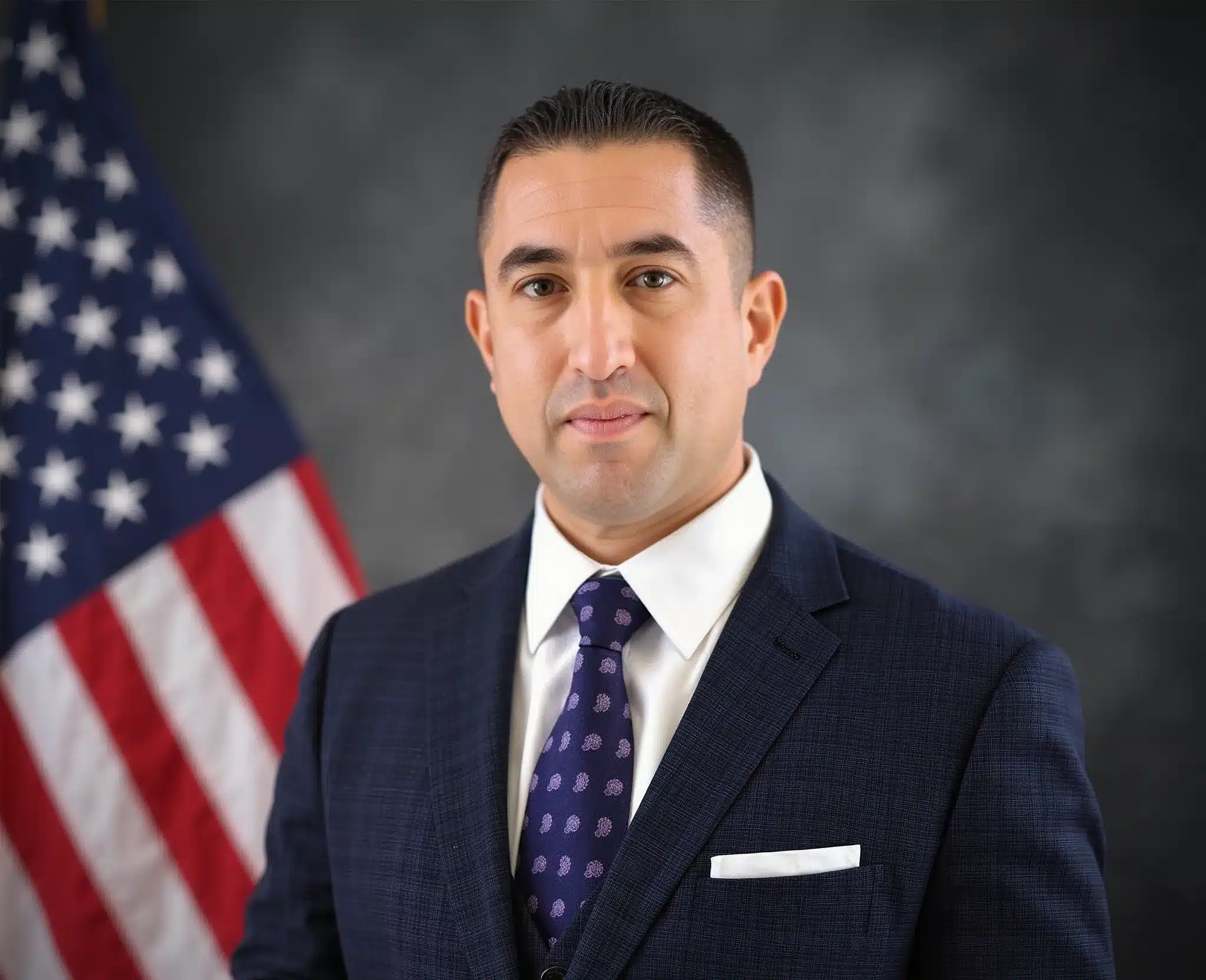
If you have been arrested or cited for a driving and drug offense in Clayton, you do not have to navigate the process alone. The Law Office of Nabiel C. Ahmed represents people throughout Contra Costa County, focusing on practical solutions and clear communication. From the first consultation, you can expect straightforward information about your charges, potential consequences, and next steps. The firm works to protect your record, your license, and your future, while guiding you through court hearings, DMV issues, and negotiations with prosecutors in a steady, informed way.
The Law Office of Nabiel C. Ahmed focuses on criminal defense matters in Contra Costa and Alameda Counties, including a significant number of driving and drug cases. The firm understands how local law enforcement agencies operate on Clayton roads and how prosecutors build their cases in nearby courthouses. That local familiarity, combined with years of handling DUI and drug-related allegations, allows the firm to evaluate your situation realistically and suggest strategies that fit both your goals and the legal landscape. Clients receive candid guidance and a defense tailored to the circumstances of their case.
When you work with the firm, you are kept informed at each stage of the process. You will know what to expect at court appearances, how to prepare for DMV hearings, and what documentation can help strengthen your position. Phone calls and questions are taken seriously because peace of mind is an important part of any defense. The firm’s approach emphasizes preparation, thoughtful negotiation, and readiness to challenge weak evidence, all with the goal of pursuing the best outcome available in your Clayton driving and drug case.
The Law Office of Nabiel C. Ahmed follows a step-by-step approach to Clayton driving and drug cases designed to give you clarity and control. It begins with a detailed intake, where your story, timeline, and goals are carefully reviewed. The firm then examines police reports, body camera footage, lab results, and DMV paperwork to identify issues and deadlines. With this information, a strategy is developed that may involve negotiation, motion practice, or trial preparation. Throughout the process, you receive updates and practical advice so that you can make informed decisions at every stage.
Your Clayton driving and drug defense starts with a thorough consultation. During this first step, the firm reviews the details of your stop, any roadside tests, statements you made, and what happened during booking. You are encouraged to share concerns about work, family, and immigration so that the defense plan reflects your real-world needs. The firm also reviews any paperwork you received and explains upcoming court dates and DMV deadlines. By the end of this stage, you should understand the main issues in your case and have a clear picture of possible paths forward.
The first part of the evaluation focuses on listening carefully to what happened before, during, and after your Clayton traffic stop. You will be asked about any medical conditions, medications, or stressors that might have affected your behavior that day. This context often reveals explanations for the officer’s observations that have nothing to do with drugs or impairment. The firm also gathers information about your driving history, prior cases, and personal goals, such as protecting professional licenses or immigration status. This foundation helps shape a defense strategy that fits your life, not just your court file.
Next, the firm reviews the ticket, complaint, bail documents, and any release paperwork from your Clayton arrest. Each document is explained in plain language so you understand exactly what you are charged with and the potential range of penalties. The differences between misdemeanors and felonies, court appearances, and DMV proceedings are clarified. Many people feel calmer once they know what the paperwork actually means. This step also helps identify any immediate actions that must be taken, such as requesting a DMV hearing, arranging bail, or preparing for an upcoming arraignment in Contra Costa County.
Once the initial evaluation is complete, the firm turns to investigating your Clayton driving and drug case in depth. This involves requesting discovery from the prosecutor, including police reports, dashcam or bodycam footage, audio recordings, laboratory submissions, and any drug recognition reports. The firm reviews this material carefully, comparing it against your account and any independent evidence you provide. Where appropriate, motions may be filed to challenge the legality of the stop, search, or testing. This stage is often where significant leverage is developed, setting the tone for negotiations or trial preparation.
The first part of Step 2 centers on obtaining and reviewing every available record related to your Clayton arrest. Police reports, supplemental narratives, and lab test results are examined line by line for inconsistencies, omissions, or questionable assumptions. The firm looks at how the officer described your driving, appearance, field tests, and any statements you made. Lab paperwork is checked to see whether blood or urine samples were collected, stored, and tested according to proper procedures. Any irregularities or gaps in the documentation can become grounds for challenging the reliability of the prosecution’s evidence.
The second part of Step 2 focuses on your constitutional rights. The firm evaluates whether the Clayton officer had a lawful reason to stop your car, whether any search of your person or vehicle followed the law, and whether your statements were obtained in compliance with Miranda and other protections. If violations are found, motions may be filed asking the court to exclude certain evidence. This can significantly weaken the prosecution’s case and sometimes lead to dismissals or improved offers. Even when motions are not granted, raising these issues can influence negotiations and the overall direction of the case.
After investigation and motion practice, the firm focuses on resolving your Clayton driving and drug case in the way that best protects your interests. In many cases, this means negotiating with prosecutors for reduced charges, alternative programs, or more favorable terms. In others, it may involve preparing for trial when the evidence is disputed or the offers are unreasonable. Throughout this stage, you are kept informed about the risks and benefits of each option, so you can decide whether to accept a resolution or proceed to trial with a clear understanding of what to expect.
The first focus in Step 3 is usually negotiation. Armed with a detailed understanding of the evidence and any weaknesses uncovered, the firm presents your situation to the Clayton prosecutor in a way that highlights both legal and personal factors. This can include pointing out evidentiary issues, sharing mitigating information about your background, and proposing alternative resolutions that address the court’s concerns while limiting the impact on your life. The aim is to secure a result that is as fair and workable as possible, whether that involves reduced charges, modified terms, or other creative solutions.
When negotiations do not lead to an acceptable outcome, trial becomes an important option. Preparing for trial in a Clayton driving and drug case means organizing exhibits, preparing witnesses, and developing a clear theory of defense that explains why the prosecution has not met its burden of proof. The firm will discuss the strengths and weaknesses of going to trial with you in advance, so your choice is informed and intentional. While many cases resolve before trial, being prepared sends a message that you are ready to hold the prosecution to its obligations in open court.
After a driving and drug arrest in Clayton, you will typically be booked, released with paperwork, and given a court date. The prosecutor then decides what charges to file, which may include driving under the influence of drugs, possession, or related offenses. At your arraignment, you will hear the charges, enter a plea, and receive future court dates. Separately, the DMV may begin a process to suspend your license, so you need to pay attention to all deadlines. In the weeks that follow, your defense will involve gathering evidence, reviewing police reports and lab results, and deciding whether to challenge the stop, search, or testing. Negotiations with the prosecutor may begin, and motions can be filed to contest legal issues in the case. Many Clayton matters resolve through negotiated agreements, while others move toward trial. Throughout, staying organized, attending all court dates, and asking questions can help you manage the process and make informed choices.
A drug-related driving charge in California can affect your license, even when no alcohol is involved. In Clayton, a conviction for driving under the influence of drugs can lead to a DMV suspension, court-imposed restrictions, and requirements such as classes or installation of certain devices, depending on your record and the specific offense. The DMV may also take action based on an administrative finding of impaired driving, separate from any court conviction. You generally have a limited time after your arrest to request a DMV hearing to challenge the potential suspension. This hearing is different from your criminal case and follows its own rules. Successfully contesting the administrative action can help you keep your driving privileges while your case is pending. Even if a suspension cannot be fully avoided, there may be options for restricted licenses that allow driving to work, school, or treatment, depending on the circumstances and your prior history.
Yes, you can be charged with driving under the influence of prescription medication in Clayton if officers believe the medication affected your ability to drive safely. California law does not distinguish between illegal drugs and certain prescribed substances when it comes to impairment. If a medication causes drowsiness, slowed reactions, or confusion, officers may interpret those effects as signs of impaired driving, particularly when combined with other observations at the scene. However, the fact that you are taking a prescribed medication is an important part of your defense. Your medical condition, dosage, timing, and how you actually drove can all be relevant. In some cases, the symptoms officers describe may come from the underlying medical issue rather than the medication itself. Careful review of your health records, pharmacy information, and the officer’s observations can reveal whether the prosecution can truly prove that the medication, and not another factor, caused unsafe driving.
Whether you must take a blood or urine test depends on the timing and circumstances of your Clayton encounter with police. Before an arrest, you generally have more freedom to decline certain tests or evaluations, though refusing may influence the officer’s decision to arrest. After a lawful arrest for suspected impaired driving, California’s implied consent law requires you to submit to a chemical test. Refusing at that stage can lead to additional penalties and longer license suspensions. That said, officers must properly inform you of the consequences of refusal and follow required procedures when requesting a test. If they fail to do so, or if the arrest was not supported by probable cause, the legality of the test or any alleged refusal can be challenged. The choice of test, the way samples are collected, and how they are stored and analyzed all matter. Any mistakes in this process can affect the reliability of the results and your overall defense.
Defenses in driving and drug cases often focus on challenging the traffic stop, the search, the officer’s observations, and the reliability of chemical testing. In Clayton, many cases start with minor driving behavior that may not justify a prolonged investigation. If the stop or expansion of the encounter was improper, evidence obtained afterward may be subject to exclusion. Field sobriety tests, drug recognition evaluations, and subjective impressions of impairment can also be questioned, especially when alternative explanations exist. Other defenses may involve disputing whether you actually possessed the substance, whether you knew it was present, or whether it belonged to someone else. For prescription medications, documenting lawful prescriptions and medical conditions can be significant. Lab results can be contested based on chain-of-custody issues, improper procedures, or analytical errors. No single defense fits every case, so the strategy should be tailored to the unique facts, evidence, and background presented in your Clayton matter.
After a driving and drug arrest in Clayton, you are not required to answer questions about what you took, where you were going, or who the substances belong to. You do need to provide basic identifying information, but you have the right to remain silent regarding details that could be used against you. Many people believe they can talk themselves out of an arrest, yet statements made out of fear or confusion often end up strengthening the prosecution’s case later. It is generally safer to politely state that you wish to remain silent and that you want to consult with a lawyer before answering questions. Once you invoke these rights, officers should stop questioning you about the alleged offense. Anything you have already said can be evaluated as part of your defense, including whether you were properly advised of your rights. Being cautious about conversations with law enforcement can help protect your legal position throughout the case.
The length of a driving and drug case in Contra Costa County can vary widely, but many Clayton cases take several months from arraignment to final resolution. Early hearings usually address initial pleas, discovery requests, and scheduling. During this period, the defense reviews evidence, investigates, and decides whether to file motions. Negotiations with prosecutors also tend to occur over multiple court dates, rather than being resolved in a single appearance. Cases that involve contested motions, complex lab issues, or potential trials often take longer than those resolved by early agreements. Court calendars, prosecutor workloads, and your own availability can influence timing. While waiting can be stressful, the additional time is often used to strengthen your defense, gather mitigating materials, and explore alternative outcomes. Rushing to a quick resolution simply to end the process may result in penalties or consequences that could have been reduced with a more deliberate approach.
If this is your first driving and drug offense in Clayton, you may have more options than someone with prior convictions. Prosecutors and judges often consider your lack of record as a mitigating factor, along with employment, schooling, and community ties. In some cases, this can lead to reduced charges, lighter penalties, or access to certain programs that help minimize the long-term impact on your record and license. Early action and respectful compliance with court instructions can further support a favorable outcome. However, a first offense should still be taken seriously. Even one conviction can affect insurance rates, background checks, and immigration status. In addition, a first conviction may count as a prior if you face similar accusations in the future, increasing potential penalties. Treating your first offense as an opportunity to protect your record and address any underlying issues, such as stress, substance use, or medical concerns, can pay important dividends down the road.
A driving and drug conviction in Clayton can affect employment in several ways. Some employers run background checks and may view convictions involving driving or drugs as red flags, especially for positions that require a clean driving record, professional licensing, or trust with sensitive information. Even if you keep your current job, a license suspension may make it harder to commute or fulfill work-related driving duties. Insurance rate increases can also affect roles that involve company vehicles or commercial driving. Immigration consequences can be particularly serious. Certain drug-related convictions can impact eligibility for visas, green cards, or naturalization, and may trigger removal proceedings in some situations. Because these issues are complex, it is important to consider immigration implications before deciding how to resolve your Clayton case. Providing your lawyer with accurate information about your status allows them to coordinate with immigration counsel when necessary and pursue resolutions that reduce the risk of harsh immigration outcomes.
The Law Office of Nabiel C. Ahmed helps Clayton drivers by offering a structured, thorough approach to driving and drug cases. The firm reviews every aspect of your stop, arrest, and testing, looking for legal and factual issues that can strengthen your defense. You receive clear explanations of the charges, possible penalties, and likely court procedures, so you always know what to expect. The firm also handles communication with prosecutors and the court, allowing you to focus on work, family, and personal obligations while your case moves forward. Beyond legal analysis, the firm understands the stress and uncertainty that come with criminal charges. You can expect honest conversations about risks and opportunities, along with guidance on steps you can take to improve your position, such as attending treatment, gathering character references, or documenting medical conditions. Whether your case is resolved through negotiation or proceeds toward trial, the firm’s goal is to protect your future, your driving privileges, and your reputation in Clayton and the surrounding communities.
Aggressive defense for all criminal charges
"*" indicates required fields