
Facing a resisting arrest charge in Brentwood can feel overwhelming, especially if the encounter with law enforcement happened quickly and you feel the police misunderstood what really took place. A conviction can affect your record, employment opportunities, and even your immigration status. At the Law Office of Nabiel C. Ahmed, our criminal defense law firm helps people across Brentwood, Contra Costa County, and Alameda County respond strategically to these accusations. This page explains resisting arrest laws, your options, and how a focused defense can protect your future and your reputation.
Resisting arrest charges in Brentwood often arise from tense situations, high stress, and confusion rather than any intent to break the law. What you say and do after an arrest can significantly influence the outcome of your case. You do not have to navigate the court system alone or try to decode California statutes without guidance. Our firm works with individuals and families to analyze the police version of events, identify legal defenses, and pursue outcomes that aim to limit long‑term consequences. The information below is designed to give you clarity and confidence about the next steps.
A resisting arrest conviction in California can bring jail time, probation terms, fines, and a lasting criminal record that may follow you for years. In Brentwood, these cases often involve additional charges such as disorderly conduct or alcohol‑related offenses, which can complicate the situation. Having a dedicated criminal defense attorney on your side means someone is reviewing every detail of the stop, arrest, and police reports, looking for legal weaknesses. A strong defense can lead to reduced charges, alternative resolutions, or even dismissal. Protecting your record now can make a meaningful difference in your employment, licensing, and housing options later.
The Law Office of Nabiel C. Ahmed is a criminal defense law firm based in Oakland, serving clients throughout Contra Costa County and Alameda County, including Brentwood. Over many years, our firm has handled a wide range of misdemeanor and felony cases, including resisting arrest and related allegations. We understand the local courts, prosecutors, and procedures, and we bring that practical knowledge to every case. Our approach is hands‑on: we listen carefully to your story, gather records and evidence, and develop strategies tailored to your goals. When you call 510-271-0010, you can expect direct communication, honest feedback, and a defense focused on your future.
Resisting arrest charges in Brentwood generally arise under California Penal Code section 148 and related statutes. These laws make it a crime to obstruct, delay, or resist a peace officer or emergency medical technician who is lawfully performing their duties. The charge does not always involve violence; it can stem from something as simple as pulling away, refusing commands, or interfering with another person’s arrest. Yet the consequences can still be serious. Understanding what prosecutors must prove, and what defenses may be available, is essential before you decide whether to negotiate, fight the charges, or consider alternative resolutions.
In many Brentwood cases, resisting arrest is filed alongside other alleged offenses, such as public intoxication, domestic disputes, or theft-related accusations. This can make the case feel complicated and intimidating. However, each charge must stand on its own, and the prosecution must meet specific legal elements beyond a reasonable doubt. Surveillance footage, body‑worn camera video, medical records, and eyewitness accounts can all play an important role. By taking time to understand how resisting arrest is defined under California law, you put yourself in a better position to make informed choices that protect both your rights and your long‑term interests.
Under California Penal Code section 148, resisting arrest generally means willfully resisting, delaying, or obstructing a peace officer or EMT in the lawful performance of their duties. In a Brentwood case, prosecutors often rely heavily on the arresting officer’s report and any available footage to argue that a person physically pulled away, refused to comply with lawful commands, or otherwise interfered. However, the law also requires that the officer’s actions be lawful, and that the accused acted willfully. This opens the door to important defenses, including lack of intent, misunderstanding, unlawful detention, or excessive force used by law enforcement during the encounter.
A resisting arrest case in Brentwood centers on several elements: whether the officer was performing lawful duties, whether the accused knew the person was an officer, and whether the accused willfully resisted, delayed, or obstructed. The process typically begins with the arrest, followed by booking, a formal arraignment, and pretrial hearings where motions and negotiations occur. During this time, your attorney may request body‑camera footage, 911 recordings, and witness statements, carefully reviewing them for inconsistencies. Many cases resolve through negotiation, diversion, or plea agreements, while others proceed to trial. Understanding each step helps reduce anxiety and allows you to participate meaningfully in your own defense.
Resisting arrest cases in Brentwood involve legal terms that may feel unfamiliar or technical. Learning a few key phrases can help you better understand conversations with your attorney and what you see on court documents. Terms like “probable cause,” “lawful performance of duties,” and “willful conduct” can significantly affect how your case is charged and resolved. This brief glossary outlines concepts that frequently appear in police reports, charging documents, and courtroom arguments, giving you a clearer picture of how California law is applied in real‑world situations throughout Contra Costa County.
Probable cause is the legal standard that allows police in Brentwood to make an arrest, conduct a search, or seize property. It means there are facts and circumstances that would lead a reasonable person to believe a crime has been committed and that the person detained is involved. In resisting arrest cases, questions often arise about whether officers had sufficient probable cause before the interaction escalated. If probable cause is weak or missing, your attorney may file motions to challenge the arrest, suppress certain evidence, or argue that charges should be reduced or dismissed based on constitutional protections.
Lawful performance of duties refers to whether a Brentwood officer was acting within the bounds of the law when they detained, questioned, or attempted to arrest someone. For a resisting arrest charge to hold, the prosecution must show the officer was performing a legitimate duty, not using unlawful force or conducting an illegal stop. If an officer oversteps legal limits, your attorney may argue that you had a right to resist or that the charge cannot stand. Courts carefully examine body‑camera footage, witness accounts, and policy guidelines to determine whether law enforcement acted within legal boundaries.
Willful conduct means a person acted on purpose, not by mistake or accident. In a Brentwood resisting arrest case, prosecutors must show you intentionally resisted, delayed, or obstructed an officer, rather than simply reacting out of confusion, fear, or misunderstanding. For example, pulling your arm away out of reflex when grabbed suddenly can be different from a deliberate attempt to escape custody. Demonstrating that your behavior was not truly willful may weaken the prosecution’s case. Your attorney can use testimony, video evidence, and the surrounding circumstances to explain your actions in a more accurate and favorable light.
Use of force describes the amount and type of physical force that Brentwood officers apply during an encounter, including takedowns, handcuffing, and control holds. In resisting arrest cases, disputes frequently arise about who escalated the situation and whether force used by officers was reasonable. If law enforcement used excessive force, it may support defenses, impact witness credibility, or lead to separate legal claims. Reviewing medical records, photographs, and video footage can shed light on what really happened. Understanding how use of force policies work in Contra Costa County helps your attorney argue for fair treatment and a more balanced view of the incident.
After a resisting arrest charge in Brentwood, you may have several legal paths: fighting the case at trial, negotiating a plea, seeking diversion, or pursuing dismissal through motions. Each option carries potential benefits and risks depending on your criminal history, the strength of the evidence, and the presence of any additional charges. Some people prioritize avoiding a conviction, while others focus on minimizing jail exposure or immigration consequences. An attorney can review the police reports, videos, and your personal background to help explain how different strategies may play out in Contra Costa County courts, allowing you to choose an approach that aligns with your goals.
In some Brentwood resisting arrest cases, a limited approach can be appropriate, especially when the charge is a first offense, there is minimal physical contact, and no one is seriously injured. Prosecutors may be open to informal resolutions, such as diversion programs, community service, or plea agreements that reduce charges. Your attorney might focus on correcting errors in the police narrative and presenting mitigating factors, like your work history or lack of prior record, rather than preparing for a lengthy trial. This measured strategy can save time and stress while still working toward a resolution that protects your record and future prospects.
A limited approach may also work in Brentwood when there are strong mitigating circumstances, such as emotional distress, mental health conditions, or miscommunication during the incident. If you quickly cooperated after initial hesitation or if body‑camera footage shows you calming down, prosecutors may be willing to consider reduced charges or alternative outcomes. In these situations, your attorney may focus on gathering supportive records, letters, and treatment documentation to present a fuller picture of your life. While still defending your rights, this approach emphasizes negotiation and problem‑solving rather than a contested trial, often leading to more practical and compassionate resolutions.
A comprehensive defense is often necessary when a Brentwood resisting arrest case involves allegations of injury to an officer, use of significant force, or multiple accompanying charges such as battery on a peace officer or theft. These situations can expose you to harsher penalties, including potential jail time and long probation terms. Your attorney may need to conduct an in‑depth investigation, speak with witnesses, obtain surveillance footage, and consult with medical or use‑of‑force professionals. This broader approach takes time and effort but can uncover inconsistencies in the prosecution’s case and open pathways to reduced charges, dismissals, or more favorable trial outcomes.
If you have prior convictions, immigration concerns, or hold a professional license, a resisting arrest charge in Brentwood may carry added layers of risk. A comprehensive strategy looks beyond the immediate case and considers how different plea options or verdicts could affect your long‑term goals. Your attorney might coordinate with immigration counsel, employment advisors, or licensing boards to understand collateral consequences. This in‑depth planning can help avoid unintended fallout, such as deportation risks or license discipline. By addressing these issues from the start, you can pursue resolutions that not only manage the current case but also safeguard your future opportunities.
A comprehensive defense in a Brentwood resisting arrest case goes beyond reacting to the charges; it proactively seeks evidence, witnesses, and legal arguments that support your side of the story. This approach may reveal constitutional violations, such as unlawful stops or searches, that allow important evidence to be challenged. It also helps identify mitigating factors that can persuade prosecutors and judges to consider alternatives to jail. By thoroughly evaluating police procedures, officer training, and available footage, your attorney can highlight inconsistencies or overstatements in the reports, often improving your leverage in negotiations and strengthening your position if the case proceeds to trial.
Another benefit of a comprehensive approach is that it looks at your life as a whole, not just the incident that led to the arrest in Brentwood. Your work history, family responsibilities, educational goals, and community involvement can all play a role in how a case is resolved. When an attorney gathers this kind of background, it humanizes you in the eyes of prosecutors and judges, making it easier to advocate for reduced charges, diversion, or rehabilitative options. This holistic view helps ensure that one difficult moment does not define your future and that any resolution supports your long‑term stability.
When your Brentwood resisting arrest case is supported by a comprehensive investigation, your attorney can approach negotiations with prosecutors from a position of strength. Detailed review of body‑camera footage, dispatch logs, and witness statements may uncover conflicting accounts or procedural errors. Presenting these findings early can encourage prosecutors to rethink the original charges or consider creative resolutions, such as reduced counts or diversion. A well‑documented defense also shows that you are taking the case seriously and are prepared to challenge weak evidence, which can lead to more productive plea discussions and, in many instances, significantly better outcomes than initially offered.
A comprehensive defense in a Brentwood resisting arrest case is designed to protect you not only in the courtroom but also in life after the case concludes. By analyzing potential impacts on employment, housing, immigration status, and professional licensing, your attorney can steer you toward resolutions that minimize long‑term harm. This might mean pushing for reduced charges that are less damaging on background checks or negotiating terms that allow for future record‑clearing options. Thoughtful planning today can preserve opportunities years down the road, helping you move beyond the arrest without carrying unnecessary burdens that limit your choices and stability.


Encounters with police in Brentwood can be intense, and emotions may run high. If officers accuse you of resisting arrest, remaining as calm as possible can help prevent the situation from escalating. Avoid arguing, raising your voice, or making sudden movements that could be misinterpreted. Clearly state that you wish to remain silent and want an attorney before answering questions. Anything you say can end up in the police report. By focusing on staying safe and composed, you protect yourself in the moment and give your attorney a better foundation to challenge the allegations later in court.
Time is important in a Brentwood resisting arrest case. If you can, write down everything you remember about the encounter while details are still fresh: where it happened, who was present, and what officers said or did. Save any photos, videos, or messages related to the incident, and collect contact information for witnesses who may support your version of events. Then contact a criminal defense lawyer as soon as possible, ideally before your first court date. Early legal guidance makes it easier to preserve evidence, challenge unlawful police conduct, and build a defense tailored to the facts of your case.
Resisting arrest may sound like a minor accusation, but in Brentwood and throughout California, it can bring real consequences. A conviction can mean jail time, probation, mandatory classes, and a criminal record that appears on background checks. This may affect your ability to secure employment, housing, or certain professional opportunities. Additionally, the charge may be paired with other offenses, increasing potential penalties. Addressing the case promptly with legal representation gives you a better chance at reducing or avoiding those consequences. Taking the accusation seriously now can help you avoid larger problems later on.
Another important reason to pay close attention to a resisting arrest case is its impact on your reputation, family, and future plans. Allegations of hostility toward law enforcement can be viewed negatively by potential employers, schools, and licensing boards. If you have immigration concerns, certain convictions may create additional barriers or risks. By working with a criminal defense law firm familiar with Brentwood and Contra Costa County procedures, you can pursue options that protect not only your immediate freedom but also your long‑term goals. A careful, thoughtful defense helps keep one difficult incident from defining your entire future.
Resisting arrest charges in Brentwood often arise from everyday situations that suddenly escalate: traffic stops, noise complaints, domestic disputes, or public gatherings. Alcohol or stress can make communication with officers more difficult, increasing the chances of misunderstandings. Sometimes, people simply ask questions or hesitate, and officers interpret that behavior as non‑compliance. In other cases, physical contact occurs during handcuffing or crowd control, and the person is later accused of pulling away or interfering. Understanding these patterns can reassure you that you are not alone and that many others have faced similar accusations and successfully navigated the legal process.
One frequent setting for resisting arrest allegations in Brentwood is a traffic stop. A driver may be pulled over for speeding, suspected DUI, or equipment issues, and a simple interaction can quickly escalate if there is confusion or disagreement. Officers might interpret reaching for documents, stepping out of the car, or questioning instructions as resistance. If other passengers are involved, the situation can become even more chaotic. Reviewing dash‑cam and body‑camera footage is often key in these cases. A careful defense can highlight what really happened inside and around the vehicle, rather than relying solely on the officer’s written report.
Another common scenario involves domestic disputes or noise complaints in Brentwood neighborhoods or apartment complexes. When officers respond, emotions are already heightened, and people may talk over each other or move around the space. In that confusion, attempts to calm a partner, protect children, or gather belongings may look to officers like interference or refusal to follow orders. Charges of resisting arrest sometimes accompany allegations of domestic violence or disturbing the peace. By gathering witness statements, text messages, and any video recordings from phones or doorbell cameras, an attorney can often show that the situation was more complicated than the police narrative suggests.
Resisting arrest charges also arise from public settings in Brentwood, such as festivals, bars, or large gatherings. In crowded environments, officers may move quickly to control a situation, and individuals trying to locate friends, ask questions, or leave the area can be misinterpreted as resisting. Alcohol or loud music can make commands hard to hear. Security cameras, cell phone videos, and social media posts often capture parts of these encounters. When reviewed carefully, this evidence can show whether someone truly intended to interfere or was simply caught in a fast‑moving scene. A thorough defense looks beyond brief moments described in police reports.
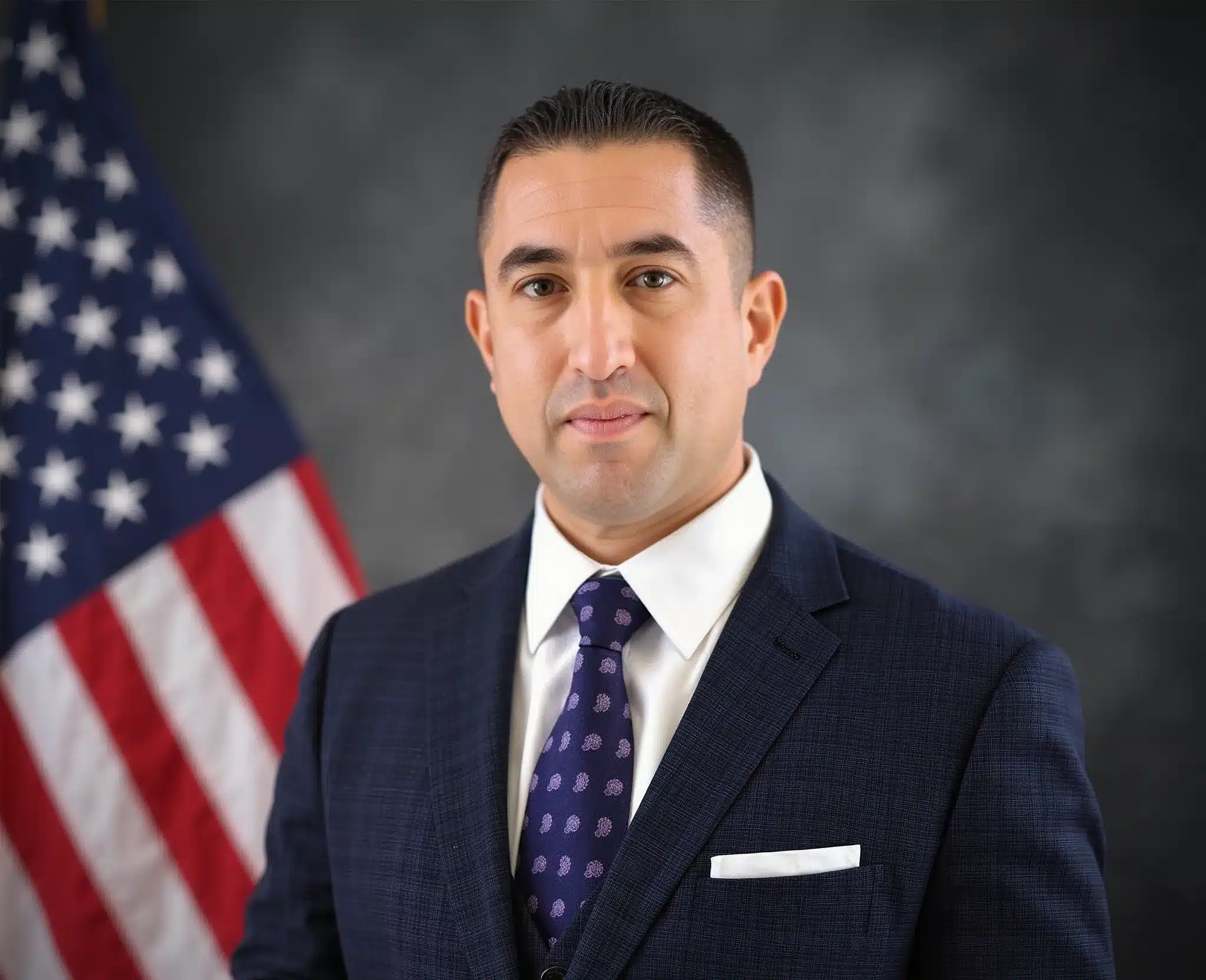
If you or someone you care about has been accused of resisting arrest in Brentwood, you do not have to face the situation alone. The Law Office of Nabiel C. Ahmed, based in Oakland, regularly works with clients throughout Contra Costa County and Alameda County. We listen carefully to your concerns, review the facts, and explain your options in clear, straightforward language. Our goal is to reduce the stress of the court process while protecting your rights and future opportunities. Call 510-271-0010 to discuss what happened and learn how a focused defense strategy can make a meaningful difference for you.
Choosing the right criminal defense law firm for a resisting arrest case in Brentwood can significantly shape the outcome. The Law Office of Nabiel C. Ahmed has devoted years to defending people throughout Contra Costa County and Alameda County, giving us practical insight into local court procedures and prosecutor tendencies. We treat each case as unique, taking time to understand your priorities and concerns. From the first consultation, you can expect honest feedback about strengths and weaknesses in the case, clear explanations of possible outcomes, and guidance tailored to the realities of your situation and the evidence at hand.
Our firm is committed to thorough preparation and responsive communication. We gather records, review body‑camera footage, and seek out witnesses who can support your version of events. Throughout the process, we keep you informed so you understand what is happening and why. Whether your Brentwood resisting arrest case involves a simple misunderstanding or multiple serious allegations, we work to protect your record and your future. You deserve an advocate who will stand beside you in court, challenge the prosecution’s case, and pursue every reasonable opportunity for a better outcome. When your freedom and reputation are at stake, attentive representation matters.
When you contact the Law Office of Nabiel C. Ahmed about a Brentwood resisting arrest charge, we follow a step‑by‑step process designed to protect your rights from the beginning. We start by learning your story, reviewing police reports, and identifying immediate concerns, such as upcoming court dates or bail conditions. From there, we obtain evidence like body‑camera footage and dispatch logs, looking for inconsistencies and legal issues. We then discuss your priorities and craft a strategy that may include negotiations, motion practice, or trial preparation. Throughout the process, we focus on open communication and practical, results‑oriented advocacy.
The first step in handling a Brentwood resisting arrest case is a thorough consultation and case evaluation. During this meeting, we listen carefully to your account of what happened, including details about the location, officers involved, and any witnesses. We review available documents, such as citations or release paperwork, and explain what to expect at your initial court appearance. This is also when we discuss your goals and concerns, including work, family, and immigration issues. By the end of this stage, you should have a clearer picture of the charges, potential consequences, and the immediate steps we will take on your behalf.
Early in the process, we gather as much information as possible directly from you. This includes your recollection of the incident, the names of any witnesses, and any photos, texts, or videos that may be relevant. We also review initial paperwork, such as the complaint, citation, or release documents from the Brentwood or Contra Costa County authorities. Understanding your side of the story helps us identify potential defenses, such as miscommunication, mistaken identity, or inappropriate police conduct. This stage lays the foundation for future investigation and ensures that important details are recorded while they are still fresh in your memory.
Once we understand the basics of your Brentwood resisting arrest case, we take time to explain the specific charges and what they mean under California law. We discuss your constitutional rights, including the right to remain silent and the right to have counsel present during questioning. We also go over upcoming court dates and what will happen at the arraignment. If there are urgent concerns, such as protective orders or bail conditions, we address those right away. Our goal at this stage is to reduce uncertainty, answer your questions, and give you a practical sense of what to expect in the coming weeks.
After the initial evaluation of your Brentwood resisting arrest case, we move into a focused investigation and evidence review. This phase involves obtaining police reports, body‑camera footage, 911 recordings, and any available video from nearby homes or businesses. We look for inconsistencies between officer statements and what appears on the recordings, as well as potential constitutional issues like unlawful stops or excessive force. Gathering this information allows us to understand the prosecution’s case and identify weaknesses that can be used in negotiations or motions. A thorough investigation often reveals facts that significantly improve your defense posture.
In this stage, we formally request all relevant records from law enforcement and the prosecution, including arrest reports, supplemental reports, and any incident summaries related to your Brentwood case. We examine these documents for discrepancies, missing details, and language that may indicate assumptions rather than facts. Comparing different officers’ accounts can reveal inconsistencies that call the reliability of the narrative into question. We also review whether proper procedures were followed during the stop, detention, and arrest. This careful analysis helps us prepare targeted questions for witnesses and informs our approach to negotiations and potential pretrial motions.
Beyond written reports, we place significant emphasis on reviewing audio‑visual and physical evidence in Brentwood resisting arrest cases. Body‑camera footage, dash‑cam videos, surveillance cameras, and cell phone recordings can offer perspectives that differ from the written police narrative. We also contact and interview witnesses whose accounts may support your version of events. In some situations, we review medical records or photographs that document injuries. By piecing together all available evidence, we can build a more accurate picture of what occurred, identify moments where officers may have misinterpreted actions, and develop arguments that challenge the prosecution’s portrayal of the incident.
Once the evidence in your Brentwood resisting arrest case is fully reviewed, we shift our focus to negotiations, motions, and, if necessary, trial preparation. We discuss with you the strengths and weaknesses of the case and explore potential resolutions, including plea offers, diversion programs, or requests for dismissal. When appropriate, we file motions challenging unlawful stops, improper searches, or unreliable identifications. At the same time, we prepare as though the case may go to trial, organizing exhibits, outlining cross‑examinations, and anticipating prosecution arguments. This balanced approach ensures that you are ready for any direction the case may take.
During this phase, we sit down with you to review the evidence and discuss realistic options for resolving your Brentwood resisting arrest case. We examine potential plea offers, diversion possibilities, and the risks and benefits of going to trial. If the evidence suggests constitutional violations or significant credibility issues, we may file motions to suppress evidence or dismiss charges. These motions can sometimes lead to improved offers or even case dismissals. Throughout this process, we keep your goals at the center of our strategy, ensuring that any decision about resolution is made with full understanding and thoughtful consideration.
If your Brentwood resisting arrest case proceeds toward trial, we prepare thoroughly to present your defense in court. This includes organizing exhibits, preparing witnesses, developing opening and closing statements, and crafting cross‑examinations of officers and other witnesses. We focus on highlighting inconsistencies, challenging assumptions in the police reports, and telling your story clearly and persuasively. Trial preparation also involves rehearsing testimony with you so that you feel more comfortable and informed about what to expect. Even when cases resolve before trial, this level of preparation often leads to stronger negotiation positions and more favorable outcomes.
Being charged with resisting arrest in Brentwood generally means police claim you obstructed, delayed, or resisted an officer or EMT who was performing official duties. This could involve physical actions, such as pulling away or tensing up during handcuffing, or non‑physical behavior, like refusing commands or interfering with another person’s arrest. Prosecutors rely heavily on police reports and any available video footage to build their case, but those accounts can be incomplete or one‑sided. To secure a conviction, the prosecution must prove specific legal elements, including that the officer was lawfully performing duties and that you acted willfully. Your attorney can examine whether the stop or detention was legal, whether commands were clear, and whether your actions were intentional or simply responses to fear or confusion. Many resisting arrest cases involve complex facts and emotional moments, so a careful review of the evidence is essential before you decide how to proceed.
In California, resisting arrest is most commonly charged as a misdemeanor under Penal Code section 148. As a misdemeanor, it can expose you to potential jail time, fines, and probation, although not every case results in time behind bars. Certain related offenses, such as causing injury to an officer, can be charged more seriously, which is why it is important to understand the exact statutes listed on your Brentwood complaint. Even when filed as a misdemeanor, a resisting arrest conviction can have lasting consequences, including a criminal record that shows up on background checks. Some cases may be eligible for diversion or reduced charges, depending on your history and the facts involved. A lawyer familiar with Contra Costa County courts can explain whether your situation is likely to remain a misdemeanor, whether enhancements might apply, and what options exist to limit the long‑term impact on your life.
Yes, you can be charged with resisting arrest in Brentwood even if you never physically fought with an officer. California law covers not only physical resistance but also actions that delay or obstruct officers in performing their duties. Examples may include refusing to remove your hands from your pockets, ignoring repeated commands, or interfering verbally in a way that prevents officers from safely handling a situation. These allegations often hinge on how officers interpreted your behavior during a tense encounter. The good news is that non‑physical conduct can sometimes be more open to interpretation and challenge. Your attorney may argue that you were confused, did not hear or understand commands, or were simply trying to ask questions. Body‑camera footage, witness statements, and background context can all help clarify what really happened. In some cases, demonstrating that your actions were not willful obstruction can lead prosecutors to reconsider the charge or entertain more favorable resolutions.
Possible penalties for a resisting arrest conviction in Brentwood include county jail time, probation, fines, and court‑ordered programs or classes. The exact sentence depends on the facts of the case, your criminal history, and whether there were additional charges or alleged injuries. Judges may also impose conditions such as stay‑away orders, community service, or counseling, particularly if the incident occurred alongside alcohol or substance use. Beyond the immediate sentence, there are long‑term consequences to consider. A conviction leaves a mark on your criminal record that employers, landlords, and licensing boards may see during background checks. This can limit opportunities and create additional hurdles for years. That is why it is important to work with a criminal defense attorney who can explore options like reduced charges, diversion, or alternative resolutions that may lessen or avoid some of these penalties and protect your future prospects.
A lawyer can play a key role in resisting arrest cases by carefully reviewing the evidence, explaining your rights, and developing a defense tailored to your situation. In Brentwood, this often means obtaining body‑camera footage, police reports, and witness statements to see whether officers’ claims match what actually occurred. Your attorney can identify legal issues such as questionable stops, unclear commands, or overreactions that might support motions or negotiations. Beyond the technical aspects, a lawyer also guides you through each phase of the court process, from arraignment to potential trial, helping you understand the consequences of every decision. They can communicate with prosecutors on your behalf, pursue reduced charges or diversion programs, and advocate for outcomes that protect your record as much as possible. Having someone focused on your defense allows you to make informed choices and reduces the stress of navigating the legal system alone.
Yes, a resisting arrest conviction typically appears on your criminal record and can show up in background checks conducted by employers, landlords, schools, and licensing agencies. In Brentwood and throughout California, even a misdemeanor conviction may raise concerns for some decision‑makers, particularly when it involves allegations of conduct toward law enforcement. This is one reason why defending these charges thoughtfully and proactively is so important. In some situations, it may be possible to reduce the long‑term impact through alternative resolutions or future record‑clearing procedures, depending on the outcome of the case and your overall history. Your attorney can explain whether options like expungement might be available down the road and what conditions you would need to meet. While a conviction can create obstacles, early and informed legal action can significantly improve your chances of preserving employment, housing, and other opportunities.
If you believe an officer used excessive force during your arrest in Brentwood, tell your attorney as soon as possible and document your injuries with photographs and medical records. Excessive force can affect your resisting arrest case in several ways. It may undermine the credibility of officers, support legal arguments that their actions were not in lawful performance of duties, or form the basis for separate complaints or civil claims. Body‑camera or bystander video can be especially important in these situations. Your criminal defense attorney can help you understand how allegations of excessive force might interact with the resisting arrest charge. In some instances, the defense strategy may highlight the officer’s conduct to show that your actions were defensive or reflexive rather than intentional resistance. Your lawyer may also refer you to additional resources or counsel if civil rights issues arise. Addressing excessive force concerns early ensures that important evidence is preserved and properly evaluated.
Talking to police about your case without a lawyer is generally risky, especially after a resisting arrest allegation in Brentwood. Officers and detectives are trained to ask questions that may lead you to say things which can later be used against you. Even statements you think are harmless or helpful can be taken out of context or misunderstood. Once made, those statements are difficult to undo and may appear in reports and court testimony. You have the constitutional right to remain silent and to request an attorney before answering questions. Exercising those rights does not make you look guilty; it simply protects you from accidentally harming your own case. If officers want to interview you, politely state that you choose to remain silent and want to speak with a lawyer. Once you have representation, your attorney can guide any communications with law enforcement in a way that safeguards your interests.
Yes, in many cases a resisting arrest charge in Brentwood can be reduced or even dismissed, depending on the facts and your background. Prosecutors may agree to consider lesser offenses, diversion programs, or alternative resolutions if there are weaknesses in the evidence, if your conduct was relatively minor, or if you have a clean record. Demonstrating your commitment to resolving any underlying issues, such as stress or alcohol use, can sometimes help in negotiations. A skilled criminal defense attorney will review all available evidence, identify legal issues, and present mitigating information to prosecutors and the court. Filing motions, highlighting inconsistencies in officer accounts, or showing that commands were unclear can lead to better offers or case dismissals. While no outcome can be guaranteed, proactive and thorough representation gives you the best chance of achieving a result that minimizes the impact on your life.
Immediately after being arrested for resisting in Brentwood, focus first on your safety and your rights. Avoid arguing with officers or discussing the details of the incident. Instead, clearly state that you wish to remain silent and request an attorney. Do not sign documents or give written statements without legal advice. If you are released, write down everything you remember about the encounter, including the names of officers, witnesses, and any cameras you noticed nearby. Next, contact a criminal defense law firm as soon as you can, ideally before your first court appearance. Bring any paperwork you were given, as well as photographs, messages, or other potential evidence. Your attorney can explain what to expect in court, help you understand the charges, and begin gathering records like body‑camera footage and police reports. Taking these steps quickly puts you in a stronger position to protect your rights and work toward a favorable resolution.
"*" indicates required fields