
Facing a weapons offense in Blackhawk can be intimidating, especially when you realize how quickly a misunderstanding or a momentary lapse in judgment can lead to serious criminal charges. California’s firearm and weapon laws are aggressively enforced throughout Contra Costa County, and prosecutors often push for jail time, probation conditions, and lasting restrictions on your rights. At the Law Office of Nabiel C. Ahmed, the focus is on protecting your future, challenging the government’s case, and helping you navigate each step with clear, straightforward guidance.
Whether you are accused of unlawful firearm possession, carrying a concealed weapon, brandishing, or using a weapon in connection with another alleged crime, the consequences can affect employment, immigration status, and your ability to move forward with life. Blackhawk residents frequently must appear in nearby Contra Costa County courts, where judges take weapon-related cases seriously. Having a dedicated defense team can make the difference between a rushed plea and a strategic plan tailored to your circumstances, your goals, and the evidence actually available to the prosecution.
Weapons offenses in Blackhawk are often charged alongside other allegations, such as assault, domestic incidents, or drug cases. This can quickly increase potential penalties and complicate plea negotiations. A defense focused on weapons charges looks closely at how the police discovered the firearm, whether the search was legal, and if the prosecution can actually prove possession or intent. By pushing back on overreaching charges and highlighting weaknesses in the state’s case, a defense lawyer can work to reduce charges, limit penalties, or seek dismissal, helping to safeguard your record and your long-term opportunities.
The Law Office of Nabiel C. Ahmed is a criminal defense law firm serving Blackhawk, Contra Costa County, and Alameda County. Over the years, the firm has handled a wide range of weapons-related cases, from simple possession to accusations tied to violent and serious crimes. The approach is hands-on and detail-oriented, with careful attention given to police reports, body camera footage, forensic evidence, and witness statements. Clients receive straightforward communication, honest case assessments, and a defense strategy tailored to the unique facts of their situation and the realities of local courts.
California’s weapons laws cover far more than just firearms. In and around Blackhawk, people are arrested for possession of unregistered or illegal firearms, carrying a concealed weapon in a vehicle, having a loaded weapon in public, or possessing items that the state considers prohibited weapons. These cases often turn on technical details, such as whether a person knew the weapon was present, whether there was a lawful reason for having it, or whether the item actually meets the legal definition of a prohibited weapon. Understanding these distinctions is vital when planning a defense.
Weapons offenses can be charged as misdemeanors or felonies, and prosecutors sometimes attempt to elevate a case by alleging gang involvement, prior convictions, or use of a weapon during another crime. Blackhawk residents may find themselves pulled into the criminal system after a traffic stop, a domestic argument, or a neighborhood complaint. Each of these situations presents different legal issues, including search and seizure challenges and questions about who truly possessed or controlled the weapon. A thoughtful defense strategy requires reviewing the entire factual background, not just the arrest report.
A weapons offense in Blackhawk generally involves alleged possession, carrying, use, or sale of a firearm or other regulated weapon in violation of California law. This may include having a gun without proper registration, carrying a loaded firearm in public, possessing a concealed firearm in a car or on your person, or owning certain restricted items such as specific knives, batons, or other devices. Authorities may also file weapons enhancements that increase penalties if a weapon is allegedly used during another offense. Each type of charge has specific elements the prosecution must prove beyond a reasonable doubt.
Every weapons offense case begins with how law enforcement discovered the weapon. Traffic stops, home searches, probation checks, and citizen reports all raise questions about legality of the search and reliability of the information used to justify it. From there, prosecutors must tie the weapon to a specific person and prove that person knowingly possessed or carried it. The defense can challenge police procedures, chain of custody, witness credibility, and any statements allegedly made by the accused. Pretrial motions, negotiations, and, if necessary, trial are all important stages that can shape the outcome.
Weapons offense cases in Blackhawk often involve legal terms that can feel confusing or overwhelming. Understanding the language used by police, prosecutors, and judges can help you feel more in control and better prepared to participate in your defense. Terms such as “possession,” “concealed,” and “enhancement” carry specific meanings that may differ from everyday conversation. By breaking down these concepts into plain English, your defense team can explain what the prosecution must prove, where there may be room for challenge, and how different interpretations of these terms can influence plea offers and trial strategy.
In weapons cases, possession does not always mean the weapon was literally in your hand or pocket. California law recognizes both actual possession and constructive possession, where a person is alleged to have control over a weapon even if it is located elsewhere, such as in a car or home. In Blackhawk prosecutions, the government must show that you knew the weapon was present and had the ability to exercise control over it. Disputes often arise when multiple people have access to the same space or when a weapon is found in a shared vehicle or residence.
A concealed firearm charge typically involves a weapon that is hidden on a person or within a vehicle so that it is not readily visible. California law has detailed rules about what counts as concealed, and these rules are frequently tested in Blackhawk cases. A gun stored in a bag, glove compartment, or under a seat may lead to charges, but the specific facts matter. The legality of the stop, whether the officer had probable cause, and how the weapon was discovered all become key issues that can provide opportunities to challenge the case.
A loaded firearm in public offense generally involves carrying or having a loaded gun in a public place or in a vehicle in a way that violates California statutes. In Blackhawk, these cases often begin with a traffic stop, disturbance call, or contact in a parking lot or public area. The prosecution must prove not only that the firearm was present and accessible, but also that it was actually loaded under the law’s definition. Questions about whether ammunition was in the chamber, magazine, or nearby can play an important role in contesting these allegations.
A sentencing enhancement is an added allegation that can increase penalties if the prosecution proves certain facts, such as use of a weapon during another crime or prior convictions involving firearms. In Blackhawk and throughout Contra Costa County, prosecutors may file enhancements to seek longer jail or prison terms, additional fines, or stricter probation conditions. Defending against enhancements may involve challenging the underlying facts, contesting the legal basis for the enhancement, or negotiating to have enhancements dismissed or reduced as part of a broader resolution aimed at protecting your long-term interests.
When charged with a weapons offense in Blackhawk, you may be presented with options such as pleading to the original charge, negotiating for a reduced offense, seeking diversion where available, or taking the case to trial. Each path carries different risks and benefits, and the right choice depends on your criminal history, the strength of the evidence, and your personal priorities. Carefully reviewing police conduct, forensic testing, and witness accounts can reveal defenses that support aggressive negotiation or a trial strategy. Thoughtful guidance helps you make informed decisions rather than feeling pressured into a quick plea.
In some Blackhawk weapons cases, the evidence may appear straightforward, such as a clearly visible firearm found during a lawful stop, along with consistent statements from everyone involved. When the probability of winning at trial seems low, a limited defense approach may aim at damage control. This can include presenting positive background information, highlighting cooperation, and working to secure reduced charges or minimized penalties. Even in these situations, careful review of the case can uncover mitigating factors that significantly influence how a judge or prosecutor views the situation and potential sentence.
For some first-time offenders in Blackhawk, especially when no one was hurt and no other serious charges are involved, it may be possible to pursue alternatives to traditional prosecution. This might include diversion programs, reduced offenses, or dispositions that focus on education, counseling, or community service instead of jail. A limited defense approach in these circumstances concentrates on presenting you in the best possible light, addressing any concerns the court may have, and crafting a resolution aimed at protecting your record and limiting the long-term impact of the arrest on your life.
Many weapons offense cases in Blackhawk involve complicated search-and-seizure questions, where the legality of the stop, detention, or search can make or break the prosecution’s case. A comprehensive defense digs into police body camera footage, dispatch records, and witness accounts to identify inconsistencies and potential constitutional violations. If law enforcement overstepped, key evidence may be excluded, dramatically changing the outlook of the case. This level of analysis takes time and persistence but can transform what initially appears to be a difficult situation into one with far more favorable options.
Weapons convictions can follow you long after a case is closed, affecting employment, housing, immigration status, firearm rights, and even family law matters. In Blackhawk, where many residents depend on professional licenses, security clearances, or sensitive employment, the stakes can be particularly high. A comprehensive defense approach considers not only the immediate charges but also the broader consequences of different plea options or trial outcomes. By carefully weighing collateral effects and exploring creative resolutions, your defense team can work to protect your future, not just get you through the next court date.
Taking a comprehensive approach to a weapons offense in Blackhawk means examining every aspect of the case instead of focusing solely on the charges listed in the complaint. This includes reviewing how police came into contact with you, whether they had a lawful basis for the stop, how the weapon was discovered, and whether any statements were obtained in violation of your rights. It also involves investigating your background, mental health, and personal circumstances to present a complete picture that may support reduced charges, alternative sentencing, or even dismissal.
A thorough strategy also helps you stay informed and involved, which can reduce anxiety and prevent surprises in court. Understanding the strengths and weaknesses of the case allows you to make decisions that align with your goals, whether that means fighting the case at trial or seeking a negotiated outcome. In Blackhawk, where weapons cases may draw heightened attention from law enforcement and prosecutors, a comprehensive defense can help level the playing field, ensuring your rights are protected and your side of the story is heard at every stage.
When your defense team thoroughly reviews a weapons case, they may uncover defenses that are not obvious from the initial police report. Perhaps the officer lacked a proper reason to search, misidentified the weapon, or misunderstood who actually owned the item. Witnesses may have conflicting memories, or surveillance footage may tell a different story. In Blackhawk, taking the time to chase down these details can reveal leverage for negotiations or grounds to challenge evidence. This process often leads to better outcomes than simply accepting the prosecution’s version of events at face value.
A comprehensive defense positions your case for whatever resolution offers the most protection for your future, whether that is dismissal, acquittal, or a negotiated disposition. By fully understanding the evidence and potential weaknesses in the prosecution’s case, your defense lawyer can engage in meaningful discussions with prosecutors and judges. In Blackhawk courts, preparation and persistence can influence charging decisions, plea offers, and sentencing recommendations. A well-developed strategy shows that you are taking the matter seriously and provides a solid basis for requesting leniency, alternative sentencing, or other favorable terms.

After a weapons arrest in Blackhawk, it can be tempting to explain yourself to officers, friends, or social media followers. Unfortunately, these statements can easily be misunderstood or taken out of context, later resurfacing in court. Remaining calm, providing basic identifying information, and politely declining to answer questions without a lawyer present can protect you from unintentionally strengthening the prosecution’s case. Keeping details off text, email, and social media also reduces the risk that your words will be used against you or misinterpreted by investigators and prosecutors.
Missing a court date or violating release conditions can make a Blackhawk weapons case much harder to resolve. Courts may issue warrants, impose additional conditions, or view you as less reliable, all of which can complicate negotiations. It is important to keep careful track of court appearances, arrive on time, and comply with any orders regarding travel, contact, or possession of weapons. If a condition creates a serious hardship, your defense lawyer may be able to request a modification. Staying proactive demonstrates respect for the process and can positively influence the overall outcome.
Even a single weapons charge can have ripple effects throughout your life, particularly in a community like Blackhawk where employment and family responsibilities are a priority. Prosecutors may push for harsh penalties, believing that tough enforcement deters future conduct. Without a defense focused on your rights and your story, you may feel pressured into accepting a plea that does not reflect the real facts or the context of the situation. Having a lawyer who regularly handles weapons cases in Contra Costa County can help level the playing field and protect your options.
Weapons cases often involve technical legal issues that are not obvious from reading a statute or police report. Questions about whether law enforcement had a lawful basis to stop you, the way evidence was collected, and how the weapon is defined under California law can all influence the outcome. For Blackhawk residents, reliable guidance and sustained advocacy can make the difference between a future limited by a conviction and a resolution that allows you to move forward. Early involvement by a defense lawyer may open doors to options that are not offered later.
Weapons charges in Blackhawk arise in many different ways, often catching people off guard. Some cases begin with routine traffic stops that turn into vehicle searches, while others stem from neighbor complaints, domestic disputes, or calls about suspicious activity. Law enforcement may also encounter weapons while investigating unrelated issues, such as noise complaints or welfare checks. Each setting raises different legal questions about consent, probable cause, and the reliability of information officers relied on. Understanding these patterns can help you recognize where your rights may have been violated and where defenses may exist.
Many Blackhawk weapons cases begin with a traffic stop for something minor, such as a broken taillight, tinted windows, or allegedly unsafe driving. During the encounter, officers may claim to smell something, see a suspicious item, or believe there is reason to search the vehicle. These searches frequently lead to discovery of firearms or other weapons. The legality of the stop and search becomes a central issue in the defense, as unlawful searches can result in evidence being suppressed. Carefully analyzing dashcam, bodycam, and reports is essential in these situations.
Weapons charges also arise from domestic disputes where someone calls 911 out of fear, anger, or confusion. When officers arrive at a Blackhawk home, they may separate parties, search the house, and seize any weapons they find. Allegations that a weapon was brandished, threatened, or used can lead to serious charges, even if no one was physically hurt. Emotions often run high, and stories may change once people calm down. A thorough defense examines these shifting accounts, the basis for any search, and whether the evidence truly supports the charges filed.
Some weapons offenses in Blackhawk originate with public disturbance reports, such as claims of a person acting strangely, a loud argument, or suspected criminal activity in a parking lot or neighborhood. Officers responding to these calls may detain individuals, conduct pat-downs, and search nearby areas, sometimes discovering firearms or other weapons. Whether officers had a lawful basis for the detention and search is often contested. Examining dispatch records, witness statements, and body camera footage can reveal inconsistencies or lack of justification, which may provide strong grounds for challenging the charges in court.
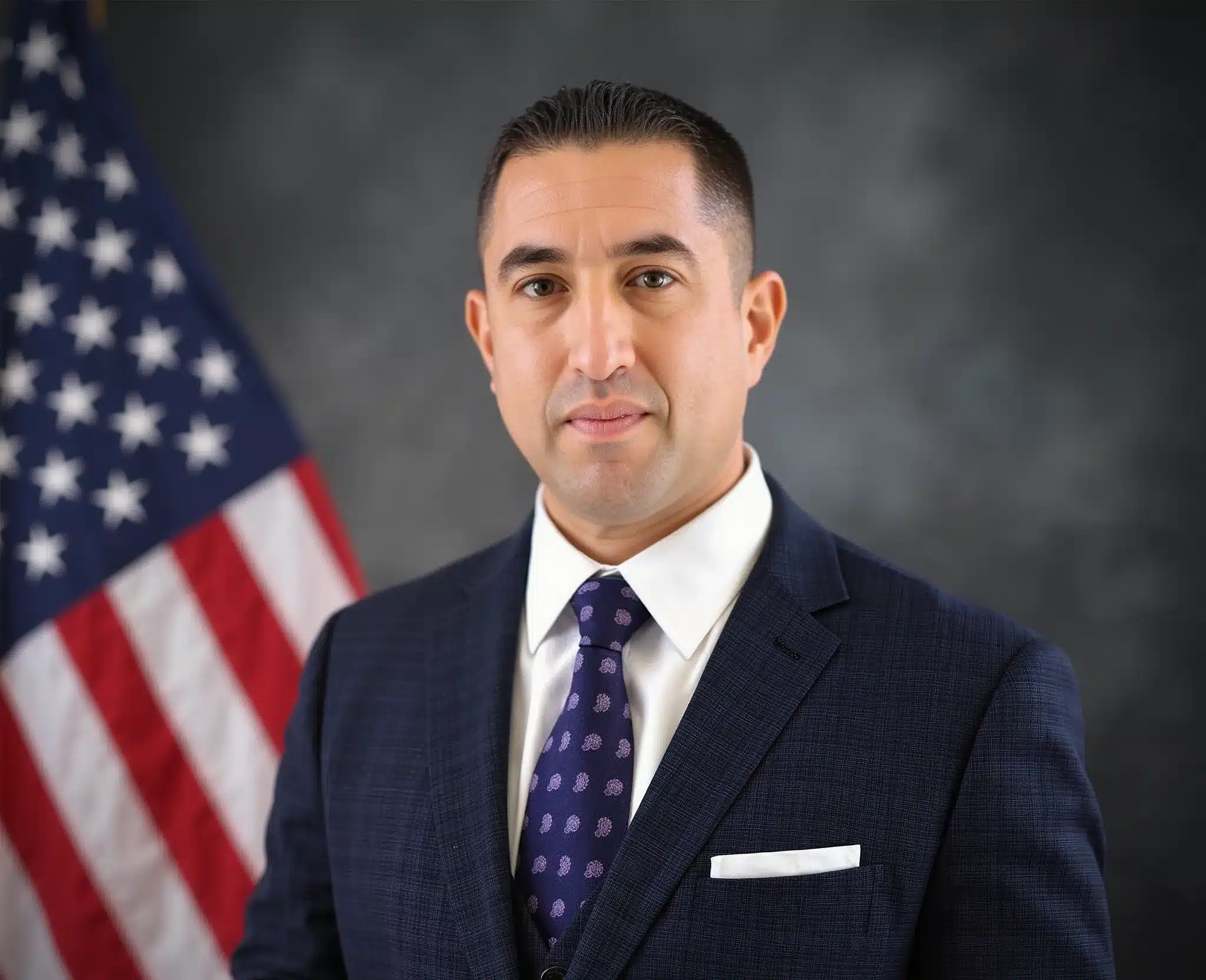
When you are facing a weapons charge in Blackhawk, it can feel like the system is stacked against you. The Law Office of Nabiel C. Ahmed provides focused criminal defense representation to individuals in Contra Costa County and Alameda County, including those accused of violent and serious crimes involving weapons. The firm takes time to listen to your concerns, explain your options in plain language, and craft a strategy tailored to your situation. From early investigation through final resolution, you have a dedicated legal ally working to protect your rights and your future.
Choosing the right defense lawyer for a weapons case in Blackhawk can significantly influence the outcome and how you experience the process. The Law Office of Nabiel C. Ahmed focuses exclusively on criminal defense, bringing a deep understanding of how Contra Costa and Alameda County courts handle firearm and weapon allegations. The firm is committed to prompt communication, careful preparation, and honest advice, so you always know where your case stands. Each strategy is built around the specific facts of your situation, your goals, and the realities of local prosecutors and judges.
From the moment you contact the firm, the focus is on protecting your rights and preserving your options. Police reports, body camera footage, and other evidence are scrutinized for inconsistencies and legal issues that may benefit your defense. The firm negotiates firmly when appropriate, but is also prepared to take a stand in court when necessary. Serving Blackhawk and surrounding communities, the Law Office of Nabiel C. Ahmed works to minimize the impact of weapons charges on your life, your career, and your family’s well-being.
At the Law Office of Nabiel C. Ahmed, the defense process for weapons offenses in Blackhawk is designed to be thorough yet understandable. From the initial phone call, you are guided through what to expect at each stage, from arraignment to potential trial or settlement. The firm gathers information, reviews the charges, and explains possible outcomes. Throughout, you are encouraged to ask questions and stay involved. The goal is to build a defense that reflects your priorities while carefully examining whether the prosecution’s evidence truly supports the allegations against you.
The process begins with an initial consultation, where you can share what happened in your own words and ask questions about the charges. In a Blackhawk weapons case, the firm reviews available documents such as citations, booking sheets, and any paperwork from your release. You will discuss your background, prior record if any, and specific concerns, such as employment or immigration. This stage allows the firm to identify urgent issues, such as upcoming court dates or protective orders, and to outline a preliminary plan for investigating and addressing the allegations.
During the early review, your lawyer examines the exact Penal Code sections you are charged with and explains what the prosecution must prove. For Blackhawk weapons offenses, this may include elements like possession, concealment, or use in connection with another crime. Understanding whether your charges are misdemeanors or felonies, and what potential penalties you face, helps you make informed decisions. Immediate risks such as bail status, protective orders, or firearm restrictions are also addressed so that you understand what you can and cannot do while the case is pending.
Your personal background matters in a weapons case. During this part of Step 1, the firm collects information about your work history, education, family responsibilities, and any prior contact with the criminal system. For Blackhawk residents, factors such as professional licenses, security clearances, or ongoing family law cases can be especially important. You will also talk about your goals, including whether you are willing to consider a negotiated plea or prefer to fight the charges at trial. This helps tailor the defense strategy to what matters most to you.
The second stage focuses on gathering and analyzing evidence. In a Blackhawk weapons offense, this includes obtaining police reports, body and dash camera footage, dispatch logs, and any forensic or ballistics testing. The firm may also locate witnesses, collect documents, and research legal issues such as search-and-seizure. Once the evidence is understood, your lawyer can discuss strengths and weaknesses with you, then engage with the prosecutor. Negotiations may involve challenging specific allegations, requesting dismissal of enhancements, or seeking alternative resolutions that better reflect the facts and your background.
A major part of Step 2 involves evaluating whether the police followed the law when they stopped you, searched your home or vehicle, or questioned you. In Blackhawk, weapons cases often turn on whether officers had probable cause, obtained valid consent, or respected your right to remain silent. If the investigation reveals constitutional violations or unreliable identification, your lawyer can file motions to suppress evidence or limit what the prosecution can present in court. Successful challenges can weaken the state’s leverage and create better conditions for negotiation or trial.
Once the evidence and legal issues are clear, your lawyer can approach the prosecutor with a detailed understanding of the case. In Blackhawk, this may involve pointing out weaknesses in the evidence, presenting mitigating information about you, and explaining why a reduced charge or alternative disposition is appropriate. Negotiations are not about simply accepting the first offer; they involve thoughtful back-and-forth aimed at achieving a result that protects your future. Throughout this stage, you remain informed and involved so any decisions to accept or reject offers are made with confidence.
If a weapons case in Blackhawk does not resolve early, it moves into a phase focused on pretrial motions and potential trial. Motions may challenge evidence, seek to exclude certain statements, or address other legal issues. If the case proceeds to trial, your lawyer presents your defense before a judge or jury, cross-examines witnesses, and argues why the prosecution has not met its burden of proof. Even at this stage, negotiations can continue, and the case may resolve before a verdict. The goal is always to secure the best outcome available under the circumstances.
Court appearances can feel intimidating, especially when dealing with allegations involving weapons. As your case moves into Step 3, the firm prepares you for what to expect: how to dress, how to address the judge, and how the courtroom schedule typically works in Contra Costa County. Your lawyer will also walk you through potential testimony, review likely questions, and help you understand how evidence will be presented. Thorough preparation helps reduce anxiety and allows you to participate confidently in your defense, whether the case resolves through motions, negotiations, or trial.
When your Blackhawk weapons case reaches resolution, whether through a plea, dismissal, or verdict, the focus shifts to implementation and future planning. Your lawyer will help you understand any conditions of probation, fines, or programs you must complete, and answer questions about how the outcome may affect employment, licensing, or immigration. In some situations, future relief such as record clearing or reduction of charges may be available down the road. By looking beyond the final court date, the firm works to support you in rebuilding and moving forward after a stressful chapter.
If you are arrested for a weapons offense in Blackhawk, try to stay calm and avoid arguing with officers or resisting, even if you believe the situation is unfair. Provide basic identifying information, but politely state that you wish to remain silent and speak with a lawyer before answering questions about the incident, the weapon, or your background. Anything you say can be used against you later, even informal comments made in a patrol car, holding cell, or during booking. As soon as possible, contact a criminal defense law firm that handles weapons cases in Contra Costa County. The sooner you reach out, the sooner your lawyer can protect your rights, advise you about bail, and begin investigating what happened. Keep any paperwork from the arrest, write down your memories while they are fresh, and avoid discussing details of the case with anyone other than your attorney. Early legal guidance can help preserve important defenses and prevent missteps that may harm your case.
In many Blackhawk cases, weapons charges can be reduced or dismissed, but it depends on the facts, the evidence, and your history. Your lawyer will look at how officers discovered the weapon, whether the search was lawful, and whether the prosecution can prove each element of the offense. If there are weaknesses in the case or mitigating circumstances, those may provide leverage to negotiate a reduced charge, dismissal of enhancements, or a more favorable plea agreement that limits long-term consequences. Dismissal is more likely when there are significant legal problems with the search, strong evidence that the weapon did not belong to you, or when witnesses and physical evidence fail to support the allegations. Sometimes alternative dispositions, such as diversion or reduced charges, may be possible even if the prosecution believes it can prove the case. A detailed review of police reports, body camera footage, and your background helps your lawyer decide how best to pursue a reduction or dismissal.
A weapons conviction in California can carry serious consequences for your ability to possess or own firearms in the future. Some offenses trigger state or federal firearm prohibitions that may be long-term or even lifetime bans. In Blackhawk, the specific impact on your gun rights depends on the statute you are convicted under, whether it is a felony or misdemeanor, and any prior criminal history you may have. Your lawyer can explain the potential consequences before you decide whether to accept any plea offer. Because these firearm restrictions can affect hunting, personal protection, and even certain types of employment, they are an important factor in planning a defense. In some situations, negotiating a different charge or reducing a felony to a misdemeanor can lessen or avoid certain firearm bans. While not every impact can be reversed, understanding the possible consequences early allows you and your lawyer to prioritize protecting your rights when considering different resolutions.
Weapons enhancements are additional allegations that can increase penalties if the prosecution proves you used or possessed a weapon during another offense. In Contra Costa County, including Blackhawk cases, prosecutors may add enhancements for having a gun during a felony, using a firearm in a violent incident, or having certain prior convictions. These enhancements can significantly raise potential jail or prison time, sometimes more than the underlying charge itself, and may limit access to certain sentencing options or programs. Defending against enhancements involves carefully examining the facts and legal basis for each allegation. Your lawyer may challenge whether the weapon was actually used, whether you personally possessed it, or whether the enhancement legally applies to your situation. Even when an enhancement cannot be completely eliminated, it may be possible to negotiate its dismissal or reduction as part of a plea, helping to decrease overall exposure. Addressing enhancements early is important for realistic risk assessment and strategy.
If the police found a gun during a search that may have been illegal, that could provide a powerful defense in your Blackhawk weapons case. The Constitution protects you from unreasonable searches and seizures, and officers generally need lawful justification to stop you, detain you, or search your person, car, or home. If your lawyer can show that officers lacked probable cause, failed to obtain valid consent, or exceeded the scope of a warrant, the court may suppress the weapon and other evidence. When key evidence is suppressed, the prosecution’s case can weaken dramatically, sometimes leading to dismissal or substantial charge reductions. However, search-and-seizure issues can be complex, and police reports rarely admit mistakes. Your lawyer will need to review all available records, including body camera footage and dispatch logs, and may file motions to challenge the search. This process takes time and detailed analysis but can significantly change the trajectory of your case.
You are not required to talk to police, detectives, or investigators about your weapons case, and exercising your right to remain silent is often the safest choice. Even if you believe you can explain everything, statements made without a lawyer present can be misunderstood or used in ways you did not anticipate. In Blackhawk, detectives may appear friendly or say they just want your side of the story, but their role is to gather information that could support criminal charges or strengthen an existing case. Politely stating that you wish to remain silent and want to speak with a lawyer is your legal right, and asserting it cannot be used against you in court. Once you have legal representation, your lawyer can decide whether it makes sense to provide information, negotiate on your behalf, or decline interviews entirely. This controlled approach helps prevent accidental self-incrimination and ensures that any communication with law enforcement is strategic and in your best interest.
The length of a weapons offense case in Blackhawk varies, but many cases take several months and some can last a year or more. Factors influencing the timeline include the seriousness of the charges, court scheduling, how quickly evidence is produced, and whether your defense involves motions or a trial. Early hearings often address bail, initial plea, and scheduling. As the case progresses, time is needed to review discovery, investigate, and negotiate with prosecutors, all of which can extend the overall duration. While it can be frustrating to wait for resolution, the time invested in careful preparation often pays off. Rushing to accept a plea before fully understanding the evidence and consequences can lead to regrets. Your lawyer will keep you updated about important dates and explain any delays, such as continuances requested to obtain discovery or file motions. Viewing the case as a process rather than a single event can make the experience more manageable and less overwhelming.
Penalties for weapons offenses in California range widely, depending on the specific charge, whether it is a misdemeanor or felony, and your prior record. Possible consequences include probation, county jail or state prison time, fines, mandatory classes, firearm bans, and other conditions such as stay-away orders. In Blackhawk, courts take weapons cases seriously, especially when allegations involve violence, threats, or possession during other crimes. Sentencing can also be affected by any enhancements and whether the court finds aggravating or mitigating factors. Not every case results in maximum penalties, and many factors can influence the outcome. Strong defenses, prompt acceptance of responsibility in appropriate cases, and meaningful mitigation—such as employment history, family support, and rehabilitation efforts—can all support more lenient sentences. Your lawyer’s role includes not only challenging the charges, but also presenting your story in a way that helps the judge understand you as a person rather than just a case file, which can significantly impact final sentencing decisions.
In some situations, a weapons conviction can later be reduced or cleared from your record, but options depend on the specific charge, sentence, and your overall criminal history. California offers forms of relief such as reductions of certain felonies to misdemeanors and expungement-like processes for some convictions after successful completion of probation. For Blackhawk residents, these remedies can improve employment prospects and background checks, though they may not fully restore all rights, especially certain firearm privileges. It is important to understand that record-clearing is not automatic and often requires filing paperwork and sometimes attending hearings. Some offenses are not eligible for particular forms of relief, and federal restrictions may still apply even after state relief. When handling your original weapons case, your lawyer can keep future record-clearing possibilities in mind, potentially negotiating a disposition that preserves eligibility. Later, you can consult about whether you qualify for relief and what steps are needed to pursue it.
The cost of hiring a weapons offense lawyer in Blackhawk varies based on factors such as the seriousness of the charges, whether enhancements are alleged, and how much work is expected, including potential motions and trial. Many criminal defense firms charge flat fees for different stages of a case, while some may offer payment plans. During your initial consultation with the Law Office of Nabiel C. Ahmed, you can discuss fees openly so you understand the financial commitment before deciding how to proceed. While cost is an important consideration, it should be weighed against the potential consequences of a conviction, including jail time, fines, and long-term impacts on employment and rights. Investing in a strong defense can help protect your future and may actually save money over time by reducing penalties and collateral consequences. Asking questions about scope of representation, communication, and what services are included in the fee can help you feel more confident in your hiring decision.
"*" indicates required fields