
A past arrest or conviction for theft or other offenses in Blackhawk can follow you for years, affecting jobs, housing, schooling, and even professional opportunities. Record clearance offers a way to reduce the impact of those old mistakes and move forward with more confidence. At the Law Office of Nabiel C. Ahmed, our criminal defense team helps people in Contra Costa County understand what relief may be available and how to pursue it. This page walks you through the basics of record clearance and how it may apply to your situation.
If you have a California criminal record connected to theft or other charges out of Blackhawk or nearby courts, you may qualify for relief such as expungement, reduction of eligible felonies to misdemeanors, or other forms of record clearance. Each option has its own rules, deadlines, and court procedures. Our goal is to provide clear information so you can make informed decisions about your future. When you are ready, you can reach out to discuss how these laws might apply to your specific criminal history and life goals.
Record clearance can dramatically change the way your past affects your present. For many people in Blackhawk, a dismissed or reduced record can improve background checks, help with job applications, and ease conversations with landlords or schools. Clearing or reducing eligible theft and related offenses can also lessen stigma and make it easier to rebuild your reputation in the community. Beyond legal advantages, many clients feel a real sense of relief and closure when court records better reflect who they are today instead of mistakes they made years ago.
The Law Office of Nabiel C. Ahmed focuses on criminal defense matters throughout Alameda and Contra Costa counties, including record clearance for theft and other charges arising in and around Blackhawk. Over many years of courtroom advocacy, our legal team has handled a wide range of cases, from misdemeanors to serious felonies, and understands how prior convictions can create continuing obstacles. We regularly review criminal histories, identify forms of relief that may be available, and prepare tailored petitions designed to present clients in the strongest possible light to the judge.
Record clearance is a broad term that covers several California procedures aimed at reducing the impact of an old case. Depending on the facts, a Blackhawk resident with theft or other charges might pursue expungement, reduction of a wobbler felony to a misdemeanor, record sealing for certain arrests, or relief under more recent criminal justice reforms. Each route has different eligibility requirements, such as completion of probation, payment of fines, and staying out of further legal trouble. Knowing which option fits your situation is the first step toward meaningful relief.
Many people are surprised to learn that even older theft cases that seemed resolved years ago can still be revisited in court through a record clearance petition. For some, that means asking a judge to set aside a conviction and dismiss it in the interests of justice; for others, it could mean asking the court to change how the offense is classified. Because employers, landlords, and agencies often rely on public record databases, these changes can influence how your background appears when it matters most. Careful evaluation of your full record is essential.
In California, record clearance generally refers to court procedures that remove, reduce, or limit public access to information about an arrest, charge, or conviction. For someone with a Blackhawk theft case, the most common form is a Penal Code section 1203.4 relief, often called expungement. When granted, the court withdraws a guilty or no contest plea, enters a not guilty plea, and dismisses the case. While the record does not completely disappear, many employers are no longer allowed to rely on the conviction when making hiring decisions, offering a meaningful fresh start.
Record clearance typically begins with a detailed review of your criminal history, including case numbers, dates, charges, and how each matter was resolved. From there, we determine which California statutes apply to your Blackhawk theft or related offenses and confirm eligibility. The next phase involves gathering information about your progress since the conviction, preparing supporting declarations, and drafting a strong petition. After filing, the court may request written responses or set a hearing date. At the hearing, the judge considers the law, your history, and your current circumstances before making a decision.
Record clearance can feel confusing because courts, lawyers, and background check companies often use different phrases for the same ideas. Understanding a few key terms can help you follow the process, ask better questions, and evaluate your options for theft and other cases out of Blackhawk. The terms below come up frequently in California record clearance conversations, whether you are talking with a lawyer, reading court documents, or reviewing information from a potential employer. Knowing what they mean will help you navigate this process with more confidence and clarity.
Expungement in California, often handled under Penal Code section 1203.4, allows eligible individuals to request that the court set aside a conviction and dismiss the case after probation or a jail term is successfully completed. For Blackhawk residents with theft convictions, an expungement does not erase the history completely but changes how it can be used by many private employers and background check companies. It can also demonstrate to landlords, schools, and community members that you took responsibility, complied with court orders, and have worked to move forward in a positive way.
Record sealing usually refers to procedures that limit public access to arrest records or certain cases that did not result in conviction. Under recent California laws, some individuals in Blackhawk may qualify to have eligible arrest records sealed, especially when charges were never filed or were dismissed. While law enforcement agencies may still retain access, the sealed information is generally hidden from most routine background checks. This can make a meaningful difference when someone is applying for a job, housing, or a professional license and wants their history to reflect the final outcome.
Some theft and related offenses in California are considered wobblers, meaning they can be charged as a felony or misdemeanor. In certain circumstances, a Blackhawk resident with a qualifying felony conviction may later ask the court to reduce it to a misdemeanor under Penal Code section 17(b). A successful reduction can help with employment, licensing, and overall perception of the offense, since many people view misdemeanors as less serious than felonies. This type of relief can also interact with other record clearance options and improve eligibility for additional remedies over time.
Background checks are reports used by employers, landlords, and other decision-makers to review a person’s criminal history and other public records. For someone with a Blackhawk theft case, the way that case appears on a background check can influence whether they are hired, promoted, or approved for housing. Record clearance in California aims to change what shows up on these reports, such as by marking certain cases as dismissed or removing eligible arrests from public view. Understanding how record changes translate into background check results is vital when planning for your future.
There is no single record clearance option that fits every theft or related case from Blackhawk. Some people qualify for expungement but not for record sealing; others may be able to reduce a felony to a misdemeanor yet remain ineligible for certain dismissals. The best approach depends on your convictions, sentencing, probation performance, and post-conviction progress. A thorough review can reveal multiple layers of relief that work together, such as reducing a felony and then seeking expungement. Evaluating each path carefully can help you pursue the combination that offers the most meaningful long-term improvement.
Sometimes a limited request, such as a straightforward expungement for a single older theft conviction, can accomplish a great deal. For example, a Blackhawk resident who completed probation years ago, maintained steady employment, and stayed out of further trouble may need only a focused petition addressing that one case. In situations like this, the goal is often to clean up a background check before a job application or licensing review. A concise, targeted request can demonstrate rehabilitation to the court without the need for pursuing multiple, more complicated forms of relief.
A limited approach may also be appropriate when most of your Blackhawk charges were dismissed or ended favorably. In those situations, the primary concern is making sure your record accurately reflects that the case did not result in a conviction. Record sealing for qualifying arrests or filings can reduce confusion during background checks, especially when employers or landlords might otherwise misinterpret old entries. By focusing on sealing or clarifying just those items, you may be able to significantly improve how your record appears without pursuing broader or more time-consuming types of post-conviction relief.
More complex record histories often require a comprehensive strategy rather than a one-time petition. If you have multiple theft or related cases from Blackhawk and other parts of Contra Costa or Alameda counties, with both felonies and misdemeanors, each matter may call for a different type of relief. Some convictions might qualify for reduction, others for expungement, and a few for sealing. Coordinating the timing and content of each request can increase your chances of positive decisions and help ensure that your overall record tells a consistent story of progress and rehabilitation.
A broader approach is usually better when a criminal record affects long-term goals, such as professional licensing, career advancement, or immigration status. In these situations, Blackhawk residents often need more than one form of relief and must think several steps ahead. A comprehensive plan might involve cleaning up older theft convictions, reviewing how those changes appear in official records, and preparing documentation for future agencies or boards. Taking time to thoughtfully organize your record clearance efforts can help you address current barriers while also reducing the risk of future obstacles and misunderstandings.
Approaching record clearance in a thorough way can produce results that go far beyond a single court order. When all eligible theft and related cases from Blackhawk and surrounding courts are reviewed together, it becomes easier to see how each petition can support the others. For example, reducing a felony may strengthen a later expungement request or improve your presentation to a licensing board. A comprehensive plan also helps you avoid overlooking older cases or misunderstandings in your Department of Justice record that could keep appearing on background checks.
Another benefit of a comprehensive plan is peace of mind. Instead of filing one petition, waiting to see the result, and then reacting to new problems as they arise, you address your record as a whole. This allows you to better prepare for upcoming job searches, rental applications, or schooling opportunities in Blackhawk and beyond. When your record is carefully reviewed, corrected where possible, and supported by documentation of your progress, you stand in a stronger position to show decision-makers that your past no longer reflects who you are today.
When you pursue record clearance through a coordinated strategy, your petitions are more likely to present a clear and persuasive picture to the court and any decision-makers who later review your file. Judges in Contra Costa County often want to see not just the legal basis for relief, but also real-world evidence of change. By gathering employment records, community involvement information, and rehabilitation efforts into a unified plan, you show that your Blackhawk theft or related offenses are part of your past, not your present. This thoughtful preparation can influence the outcome of your requests.
A comprehensive approach to record clearance allows you to match your legal strategy with your long-term life goals. Instead of focusing only on the easiest petition, you can look at how each expungement, reduction, or sealing might affect employment, housing, licensing, or schooling in and beyond Blackhawk. This broader perspective can help you decide which cases to address first, what supporting materials to gather, and how to talk about your history in applications. When your legal steps support your future plans, the record clearance process becomes a powerful tool for lasting change.

Before pursuing record clearance, take time to gather complete information on every case connected to your name. This may include case numbers, dates, charges, and final outcomes for theft and other offenses in Blackhawk and nearby courts. Obtaining your California Department of Justice rap sheet or court dockets can prevent mistakes, such as leaving out an older matter or misremembering how a case ended. When you share accurate, organized details with a criminal defense attorney, it becomes much easier to determine eligibility, avoid delays, and build strong, consistent petitions for relief.
Record clearance can take time, especially when courts are busy or when multiple petitions need to be filed. If you know that a job application, housing search, or licensing review is coming up, try to plan ahead. Blackhawk residents often benefit from starting the process months before an anticipated background check, allowing room for gathering records, drafting petitions, and attending hearings. By thinking in advance, you reduce the risk of last-minute stress and give your criminal defense lawyer more opportunity to address potential issues and pursue the most effective relief.
If a theft or related conviction from Blackhawk still appears on your record, you may already know how it can interfere with everyday life. Job offers may fall through, rental applications can be denied, and certain professional opportunities may be out of reach. Record clearance offers a lawful path to reduce the impact of those past cases. Even when the law cannot erase everything, changing how your record appears on background checks can open doors. Many people pursue this relief simply because they want their official record to match their current life.
Another powerful reason to consider record clearance is personal dignity. Carrying the weight of a theft case long after probation ends can be exhausting. Blackhawk residents often describe feeling stuck, even after years of hard work and positive change. By seeking expungement, reduction, or sealing when available, you take an active step toward reclaiming your story. The process can remind you of how far you have come and send a clear message to employers, landlords, and community members that your past choices do not define the person you are today.
Record clearance tends to move from a distant idea to an immediate priority when a specific opportunity is on the line. For many in Blackhawk, that moment arrives with an upcoming job application, promotion, or professional background check. Others feel the urgency when a landlord requests a detailed criminal history or a licensing board asks questions about theft or related convictions. Even family matters can play a role, such as wanting to volunteer at a child’s school. In each of these situations, taking steps to improve your record can make a real difference.
People often seek record clearance when a job offer or promotion depends on passing a background check. A prior theft conviction from Blackhawk can raise concerns for employers, especially in positions involving money, inventory, or customer contact. By pursuing expungement or related relief, you may be able to show that the case was dismissed and demonstrate that you have moved forward. While no outcome can be guaranteed, presenting a cleaner record can make your application more competitive and help employers see your current qualifications rather than focusing only on your past mistakes.
Landlords in and around Blackhawk frequently run criminal background checks before approving a lease. A theft or related conviction can cause a property manager to question whether to rent to you, even if the case is very old. Record clearance can sometimes reduce the impact by changing how the case appears or by sealing certain entries altogether. When you can show that the court dismissed or modified the matter, it may ease concerns and support your application. This can be especially important for families seeking stable housing and a fresh start in a new community.
Many occupations in California require a license or background review, including healthcare, real estate, education, and various trades. Applicants with theft or other convictions from Blackhawk may face additional questions, hearings, or documentation requirements. Pursuing record clearance before applying can help you present the strongest possible file to the licensing board. Even when boards can still see certain records, being able to show dismissals, reductions, and evidence of rehabilitation can influence their decisions. Planning ahead allows you to address these concerns proactively rather than waiting until a problem arises.
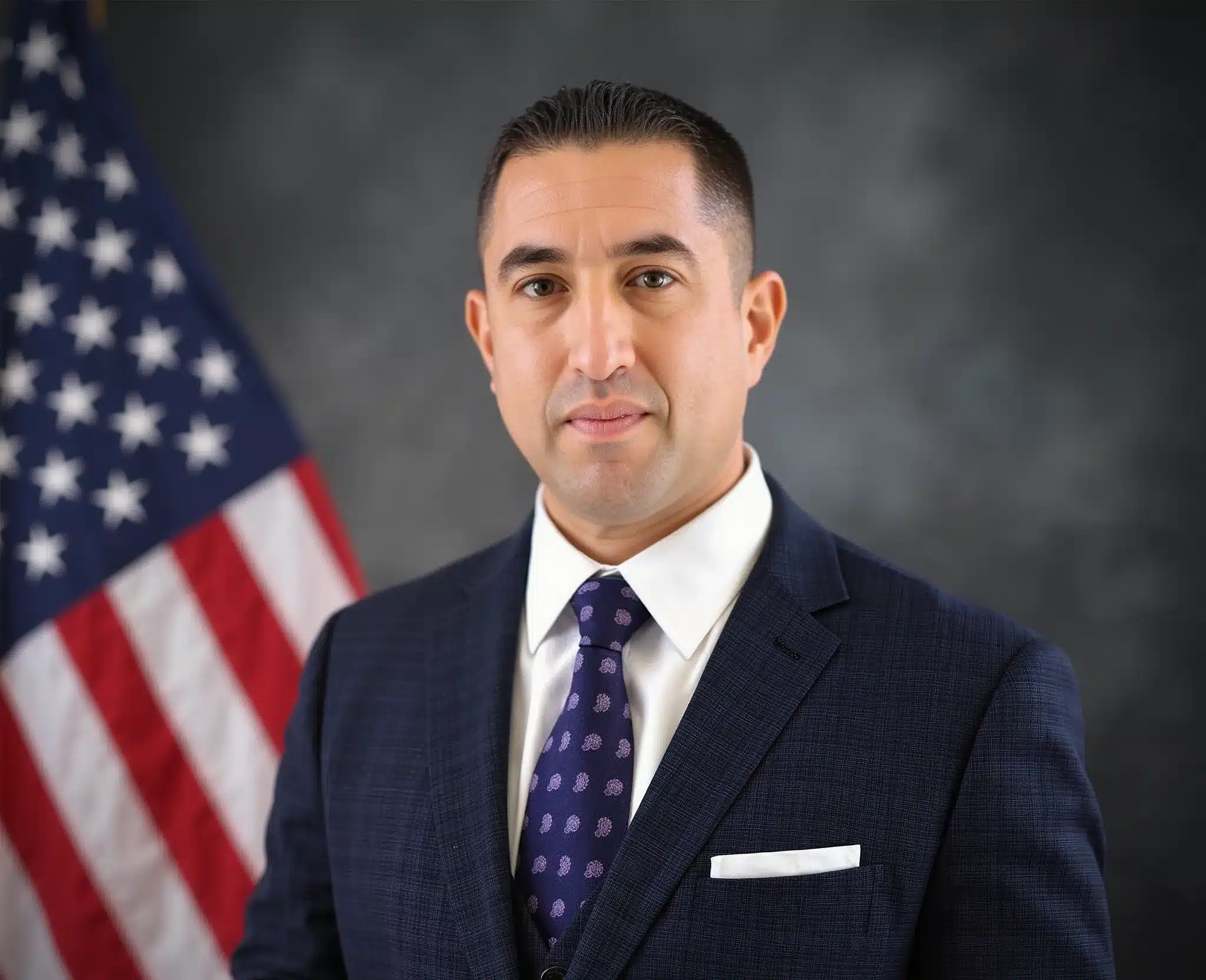
The Law Office of Nabiel C. Ahmed understands how stressful it can feel to live with an old theft or related conviction in Blackhawk. Our criminal defense team works with clients to review records, explain California law in plain language, and design a tailored strategy for record clearance. We know that every person’s history and goals are unique, and we take time to listen before recommending a path forward. If you are ready to explore options for expungement, reduction, or sealing, we are here to guide you through each step of the process.
Choosing a criminal defense law firm for record clearance is about more than filling out forms. You want counsel that understands the local Blackhawk courts, the tendencies of judges in Contra Costa County, and the practical impact of different types of relief. At the Law Office of Nabiel C. Ahmed, we devote careful attention to each client’s history, examining not only the theft case at issue but also related matters that might affect the outcome. We work to present your story clearly, honestly, and with supporting documentation that speaks to your progress.
Our firm also recognizes that record clearance can be both hopeful and intimidating. You may feel excited about a new opportunity while still worried about how the court will respond. We strive to keep communication open and straightforward, explaining timelines, possible outcomes, and any steps you can take to strengthen your petitions. From gathering records to appearing at hearings, we stand alongside Blackhawk clients throughout the process. Our goal is to help you pursue the best relief available under California law and move closer to the future you have worked hard to build.
Record clearance cases at our office follow a thoughtful, step-by-step process designed to reduce stress and increase clarity. We begin by learning about your goals and reviewing your Blackhawk theft or related convictions along with any other matters in Contra Costa or Alameda counties. After analyzing eligibility under current California laws, we outline the options and help you decide which petitions to pursue. From there, we gather supporting documents, draft legal paperwork, and represent you in court when needed. Throughout the process, we keep you informed so you always know what comes next.
The first step in our record clearance process is a thorough review of your criminal history. We ask Blackhawk clients to provide any case paperwork they have and often request official records when necessary. Our team then analyzes each theft or related case under California statutes governing expungement, reductions, and sealing. This careful review helps us identify which forms of relief you may qualify for now and which might be available in the future. Only after we clearly understand your record do we recommend a strategy or begin drafting any court petitions.
During the initial stage, we help you gather the documents needed to understand your complete criminal history. This may include obtaining docket printouts from Contra Costa County courts, requesting your California Department of Justice record, and reviewing any plea agreements or sentencing documents related to theft charges out of Blackhawk. We also talk with you about your work history, education, family responsibilities, and community involvement. These details not only confirm eligibility but also begin to shape how we will present your progress to the court in support of your record clearance requests.
Once we have a full picture of your convictions and case outcomes, we analyze how current California law applies. Record clearance rules can change over time, so we review recent legislation and case law affecting theft and other offenses. For Blackhawk clients, this includes checking whether probation was completed, whether any prison sentences were served, and whether you have remained arrest-free for certain periods. We then identify which petitions are available now and flag any waiting periods or limitations. This careful evaluation lays the groundwork for a focused and effective strategy.
After confirming eligibility, we move to the petition-building stage. For Blackhawk residents seeking relief from theft or related convictions, this step is where your story is put into writing for the court. We draft legal documents tailored to your cases, gather supporting materials that demonstrate your progress, and organize everything into a clear, persuasive package. Once the petitions are ready, we file them with the appropriate Contra Costa County court and track deadlines, responses, and hearing dates. Our team handles the procedural details so you can focus on your daily responsibilities.
A powerful record clearance petition does more than recite the law; it explains who you are now and why relief makes sense. We work closely with Blackhawk clients to draft declarations that describe their journey since the theft or related conviction, highlighting employment, family obligations, education, and community involvement. We may also request letters of support from employers, mentors, or counselors. By weaving these materials together with legal arguments, we aim to give the judge a full picture of your life and the reasons your record should better reflect your current circumstances.
Once your petitions and supporting documents are complete, we file them with the correct court and serve the prosecution when required. In Blackhawk record clearance matters, the district attorney may sometimes object, request more information, or agree to certain forms of relief. Our office monitors all responses, keeps you updated, and prepares any additional filings needed. If issues arise, we address them through written argument or discussion with the prosecutor. Throughout this stage, we remain attentive to deadlines and court rules to keep your case moving forward toward a decision.
Many record clearance cases conclude with a court hearing where a judge reviews the petitions, any objections, and the supporting materials. When Blackhawk clients are scheduled for such hearings, we appear with them, present arguments, and answer the court’s questions. If the judge grants relief, our work continues with follow-up tasks, such as obtaining certified copies of orders and advising on how the changes may affect future background checks. We also discuss any remaining cases or additional steps that might improve your record further, so your progress does not stop at a single order.
At a record clearance hearing, the judge may ask about your past cases, your current life, and your reasons for seeking relief. Our role is to prepare you for those questions and to present your Blackhawk theft or related matters in a clear, respectful way. We highlight your compliance with probation, your efforts to improve your life, and the future plans that depend on a better record. By guiding the court through the legal standards and the facts of your story, we strive to put you in the strongest possible position for a favorable decision.
Even after the judge signs an order granting record clearance, follow-up is important. Court clerks need time to update their systems, and state agencies may take additional steps to reflect changes. For Blackhawk clients, we obtain copies of the orders and discuss how long updates may take to appear in public databases. We also explain how to talk about the case on job or housing applications after relief is granted. This final stage helps ensure that the benefits of your expungement, reduction, or sealing are actually realized in everyday life.
Whether your Blackhawk theft conviction can be expunged depends on several factors, including how the case was sentenced, whether you completed probation, and whether you have any pending charges or new convictions. Many theft cases sentenced to probation in California are candidates for relief under Penal Code section 1203.4, but there are exceptions, especially when state prison time was imposed. A careful review of your case paperwork and criminal history is necessary before anyone can honestly discuss eligibility or the likelihood that a judge will grant your request. If you are eligible, expungement typically involves filing a petition, notifying the prosecutor, and sometimes attending a hearing. The court then decides whether to set aside the conviction and dismiss the case. Even when relief is granted, the conviction may still be visible to certain government agencies, but many private employers may no longer rely on it when making hiring decisions. Because every situation is different, it is wise to consult with a criminal defense attorney familiar with record clearance law in Contra Costa County.
The timeline for record clearance varies depending on the court’s schedule, the complexity of your history, and the type of relief you are seeking. For a single, straightforward Blackhawk theft case, the process may take a few months from the time the petition is filed until a decision is issued. Courts with heavier calendars may require more time, especially if hearings are necessary or if the prosecutor requests additional information. Delays can also occur when records must be obtained from older cases or multiple jurisdictions. More complicated record histories, involving several cases or both felonies and misdemeanors, often require additional preparation and may lead to staggered filing of petitions. In those situations, you might see progress in stages, with different courts ruling at different times. It is important to begin early if you have an upcoming job, housing, or licensing deadline. During an initial consultation, a criminal defense lawyer can usually provide a rough estimate of timing based on the specific courts and types of relief involved.
Expungement does not completely erase a case as if it never existed, but it can still provide meaningful benefits. When a California court grants relief under Penal Code section 1203.4 for a Blackhawk theft conviction, it typically changes the record to show that the case was dismissed after you fulfilled court requirements. Many private employers are not allowed to consider such a conviction when making hiring decisions, which can improve your chances in the job market. The change can also affect how the case appears in some background check databases. However, certain government entities and licensing boards may still see the original conviction, along with the later dismissal. Expungement does not automatically restore all rights or eliminate all consequences. It is best understood as a way to lessen the impact of your criminal history, not to erase it completely. For some clients, additional steps—such as seeking record sealing or felony reduction when available—may offer further benefits. A criminal defense attorney can help you understand what expungement can and cannot do in your situation.
Many people with criminal histories have cases from more than one county, especially in areas like Blackhawk, Oakland, and other parts of the Bay Area. While you cannot usually handle all cases in a single petition, you can often pursue record clearance on multiple cases at roughly the same time, filing separate requests in each county where a conviction occurred. Coordinating those efforts can help ensure that the information presented to each court is consistent and that you are not overlooking important interactions between different convictions. A thoughtful strategy may involve prioritizing cases that affect your life the most, such as recent theft convictions that appear prominently on background checks. At the same time, older matters in other counties may still be worth addressing, especially if they contribute to a pattern employers or licensing boards might question. A criminal defense lawyer familiar with Contra Costa and Alameda counties can help you organize your records, plan the order of filings, and present a unified, accurate story across all courts involved.
In many California cases, you must complete probation before seeking traditional expungement under Penal Code section 1203.4. For Blackhawk theft convictions sentenced to probation, finishing all terms—such as classes, restitution, or community service—is often a key requirement. However, there can be exceptions, including situations where a court is willing to terminate probation early and then grant expungement. Recent changes in California law have also created additional avenues of relief in some circumstances, so it is important not to assume you are ineligible without a thorough review. If you are still on probation, one strategy may be to first request early termination based on your compliance and progress. Judges consider factors such as how much probation time has passed, whether you have stayed out of trouble, and how record clearance will benefit your employment or family. If probation is ended early, you may then qualify to apply for expungement. Because the rules are detailed and case-specific, discussing your situation with a criminal defense attorney can help you understand which options may work for you.
Record clearance can significantly change how your criminal history appears to many private employers and landlords, which often improves your prospects on job and housing applications. When a Blackhawk theft conviction is dismissed through expungement, you may no longer need to disclose it in certain private employment contexts, depending on the questions asked. This can make your application more competitive and reduce awkward conversations about old mistakes. Some landlords also view a dismissed or reduced record more favorably than an untreated conviction, which can help during rental screenings. Still, it is important to read application questions carefully and answer them honestly. Certain types of jobs and housing arrangements may still require full disclosure, even after expungement or other relief. Government agencies, schools, and licensing boards may also have different rules. A criminal defense lawyer can help you understand when you can lawfully say that a case was dismissed and how to discuss your record if questions arise. Used correctly, record clearance can be a powerful tool in rebuilding your future opportunities.
Before meeting with a lawyer about record clearance, gathering background information can make your consultation more productive. Helpful items include case numbers, court locations, the exact charges filed, and documents showing how each case ended. For Blackhawk theft or related matters, this might mean sentencing orders, proof of completed classes, or receipts for paid fines and restitution. If you have your California Department of Justice record, bringing that to the meeting can also save time, as it provides an overview of your criminal history across different counties. You should also think about your goals and upcoming deadlines, such as job applications, housing searches, or licensing processes. Sharing details about your work, education, and family responsibilities gives your attorney a better sense of how to present your story to the court. While you do not need to have everything perfectly organized, the more information you bring, the easier it is for the lawyer to evaluate eligibility, identify potential issues, and outline a customized plan to pursue record clearance for your Blackhawk cases.
Yes, in some situations a dismissed or not-filed case can still appear on a background check, which often surprises people. For example, a Blackhawk arrest that never led to formal charges may still be recorded in certain databases, and some background check companies may report it. Likewise, a case that was filed but later dismissed can leave traces in court records. These entries may cause confusion for employers or landlords who see the existence of a case but do not understand that it ended in your favor. California law provides procedures to address some of these situations. Depending on the circumstances, you may be able to request sealing of arrest records or ask the court to clarify the final disposition of a dismissed case. Doing so can reduce the risk that old, resolved matters will continue to interfere with your opportunities. A criminal defense attorney can review your record, explain when sealing or other relief might be available, and help you pursue changes that better reflect the positive outcomes you already achieved.
Record clearance can play an important role in professional licensing, though it is not a guarantee of approval. Many licensing boards in California look closely at theft and related convictions when deciding whether to grant or renew a license. When a Blackhawk conviction has been dismissed, reduced, or otherwise addressed, it can signal to the board that you have taken responsibility and complied with court requirements. Some regulators specifically ask whether you have obtained relief such as expungement and may weigh that fact in your favor during their decision-making process. However, boards may still see and ask about the underlying conduct, even after record clearance. They often consider factors such as how long ago the offense occurred, whether there have been any further incidents, and what steps you have taken to demonstrate rehabilitation. Because each licensing body has its own rules, it is important to understand their expectations before applying. A criminal defense lawyer can help you evaluate which record clearance options might strengthen your licensing application and how to prepare supporting materials that address potential concerns.
Getting started with a Blackhawk record clearance case usually begins with a consultation where you discuss your history and goals with a criminal defense attorney. During that meeting, you will review your theft and related convictions, talk about how they affect your life, and explore potential forms of relief. The lawyer may ask you to obtain case documents or an official criminal history report. Once there is a clear understanding of your background, you can decide together which petitions to pursue and in what order, based on eligibility and your priorities. After a plan is in place, the next steps include gathering supporting evidence, drafting petitions, and filing them with the appropriate court. Your attorney will track deadlines, respond to any opposition, and represent you at hearings when necessary. Throughout the process, staying in communication and promptly providing requested information will help keep things moving. If you are ready to begin, you can contact the Law Office of Nabiel C. Ahmed at 510-271-0010 to schedule a time to discuss your record clearance options.
"*" indicates required fields