
Facing a driving and drug offense in Blackhawk can turn your life upside down in an instant. A stop that began as a routine traffic encounter can quickly lead to serious charges, the threat of jail time, and a long-term impact on your driver’s license and record. The Law Office of Nabiel C. Ahmed focuses on defending people throughout Contra Costa County who find themselves in this stressful situation. Our goal is to safeguard your rights, challenge the prosecution’s case, and pursue outcomes that protect your future, your freedom, and your reputation in the community.
When prosecutors allege that drugs and driving intersected, the stakes are especially high. You may be dealing with accusations of drug possession, drug DUI, or impaired driving based on prescription or recreational substances. These cases often involve complicated chemical tests, subjective field evaluations, and police reports that need careful review. Our Oakland-based criminal defense firm represents drivers in Blackhawk and surrounding Contra Costa communities, providing focused guidance at every stage. From the moment of your arrest through negotiations, hearings, and potential trial, we work to uncover weaknesses in the case and fight for a more favorable path forward.
Driving and drug offenses can affect far more than a single court date. A conviction may lead to license suspension, increased insurance costs, employment challenges, immigration concerns, and lasting damage to your record. Having a dedicated defense on your side in Blackhawk helps you avoid rushing into quick pleas that may not be in your best interest. A careful review of the traffic stop, search, seizure, and testing procedures may uncover grounds to reduce or dismiss charges. With knowledgeable guidance, you can better understand your options, make informed decisions, and pursue results that support your long-term goals and daily life.
The Law Office of Nabiel C. Ahmed is a criminal defense law firm based in Oakland, serving clients throughout Contra Costa County and Alameda County, including Blackhawk. Over the years, our firm has handled a wide range of driving and drug-related charges, from first-time arrests to complex cases involving multiple allegations. We understand how local courts, judges, and prosecutors tend to approach these matters, and we draw on that knowledge as we build each defense strategy. Our approach is hands-on and thorough, focused on listening to your story, analyzing the evidence, and communicating clearly so you know what to expect at every step.
Driving and drug offenses cover a broad category of charges in California, especially in communities like Blackhawk where traffic enforcement is active. You might be accused of operating a vehicle under the influence of illegal drugs, misused prescriptions, or a combination of substances and alcohol. Other times, officers may claim they discovered drugs in your car after a stop for speeding, lane changes, or equipment violations. Each of these scenarios raises different legal issues, from whether the stop was lawful, to whether any search complied with the Constitution, to whether test results are reliable enough to support the charges in court.
It is important to recognize that a driving and drug offense case is not simply about whether drugs were present. Prosecutors must also prove that you were driving, that any substances were possessed or used unlawfully, and that your ability to operate a vehicle was impaired, if that is alleged. Lab tests, officer observations, dashcam footage, and witness statements can all come into play. In many Blackhawk cases, the strongest path forward involves challenging how evidence was gathered, questioning the accuracy of testing, or highlighting alternative explanations for driving behavior. Understanding these layers can make a meaningful difference in how your case is resolved.
In California, a driving and drug offense generally refers to any situation where a person is accused of operating a vehicle while unlawfully under the influence of drugs, or where drug-related allegations arise from a traffic stop. This can include driving under the influence of controlled substances, possessing drugs in a vehicle, having open containers of certain medications, or combining drugs and alcohol. In Blackhawk, these cases often begin with simple allegations like weaving, speeding, or a broken tail light, which then lead officers to investigate further. Understanding how these charges are defined under state law helps identify defenses that can be raised on your behalf.
Most driving and drug offense cases in Blackhawk follow a series of steps that can feel overwhelming if you have never been through the system. First, an officer must have a reason to stop your vehicle, such as a traffic violation or suspected impairment. Next, any search of your car or person must comply with constitutional rules. If drugs are found or impairment is alleged, you may be arrested and asked to submit to chemical testing, which creates further evidence for prosecutors. From there, your case moves into arraignment, pretrial hearings, negotiation, and possibly trial. Each stage provides opportunities to challenge evidence and seek better outcomes.
When you are dealing with driving and drug charges in Blackhawk, the legal language can be confusing. Police, prosecutors, and judges rely on terms that may feel unfamiliar, yet those words carry consequences for your case. It can be helpful to understand concepts like probable cause, implied consent, and chemical testing, along with how controlled substances are categorized under California law. Knowing these terms allows you to follow what is happening in court and speak more confidently with your attorney. This glossary offers plain-language explanations so you can stay informed and actively participate in your defense strategy from start to finish.
Probable cause is the legal standard that allows law enforcement to make an arrest, conduct a search, or seize property in a driving and drug offense investigation. In Blackhawk, officers need specific, articulable facts suggesting that a crime is being committed, rather than just a hunch or general suspicion. For example, observable signs of impairment, the smell of marijuana, or visible contraband may be used to justify further action. If an officer lacked probable cause at any stage, from the initial traffic stop to a vehicle search, it may be possible to challenge the evidence and seek suppression of key items in court.
Implied consent refers to the idea that by driving on California roads, you have agreed in advance to submit to chemical testing under certain conditions if lawfully arrested for impaired driving. In a Blackhawk driving and drug case, this might mean a blood or urine test to determine the presence of controlled substances. Refusing a test can result in additional penalties, including license suspension, even if your criminal charges are later reduced or dismissed. Understanding how implied consent works can help you evaluate decisions made at the time of arrest, as well as potential consequences that may appear at Department of Motor Vehicles hearings.
A controlled substance is any drug regulated by law because of its potential for abuse or medical use. In California driving and drug offense cases, this category may include illegal narcotics, certain prescription medications, and drugs listed on federal or state schedules. In Blackhawk, officers and prosecutors often focus on whether a substance was lawfully prescribed, whether it was used as directed, and whether it affected a person’s ability to drive safely. Understanding how a substance is classified can influence charges, potential penalties, and available defenses, including whether a valid medical prescription or minimal quantity might support a more favorable resolution.
Field sobriety tests are coordination and balance exercises that officers may use on the roadside when they suspect impairment. In driving and drug offense cases in Blackhawk, these tests might include walking in a straight line, standing on one leg, or following a light with your eyes. While officers often rely on these results to support an arrest, many factors can affect performance, such as fatigue, footwear, medical conditions, or uneven pavement. Field sobriety tests are not infallible, and their results can be challenged in court, especially when drugs rather than alcohol are alleged to be the primary source of impairment.
After an arrest for driving and drug offenses in Blackhawk, you may be presented with several different paths, including accepting an early plea, requesting diversion, or challenging the case through motions and trial. Each choice carries its own risks and potential advantages. A quick plea might seem appealing if you want to move on, but it can create long-term consequences for your driver’s license and record. On the other hand, a more thorough defense approach might uncover legal issues that significantly improve your position. Carefully weighing these options, with a clear understanding of the evidence, is essential before making any lasting decisions.
In some Blackhawk driving and drug cases, a narrower defense strategy can still lead to a reasonable outcome. This often occurs when the charge involves a first-time offense, minimal prior record, and relatively modest evidence. Prosecutors may be open to reduced charges, treatment-based programs, or diversion that focuses on rehabilitation rather than harsh punishment. In such situations, the defense may concentrate on negotiating favorable terms, addressing underlying issues, and limiting the long-term impact on your record. Even with a limited approach, though, it remains important to review the traffic stop, search, and testing procedures to avoid overlooking meaningful defenses.
A more modest defense plan may also make sense when evidence of a driving and drug offense appears strong, but there are substantial reasons for leniency. In Blackhawk, judges may take into account factors such as steady employment, community involvement, family responsibilities, or voluntary participation in counseling. In these circumstances, the focus may be on presenting a complete picture of your life and demonstrating that treatment, education, or alternative sentencing options will be more productive than extended jail time. This limited approach still requires careful preparation to make sure your side of the story is fully heard and considered by the court.
A comprehensive defense strategy is particularly important when driving and drug charges carry significant potential penalties, such as felony allegations, multiple prior convictions, or enhancements. In Blackhawk, these cases can involve extended jail exposure, long license suspensions, and lasting effects on employment, professional licensing, or immigration status. When so much is at stake, it may be necessary to challenge every stage of the investigation, file detailed motions, and prepare thoroughly for trial. A broad approach can include consulting with toxicology professionals, reviewing body camera footage, and examining lab procedures to uncover errors or inconsistencies that might otherwise go unnoticed.
Comprehensive defense is also important when the facts are strongly contested or when there are concerns about how law enforcement handled the stop or search. In some Blackhawk cases, questions arise about whether officers had a lawful reason to pull over a vehicle, whether consent to search was truly voluntary, or whether your rights were explained properly. Challenging these issues often requires in-depth investigation, rigorous cross-examination, and careful legal briefing. A broad strategy allows your defense team to present alternative explanations, highlight inconsistencies, and seek suppression of evidence obtained in violation of your rights, which can dramatically change the course of your case.
Choosing a comprehensive defense approach in a Blackhawk driving and drug case means giving careful attention to every aspect of your situation. This includes examining the legality of the traffic stop, reviewing police reports for inconsistencies, checking lab procedures, and considering the effect of any prior record. A wide-ranging strategy can reveal problems with the prosecution’s case that might otherwise remain hidden. It also sends a clear signal that you take your rights seriously and that you are not willing to accept the first offer without understanding other possibilities. This approach often creates more leverage for negotiation and better chances for dismissed or reduced charges.
A broad defense plan also helps protect your future beyond the courtroom. For many Blackhawk residents, the outcome of a driving and drug offense affects employment, professional goals, schooling, and family life. By looking at the big picture, you can pursue resolutions that minimize long-term damage, whether through alternative sentencing, treatment options, or record relief when available. Comprehensive representation allows time to gather supportive documents, character letters, and evidence of positive steps you have taken. This fuller story can influence judges and prosecutors and may lead to solutions that focus on rehabilitation and second chances rather than purely punitive measures.
When your defense in a driving and drug case is thorough and well-prepared, you often gain a stronger position during negotiations and court hearings. In Blackhawk, prosecutors are more likely to consider reductions, diversions, or alternative sentencing when they see that legal and factual issues have been carefully identified. Detailed challenges to probable cause, search procedures, and test results can make trial outcomes less predictable for the government. As a result, a comprehensive approach can create opportunities for more favorable offers, shorter periods of supervision, and terms that better protect your license and record, while still addressing concerns raised by the court.
Another key benefit of a comprehensive defense plan is improved protection for your record, driving privileges, and daily life. A driving and drug conviction in Blackhawk can affect everything from your ability to commute to work, to your insurance rates, to background checks for housing or employment. By investing time in exploring every defense, you increase the chances of obtaining a reduction, diversion, or alternative disposition that is less damaging long-term. This approach looks beyond the immediate court date and focuses on practical consequences you will feel in the months and years ahead, helping you move forward with greater stability and confidence.

In the moments after a driving and drug stop in Blackhawk, it can be tempting to explain yourself or talk your way out of the situation. However, statements made on the roadside or at the station often become part of the prosecution’s case. Anything you say can be quoted, written into reports, or used to support searches and testing. Staying calm, providing basic identifying information, and politely asserting your rights can help limit damaging admissions. As soon as possible, write down what happened while it is still fresh in your memory so your attorney can review the details and identify potential issues.
Driving and drug offense cases in Blackhawk often involve both criminal court dates and Department of Motor Vehicles deadlines. Missing a hearing or failing to request a timely DMV review can lead to automatic license suspension or additional warrants. Mark your calendar, set reminders, and stay in regular contact with your attorney’s office about upcoming appearances. If transportation is a challenge, arrange rides early or consider remote appearance options when allowed by the court. Showing up prepared and on time sends a message that you take the process seriously and can improve how judges and prosecutors view your commitment to resolving the matter.
Many people facing driving and drug allegations in Blackhawk feel tempted to handle the situation alone, especially if it is their first encounter with the criminal justice system. Unfortunately, these cases involve complex laws, strict deadlines, and evidence rules that can be difficult to navigate without guidance. A conviction may carry consequences you did not anticipate, including license suspension, higher insurance premiums, and limitations on future opportunities. Seeking legal help ensures that someone is focused on protecting your rights, explaining each step in understandable terms, and helping you avoid choices that could result in unnecessary penalties or long-lasting harm.
Legal representation also provides a buffer between you and the pressure of prosecutors or law enforcement. In Blackhawk, you may be offered plea deals that appear simple at first glance but contain hidden costs or conditions. A knowledgeable attorney can evaluate the strength of the evidence, explain likely outcomes, and advise whether negotiation, motions, or trial may serve you better. With someone handling communications, appearing in court when permitted, and organizing your defense, you can focus on work, family, and personal responsibilities while still taking the case seriously. This support can reduce stress and improve your chances of a more favorable resolution.
Driving and drug offenses can arise in many different ways in and around Blackhawk. Some cases begin with a late-night traffic stop where an officer claims to smell marijuana or notices prescription bottles in the car. Others stem from collisions where law enforcement investigates potential impairment or discovers alleged contraband while assisting at the scene. Even daytime stops for minor violations, like failing to signal or having a broken light, can escalate if officers suspect drug use. Regardless of how your case began, legal help can assist in examining the circumstances, identifying possible constitutional issues, and working to limit the fallout on your life.
One of the most common paths to a driving and drug charge in Blackhawk starts with a simple moving violation. An officer may pull a driver over for speeding, rolling through a stop sign, or drifting within a lane. During the encounter, law enforcement might claim to notice signs of impairment, nervous behavior, or the odor of a substance. A basic citation can then quickly expand into questions, field tests, and a potential vehicle search. Understanding that these cases often begin with seemingly routine stops can be important when assessing whether the officer had a lawful basis for each step taken.
Another frequent scenario involves a search of the vehicle after a traffic stop in Blackhawk. Officers may ask for consent, rely on a claimed odor, or assert probable cause based on what they say they observed. These searches can lead to the discovery of small amounts of drugs, paraphernalia, or prescription medications, which then form the basis for more serious charges. Courts closely examine whether such searches complied with constitutional protections against unreasonable searches and seizures. If the search was unlawful or consent was not truly voluntary, it may be possible to challenge the admissibility of the evidence and weaken the prosecution’s case.
Driving and drug allegations in Blackhawk sometimes arise from accidents or welfare checks, rather than standard traffic enforcement. For example, law enforcement may be called to the scene of a collision or a vehicle stopped on the roadside. If officers believe drug use contributed to the situation, they may begin an impaired driving investigation, request field tests, or seek chemical samples. These incidents often involve multiple reports, statements from witnesses, and medical evaluations. Carefully reviewing the chain of events, including how officers first encountered you and whether your condition could be explained by injury or other factors, can be vital to your defense.
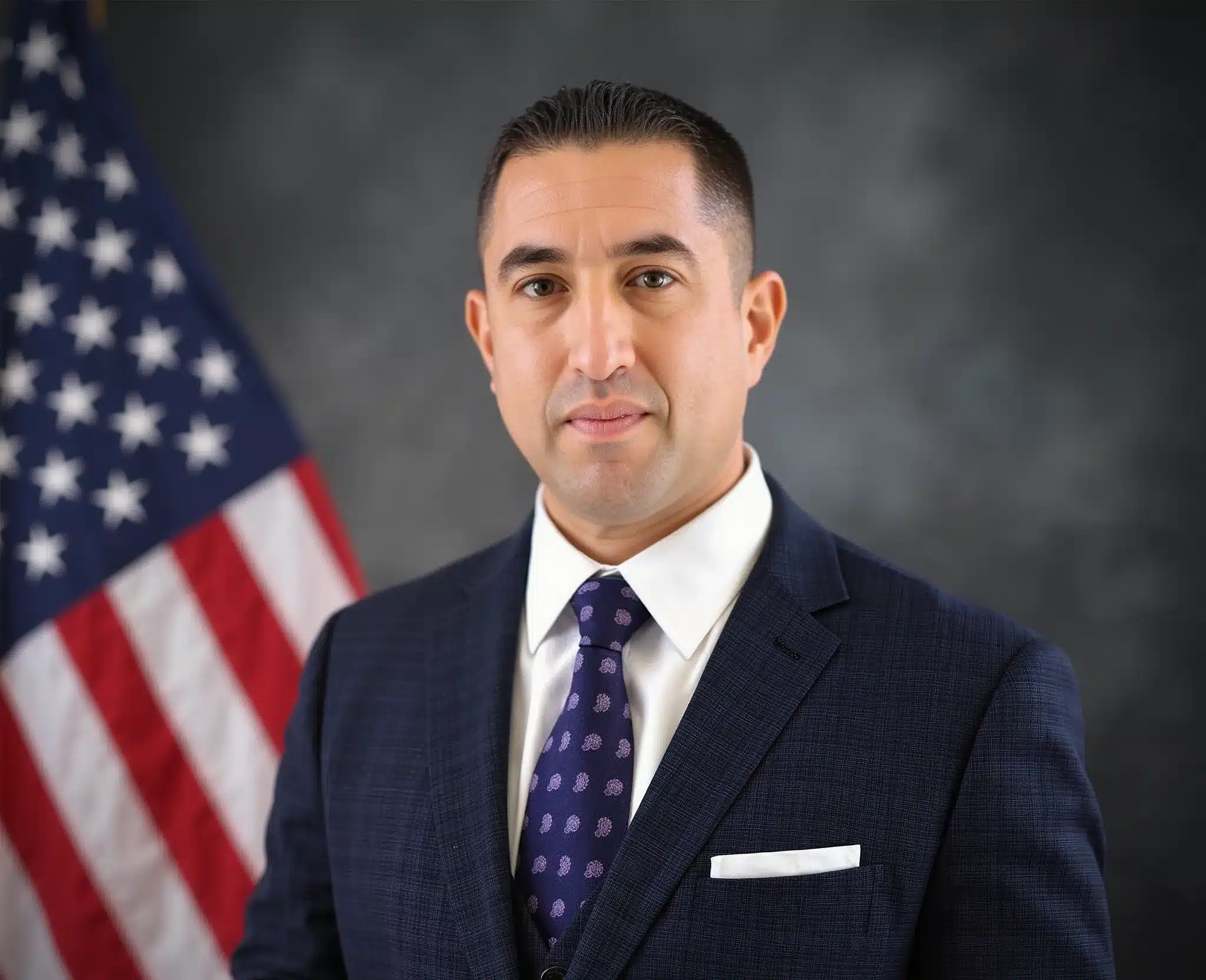
If you have been accused of a driving and drug offense in Blackhawk, you do not have to face the system alone. The Law Office of Nabiel C. Ahmed, based in Oakland, represents individuals across Contra Costa County who find themselves in this difficult position. We understand how disruptive an arrest can be, and we work to provide steady guidance from the first consultation through the conclusion of your case. By listening closely to your concerns, carefully reviewing the evidence, and explaining each option in clear terms, we aim to reduce uncertainty and help you move toward a more manageable outcome.
Selecting the right legal team for a driving and drug case in Blackhawk can influence both the process and outcome. Our Oakland criminal defense law firm has devoted significant attention to representing individuals facing charges throughout Contra Costa and Alameda Counties. We are familiar with local court procedures, sentencing tendencies, and the ways prosecutors typically approach these cases. This perspective allows us to anticipate challenges and prepare accordingly. We strive to keep you informed, answer your questions promptly, and tailor defense strategies to the specific facts of your situation, rather than relying on a one-size-fits-all approach.
At the Law Office of Nabiel C. Ahmed, we focus on thorough preparation and thoughtful advocacy. In driving and drug cases, that means scrutinizing police reports, examining lab results, and considering how a resolution will affect your license, employment, and family. We know that each client’s goals differ; some may prioritize avoiding jail, while others are most concerned about retaining driving privileges or minimizing public records. We take the time to understand those priorities and work toward solutions that align with them. Throughout your case, you can expect candid assessments, clear communication, and determined representation in and out of court.
When you contact our Oakland-based firm about a driving and drug charge in Blackhawk, we follow a structured process designed to protect your rights and reduce uncertainty. We begin by gathering background information, learning your side of the story, and reviewing any paperwork you received. From there, we obtain police reports, lab results, and evidence from the prosecution, looking for inconsistencies or legal issues. We keep you informed about court dates, possible strategies, and realistic expectations, so there are fewer surprises. Our process aims to combine careful investigation with clear communication, giving you a roadmap for addressing the charges and moving forward.
The first step in addressing a driving and drug offense in Blackhawk is an in-depth consultation and evaluation of your case. During this stage, we listen to your account of what happened, review documents such as citations, booking paperwork, and DMV notices, and discuss your concerns and goals. We also identify immediate deadlines, including any time limits for requesting a DMV hearing. This initial assessment helps us determine potential defenses, areas where additional investigation is needed, and the most pressing issues affecting your license or freedom. By the end of this step, you should have a clearer sense of what lies ahead.
During the first part of the initial consultation, we focus on understanding your story and the timeline of events surrounding the Blackhawk incident. We ask about why you were driving, where you were headed, and how the interaction with law enforcement unfolded. Details such as what the officer said, when you were asked to step out of the car, and whether you consented to any searches can be highly significant later. We also discuss your background, work situation, and prior record, if any. This information allows us to tailor our advice and begin identifying potential legal and factual issues in your case.
The second part of the initial evaluation involves a careful review of all paperwork related to your Blackhawk driving and drug arrest. This can include citations, bail information, temporary license forms, and court notices. We look for important dates, such as arraignment or DMV hearing deadlines, and explain what each document means in plain language. Missing these dates can result in automatic penalties, so identifying them early is vital. We also begin to outline a preliminary strategy, including what records or witnesses might be helpful, and set expectations for the next steps in the process so you know how to prepare.
Once the initial consultation is complete, we move into the investigative phase of your Blackhawk driving and drug case. This step includes obtaining police reports, body camera footage when available, and lab results related to any chemical testing. We review these materials carefully to identify inconsistencies, questionable procedures, or gaps in the evidence. Depending on what we find, we may file motions challenging probable cause for the stop, the legality of any searches, or the admissibility of test results. Throughout this process, we keep you updated on significant developments and discuss how each finding affects your options and potential outcomes.
A key part of Step 2 involves scrutinizing the police reports and chemical test results that form the backbone of most driving and drug prosecutions in Blackhawk. We compare officers’ written statements with video, if available, and with your account of events. We look for inconsistent descriptions of driving behavior, conflicting timelines, or missing details that could raise questions about reliability. On the testing side, we examine how samples were collected, stored, and analyzed, as well as whether proper protocols were followed. Any errors or discrepancies in these areas can become powerful tools for challenging the prosecution’s case in negotiations or at hearings.
If our review reveals legal or factual issues, we may file motions asking the court to limit or exclude certain evidence in your Blackhawk driving and drug case. These motions might argue that the initial stop lacked a valid basis, that a search exceeded lawful boundaries, or that test results are unreliable. Preparing these documents involves detailed legal research and careful presentation of the facts. We also get ready to question officers or other witnesses at motion hearings, which can significantly shape the direction of the case. Success at this stage may lead to reduced charges, better plea offers, or even dismissal.
The final step in our process for Blackhawk driving and drug offenses involves seeking the best possible resolution based on the circumstances and the evidence. In many cases, this means negotiating with prosecutors for reduced charges, alternative sentencing, or diversion programs that minimize long-term damage. We discuss each offer with you in detail, explaining potential consequences for your record and license. If a satisfactory resolution cannot be reached, we are prepared to take the case to trial, presenting your defense to a judge or jury. Throughout this stage, your goals and preferences remain central to every decision that is made.
Before any agreement is considered in a Blackhawk driving and drug case, we evaluate proposed offers carefully. This includes reviewing how the plea would affect your criminal record, driving privileges, employment prospects, and immigration status if applicable. We also explore whether diversion programs, treatment options, or reduced offenses might be available alternatives. Our role is to present the benefits and drawbacks of each path in clear terms, so you can make decisions that align with your priorities. By thoroughly evaluating offers, we work to avoid unpleasant surprises later and aim for resolutions that support your long-term stability and goals.
If negotiation does not lead to an outcome you can accept, we prepare your Blackhawk driving and drug case for trial. This process includes organizing exhibits, coordinating witnesses, and refining arguments that highlight weaknesses in the prosecution’s evidence. We focus on presenting a clear and compelling narrative, from challenging the legality of the stop and search to questioning the accuracy of testing and officer observations. Trial can feel intimidating, but thorough preparation helps ensure your side is fully presented. Even when a case goes this far, the work done along the way may still prompt improved offers or narrower issues for the court to decide.
After a driving and drug arrest in Blackhawk, you are usually taken into custody, processed, and either held or released with a citation and court date. You may receive paperwork related to a temporary license, potential suspension, and your first appearance in court. It is important to read these documents carefully, as they contain deadlines for contacting the court and requesting any available DMV hearings. Missing these dates can result in automatic penalties, including license consequences, even before your case is fully resolved. In the days that follow, your case moves into the criminal court system, beginning with an arraignment where the charges are formally read. You will have the opportunity to enter a plea and begin addressing the allegations. During this period, it is wise to consult a criminal defense law firm familiar with driving and drug cases in Contra Costa County. Early involvement allows your attorney to request evidence, preserve important defenses, and guide you through each step before critical decisions are made.
Yes, you can face license consequences for a drug-related driving charge in California, even when no alcohol is involved. In Blackhawk cases, a driving and drug arrest may trigger both criminal proceedings and separate action by the Department of Motor Vehicles. Depending on the specific allegation and your record, you may be at risk of license suspension, restrictions, or other limitations. These administrative consequences can occur independently of the court’s final decision, making it essential to pay attention to DMV deadlines and hearing rights. Your lawyer can help you understand how your particular charge affects your driving privileges and what steps might reduce the impact. This may include requesting a timely DMV hearing, challenging the basis for any suspension, and exploring options such as restricted licenses when available. By addressing both the court case and the DMV process, you can work to preserve your ability to drive to work, school, and family obligations while your case is pending and after it concludes.
Prescription medications can absolutely play a role in driving and drug cases, even when they were lawfully prescribed to you. In Blackhawk, officers may allege impairment if they believe a medication affected your ability to drive safely, or if pills are not stored or used in accordance with the prescription. Some medications carry warnings about drowsiness, slowed reaction time, or interactions with other substances. Prosecutors may rely on these factors, along with officer observations and test results, to support charges involving prescription drugs. However, having a valid prescription can also be an important part of your defense. Your attorney can review your medical records, pharmacy documentation, and dosage instructions to show lawful use and challenge assumptions about impairment. In some cases, alternative explanations such as fatigue, medical conditions, or anxiety may account for your behavior more accurately than drug use. Carefully presenting this context can influence whether charges are reduced, reclassified, or resolved through diversion or other options focused on treatment rather than punishment.
When officers suspect drugged driving in Blackhawk, they may request a blood or urine test to check for substances. Refusing a test can lead to additional consequences under California’s implied consent laws, including potential license suspension and harsher penalties if you are later convicted. At the same time, test results can become powerful evidence in the prosecution’s case, so the decision can feel complicated and stressful in the moment. Officers are required to explain certain rights and consequences, but the pressure of the situation can make it hard to fully understand. If you already submitted to a test, your defense will focus on how the sample was collected, stored, and analyzed, as well as whether there were any irregularities that undermine its reliability. If you refused, your attorney can examine whether law enforcement followed proper procedures in requesting the test and advising you of your rights. In either situation, it is important to speak with a lawyer as soon as possible to discuss how the testing issue affects your case and what options remain available.
It is often possible to seek reduced charges or even dismissal in driving and drug cases, depending on the facts and evidence. In Blackhawk, successful outcomes may arise from challenging the legality of the traffic stop, questioning probable cause for a search, or highlighting problems in chemical testing and chain of custody. If key evidence is suppressed or significantly weakened, prosecutors may be more willing to reconsider the original charges or explore alternative resolutions such as diversion or lesser offenses. Even when the evidence appears strong at first glance, there may be room to negotiate improvements. Your attorney can present mitigating factors such as lack of prior record, employment history, family responsibilities, or participation in counseling or treatment. These details can influence prosecutors and judges to consider outcomes focused on rehabilitation rather than maximum punishment. Although no particular result can be guaranteed, a careful and persistent defense can meaningfully increase the chances of a result that limits long-term damage to your record and daily life.
If police searched your car without your consent during a Blackhawk driving and drug stop, it does not automatically mean the search was unlawful, but it raises important questions. Officers may claim other legal grounds, such as probable cause based on what they observed, search incident to arrest, or an inventory search after towing a vehicle. Each of these justifications has specific requirements. A detailed review of the circumstances, including where you were stopped, what was said, and what was visible, is necessary to assess whether the search complied with constitutional protections. If the search is found to have violated your rights, evidence discovered in your vehicle may be suppressed, meaning it cannot be used against you in court. This can significantly weaken the prosecution’s case and sometimes lead to reduced charges or dismissal. Your attorney can examine police reports, video, and your account to determine whether a motion challenging the search is appropriate. Addressing these issues early gives you the best chance of protecting your rights and improving your position in negotiations or at trial.
The timeline for a driving and drug case in Blackhawk can vary widely depending on the complexity of the charges, the court’s schedule, and whether your case is resolved through negotiation or goes to trial. Some cases reach a conclusion in a few months, especially when the evidence is straightforward and both sides are interested in a negotiated resolution. Others, particularly those involving contested searches, multiple hearings, or expert testimony, may take significantly longer to resolve. During this time, there may be multiple court appearances, pretrial conferences, and motion hearings. Your attorney will keep you updated on what to expect at each stage and how any delays may affect your life and obligations. While a longer process can feel stressful, it often reflects careful attention to your defense and the exploration of all available options. Rushing to conclusion without fully understanding the evidence and potential consequences may lead to outcomes that are more damaging in the long run.
A driving and drug conviction in Blackhawk can have lasting effects on your criminal record and employment opportunities. Depending on the level of charge, the conviction may appear in background checks conducted by potential employers, landlords, or licensing boards. Some industries, particularly those involving driving, security, or working with vulnerable populations, may be especially sensitive to drug-related offenses. Even when a sentence does not include jail, the record itself can create obstacles that linger long after the case is closed. However, there may be ways to reduce the impact, both during the case and after it concludes. Negotiating for lesser offenses, diversion programs, or alternative dispositions can limit how the conviction appears or how it is viewed by third parties. In some situations, post-conviction relief such as expungement may become available later. Discussing these issues with your attorney from the beginning allows you to prioritize outcomes that protect your future, not just your immediate situation in court.
While you have the right to represent yourself in a driving and drug case, doing so is risky, especially given the complexity of California criminal and DMV laws. In Blackhawk, prosecutors and judges work with these cases every day and understand the rules of evidence, procedures, and potential sentencing options. Without legal training, it can be difficult to recognize defenses, file appropriate motions, or evaluate whether a plea offer is truly fair. Missteps early in the process may limit your choices later or lead to harsher consequences than necessary. A lawyer’s role is not only to argue in court, but also to guide you through decisions about testing, hearings, and negotiation. They can help interpret legal language, handle communications with the prosecutor, and ensure deadlines are met. Even if you ultimately decide to resolve the case through a plea, having a legal advocate involved can help you understand the tradeoffs and work toward terms that align more closely with your goals and responsibilities.
It is wise to contact a lawyer as soon as possible after a driving and drug arrest in Blackhawk. Early involvement allows your attorney to advise you about immediate decisions, such as requesting a DMV hearing, preserving evidence, and avoiding statements that could be misunderstood or used against you. There are often short deadlines tied to license issues, and waiting too long may result in automatic consequences that are harder to reverse later. Reaching out promptly also gives your lawyer time to start investigating the case while details are still fresh. Witnesses are easier to locate, memories are clearer, and physical evidence may still be available. The sooner your defense team begins reviewing police reports, video, and testing procedures, the better positioned they are to identify weaknesses in the prosecution’s case. Early action can shape the direction of your matter, improve negotiation leverage, and help you feel more informed and supported throughout the process.
Aggressive defense for all criminal charges
"*" indicates required fields