
Facing a weapons charge in Antioch can feel overwhelming, especially when you are unsure how the law applies to your situation. California has some of the strictest firearms and weapons laws in the country, and a single arrest can threaten your freedom, job, and future opportunities. The Law Office of Nabiel C. Ahmed represents people accused of weapons offenses in Antioch and throughout Contra Costa County, working to protect their rights at every stage. This page explains how weapons cases are handled, what penalties you might face, and how a focused defense can make a meaningful difference.
Weapons cases in Antioch often involve unique legal questions, including how the police found the weapon, whether a search was lawful, and whether the item even qualifies as a weapon under California law. Prosecutors may push for harsh penalties, especially when they believe gang activity or violent conduct is involved. You deserve a legal team that takes the time to understand your life, your side of the story, and the details of your case. By learning about the process and your options, you can make informed decisions and take practical steps to defend yourself and your future.
Weapons charges can bring the possibility of jail or prison time, probation, heavy fines, and a permanent criminal record that follows you long after the case ends. In Antioch, a conviction can also affect immigration status, professional licenses, and your ability to own or possess firearms in the future. Working with a criminal defense law firm focused on Contra Costa County helps ensure that local court procedures, prosecutors’ strategies, and common plea practices are all taken into account. Effective representation can lead to reduced charges, alternative sentencing, or even dismissal, giving you a meaningful chance to move forward with your life.
The Law Office of Nabiel C. Ahmed is a criminal defense law firm serving Antioch, Oakland, and communities throughout Contra Costa and Alameda Counties. Over the years, the firm has handled a wide range of felony and misdemeanor weapons cases, from simple possession matters to allegations involving violent or serious crimes. The team understands local judges, prosecutors, and courtroom expectations, which allows them to prepare cases with Antioch juries and local policies in mind. Every case is approached with careful attention to the evidence, police conduct, and the client’s goals, striving for outcomes that protect both immediate interests and long-term opportunities.
Weapons offenses in Antioch can arise from many different situations, including traffic stops, domestic calls, street encounters, and investigations tied to other alleged crimes. California law covers firearms, knives, and other objects that the law treats as dangerous weapons. Depending on the circumstances, a case may involve illegal possession, carrying a concealed weapon, brandishing, use of a weapon in an alleged assault, or enhancements that increase penalties for other charges. Understanding the exact accusations against you is the first step in building a defense that challenges the prosecution’s narrative, questions the legality of police actions, and highlights weaknesses in their proof.
Many people in Antioch are surprised to learn how quickly a weapons investigation can escalate, especially if officers believe there is a public safety concern or ties to violent conduct. The government may bring multiple charges from a single incident, raising the possible consequences and making the case more stressful. A thoughtful defense looks beyond the police report to examine surveillance footage, body camera recordings, physical evidence, and witness statements. By carefully reviewing every aspect of the case, your attorney can identify defenses, negotiate strategically, and prepare for trial when necessary, always keeping your rights and future at the center of every decision.
In California, a weapons offense can involve more than just illegal guns. The law covers handguns, rifles, and assault-style firearms, but it also extends to certain knives, clubs, and other items that can be used as weapons. Charges may stem from possessing a firearm without a valid permit, carrying a concealed weapon in a vehicle or on your person, possessing a gun as a prohibited person, or allegedly using a weapon during another crime. For people in Antioch, this means that even everyday objects can lead to charges when prosecutors claim they were used in a threatening or dangerous way, making legal guidance especially important.
Most weapons cases center on a few key questions: whether the police had a lawful reason to stop or search you, whether the weapon truly belonged to you, and whether you knew it was present. The government must prove that a weapon was possessed, carried, or used in a way that violated a specific statute. In Antioch, cases often involve search and seizure issues, such as traffic stops that may not meet legal standards or home searches conducted without a valid warrant. A solid defense looks closely at these elements, filing motions to suppress illegally obtained evidence and challenging assumptions made by law enforcement.
Weapons law in California uses terms that can feel confusing when you first encounter them in a charging document or police report. Words like possession, brandishing, enhancement, and prohibited person all carry specific meanings that affect the seriousness of your case. Understanding these terms helps you follow what is happening in court and participate more fully in your defense. The following brief glossary highlights several key concepts that often arise in Antioch weapons cases, giving you a clearer picture of how prosecutors build their arguments and where a defense lawyer might focus efforts to protect your rights and options.
Possession refers to having control over a weapon, either directly on your person or in a place you can access, such as a vehicle or residence. In Antioch weapons cases, prosecutors may argue that you possessed a gun even if it was not physically in your hand, as long as they believe you had the right to control it. There are different types of possession, including actual and constructive, and each has unique legal implications. A defense strategy may challenge whether you knew the weapon was present or whether someone else had true control, which can significantly affect the outcome.
A firearm enhancement is an additional penalty that can be added to another criminal charge when a gun is alleged to have been used or present during the offense. In Antioch, enhancements can increase potential prison time and may limit the availability of certain sentencing options. Prosecutors sometimes use enhancements to pressure defendants into accepting plea agreements. A strong defense reviews whether an enhancement is legally appropriate, whether the firearm was truly involved, and whether the evidence supports the government’s claim. Challenging enhancements can lead to substantial reductions in potential punishment, making this a critical focus in many weapons-related cases.
A prohibited person is someone who is not allowed to own, possess, or control firearms or certain weapons under California or federal law. This category can include people with particular prior convictions, specific restraining orders, or certain immigration statuses. In Antioch weapons cases, prosecutors may argue that simply having a gun nearby is a crime if the accused is considered a prohibited person. A careful review of your record, court orders, and the exact legal basis for the allegation is important. Sometimes, records are incomplete or misunderstood, and clarifying your status can shape negotiations and possible defenses.
Brandishing involves displaying a weapon in a threatening or angry manner, even if it is not actually fired or used to strike someone. In Antioch, brandishing allegations can arise from disputes in public places, traffic incidents, or neighborhood arguments where witnesses claim they saw a weapon. The prosecution must show more than simple possession; they must prove that the weapon was shown in a way meant to intimidate or scare. Witness credibility, video evidence, and the context of the encounter are often central issues. A focused defense carefully examines each of these factors to contest exaggerated or unreliable accusations.
When facing a weapons offense in Antioch, you may have several paths forward, from seeking a quick plea to aggressively challenging the charges through motions and trial. Each choice carries different risks and potential benefits, depending on your record, the strength of the evidence, and your personal goals. Some people prioritize avoiding jail, while others focus on immigration concerns or protecting a professional license. A defense attorney can help you compare limited approaches, such as narrowly negotiating a plea, with more comprehensive strategies aimed at dismissal, reduction, or acquittal, ensuring that your decisions are informed by a realistic view of what is possible.
In some Antioch weapons cases, the evidence is fairly straightforward, the charges are lower level, and your criminal history is limited or non-existent. When prosecutors are open to reasonable negotiations and the risk of severe penalties is relatively low, a targeted approach focused on plea bargaining and mitigation may be sufficient. This may involve presenting positive background information, demonstrating employment or family responsibilities, and addressing underlying issues such as substance use or mental health concerns. The goal is to secure a fair resolution that minimizes long-term harm while avoiding the uncertainty, time, and emotional strain associated with extended litigation or trial.
There are situations where individuals charged with weapons offenses in Antioch want to resolve the matter quickly and discreetly, even if more aggressive options might exist. This can arise for professionals, students, or parents who fear the impact of lengthy court battles on employment, school, or family life. A limited strategy may focus on damage control, aiming for reduced charges, diversion, or probation with conditions that can be met without excessive disruption. While every case is different, this approach prioritizes privacy, predictability, and closure, seeking a resolution that allows you to move forward without a prolonged public conflict.
When weapons charges in Antioch involve serious felony allegations, alleged gang ties, or firearm enhancements that significantly increase potential prison time, a broad defense strategy is often essential. These cases may require intensive investigation, forensic review, and multiple court motions challenging searches, statements, or identification procedures. A comprehensive approach might include hiring investigators, seeking expert witnesses on ballistics or mental health, and carefully preparing for trial while still keeping negotiation options open. The stakes in such cases can be life-changing, so investing time and energy into a thorough defense can greatly influence the outcome and your future.
For some Antioch residents, the most serious impact of a weapons conviction is not the immediate sentence but the ripple effect on immigration status, professional licensing, or long-term career opportunities. In those situations, a comprehensive legal strategy becomes vital, focusing on avoiding particular convictions or admissions that trigger harsh collateral consequences. This may involve working with immigration counsel, reviewing licensing rules, and carefully structuring any plea. Detailed negotiation, creative resolutions, and an eye toward future background checks all play important roles. The goal is to protect not just the present, but your ability to live, work, and contribute in the years ahead.
A thorough defense in an Antioch weapons case does more than react to the prosecution’s claims; it actively looks for every avenue to improve your position. This can include uncovering witnesses the police overlooked, challenging the legality of a traffic stop, or questioning the reliability of statements made under stress. Comprehensive preparation gives your attorney options, whether that means negotiating from a position of strength or presenting a compelling case at trial. By understanding the full picture, your defense can highlight reasonable doubt, humanize your story, and push back against the government’s efforts to secure the maximum possible penalties.
Another important benefit of a comprehensive approach is the ability to plan for your future beyond the courtroom. In Antioch, a weapons case may affect housing, employment, schooling, and family relationships. A thoughtful defense considers alternatives like diversion, counseling, classes, or community service that may satisfy the court while supporting your long-term growth. It also explores options for record clearing in the future, where available. By treating your case as part of your life story rather than a single event, a comprehensive strategy can help you move forward with stability, dignity, and a realistic path toward rebuilding.
When your defense team takes a comprehensive approach, they are often better prepared than the prosecution expects, which can change the tone of negotiations in Antioch courts. Thorough investigation and motion practice can expose weaknesses in the government’s case, from questionable searches to inconsistent witness accounts. As these issues come to light, prosecutors may become more open to reducing charges, dropping enhancements, or offering agreements that avoid jail. If the case proceeds to trial, careful preparation means your attorney can present a clear, organized story for the jury, highlighting reasonable doubt and alternative explanations for what the police claim happened.
A comprehensive defense does not focus solely on short-term outcomes; it also addresses the broader impact a weapons case can have on your life in Antioch. Certain convictions can affect housing eligibility, financial aid, job prospects, and immigration status, sometimes years after the case ends. By carefully reviewing these potential consequences at the start, your defense can prioritize resolutions that reduce long-term harm. This might include negotiating lesser offenses, seeking alternatives to conviction when possible, or crafting plea terms that limit exposure. The goal is to protect your future opportunities as much as possible while resolving the immediate criminal charges.


If you are stopped or arrested for a weapons offense in Antioch, it is natural to feel anxious and want to explain yourself. However, anything you say can be used against you later, and offhand comments are often misunderstood or taken out of context. Politely provide identification when required, but avoid answering questions about where the weapon came from, who it belongs to, or what happened. Clearly state that you want to speak with a lawyer before any questioning. Remaining calm, respectful, and quiet can prevent additional complications and give your defense a better foundation to work from.
Soon after an arrest for a weapons offense in Antioch, important evidence can disappear or become harder to obtain. If you can do so safely, write down the names and contact information of witnesses who were present, note any nearby cameras, and save text messages or photos connected to the incident. Keep paperwork from the court and police organized, including booking documents and property receipts. Share this information with your attorney as soon as possible. Early access to these materials allows your defense team to investigate promptly, preserve helpful evidence, and build a clearer picture of what truly happened.
Weapons charges in Antioch can carry penalties that affect nearly every aspect of your life. Even a first-time offense may bring the possibility of jail or prison, probation, mandatory classes, and long-term restrictions on possessing firearms. A conviction can appear on background checks, making it harder to find work, secure housing, or pursue certain careers. For non-citizens, weapons allegations may create immigration problems that are difficult to undo. Taking these charges seriously from the beginning gives you the best chance to protect your record, freedom, and ability to provide for yourself and your family in the future.
Beyond the legal penalties, weapons accusations can damage reputations and strain relationships with employers, loved ones, and community members in Antioch. Friends or coworkers may misunderstand the situation or assume the worst, especially when only the police version of events is available. Working with a dedicated criminal defense law firm helps ensure that your side of the story is heard and that every legal option is explored. By engaging with the process and taking proactive steps, you show the court and your community that you are committed to resolving the case and moving forward in a responsible way.
Weapons offenses in Antioch often arise in everyday moments that suddenly turn serious. A routine traffic stop may lead to an allegation of a concealed firearm in a vehicle. A heated argument at home or in public can escalate when someone reports seeing a weapon, even if there was no actual intent to harm. Police responding to calls about loud gatherings, suspected drug activity, or neighborhood disputes sometimes discover guns or knives and bring additional charges. Understanding the common patterns in these cases helps you see how quickly circumstances can change and why having a thoughtful defense strategy is so important.
Many Antioch weapons cases begin with a traffic stop for something minor, like speeding, a broken taillight, or an alleged lane violation. During the stop, officers may claim they smell something suspicious, see a weapon in plain view, or observe behavior they describe as nervous. These observations are sometimes used to justify a search of the vehicle, leading to weapons charges. A strong defense carefully examines whether the stop and search followed legal standards, including whether you consented and whether officers extended the stop longer than necessary. Challenging unlawful searches can lead to key evidence being excluded in court.
Another common source of weapons charges in Antioch involves domestic or family disputes where police respond to 911 calls. In the heat of an argument, someone may mention a gun or knife, or officers may find a weapon while checking the home. Even when no one was injured and tempers have cooled, the presence of a weapon can lead to charges or added enhancements. These cases often involve emotional dynamics, conflicting statements, and long-term family concerns. A thoughtful defense aims to address safety issues, protect legal rights, and work toward resolutions that consider both legal outcomes and family stability.
Weapons allegations in Antioch also arise from encounters in public spaces, such as parking lots, parks, or outside businesses. Someone may report that a person flashed a gun, waved a knife, or made threatening statements. Police often arrive after the incident and rely heavily on witness accounts, which can be influenced by fear, confusion, or limited visibility. Surveillance footage or additional witnesses sometimes tell a different story. A defense strategy in these cases focuses on gathering every available piece of evidence, questioning assumptions, and highlighting inconsistencies to show that the state’s version of events is not as clear as it appears.
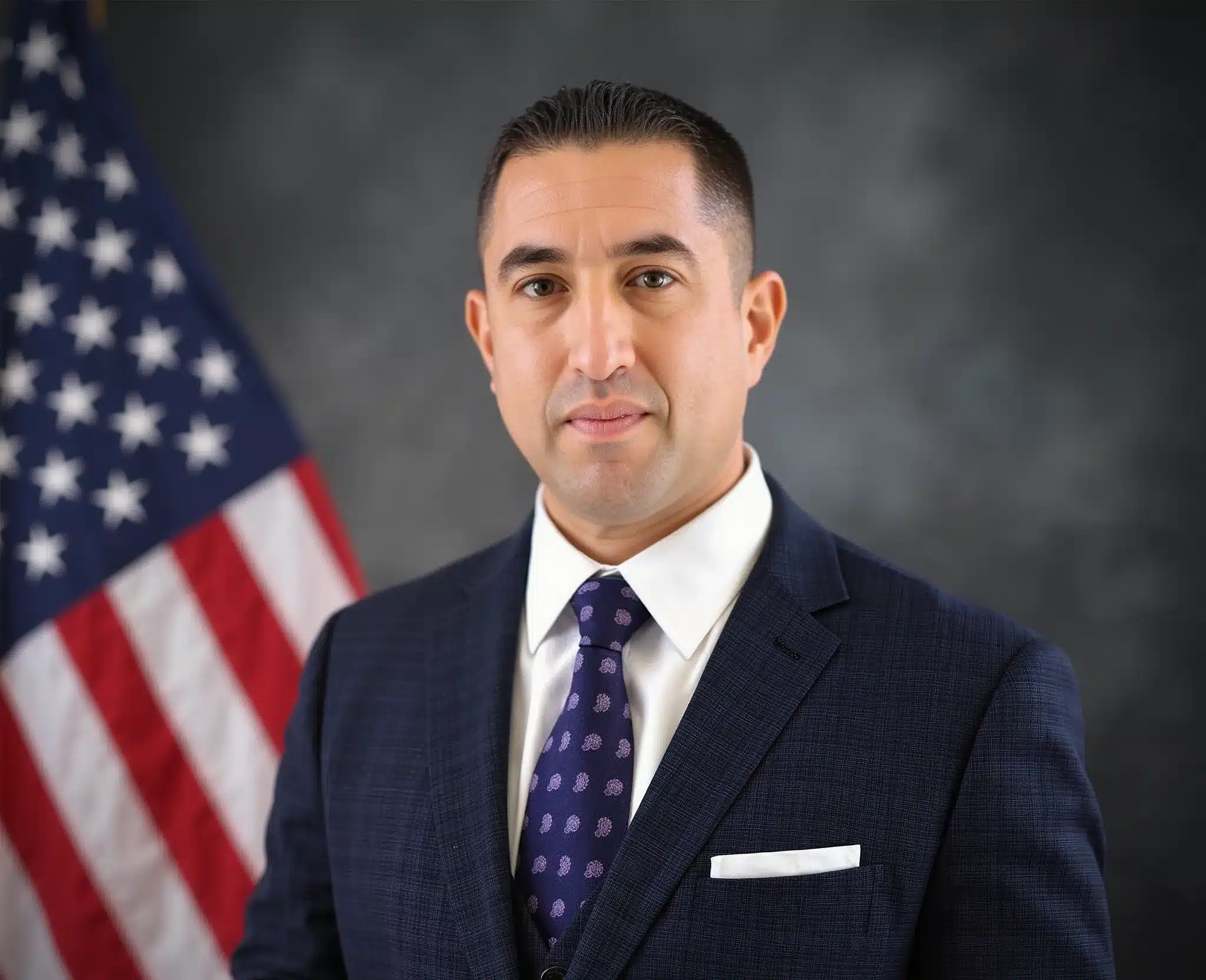
If you or a loved one is facing a weapons charge in Antioch, you do not have to navigate the system alone. The Law Office of Nabiel C. Ahmed represents people throughout Contra Costa and Alameda Counties, providing guidance and advocacy from the first phone call through the conclusion of the case. The firm understands how stressful these situations can be and works to answer questions, explain options, and keep clients informed at every step. By listening to your concerns and investigating the details of your case, the team aims to pursue outcomes that protect your rights and help you move forward.
People in Antioch choose the Law Office of Nabiel C. Ahmed for weapons defense because the firm focuses its practice on criminal law and understands the courts of Contra Costa and Alameda Counties. Local knowledge matters when evaluating how a particular judge might view an issue or how prosecutors typically approach certain weapons allegations. The firm takes the time to review evidence carefully, identify weaknesses in the state’s case, and tailor strategies to each client’s situation. This combination of legal understanding and individualized attention helps clients feel supported while their defense is built with care and determination.
Another reason clients in Antioch turn to this firm is the commitment to clear communication and practical guidance. From the first consultation, you can expect straightforward explanations about possible outcomes, realistic expectations, and honest assessments of risk. The firm handles the courtroom details, filings, and negotiations so that you can concentrate on your life, work, and family. When decisions must be made—such as whether to accept a plea or go to trial—you will receive the information needed to choose with confidence. The ultimate goal is to protect your future while treating you with respect and understanding throughout the process.
Every weapons case in Antioch begins with a careful review of the facts and charges. At the Law Office of Nabiel C. Ahmed, the process is designed to uncover what really happened, identify legal issues, and build a strategy that fits your goals. From the first consultation, you will have an opportunity to share your side of the story and ask questions about what lies ahead. The firm then investigates the evidence, communicates with prosecutors, and keeps you updated as the case moves through arraignment, pretrial hearings, motion practice, and, when necessary, trial, always focusing on protecting your rights.
The first step in handling a weapons case in Antioch is an in-depth consultation where your attorney learns about the incident, reviews charging documents, and explains the potential consequences. This meeting is your chance to discuss your concerns, share important details, and provide any documents you have. The firm assesses the strengths and weaknesses of the case, including possible defenses and areas needing further investigation. You will receive an overview of the court process, likely timelines, and immediate steps to take, such as securing important evidence or following any protective orders issued by the court.
During the initial phase, the firm focuses on understanding you as a person, not just as a case number. This includes learning about your background, family responsibilities, employment, and any prior contact with the legal system. In Antioch weapons cases, your goals may include avoiding jail, protecting immigration status, or safeguarding a professional path. By listening carefully, your attorney can prioritize the issues that matter most to you. This information helps shape the defense strategy and ensures that recommendations are grounded in your real-life needs, not just the technical aspects of the criminal charges.
After hearing your story, the next part of step one involves reviewing the charging documents, police reports, and any available evidence. In Antioch, weapons cases can involve complex statutes and enhancements that dramatically increase potential penalties. Your attorney will explain what each charge means, the sentencing ranges, and possible collateral consequences. This early analysis helps you understand the seriousness of the situation and the immediate decisions that may arise, such as whether to request a bail reduction or release on your own recognizance. Clear, straightforward information at this stage provides a strong foundation for informed choices.
Once the initial assessment is complete, the firm turns to investigating the facts and challenging weaknesses in the prosecution’s case. This step often includes obtaining body camera footage, speaking with witnesses, analyzing police procedures, and reviewing physical evidence. In Antioch weapons cases, search and seizure issues are common, making it important to evaluate whether officers followed constitutional rules. Your attorney may file motions to suppress evidence or to dismiss charges. At the same time, the firm engages in negotiations with prosecutors, using the information gathered to seek reduced charges, favorable plea offers, or alternative resolutions.
A strong defense often depends on a thorough evidentiary record that goes beyond what the police collected. In this phase, your attorney may request additional reports, gather medical or mental health records when relevant, and locate surveillance footage from nearby businesses or homes. For Antioch weapons cases, this might also involve documenting the location of the alleged weapon, weather or lighting conditions, and any prior conflicts between witnesses and the accused. By assembling a complete, organized set of evidence, your defense is better positioned to challenge the state’s case and present alternative explanations to the court or jury.
After the evidence is gathered and analyzed, your attorney uses it to challenge the prosecution’s version of events. This can include filing motions to suppress illegally obtained evidence, questioning the reliability of witness identifications, or highlighting inconsistencies in police reports. At the same time, negotiations with the district attorney may intensify, as prosecutors recognize that their case is being carefully scrutinized. In Antioch weapons cases, this phase often determines whether charges will be reduced, enhancements dropped, or alternative sentencing options considered. Your input remains vital, as decisions about offers and strategies are made together with your goals in mind.
If your Antioch weapons case does not resolve through negotiations, the firm prepares thoroughly for trial. This involves sharpening legal arguments, organizing exhibits, and planning how to present your story to a judge or jury. Trial preparation is not only about dispute; it can also influence final plea discussions as prosecutors see how ready the defense is to proceed. Whether the case resolves before trial or proceeds through verdict, this stage centers on clear, persuasive advocacy in the courtroom, ensuring that your rights are protected and that the government must meet its burden of proof beyond a reasonable doubt.
Trial planning in an Antioch weapons case begins with defining a clear theory of defense—your central explanation of why the charges are not proven or why the law should not apply as the prosecution claims. Your attorney will decide which witnesses to call, which exhibits to present, and what themes to emphasize, such as mistaken identity, illegal search, or lack of intent. Mock questioning, careful review of jury instructions, and preparation for cross-examining the state’s witnesses all play a role. This deliberate preparation supports confident courtroom performance and increases the chance that jurors will see reasonable doubt.
When it is time to present your case in court, your attorney’s role is to clearly communicate your defense, safeguard your rights, and challenge the prosecution at every appropriate opportunity. In an Antioch weapons trial, this may include cross-examining police officers about their actions, confronting witnesses with inconsistencies, and highlighting gaps in the state’s evidence. Your attorney may also present defense witnesses, introduce exhibits, or argue legal motions during the proceedings. Throughout the trial, you will receive guidance about how to conduct yourself and what to expect, helping you stay grounded while your defense is fully presented.
Penalties for weapons charges in Antioch vary widely depending on the specific statute, whether the charge is a misdemeanor or felony, and whether any enhancements apply. Possible consequences can include county jail or state prison time, probation, fines, mandatory classes, and restrictions on owning or possessing firearms in the future. If the weapons charge is tied to an alleged violent or serious crime, the potential sentence can increase significantly, and prosecutors may seek lengthy terms. Beyond direct penalties, a weapons conviction can have long-term effects on employment, housing, and licenses. Certain convictions may also count as strikes under California’s Three Strikes law, increasing punishment for future offenses. Because each case is unique, it is important to talk with a defense attorney who can review your specific charges, prior record, and individual circumstances to provide a clearer picture of the penalties you might face and strategies for reducing that exposure.
Whether you will go to jail for a first-time weapons offense in California depends on many factors, including the exact charge, the facts of the case, and the judge assigned. Some first-time offenses may qualify for probation, diversion, or alternative sentencing, especially if no one was hurt and there are strong mitigating circumstances. In other cases, particularly those involving alleged gang activity, prior conduct, or firearm enhancements, jail or prison time may be more likely. In Antioch, judges look at your prior record, the nature of the weapon, how it was allegedly used, and whether there are signs of future risk. An attorney can present positive aspects of your background, such as employment, education, or community involvement, and may suggest treatment or programs that reduce the perceived need for custody. The earlier you seek counsel, the more time there is to develop a plan aimed at avoiding or minimizing jail time.
A lawyer can play a key role in defending a weapons charge in Antioch by evaluating the strength of the prosecution’s evidence and protecting your constitutional rights. This often includes reviewing how the police discovered the weapon, whether the stop and search followed the law, and whether officers respected your right to remain silent. Your attorney may file motions to suppress evidence obtained illegally, challenge questionable witness statements, and highlight gaps or inconsistencies in the state’s case. Beyond the courtroom, a lawyer can negotiate with prosecutors, seeking reductions in charges, dismissal of enhancements, or alternative sentencing options that better fit your circumstances. They can also explain the process step by step, answer your questions, and help you weigh plea offers against the risks and benefits of going to trial. Having a dedicated advocate in your corner can provide both legal protection and peace of mind as you move through a difficult experience.
If police in Antioch found a gun in your car, it is important not to discuss the details with officers or anyone else until you have spoken with a lawyer. The laws surrounding firearms in vehicles can be complex, involving issues like whether the gun was loaded, where it was stored, and whether you had a lawful reason to possess it. Statements made in the heat of the moment can later be used against you, even if you were trying to clarify or correct misunderstandings. An attorney will want to know why you were stopped, whether you consented to a search, and where exactly the firearm was located. They may challenge the legality of the stop or search, argue that the weapon was not under your control, or show that you complied with California’s transport laws. Acting quickly to obtain legal guidance can preserve important defenses and improve your chances of a favorable outcome in court.
Weapons convictions can have serious immigration consequences, especially for non-citizens living in Antioch and the surrounding areas. Certain firearms offenses may be considered aggravated felonies or crimes involving moral turpitude under immigration law, potentially leading to removal proceedings, bars to relief, or denial of future applications. Even a seemingly minor plea can have significant effects if the immigration system views it as evidence of certain types of conduct. Because criminal and immigration laws interact in complicated ways, it is important for non-citizens facing weapons charges to get advice that takes both systems into account. A defense attorney can work with immigration counsel to identify plea options that reduce or avoid the harshest consequences. By considering immigration risks from the beginning, your legal team can negotiate with prosecutors more effectively and aim for resolutions that protect your ability to remain with your family and community.
If the weapon involved in your Antioch case was not actually yours, that fact can be an important part of your defense. However, the law does not always require ownership for a conviction; prosecutors may only need to show that you had control over or access to the weapon. For example, a gun found under a shared car seat or in a common area of a home can lead to arguments about who had possession and knowledge of it. Your attorney will look closely at where the weapon was found, who was present, and what statements were made before and after discovery. They may highlight conflicting accounts, lack of fingerprints, or other evidence suggesting someone else was responsible. By challenging the prosecution’s assumptions about control and knowledge, your defense can create reasonable doubt and push for reduced charges, dismissal, or a negotiated resolution that better reflects your actual role in the situation.
You are not required to answer police questions about a firearm or any other potentially incriminating topic. In Antioch and throughout California, you have the right to remain silent under the United States and California Constitutions. Other than providing basic identifying information when lawfully required, you can decline to answer questions and instead politely state that you want to speak with a lawyer before continuing. Exercising this right cannot legally be used as evidence of guilt. Many people feel pressure to talk because they hope to clear up misunderstandings, but officers are trained to gather information that may support charges. Casual statements, guesses, or attempts to explain can later be quoted in court. By remaining calm, declining to answer substantive questions, and contacting a lawyer as soon as possible, you protect yourself from unintentionally strengthening the case against you and give your defense a better starting point.
The length of a weapons case in Antioch depends on many factors, including the seriousness of the charges, the court’s schedule, whether motions are filed, and whether the case goes to trial. Some cases resolve within a few months through plea negotiations or diversion programs, while more complex matters involving felony charges or enhancements can take many months or longer. Delays sometimes occur because both sides need time to review evidence, interview witnesses, or obtain expert evaluations. Although waiting for court dates can be stressful, taking the time necessary to build a strong defense is often in your best interest. Your attorney will keep you informed about upcoming hearings, filing deadlines, and strategic choices that may affect timing. In some situations, moving quickly is advantageous; in others, patience allows key evidence to be gathered or legal issues to be fully developed. Open communication with your lawyer helps you understand what to expect at each stage.
Whether you can clear a weapons conviction from your record later depends on the specific offense, sentence, and your subsequent conduct. In California, some convictions may be eligible for relief such as expungement after you successfully complete probation or a jail term. Expungement does not erase the record completely, but it can allow you to truthfully state in many situations that you have not been convicted, which may help with employment or housing. Certain serious or violent offenses, however, may have more limited options. If your Antioch case is still pending, it is wise to think about future record relief while negotiating any plea. Some resolutions may preserve eligibility for expungement or other post-conviction remedies. After your case concludes, an attorney can review your record, determine what forms of relief might be available, and assist with filing the necessary petitions. Taking these steps can help lessen the long-term impact of a weapons conviction on your life.
You should contact a lawyer as soon as possible after a weapons arrest in Antioch, ideally before your first court appearance. Early involvement allows your attorney to protect your rights during questioning, advise you about talking to law enforcement, and begin investigating while memories are fresh and evidence is still available. Acting quickly also helps address bail issues, ensuring that arguments for release or reduced bail are presented effectively to the court. When you reach out to a criminal defense law firm promptly, you give your legal team more time to gather documents, locate witnesses, and evaluate the prosecution’s case. This foundation can influence decisions about motions, negotiations, and whether to proceed to trial. Waiting until the last minute can limit options and increase stress. Prompt contact allows your lawyer to guide you from the very beginning, helping you avoid missteps and work toward the best possible outcome.
"*" indicates required fields