
Facing an allegation involving a violent or serious crime in Antioch can turn your life upside down in an instant. Your freedom, your job, and your relationships may all feel like they are hanging in the balance. California prosecutors treat these charges aggressively, and the consequences of a conviction can include lengthy prison terms, strike offenses, and lasting damage to your record. You deserve a legal team that understands the local courts in Contra Costa County and knows how to build a careful, strategic defense from day one.
At the Law Office of Nabiel C. Ahmed, we help people in Antioch and throughout Contra Costa County navigate some of the most intimidating criminal charges under California law. From the first phone call to the final resolution, we focus on protecting your rights, telling your side of the story, and challenging the government’s case at every turn. Whether you are under investigation or already charged, there is still a great deal that can be done to influence the outcome and protect your future opportunities.
Violent and serious crime cases in Antioch often move quickly, with investigators, detectives, and prosecutors working together to build a case before you even step into a courtroom. Having a dedicated defense lawyer by your side can help balance the scales by investigating independently, preserving favorable evidence, and pushing back against assumptions. Effective representation can lead to reduced charges, alternative sentencing, or even dismissals when the facts and law support those outcomes. Just as important, you gain a guide who can explain each step clearly, help you avoid common missteps, and keep you informed so you can make decisions that align with your goals and your family’s needs.
The Law Office of Nabiel C. Ahmed is a criminal defense law firm serving clients in Antioch, Oakland, and throughout Contra Costa and Alameda Counties. Over the years, our office has handled a wide range of violent and serious felony cases, including assault, robbery, domestic violence, weapons offenses, and strike allegations. We know the local court systems, understand how prosecutors prepare these cases, and are familiar with the patterns that often appear in police reports and witness statements. Our approach is hands-on and detail-oriented, aimed at finding weaknesses in the prosecution’s theory and presenting your story in a clear and persuasive way.
California law treats violent and serious crimes differently from other offenses because they often involve allegations of force, threats, or significant harm. In Antioch, these cases may fall under state statutes that carry enhanced penalties and strike consequences under the Three Strikes law. Common charges include assault with a deadly weapon, robbery, residential burglary, and some domestic violence offenses. A conviction may lead to prison time, mandatory enhancements, and limits on future relief such as expungement. Knowing the nature of the accusation is the first step toward building a thoughtful, personalized defense strategy.
Violent and serious crimes cases can be more complex than they initially appear. Many depend heavily on witness testimony, identification issues, or split-second decisions made during stressful encounters. Sometimes the police report provides only one side of what happened in Antioch, leaving out context, self-defense, or mistaken identity. A careful defense often involves challenging how evidence was collected, questioning whether the charges fit the facts, and exploring negotiation options that may limit long-term consequences. By understanding how these cases are charged and prosecuted, you can better appreciate the importance of timely legal guidance and proactive defense work.
In California, the terms “violent felony” and “serious felony” refer to specific offenses listed in the Penal Code that the legislature has decided warrant enhanced punishment. These can include crimes like robbery, certain burglaries, assault with a deadly weapon, some domestic violence offenses, and crimes involving firearms or great bodily injury. In Antioch, being charged with one of these offenses can trigger strike consequences, meaning a conviction may significantly increase any future sentence if you are arrested again. Understanding whether your charge is classified as violent, serious, or both is important because it shapes the potential penalties and the strategies your defense team may pursue.
Every violent or serious crime case turns on specific legal elements the prosecution must prove beyond a reasonable doubt. These may include intent, the use of force or fear, the presence of a weapon, or the degree of injury claimed. Cases in Antioch typically move through several stages: arrest or investigation, arraignment, pretrial hearings, negotiation, and possibly trial. At each point, important decisions can affect the outcome, such as whether to file motions, challenge identification procedures, or contest the legality of a search. A strong defense means paying attention to the details at every stage, not only at trial.
When you are facing a violent or serious crime charge in Antioch, you may hear legal terms that feel unfamiliar or confusing. Words like “strike offense,” “enhancement,” or “great bodily injury” carry real consequences, yet they are often used without clear explanation. Taking time to understand these phrases can help you participate meaningfully in your defense and make informed decisions. Below are some common terms that arise in Contra Costa County violent crime cases, along with plain-language definitions designed to clarify how they may apply in your situation and why they matter to the overall outcome.
A “strike offense” is a conviction for certain violent or serious felonies listed under California’s Three Strikes law. If you are convicted of a strike in Antioch, that conviction can be used to significantly increase the sentence for any future felony convictions. For example, a second strike can double the usual sentence, and a third strike may lead to an indeterminate life sentence in some situations. Because of these long-term consequences, defending against a strike allegation often involves careful attention to the underlying facts, the charge selected by the prosecutor, and any possible reductions or alternative pleas.
A great bodily injury enhancement, often called a “GBI enhancement,” is an additional penalty that may be added if the prosecution claims someone suffered significant physical harm during the alleged offense. In Antioch violent crime cases, a GBI enhancement can add several years of prison time on top of the base sentence. The law has specific standards for what qualifies as great bodily injury, and not every injury meets that threshold. Challenging the enhancement may involve reviewing medical records, questioning witnesses, and comparing the facts to the legal definition to argue that the additional punishment should not apply.
An “enhancement” is an additional punishment that can be stacked onto the sentence for a base crime. In violent and serious crime cases in Antioch, enhancements often involve allegations such as the use of a firearm, gang involvement, or causing great bodily injury. These add-ons can dramatically increase the potential prison term, sometimes even more than the underlying offense itself. Understanding which enhancements you face, and whether they are supported by the evidence, is a key part of evaluating your risk and options. In many cases, negotiation focuses on reducing or striking enhancements to reach a more manageable outcome.
Arraignment is usually your first formal appearance in court after being charged with a violent or serious crime in Antioch. At this hearing, the judge informs you of the charges, your rights, and the potential penalties. You will also enter a plea, often “not guilty,” and the court addresses bail or release conditions. Although the arraignment is typically brief, it sets the tone for the rest of the case. Decisions made at this stage can affect your ability to prepare for defense, access discovery, and address immediate concerns like no-contact orders or protective conditions.
When facing a violent or serious crime charge in Antioch, you may have more than one path forward. Some people may be tempted to accept the first offer presented, while others want to take their case all the way to trial. There are also options like seeking charge reductions, pursuing diversion programs when available, or negotiating for a plea that avoids a strike. Each option carries its own risks and benefits, and the right choice depends on the facts, the evidence, and your priorities. A thoughtful comparison of these approaches helps you choose a path that best protects your future.
Sometimes, a violent or serious crime case in Antioch may have obvious gaps that reduce the need for extensive litigation. For example, the prosecution’s key witness may be inconsistent, surveillance footage might not match the allegations, or the police may have clearly violated search and seizure rules. In these situations, a targeted defense that highlights those weaknesses early can put pressure on the government to reconsider the charges or improve their offer. While every case deserves careful attention, not every matter requires lengthy proceedings if the defense can demonstrate that the evidence falls short of the legal standard.
In some Antioch violent crime cases, early negotiation can yield outcomes that address the prosecutor’s concerns while limiting long-term damage to your life. For example, if there is a plausible alternative charge that avoids a strike, or a disposition that reduces jail time in favor of programs or counseling, a narrower defense approach focused on negotiation may be appropriate. This does not mean accepting any offer without question; it means evaluating whether prompt resolution can secure benefits that might be harder to obtain later. For many clients, avoiding the stress and expense of extended litigation is an important consideration.
When you are facing serious felony charges in Antioch that carry strike consequences, long prison terms, or multiple enhancements, a comprehensive defense strategy becomes especially important. These cases may require extensive investigation, consultation with specialists such as medical or forensic professionals, and detailed motion practice to challenge how evidence was gathered. Preparing for trial may involve reconstructing events, locating defense witnesses, and developing a clear narrative that presents your side of the story. Because the potential impact on your future is so significant, leaving any stone unturned can carry long-lasting consequences for you and your family.
Some violent crime cases in Antioch are complicated by multiple participants, allegations of self-defense, or events that unfolded quickly in chaotic settings. In these situations, it may be necessary to thoroughly examine physical evidence, obtain phone records or video footage, and carefully analyze conflicting statements. A comprehensive defense includes exploring alternative explanations for injuries, documenting prior threats or history between the parties, and distinguishing your role from others if multiple people are charged. This level of detail helps ensure that the court and jury have a full picture of what actually happened, rather than a one-sided version presented by the prosecution.
Taking a comprehensive approach to your defense means paying attention to every aspect of your violent or serious crime case, from the initial police contact to the final resolution in court. In Antioch, this can translate into uncovering favorable evidence that might otherwise go overlooked, such as surveillance footage, social media posts, or witnesses who did not speak with law enforcement. It also allows your defense team to identify legal issues that could lead to suppression of evidence or dismissal of charges. When the stakes are high, a broad, thorough strategy often opens more doors to positive outcomes.
Beyond immediate results, a comprehensive defense can help protect your long-term future. By working to avoid strike convictions, limit enhancements, and reduce felony charges when possible, you may preserve employment opportunities, professional licenses, and housing options that could otherwise be affected. Thorough representation also helps you understand collateral consequences, such as immigration concerns or firearm restrictions. In many cases, taking the time to fully investigate, file appropriate motions, and thoughtfully evaluate offers can make the difference between a resolution that feels manageable and one that creates lasting obstacles for you and your loved ones.
A comprehensive defense in a violent crime case is often the best way to bring out evidence that supports your account of what happened. In Antioch, important details may be buried in medical records, text messages, or overlooked witnesses who were nearby but never contacted by police. By actively investigating, your defense team can identify inconsistencies in the prosecution’s version, locate records that show prior conflicts, or uncover footage that clarifies how events unfolded. This type of careful work helps ensure the court hears more than just the allegations in the police report and gives your story the attention it deserves.
When your defense is built on thorough preparation, you often gain more options for resolving your Antioch violent crime case. Strong investigation and motion practice can place you in a better position to negotiate meaningful reductions, alternative sentencing, or dismissals of enhancements. Prosecutors are more likely to reconsider their position when confronted with well-documented weaknesses in their case. If trial becomes necessary, prior preparation ensures that your defense is ready to present a clear and persuasive narrative. Ultimately, a comprehensive approach gives you flexibility and leverage, rather than leaving you to simply react to whatever the prosecution proposes.


If Antioch police or investigators contact you about a violent or serious crime, it can be tempting to explain your side immediately. However, anything you say may be used against you later and even innocent details can be misunderstood. It is often better to calmly provide basic identifying information and clearly state that you wish to speak with a lawyer before answering questions. This does not make you look guilty; it is a constitutional right designed to protect you. Taking this simple step early can prevent misunderstandings and give your defense team a better chance to protect you.
Evidence that supports your defense can disappear quickly, especially in cases arising from fast-moving events like fights or confrontations. If it is safe to do so, try to identify witnesses, save text messages, preserve call logs, and note locations of cameras near the scene in Antioch. Share this information with your lawyer as soon as possible so it can be properly documented and requested before it is lost or overwritten. Early preservation efforts can make a significant difference later, whether in negotiation or at trial, by providing details that clarify what happened and challenge assumptions made by the prosecution.
Violent and serious crime charges carry some of the most severe consequences in California’s criminal justice system. In Antioch, a conviction can lead to years in state prison, mandatory enhancements, and a strike on your record that follows you long after the case ends. These cases often involve complicated legal issues, including self-defense, intent, and the credibility of witnesses. Without guidance, you may be unaware of defenses, motions, or negotiation strategies that could significantly improve your outcome. Seeking legal help early gives you a chance to understand the playing field and take steps that protect your rights.
Beyond the courtroom, a violent or serious crime allegation can impact nearly every part of your life in Antioch. You may face immediate consequences at work, strained relationships with family, and restrictions on where you can live or travel. These pressures can make it hard to think clearly about your options. Having a dedicated defense team allows you to share your concerns, get honest assessments, and weigh choices without feeling alone. With informed guidance, you can focus on rebuilding stability while your lawyer works to address the legal challenges ahead and pursue a resolution that gives you a path forward.
Violent and serious crime charges in Antioch can arise in many different ways, often from sudden conflicts or misunderstandings. Bar fights, domestic disputes, confrontations in parking lots, and incidents involving weapons are just a few examples. Sometimes, a person who tried to defend themselves or break up a fight finds themselves accused of being the aggressor. Other times, allegations may stem from mistaken identity or exaggerated claims made in the heat of the moment. Understanding the context behind the charge is important, because the specific circumstances often shape the defenses available and the strategies used to address your case.
Many violent and serious crime charges in Antioch arise out of arguments between partners, family members, or roommates. Emotions can run high, and what begins as a verbal disagreement may escalate into an incident that draws law enforcement to the scene. In the aftermath, statements may be made that do not reflect the full story, and injuries can be interpreted in ways that assume guilt. Domestic situations are often complicated by history between the parties and the presence of children or neighbors. A careful defense looks at the entire relationship, prior conflicts, and possible motives to clarify what truly happened.
Another common source of violent crime allegations in Antioch involves confrontations in public settings, such as bars, parties, parking lots, or sporting events. Alcohol, crowds, and misunderstandings can quickly lead to accusations of assault, battery, or threats. In these situations, there may be multiple witnesses with differing perspectives, as well as potential video footage from cell phones or nearby businesses. Law enforcement may arrive after the main events have ended, relying heavily on the statements of those who are most vocal. A strong defense examines the reliability of those accounts and works to locate additional evidence that tells a more complete story.
Cases involving firearms, knives, or other weapons often lead to serious felony charges in Antioch, even if no one was physically injured. Sometimes, simply displaying a weapon or being accused of making a threatening statement can result in charges for brandishing, assault with a deadly weapon, or criminal threats. The presence of a weapon can also trigger sentence enhancements. Defending these cases may involve challenging whether the object qualifies as a weapon under the law, whether the threat was actually made, or whether there was a reasonable fear of harm. Context matters, and careful review can often reveal defenses or mitigation.
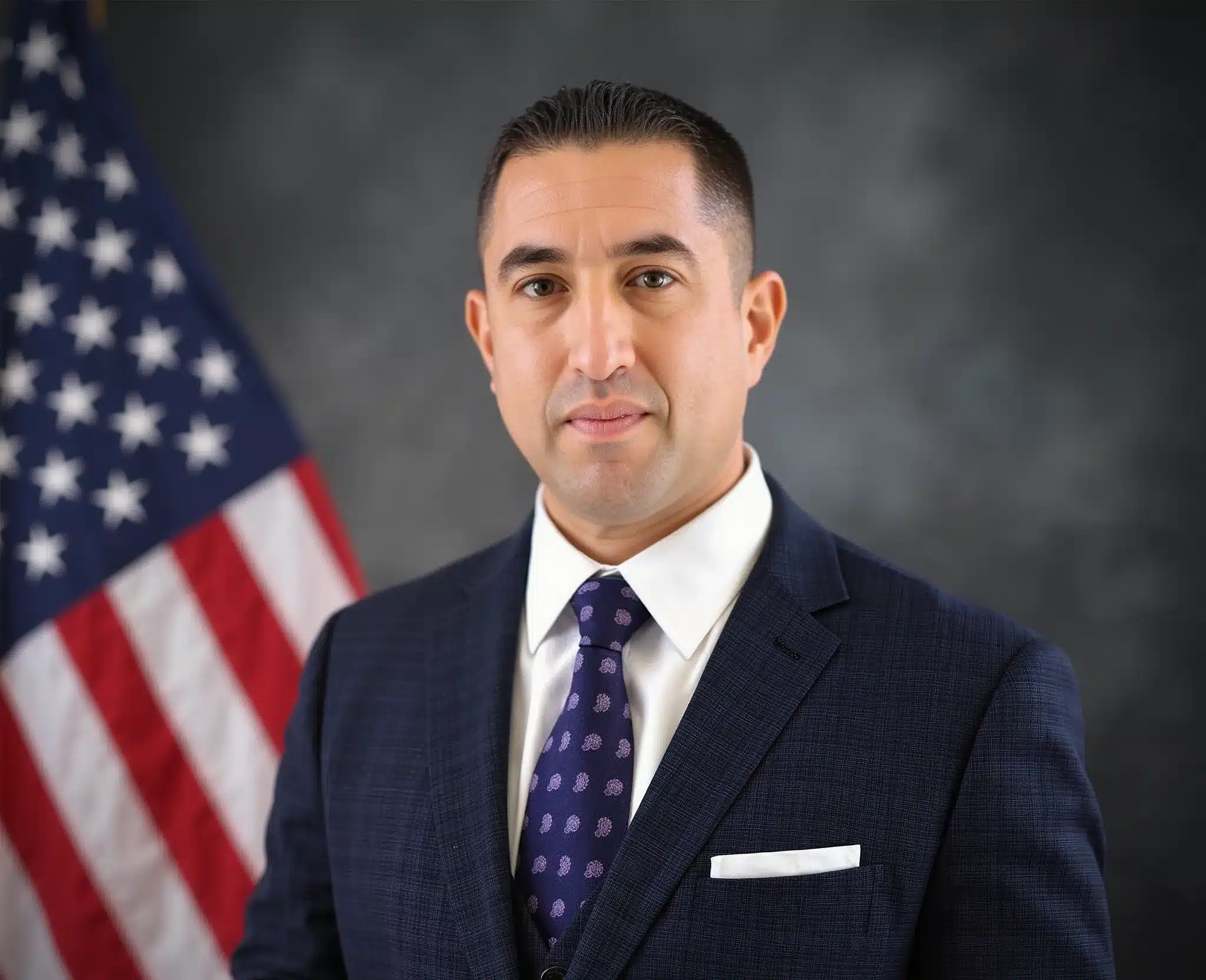
If you or a loved one is facing a violent or serious crime charge in Antioch, you do not have to face the process alone. The Law Office of Nabiel C. Ahmed is committed to guiding clients through each step, from the initial arrest to the final resolution. We take time to listen to your concerns, explain your options, and develop a defense tailored to the facts of your case. Our firm serves Contra Costa and Alameda Counties, and we understand how local courts handle these matters. With responsive communication and focused advocacy, we work to protect your future and restore stability.
Choosing a lawyer for a violent or serious crime case in Antioch is a personal decision that can have lasting effects. At the Law Office of Nabiel C. Ahmed, we offer attentive, individualized representation grounded in years of work in California criminal courts. We understand how prosecutors think, how judges respond to certain arguments, and what strategies tend to be effective in Contra Costa County. Our approach is to dig into the details of your case, identify both legal and factual defenses, and communicate honestly about your options so you can make informed choices at every turn.
Clients throughout Antioch and the surrounding communities appreciate our firm’s straightforward communication and willingness to fight for fair treatment. We are accessible, responsive, and committed to keeping you updated as your case progresses, so you are never left guessing about what comes next. From challenging police conduct to presenting mitigating factors that humanize your situation, we strive to present you as more than just a case number. When your freedom and future are on the line, having a legal team that truly cares about your outcome can make a meaningful difference in how your case is resolved.
When you contact the Law Office of Nabiel C. Ahmed about a violent or serious crime charge in Antioch, we follow a clear, organized process designed to protect your rights and build a strong defense. We begin by listening carefully to your account, reviewing the charges, and obtaining initial police reports and court documents. From there, we conduct our own investigation, identify key legal issues, and discuss possible strategies with you, including negotiation and trial options. Throughout the process, our goal is to keep you informed, prepared, and involved, so you can face each stage of the case with confidence.
The first step in handling a violent or serious crime case in Antioch is a thorough consultation and case assessment. During this meeting, we discuss what led to your arrest or investigation, review any paperwork you have received, and address immediate concerns such as upcoming court dates or bail conditions. We also explain the charges and potential consequences in clear terms, so you understand what is at stake. This stage allows us to spot urgent issues, such as the need to preserve evidence or contact witnesses, and to outline an initial plan for moving your defense forward strategically.
In the early stages of your Antioch violent crime case, one of the most important tasks is simply listening to your side of the story. We want to know what happened from your perspective, including details that may not appear in the police report. We then review the formal charges and the legal elements the prosecution must prove. This comparison often reveals gaps or inconsistencies that can later become key defenses. By taking the time to fully understand both the allegations and your account, we begin building a defense that reflects the reality of the situation instead of just the accusations.
Violent and serious crime charges often come with urgent issues that cannot wait, such as upcoming court hearings, protective orders, or concerns about employment. During the first phase of your Antioch case, we work quickly to address these immediate needs. That may include contacting the court, confirming hearing dates, advising you on communication with law enforcement, and discussing how to handle work or family questions. By stabilizing the situation early and ensuring important deadlines are met, we create space to focus on the longer-term strategy of investigating, negotiating, and, if necessary, preparing for trial.
Once we have a clear understanding of the charges in your Antioch violent crime case, the next step is thorough investigation and review of discovery. We obtain police reports, body camera footage, medical records, and any other evidence the prosecution intends to use. We also identify and interview potential witnesses, visit the scene when appropriate, and look for physical or digital evidence that supports your defense. During this phase, we analyze whether law enforcement followed proper procedures and consider filing motions to challenge unlawful searches, unreliable identifications, or other legal issues that may weaken the prosecution’s position.
Effective defense work in a violent or serious crime case often depends on careful evidence review. In Antioch, this may include reviewing body camera footage, 911 calls, surveillance video, photographs of the scene, and medical documentation of any injuries. We compare this material to witness statements and your account, looking for inconsistencies, gaps, or details that support your version of events. When necessary, we consult with professionals such as investigators or forensic analysts to interpret technical evidence. This detailed analysis helps us identify defenses, prepare cross-examination, and build a clear narrative that challenges the prosecution’s claims.
After analyzing the evidence in your Antioch case, we determine whether to file motions challenging aspects of the prosecution’s case. These might involve seeking to suppress evidence obtained through unlawful searches, contesting unreliable identifications, or asking the court to dismiss charges that lack sufficient support. At the same time, we communicate with prosecutors, presenting information that highlights weaknesses in their case or mitigation that humanizes you. This combination of legal pressure and thoughtful negotiation often creates opportunities for reduced charges, dismissal of enhancements, or alternative resolutions that better protect your future.
The final phase of a violent or serious crime case in Antioch involves choosing the most appropriate path to resolution. Sometimes, strong investigation and motion practice lead to favorable plea negotiations that avoid strikes, reduce charges, or limit custody time. In other cases, the prosecution’s position may remain unreasonable, making trial the better path. Throughout this stage, we explain the risks and benefits of each option, answer your questions, and help you make informed decisions. Whether your case ends through negotiation or a verdict, our goal is to achieve the most favorable outcome the circumstances allow.
Before deciding whether to accept a plea offer or proceed to trial in your Antioch violent crime case, it is important to carefully evaluate all options. We review each proposed resolution with you, explaining the likely sentence, potential enhancements, and long-term consequences such as strikes, immigration issues, and employment impacts. We also consider alternatives, such as seeking different charges, requesting the dismissal of enhancements, or negotiating for treatment-based or program-based outcomes when available. This thoughtful evaluation ensures that any decision you make is informed, intentional, and aligned with your priorities and those of your family.
If your Antioch violent or serious crime case goes to trial, preparation becomes the central focus. We work with you to organize testimony, prepare witnesses, and refine the themes that will guide your defense. This includes planning cross-examination of prosecution witnesses, developing exhibits, and addressing anticipated legal issues with the court. During trial, we present your story in a clear and compelling way, emphasizing reasonable doubt and highlighting weaknesses in the prosecution’s evidence. While trial always involves risk, thorough preparation and committed advocacy give you the best opportunity to contest the charges and seek an acquittal.
If you are arrested for a violent crime in Antioch, the most important steps are to remain calm, assert your right to remain silent, and request a lawyer. Avoid discussing the incident with law enforcement, other inmates, or on recorded phone lines from jail. Statements made in the heat of the moment are often misunderstood or taken out of context, and limiting what you say can protect your defense. Focus on basic cooperation like providing identification, but decline to answer questions about the incident until you have had a chance to consult with an attorney. You should also try to remember key details that might help your defense, such as witnesses who were present, nearby cameras, or any injuries you sustained. If possible, have a trusted friend or family member write down names, locations, and contact information while events are still fresh. Share this information with your lawyer as soon as you can. Early action can help preserve important evidence and give your defense team a stronger foundation for challenging the charges.
Many violent and serious crime charges in Antioch can be reduced or, in some cases, dismissed depending on the facts and evidence. Prosecutors must prove each element of the offense beyond a reasonable doubt, and any weaknesses in their case can create opportunities for negotiation. For example, issues with identification, conflicting witness accounts, or questions about intent may justify reducing a charge from a strike offense to a lesser felony or even a misdemeanor. In some circumstances, a lack of evidence might support a motion to dismiss entirely. Dismissal is not guaranteed, and reductions usually require careful work by your defense team. By thoroughly reviewing discovery, filing appropriate motions, and presenting mitigation about your background, your lawyer can advocate for a more favorable resolution. Sometimes prosecutors will agree to drop enhancements, amend charges, or offer alternative sentencing when they see the challenges they might face at trial. While every case is different, a thoughtful defense often improves the range of possible outcomes compared to simply accepting the initial charges.
A conviction for a violent felony in Antioch does not automatically mean you will go to prison, but it does create a significant risk of custody time. The possible sentence depends on many factors, including the specific charge, any enhancements, your prior record, and whether the alleged victim suffered serious injuries. Some cases carry mandatory prison terms, particularly when weapons or great bodily injury enhancements are involved. Others may offer the possibility of probation, county jail, or alternative programs, especially for first-time offenders or when the circumstances are less severe. Your lawyer’s job is to analyze the sentencing ranges and work to secure the most favorable outcome possible under the circumstances. This may involve challenging enhancements, negotiating for lesser charges, presenting mitigation about your background, and arguing for probation or reduced time. Judges in Contra Costa County consider a range of factors when imposing sentence, including your history, the facts of the case, and any efforts you have made to address underlying issues. With careful advocacy, it is sometimes possible to avoid prison even in serious cases.
California’s Three Strikes law can significantly increase the penalties in an Antioch violent crime case if you have prior strike convictions. A second strike generally doubles the sentence for a new felony, and a third strike can result in an indeterminate life term in some circumstances. Even if you do not currently have a strike on your record, being convicted of a new strike offense can set the stage for much harsher penalties if you are ever charged again in the future. Because of this, it is important to understand whether the charges you face are classified as violent or serious felonies that qualify as strikes. Your defense team may work to avoid a strike conviction by seeking charge reductions, contesting prior strike allegations, or negotiating alternative resolutions. Courts also have some discretion in certain cases to dismiss or “strike” prior strikes in the interest of justice. Addressing strike issues early in the case helps protect not only your immediate situation but also your long-term future.
In California, “violent” and “serious” crimes are defined by specific lists in the Penal Code, and some offenses fall into both categories. Violent felonies often involve the use of force, threats of force, or actual physical harm, such as robbery, certain assaults, and some sex offenses. Serious felonies include many of the same crimes, but also others that the legislature has determined warrant enhanced punishment, even if they are not classified as violent. Both categories can serve as strikes under the Three Strikes law, affecting sentencing now and in future cases. When you are charged in Antioch, it is important to know how your alleged offense is classified, because that classification influences potential penalties, enhancements, and plea bargaining options. A charge that is otherwise similar in name may carry different consequences depending on whether it is listed as violent, serious, or neither. Your lawyer can review the Penal Code sections involved and explain how the classification applies in your situation, helping you understand the real-world impact of different charges and possible plea agreements.
If you are under investigation for a violent offense in Antioch, it is generally wise not to speak with law enforcement without a lawyer present. Detectives may frame conversations as informal or suggest that talking will “clear things up,” but their primary goal is to gather evidence they can use in a prosecution. Even statements you believe are harmless can be misinterpreted or taken out of context. Politely stating that you wish to consult with an attorney before answering questions is a lawful and protective response. Once you have legal representation, your lawyer can evaluate whether any communication with law enforcement might be beneficial or whether it is better to decline interviews altogether. In some cases, providing limited information through counsel can help correct misunderstandings or demonstrate that charges are unwarranted. In other situations, silence is the safest approach. The right decision depends on the facts, the strength of the evidence, and the potential risks. Having a lawyer involved early helps ensure that your rights are respected and that any strategy is thoughtfully considered.
The length of a violent or serious crime case in Antioch can vary widely, ranging from a few months to a year or more, depending on complexity. Factors that affect timing include the seriousness of the charges, the amount of evidence, the court’s schedule, and whether pretrial motions or expert evaluations are needed. Cases that resolve through early negotiation may move faster, while those involving multiple defendants, significant injuries, or complex investigations often take longer to prepare properly. While delays can feel stressful, additional time is often necessary to conduct a thorough defense, review discovery, and pursue favorable resolutions. Your lawyer can help you understand the expected timeline, keep you informed about upcoming hearings, and explain the reasons behind continuances or scheduling changes. Throughout the process, staying engaged, attending all required court dates, and maintaining communication with your attorney will help your case progress as smoothly as possible while still giving your defense the attention it deserves.
A prior criminal record can influence how prosecutors and judges view your Antioch violent crime case, particularly if the prior offenses involve violence, weapons, or strikes. Prior convictions may affect bail decisions, plea offers, and potential sentences if you are convicted. In some situations, prosecutors may file additional enhancements based on prior serious or violent felonies. However, not all prior records carry the same weight, and the details of your history matter, including how long ago the offenses occurred and what you have done since. Your lawyer can review your record and explain how it may affect the current case, while also working to present mitigation that shows positive changes in your life. This might include employment history, family responsibilities, treatment or counseling, and community ties. In some circumstances, your defense team may seek to limit the use of prior convictions through motions or negotiation. Understanding how your record intersects with the new charges allows you to realistically assess the risks and explore strategies for reducing the overall impact.
Self-defense is a common and often powerful issue in violent crime cases arising from confrontations in Antioch. Under California law, you may have the right to defend yourself or others if you reasonably believed you were in imminent danger of being harmed and used no more force than necessary under the circumstances. However, raising self-defense effectively requires careful attention to the facts, including who started the confrontation, what threats were made, and how the situation escalated. Witness statements and physical evidence often play an important role. To pursue a self-defense theory, your lawyer will examine the evidence for details that support your reasonable fear and the proportionality of your response. That might involve documenting prior threats, locating witnesses who saw the events, or highlighting injuries you sustained. Even if the prosecution disputes self-defense, presenting a well-supported argument can create reasonable doubt or encourage more favorable plea negotiations. Because self-defense cases can be nuanced, it is important to work closely with your attorney to share all relevant details, even those you are unsure are important.
The Law Office of Nabiel C. Ahmed helps individuals in Antioch facing violent and serious crime charges by providing focused, strategic representation tailored to each case. We start by listening to your story, reviewing the charges, and explaining the legal landscape in clear, understandable terms. From there, we investigate the facts, analyze the evidence, and identify defenses and legal issues that may benefit your case. Our firm understands how Contra Costa County courts operate and uses that knowledge to navigate hearings, negotiations, and motions on your behalf. Throughout the process, we remain accessible and communicative, keeping you informed about developments and next steps so you never feel left in the dark. Whether the best path involves negotiation, motions, or trial, we work to protect your rights, challenge the prosecution’s assumptions, and pursue the most favorable outcome available under the circumstances. Our goal is not only to defend you against the immediate charges but also to help safeguard your long-term future, including your freedom, your family, and your opportunities moving forward.
Aggressive defense for all criminal charges
"*" indicates required fields