
Facing a weapons charge in Alamo can feel overwhelming, especially when your freedom, record, and future opportunities are on the line. California’s gun and weapons laws are enforced aggressively in Contra Costa County courts, and even a first-time accusation can bring jail exposure, immigration problems, and lasting consequences. At the Law Office of Nabiel C. Ahmed, the focus is on protecting your rights, challenging the prosecution’s story, and pursuing the strongest path forward under the law. You do not have to navigate this difficult situation in Alamo on your own.
Weapons allegations are often layered with misunderstandings, police assumptions, and complex California statutes. What started as a traffic stop or neighborhood call can quickly become a serious felony case, especially when other violent and serious crimes are alleged. Our criminal defense law firm works with people in Alamo and throughout Contra Costa County who are worried about their job, their family, and their future. This page explains how weapons offenses are handled, what your options may be, and how assertive legal protection can make a meaningful difference.
California weapons laws carry stiff penalties that can trigger lengthy incarceration, harsh probation terms, and long-term restrictions on your rights. A conviction for a firearms or weapons offense in Alamo can also affect immigration status, professional licenses, housing applications, and background checks for years to come. Working with a seasoned criminal defense attorney allows you to fully understand the charges, evaluate the evidence, and push back against overcharging or unfair enhancements. Strategic advocacy can help reduce charges, protect your record, and in some cases seek dismissals or diversion, giving you a real chance to move forward.
The Law Office of Nabiel C. Ahmed is an Oakland criminal defense law firm that regularly appears in Contra Costa County and Alameda County courts, including matters arising from Alamo arrests. Over the years, the firm has handled a wide range of violent and serious crimes, including cases involving firearms, knives, and alleged possession of prohibited weapons. The approach is hands-on and detail-oriented, focusing on investigation, motion practice, and negotiation with prosecutors. Clients receive straight talk about risks and options, thoughtful case planning, and determined representation at every stage of the criminal process.
Weapons crimes in Alamo are governed by a network of California Penal Code sections that regulate possession, carrying, use, and sale of firearms and other weapons. A simple allegation of unlawful possession can quickly escalate if prosecutors claim gang involvement, prior felony convictions, or use during another violent offense. Many people are surprised to learn that a lawful purchase in another state or a misunderstanding about registration can still result in California charges. Understanding the specific statute, the elements the prosecution must prove, and the available defenses is the first step toward building a solid response.
These cases often arise from traffic stops, domestic disturbance calls, or searches during investigations into other crimes. Law enforcement may seize firearms from a vehicle, residence, or person, and then build a case around alleged illegal possession, prohibited status, or unsafe storage. In Alamo, these matters are typically filed in Contra Costa County courts, where judges and prosecutors take weapons allegations seriously. A strong defense looks closely at why the stop occurred, whether any search was lawful, and whether the weapon was truly yours. Each of these issues can open the door to reduced consequences or dismissal.
In California, a weapons offense can involve firearms such as handguns, rifles, and shotguns, as well as items like switchblades, metal knuckles, batons, or other objects allegedly intended for unlawful use. Common charges include carrying a concealed firearm, possessing a loaded gun in public, being a felon in possession of a firearm, or possessing an assault weapon or high-capacity magazine. In Alamo, these charges are prosecuted under state law rather than local ordinances, but local law enforcement plays a major role in investigations. The specific charge and your prior record will significantly influence the potential penalties and defense approach.
A weapons prosecution usually turns on whether you knowingly possessed or controlled the weapon, whether you were legally allowed to have it, and whether the police obtained it through a lawful search. After an arrest in Alamo, your case typically moves quickly to arraignment, where formal charges are announced and initial pleas are entered. Discovery, investigation, and motion practice follow, giving your attorney a chance to challenge evidence, seek suppression of illegally obtained items, or highlight weaknesses in the state’s case. From there, negotiations may lead to reduced charges or alternative outcomes, or your matter may proceed to trial.
Weapons and firearms cases involve a lot of technical language that can confuse anyone who does not handle these issues daily. Prosecutors and judges may refer to terms like possession, enhancements, and priorable offenses as if everyone understands their impact. This glossary is designed to give people in Alamo a clearer picture of what these words actually mean in a weapons case. Having a strong grasp of the terminology allows you to follow what is happening in court, ask better questions, and make fully informed choices about how to move your case forward.
Possession in a weapons case does not always mean a gun or knife was literally in your hand or pocket. California law recognizes both actual and constructive possession. That means prosecutors may claim you possessed a weapon simply because it was found in a place you controlled, such as your car, bedroom, or backpack, even if multiple people had access. In Alamo cases, challenging possession often involves showing that someone else could have owned or controlled the item, or that you did not know it was there. These distinctions can heavily influence whether a jury finds you guilty.
A firearm enhancement is an additional penalty added on top of the underlying charge when a gun is alleged to have been used, displayed, or present during the commission of another crime. In violent and serious crimes, these enhancements can add many years to a potential sentence and may limit access to certain early-release options. In Alamo, prosecutors may file firearm enhancements in cases involving robbery, assault, or alleged gang activity. A strong defense can sometimes challenge whether the enhancement applies, seek to have it dismissed, or negotiate resolutions that significantly reduce the extra time at stake.
A prohibited person is someone who is not legally allowed to own, possess, or control firearms or certain other weapons under California or federal law. This can include individuals with specific felony convictions, certain misdemeanor domestic violence convictions, active restraining orders, or particular mental health findings. In Alamo cases, prosecutors may accuse someone of being a prohibited person in possession of a firearm even if the gun was never fired. Understanding whether you actually fall into a prohibited category, and whether prior records are accurate, can be central to addressing this type of weapons allegation.
Search and seizure refers to how law enforcement officers in Alamo stop people, search bodies, vehicles, or homes, and seize weapons or other items they believe may be evidence. The United States and California Constitutions protect people from unreasonable searches and seizures. If police violated those protections, important evidence in a weapons case can sometimes be thrown out. Many successful defenses turn on whether officers had a valid warrant, probable cause, or lawful consent, and whether they stayed within the limits of what the law allows. Carefully examining these issues can reshape the outcome of your case.
When you are facing weapons charges in Alamo, it may feel like you have no good choices, but there are often several ways to approach the case. Some people hope for a quick plea to make the matter go away, while others want to fight every allegation in court. There are also options in between, such as negotiating for reduced charges, alternative sentencing, or programs that can protect your record. Understanding when a limited response might be enough and when a more comprehensive, aggressive approach is warranted can make a meaningful difference in your future.
In some Alamo weapons cases, the allegations are relatively minor and the evidence leans in your favor, making a limited approach more realistic. For example, a first-time charge involving a technical registration issue, unloaded firearm, or misunderstanding about transportation rules may be resolved through targeted negotiations, minimal motion practice, and careful presentation of mitigating facts. In these situations, the priority is often to avoid a lasting felony on your record, reduce the chance of jail, and secure a balanced outcome. A tailored, focused strategy can sometimes achieve these goals without the strain of a lengthy courtroom battle.
In other situations, a limited approach can work because the prosecutor is open to diversion, informal supervision, or reduced charges that spare you from a traditional conviction. This may happen when there is no injury, no evidence of intent to harm, and you have a stable record and strong community ties in Alamo or the surrounding area. The goal is to highlight your background, responsibility, and willingness to comply with court conditions. By emphasizing rehabilitation and public safety, your attorney may be able to negotiate an outcome that preserves employment and family stability while closing the case efficiently.
A comprehensive defense becomes vital when weapons allegations in Alamo involve serious felonies, potential strike offenses, or firearm enhancements that dramatically increase possible prison time. In these cases, the prosecution may be seeking multi-year sentences, mandatory minimums, or long-term supervision. Thorough investigation, intensive motion practice, consulting with investigators or forensic professionals, and preparing aggressively for trial may all be warranted. Your legal team must scrutinize every detail, from 911 calls to ballistics, to uncover weaknesses and leverage points. The stakes are too high to rely on quick compromises that fail to protect your long-term future and freedom.
Weapons convictions can carry consequences that extend far beyond the courtroom, including immigration problems, loss of professional opportunities, and barriers to housing or licensing. If you are not a United States citizen, even a seemingly minor firearms plea in Contra Costa County can affect your ability to remain in the country or re-enter in the future. People in sensitive careers may also face disciplinary actions or background check complications. In these circumstances, a comprehensive defense is focused not just on the immediate sentence but on protecting your long-term stability, carefully weighing every option before accepting any resolution.
Taking a comprehensive approach to weapons charges in Alamo can provide layers of protection that a quick plea rarely offers. A thorough defense looks beyond the police report, investigating how the stop occurred, whether officers respected search and seizure rules, and whether witnesses or surveillance footage tell a different story. This deeper work can uncover grounds to suppress evidence or challenge key elements of the prosecution’s case. Even if trial is not the final outcome, a well-prepared defense often creates leverage in negotiations, opening the door to lower charges, more lenient sentencing terms, or alternative resolutions.
A wide-ranging strategy also allows you to address the personal and practical issues that come with a weapons case, such as employment concerns, family responsibilities, and future plans. By understanding your goals, your attorney can align the defense approach with what matters most to you, whether that is staying out of custody, protecting immigration status, or preserving a clean record. In Alamo, where local law enforcement and prosecutors take firearms allegations seriously, this level of planning helps avoid short-term decisions that bring long-term consequences. A comprehensive defense aims to protect your life, not just win a single hearing.
When the prosecution knows your defense is ready to challenge every weak point, they often take negotiations more seriously. A comprehensive strategy in an Alamo weapons case may include suppression motions, detailed timelines, witness interviews, and alternative theories that cast doubt on key claims. This preparation can encourage prosecutors to revisit charging decisions, drop enhancements, or consider creative resolutions. At sentencing, strong mitigation materials, character letters, and documented rehabilitation efforts can humanize you and demonstrate that a harsh punishment is unnecessary. The result is an increased chance of walking away with a more manageable and balanced outcome.
A weapons conviction can appear on background checks for years, affecting employment, housing, financial opportunities, and family law matters. By pursuing a comprehensive defense, you increase the possibility of dismissals, reductions to less damaging offenses, or outcomes that can later be sealed or expunged under California law. In Alamo cases, attention to these long-term consequences guides each decision, from early plea offers to potential trial. Protecting your record today can preserve your options tomorrow, allowing you to move beyond this case without carrying unnecessary legal baggage into every application and important life decision.


When officers in Alamo question you about a weapon, it can be tempting to talk in hopes of clearing things up quickly. Unfortunately, statements made in the heat of the moment often end up in the police report and are later used in court. You have the right to remain silent and the right to an attorney before answering questions. Calmly provide your basic identifying information, but avoid explaining, arguing, or trying to talk your way out of it. Invoking your rights early can significantly strengthen your position as your weapons case moves forward.
Missing a court date or ignoring release conditions can create new problems on top of your existing weapons charges. Courts in Contra Costa County expect strict compliance with appearance dates, protective orders, and any firearms prohibitions or surrender requirements. Treat every court hearing as a priority and arrive early to avoid delays. Keep records of any weapons you lawfully turned in and follow any instructions related to search conditions or travel. Demonstrating responsibility and respect for the process can positively influence judges and prosecutors, supporting arguments for leniency or more favorable resolutions in your Alamo case.
A weapons arrest can affect nearly every area of your life, from employment and schooling to immigration status and family obligations. In Alamo, prosecutors often pursue aggressive sentences for firearms cases, especially when they believe the situation involves violence or risk to the public. Without informed guidance, it is easy to misjudge the strength of the evidence, misunderstand potential penalties, or accept a plea that brings unexpected consequences later. Seeking focused legal help ensures that someone is looking out for your rights, challenging the government’s claims, and helping you understand the path toward a more secure future.
Beyond the immediate fear of jail, many people charged with weapons offenses worry about their long-term reputation and opportunities. A single conviction can follow you for years, showing up on background checks when you apply for jobs, loans, or housing. It can also affect child custody disputes and other civil matters. Working with a criminal defense law firm that regularly handles cases from Alamo and the surrounding counties allows you to address these broader concerns. The goal is not only to resolve your case but also to protect the life you have built and the plans you still hold.
Weapons allegations in Alamo can arise in many different ways, often catching people off guard. Sometimes a gun is discovered during a late-night traffic stop or after a minor accident. In other situations, a neighbor’s call during an argument leads officers to find a firearm or alleged prohibited weapon. Search warrants tied to unrelated investigations may also uncover items that raise concerns under California weapons laws. Understanding how your situation began helps shape the best defense strategy. The following circumstances are just a few of the scenarios that often result in weapons charges and the need for focused legal help.
Many Alamo weapons cases start with a seemingly routine traffic stop. Officers may claim they smell something unusual, see something suspicious, or notice an alleged violation that justifies a search of the vehicle. During that search, they may find a firearm in the glove compartment, under a seat, or in the trunk, and then file charges based on alleged improper transport, lack of permits, or prohibited status. The legality of the stop and search often becomes a key battleground. If the search was unlawful, it may be possible to exclude the gun from evidence and weaken the prosecution’s case.
Disagreements at home can escalate quickly when someone calls 911, especially if officers arrive believing there may be a weapon in the house. In some Alamo cases, police respond to a domestic disturbance, separate the parties, and then search the residence for safety reasons. If they discover firearms or other weapons, charges may follow, even if the items were never displayed or used. These cases often involve overlapping issues like protective orders, prior incidents, and concerns about contact with family members. A thoughtful defense addresses both the criminal charges and the sensitive personal dynamics surrounding the incident.
Weapons allegations can also arise when law enforcement executes a search warrant as part of a wider investigation into drugs, theft, or alleged gang activity. In Alamo, officers may enter a home or business looking for specific items and then seize any firearms or weapons they find along the way. Prosecutors may use the presence of weapons to argue for harsher treatment or to file additional charges and enhancements. Examining the basis for the warrant, the scope of the search, and how each item was linked to you personally can be critical in pushing back against overreaching accusations.
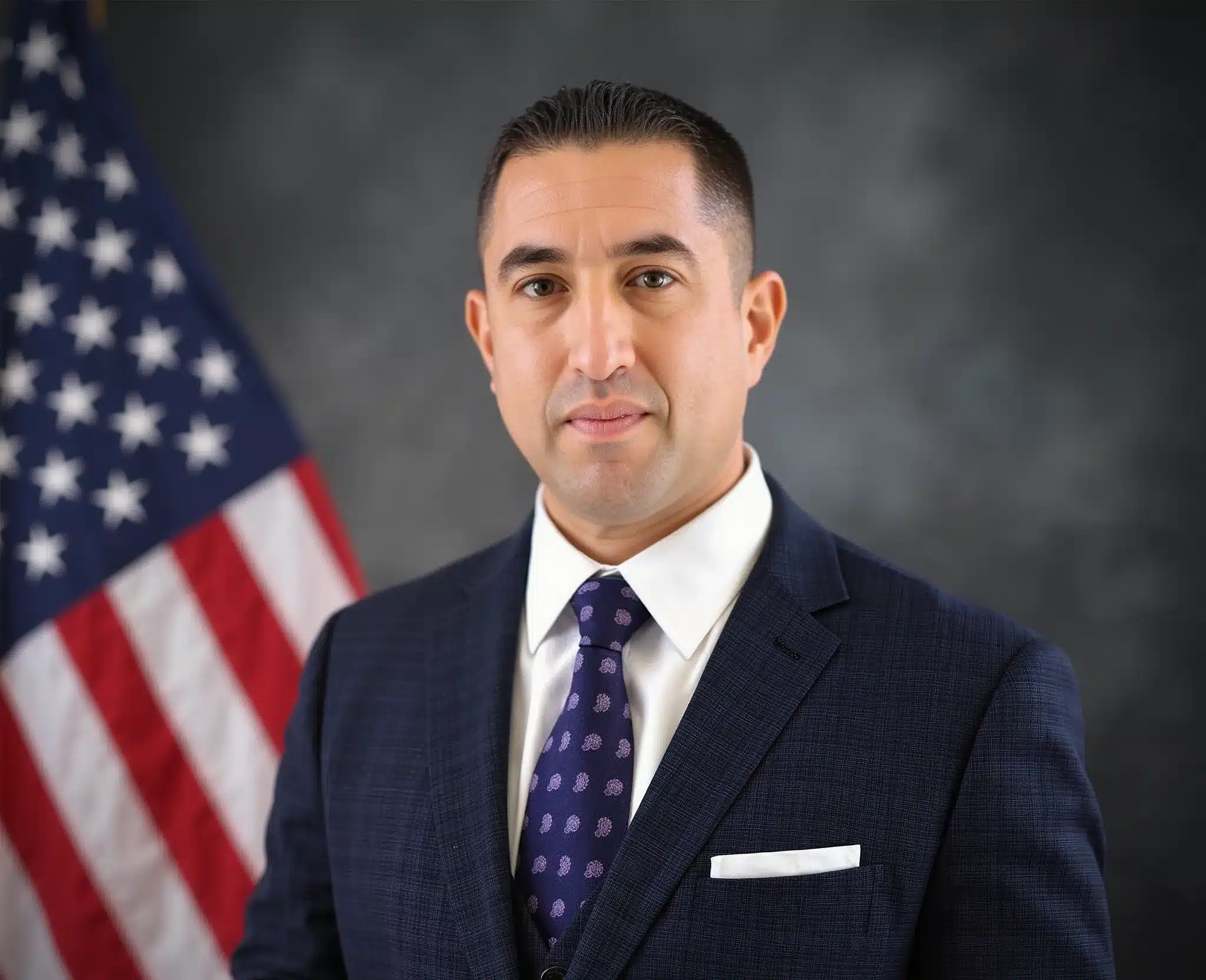
If you or a loved one is dealing with a weapons offense in Alamo, you do not have to face the system alone. The Law Office of Nabiel C. Ahmed represents people accused of violent and serious crimes throughout Contra Costa County and Alameda County, including cases involving firearms and other alleged weapons. From the first phone call, the goal is to listen carefully, answer your questions honestly, and start shaping a plan that fits your situation. To discuss your charges and possible defenses in a confidential consultation, call 510-271-0010 or contact our Oakland office online.
Selecting the right attorney for a weapons case in Alamo can feel intimidating, especially when you are under pressure and worried about the future. The Law Office of Nabiel C. Ahmed is a criminal defense law firm that focuses on protecting people facing serious charges in Contra Costa and Alameda counties. The firm emphasizes communication, preparation, and honest guidance. Clients receive clear explanations of the law, realistic assessments of the evidence, and thoughtful strategies designed around their goals. Every decision is made with careful attention to both the immediate case and the long-term impact on your life.
When you work with our firm, your case is treated as a priority, not just another file in the stack. The defense team carefully reviews police reports, body camera footage, and physical evidence, and pursues motions or negotiations tailored to your circumstances. Whether your case involves allegations of unlawful gun possession, enhancements tied to violent conduct, or questions about search and seizure, you can expect diligent and determined advocacy. The firm’s familiarity with Bay Area courts, prosecutors, and procedures helps guide each step, always aiming to secure the most favorable outcome the law allows.
From the moment you contact our Oakland office about a weapons charge in Alamo, the focus is on understanding your story and taking immediate steps to safeguard your rights. The legal process at our firm is designed to be thorough yet approachable. We begin by gathering information, reviewing available documents, and identifying urgent concerns such as upcoming court dates or protective orders. As the case moves forward, we keep you informed of developments, explain your options at each stage, and collaborate with you on key decisions. The goal is to reduce uncertainty while working steadily toward a better outcome.
The first step in handling an Alamo weapons case is a detailed consultation and careful assessment of the situation. During this stage, we review the charges, discuss the events leading up to the arrest, and go over any paperwork you received from law enforcement or the court. Understanding your background, concerns, and goals helps shape the defense approach from day one. We will explain potential penalties, upcoming deadlines, and what to expect at your first court appearance. This foundation allows us to prioritize the most pressing issues and start building a strategy tailored to your circumstances.
During the initial meeting, our priority is to hear your account of what happened in as much detail as you can provide. We will ask about the stop, search, or incident that led to the weapons charge in Alamo, including who was present and how officers behaved. At the same time, we review the complaint, police reports, and any release conditions or protective orders. This combination of your perspective and the official paperwork often reveals early inconsistencies or issues to investigate further. It also gives you a chance to ask questions and better understand the road ahead.
After gathering the initial information, we evaluate the immediate risks in your case, such as custody exposure, immigration concerns, or potential impacts on employment and family obligations. We look at the strength of the available evidence, including any admissions, physical items, or witness statements mentioned in the reports. From there, we identify urgent steps, such as preserving surveillance footage, contacting witnesses, or addressing bail issues. This early analysis sets the stage for a targeted defense plan, aimed at protecting your rights in the short term while positioning you for the strongest possible outcome in the long run.
Once the initial assessment is complete, the focus shifts to deeper investigation and strategic engagement with the prosecution. In an Alamo weapons case, this stage may involve reviewing additional discovery, obtaining body camera footage, visiting the scene, and consulting with investigators when needed. We analyze whether officers followed proper search and seizure rules and whether any statements were lawfully obtained. Based on what we uncover, we may file motions to suppress evidence, challenge enhancements, or seek other relief. At the same time, we begin meaningful discussions with prosecutors to explore the full range of possible resolutions.
Many weapons cases turn on whether law enforcement had a lawful reason to stop you and search your person, vehicle, or home. During this phase, we closely review reports, video, and witness accounts to spot constitutional problems in how officers handled the encounter in Alamo. If we find grounds to argue the search was unlawful, we may file motions asking the court to exclude the weapon or other evidence. Successful challenges to the stop or search can considerably weaken the prosecution’s case, leading to dismissals, reduced charges, or more favorable negotiation positions.
As we gather and analyze discovery, we look for any inconsistencies, missing pieces, or mitigating facts that may influence how prosecutors view your case. We then use this information to engage in informed negotiations, highlighting weaknesses in the evidence and strengths in your background. In Alamo weapons matters, this may involve advocating for reduced charges, dismissal of enhancements, or sentencing options that prioritize rehabilitation and stability. Even if trial remains a possibility, productive negotiation can open doors to options that protect your record and future. Every discussion with the prosecution is guided by your priorities and informed consent.
The final stage of a weapons case involves preparing for trial while continuing to evaluate and pursue resolution options. As your matter progresses in Contra Costa County court, we keep you updated on all developments, including any new offers or legal rulings. Trial preparation includes organizing evidence, preparing witnesses, developing themes for your defense, and planning how to explain complex legal issues to a jury. Even if your case ultimately resolves through a plea agreement, this level of preparation ensures that any decision you make is informed, voluntary, and based on a clear understanding of your alternatives.
As hearings and potential trial dates approach, we work closely with you to ensure you understand court procedures, expected testimony, and how to present yourself before the judge and jury. We organize exhibits, outline cross-examinations, and refine arguments based on the evidence and legal rulings in your Alamo weapons case. You will have opportunities to ask questions, practice answering common courtroom questions, and discuss the risks and benefits of going to trial versus accepting a negotiated outcome. This preparation reduces anxiety and helps you feel more confident and involved in the direction of your defense.
Ultimately, the decision to go to trial or accept an offer belongs to you, and our role is to provide the information and guidance you need to choose wisely. We will review the evidence, outline likely trial scenarios, and explain how different outcomes could affect your record, immigration status, and day-to-day life. In some Alamo weapons cases, taking the matter to trial is the best path; in others, a carefully negotiated plea or alternative disposition may serve you better. By the time you decide, you will understand the trade-offs clearly so you can move forward with confidence.
If you are arrested for a weapons offense in Alamo, your first step should be to stay calm and avoid arguing with officers at the scene. Provide your name and basic identifying information, but do not answer detailed questions about where the weapon came from, who owns it, or what you intended to do with it. Anything you say can end up in the police report and be used against you later in court, even if you were only trying to clear up a misunderstanding. As soon as you are able, contact a criminal defense attorney who handles weapons cases in Contra Costa County. An attorney can advise you on whether to post bail, how to handle upcoming court dates, and what steps to take to protect evidence and potential witnesses. Early guidance can help prevent mistakes, such as consenting to unnecessary searches or speaking to investigators without counsel present. The sooner you seek legal help, the more options you are likely to have as your case moves forward.
Yes, it is possible to face charges for a gun found in your vehicle even if you say it does not belong to you. California law allows prosecutors to claim you had constructive possession of a firearm if it was in a place you controlled, such as your car, and they believe you knew it was there. In Alamo, this often comes up during traffic stops or vehicle searches, when officers find a gun under a seat, in the trunk, or in the glove compartment. However, the prosecution still has to prove you knew about the gun and had the ability to access or control it. A defense attorney can explore who else used the vehicle, where exactly the firearm was located, and whether there are fingerprints, DNA, or other evidence tying you to the weapon. Witness testimony and alternative explanations can also play a significant role. Challenging the prosecution’s assumptions about knowledge and control can be an effective way to fight these charges.
Whether a weapons conviction in Alamo will lead to jail or prison depends on several factors, including the specific charge, your prior record, and whether any enhancements apply. Some firearms offenses carry exposure to county jail, while others may involve state prison terms, especially when tied to violent or serious crimes. Judges also consider the circumstances of the offense, any claimed victim impact, and your background, including employment, schooling, and community ties. Even when jail or prison time is technically possible, there may be options to seek probation, alternative programs, or reduced charges that lessen the risk of incarceration. A criminal defense attorney can review the allegations and sentencing ranges with you and discuss realistic strategies for avoiding or minimizing time in custody. Presenting strong mitigation, such as counseling, community involvement, or prior law-abiding behavior, can also influence how a judge exercises discretion at sentencing.
Search and seizure rules are often at the heart of weapons cases in Alamo because they govern how law enforcement may stop you, search your person or property, and seize any firearms they find. If officers lacked a valid reason to pull you over, detain you, or search your vehicle or home, the defense may be able to argue that the evidence was obtained unlawfully. When a judge agrees that a search violated constitutional protections, the weapon and other evidence can sometimes be suppressed, significantly weakening the prosecution’s case. A careful review of police reports, body camera footage, and witness accounts is essential to identify potential search and seizure problems. Questions may include whether officers had probable cause, a warrant, or valid consent, and whether they stayed within the scope of any search they were allowed to conduct. Challenging an unlawful search can open the door to dismissals or more favorable plea offers, making this analysis a central part of many weapons defense strategies.
Yes, weapons charges can have serious immigration consequences, particularly for non-citizens living or working in Alamo and the surrounding areas. Certain firearms convictions can be considered deportable offenses or crimes that make it harder to re-enter the United States or obtain immigration benefits. Even a plea to what seems like a minor charge may trigger unexpected problems with immigration authorities, especially when combined with other prior convictions or allegations. Because of these risks, it is important to speak with a criminal defense attorney who understands how plea agreements may affect immigration status. Your attorney may also coordinate with an immigration lawyer when necessary to fully evaluate the consequences. In many cases, it may be possible to pursue alternative charges or carefully crafted resolutions that reduce or avoid immigration harm. Being upfront about your status and travel plans allows your defense team to factor these concerns into every step of your weapons case.
Many people are surprised to learn that a gun lawfully purchased in another state can still lead to charges when brought into California. The state has some of the strictest firearms regulations in the country, including rules about registration, transportation, magazine capacity, and types of firearms. If you move to Alamo or visit from elsewhere and bring a gun without following California procedures, law enforcement may treat the weapon as unlawfully possessed or improperly transported, even though it was lawful where you obtained it. A defense attorney can help sort through these interstate differences and determine whether there are legal arguments or mitigating facts that may help your case. Sometimes the issue stems from confusion about complex regulations rather than any intent to violate the law. Highlighting your background, efforts to comply, and lack of harmful intent can sometimes influence charging decisions or negotiations. It is important to act quickly to understand the specific statutes and requirements that apply to your situation.
Yes, there may be defenses available even if a weapon was never used or displayed during the incident. In some Alamo cases, the mere presence of a firearm or other weapon is enough for prosecutors to file charges, especially when they believe the person is prohibited from possessing it or the item is unregistered or unlawful. However, the prosecution still needs to prove you had possession, knowledge, and in some cases intent tied to the weapon, which can be challenged in court. Defense strategies might include disputing ownership, arguing that you did not know the weapon was present, or challenging how the police discovered it. In some situations, it may also be possible to argue that the item does not meet the legal definition of a weapon under California law. A lawyer can review the specific facts and identify defenses tailored to your circumstances, including constitutional challenges to the search or seizure that produced the weapon in the first place.
The length of a weapons case in Contra Costa County can vary widely depending on complexity, court schedules, and whether the matter goes to trial. Some straightforward cases may resolve in a few months through early negotiations or dismissal motions. More contested cases, particularly those involving serious felonies or multiple defendants, can take a year or longer to reach a final outcome. Delays can result from continuances, evidentiary hearings, and the time needed to obtain discovery or conduct investigation. While waiting can be stressful, the extra time often allows your defense team to fully explore legal issues, gather favorable evidence, and engage in meaningful discussions with prosecutors. Rushing to resolve a weapons case without understanding all the facts and consequences can lead to disappointing outcomes. Throughout the process, your attorney should keep you informed about timelines, upcoming hearings, and realistic expectations so you can plan your life around the case as effectively as possible.
Talking to the police without legal advice is rarely in your best interest when facing a weapons allegation. Officers may seem friendly or say that telling your side will help you, but their job is to gather evidence for the prosecution, and anything you say can be used against you. In Alamo, as elsewhere, interviews are often recorded or summarized in reports that become part of the case file. Even innocent statements can be misunderstood, taken out of context, or combined with other facts in a way that harms your defense. You have the right to remain silent and the right to request an attorney before answering questions. Exercising these rights does not make you look guilty; it simply protects you from making statements under stress that you might later regret. Once you have spoken with a criminal defense lawyer, you can decide together whether any communication with law enforcement makes sense, and if so, under what conditions and with what protections in place.
The Law Office of Nabiel C. Ahmed helps people in Alamo and throughout Contra Costa and Alameda counties who are facing weapons and other violent or serious crime charges. The firm’s approach is to carefully review the facts, identify legal issues such as search and seizure problems, and build a strategy tailored to your priorities. From arraignment through resolution, you receive clear explanations about your options, potential consequences, and the steps involved at each stage of the process. Depending on your situation, the defense may focus on challenging evidence, seeking reductions or dismissals of enhancements, negotiating alternative dispositions, or preparing for trial. Throughout the case, the firm communicates regularly so you are never left wondering what is happening or why. The goal is to protect your rights, advocate strongly in court, and work toward an outcome that allows you to move forward with greater stability and peace of mind after a difficult experience.
"*" indicates required fields