
Facing a vandalism charge in Alamo can feel overwhelming, especially when it is filed alongside other theft or property-related crimes. A single incident can put your record, reputation, and future opportunities at risk, including employment, licensing, and housing. At the Law Office of Nabiel C. Ahmed, we help people in Alamo and throughout Contra Costa County understand what they are up against and what options they may have. This page explains how vandalism cases work in California and what a thoughtful defense strategy can look like.
Vandalism allegations in Alamo may arise from situations that got out of hand, misunderstandings, or being in the wrong place at the wrong time. Whether the case involves graffiti, damaged vehicles, property destruction, or vandalism tied to a theft accusation, the stakes remain very real. Prosecutors may push for jail, restitution, and long-term probation terms. Our goal is to help you make informed decisions, preserve your rights, and seek the most favorable outcome available under California vandalism and theft laws.
A vandalism conviction in Alamo can affect far more than a court date and a fine. California law allows penalties that may include jail time, lengthy probation, mandatory restitution, stay-away orders, and community service. A mark on your record can appear on background checks for years, complicating job searches, rental applications, and schooling. Having a dedicated vandalism defense lawyer who understands Contra Costa County courts can help you challenge the accusations, seek charge reductions, protect your record, and explore alternatives such as dismissals or diversion programs when available.
The Law Office of Nabiel C. Ahmed focuses on defending people accused of crimes in Alameda and Contra Costa Counties, including residents of Alamo facing vandalism and theft-related charges. From our Oakland office, we regularly appear in local courts and understand how vandalism cases are investigated, filed, and negotiated. Over the years, our firm has represented individuals from many different backgrounds, including juveniles and adults, in misdemeanor and felony matters. We work closely with clients, explain every step, and build defense strategies tailored to the facts and personal goals involved.
Vandalism in Alamo generally involves allegations of damaging, destroying, or defacing someone else’s property without permission. These cases can be charged alone or combined with other theft and property crimes, such as burglary, petty theft, or vehicle tampering. California law treats the amount of damage, the type of property, and any prior history as important factors when deciding whether to pursue a misdemeanor or felony. Understanding these distinctions is important for making informed decisions about plea offers, trial, and possible diversion opportunities in Contra Costa County.
Local law enforcement and prosecutors in Contra Costa County may aggressively pursue vandalism cases, especially when the property owner pushes for prosecution or when the damage is significant. However, police reports do not always tell the full story. Sometimes, property damage is accidental, exaggerated, or blamed on the wrong person. Other times, there may be eyewitness problems, unclear surveillance footage, or gaps in the chain of evidence. A careful review of the reports, photographs, and statements often reveals weaknesses that can be used to improve your position in court.
Under California law, vandalism typically means maliciously defacing with graffiti, damaging, or destroying property that belongs to someone else. In Alamo, this can include scratching a car, breaking windows, tagging walls, damaging business signs, or harming public facilities. The value of the damage is important because it often determines whether the case is filed as a misdemeanor or a felony. Prosecutors must prove that you acted with a wrongful intent, not simply by accident or mistake. This intent element, along with identification and property value, often becomes a central focus of the defense.
A vandalism case in Contra Costa County generally revolves around several questions: whether property was actually damaged, who caused the damage, the cost of repair, and whether the act was intentional. The process begins with an investigation and possible arrest or citation, followed by an arraignment in court, where charges are formally read. From there, your attorney can request evidence, challenge the allegations, and negotiate with the prosecutor. Many vandalism cases resolve through negotiated agreements, but some proceed to hearings or trial when the evidence or legal issues remain disputed.
Understanding some of the language used in California vandalism and theft cases can make the process feel less intimidating. Courts and lawyers often use terms like “restitution,” “maliciously,” “property damage,” and “diversion” when discussing your options. Knowing what each concept means helps you weigh plea offers, understand possible consequences, and participate fully in decisions about your case. The following brief glossary highlights several important terms you are likely to hear when dealing with a vandalism charge arising in Alamo or elsewhere in Contra Costa County.
Restitution is money a judge may order a person convicted or resolving a case to pay to the property owner or victim to cover repair or replacement costs. In Alamo vandalism cases, restitution can include repainting, glass replacement, labor, and related expenses. Restitution is separate from fines and court fees and can be a condition of probation or a plea agreement. Negotiating a fair restitution amount and payment schedule can significantly influence the outcome, sometimes opening the door to reduced charges or more favorable terms in vandalism matters.
Diversion is a program or process that may allow a vandalism case to be dismissed if you satisfy certain requirements, such as attending classes, performing community service, or paying restitution. In some Contra Costa County cases, diversion options are available for first-time or low-level offenses, particularly when the damage is limited and there is a willingness to repair the harm. Successful completion of diversion can help you avoid a conviction on your record, which may be especially important for students, young adults, and working professionals living in or near Alamo.
In vandalism cases, “maliciously” generally refers to acting with a wrongful intent to annoy, injure, or harm another person or their property. This does not always require hatred or anger, but it does mean the act was more than an accident. Proving malicious intent is a key part of the prosecutor’s burden in Alamo vandalism prosecutions. The defense may challenge this element by showing the incident was an accident, a misunderstanding, or that someone else caused the damage, potentially reducing liability or undermining the charges altogether.
Property damage valuation is the process of determining how much it will cost to repair or replace damaged items in a vandalism case. This valuation can influence whether the case is charged as a misdemeanor or a felony in California. Insurance estimates, repair invoices, and expert opinions may all play a role. Sometimes property owners overstate damage or request upgrades beyond the original condition. Carefully reviewing valuation documents in an Alamo vandalism case can uncover negotiation points and may support efforts to reduce charges or limit financial obligations.
After a vandalism arrest or citation in Alamo, you may be presented with several possible paths: accepting an early plea, pursuing negotiations, seeking diversion, or challenging the charges at hearings or trial. Each choice carries different risks and potential benefits. Factors such as prior record, the amount of damage, witness reliability, and available defenses all affect which option makes sense. A thoughtful review of the evidence and a clear conversation about your goals can help you decide whether to fight the case, seek a reduction, or aim for dismissal.
In some Alamo vandalism cases, the damage is relatively minor, the accused has no prior record, and there is meaningful effort to repair the harm. When these conditions are present, a more limited legal approach focused on negotiation, restitution, and character presentation may be enough to reach a fair resolution. The defense might emphasize your background, school or work history, and steps taken to make things right. This can sometimes lead to informal agreements, charge reductions, or diversion opportunities without extensive litigation or courtroom battles.
There are situations where the evidence in a vandalism case appears strong, such as clear video footage or reliable independent witnesses, yet the prosecutor offers a reasonable agreement early in the process. In these circumstances, a focused and efficient strategy may involve carefully reviewing the evidence, confirming there are no major legal issues, and then using mitigation and negotiation to secure the best possible terms. This limited approach can save time, reduce stress, and still protect future opportunities for record clearing or early termination of probation.
If your Alamo vandalism case involves high repair costs, multiple victims, or allegations tied to theft or burglary charges, you may be facing felony-level consequences. In these matters, a comprehensive defense often requires a deep dive into police procedures, witness interviews, property valuations, and potential constitutional issues. The defense might consult investigators, review video footage frame by frame, and question how the damage amount was calculated. Building a strong record early can improve your leverage in negotiations and lay the groundwork for motions or trial if necessary.
A more extensive defense strategy is often needed when the core facts are disputed, such as cases involving unclear surveillance footage, conflicting witness statements, or questions about who actually caused the damage. Additionally, people with immigration concerns or professional licenses may face consequences beyond the courtroom. In those situations, the defense should consider long-term impacts while evaluating plea offers. Carefully analyzing every piece of evidence and exploring alternative resolutions can help protect your record, immigration status, and career while addressing the vandalism accusations in Contra Costa County.
A thorough approach to vandalism defense in Alamo can open doors that might otherwise stay closed. By investigating the scene, talking with witnesses, and closely examining damage estimates, your attorney may uncover weaknesses in the prosecution’s case that are not obvious from the police report. This additional work can lead to reduced charges, more manageable restitution, or alternative resolutions. It also allows your side of the story to be fully presented, including any provocation, misunderstanding, lack of intent, or positive contributions you have made to the community.
Beyond the courtroom, a comprehensive strategy can help safeguard your future. Vandalism convictions can affect college applications, job prospects, housing hunts, and professional goals. By proactively addressing these concerns, gathering supportive letters, and documenting treatment or counseling when appropriate, you build a fuller picture of who you are. Judges and prosecutors often take this information into account. A well-rounded defense not only challenges the state’s evidence but also highlights why you deserve a second chance or a resolution that preserves your opportunities.
When the defense has thoroughly reviewed the evidence and identified legal and factual issues, it gains stronger negotiating power. In Alamo vandalism cases, this may mean demonstrating that the alleged damage value is overstated, that identification of the accused is uncertain, or that there are viable defenses to intent. Prosecutors and judges take notice when the defense is prepared and organized. This can lead to more favorable plea offers, reduced charges, or sentencing agreements that focus on restitution and rehabilitation rather than extended jail time.
A comprehensive vandalism defense strategy keeps your long-term future at the forefront. For many people in Alamo, the biggest concern is not just the immediate penalty, but how a conviction might follow them for years. Carefully chosen resolutions may preserve eligibility for expungement, avoid certain immigration triggers, or prevent disqualifying marks on professional or occupational applications. By examining every option, from diversion to negotiated pleas, your defense can aim for an outcome that allows you to move forward with as few obstacles as possible after the case concludes.

After an accusation of vandalism in Alamo, it can be tempting to explain yourself to the property owner, police, or friends. Unfortunately, offhand comments, text messages, and social media posts are often taken out of context and used as evidence. Remaining calm, staying off social media, and politely declining to answer questions without a lawyer present can protect you from misunderstandings. Instead of trying to fix things on your own, focus on gathering documents, photographs, and contact information for potential witnesses to share with your attorney.
Many people initially view a vandalism charge as a minor inconvenience, only to realize later that it carries lasting consequences. Taking the matter seriously from day one can make a difference in the outcome. Respond to court notices promptly, keep track of deadlines, and maintain consistent communication with your lawyer. Addressing potential treatment needs, counseling, or community service early may show genuine responsibility and can sometimes influence how prosecutors and judges view your case, especially for first-time vandalism allegations arising in Alamo or nearby communities.
Vandalism charges can escalate quickly, especially when linked with other theft or property crimes. Even if you believe the incident was minor or a misunderstanding, the consequences can be far-reaching. Courts in Contra Costa County consider prior history, the level of damage, and victim input when deciding how to proceed. Having a criminal defense law firm by your side gives you an advocate focused on your rights and future. Our office helps clients understand the law, navigate court appearances, and pursue resolutions that limit negative life impacts.
Another important reason to seek legal support is the complexity of the system. There may be options you are unaware of, such as diversion, informal resolutions, or charge reductions that better fit what actually happened. Without guidance, it can be easy to accept an offer that seems fair but creates long-term record problems. By carefully reviewing the evidence and discussing your goals, a defense lawyer can often identify paths that protect your interests, particularly for students, working adults, and families living in Alamo and surrounding areas.
Vandalism allegations in Alamo arise in many different ways. Some cases involve late-night gatherings where property is damaged and multiple people are blamed. Others stem from domestic disputes, neighborhood disagreements, or incidents in parking lots and shopping centers. Young people may face charges related to graffiti, school property, or pranks that went too far. In some situations, vandalism is added to existing theft or burglary charges. Regardless of the circumstances, each case deserves careful attention to the facts, intent, and the role of any misunderstandings or misidentification.
One common vandalism scenario involves graffiti or tagging on walls, fences, storefronts, or public facilities in and around Alamo. Property owners and city agencies often push aggressively for prosecution because of cleanup costs and neighborhood concerns. However, identifying the responsible person can be challenging, especially when accusations rely on partial descriptions or assumptions based on style. Questions about intent, participation, and the actual cost of removal are central to the defense. A careful review can reveal opportunities to dispute the charges or reduce the impact they have on your life.
Another frequent source of vandalism charges involves alleged damage to vehicles or personal belongings. This may include scratched paint, broken mirrors, smashed windows, or damaged electronics. These cases often arise from relationship conflicts, neighbor disputes, or arguments in public places. Emotions may run high, and blame can be assigned quickly, sometimes with limited investigation. Determining whether the damage was intentional, accidental, or even caused by someone else is essential. Reviewing photographs, repair estimates, and witness statements can help challenge exaggerations or uncover alternate explanations for the damage.
Vandalism is sometimes charged alongside theft or burglary allegations, especially when doors, windows, locks, or security devices are damaged. In these situations, the vandalism count can increase potential penalties and influence how the case is viewed. The defense may focus on whether there was actual intent to steal, the extent of the damage, and whether you were properly identified at the scene. In some Alamo cases, it may be possible to separate or reduce charges, negotiate a more accurate description of the conduct, and work toward a resolution that limits long-term consequences.
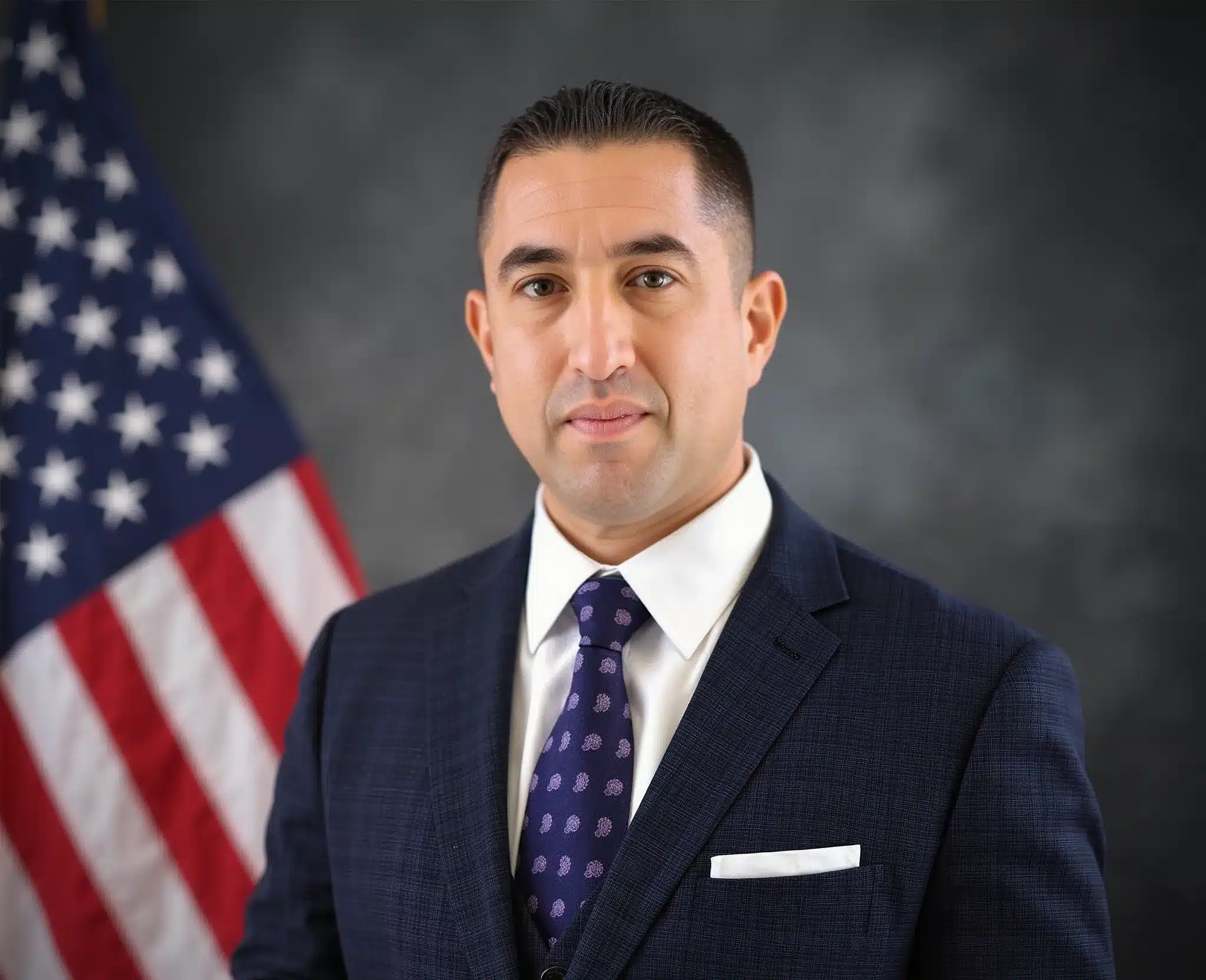
If you or someone you care about is dealing with a vandalism charge in Alamo, you do not have to navigate the process alone. The Law Office of Nabiel C. Ahmed offers guidance tailored to the realities of Contra Costa County courts. We listen to your concerns, review the evidence, and explain what to expect at every stage. Our approach centers on protecting your rights while working toward an outcome that respects your future plans, whether that means employment, school, family responsibilities, or maintaining a clean record whenever possible.
Choosing a firm familiar with local courts can be particularly valuable when facing vandalism or theft accusations in Alamo. From our Oakland office, we regularly handle cases in Contra Costa and Alameda Counties, giving us insight into common prosecutorial practices, court expectations, and available programs. We take time to understand your side of the story, explore potential defenses, and pursue resolutions that reduce disruption in your life. Our criminal defense practice is focused on helping clients confront serious accusations with preparation, clear communication, and determined advocacy.
When you work with our firm, you will receive direct communication and straightforward advice about your options. We explain the possible consequences, from fines and restitution to probation and custody, so you can make informed choices. Every vandalism case is different, and we tailor our strategy to the facts, whether that means challenging the evidence, negotiating for reduced charges, or seeking alternatives to conviction. Serving Alamo and surrounding communities, our goal is to protect your rights today while keeping your long-term future in focus.
When you contact the Law Office of Nabiel C. Ahmed about a vandalism charge in Alamo, we start by gathering basic information about the arrest, citation, and your background. From there, we obtain police reports and evidence, review the allegations, and discuss your goals. We then develop a defense plan that may include investigation, negotiation, and court hearings. Throughout the process, we keep you informed, prepare you for each appearance, and work to minimize the impact of the case on your life, relationships, and livelihood.
The first step in our process is a detailed consultation, during which we review what happened from your perspective, any paperwork you received, and your prior history, if any. We will explain the charges, potential penalties, and typical timelines for vandalism cases in Contra Costa County. This is also when we identify immediate concerns, such as upcoming court dates or no-contact orders. Our goal during step one is to reduce uncertainty, answer questions, and outline a preliminary strategy tailored to your situation and priorities.
During the initial phase, we prioritize hearing your full account of the events, including details that may not appear in the police report. You are encouraged to share photographs, messages, or other materials that may shed light on what happened. We review your citation, bail documents, and any written statements. This information helps us identify potential defenses, including misidentification, lack of intent, or inflated damage claims. It also allows us to understand how the case is affecting your life so we can address those concerns proactively.
After we gather information, we explain how California vandalism laws apply to your case and what the prosecutor must prove. We review potential penalties, including fines, restitution, probation, and custody, as well as secondary consequences like record issues or immigration concerns. Together, we discuss upcoming court appearances and what to expect at each stage. By the end of this step, you should have a clearer sense of your options and an initial plan, giving you more control and less anxiety about the road ahead.
Once we understand the broad outlines of your case, we move into a deeper investigation and evidence review phase. This includes analyzing police reports, photographs, video footage, and repair estimates. We may request additional discovery, interview witnesses, or visit the location of the alleged vandalism when appropriate. With a clearer picture of the strengths and weaknesses in the prosecution’s case, we begin discussions with the district attorney, advocating for reduced charges, alternative programs, or other outcomes that reflect the realities of what actually occurred.
A key part of step two is evaluating whether the evidence truly supports the charges. We look closely at identification, the timing of events, witness reliability, and the accuracy of damage valuations. If the evidence appears incomplete, inconsistent, or unreliable, we highlight those issues in negotiations and, when appropriate, through motions in court. Our goal is to ensure that you are not held responsible for conduct you did not commit or for damage that has been exaggerated. This careful scrutiny often leads to more favorable bargaining positions.
In addition to challenging the state’s case, we present mitigation that humanizes you and explains the context of the incident. This might include evidence of employment, schooling, family responsibilities, or steps you have taken to address underlying issues, such as counseling or community involvement. By presenting a fuller picture, we work to persuade prosecutors to consider options like diversion, reductions, or sentences focused on restitution rather than incarceration. For many Alamo vandalism cases, this combination of legal challenges and mitigation can significantly improve the outcome.
The final step focuses on court hearings, potential plea agreements, or trial, and planning for life after the case concludes. We prepare you thoroughly for each appearance, explain what will happen, and stand by your side in the courtroom. Whether your case resolves through a negotiated plea, diversion, dismissal, or a contested hearing, we remain focused on protecting your rights and future opportunities. We also discuss options such as expungement eligibility or early termination of probation that may be available down the road.
Before each court date, we review what you should expect, how to present yourself, and what issues are likely to arise. We handle discussions with the judge and prosecutor, ensuring your voice is heard and your rights are protected. If a negotiated resolution makes sense, we walk you through the terms in clear language. If the case needs to be litigated more aggressively, we are prepared for motions or trial. Throughout this stage, we revisit your goals and adjust strategy as needed to pursue the best possible result.
Even after a vandalism case ends, important questions remain about your record, employment, and future. We discuss options that may help clean up your record over time, such as expungement eligibility, and review any probation conditions to help you stay on track. For many clients in Alamo, understanding how to answer background questions honestly while limiting unnecessary disclosure provides peace of mind. Our aim is to help you close this chapter with a clear plan for moving forward and rebuilding with as few obstacles as possible.
In California, vandalism can be charged as either a misdemeanor or a felony depending on the amount of damage, the type of property involved, and your prior record. Generally, lower damage amounts and no prior history lean toward misdemeanor filing, while higher repair costs or repeated conduct may lead to felony charges. In Alamo, prosecutors consider repair estimates, victim input, and surrounding circumstances when deciding how to file. The difference between misdemeanor and felony exposure significantly affects potential penalties and long-term consequences. A defense lawyer can analyze how the alleged damage was calculated and whether the valuation is accurate. Sometimes property owners or insurance companies include upgrades or unrelated repairs in their estimates, inflating the total. Challenging these amounts may help shift a potential felony case down to a misdemeanor level or support more favorable plea negotiations. Early review of the evidence and proactive advocacy in Contra Costa County can shape how your vandalism case is charged and resolved.
If you are accused of vandalism in Alamo, your first step should be to remain calm and avoid making statements to law enforcement or anyone else about the incident. Anything you say, even if you believe it shows your innocence, can be misunderstood or taken out of context. Politely request to speak with a lawyer before answering questions. Keep copies of any citations, release paperwork, or court notices you receive, and note upcoming court dates so you do not miss important appearances. Next, contact a criminal defense law firm familiar with Contra Costa County courts. An attorney can help you understand the charges, potential penalties, and immediate steps to protect yourself, such as preserving evidence or locating witnesses. Bringing photographs, messages, or other relevant information to your consultation can be helpful. Acting quickly allows your lawyer to engage with the prosecutor early, identify weaknesses in the vandalism case, and begin working toward the best possible outcome for your situation.
Yes, in many cases vandalism charges can be dismissed or reduced, depending on the evidence, damage amount, and your personal history. In Contra Costa County, outcomes vary widely. Some cases resolve through diversion programs, informal agreements, or plea deals that involve restitution and community service. Others may be dismissed when evidence is weak, witnesses are unreliable, or there are legal problems with how the investigation was conducted. Every case is unique, so it is important to have a lawyer carefully evaluate the facts. Negotiation plays a major role in how vandalism matters are resolved. By presenting mitigation, challenging damage valuations, and highlighting legal and factual issues, a defense attorney may persuade prosecutors to offer reduced charges or alternative resolutions. For example, a felony vandalism case might be negotiated down to a misdemeanor, or a misdemeanor might be resolved with terms that preserve your ability to later seek record relief. A thoughtful defense strategy is often the key to improving your options.
A vandalism conviction does not automatically stay on your record forever, but it can appear in background checks for many years if not addressed. In California, some people may later qualify to seek an expungement, which can update the record to show the case was dismissed after successful completion of probation or a sentence. While expungement does not erase history completely, it can make a significant difference when applying for many jobs and housing opportunities in and around Alamo. The specific options available depend on the type of conviction, the sentence, and whether any probation violations occurred. A criminal defense lawyer can review your situation and advise whether you may become eligible for expungement or other relief after the vandalism case is resolved. Planning ahead during the case itself—such as choosing outcomes that preserve record-cleaning options—can be very important. Discussing long-term goals from the beginning helps protect your future opportunities as much as possible.
Restitution in vandalism cases is money ordered by the court to compensate the property owner or victim for their financial losses. This can include repair costs, replacement of damaged items, and sometimes related expenses such as cleanup. In California, restitution is often a condition of probation or part of a negotiated plea agreement. For Alamo cases, judges in Contra Costa County take restitution seriously and expect clear documentation, such as invoices or estimates, to support the requested amount before issuing an order. A defense attorney can review the restitution claim to ensure it reflects actual, necessary costs and not upgrades or inflated amounts. In some instances, negotiation can lower the total, create a payment plan, or connect restitution to more favorable terms of a plea. Paying restitution in a timely and responsible manner can also influence the court’s perception of your case and may improve chances for reduced penalties, shorter probation, or better future prospects for record relief.
Many vandalism accusations stem from situations where property was damaged accidentally or where what happened is unclear. In California, prosecutors must prove that you acted maliciously, meaning with a wrongful intent to damage or deface property. If an object was broken during an argument, a fall, or a misunderstanding, the facts may not support a criminal vandalism conviction. In Alamo, it is not uncommon for emotions to run high and for property damage to be mischaracterized as deliberate when the reality is more complicated. Your lawyer can investigate the circumstances, gather witness statements, and look for evidence supporting your explanation. Sometimes, demonstrating that the incident was an accident leads to reduced charges, civil resolutions, or dismissals. Even when damage was not purely accidental, context matters. Evidence of provocation, intoxication, or confusion can sometimes influence how a prosecutor or judge views intent. It is important not to assume the worst; a careful review may reveal strong defenses or negotiation angles.
Yes, juveniles can be charged with vandalism in Alamo and throughout California. These cases are usually handled in the juvenile court system, which operates differently from adult criminal court. Juvenile judges and probation officers often focus more on rehabilitation and education, especially for first-time offenses. However, the potential consequences are still serious, including probation terms, community service, restitution, and lasting effects on education and employment opportunities. Parents and guardians should treat juvenile vandalism allegations with the same seriousness as adult charges. A lawyer familiar with juvenile court can help families understand the process, from detention hearings to disposition, and work toward outcomes that protect the young person’s future. This might include advocating for diversion, counseling, or school-based solutions instead of more punitive approaches. In Contra Costa County, early intervention, strong family involvement, and a tailored defense plan can make a meaningful difference in how juvenile vandalism cases from Alamo are resolved and how the youth moves forward afterward.
The length of a vandalism case in Contra Costa County can vary widely. Some cases resolve relatively quickly, within a few months, especially if the evidence is straightforward and both sides reach an agreement early. Others take longer due to ongoing investigation, complex evidence, or scheduling issues with the court. Factors affecting timing include whether the case is a misdemeanor or felony, how busy the court calendar is, and whether motions or a trial are necessary. Patience and consistent communication with your lawyer are important. During this time, your attorney will typically attend several hearings on your behalf or with you, negotiate with the prosecutor, and prepare for possible trial or resolution. While it can be stressful to have a case pending, rushing into a decision without understanding the full picture may not be in your best interest. A balanced approach aims to resolve your Alamo vandalism case as efficiently as possible while still protecting your rights and exploring all meaningful options.
It is generally unwise to discuss details of the incident with the property owner or police before speaking with a lawyer. Even attempts to apologize or explain can be interpreted as admissions of guilt and may show up later in reports or testimony. In Alamo vandalism cases, emotions can run high, and conversations can become tense. It is safer to remain polite but firm, stating that you wish to consult with an attorney before answering questions or making any statements about what happened. There may be strategic times when communication with the property owner occurs, such as during restitution discussions or restorative efforts, but those steps should be coordinated through your lawyer. This approach helps ensure that what you say cannot be misused and that you do not unintentionally harm your defense. Your attorney can handle negotiations, convey your willingness to resolve the matter, and protect your rights at the same time, balancing legal needs with practical, real-world concerns.
A vandalism lawyer can help in several important ways, beginning with explaining the charges and potential consequences you face. They review the evidence for weaknesses, challenge inflated damage claims, and look for legal issues that may support dismissal or reduction. In Alamo, understanding local court practices, diversion opportunities, and common outcomes in similar cases provides valuable context. A lawyer also serves as your voice in court, handling discussions with the judge and prosecutor so you are not navigating the system alone or making decisions in the dark. Beyond the immediate case, a lawyer helps you think about your long-term future. That includes how different resolutions might affect your record, employment, schooling, and immigration status. By building mitigation, gathering positive documentation, and advising on post-case options like expungement, your attorney works to limit lasting fallout. With thoughtful guidance and determined advocacy, many clients in Contra Costa County are able to move past vandalism charges and refocus on their lives, families, and goals.
"*" indicates required fields