
Facing drug possession or sales charges in Alamo can turn your life upside down in an instant. A simple traffic stop, a search after a driving incident, or a misunderstanding during a police encounter may suddenly place your freedom, job, and reputation at risk. California drug laws are complex, and the prosecutors in Contra Costa County take these cases seriously, especially when driving and alleged drug activity intersect. Understanding the charges against you, your rights during an investigation, and the possible defenses is the first step toward protecting your future and your record.
At the Law Office of Nabiel C. Ahmed, the focus is on defending people in and around Alamo who are dealing with driving and drug offense allegations, including possession, possession for sale, and related traffic charges. Every case has its own background, whether it starts with a DUI stop, an alleged lane violation, or a search of a vehicle. This page explains how these cases are handled, what the prosecution must prove, and how a thoughtful defense strategy can make a meaningful difference in outcome, even when the situation feels overwhelming.
Drug possession and sales accusations tied to driving in Alamo can bring jail time, steep fines, license consequences, probation terms, and long‑lasting damage to employment and housing prospects. These cases often involve search and seizure issues, roadside stops, and complicated evidence like lab reports or text messages. Having a dedicated defense on your side can help challenge whether the stop was lawful, whether the substances were actually under your control, or whether there is proof of intent to sell. Effective advocacy can lead to reduced charges, diversion, treatment‑based resolutions, or even dismissal, helping you preserve your freedom and your future opportunities.
The Law Office of Nabiel C. Ahmed is a criminal defense law firm serving Alamo, Contra Costa County, and neighboring Alameda County. The firm devotes a substantial portion of its practice to driving and drug offenses, including cases involving traffic stops, vehicle searches, and allegations of drug sales or transportation. Over many years of defending individuals in California courts, the firm has become familiar with local judges, prosecutors, and common prosecution strategies in drug‑related cases. Clients receive attentive communication, clear explanations of options, and guidance designed to minimize the impact of an arrest on their lives and families while working toward the most favorable resolution possible.
Drug possession and sales cases in Alamo often begin with a seemingly routine driving stop. An officer might claim to smell marijuana, see something suspicious in plain view, or believe a driver is impaired. From there, the situation can escalate quickly into a full search, questioning, and arrest. California law draws distinctions between simple possession, possession for sale, and transportation or distribution, and each carries different penalties. Knowing where your case falls on this spectrum is essential. Even a first‑time allegation can bring significant consequences, while repeat or felony accusations can threaten long‑term freedom and stability.
In Contra Costa County, prosecutors evaluate factors like the quantity of the substance, packaging, cash, and messages on phones when deciding whether to file possession or sales charges. Driving‑related allegations can add layers such as DUI with drugs, refusal to submit to testing, or enhancements for allegedly transporting drugs. Not every case involves intent to sell, and not every stop or search is lawful. A thorough legal review looks at how officers conducted the stop, whether they had reasonable suspicion or probable cause, and whether your rights were respected from the roadside encounter through any later questioning.
Drug possession in California generally means having a controlled substance under your control, whether on your person, in your vehicle, or in another location you can access. Sales or possession for sale usually involves an accusation that you intended to sell or distribute the substance, not just use it personally. Prosecutors may rely on the amount, how it is packaged, scales, pay‑owe sheets, or communications suggesting transactions. In driving cases from Alamo, these charges can arise from traffic stops or collisions where drugs are found. Importantly, the prosecution must still prove that you knew the substance was there and that it was illegal, which can be challenged in many situations.
Drug possession and sales prosecutions typically turn on several key issues: whether the stop was lawful, whether the search complied with constitutional standards, whether the substance was tested and correctly identified, and whether there is reliable evidence of ownership or intent to sell. After an arrest in or around Alamo, you will usually face an arraignment in Contra Costa County, followed by pretrial hearings where motions and negotiations occur. During this phase, a defense lawyer can challenge the evidence, argue to suppress illegally obtained items, and negotiate with the district attorney. Many cases are resolved through dismissals, reductions, or negotiated agreements rather than trial, depending on the facts and your priorities.
Understanding the language used in drug possession and sales cases can help you stay informed and make confident decisions about your defense. Terms like possession, constructive possession, intent to sell, and probable cause each carry specific legal meaning that affects how your case is evaluated in Contra Costa County courts. When these cases begin with a driving encounter in Alamo, you may also hear references to vehicle searches, consent, and implied consent laws related to testing. By knowing what these words mean and how they apply to your situation, you can better participate in your defense and communicate clearly about your goals.
Possession generally refers to having control over a substance, either directly on your person or in a place you have the right to access, such as your car or home. In Alamo drug cases, prosecutors often argue that drugs found in a vehicle or container belong to the driver or passengers. However, simply being near a substance does not automatically prove possession. The prosecution must show you knew about the item and had the ability to control it. Challenging these assumptions can be an important part of defending driving and drug offense cases in Contra Costa County courts.
Possession for sale is an accusation that you held a controlled substance not just for personal use, but with the intent to sell or distribute it. In Alamo, law enforcement often points to larger quantities, small baggies, scales, cash, or messages suggesting transactions as signs of sales activity. However, many of these factors can have innocent explanations, such as bulk purchasing for personal use or shared living arrangements. A careful defense can question how the items were found, whether they truly indicate sales, and whether the prosecution can meet its burden of proving intent beyond a reasonable doubt.
Probable cause is the legal standard officers must meet before making an arrest or conducting many types of searches in Alamo and throughout California. It means there are reasonable grounds to believe a crime has been committed and that you are involved. In driving and drug cases, officers might claim probable cause based on odor, behavior, or something visible in the car. If the stop or search happened without proper justification, any evidence found, including drugs or paraphernalia, may be challenged through motions in court. Successfully contesting probable cause can lead to suppressed evidence and significantly strengthen your defense.
Search and seizure refers to how law enforcement stops you, looks through your vehicle or belongings, and takes items as evidence. The United States and California constitutions place limits on what officers can do, even during driving stops in Alamo. For example, they may need a warrant, probable cause, or valid consent to search your car, depending on the circumstances. If officers overstep these boundaries, evidence gathered during an improper search may be excluded from your case. Analyzing each step of the stop, search, and arrest is a vital part of building a strong defense in drug possession and sales matters.
When you are charged with drug possession or sales stemming from a driving incident in Alamo, you may have several paths forward. Some people consider quick plea deals, while others pursue motions challenging the stop, search, or testing. In certain situations, diversion programs, treatment‑focused resolutions, or reductions from sales to simple possession may be available. Each option carries different risks and benefits, including potential immigration, employment, and license consequences. Taking the time to evaluate the strength of the evidence, your personal background, and your long‑term goals can help you choose a strategy that protects what matters most.
In some Alamo cases, a limited legal approach may be appropriate, especially when the allegation involves a small amount of a controlled substance and no claim of sales. First‑time offenders, or those with minimal prior history, may qualify for diversion programs or reduced charges that emphasize education or treatment instead of heavy punishment. In these situations, the focus may be on quickly addressing the case, avoiding jail, and protecting your record as much as possible. Even then, it remains important to review whether the traffic stop and search were lawful, since positive outcomes can sometimes be improved by careful negotiation.
A limited approach may also work when the evidence in a drug possession case appears strong and there is a clear path to a favorable resolution, such as a well‑structured plea agreement. For example, if the stop in Alamo was recorded clearly, the substance is confirmed by lab testing, and there are no credible search challenges, focusing resources on negotiation might be more effective than extensive litigation. In these circumstances, a defense strategy can emphasize your background, employment, family responsibilities, and steps toward treatment to encourage prosecutors and judges in Contra Costa County to consider reduced penalties or alternatives to incarceration.
When Alamo cases involve sizable quantities of drugs, allegations of organized sales, or claims of distribution near schools or minors, a comprehensive defense becomes particularly important. These prosecutions often bring felony charges, potential prison time, and long‑term consequences that go far beyond a single court date. A thorough defense will examine every aspect of the case: the legality of the traffic stop, warrants, confidential informants, phone searches, and lab procedures. It may also require independent investigation, expert testimony on testing methods, and aggressive motion work to suppress evidence or challenge the prosecution’s interpretation of texts, cash, or packaging.
In some Alamo driving and drug cases, the biggest dangers are the collateral consequences, not just the immediate sentence. Individuals with immigration concerns, sensitive careers, professional licenses, or security clearances may face life‑changing repercussions from a drug conviction. A comprehensive defense strategy accounts for these concerns from the beginning, seeking resolutions that minimize long‑term harm. That may include pursuing amendments to different charges, exploring diversion, or fighting for outcomes that preserve immigration options. Careful planning, open communication, and early action can make the difference between a manageable result and consequences that jeopardize your future opportunities and stability.
Taking a comprehensive approach to drug possession and sales charges in Alamo allows every aspect of your situation to be considered, from the legality of the stop to the personal story that brought you into court. Rather than rushing into a plea, a broader strategy reviews police reports, body camera footage, lab results, and witness statements for weaknesses. This careful review can uncover grounds to challenge a search, dispute the claimed quantity, or question whether the drugs actually belonged to you. The result can be leverage in negotiations, reductions in charges, or even dismissal when evidence is insufficient or improperly obtained.
A wide‑ranging defense also looks beyond the immediate case to understand how a conviction might affect employment, education, housing, and family. By identifying these concerns early, your attorney can tailor arguments and proposals that resonate with prosecutors and judges in Contra Costa County. That might involve highlighting treatment participation, community involvement, or steady work history. In some situations, a comprehensive plan opens the door to alternative sentencing, expungement options down the road, or strategies to avoid immigration or licensing fallout. The aim is not just to resolve the case, but to protect your overall quality of life as you move forward.
One major benefit of a comprehensive defense in Alamo drug possession and sales cases is the ability to rigorously challenge how the evidence was obtained. Many driving and drug cases begin with questionable traffic stops, consent searches, or vehicle inspections that may not meet constitutional standards. By carefully reviewing dash cam, body cam, and reports, your defense can identify inconsistencies or violations of your rights. If a judge agrees that the stop or search was unlawful, key evidence can be suppressed. This often weakens the prosecution’s case so significantly that charges are reduced or dismissed, giving you a far better outcome.
A comprehensive strategy also strengthens your position at the negotiating table. When prosecutors see that your case has been fully investigated and that there are legitimate challenges to the evidence, they may be more willing to offer reductions or alternative resolutions. This approach allows your attorney to present a complete picture of your life in Alamo or nearby communities, including work, family responsibilities, and any steps taken toward treatment or counseling. By combining legal challenges with a persuasive narrative about your future, a comprehensive defense can lead to resolutions that protect both your immediate freedom and your long‑term goals.

After an arrest or investigation for drug possession or sales in Alamo, it can be tempting to explain yourself to officers or detectives. Unfortunately, statements given under stress often get misunderstood or used out of context in court. Instead, provide basic identifying information, remain calm, and clearly state that you wish to speak with an attorney before answering questions. Avoid discussing the case with friends, family, or on social media, as those conversations may later surface. Protecting your right to remain silent from the very beginning can significantly strengthen your defense options and reduce damaging misunderstandings.
Missing a court date or delay in getting legal help can make a drug possession or sales case much harder to manage. When you are released from custody or cited in Alamo, carefully read any paperwork listing your charges and upcoming appearances. Mark those dates on your calendar and contact a criminal defense law firm as soon as possible to review your situation. Early involvement allows time to gather evidence, request body camera footage, and explore diversion or reduction possibilities before decisions are locked in. Prompt action can open doors that might close if you wait until the last minute.
Drug possession and sales allegations carry consequences that reach far beyond the walls of a courtroom. In Alamo and across Contra Costa County, a conviction may lead to jail, probation, fines, license issues, and lingering criminal records that employers, landlords, and schools can see. Even seemingly minor cases can complicate child custody arrangements or professional goals. By seeking defense help early, you gain guidance on how to protect your rights, avoid unnecessary admissions, and pursue options that might limit long‑term damage, such as treatment‑based programs, record‑friendly resolutions, or challenges to the way evidence was obtained during a traffic stop.
Many people assume that if drugs were found, there is nothing that can be done, but that is often not the case. There may be problems with the search, mishandling of evidence, or misunderstandings about who owned the substance. In Alamo driving cases, officers may overstate impairment or misinterpret everyday objects as signs of sales. A dedicated defense can help you understand what the prosecution must prove and where they may fall short. This informed perspective gives you a realistic view of your risks and options so you can make decisions that align with your priorities and responsibilities.
Drug possession and sales cases in Alamo arise in many different ways, often catching people off guard. Some begin with routine traffic stops for minor violations that turn into vehicle searches. Others result from calls about suspicious activity, accidents, or welfare checks where officers claim to discover drugs. Occasionally, investigations center on alleged sales activity involving text messages or social media communication. Regardless of how your case began, the combination of driving and drug accusations can feel intimidating. Understanding how these situations typically unfold is a useful first step in recognizing potential defenses and planning your next move.
One of the most frequent paths to drug possession and sales charges in Alamo is a traffic stop. An officer may pull a driver over for speeding, a broken taillight, or weaving within a lane, then claim to see or smell something that justifies a deeper search. Items found in the glove box, trunk, or under seats may lead to arrest, even if the driver did not know they were there. Challenging the basis for the stop and the scope of the search can be a powerful way to defend these cases, especially when officers stretched the rules to look for evidence.
Some Alamo drug cases begin with car accidents or welfare checks where officers are called to the scene to check on safety. During these interactions, law enforcement may claim to notice signs of impairment, unusual behavior, or items suggesting drug use or sales. What started as a health or safety concern can quickly turn into a criminal investigation. In these situations, there may be questions about whether any consent given to search was truly voluntary, whether statements were made under pressure, or whether items belonged to someone else. These details can become central to a strong defense strategy.
In other cases, law enforcement in Contra Costa County may investigate suspected drug sales or deliveries involving Alamo residents. Surveillance, informants, or intercepted messages might lead officers to initiate a stop when a vehicle is on the road. During the arrest process, phones, cash, and other items may be seized and interpreted as signs of distribution, even when communication is unclear or taken out of context. Building a defense often involves challenging the reliability of informants, questioning how data was obtained, and presenting alternative explanations for messages or items that the prosecution claims prove intent to sell.
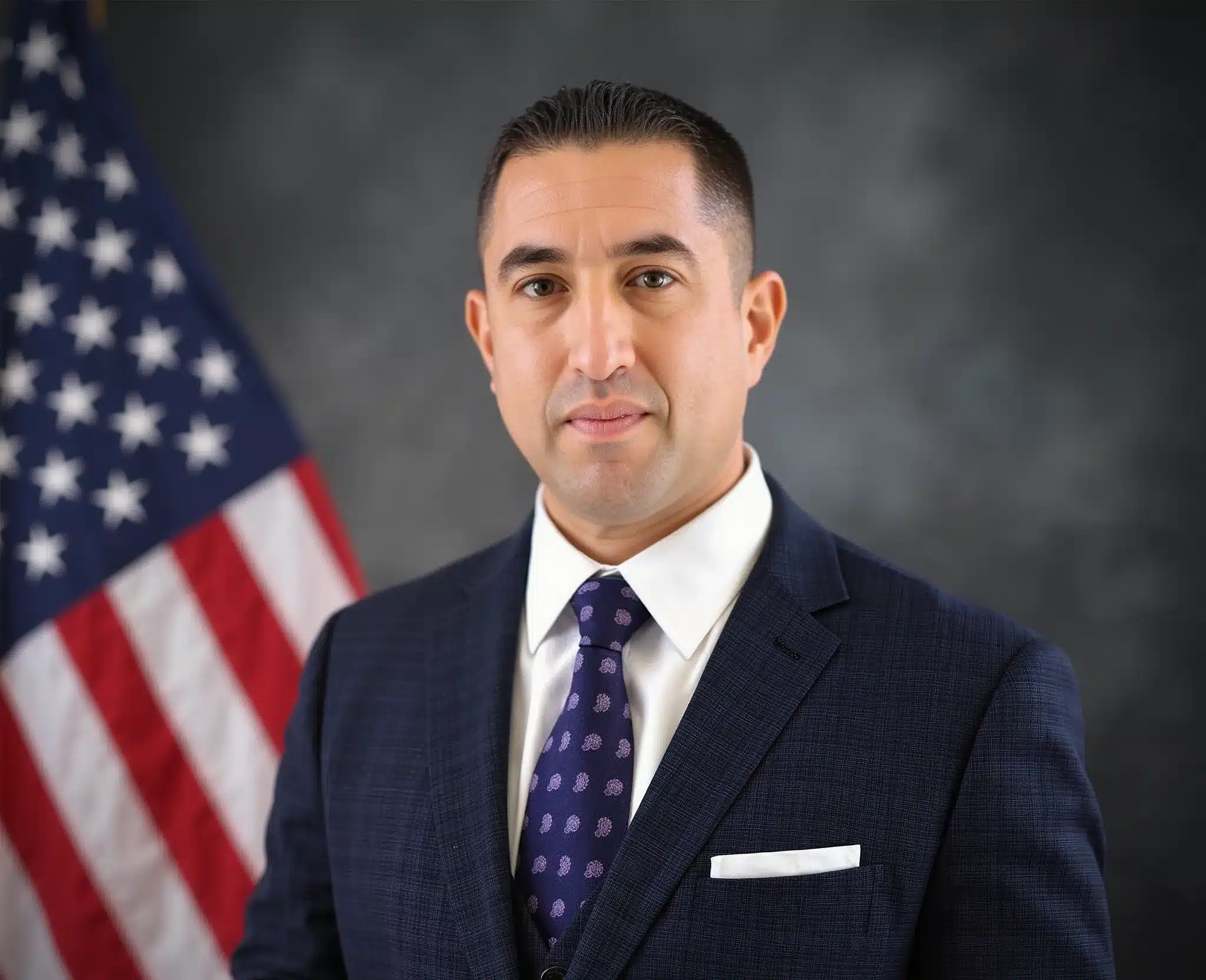
If you or someone you care about has been arrested for drug possession, possession for sale, or a related driving and drug offense in Alamo, you do not have to navigate the system alone. The Law Office of Nabiel C. Ahmed provides focused representation to people throughout Contra Costa and Alameda counties, including those stopped on local highways and neighborhood roads. From the first consultation, you can expect honest feedback about your situation, an explanation of your options, and a plan tailored to your goals. The firm’s mission is to reduce the impact of criminal charges on your life and help you move forward.
Selecting a law firm to handle your drug possession or sales case in Alamo is an important decision. The Law Office of Nabiel C. Ahmed concentrates on criminal defense and has represented many individuals accused of driving and drug offenses throughout Contra Costa and Alameda counties. The firm understands how local law enforcement agencies build their cases and how prosecutors view allegations involving traffic stops, vehicle searches, and alleged sales activity. Clients receive straightforward advice, consistent communication, and representation that emphasizes both legal strategy and the personal realities they face at home and work.
What sets the firm apart is a commitment to digging into the details that can change the outcome of your case. That means reviewing body camera footage, cross‑checking reports, and listening carefully to your side of the story. The office strives to be accessible, answering questions, explaining court procedures, and preparing you for each stage. Whether the goal is to fight the charges in court, seek a reduction, or negotiate a resolution that protects immigration status or career plans, the firm works to position you for the best possible result given the facts of your Alamo case.
From the moment you contact the Law Office of Nabiel C. Ahmed about an Alamo drug possession or sales case, the focus is on clarity and strategy. The firm begins by learning what happened from your perspective and reviewing paperwork from the arrest. Next, it gathers reports, charging documents, and any available recordings to identify strengths and weaknesses in the prosecution’s case. Throughout the process, you will be informed about upcoming court dates, possible outcomes, and choices you may need to make. The ultimate goal is to combine legal analysis with practical planning so you feel prepared at every step.
The first step in defending an Alamo drug possession or sales case is a thorough consultation and case evaluation. During this meeting or call, you will have the chance to describe the traffic stop, search, and arrest in your own words. The attorney will review any citation, booking sheet, or release paperwork you received, along with available court information. Together, you will discuss your background, prior record if any, and goals, such as avoiding jail or preserving employment and immigration options. This early evaluation guides decisions about investigation, motions, and negotiation strategies tailored to your situation.
In the initial phase, your attorney will carefully listen to your description of what occurred in Alamo, including why you were stopped, how officers interacted with you, and what was found. This conversation is confidential and is intended to gather details that might not appear in official reports. You will be asked to share any documents you received, including citations, court notices, or property receipts. By comparing your account with the paperwork, the firm can spot immediate concerns such as missing information, inconsistencies, or potential defenses relating to the stop, search, or alleged possession or sales activity.
After learning about your situation, the attorney will explain the specific charges you face, whether they involve simple possession, possession for sale, or related driving offenses. You will discuss potential penalties under California law, including jail exposure, fines, probation terms, and collateral issues like license or immigration consequences. Early in the process, you may also learn about possible options such as diversion programs, treatment referrals, or strategies to challenge evidence. This conversation is designed to give you a realistic understanding of what lies ahead so you can make informed decisions instead of reacting in fear or confusion.
Once the case is underway in Contra Costa County court, the firm turns to detailed investigation and discovery. This stage focuses on gathering all available evidence, from police reports and lab results to dash cam or body‑worn camera footage. The attorney reviews these materials line by line, comparing them to your recollection of the stop and arrest in Alamo. If there are signs that your rights were violated or that evidence was mishandled, the firm may file motions to suppress or challenge certain pieces of evidence. Careful work in this phase often shapes negotiation strength and trial readiness.
A central part of Step 2 is obtaining complete discovery from the prosecution. This includes police reports, supplemental narratives, property logs, body camera footage, 911 recordings, and lab analyses of the suspected substances. The attorney examines these records for inconsistencies, gaps, or signs that officers overreached during the Alamo stop or search. Sometimes, lab reports reveal issues with testing procedures, chain of custody, or quantity measurements. By pinpointing these weaknesses, the defense can build arguments to reduce charges, dispute intent to sell, or argue that certain evidence should not be allowed in court at all.
When discovery uncovers problems with the stop, search, or evidence handling, the firm may file formal motions asking the court to exclude certain evidence or dismiss charges. These hearings can be especially important in Alamo drug possession and sales cases that begin with vehicle searches. At the same time, the attorney communicates with prosecutors, presenting your background, highlighting weaknesses in their case, and exploring options like dismissals, reductions, or diversion. The combination of motion practice and negotiation often shapes whether your case moves toward trial, a favorable plea, or another form of resolution that limits potential penalties.
The final stage of a drug possession or sales case in Alamo involves resolving the charges through dismissal, plea agreement, or trial, followed by sentencing if there is a conviction. The firm helps you weigh the risks and benefits of each option, considering your priorities and the strength of the evidence. If a plea or verdict leads to sentencing, your attorney can present mitigating factors, such as treatment participation, community support, and work history, to seek the most favorable outcome. Attention is also given to long‑term issues, including possible expungement and steps to rebuild stability after the case ends.
As your case approaches a decision point, the firm will help you prepare either for trial or for finalizing a negotiated agreement. For trial, that may include reviewing your testimony, organizing witnesses, and planning how to challenge prosecution evidence before a judge or jury. For negotiated resolutions, preparation focuses on presenting your story in the best light to prosecutors and the court, emphasizing rehabilitation and community ties. In either scenario, you will be fully informed about the likely consequences, allowing you to choose the path that best aligns with your comfort level and long‑term goals.
If your case results in a conviction or plea, the sentencing phase becomes critical. Your attorney will work to minimize jail exposure, argue for alternatives like probation or treatment, and address concerns specific to your life in Alamo, such as employment, schooling, or family responsibilities. You will also learn about future possibilities, including record‑clearing options that may be available after you successfully complete your sentence. Understanding these opportunities can offer reassurance and a roadmap for moving forward, helping you see that a drug possession or sales case does not have to define your future.
After a drug possession or sales arrest in Alamo, your first priority should be protecting your rights. Stay calm, avoid arguing with officers, and do not volunteer information about where items came from or who they belong to. You have the right to remain silent and the right to ask for an attorney; clearly state that you want to speak with a lawyer before answering questions. Anything you say can later be quoted in reports and used against you in court, so limiting statements protects your options. Once you are safe and released or allowed to make calls, contact a criminal defense law firm that handles driving and drug offenses in Contra Costa County. Provide copies of any citations, booking sheets, or release paperwork, and write down your memories of the traffic stop and search while they are fresh. Early legal guidance can help you avoid missed deadlines, preserve helpful evidence, and begin exploring defenses or diversion programs that may be available in your case.
Police in Alamo cannot search your car after a simple traffic stop without a legal basis, but there are several exceptions that officers often claim. They might argue they saw something illegal in plain view, smelled drugs, or obtained your consent to search. In some cases, they say they had probable cause based on your behavior or information from another source. Whether these reasons are valid depends on the specifics of each encounter, including what was recorded on dash cam or body camera footage. If you believe your car was searched improperly, talk with a defense attorney who can review the reports and videos with you. If the court finds that officers violated your rights under the United States or California constitutions, evidence obtained during that search may be suppressed. That can significantly weaken the prosecution’s ability to prove possession or sales, sometimes leading to reduced charges or dismissal. Challenging an unlawful search is often a key part of defending driving and drug cases.
Possession usually means having a controlled substance for personal use, while possession for sale involves an accusation that you intended to sell or distribute it. In Alamo cases, prosecutors look at factors like quantity, packaging, scales, cash, and messages that appear to involve transactions when deciding which charges to file. A small amount for personal use is more likely to lead to simple possession, while larger quantities and certain circumstances may result in more serious sales charges. However, these distinctions are not always clear‑cut. People may buy in bulk for personal use, share housing or vehicles with others, or carry cash for legitimate reasons unrelated to drugs. A careful defense can challenge the assumption that possession equals intent to sell and highlight alternative explanations for the evidence. Successfully disputing sales allegations can greatly reduce potential penalties and sometimes open the door to diversion or other favorable outcomes.
Not everyone charged with first‑time drug possession in Alamo goes to jail, especially if the allegation involves a small amount and no sales‑related factors. California law and local practices in Contra Costa County provide options such as probation, fines, counseling, or treatment‑focused programs that may avoid or limit custody time. Your prior record, employment, and willingness to participate in services can all influence how a judge or prosecutor views your case. That said, jail is still a possibility in some situations, particularly where there are aggravating factors like driving under the influence, resisting arrest, or additional charges. Working with a defense attorney helps you understand the likely range of outcomes in your specific case. Together, you can present mitigating information, explore diversion or alternative sentencing, and aim for a resolution that keeps you in the community whenever possible while addressing any concerns the court may have.
Drug charges stemming from a driving incident in Alamo can affect both your driver’s license and your overall driving record. Some cases involve separate allegations such as driving under the influence of drugs, refusal to submit to testing, or unsafe driving that resulted in an accident. These issues may trigger administrative actions through the California DMV, including possible license suspension or restrictions, in addition to any penalties ordered by the court. Even when the case does not directly involve DUI, a criminal record can raise concerns for employers or insurance companies who review your history. A defense strategy should consider these potential consequences from the beginning. Your attorney can advise you about DMV deadlines, represent you at hearings when appropriate, and seek resolutions that minimize the effect on your ability to drive for work, school, or family responsibilities in and around Alamo.
It is not uncommon for people to be charged with possession or sales in Alamo even when they insist the drugs belonged to someone else. Prosecutors often argue that if an item was found in your car, backpack, or home, you had control over it and therefore possessed it. However, the law requires proof that you knew the substance was there and understood its nature. Shared vehicles, borrowed cars, and group outings can all create situations where ownership is unclear. A strong defense may highlight the presence of other passengers, question who had access to the area where the drugs were found, or point to evidence that contradicts the idea that you were in control. Witness statements, text messages, and the physical layout of the vehicle can all matter. While there are no guarantees, raising doubt about who actually possessed the substance can lead to reduced charges, favorable negotiations, or even dismissal in the right circumstances.
Many Alamo drug possession and sales cases can be dismissed or reduced under the right conditions, especially when there are problems with the stop, search, or testing. If a court finds that law enforcement violated your rights, important evidence might be thrown out, leaving the prosecution without enough proof to proceed. In other cases, effective negotiation can lead to reductions from sales to simple possession, or to outcomes that focus on treatment rather than punishment. Your eligibility for diversion, alternative programs, or reduced charges depends on several factors, including the nature of the substance, quantity, prior record, and whether any violence or weapons were involved. A defense attorney will review these details and advise you on potential paths to a more favorable outcome. While no lawyer can promise dismissal, a thoughtful strategy can improve your chances of avoiding the harshest consequences and keeping your record as clear as possible.
The length of a drug possession or sales case in Contra Costa County varies, but many matters take several months to resolve. Initial court dates in Alamo‑related cases may be scheduled within a few weeks of the arrest, followed by additional hearings for discovery, motions, and negotiation. Complex cases involving sales allegations, multiple defendants, or large amounts of evidence can take significantly longer, especially if motions are contested or the case moves toward trial. While it can be stressful to have a criminal case pending, the time between hearings is often used productively. Your attorney may be reviewing discovery, filing legal motions, negotiating with prosecutors, and gathering mitigating information that supports a better outcome. Rushing to resolve the case without proper preparation can lead to unnecessary consequences, so it is usually wise to balance the desire for a quick conclusion with the need for a strong, carefully planned defense.
Talking to police without legal guidance can be risky, even if you believe cooperating will help. Officers in Alamo may suggest that explaining your side or naming other people involved could improve your situation, but they do not control the prosecutor’s decisions. Statements you make can be written into reports, taken out of context, and used later to support possession or sales charges. Once something is said, it can be difficult or impossible to undo the damage in court. If law enforcement contacts you for an interview, politely state that you want to speak with an attorney before answering questions. A lawyer can help you decide whether any form of cooperation is in your best interest and, if so, how to approach it strategically. In some situations, it may be better to remain silent and challenge the evidence through legal channels rather than relying on promises or assumptions about how cooperation will be rewarded.
The Law Office of Nabiel C. Ahmed represents individuals facing drug possession and sales allegations in Alamo and throughout Contra Costa and Alameda counties. The firm reviews your case from top to bottom, examining the legality of the traffic stop, the way officers conducted the search, and whether the evidence truly supports possession or intent to sell. You receive clear explanations of your charges, potential penalties, and possible defenses so you can make informed choices at every stage of the process. Beyond legal analysis, the firm works to understand your personal goals, whether that means avoiding jail, protecting immigration status, or preserving career opportunities. By combining investigation, motion practice, and negotiation, the office strives to achieve outcomes such as dismissals, reductions, or alternative sentences whenever possible. Throughout your case, you can expect straightforward communication and a focused effort to reduce the impact of the charges on your life in Alamo and the surrounding communities.
"*" indicates required fields