
Facing accusations of criminal threats or witness intimidation in Acalanes Ridge can turn your life upside down overnight. These charges carry the possibility of jail, long-term probation, restraining orders, and a permanent record that can affect jobs, housing, and relationships. Prosecutors in Contra Costa County often treat these cases as violent or serious crimes, even when the incident involved heated words or misunderstandings. The Law Office of Nabiel C. Ahmed works to protect your rights, challenge the accusations, and guide you through every stage of the criminal court process.
If you have been arrested, received a court notice, or learned that an investigation is underway in Acalanes Ridge, you should take the situation seriously and act quickly. Statements you make to police or others, social media posts, and text messages can all be used against you if they are not handled carefully. Our firm focuses on criminal defense in Alameda and Contra Costa Counties, with a strong track record defending violent and serious crime allegations. We take the time to understand what really happened and develop a defense strategy tailored to your situation.
Criminal threats and witness intimidation cases often hinge on context, tone, and the alleged victim’s perception. Without focused legal representation, harmless venting or emotional arguments can be painted as intentional, serious threats. An attorney can analyze the evidence, challenge whether words were truly threatening, and raise defenses based on free speech, self-defense, or lack of intent. Strategic advocacy can lead to reduced charges, diversion options, or even dismissal. In Acalanes Ridge, where prosecutors pursue violent and serious crime cases aggressively, having a dedicated defender can make a meaningful difference in how your case is charged, negotiated, and resolved.
The Law Office of Nabiel C. Ahmed is a criminal defense law firm representing clients throughout Alameda and Contra Costa Counties, including Acalanes Ridge. Our practice is devoted to defending people facing misdemeanor and felony charges, with a particular emphasis on violent and serious offenses such as criminal threats, domestic-related allegations, and accusations of interfering with witnesses. Over many years in Bay Area courts, our firm has handled a wide range of cases from investigation through trial. We pride ourselves on thorough preparation, honest communication, and aggressive advocacy tailored to the unique facts of each client’s situation.
California law treats criminal threats and witness intimidation as serious offenses because they are seen as attacks on personal safety and the justice system. In many cases, the allegations arise out of heated arguments, relationship conflicts, or ongoing criminal cases where emotions run high. A simple text, voicemail, or social media message can become the centerpiece of a felony case if the recipient reports feeling scared. Understanding how prosecutors build these cases, how judges evaluate evidence, and what defenses may apply is essential to protecting your future when charged in Acalanes Ridge or the surrounding Contra Costa County communities.
These charges are often filed under Penal Code sections such as criminal threats and dissuading a witness, and they can be charged as wobblers, meaning they may be treated as either misdemeanors or felonies. The difference in potential penalties is dramatic and can determine whether you face county jail or state prison exposure. In addition, certain convictions may count as strikes under California’s Three Strikes law. Our firm helps clients understand the specific allegations, potential sentencing ranges, and how prior history might influence the case, so they can make informed decisions at every step.
In California, a criminal threat generally involves a statement, made verbally, in writing, or electronically, that conveys an intention to cause great bodily harm or death, and that causes the recipient to reasonably experience sustained fear. Witness intimidation usually involves attempts to prevent someone from reporting a crime, cooperating with law enforcement, or testifying in court. Importantly, the law does not require an actual act of violence, only a perceived, credible threat or pressure. Misunderstandings, sarcasm, or angry remarks in the heat of the moment can be mischaracterized, which is why careful review of the full context is so important.
Criminal threats and witness intimidation cases typically center on several key questions: what was said or done, how it was communicated, whether the alleged victim actually felt fearful, and whether any pressure was placed on a witness or reporting party. Prosecutors rely on text messages, call logs, social media posts, police body camera footage, and witness statements. The court process usually includes arraignment, pretrial hearings, motion practice, and sometimes trial. A defense strategy may challenge the credibility of witnesses, the seriousness of the alleged threat, or whether any statement was truly meant to interfere with testimony or cooperation.
Legal language in criminal threats and witness intimidation cases can feel confusing and overwhelming. Terms like wobblers, strikes, sustained fear, and dissuading a witness are often used in courtrooms throughout Acalanes Ridge and Contra Costa County. Understanding these terms helps you follow what is happening in your case and participate in your defense. The following brief glossary explains common phrases you are likely to hear from the judge, prosecutor, probation, or your defense team, so you can make better choices about plea offers, pretrial motions, and overall strategy.
A criminal threat generally refers to a statement, made verbally, in writing, or electronically, that threatens great bodily injury or death and causes the recipient to reasonably experience sustained fear. The threat must be specific, unequivocal, and appear credible under the circumstances. Importantly, the law does not necessarily require the accused to have the actual ability to carry out the threat at that moment, only that the threat appears believable. In California, criminal threats can be charged as misdemeanors or felonies, with potential strike consequences if a felony conviction is sustained.
Witness intimidation typically involves conduct intended to discourage, prevent, or retaliate against someone for reporting a crime, speaking with law enforcement, or testifying in a criminal case. This may include verbal pressure, threats of harm, attempts to persuade someone to change their story, or efforts to keep a victim from appearing in court. California law treats such conduct very seriously because it is seen as undermining the justice system. Depending on the circumstances, witness intimidation can lead to felony charges, enhanced penalties, and additional consequences if connected to gang or domestic-related allegations.
Sustained fear is a legal term used in criminal threats cases to describe a level of fear that is more than momentary or fleeting. The alleged victim must experience fear for a period of time that a court considers reasonable under the circumstances. This can be minutes, hours, or longer, depending on the facts, but it must go beyond a brief startle or passing worry. Prosecutors often rely on victim testimony, behavior, and messages to prove sustained fear, while the defense may highlight inconsistent statements or actions that suggest the fear was exaggerated or short-lived.
A wobbler is a California offense that can be prosecuted as either a misdemeanor or a felony, depending on the facts of the case and the defendant’s history. Many criminal threats and witness intimidation charges fall into this category. The way the prosecutor files the case, and whether the judge or defense can later seek reduction, can have a significant impact on potential penalties and long-term consequences. Negotiating a wobbler downward to a misdemeanor or a lesser offense can reduce exposure to custody, probation conditions, and the impact on employment and background checks.
When accused of criminal threats or witness intimidation in Acalanes Ridge, you may have several paths forward. Some people are tempted to accept the first plea offer to make the case go away, but that can create long-term consequences, including probation terms, stay-away orders, and immigration issues. Others hope the case will simply be dismissed without effort. A thorough defense approach usually falls somewhere in between, weighing the strength of the evidence, potential defenses, and your personal priorities. Discussing these options with a knowledgeable defense lawyer can help you choose a strategy that protects your future.
In some Acalanes Ridge cases, the allegations involve a brief dispute, lack of clear threats, or inconsistent statements from the complaining witness. When the evidence is thin and the prosecutor appears open to negotiation, a limited defense approach might focus on targeted investigation, strategic communication with the district attorney, and a push for early dismissal or reduced charges. This type of strategy can be effective where there is no prior criminal history, no physical harm, and the alleged victim is reluctant to cooperate. Even in these situations, careful planning can help avoid unexpected complications.
Certain lower-level or first-time criminal threats and witness intimidation cases in Contra Costa County may qualify for diversion programs, informal resolutions, or reduced non-violent charges. In these situations, a limited approach might focus on documenting positive background information, completing counseling, or addressing communication issues that contributed to the incident. The goal is to show the prosecutor and court that formal punishment is unnecessary and that you are unlikely to reoffend. While this path may not be available in every case, it can offer a way to resolve charges with less long-term impact when used thoughtfully.
Some criminal threats and witness intimidation allegations expose clients to substantial custody time, including potential prison and strike consequences under California’s Three Strikes law. In these cases, a comprehensive defense approach is vital. This can involve extensive investigation, review of phone records and digital evidence, consultation with mental health or language professionals, and robust motion practice to challenge questionable statements. When the stakes include lengthy incarceration or life-long strike consequences, the defense strategy must be thorough and proactive, pushing back against overcharging and highlighting every weakness in the government’s case.
A full-scale defense is often needed when cases involve multiple complaining witnesses, parallel domestic violence or gang allegations, or overlapping criminal matters in Alameda or Contra Costa County. These situations can bring complicated timelines, conflicting statements, and extensive digital evidence. A comprehensive approach may include interviewing witnesses, obtaining surveillance footage, subpoenaing records, and preparing for possible jury trial. The defense must be ready to explain the broader context, expose inconsistencies, and present a clear narrative that supports your innocence or mitigates the allegations. Careful coordination and planning can significantly influence the outcome.
A comprehensive defense strategy in criminal threats and witness intimidation cases allows your legal team to uncover favorable evidence that might otherwise be overlooked. By examining text messages, call logs, social media history, and the background of those involved, the defense can highlight misunderstandings, exaggerations, or motives to fabricate. Thorough preparation also places you in a stronger position during negotiations, giving your attorney leverage to seek charge reductions, dismissals, or favorable plea agreements. In Acalanes Ridge courts, judges and prosecutors often recognize when a case has been carefully investigated and may be more receptive to fair resolutions.
Another benefit of a thorough defense approach is the peace of mind that comes from knowing your side of the story is being fully presented. Instead of reacting to every new development, a comprehensive plan anticipates potential problems, such as no-contact orders, social media issues, or conflicting statements. It also helps address collateral concerns like employment, immigration, and professional licensing, which may be affected by certain convictions. By considering both the courtroom and life consequences, a well-planned defense strategy can help you move forward with greater confidence and clarity.
When your defense team thoroughly investigates the facts and identifies weaknesses in the prosecution’s case, it becomes easier to push for better outcomes. In criminal threats and witness intimidation cases, evidence showing inconsistent statements, lack of sustained fear, or alternative explanations for messages can cause prosecutors to reconsider initial charging decisions. A strong defense presentation can lead to reductions from felonies to misdemeanors, non-strike resolutions, or even dismissal. In Acalanes Ridge and Contra Costa County courts, being prepared with facts, timelines, and supportive documentation can significantly improve your negotiating position.
Criminal threats and witness intimidation cases can carry hidden consequences beyond jail time, including immigration problems, loss of employment, difficulty securing housing, and damaged personal relationships. A comprehensive defense approach looks beyond the immediate penalty to guard against these long-term effects. By understanding your background, family obligations, and career goals, your attorney can seek outcomes that minimize these impacts, such as alternative charges, diversion, or carefully structured pleas. A thoughtful strategy also prepares you for court requirements, helping you complete classes or counseling proactively so you can present yourself positively when it matters most.


In today’s digital world, many criminal threats and witness intimidation charges arise from text messages, social media posts, and voicemails. Once you know you are under investigation or have been arrested in Acalanes Ridge, it is wise to stop talking about the situation online or by text. Angry posts or emotional messages can be misinterpreted and used as evidence, even if you intended them as jokes or venting. Preserve existing messages and screenshots, but avoid new communication about the incident. Instead, share details privately with your attorney so they can evaluate the evidence in context.
Courts in Contra Costa County often issue stay-away or no-contact orders in criminal threats and witness intimidation cases, even before there is a conviction. It may feel unfair, especially if the other person is reaching out to you, but violating these orders can result in new charges and make your underlying case harder to defend. Follow all court directions carefully, and keep records if the protected person tries to contact you. Discuss any necessary exceptions, such as child visitation or shared housing, with your attorney so they can request appropriate modifications through proper legal channels.
Criminal threats and witness intimidation accusations carry serious legal and personal consequences, even if the case eventually resolves favorably. An arrest record can surface in background checks, and a conviction may lead to custody, lengthy probation, firearms restrictions, and immigration problems. Early legal help can help control the flow of information, protect your rights during police questioning, and set the stage for an effective defense. In Acalanes Ridge, where prosecutors take violent and serious crime allegations seriously, having a dedicated criminal defense attorney provides guidance and a clear plan when the situation feels overwhelming.
Legal representation also helps you understand the realistic outcomes in your case, rather than relying on rumors or online stories. Each situation involves unique facts, prior history, and local practices in Contra Costa County courts. An attorney can evaluate whether diversion, negotiation, motion practice, or trial is most appropriate, and explain how each option may affect your future. They can also address collateral concerns, such as restraining orders, employment issues, and family responsibilities. With informed advice and strong advocacy, you can move forward with better information and a more secure path toward resolving the charges.
Criminal threats and witness intimidation cases in Acalanes Ridge often arise from everyday conflicts that suddenly escalate. Arguments between partners, disputes with neighbors, workplace tensions, and post-arrest conversations about pending cases can all lead to accusations. Sometimes, people feel pressured by friends or family to “drop charges” or change their story, and police interpret those interactions as attempts to dissuade a witness. Understanding these patterns can help you recognize how quickly a misunderstanding can become a serious criminal case, and why having guidance from a defense lawyer is so important when emotions are running high.
Many criminal threats cases begin with intense arguments between spouses, partners, or former partners. Words are exchanged in anger, sometimes over the phone or through text, and later one person reports feeling threatened. Law enforcement in Contra Costa County often responds aggressively to domestic-related calls, sometimes arresting someone even when no physical contact occurred. Later, the complaining witness may reconsider or want to reconcile, but the case is already in the prosecutor’s hands. A defense attorney can help explain the emotional context, highlight inconsistencies, and work toward resolutions that reflect the reality of the relationship.
Criminal threats and witness intimidation allegations also arise from neighborhood disputes, workplace conflicts, or confrontations with strangers. Parking disagreements, noise complaints, or arguments in public places can quickly escalate when someone feels disrespected or unsafe. In some Acalanes Ridge cases, one party calls police first and shapes the narrative, while the other person’s side is not fully heard until later. Surveillance video, independent witnesses, and digital messages can be critical in clarifying what really happened. A defense lawyer can help gather this information and challenge one-sided accounts that make conduct appear more menacing than it was.
Witness intimidation charges commonly arise when someone talks with a potential witness or complaining party about a pending case or police report. Statements like asking someone not to appear in court, requesting that they “fix” their statement, or expressing anger about cooperation with law enforcement can be interpreted as attempts to interfere. Even if the conversation felt informal or emotional, it may be viewed differently by police and prosecutors. In these situations, it is essential to stop further contact and seek legal advice immediately, so your attorney can address the allegations and protect your rights moving forward.
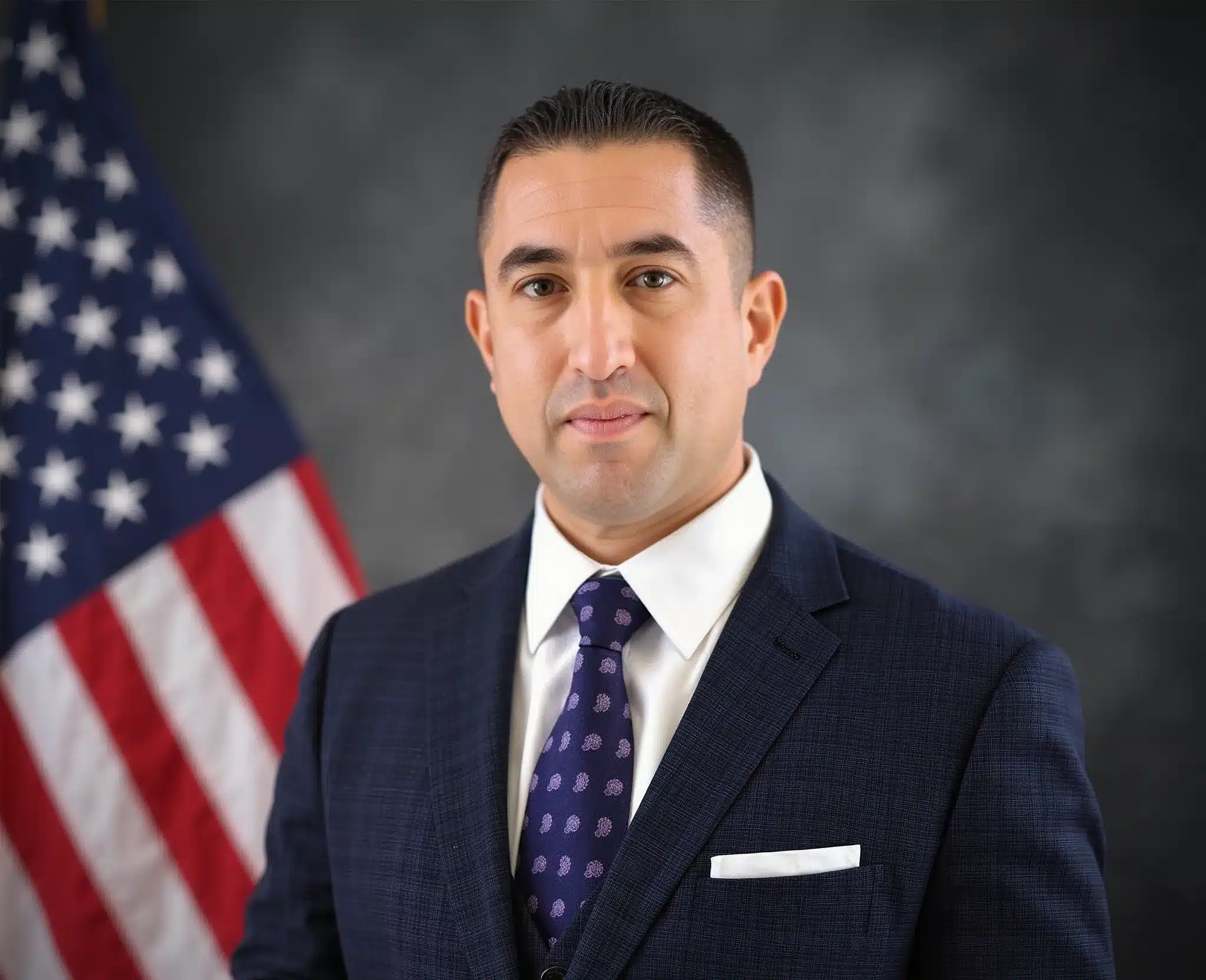
The Law Office of Nabiel C. Ahmed represents people across Contra Costa and Alameda Counties who are facing criminal threats and witness intimidation accusations. Our firm understands how stressful it is to face allegations that paint you as dangerous or manipulative, especially when you believe the situation has been misunderstood. We take time to listen to your side, review the evidence, and explain each step in clear, straightforward language. Our goal is to protect your record, your freedom, and your future while working toward the most favorable outcome that the facts and the law allow.
Choosing the right criminal defense lawyer can make a meaningful difference in how your case is handled and resolved. At the Law Office of Nabiel C. Ahmed, we focus our practice on defending people accused of crimes in Alameda and Contra Costa Counties, including Acalanes Ridge. We are familiar with local courts, prosecutors, and procedures for violent and serious crime cases. Our approach emphasizes thorough investigation, strategic negotiation, and strong courtroom advocacy when needed. From the first consultation, we aim to give you straightforward advice and a realistic assessment of your options.
Clients often appreciate our willingness to dig into the details of their cases, rather than accepting the police report at face value. We understand that there are always two sides to every story, especially in emotionally charged disputes. Our firm communicates consistently, keeps you updated on developments, and prepares you for each court appearance so you are never left guessing. Whether your case may be resolved through negotiation or requires litigation, we are committed to standing with you and working tirelessly to protect what matters most to you and your family.
At the Law Office of Nabiel C. Ahmed, our process begins by listening carefully to your story and reviewing the charging documents, police reports, and any available evidence. We then outline the likely stages of your case, from arraignment through potential trial, and discuss immediate steps such as securing release conditions or addressing protective orders. Throughout the process, we focus on identifying weaknesses in the prosecution’s theory, exploring negotiation opportunities, and preparing for the possibility of trial. Our goal is to keep you informed, reduce uncertainty, and position your case for the best possible resolution.
The first step is a thorough intake where we gather information about the incident, your background, and any prior history. We review your paperwork, including citations, bail documents, and court notices. During this phase, we also discuss your goals and concerns, such as employment, family responsibilities, and immigration. Understanding what matters most to you helps us tailor our strategy. We provide an initial assessment of the charges, potential penalties, and likely next steps in the Acalanes Ridge or Contra Costa County court system, so you know what to expect in the coming weeks.
In the early stages, we encourage clients to share their version of events in detail, including any texts, screenshots, or witness information that might shed light on what happened. We carefully review police reports, incident narratives, and any available recordings to identify gaps or inconsistencies. This thorough review often reveals important context, such as prior conflicts, mutual arguments, or misunderstandings, that is missing from the official record. By comparing your account with the government’s version, we can begin forming a defense theory that highlights weaknesses in the allegations of criminal threats or witness intimidation.
After reviewing the initial information, we explain the legal meaning of the charges against you, potential sentencing ranges, and how factors like prior convictions may influence the case. We also discuss early options, such as seeking bail reductions, addressing no-contact orders, or preserving important evidence. In Acalanes Ridge cases, court dates can move quickly, so understanding your rights and responsibilities from the outset is vital. We aim to answer your questions clearly, outline realistic expectations, and help you avoid common mistakes, such as contacting protected parties or making statements that could be misinterpreted.
Once we understand the basic framework of your case, we move into deeper investigation and pretrial work. This phase may involve interviewing witnesses, gathering digital evidence, requesting surveillance footage, and consulting with relevant professionals when helpful. We also explore legal motions to challenge problematic statements or procedures. At the same time, we maintain dialogue with the prosecutor, sharing favorable information and advocating for charge reductions or dismissal when appropriate. This balanced approach of investigation and negotiation often shapes the direction of the case long before any trial date.
During the investigation phase, we actively look for information that supports your defense or undercuts the prosecution’s theory. This may include obtaining phone records, text message histories, social media data, and witness statements that offer a different perspective on the events. In criminal threats and witness intimidation cases, tone, timing, and context matter greatly. We also assess whether law enforcement followed proper procedures when collecting statements or evidence. Where appropriate, we file motions to suppress unreliable or unlawfully obtained evidence, pushing the court to exclude material that unfairly prejudices your case.
While we prepare as though a case could go to trial, many criminal matters are resolved through negotiated agreements. During this phase, we present the prosecutor with mitigating information, favorable evidence, and legal arguments that support charge reductions or alternative resolutions. In Acalanes Ridge and Contra Costa County courts, prosecutors may consider lesser charges, non-strike outcomes, or diversion depending on the facts and your background. We carefully review any offers with you, explaining short-term and long-term consequences, so you can make informed choices about whether to accept a deal or continue litigating.
If your case does not resolve through negotiations or motions, we prepare for trial with a clear, organized strategy. Trial is often stressful, but it can also be an opportunity to fully present your side and challenge the accusations in front of a judge or jury. Our preparation includes refining themes, organizing exhibits, preparing witnesses, and anticipating the prosecution’s arguments. We remain in communication with you throughout, discussing trial risks and potential outcomes. Even at this later stage, ongoing negotiations may continue, sometimes resulting in improved offers as the government reassesses its position.
Effective trial preparation involves more than simply reacting to the prosecution’s case; it requires a clear narrative that explains what really happened. We work with you to identify themes that resonate with jurors, such as misunderstanding, mutual conflict, or lack of intent. In criminal threats and witness intimidation cases, this may include emphasizing the emotional context, highlighting the absence of genuine fear, or showing that any conversations about court were not meant to interfere. We also decide which witnesses to call and what exhibits to present, ensuring the jury sees a complete and balanced picture.
During trial, we cross-examine the prosecution’s witnesses, challenge inconsistent or exaggerated testimony, and present our own evidence in a clear, organized manner. We make timely objections to unfair questions and improper evidence, protecting your rights under California law and the Constitution. In Acalanes Ridge and Contra Costa County courts, jurors take their responsibilities seriously, and well-presented evidence can change minds. Throughout the proceedings, we keep you informed, explain what is happening, and help you make decisions about testifying or accepting any last-minute offers, always prioritizing your best interests and long-term future.
Yes, it is possible to face criminal threats charges based on text messages, social media posts, or other electronic communications, even if you said something in anger. California law focuses on whether your words conveyed a specific, credible threat of serious harm and caused the recipient to experience sustained fear. Prosecutors review the language used, the context of the conversation, and the relationship between you and the other person when deciding how to charge the case. However, not every rude or heated statement qualifies as a criminal threat. The defense can argue that the message was vague, not serious, or taken out of context. Screenshots, full message threads, and prior communications may show that your words were part of an emotional exchange rather than a genuine threat. A lawyer can help evaluate the strength of the evidence and determine what defenses or negotiation strategies may be available in your situation.
Penalties for criminal threats and witness intimidation in Acalanes Ridge can vary widely depending on the facts and whether the charges are filed as misdemeanors or felonies. A misdemeanor conviction may involve county jail, probation, fines, and restraining orders. Felony cases can bring the possibility of state prison, longer probation terms, and strike consequences if the offense is considered a serious or violent felony under California law. In addition to custody and probation, these convictions can affect employment, housing, professional licensing, and immigration status. Courts may also impose counseling, community service, or no-contact orders. Because every case is different, it is important to review the specific charges and your background with a defense attorney who can explain the likely range of outcomes and work to reduce or avoid the most severe consequences.
Many people facing a first-time criminal threats charge worry that jail is automatic. In reality, the outcome depends on numerous factors, including the seriousness of the alleged threat, the presence of weapons, the wishes of the complaining witness, and your prior record. In some first-offense cases, it may be possible to resolve the matter with reduced charges, probation, or alternative programs that avoid significant custody time. However, a first offense does not guarantee leniency, especially if prosecutors view the case as a serious risk to someone’s safety. The way the case is charged, whether it becomes a felony, and whether it is treated as a strike can all be influenced by how the evidence is presented and negotiated. Having legal representation early can help position you for a resolution that takes your clean record and personal circumstances into account.
It is common for the alleged victim in a criminal threats or witness intimidation case to later want to drop the charges, especially when the incident arose from a relationship or family dispute. While their wishes can influence the outcome, the decision to dismiss or continue the case ultimately belongs to the prosecutor, not the complaining witness. In many situations, the district attorney may decide to move forward even if the person no longer wants to participate. That said, changes in the alleged victim’s story, reluctance to testify, or willingness to clarify the context can still play an important role. Your attorney can communicate with the prosecutor through proper channels, present new information, and sometimes arrange for a more accurate picture of events to be considered. It is important not to pressure or contact the alleged victim directly if there are stay-away or no-contact orders in place.
To prove witness intimidation, prosecutors generally must show that you tried to discourage someone from reporting a crime, cooperating with law enforcement, or testifying in court, or that you retaliated against them for doing so. This can include explicit threats, subtle pressure, or repeated attempts to influence their statements. Evidence may involve recorded calls from jail, text messages, social media exchanges, or witness testimony about in-person conversations. The defense can challenge whether any statements were actually intended to interfere with a witness, or whether they amounted to emotional venting or attempts to repair a relationship. Context is extremely important; for example, discussions about child visitation or shared housing may be misinterpreted as pressure about the case. A detailed review of messages, timing, and surrounding circumstances can reveal that the interactions were not aimed at obstructing justice.
Certain felony criminal threats convictions can be classified as strikes under California’s Three Strikes law if the threat involves death or great bodily injury and other legal requirements are met. A strike on your record can increase sentencing exposure for any future felony charges and may limit options for early release. Because of this, avoiding a strike conviction is often a key goal in serious criminal threats cases. In some situations, it may be possible to negotiate for a non-strike resolution, such as a reduced charge or plea to a different offense. The strength of the evidence, your criminal history, and mitigating circumstances all play roles in negotiation. A defense lawyer can help identify strategies for avoiding strike consequences, including challenging the allegations, pursuing lesser offenses, or seeking alternative dispositions that protect your long-term future.
If you believe the situation is a misunderstanding, it can be tempting to explain everything to police in hopes they will drop the matter. Unfortunately, statements made without legal guidance can be misunderstood, taken out of context, or used against you later in court. Even small inconsistencies can harm your credibility and make defending the case more difficult. You have the right to remain silent and to have an attorney present during questioning. In most situations, it is safer to politely decline to answer questions until you have spoken with a lawyer. Your attorney can then help decide whether providing a statement is in your best interest, and if so, under what conditions. Exercising your rights does not make you look guilty; it is a wise step to protect yourself in a serious legal situation.
The length of a criminal threats or witness intimidation case in Acalanes Ridge can vary, but many cases take several months from the first court appearance to final resolution. Factors that influence timing include the complexity of the evidence, the court’s calendar, whether motions or hearings are needed, and whether the case heads toward trial. Some matters resolve quickly through early negotiations, while others require more time for investigation and strategy. Your attorney can provide a more specific timeline after reviewing the case and discussing your goals. For example, pursuing certain motions or waiting for digital evidence may extend the process but improve the ultimate outcome. Throughout the case, staying in close communication with your lawyer and attending all court dates will help avoid delays and demonstrate to the court that you are taking the charges seriously.
Many criminal threats and witness intimidation cases rely heavily on testimony, with little or no physical evidence beyond text messages or call logs. Courts understand that these incidents often occur in private settings, but that does not mean the accusing person’s word automatically prevails. Credibility becomes central, and the defense can highlight inconsistencies, motives to lie, or prior conflicts that cast doubt on the allegations. Witnesses, phone records, and prior communications can help show that events unfolded differently than claimed. In some cases, the complaining witness’s actions after the alleged incident may not match someone who truly experienced sustained fear or intimidation. A defense lawyer can help build a narrative that challenges one-sided accounts and emphasizes reasonable doubt, which can be powerful in negotiations or at trial.
You should contact a lawyer as soon as possible after being arrested or learning of an investigation in Acalanes Ridge. Early representation allows your attorney to protect your rights during questioning, advise you about bail and release conditions, and start gathering evidence while memories are fresh. Quick action can also prevent damaging statements, social media posts, or contact with alleged victims that might complicate your case. Even if you have not yet been formally charged, a lawyer can communicate with investigators or the district attorney’s office on your behalf, potentially influencing charging decisions or arranging for a less disruptive surrender if a warrant exists. The sooner a defense strategy is developed, the more options you typically have for achieving a favorable outcome, whether through negotiation, motion practice, or trial preparation.
"*" indicates required fields