
Facing an assault and battery charge in Union City can feel overwhelming, especially when you are worried about your freedom, your job, and your family’s future. California law treats violent and serious crimes very aggressively, and even a first-time accusation can bring life-changing consequences. At the Law Office of Nabiel C. Ahmed, our criminal defense team helps people throughout Alameda County understand their options, protect their rights, and move forward with a clear plan. This page explains how assault and battery cases work and what you can do to respond.
Whether your arrest happened after a night out, a misunderstanding, or a heated argument, assault and battery charges in Union City demand immediate, informed attention. A conviction can mean jail time, lengthy probation, fines, immigration concerns, and a permanent criminal record that follows you for years. You do not have to navigate the system alone. With focused representation and careful case review, it is often possible to challenge the evidence, negotiate reduced charges, or seek alternatives to custody that allow you to rebuild your life.
Strong legal representation for an assault and battery case in Union City can dramatically influence how your situation unfolds. Prosecutors may push for the harshest penalties, but a committed defense lawyer can analyze the facts, highlight weaknesses in the government’s case, and advocate for more reasonable outcomes. Guidance from someone who understands local courts, judges, and procedures can reduce anxiety and help you avoid missteps that hurt your defense. The right legal strategy may open doors to diversion programs, reduced charges, dismissal, or more lenient sentencing, giving you a better chance to protect your record and regain stability.
The Law Office of Nabiel C. Ahmed is a criminal defense law firm based in Oakland, serving clients across Alameda County and Contra Costa County, including Union City. Over many years, our firm has handled a wide range of violent and serious crime cases, from misdemeanor assault to felony strike offenses. We are familiar with how local prosecutors build their cases and the strategies that can make a meaningful difference. Our practice is devoted to defending people accused of crimes, and we take the time to learn your story, explain the process, and pursue the best attainable result for your unique circumstances.
Assault and battery are often mentioned together, but under California law they are separate offenses that apply to different actions. Assault generally focuses on an attempt or threat to use force, while battery involves actual physical contact. In Union City, these charges can range from misdemeanors to serious felonies depending on injuries, alleged weapons, and who was involved. The way your case is filed will affect the penalties you face and the strategies available for your defense. Learning the basics of these offenses is the first step toward making informed decisions about your future.
Assault and battery cases in Union City often arise from bar fights, neighborhood disputes, domestic arguments, road incidents, or interactions with security and law enforcement. Many cases involve alcohol, misidentification, or one-sided accounts that leave out important context. California’s laws give prosecutors broad discretion to escalate charges when they claim great bodily injury or the use of a deadly weapon. Understanding how these decisions are made, and what evidence can be challenged, can help you and your attorney craft a defense that addresses the specific allegations in your case.
Under California Penal Code section 240, assault is an unlawful attempt, coupled with a present ability, to use force or violence on another person. This means you can be charged even if no physical contact occurred, as long as the prosecution claims you intended to apply force and had the ability to do so. Battery, under Penal Code section 242, is any willful and unlawful use of force or violence on another. The contact does not need to cause visible injury; even a slight unwanted touch can be enough. In Union City courts, prosecutors use these definitions to frame your actions in the worst possible light unless your attorney steps in to tell your side.
For assault, prosecutors must show that you acted willfully, that your actions would likely result in force, and that you had the ability to follow through. For battery, they must show intentional, unlawful physical contact. Defenses often focus on intent, self-defense, defense of others, mistaken identity, or unreliable witnesses. Once arrested in Union City, you may face arraignment, pretrial hearings, motion practice, and possibly trial. Each phase offers opportunities to challenge the case, examine police conduct, and negotiate. Having a clear understanding of this process and what happens at each stage allows you to prepare and participate meaningfully in your defense.
Assault and battery cases include legal terms that can confuse anyone who does not work with the system regularly. Words like “great bodily injury,” “wobbler,” and “strike” carry serious consequences, yet they are rarely explained clearly after an arrest. In Union City courts, these terms can determine whether a case is filed as a misdemeanor or felony, whether prison time is possible, and how a conviction may affect your future. The following glossary breaks down several common phrases so that you can better understand your charges and have more productive conversations with your defense lawyer.
Great bodily injury, often shortened to GBI, refers to significant or substantial physical injury, not just minor or moderate harm. In an assault or battery case, a GBI allegation can add years to a sentence and turn a lower-level offense into a serious felony. Prosecutors in Union City sometimes push for GBI enhancements based on medical reports, photos, or witness statements. However, whether an injury qualifies is often open to challenge. Careful review of medical records, earlier health conditions, and the circumstances of the incident can support arguments that alleged injuries do not meet this heightened standard.
A wobbler offense is a crime that prosecutors can choose to file as either a misdemeanor or a felony. Many assault and battery charges in California, such as assault with a deadly weapon, fall into this category. In Union City, the decision to treat a case as a misdemeanor or felony can depend on the severity of injuries, any claimed weapon, your criminal history, and the overall facts. Your attorney can fight for misdemeanor treatment or argue for a reduction from felony to misdemeanor, which may significantly reduce potential jail time and long-term consequences.
A strike offense refers to certain serious or violent felonies listed under California’s Three Strikes law. Some aggravated assault and battery charges, especially those involving great bodily injury or weapons, may be filed as strikes. A strike on your record can increase penalties for any future felony and limit options for early release or alternative sentencing. In Union City, avoiding a strike conviction is often a central focus of defense negotiations. This may involve challenging the legal basis for the strike allegation, seeking non-strike plea offers, or contesting the charges at trial when necessary.
A protective order, sometimes called a restraining order, is a court directive that limits or prohibits contact between you and another person, often the alleged victim. In assault and battery cases, Union City judges commonly issue these orders at arraignment, which can affect your living situation, your ability to see family members, and even your job. Violating a protective order can lead to new criminal charges. Understanding the exact terms, asking the court for reasonable modifications, and following the order carefully are all important steps for protecting your rights and maintaining a strong defense.
After an assault or battery arrest in Union City, you may be presented with several choices, such as accepting an early plea offer, fighting the case at trial, or pursuing diversion or alternative programs when available. Each path comes with different risks and benefits. An early plea might bring closure but create a damaging record, while a trial offers the chance of acquittal but also carries uncertainty. Sometimes the strongest approach is a patient, strategic negotiation that uses motions and investigations to improve your bargaining position. A thoughtful review of all options helps you avoid rushed decisions driven only by fear or pressure.
In some Union City assault or simple battery cases, a limited defense approach may be appropriate, especially when alleged injuries are minimal and you have little or no prior record. Prosecutors may be more open to informal diversion, anger management, or plea agreements that avoid jail and reduce long-term consequences. In these situations, focused negotiations, careful review of police reports, and targeted mitigation materials—such as character letters and proof of counseling—can go a long way. The goal is often to resolve the case efficiently while protecting your record as much as possible and avoiding unnecessary time in court.
A narrower defense strategy can also make sense when the evidence against you is relatively light and the prosecutor is willing to consider a fair resolution early in the process. For example, if witness statements are inconsistent or the complaining party is reluctant to participate, your attorney may use those weaknesses to negotiate reduced charges or diversion without lengthy litigation. In Union City, where court calendars are crowded, judges and prosecutors sometimes favor reasonable settlements. A limited but thoughtful approach can conserve resources, reduce stress, and still secure a result that limits the impact on your life.
When you are facing felony assault or battery charges in Union City, especially those carrying strike or great bodily injury allegations, a comprehensive defense becomes essential to protecting your future. These cases can bring years in state prison and life-long consequences. A thorough approach may include independent investigations, interviewing witnesses, reviewing medical records, consulting with use-of-force or self-defense professionals, and filing motions to suppress or exclude evidence. Building a strong defense in serious felony cases takes time and attention, but it can create leverage for better plea offers or position you more favorably for trial.
Some Union City assault and battery cases require a broad, detailed strategy because the facts are messy or many people are involved. Bar fights, group confrontations, and incidents with security personnel often lead to conflicting stories. In these situations, your defense may depend on tracking down surveillance footage, uncovering prior conflicts, analyzing 911 calls, and highlighting inconsistencies in police reports. Claims of self-defense or defense of others need careful development and corroboration. A comprehensive approach allows your lawyer to uncover favorable evidence, challenge the credibility of accusations, and present your actions in a clearer, more accurate light.
Taking a thorough approach to your assault or battery case in Union City can provide several important advantages. First, it often reveals weaknesses in the prosecution’s evidence that are not obvious from the initial police reports. These weaknesses can be used to seek dismissal, reduction of charges, or better plea terms. Second, a comprehensive strategy helps anticipate how prosecutors and judges may react to particular arguments, allowing you and your attorney to plan ahead rather than simply react. This preparation can give you more control over your case and a clearer understanding of the range of possible outcomes.
A detailed defense strategy can also help humanize you in the eyes of the court. By presenting your background, employment history, family responsibilities, and efforts at counseling or rehabilitation, your lawyer can show that your life is more than the allegations in a police report. This can be especially important at sentencing or during plea discussions in Union City courts, where judges may consider alternatives to jail or reduced penalties if they see genuine commitment to change. In many cases, a thorough approach is what separates a harsh result from an outcome that lets you move forward.
When your defense is carefully developed and supported by evidence, your attorney has more leverage in negotiations with Union City prosecutors. Instead of simply asking for leniency, your lawyer can present concrete reasons why the charges should be reduced or dismissed, such as unreliable witnesses, inconsistent statements, or questionable injuries. Detailed investigations can uncover favorable evidence that prosecutors must consider when evaluating the risks of going to trial. This stronger bargaining position often leads to more favorable offers, including reductions from felony to misdemeanor, dismissal of enhancements, or sentencing options that minimize custody time.
A comprehensive defense strategy also ensures that you are ready if your assault or battery case goes to trial in Alameda County. Trials demand careful planning, from jury selection and cross-examination to presenting defense witnesses and exhibits. By gathering records, speaking with witnesses early, and testing potential arguments ahead of time, your attorney can walk into the courtroom with a clear, cohesive story that supports your defense. Even if the case resolves before trial, this level of preparation shows prosecutors that you are willing and able to contest the allegations, which can encourage more reasonable offers and outcomes.


After an arrest for assault or battery in Union City, it can be tempting to explain yourself to police, alleged victims, or witnesses. However, statements made in the heat of the moment often end up in police reports and may be used against you. It is generally wiser to stay calm, provide basic identifying information, and politely ask to speak with an attorney before answering questions. Avoid posting about the incident on social media or sending texts that discuss the case. Preserving your defenses starts with protecting your words and allowing your lawyer to handle communication.
One of the most important things you can do after an assault or battery arrest in Union City is to follow all court orders and release conditions. Attend every hearing on time, dress appropriately, and show respect to the judge and court staff. If you are ordered to stay away from certain people or places, follow those instructions closely, even if the other person tries to contact you. Violations can lead to additional charges or bail being revoked. Demonstrating responsibility and compliance can help your attorney argue for more favorable treatment and alternative sentencing options.
Assault and battery charges in Union City can affect nearly every part of your life. Besides the immediate risks of jail, fines, and probation, a conviction may show up on background checks for years, impacting employment, housing, professional licenses, and educational opportunities. For non-citizens, certain violent or serious convictions can bring immigration consequences. The emotional strain on you and your family can also be significant. Taking your case seriously from day one, and working with a dedicated criminal defense law firm, gives you a better chance to protect your future and avoid lasting damage.
Even if you believe the incident was minor or that the other person contributed to what happened, California’s assault and battery laws are broad, and prosecutors may still pursue aggressive charges. Waiting to see what happens can lead to missed opportunities for early intervention, evidence preservation, or negotiation. By consulting a defense attorney promptly, you gain a clearer picture of your risks and options. This allows you to make careful decisions about pleas, diversion, and trial instead of reacting to pressure in the moment. Your future is worth investing time and attention in your defense.
Assault and battery charges in Union City can arise from many everyday situations, often when emotions are high and substances like alcohol are involved. Fights at bars or parties, disputes between neighbors, and arguments at sporting events can quickly escalate into criminal accusations. Domestic disagreements, workplace conflicts, or confrontations in parking lots and on the road also frequently lead to charges. In some cases, only one side of the story is reflected in the police report, or officers make quick decisions based on incomplete information. Understanding how these cases typically begin can help you and your attorney uncover defenses and context.
One common path to an assault or battery charge in Union City starts with a night out at a bar, club, or house party. Alcohol, crowded spaces, and misunderstandings can lead to raised voices, shoving, or brief physical contact. Security or police may arrive after the fact, relying on fragmented accounts to decide who is at fault. In these situations, there may be surveillance video, text messages, or witnesses that provide a fuller picture than what is in the initial report. A defense attorney can work to gather that information and present a more balanced view of what truly happened.
Another frequent scenario involves ongoing tension between neighbors, drivers in traffic, or co-workers that finally boils over. A shouting match about noise, parking, or workplace issues can lead to claims of threats or physical contact. Sometimes both sides accuse each other, and officers must quickly decide whom to arrest. These Union City cases often involve prior disagreements that explain the context, as well as possible motives to exaggerate or misrepresent events. By reviewing past messages, incident reports, and witness statements, your lawyer can shine a light on these dynamics and challenge a one-sided narrative.
Domestic disputes are another source of assault and battery allegations in Union City. Arguments between partners or family members may lead to calls for help, and when police arrive they may arrest someone even if both parties want to calm things down. Emotions, fear, and confusion can shape what is said in the moment. Later, stories may change or become more nuanced. These cases require careful handling, as they often involve protective orders, shared housing, and children. A thoughtful defense approach can consider safety, family dynamics, and long-term consequences while protecting your rights in criminal court.
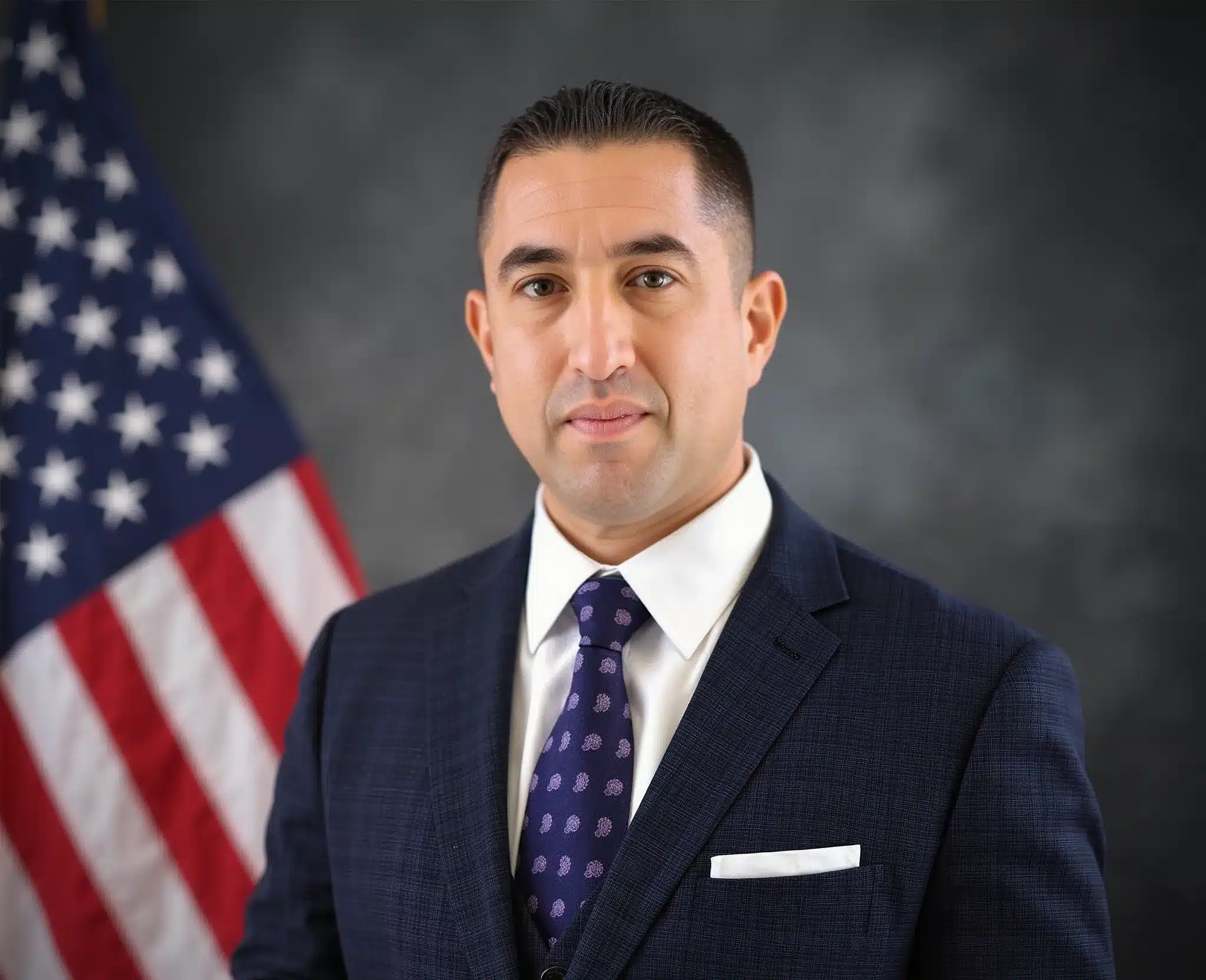
The Law Office of Nabiel C. Ahmed is committed to helping people in Union City and throughout Alameda County navigate the challenges of assault and battery accusations. We understand the stress, confusion, and fear that come with an arrest for a violent or serious crime. Our team takes time to review your case, listen to your concerns, and explain each step of the process in plain language. From arraignment through resolution, we focus on safeguarding your rights and pursuing outcomes that protect your freedom, your record, and your ability to move forward with your life.
Choosing the right criminal defense law firm can have a powerful impact on how your Union City assault or battery case unfolds. Based in Oakland, the Law Office of Nabiel C. Ahmed concentrates on defending people accused of crimes in Alameda and Contra Costa Counties. We are familiar with local court procedures, prosecutorial practices, and the types of evidence that often make or break a case. Our approach is hands-on and attentive, aiming to understand both the legal issues and the personal stakes so we can tailor a defense that reflects your needs and goals.
When you work with our firm, you receive direct communication, clear explanations, and honest assessments of your situation. We do not treat clients as case numbers; we recognize that every assault or battery accusation in Union City carries unique facts and potential consequences. Our office is accessible, and we strive to keep you informed about developments and options at each stage. Whether the best path is negotiation, diversion, or trial, we stand alongside you, prepared to advocate forcefully for the best achievable result under the circumstances.
Our process for handling Union City assault and battery cases is designed to reduce uncertainty and give you a clear roadmap from the first call to final resolution. We begin by learning about you and your priorities, then carefully reviewing the police reports, charging documents, and any available evidence. From there, we identify potential defenses, assess risks, and discuss realistic goals. Throughout the case, we communicate regularly, prepare you for court appearances, and adjust our strategy as new information emerges. Our aim is to protect your rights while guiding you through a system that can feel intimidating and unfamiliar.
The process starts with an initial consultation, where you can share what happened from your perspective and ask questions about the legal system. We review the charges, potential penalties, and any immediate concerns, such as bail, protective orders, or employment issues. In Union City assault and battery cases, early evaluation helps identify time-sensitive evidence that may need to be preserved. We also look for immediate issues in the police conduct or charging decisions that might support early motions or negotiations. By the end of this step, you should have a clearer understanding of the road ahead.
During the first stage, we focus on listening carefully to your story, including what led up to the incident, what occurred during the encounter, and what happened afterward. Many Union City assault and battery cases involve important details that never make it into the police report, such as prior conflicts, threats made by others, or actions taken to avoid violence. We want to understand how the incident is affecting your work, family, and emotional well-being. This information not only shapes our legal strategy but also helps us identify mitigation materials that may benefit you later in negotiations or sentencing.
Once we understand your perspective, we review the criminal complaint, custody status, and any initial discovery available from the prosecutor. For Union City cases, this may include arrest reports, witness statements, and photographs. We explain the charges in everyday language, discuss potential sentencing ranges, and identify immediate action items, such as seeking bail reductions or clarifying protective order terms. We then outline preliminary defense themes, like self-defense or mistaken identity, and discuss whether early negotiations or investigative steps are appropriate. This early clarity helps you feel more informed and prepared as the case moves forward.
The second step focuses on gathering information and building the defense foundation for your Union City assault or battery case. We obtain discovery from the prosecutor, request additional records when necessary, and identify evidence that may not be in the government’s files, such as surveillance video, medical records, or social media posts. We may interview witnesses, review 911 recordings, and examine forensic reports. Throughout this phase, we evaluate legal issues like unlawful searches, improper questioning, or flawed identifications. The goal is to uncover both factual and legal defenses that can strengthen your position in negotiations or at trial.
A key part of defending an assault or battery charge in Union City is understanding exactly what evidence the prosecution intends to rely on. We carefully review all discovery, comparing witness statements to physical evidence and looking for inconsistencies or gaps. When appropriate, we request supplemental reports, body camera footage, or additional records that may shed light on what really happened. We also explore whether any exculpatory evidence has been overlooked. By dissecting the prosecution’s case piece by piece, we can identify weaknesses, potential motions to file, and arguments that may persuade a judge or jury to doubt the accusations.
As the evidence comes into focus, we develop clear defense themes—such as self-defense, mutual combat, overcharging, or credibility issues—that will guide our decisions moving forward. We also begin shaping a negotiation strategy tailored to Union City’s courts and prosecutorial practices. This may involve preparing mitigation materials, highlighting legal vulnerabilities, or proposing alternative resolutions like diversion or reduced charges. We discuss these options with you, explaining the pros and cons of each approach. The objective is to place you in the strongest possible position before entering serious plea discussions or setting the case for trial.
In the third step, we put the defense strategy into action. For many Union City assault and battery cases, this means engaging in focused plea discussions with the prosecutor while simultaneously preparing for the possibility of trial. We may file motions to suppress evidence, challenge identification procedures, or dismiss enhancements. If a fair resolution can be reached, we counsel you carefully on the decision. If not, we continue preparing for trial by refining witness lists, exhibits, and cross-examinations. At each stage, we keep you informed and involved, so any choice you make is thoughtful and well-informed.
Motions are powerful tools in assault and battery cases, particularly when there are questions about how evidence was gathered or how charges were filed. In Union City, we may challenge unlawful searches, improper interrogations, or unreliable identification procedures. Successful motions can suppress damaging evidence or even lead to dismissal of some charges or enhancements. At the same time, we use the strengths revealed by our motions and investigations to push for better plea offers. Throughout this process, we explain each option and help you weigh the risks and benefits of resolving the case versus continuing to litigate.
If your Union City assault or battery case proceeds toward trial, we focus on presenting your defense clearly and effectively to a jury. This preparation includes refining your narrative, organizing exhibits, preparing witnesses, and anticipating the prosecution’s arguments. We work with you on courtroom expectations and, when necessary, test certain arguments or themes in advance. Even at this stage, cases may still resolve through favorable negotiations, often influenced by the strength of trial preparation. Our goal is to ensure that if your case is heard by a jury, your side of the story is fully and fairly presented.
In California, assault and battery are related but distinct offenses. Assault is generally the attempt or threat to use force, combined with the present ability to carry it out, even if no physical contact actually occurs. Battery, on the other hand, requires some form of intentional and unlawful physical contact, even if the contact causes little or no visible injury. Both can be charged as misdemeanors or felonies depending on the circumstances. In Union City, prosecutors often file both charges together when they believe there was an attempt followed by physical contact. Understanding the specific statutes and elements involved in your case helps guide your defense strategy. Your attorney will look at the details of what happened, including intent, level of force, and any injuries, to determine which charges are most vulnerable to challenge and how to argue for reductions, dismissals, or acquittals.
Whether you go to jail for an assault or battery charge in Union City depends on many factors, including the severity of the allegations, your criminal history, and whether the case involves aggravating elements such as weapons or serious injuries. Some first-time misdemeanor cases may be resolved with probation, classes, fines, or community service, while felony or strike-level offenses can carry potential state prison time. Your attorney’s role is to present the strongest possible arguments for alternatives to custody, such as probation, local programs, or treatment options where appropriate. Judges often consider your background, remorse, and steps you have taken since the incident. Early legal representation can help shape how prosecutors and courts view your case, sometimes leading to outcomes that significantly reduce or eliminate time behind bars.
If you are arrested for assault or battery in Union City, the first thing to remember is to stay calm and avoid arguing with officers or others involved. Provide basic identifying information, but you generally have the right to remain silent about the incident itself. You can politely request an attorney and decline to answer detailed questions until you have legal guidance. Anything you say can end up in reports and may be used against you later. You should also avoid contacting the alleged victim or witnesses about the case, especially if a protective order is issued. As soon as possible, contact a criminal defense lawyer who handles assault and battery cases in Alameda County. They can advise you on bail issues, upcoming court dates, and steps to protect evidence, such as saving messages, photos, or potential witness information. Acting quickly can strengthen your defense and help avoid early missteps.
Self-defense is a recognized legal defense in California assault and battery cases, including those arising in Union City. To raise self-defense, you must generally show that you reasonably believed you or another person faced imminent harm, and that the level of force you used was proportional to the perceived threat. Evidence such as injuries, witness accounts, prior threats, and the behavior of others can support these claims. Developing a self-defense argument often requires detailed investigation and careful presentation, because prosecutors may attempt to portray you as the aggressor. Your attorney will look for inconsistencies in the complaining witness’s story, examine the physical evidence, and, when helpful, obtain records of prior conflicts. When self-defense is well-supported, it can lead to reduced charges, favorable plea offers, or not-guilty verdicts at trial.
An assault or battery conviction in Union City can stay on your criminal record and appear on background checks for employment, housing, licensing, and other opportunities. Felony convictions, and those involving violence or great bodily injury, can carry especially heavy consequences. For some people, a conviction may impact professional licenses or create immigration concerns, including potential removal or difficulties obtaining future status. There may be options to reduce these long-term effects, such as seeking reductions from felony to misdemeanor or pursuing expungement after successfully completing probation. These options are limited and depend on the specific outcome of your case. Working closely with a criminal defense lawyer from the beginning allows you to focus not only on avoiding immediate penalties but also on protecting your long-range goals and reputation.
Even if the alleged victim in your Union City assault or battery case wants to drop the charges, the decision whether to proceed rests with the prosecutor, not the complaining witness. Prosecutors may choose to continue the case based on other evidence, such as statements, photographs, medical records, or 911 recordings, especially in cases involving alleged domestic violence or serious injuries. However, the wishes of the complaining witness can sometimes influence how the case is handled, particularly if they express a desire for leniency or alternative resolutions. Your attorney can advise you on whether and how this information might be communicated to the court or prosecutor in an appropriate way. It is important that you do not pressure or harass the other party, as this can lead to additional charges or violations of protective orders.
Talking to the police without legal advice can be risky in any criminal case, including assault and battery charges in Union City. Officers are trained to gather evidence and may focus on statements that support their theories while minimizing information that helps you. Even well-intentioned explanations can be misunderstood, taken out of context, or recorded inaccurately in reports. You generally have the right to remain silent and ask for an attorney before answering questions about the incident. Exercising this right does not mean you are guilty; it simply protects you from making statements that could be misused later. Your lawyer can decide whether, when, and how to share your side of the story, such as through controlled interviews, written statements, or presentations during negotiations or court proceedings.
The length of an assault or battery case in Union City can vary widely. Some misdemeanor matters resolve within a few months through early plea agreements or diversion programs. Felony or strike-level cases, especially those with complex facts, multiple defendants, or extensive discovery, can take many months or longer to reach a final resolution, whether by plea or trial. Court schedules, ongoing investigations, and motion practice all affect timing. While the process can feel slow, patience can sometimes lead to better results. Rushing to accept an early offer might prevent your attorney from obtaining helpful evidence or filing important motions. A good defense strategy balances the desire for closure with the need to build a solid case. Your attorney should keep you updated on expected timelines and any developments that might speed up or extend your case.
Many assault and battery cases in Union City can be reduced or dismissed, depending on the strength of the evidence, the seriousness of the allegations, and your personal background. Reductions might involve changing a felony to a misdemeanor, dropping enhancements like great bodily injury, or amending charges to less serious offenses. Dismissals may occur when key witnesses are unreliable, constitutional violations are found, or evidence is too weak to proceed. Your attorney’s job is to identify paths toward these outcomes by carefully investigating the case, filing motions where appropriate, and presenting meaningful mitigation. Even when a complete dismissal is not realistic, negotiations can often produce resolutions that significantly reduce jail exposure and long-term consequences. Each case is unique, so it is important to discuss your specific situation and goals with your lawyer.
Hiring a local criminal defense law firm for a Union City assault or battery case can provide valuable familiarity with Alameda County courts, prosecutors, and procedures. Lawyers who regularly appear in these courthouses understand how particular judges handle bail, motions, and sentencing, and how local prosecutors tend to evaluate violent and serious crime cases. This local insight can inform strategy and help anticipate what to expect at each step. The Law Office of Nabiel C. Ahmed is based in Oakland and serves clients throughout Alameda and Contra Costa Counties, including Union City. Our focus on criminal defense means we stay current on changes in California law and local practices that affect assault and battery charges. Working with a nearby firm also makes in-person meetings and court appearances more efficient, so your attorney can stay closely involved in every aspect of your case.
"*" indicates required fields