
Being arrested for drunk in public in Pleasanton can be confusing, embarrassing, and overwhelming, especially if it is your first contact with the criminal court system. A simple night out near downtown Pleasanton, a concert, or a local event can suddenly turn into a misdemeanor case that threatens your record, your job, and even professional opportunities. At the Law Office of Nabiel C. Ahmed, we help people throughout Alameda County understand what they are facing, what their options are, and how to move forward with clarity and confidence.
This page is designed to walk you through how California law treats drunk in public cases, how Pleasanton and Alameda County prosecutors handle these charges, and what can be done to protect your future. You will find practical explanations of the law, common defenses, and how an early, well-planned strategy can make a meaningful difference. Whether you were cited after a traffic stop, picked up outside a bar, or involved in a disturbance, you do not have to face the system alone or guess about your rights.
A drunk in public case in Pleasanton may seem minor, but a conviction can bring lasting consequences that reach far beyond fines or community service. It can appear on background checks, affect current or future employment, and create complications for professional licenses or immigration status. Careful legal guidance can often turn a stressful situation into a manageable problem by targeting dismissals, reductions, or diversion programs. Having someone who knows Alameda County courts, local prosecutors, and realistic outcomes can help you avoid unnecessary risks, protect your future plans, and make informed choices at every step.
The Law Office of Nabiel C. Ahmed focuses on criminal defense throughout Alameda County and Contra Costa County, representing clients from Pleasanton, Oakland, and the surrounding communities. Over years of practice, our firm has handled a wide range of alcohol-related offenses, including drunk in public, DUIs, and related disorderly conduct cases. We understand how local judges and prosecutors evaluate these matters, which strategies tend to be persuasive, and how to present your story in the best possible light. Our goal is to reduce the impact of the charge on your life and to help you move forward with confidence and dignity.
In California, being drunk in public is not about simply having alcohol in your system; it is about the combination of intoxication and behavior in a public place. Pleasanton police commonly make these arrests in entertainment areas, around festivals, or after traffic-related contacts when officers believe someone is unsafe to themselves or others. Many people are surprised to learn that no driving is required for a drunk in public case, and that their own statements to officers or bystanders often become key evidence. Understanding how the law actually works is the first step in planning a strong defense.
A drunk in public charge is usually filed as a misdemeanor under California Penal Code section 647(f). Although it may appear on a citation as a relatively simple offense, it carries potential jail time, probation conditions, and collateral consequences that can follow you long after the case closes. In Alameda County, alternatives such as diversion, counseling, or negotiated dismissals may sometimes be available, especially for those with limited records. A thoughtful approach can challenge the officer’s observations, contest whether your behavior met the legal standard, and work toward an outcome that keeps your record as clean as possible.
Under California Penal Code section 647(f), a person is considered drunk in public when they are in a public place under the influence of alcohol, drugs, or a combination, and are unable to exercise care for their own safety or the safety of others, or are obstructing a public way. In Pleasanton, this might involve conduct on sidewalks, parking lots, parks, or businesses open to the public. The prosecution must prove more than simple intoxication; they must show that your condition and behavior met the legal standard. This creates room to argue that your actions were misinterpreted or that the officer’s conclusions were not supported by the facts.
A drunk in public prosecution in Alameda County typically turns on three main questions: whether you were in a public place, whether you were under the influence, and whether your condition created a safety concern or obstruction. The process usually begins with a citation or arrest by Pleasanton police, followed by an arraignment at the local courthouse, where you enter a plea and receive future dates. From there, your attorney can request police reports, body camera footage, and witness statements, then evaluate defenses and negotiation options. The goal is to identify weaknesses in the case, explore dismissal or diversion possibilities, and avoid unnecessary penalties or a damaging permanent record.
When facing a drunk in public charge in Pleasanton, you will hear legal terms that may sound unfamiliar or confusing. Words like “public place,” “under the influence,” and “diversion” carry specific meanings under California law that can shape your options. Understanding these terms helps you follow what is happening in court, evaluate any offers from the prosecutor, and participate fully in decisions about your case. The brief glossary below explains some of the most common phrases used in drunk in public matters so that you can feel more informed and better prepared for each step in the process.
A “public place” in a drunk in public case is any location open and accessible to members of the public, such as streets, sidewalks, parks, restaurants, bars, and many parking lots in Pleasanton. It does not need to be government-owned; private property can be considered public if people are generally allowed to enter without special permission. This definition can become a contested issue, especially when an incident happens in apartment complexes, shared common areas, or semi-private spaces. Challenging whether the location legally qualifies as a public place can be one way to weaken the prosecution’s case.
“Diversion” refers to programs or negotiated resolutions that allow someone charged with a misdemeanor, such as drunk in public, to complete certain conditions in exchange for a dismissal or reduction. In Alameda County, diversion may involve attending classes, counseling, alcohol education, or staying arrest-free for a set period. Successfully finishing these requirements can help you avoid a conviction that would otherwise appear on background checks. Not every case qualifies, and eligibility often depends on your record and the details of the incident. A thoughtful legal strategy can help identify and pursue diversion options when they are realistically available.
“Under the influence” means that alcohol, drugs, or a combination has affected your physical or mental abilities to a noticeable degree, not simply that you have consumed a drink. In drunk in public cases, Pleasanton officers may rely on observations such as slurred speech, unsteady balance, odor of alcohol, or difficulty following directions. Unlike DUI cases, a chemical test is not always required, and many cases hinge on the officer’s subjective impressions. Highlighting alternative explanations for your behavior, such as fatigue, medical conditions, or environmental factors, can sometimes limit how persuasive these observations are in court.
“Probation” in a drunk in public case is a period of court supervision that may follow a plea or conviction. Instead of serving jail time, or in addition to a short custodial term, you may be ordered to obey certain conditions, such as obeying all laws, attending classes, paying fines, or staying away from certain locations in Pleasanton. Successful completion of probation means no further penalties, but violations can result in additional consequences. Understanding what probation involves, how long it may last, and how it can impact travel, employment, and daily life is essential when deciding whether to accept any negotiated plea.
When charged with drunk in public in Pleasanton, you may feel pressured to quickly plead guilty just to “get it over with.” However, there are often multiple paths forward, including seeking diversion, negotiating a reduced charge, requesting a dismissal, or challenging the evidence at a hearing or trial. Each option carries different risks and benefits depending on your record, immigration status, employment situation, and long-term goals. A careful comparison of these choices can help you avoid decisions that seem convenient today but create problems later, allowing you to prioritize outcomes that protect your reputation and future opportunities.
In some first-time drunk in public cases in Pleasanton, a limited approach can be appropriate, especially when the allegations are relatively mild, there was no property damage or injury, and your record is otherwise clean. In these situations, it may be possible to resolve the case through informal diversion, a brief class, or a reduced infraction-type outcome that minimizes long-term impact. The strategy focuses on addressing the court’s concerns while avoiding unnecessary escalation. Even with a limited approach, having clear goals, realistic expectations, and careful communication with the prosecutor can significantly improve the chances of a favorable, low-impact resolution.
A limited approach may also make sense when the evidence in a Pleasanton drunk in public case appears strong, but the potential consequences can be managed through a carefully negotiated plea. For example, if there is clear body camera footage, multiple witnesses, and detailed police reports, your priorities may shift toward minimizing fines, avoiding jail, and protecting your record through plea terms or delayed entries. In these situations, the focus is on damage control: reducing penalties, limiting collateral consequences, and crafting terms that you can realistically complete, rather than engaging in a lengthy, high-risk contested process with uncertain results.
A more comprehensive defense is often necessary when a Pleasanton drunk in public case involves aggravating factors, such as allegations of violence, resisting officers, prior alcohol-related convictions, or immigration concerns. In these circumstances, the stakes rise sharply, and even a single misdemeanor conviction can ripple through many areas of life. A thorough approach can include detailed investigation, witness interviews, examination of body camera footage, and tailored legal research. The goal is to uncover inconsistencies, highlight mitigating circumstances, and develop a strategy that protects your long-term interests, whether that means seeking dismissal, alternative resolutions, or a carefully structured plea.
If you hold a professional license, work in a sensitive field, or are planning for careers that involve background checks or security clearances, even a seemingly minor drunk in public conviction in Pleasanton can pose serious problems. In these cases, a comprehensive defense focuses on safeguarding your future opportunities by targeting outcomes that avoid damaging records where possible. This may involve creative negotiation, documentation of your achievements and character, or pursuing diversion that leads to dismissal. By treating the case as part of your long-term life plan, rather than a short-term inconvenience, you can better protect the goals and reputation you have worked hard to build.
Taking a thorough, well-planned approach to a drunk in public charge in Pleasanton can lead to better outcomes than simply accepting the first offer from the prosecution. By examining reports, challenging assumptions, and presenting your personal story, you may uncover opportunities for dismissal, diversion, or reduced charges that are not obvious at the outset. A comprehensive strategy also allows you to address potential consequences for employment, immigration, and professional licensing. Rather than reacting in the moment, you can respond thoughtfully, with a clear understanding of how today’s decisions might shape your record and reputation for years to come.
Another benefit of a comprehensive approach is peace of mind. When you know that every reasonable option has been explored, and every important detail has been considered, it becomes easier to make choices about pleas, programs, or contested hearings. This process helps you weigh the risks and benefits of each path, understand the likely outcomes in Alameda County courts, and feel confident that your case is being handled with care. With a well-developed plan, you can focus on your life, family, and work, while your legal matter is managed in a deliberate, thoughtful, and goal-oriented way.
A detailed strategy in a Pleasanton drunk in public case increases the likelihood of securing a dismissal, reduction, or diversion outcome. By carefully reviewing body camera footage, evaluating whether the location truly qualifies as a public place, and assessing the officer’s observations, your attorney can identify weaknesses that may not be apparent at first glance. These issues can become leverage in negotiation, opening the door to creative resolutions that protect your record. Taking time to gather supportive materials, such as employment records, character letters, or treatment documentation, can further strengthen your position and demonstrate to the court that a second chance is appropriate.
A comprehensive defense in a drunk in public case is not just about the legal file; it is about your life outside the courtroom. Employers, landlords, schools, and licensing boards often rely on background checks that can reveal even misdemeanor convictions from Pleasanton and surrounding areas. By prioritizing outcomes that minimize or avoid a permanent mark, you protect your ability to apply for jobs, housing, and educational programs without unnecessary obstacles. A thoughtful strategy also helps you prepare for how to honestly discuss the situation, if needed, in a way that emphasizes growth, responsibility, and the steps you have taken to move forward constructively.
After a drunk in public arrest or citation in Pleasanton, it can be tempting to explain yourself to officers, friends, or even social media. However, statements made in the heat of the moment are often taken out of context and can later appear in police reports or in court. It is usually wiser to remain calm, request to speak with a lawyer before answering detailed questions, and avoid posting about the incident online. Preserving your rights and limiting unnecessary statements can prevent misunderstandings, protect your legal defenses, and give your attorney a stronger foundation to work from.
Courts in Alameda County, including those handling Pleasanton cases, often look favorably on people who take proactive steps to address concerns raised by a drunk in public arrest. Attending voluntary alcohol education, counseling, or community programs can demonstrate that you take the situation seriously and are committed to avoiding future problems. Keeping documentation of these efforts gives your attorney helpful materials to present during negotiations or sentencing. Such actions do not admit guilt, but they can humanize your case, support requests for reduced penalties or diversion, and help the court see you as a whole person rather than just a police report.
Although a drunk in public case may feel like a minor embarrassment, the impact on your life can be significant if it is not handled carefully. A conviction can appear in background checks, create complications for certain careers, and potentially influence how future cases are treated if you face new charges down the road. In Pleasanton and across Alameda County, courts and prosecutors have discretion in how they resolve these cases, and thoughtful advocacy can often change the outcome. Taking the matter seriously from the beginning helps protect your record, your peace of mind, and your long-term plans.
Addressing a drunk in public charge promptly also reduces stress and uncertainty. Many people spend months worrying because they do not understand the process or what to expect in Pleasanton courts. By seeking guidance early, you can get clear answers, timelines, and realistic expectations. This allows you to plan for work, family, and financial responsibilities while your case moves forward. You may also uncover options that disappear if you wait too long, such as early diversion or informal resolutions. Taking proactive steps now can lead to a more manageable, predictable, and favorable resolution later.
Pleasanton drunk in public charges often arise from everyday situations that suddenly escalate, such as nights out at local bars, concerts, sporting events, or gatherings in parks and downtown areas. Police may be called for a noise complaint, disturbance, or welfare check, and a social situation can quickly turn into a criminal case. Sometimes people are arrested after being asked to leave a business, following a minor argument, or when officers believe someone is unable to safely care for themselves. Understanding these patterns can help you see how your case fits into the broader picture and what strategies might be most effective in defending it.
One frequent scenario involves a night out in or around downtown Pleasanton, where restaurants and bars are within walking distance. As the evening ends, police may monitor sidewalks, parking lots, and surrounding streets for disturbances or safety concerns. A person who is loud, unsteady, or involved in a disagreement may attract unwanted attention, and what started as a fun evening can result in a drunk in public citation. Alcohol, crowds, and misunderstandings can combine to create a situation that looks worse on paper than it felt in the moment. A careful defense can highlight context and challenge exaggerated descriptions of your behavior.
Drunk in public arrests in Pleasanton also occur at concerts, community events, festivals, and other large gatherings where alcohol is present. Security staff or police may be called for a minor incident, such as someone stumbling, arguing with friends, or appearing ill, and decide to treat the situation as a criminal matter rather than simply helping the person get home safely. In these crowded, noisy environments, officers sometimes misinterpret actions or overestimate someone’s level of impairment. Witness statements, video footage, and careful review of the incident timeline can be important in pushing back against assumptions and seeking a fair, balanced evaluation of what really happened.
Another common path to a drunk in public charge in Pleasanton begins with an unrelated police contact, such as a traffic stop, parking lot encounter, or noise complaint at a home gathering. Even if you are not driving, officers may believe you are under the influence and unable to care for yourself or safely remain where you are. What started as a warning or minor issue can escalate into handcuffs and a trip to jail. These cases sometimes involve conflicting accounts or incomplete investigations. A focused defense can examine whether the officer’s decision to arrest was justified and whether a less severe response would have been more appropriate.
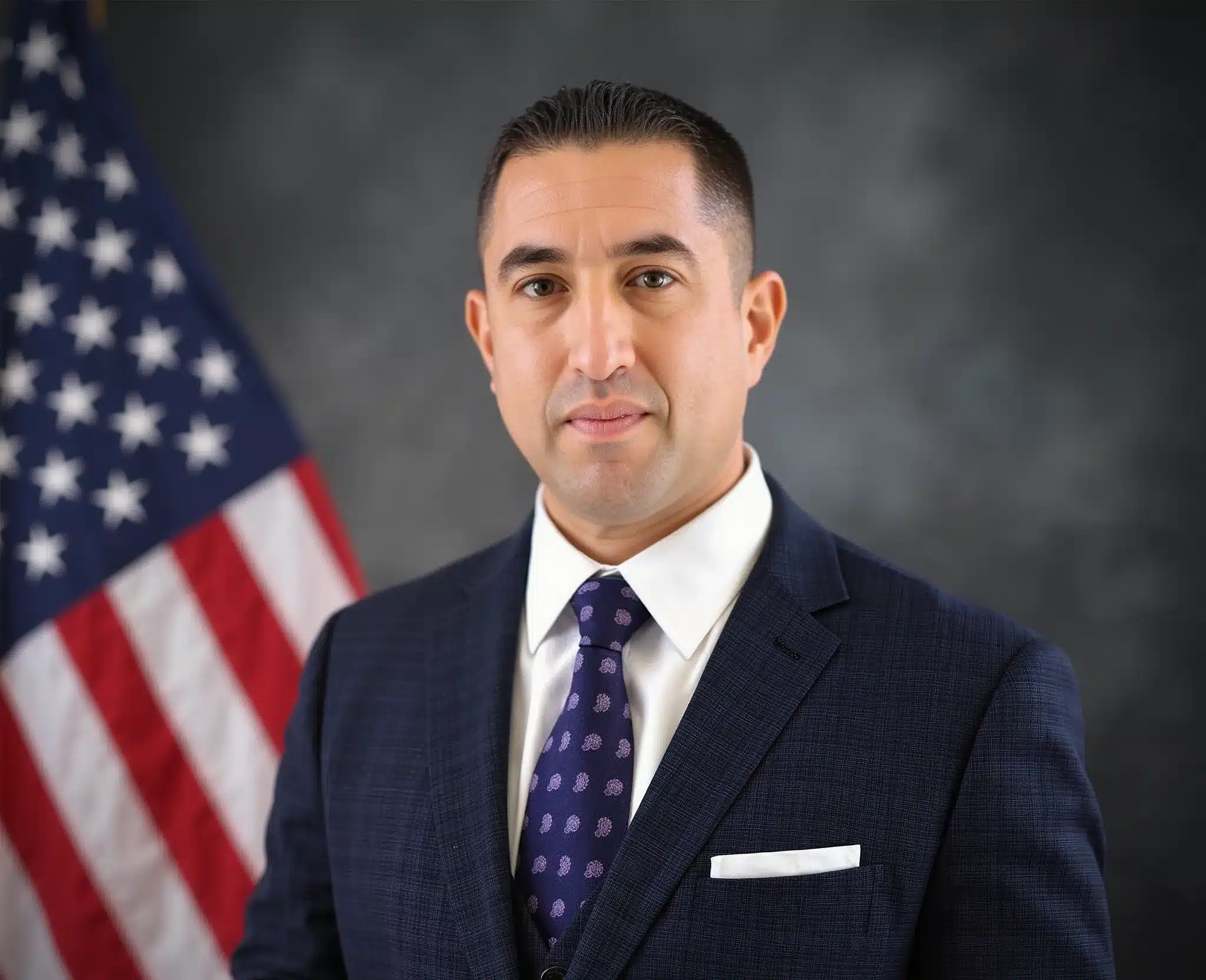
The Law Office of Nabiel C. Ahmed, based in Oakland, represents people facing drunk in public allegations throughout Alameda County, including Pleasanton. We understand how disruptive an arrest or citation can be, and we work to reduce the burden on you by attending court when possible, explaining each step in plain language, and focusing on realistic results. Our approach is collaborative: we listen to your concerns, learn about your background, and tailor the defense strategy to your priorities. Whether your goal is dismissal, record protection, or simply minimizing stress, we are committed to guiding you through the process with clarity and care.
Choosing the right law office for a drunk in public charge in Pleasanton can make a meaningful difference in how your case feels and how it resolves. Our firm focuses on criminal defense in Alameda and Contra Costa Counties, giving us a deep understanding of how local courts operate, what prosecutors consider important, and which options are realistically on the table. We take time to learn your story, review the evidence, and explain your choices so that you can make informed decisions rather than reacting out of fear. Our goal is to protect your rights, your record, and your future opportunities.
From the first call to the final court appearance, we work to make the process as manageable as possible. We are accessible, responsive, and committed to keeping you informed about developments in your case. Our experience with drunk in public matters, DUIs, and other alcohol-related offenses allows us to spot patterns, anticipate challenges, and craft persuasive arguments tailored to Alameda County courts. Whether we are negotiating with prosecutors, seeking diversion, or contesting allegations, we aim to provide steady support and a thoughtful strategy that fits your unique circumstances and long-term goals.
When you contact the Law Office of Nabiel C. Ahmed about a Pleasanton drunk in public charge, we follow a structured process designed to reduce stress and maximize your options. We begin by learning what happened from your perspective, reviewing any paperwork you received, and explaining the potential consequences in clear terms. Next, we obtain the police reports and evidence, then evaluate strengths, weaknesses, and possible defenses. Throughout the case, we communicate with the court and the prosecutor on your behalf, exploring opportunities for dismissal, diversion, or favorable plea agreements while preparing to challenge the charges when necessary.
The first step in handling a Pleasanton drunk in public case is an in-depth consultation where we learn about you and the incident in detail. We review your citation, any booking paperwork, and your criminal history, if any, to understand what is at stake. During this stage, we explain the charges, possible penalties, and how Alameda County courts typically handle similar cases. We also identify immediate actions, such as preserving evidence or documenting injuries. This initial evaluation lays the groundwork for a tailored strategy that reflects your goals, whether that means seeking a quick resolution, protecting your record, or aggressively challenging the allegations.
In the early part of our representation, we focus on listening. We want to know where you were in Pleasanton, what led up to the police contact, how officers treated you, and what your main worries are. This includes understanding your job, family responsibilities, immigration status, and any professional licenses or background checks that may be affected. By hearing your story in your own words, we can identify important details that might not appear in the police report. These insights help us craft a defense that is not only legally sound but also shaped around the real-life consequences that matter most to you.
After learning about your situation, we carefully explain what a drunk in public charge means under California law and how Pleasanton cases typically move through the system. We discuss potential consequences, such as fines, probation, classes, or a permanent record, as well as possible alternatives like diversion or negotiated dismissals. Our goal is for you to leave the consultation with a clear understanding of what to expect, rather than guessing or relying on rumors. With this knowledge, you can participate meaningfully in decisions about plea offers, court appearances, and next steps, feeling more in control of a process that can otherwise seem intimidating.
The second step in our process is a thorough review of the evidence and development of a defense strategy tailored to your Pleasanton drunk in public case. We obtain police reports, body camera footage, and any available witness statements. We look closely at whether the location was truly a public place, whether your behavior met the legal standard, and whether officers followed proper procedures. Based on this review, we identify strengths and weaknesses on both sides and explore available options, including challenging the evidence, seeking dismissal, or negotiating reduced charges or diversion programs that protect your record and long-term interests.
Evidence review is a central part of defending a drunk in public case arising out of Pleasanton. We request all relevant materials from the prosecution, including reports, photographs, audio, and body camera videos. We also consider independent evidence, such as surveillance footage from nearby businesses or statements from friends who were present. By comparing your account with the official version, we can spot inconsistencies, gaps, or overstatements. This analysis helps determine whether to challenge probable cause, question the description of your condition, or argue that your conduct did not meet the legal requirements for a criminal conviction under Penal Code 647(f).
Once we understand the evidence, we work with you to build a strategy that reflects your priorities. Some clients want to avoid trial and focus on minimizing penalties; others are more concerned with protecting their record or addressing immigration or licensing issues. In Pleasanton drunk in public cases, this may involve pursuing diversion, contesting the charges, or negotiating creative plea terms. We explain the pros and cons of each option, give you our assessment of likely outcomes, and revise the plan as new information emerges. Throughout this phase, communication remains open so you always understand where your case stands.
The final step in handling a Pleasanton drunk in public case centers on negotiation with the prosecution, court appearances, and working toward a resolution that aligns with your goals. We appear in court on your behalf when allowed, advocate for dismissals, reductions, or diversion, and present mitigating information that shows you as a whole person, not just a police report. If the case cannot be resolved through agreement, we are prepared to challenge the evidence in hearings or at trial. Throughout this stage, we keep you informed about every development so that you can make decisions with confidence and peace of mind.
Negotiation is often a key part of resolving a drunk in public case in Pleasanton. We communicate with Alameda County prosecutors to highlight weaknesses in their case, present evidence that supports your version of events, and share mitigating information about your background, work history, and community ties. Our aim is to persuade them that a dismissal, diversion, or reduced charge is a fair and efficient outcome. By approaching these discussions with preparation, professionalism, and a clear narrative, we increase the chances that the prosecution sees you as an individual whose case deserves a measured, thoughtful resolution rather than a routine, one-size-fits-all outcome.
When a resolution is reached in your Pleasanton drunk in public case, our work turns to implementation and planning for the future. If you enter a plea, we ensure that you understand every condition, deadline, and obligation, from classes to fines or community service. If your case is dismissed or reduced, we discuss how to answer background check questions honestly and what steps you might take to further protect your record. We also review potential future relief, such as expungement, when available. Our goal is not only to close the case, but to help you move forward with clarity, confidence, and a plan.
In California, drunk in public is generally charged as a misdemeanor under Penal Code 647(f), and Pleasanton cases are no exception. If you are convicted, the case can appear on your criminal record and may be visible to employers, landlords, and licensing agencies during background checks. The exact impact depends on your overall history and how different organizations interpret misdemeanor convictions. There are, however, ways to limit or avoid long-term harm. Depending on the facts of your Pleasanton case and your record, it may be possible to negotiate a reduction, secure diversion, or seek a dismissal. Later, options like expungement may sometimes help clean up your record. Talking with a lawyer early is the best way to understand which of these paths might realistically be available for your situation.
Many Pleasanton drunk in public cases can be dismissed or reduced under the right circumstances, particularly for people with minimal or no prior record. Prosecutors may consider diversion programs, amended charges, or agreements that lead to dismissal after classes, counseling, or a period without new offenses. The strength of the evidence, the officer’s observations, and your personal background all influence what can be negotiated. A lawyer can review the police reports, body camera footage, and any witness accounts to identify weaknesses in the case. If there are questions about whether the area was truly public, whether you were actually unable to care for yourself, or whether your behavior was exaggerated, those points may become leverage in discussions with the prosecutor. The goal is to find the most favorable realistic outcome for your situation.
Whether you must personally appear in court for a Pleasanton drunk in public case depends on the specific charge, the stage of the case, and how the court handles misdemeanor appearances. In many situations, a lawyer can appear on your behalf for routine hearings, allowing you to continue working or taking care of family obligations without missing multiple days for court. That said, there may be key hearings or final resolution dates where your presence is required, especially if a plea or trial is involved. Your attorney can let you know in advance which dates require you to be there and what to expect. This guidance helps reduce anxiety and makes it easier to plan your schedule while your case is pending in Alameda County.
For a drunk in public conviction under Penal Code 647(f), the law allows for possible jail time, probation, fines, and conditions such as classes or counseling. In practice, many first-time Pleasanton cases resolve with alternatives to jail, especially when there are no injuries, property damage, or aggravating factors. However, outcomes vary, and there is no guarantee, which is why it is important to understand your specific situation. The most significant penalty for many people is the effect on their record and future opportunities. A misdemeanor conviction can show up on background checks and may raise questions from employers or licensing boards. A careful legal strategy can help you work toward outcomes that reduce these consequences, such as diversion, dismissals, or reduced charges, when the facts and your history support such resolutions.
A drunk in public conviction in Pleasanton can appear on criminal background checks and may cause concern for certain employers, landlords, schools, or licensing agencies. While some organizations treat a single misdemeanor as minor, others have strict policies about any criminal history. The impact often depends on your career field, the nature of the position, and whether you are required to report arrests or convictions. One goal in defending these cases is to limit or avoid a record that could create future obstacles. Options may include negotiating for diversion that ends in dismissal, seeking charge reductions, or later pursuing expungement when available. A lawyer can also help you understand how to honestly but carefully explain the situation if you are asked about it during job applications or interviews, emphasizing accountability and the steps you have taken since the incident.
Defenses in Pleasanton drunk in public cases often focus on whether the legal elements were actually met. For example, you may argue that the location was not truly a “public place,” that you were not so impaired that you could not care for yourself, or that your behavior did not obstruct a public way. Sometimes witnesses or video contradict the officer’s version of events, showing that the situation was calmer or less dangerous than described. Other defenses can relate to how the investigation was handled. If officers misinterpreted medical conditions, fatigue, or injuries as intoxication, or if important evidence was not preserved, these issues can be raised in court or negotiations. Each case is unique, so a careful review of the facts, reports, and recordings is essential to identify which defenses are realistically available in your situation.
Many first-time drunk in public cases in Pleasanton do not result in jail, particularly when there are no aggravating circumstances such as violence, property damage, or repeated prior offenses. Courts and prosecutors often consider alternatives that focus on education, treatment, or community-based resolutions. However, jail remains a legal possibility under California law, so it cannot be completely ruled out. The likelihood of jail time depends on your criminal history, the details of the incident, and how the case is presented to the court. By highlighting your background, responsibilities, and any proactive steps you have taken since the incident, a lawyer can argue for leniency and propose alternatives that address concerns without requiring incarceration. Early, thoughtful advocacy can significantly reduce the risk of spending time in custody on a first offense.
Immediately after a drunk in public arrest or citation in Pleasanton, try to stay calm and avoid making detailed statements about what happened or how much you had to drink. Anything you say may be written in the police report and used later in court. Request to speak with a lawyer before answering questions beyond basic identifying information, and do not discuss the incident on social media. As soon as you are able, collect your paperwork, write down your memory of events, and gather the names and contact information of any witnesses. Note any cameras in the area that might have captured video. Then, contact a criminal defense law firm that handles Alameda County cases to review your situation. Taking these steps early helps protect your rights, preserve important evidence, and place you in the best possible position moving forward.
The timeline for a drunk in public case in Alameda County, including Pleasanton, varies depending on court calendars, the complexity of the case, and whether you choose to fight the charges or seek a quicker resolution. Some cases resolve in a few months, while others may take longer if there are multiple hearings, negotiations, or evidentiary issues to address. Courts often schedule progress dates to monitor the case and encourage discussions between the parties. During this period, your lawyer can appear in court on your behalf when allowed, keeping you updated on every development. While waiting can feel stressful, the extra time sometimes works to your advantage by allowing more thorough investigation, consideration of diversion options, and thoughtful negotiation. Understanding the expected timeline helps you plan work and family obligations while the case is pending.
The Law Office of Nabiel C. Ahmed focuses on criminal defense in Alameda and Contra Costa Counties, including drunk in public cases arising in Pleasanton. Our familiarity with local judges, prosecutors, and court practices allows us to give realistic advice about what to expect and which strategies are most likely to succeed. We take time to listen, answer questions, and explain each step in plain language so that you are never left wondering what is happening with your case. We also understand that your case is about more than just the charges; it is about your job, your family, and your reputation. Our approach is to tailor the defense to your specific concerns, whether that means safeguarding your record, avoiding harsh penalties, or pursuing a dismissal when feasible. From the first consultation to the final court date, we are committed to providing steady guidance and practical, results-oriented advocacy.
"*" indicates required fields