
Facing a vehicular manslaughter charge in Newark can turn your life upside down. Suddenly, you may be dealing with police investigations, court dates, and overwhelming pressure from prosecutors and insurance companies. The Law Office of Nabiel C. Ahmed helps people throughout Alameda County navigate these difficult moments with steady guidance and clear information. This page explains how vehicular manslaughter cases work in California, what to expect in the court process, and how thoughtful legal representation can protect your rights, your record, and your future opportunities in Newark and the surrounding communities.
Vehicular manslaughter cases are often emotionally charged because they involve serious injuries or loss of life, as well as intense scrutiny of a driver’s decisions. In Newark, law enforcement and prosecutors aggressively investigate collisions they believe involve negligence, speeding, or impairment. You may feel judged before all the facts are known. Our goal is to provide reliable information, investigate what truly happened, and make sure your side of the story is heard. With careful preparation and strategic advocacy, many clients are able to reduce the impact of these charges or pursue alternatives to the harshest consequences.
The Law Office of Nabiel C. Ahmed focuses on criminal defense throughout Alameda County and Contra Costa County, including Newark, Oakland, and nearby cities. For years, the firm has represented drivers accused of serious and violent offenses, from DUI-related crashes to complex vehicular manslaughter cases. The practice is built around thorough investigation, motion practice, and thoughtful negotiations with local prosecutors. Clients receive straightforward advice about their options, potential outcomes, and risks at each stage of the case. By understanding local courts and procedures, the firm works to protect clients from harsh consequences and to secure the most favorable resolution available.
Vehicular manslaughter in California generally refers to causing another person’s death while driving, due to negligence, unlawful driving behavior, or in some situations, alleged intoxication. In Newark, these cases may arise from freeway collisions, neighborhood street accidents, or incidents in busy commercial areas. Prosecutors will often rely on police reports, collision diagrams, and statements taken at the scene. However, those early impressions may not tell the full story. Weather conditions, road design, mechanical problems, and other drivers’ actions can all play a role. Understanding the specific statute charged and how it applies to your situation is the first step toward building a defense.
California separates vehicular manslaughter charges based on the level of alleged negligence, whether a driver was accused of DUI, and whether the case is filed as a misdemeanor or felony. In Newark, cases may be heard in Alameda County courts, where judges consider factors like prior record, speed, distraction, and any alleged traffic violations. Some charges involve ordinary negligence, while others allege gross negligence or driving under the influence, which can dramatically increase potential penalties. A careful review of the evidence, including body-worn camera footage, 911 calls, and expert accident analysis, can uncover issues that may reduce or challenge the charges against you.
Under California law, vehicular manslaughter generally involves causing a death while driving without the intent to kill, but with some form of negligent or unlawful conduct. In Newark, this might include allegations of speeding through an intersection, looking at a phone, making an unsafe lane change, or driving after consuming alcohol. The law distinguishes between ordinary negligence and gross negligence, with the latter treated far more severely. The prosecution must prove not only that your driving was negligent, but also that this conduct was a substantial factor in causing the fatality. Challenging these elements can significantly impact the outcome of your case.
A typical vehicular manslaughter case in Newark involves several key elements: the alleged negligent act, causation, and the resulting death. Prosecutors may try to show that your driving departed from what a reasonable person would do under similar circumstances. The court process usually includes an arrest or citation, arraignment in Alameda County court, pretrial conferences, motion hearings, and possibly trial. During these stages, your defense attorney can challenge the traffic investigation, question whether your actions truly caused the collision, and argue for a fairer characterization of your conduct. The process also provides opportunities to negotiate reduced charges or alternative sentencing options.
Vehicular manslaughter cases in Newark often involve technical legal terms that can feel confusing during an already stressful time. Understanding phrases like “gross negligence,” “wobbler,” and “causation” helps you follow what prosecutors and judges are discussing in court. Many of these terms directly affect potential penalties, eligibility for probation, and the likelihood of a felony conviction. When you understand the language used in reports and hearings, you can participate more meaningfully in decisions about plea offers, motions, and trial strategy. A clear glossary empowers you to ask better questions and stay informed while your case moves through the Alameda County court system.
Gross negligence refers to more than just a simple mistake or momentary carelessness behind the wheel. In California vehicular manslaughter cases, prosecutors use this term to describe conduct they claim is so reckless that it shows a severe disregard for human life or safety. In Newark, allegations of extreme speeding, racing, or driving in a highly dangerous manner may lead to claims of gross negligence. This label can be the difference between a misdemeanor and a serious felony, so challenging whether your actions truly meet this standard is often an important part of defending a vehicular manslaughter charge.
Causation is the legal idea that your conduct must be a substantial factor in causing the harm alleged, in this context a fatal collision. In Newark vehicular manslaughter cases, prosecutors may argue that a driver’s speeding, distraction, or lane change directly led to another person’s death. However, many crashes involve multiple contributing factors, such as other drivers’ behavior, poor lighting, road hazards, or mechanical failures. Demonstrating that your actions were not the primary cause of the tragedy, or that the chain of events is less clear than claimed, can significantly weaken the prosecution’s case and support a more favorable outcome.
Ordinary negligence generally means failing to use reasonable care under the circumstances, such as not paying full attention to traffic or misjudging distance. In Newark vehicular manslaughter cases, prosecutors may claim that a driver’s momentary lapse, like looking away from the road or rolling through a stop sign, qualifies as negligence. While still serious, ordinary negligence is treated differently from gross negligence and can lead to less severe charges and penalties. Carefully examining the events leading up to the collision can show that your actions were consistent with what many reasonable drivers might do, which may help reduce the level of accusation.
A wobbler offense is a charge that can be filed as either a misdemeanor or a felony, depending on the facts of the case and prosecutorial discretion. Many vehicular manslaughter allegations in California fall into this category. In Newark, whether the district attorney files a wobbler as a felony can depend on perceived risk to the community, prior driving history, and how the collision occurred. This decision has a major impact on potential custody time and long-term consequences. Effective advocacy early in the process can sometimes encourage filing or resolving the case at the misdemeanor level rather than as a felony.
When charged with vehicular manslaughter in Newark, you may have several legal options, including defending the case at trial, negotiating a plea to reduced charges, or seeking alternative resolutions such as probation, treatment programs, or lesser traffic-related offenses. Each approach carries its own risks and potential benefits. Some clients prioritize avoiding a felony conviction or lengthy custody, while others focus on protecting professional licenses or immigration status. Evaluating the strength of the evidence, witness credibility, accident reconstruction findings, and your personal history is essential before choosing a path. Working closely with your attorney allows you to select an approach aligned with your goals and tolerance for risk.
In some Newark vehicular manslaughter cases, a more limited defense strategy may be reasonable, particularly when mitigating factors are strong and your prior record is minimal or nonexistent. If accident reconstruction is straightforward, the alleged negligence is minor, and there is genuine remorse, prosecutors may be open to reduced charges or sentencing commitments. In these circumstances, the focus may be on gathering character letters, employment records, and treatment documentation rather than preparing for a lengthy trial. A targeted approach can reduce stress, shorten the case timeline, and still protect your future, while avoiding the uncertainty and emotional toll of a contested jury trial.
A limited approach can also make sense when the evidence in a Newark vehicular manslaughter case is particularly strong and the primary question is how to limit the consequences rather than whether the incident occurred. For example, multiple independent witnesses, clear video footage, and admission of fault at the scene may narrow the realistic outcomes. In this scenario, focusing on negotiations, early acceptance of responsibility, and a detailed mitigation package can lead to probation, reduced custody, or alternative programs. The goal is to secure the best possible terms while minimizing public exposure, emotional strain, and the financial cost of extended litigation.
A comprehensive defense strategy is typically needed when key facts in a Newark vehicular manslaughter case are hotly disputed or technically complex. Collisions involving multiple vehicles, questions about road design, conflicting witness accounts, or potential mechanical failures often require detailed investigation. This may mean working with accident reconstruction professionals, reviewing electronic data from vehicles, and analyzing surveillance footage frame by frame. A broader defense also involves challenging the legal basis for traffic stops, searches, and statements. When the stakes are high and the story is not clear-cut, a thorough, multi-layered approach can significantly improve your chances of a more favorable outcome.
Comprehensive representation is also important when a Newark vehicular manslaughter charge carries significant felony exposure and long-term consequences. A felony conviction can affect employment opportunities, housing options, professional licensing, and immigration status. When prosecutors seek state prison, lengthy probation, or strike-related consequences, the defense must explore every available avenue: pretrial motions, evidentiary challenges, alternative plea structures, and detailed sentencing presentations. By thoroughly preparing each phase—from investigation through potential trial and sentencing—the defense can highlight your background, achievements, and rehabilitation efforts, giving the court a fuller picture than the police report and supporting a more measured resolution.
Taking a comprehensive approach to defending a vehicular manslaughter case in Newark can significantly influence both the legal result and your experience throughout the process. A wider strategy looks beyond the initial police narrative and examines every detail, from road conditions and vehicle dynamics to your medical history and mental state at the time of the collision. This can uncover favorable facts, procedural errors, or alternative explanations for what happened. A thorough defense also anticipates the prosecution’s arguments, prepares you for court appearances, and addresses collateral issues like DMV proceedings, insurance complications, and media attention that may arise in high-profile cases.
Another benefit of a comprehensive approach is the opportunity to present a fuller picture of your life to prosecutors and the court. In Newark, judges often consider community ties, family responsibilities, employment record, and steps taken toward healing or restitution. By gathering letters of support, counseling records, and evidence of positive contributions, your defense team can humanize your situation and counter any portrayal of you as only the worst moment of your life. This can support requests for reduced charges, probation, or alternative sentencing, and can make a meaningful difference in how the case impacts your future opportunities and relationships.
A comprehensive defense involves digging into every piece of evidence in a Newark vehicular manslaughter case, which often leads to a stronger position during negotiations. When prosecutors know that accident reconstruction, witness interviews, and discovery have been carefully reviewed, they may be more open to reasonable offers. Identifying weaknesses in the state’s case, such as inconsistent statements or flawed assumptions about speed or visibility, can give your attorney leverage to argue for reduced charges or alternative sentencing. This groundwork is also invaluable if your case proceeds to trial, where the details uncovered during investigation can be used to challenge the prosecution’s version of events.
If your Newark vehicular manslaughter case goes to trial or a contested sentencing hearing, a comprehensive approach ensures you are not walking into the courtroom unprepared. Detailed preparation includes reviewing testimony, planning how to respond under cross-examination, and developing clear themes for your defense. It also involves gathering documents, letters, and treatment records to present during sentencing, if needed. Judges in Alameda County want context, not just a police report, when deciding your future. By investing the time to organize your story, your achievements, and your plans moving forward, your defense team can advocate for outcomes that support rehabilitation and second chances.

After a serious collision in Newark, you may feel pressure to explain yourself to police, insurance adjusters, or other parties. While cooperation is important, speaking in detail without legal guidance can unintentionally harm your case. Statements made at the scene, at the hospital, or during follow-up calls may be interpreted in ways you never intended. It is usually wise to provide basic identifying information but decline detailed questioning until you have consulted with a criminal defense attorney. This simple step helps protect your rights, preserves potential defenses, and prevents misunderstandings that prosecutors might later use against you in court.
Vehicular manslaughter allegations carry enormous emotional weight, especially when a life has been lost. It is common to feel guilt, anxiety, and fear about the future. Seeking counseling, leaning on trusted friends or family, and maintaining work or school responsibilities where possible can provide stability during your Newark case. Courts often view proactive steps toward healing and responsibility favorably. Keeping a record of counseling sessions, support group attendance, or community involvement can also become part of a mitigation package. Caring for your own well-being does not diminish the seriousness of the situation; it helps you stay focused and engaged as your case moves forward.
Anyone facing vehicular manslaughter allegations in Newark should consider dedicated criminal defense representation because the stakes are extraordinarily high. A conviction can mean jail or prison, years of probation, restitution orders, and long-term impacts on employment, housing, and driving privileges. Even first-time offenders with strong backgrounds are not immune to severe penalties. The legal issues in these cases, including accident reconstruction, causation, and levels of negligence, are often complex. Having a knowledgeable advocate to review every aspect of the case, explain your options, and communicate with prosecutors can prevent avoidable mistakes and support a more favorable resolution.
Another important reason to seek defense counsel is the emotional and practical burden that comes with a serious charge. In Newark, you may be juggling work, family responsibilities, medical appointments, and insurance claims while also navigating the criminal courts. Legal representation can handle court logistics, negotiate scheduling, and communicate with the district attorney, giving you room to manage your life. A defense attorney can also help coordinate with civil lawyers or insurance representatives, reducing conflicting advice. With someone guiding the legal strategy and keeping track of deadlines, you can focus on personal recovery while still actively participating in important case decisions.
Vehicular manslaughter charges in Newark can arise from a wide range of driving situations. Some cases involve alleged distracted driving, such as looking at a phone or navigation device. Others stem from speeding on local streets or freeways, misjudging gaps in traffic, or failing to yield at intersections. Allegations of driving under the influence of alcohol or drugs can also lead to more serious forms of vehicular manslaughter. Weather, road construction, and sudden actions by other drivers may complicate the story. Because each collision has its own unique circumstances, careful investigation is necessary before drawing conclusions about fault or criminal responsibility.
One frequent scenario in Newark vehicular manslaughter cases involves alleged distracted driving. A driver might glance at a text message, adjust the radio, or look at a navigation display for just a moment. If a collision occurs at the same time, law enforcement may assume distraction was the cause. However, distractions can also come from passengers, outside events, or sudden actions by other vehicles. Investigating the timing, witness statements, and any available video can show whether distractions actually played a significant role. Understanding this distinction is important, because prosecutors often rely heavily on perceived distraction to support accusations of negligence.
Another common circumstance in Newark involves speeding or making unsafe maneuvers in heavy traffic. Busy roadways and freeway interchanges can create situations where quick decisions are necessary. A driver might accelerate to merge, change lanes to avoid a hazard, or attempt to clear an intersection before the light changes. When a collision follows, investigators may focus on speed or lane changes as the primary cause, sometimes overlooking other drivers’ actions or road conditions. Detailed analysis of skid marks, vehicle damage, and traffic signal timing can reveal that the situation was more nuanced than the initial police report suggests.
Some of the most serious vehicular manslaughter charges in Newark arise from collisions where police suspect driving under the influence of alcohol or drugs. These cases often involve blood or breath testing, field sobriety exercises, and questions about the accuracy of chemical results. It is important to examine how the stop occurred, whether testing equipment was properly maintained, and whether medical or environmental factors could have affected the results. In addition, even if some level of impairment is alleged, the prosecution must still show that your driving was a substantial factor in causing the fatality. Careful scrutiny of both DUI and accident evidence is essential.
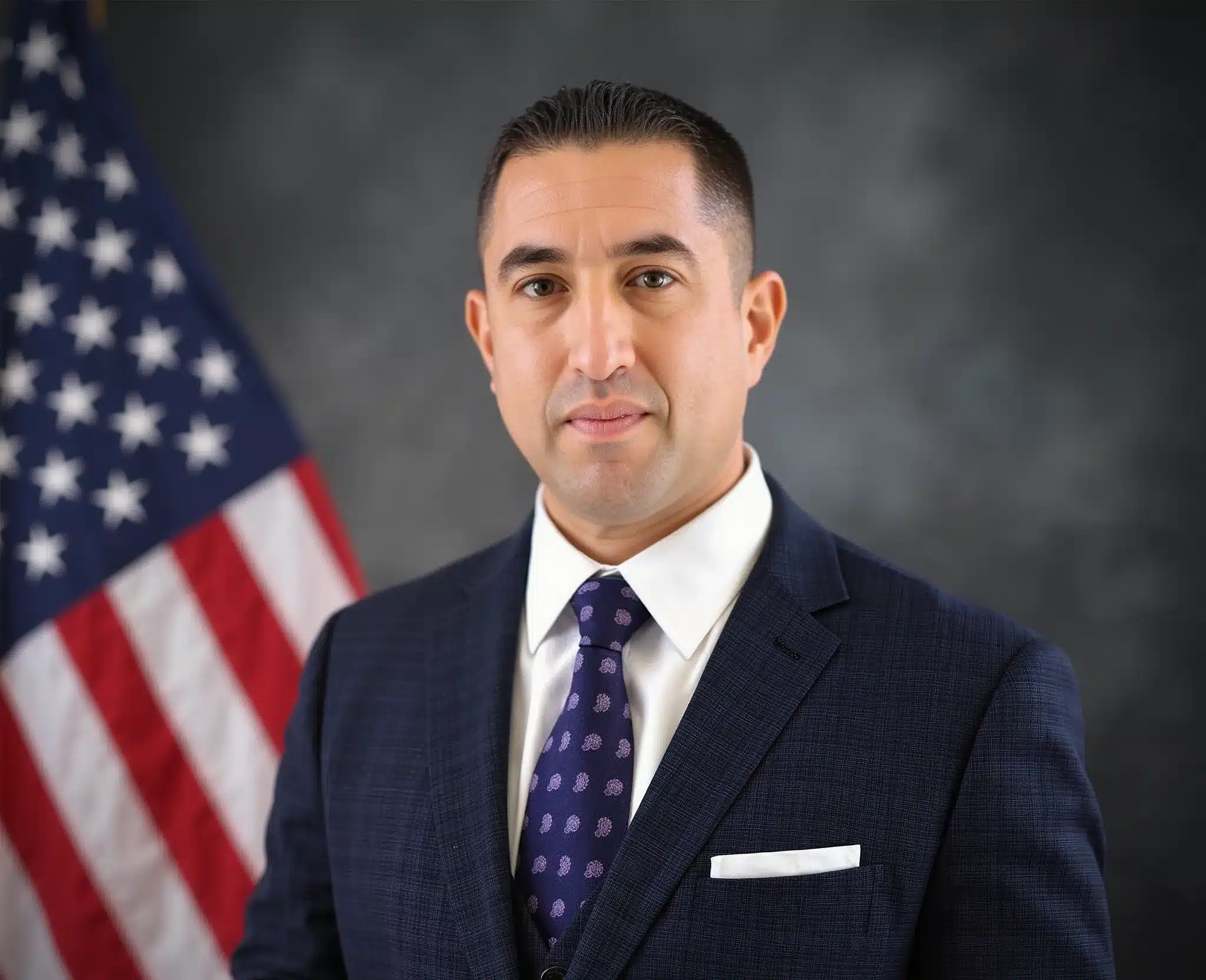
The Law Office of Nabiel C. Ahmed understands how overwhelming it can feel to face a vehicular manslaughter accusation in Newark or elsewhere in Alameda County. From the first phone call, our goal is to listen, answer your questions, and begin protecting your rights. We can handle communications with law enforcement and prosecutors, request and review discovery, and coordinate necessary investigations. Throughout the process, you will receive honest feedback about your options, potential outcomes, and the steps involved. Whether your case calls for negotiation or a contested hearing, our firm is committed to standing beside you and guiding you through each stage.
Choosing the right legal team for a vehicular manslaughter case in Newark can make a meaningful difference in how your case unfolds. The Law Office of Nabiel C. Ahmed is a criminal defense law firm that regularly appears in Alameda County courts and understands local procedures, prosecutor tendencies, and judicial expectations. Clients receive direct communication, clear explanations of legal concepts, and honest assessments of strengths and weaknesses. The firm’s approach emphasizes preparation, from early investigation to detailed sentencing planning, so that every hearing has a purpose. This careful attention to detail helps clients feel informed and supported while pursuing the best available outcome.
Our firm also recognizes that each Newark vehicular manslaughter case involves a human story, not just a case number. We take time to learn about your background, family responsibilities, and future goals. This information allows us to craft mitigation materials, seek creative resolutions, and present you as a whole person to the court. We coordinate with investigators, consultants, and treatment providers when appropriate, and we keep you updated as your case progresses. By combining legal skill with genuine concern for your well-being, the Law Office of Nabiel C. Ahmed works to safeguard your rights and protect your future opportunities.
When you contact the Law Office of Nabiel C. Ahmed about a Newark vehicular manslaughter charge, we follow a step-by-step process designed to give you clarity and direction. First, we listen to your account and review any documents you already have, such as citations or police paperwork. Next, we obtain discovery from the prosecution, including reports, videos, and test results. We then identify legal and factual issues, consult with you about goals, and develop a defense strategy. Throughout the case, we keep you informed about court dates, negotiations, and potential outcomes, so you always know what to expect and how to prepare.
The first step in our Newark vehicular manslaughter defense process is an initial consultation, where you can discuss what happened, ask questions, and learn about the road ahead. During this meeting, we gather basic information about the collision, your background, and any prior criminal or driving history. We also review available paperwork and explain the charges you may be facing. This early evaluation allows us to spot immediate concerns, such as upcoming court dates or time-sensitive evidence that must be preserved. By the end of the consultation, you will better understand your rights, potential penalties, and the ways our firm can assist.
In the first part of the initial consultation, our focus is on listening to your story and concerns without judgment. Newark vehicular manslaughter cases are emotionally heavy, and clients often carry worry, sadness, and confusion. We encourage you to describe the events before, during, and after the collision, including interactions with police and any medical treatment. We also ask about personal obligations, such as family or employment, that might influence case strategy. This conversation helps us understand what matters most to you and ensures that our defense plan addresses both the legal issues and the practical realities of your life.
The second part of the initial consultation focuses on education and planning. We explain the specific vehicular manslaughter statutes that may apply to your Newark case, the difference between misdemeanor and felony filings, and the possible range of penalties. We also describe the stages of a typical Alameda County criminal case, including arraignment, pretrial conferences, motion hearings, and trial. By reviewing these details early, we reduce uncertainty and help you make informed choices about how to proceed. We conclude by outlining immediate next steps, such as requesting discovery, preserving evidence, and planning for your first court appearance.
Once representation begins, our Newark vehicular manslaughter defense process moves into a detailed investigation and evidence review phase. We request full discovery from the prosecution, including police reports, body-worn camera footage, dashcam video, 911 recordings, and any available accident reconstruction documents. At the same time, we work with you to identify witnesses, locate additional video sources, and gather photographs or records that may support your account. This evidence is carefully analyzed for inconsistencies, missing information, and potential legal issues, such as unlawful stops or Miranda concerns. The goal is to build a accurate understanding of what happened before shaping negotiation or trial strategies.
During the investigation phase, a key part of our work is challenging the prosecution’s narrative about the Newark collision. Police reports are often written quickly and may rely on assumptions about speed, visibility, or driver behavior. We compare these reports against physical evidence, witness statements, and your own recollection. Where needed, we consult with accident reconstruction professionals or forensic consultants to test the prosecution’s theories. By highlighting gaps, inconsistencies, or alternative explanations, we strengthen your bargaining position and prepare potential defenses for trial. This careful scrutiny often uncovers issues that can support reduced charges or more favorable plea offers.
After reviewing the evidence, we begin developing negotiation and motion strategies tailored to your Newark vehicular manslaughter case. This may involve preparing motions to suppress statements, challenge searches, or limit certain evidence at trial. At the same time, we assess which facts and mitigation themes might persuade prosecutors to consider reduced charges or sentencing commitments. We keep you informed about the strengths and weaknesses we see and discuss realistic goals. With your input, we decide whether to prioritize an early resolution or continue investigating and litigating. This collaborative strategy development ensures that the approach matches your values and tolerance for risk.
The final phase of our Newark vehicular manslaughter defense process focuses on resolution, trial preparation, and, if necessary, sentencing advocacy. If negotiations lead to a plea agreement you wish to accept, we walk you through every term and its consequences. If your case proceeds toward trial, we prepare witness examinations, evidentiary presentations, and clear defense themes. Should there be a conviction or negotiated plea, we shift our attention to presenting a strong sentencing package, highlighting your history, achievements, and positive steps. Throughout this stage, we continue to communicate with you regularly so you understand what is happening and can participate in key decisions.
In many Newark vehicular manslaughter cases, resolution occurs through negotiated pleas, but trial must remain a prepared option. We help you weigh plea offers against the risks of trial, explaining potential outcomes in plain language. If you decide to resolve the case, we ensure you understand every part of the agreement. If you prefer to proceed, we prepare rigorously, from drafting questions for witnesses to planning how to present your version of events. This preparation not only positions you for trial but can also improve plea discussions, as prosecutors recognize your readiness to challenge their case when necessary.
When sentencing becomes an issue in a Newark vehicular manslaughter case, presenting strong mitigation can significantly influence the outcome. We work with you to gather letters from family, employers, and community members, as well as records of counseling, treatment, or community involvement. We may prepare a written sentencing memorandum to explain your background, the impact of the case on your life, and the steps you have taken toward responsibility and healing. By providing the court with a fuller picture, we advocate for terms that emphasize rehabilitation, reasonable custody recommendations, and conditions that allow you to rebuild your life while still addressing the seriousness of the offense.
Vehicular manslaughter in Newark generally refers to causing another person’s death while driving, due to alleged negligence or unlawful driving behavior, without intending to kill. This could involve claims of speeding, distraction, unsafe lane changes, or traffic violations that prosecutors argue were a substantial factor in the fatality. The exact charge depends on the level of alleged negligence and whether alcohol or drugs were involved. California law recognizes several forms of vehicular manslaughter, including misdemeanors and felonies. Some are based on ordinary negligence, while others allege gross negligence or drunk driving, which carry harsher potential penalties. Because the statutory definitions and elements can be complex, it is important to have a defense attorney review the specific code sections listed on your complaint or citation and explain how they apply to the facts of your Newark collision.
Whether you will go to jail or prison for vehicular manslaughter in Newark depends on many factors, including the exact charge, your prior record, the level of alleged negligence, and the case’s unique circumstances. Some vehicular manslaughter offenses are punishable by county jail or state prison, while others may allow for probation and alternative sentencing. Judges in Alameda County typically consider your history, risk to the community, and steps taken toward responsibility when deciding sentences. A defense attorney’s job is to analyze these factors and advocate for the least restrictive outcome possible. This often involves presenting mitigation, such as stable employment, family responsibilities, treatment participation, and community support. In some cases, it may be possible to negotiate reduced charges or sentencing commitments that limit or avoid incarceration. While no lawyer can promise a particular result, informed advocacy can significantly improve your chances of a more favorable resolution.
Allegations of alcohol or drug use can dramatically affect a vehicular manslaughter case in Newark. If prosecutors believe you were under the influence at the time of the collision, they may pursue more serious charges, including DUI-related manslaughter or even murder under certain circumstances. These offenses often carry longer potential sentences and stricter conditions. Chemical test results, field sobriety exercises, and officer observations usually form the basis of such allegations. However, the presence of alcohol or drugs does not automatically mean the state can prove its case. Testing procedures may be flawed, equipment may be poorly maintained, and medical or environmental factors can influence results. Your defense attorney can examine how the stop occurred, whether your rights were respected, and whether the tests comply with legal standards. Challenging the reliability of DUI evidence can sometimes lead to reduced charges or improved negotiating positions in vehicular manslaughter cases.
Immediately after a fatal car accident in Newark, your first responsibility is safety and emergency assistance. Call 911, cooperate with basic instructions from law enforcement, and seek medical evaluation if you are injured, even if injuries seem minor. Avoid arguing with others at the scene. Provide identifying information and insurance details as required, but be cautious about making detailed statements or accepting blame before you fully understand what happened and speak with counsel. As soon as reasonably possible, consider contacting a criminal defense attorney with experience handling serious collision cases. Early representation allows your lawyer to help protect your rights, advise you about interactions with officers and insurance adjusters, and start preserving important evidence. It is also wise to document your own recollection of events and keep track of any medical treatment. Taking these steps can provide a stronger foundation for your defense if charges are later filed.
In some Newark vehicular manslaughter cases, it is possible to seek reduced charges or even a dismissal, depending on the facts and evidence. For example, if accident reconstruction shows that your actions were not the main cause of the collision, or if key witnesses are unreliable, prosecutors may be open to negotiating lesser offenses. In other situations, legal challenges to stops, searches, or statements can weaken the state’s case and support better offers. A dismissal typically requires showing significant legal or factual problems with the prosecution’s evidence. While not every case can be dismissed, many can be improved through thorough investigation, motion practice, and strategic negotiations. Your defense attorney will review police reports, video, and scientific evidence to identify issues and then discuss realistic goals with you. Together, you can decide whether to focus on seeking reduced charges, alternative sentencing, or, when appropriate, a full challenge at trial.
The length of a vehicular manslaughter case in Alameda County, including Newark, can vary widely. Some cases resolve within a few months if the evidence is straightforward and the parties reach an early agreement. Others, especially those involving complex accident reconstruction, multiple witnesses, or contested legal issues, may take a year or longer. Scheduling depends on court calendars, the availability of experts, and how quickly discovery is produced and reviewed. While longer cases can feel stressful, the extra time can also allow your defense team to thoroughly investigate, file motions, and build a strong mitigation package. Judges often prefer that serious matters be resolved carefully rather than rushed. Your attorney should keep you updated about expected timelines, upcoming hearings, and reasons for any delays. Understanding the process can help you prepare emotionally and logistically while your case moves through the Alameda County court system.
Speaking with police or insurance adjusters without legal representation after a Newark vehicular manslaughter incident can carry significant risks. Statements you make, even when you are trying to be helpful or express sympathy, may later be interpreted as admissions of guilt or used out of context. Investigators and adjusters are trained to ask questions that clarify their own objectives, which may not align with your best interests or potential defenses. Consulting with a criminal defense attorney before participating in detailed interviews can help you avoid misunderstandings and protect your rights. Your lawyer can be present during questioning, advise you about which topics to address, and help you understand the consequences of sharing certain information. With insurance adjusters, counsel can also coordinate communications to ensure that your civil and criminal positions are consistent. This careful approach supports both your defense and your long-term interests.
A vehicular manslaughter case in Newark can have serious implications for your California driver’s license. Depending on the specific charge, the Department of Motor Vehicles may impose suspensions or revocations separate from any court-imposed penalties. In cases involving alleged DUI, there are often strict timelines for requesting DMV hearings to challenge potential suspensions. Missing these deadlines can lead to automatic consequences, even before your criminal case is resolved. Your defense attorney can help you understand the relationship between the criminal case and DMV actions. Sometimes, the outcome of the criminal case can influence license decisions, while in other instances the DMV makes independent determinations. By addressing both fronts—court and DMV—you may have more options to preserve or later reinstate your driving privileges. Maintaining the ability to drive can be essential for work, family responsibilities, and meeting court-ordered obligations in the future.
For non–U.S. citizens, vehicular manslaughter charges in Newark can create additional concerns about immigration status. Certain convictions may be viewed as crimes involving moral turpitude or aggravated felonies, which can carry severe immigration consequences, including deportation or barriers to future relief. The specific impact depends on the statute of conviction, the sentence imposed, and your current status or pending applications. Because immigration law is complex, it is important for your criminal defense attorney to consider immigration consequences when evaluating plea offers or trial strategies. Your lawyer may collaborate with an immigration attorney to understand the risks and explore alternative resolutions that lessen negative impacts. Addressing these issues early in the case can help avoid unintended consequences and protect your ability to remain with your family and community in the United States.
The Law Office of Nabiel C. Ahmed assists Newark clients facing vehicular manslaughter charges by providing clear guidance, thorough investigation, and dedicated courtroom advocacy. From the outset, we review police reports, videos, and scientific evidence to identify potential defenses and weaknesses in the prosecution’s case. We communicate with prosecutors, negotiate when appropriate, and file motions to challenge improper evidence or procedures. Our goal is to protect your rights while working toward the most favorable outcome possible under the circumstances. Beyond the legal strategy, our firm understands the emotional strain that comes with serious allegations. We make time to answer your questions, explain each step of the Alameda County court process, and discuss realistic expectations. We also help gather mitigation materials, coordinate with treatment providers, and address collateral issues such as DMV consequences. By combining legal skill with attentive client service, we guide you through a difficult chapter and help you move toward rebuilding your life.
"*" indicates required fields