
Facing a murder charge in Livermore is one of the most overwhelming situations anyone can experience. Your freedom, your future, and your reputation are all on the line from the moment an investigation begins. California law treats violent and serious crimes with some of the harshest penalties, and prosecutors devote major resources to these cases. If you or a loved one has been arrested or is under investigation for murder in Livermore, you need clear information, steady guidance, and a defense strategy tailored to the facts of your situation.
At the Law Office of Nabiel C. Ahmed, we defend people in Livermore and throughout Alameda County who are accused of violent and serious crimes, including all degrees of homicide. We understand how quickly law enforcement and prosecutors move after an arrest, and how intimidating every court date can feel. Our goal is to protect your rights, challenge the state’s evidence, and pursue every possible path to a reduced charge, dismissal, or acquittal. You do not have to navigate this alone or guess about your options.
Murder cases in Livermore carry potential penalties that can include decades in prison or even life behind bars. The stakes are extraordinarily high, and prosecutors often rely on aggressive tactics, complex forensic evidence, and emotional arguments to secure a conviction. Having a seasoned criminal defense attorney on your side levels the playing field by protecting your rights, examining every piece of evidence, and pushing back against overcharging or unreliable witnesses. The right legal support can help uncover defenses, negotiate reduced charges, and expose weaknesses in the prosecution’s case, giving you a meaningful chance to fight for your future and your family.
The Law Office of Nabiel C. Ahmed focuses on defending people facing criminal accusations in Alameda County and Contra Costa County, including serious violent charges filed in Livermore. Over many years of practice, the firm has handled thousands of criminal cases ranging from misdemeanors to complex felony trials. We are familiar with local judges, prosecutors, and court procedures, and we use that knowledge to anticipate how a case is likely to unfold. From the first phone call to resolution, our team is committed to clear communication, thorough investigation, and building defense strategies based on the unique facts of each client’s situation.
Murder cases fall under California’s broader homicide laws, which cover any situation where one person is accused of causing the death of another. In Livermore, these cases are prosecuted in Alameda County courts and can involve allegations ranging from first-degree murder to lesser forms of homicide. The legal definitions, potential penalties, and available defenses all depend on details such as intent, planning, use of weapons, and surrounding circumstances. Understanding these distinctions is essential for anyone facing a homicide investigation because it helps you see what the prosecution must prove and where your defense may be strongest.
Many people are surprised to learn that not every homicide is charged the same way. Some cases involve allegations of intentional killing, while others center on claims of recklessness, provocation, or participation in another crime. In Livermore, law enforcement may also pursue charges against more than one person based on theories of aiding, abetting, or conspiracy. Our firm helps clients make sense of police reports, charging documents, and potential sentencing exposure. With a clear understanding of the law, you can make informed decisions about whether to negotiate, file motions, or take your case to trial.
Under California law, murder is typically defined as the unlawful killing of a human being with malice aforethought. That phrase covers more than just planned or premeditated acts. It can include situations where someone allegedly acted with an intent to kill, showed extreme disregard for human life, or participated in certain dangerous felonies that resulted in a death. There are important distinctions between first-degree murder, second-degree murder, and manslaughter, each with different sentencing ranges. When a homicide occurs in Livermore, Alameda County prosecutors will analyze the facts and decide what level of charges to file, which can dramatically affect your potential outcome.
A murder case generally begins with an investigation by local law enforcement, followed by an arrest and formal charges filed by the Alameda County District Attorney. Prosecutors must prove specific legal elements, such as an unlawful killing, a certain mental state, and a causal connection between the accused’s actions and the death. The process often includes arraignment, pretrial hearings, motion practice, plea negotiations, and potentially a jury trial. Along the way, critical issues may arise concerning search and seizure, interrogation, forensic testing, and witness credibility. An effective defense focuses on challenging these elements and processes at every stage, not just at trial.
When you are facing a murder charge in Livermore, legal jargon can be overwhelming. Words like malice, premeditation, and felony murder appear in charging documents and court hearings, and understanding them can help you stay grounded during a stressful time. A clear grasp of common terms allows you to follow your case, participate in building your defense, and evaluate any offers made by the prosecution. Below are several important concepts that frequently arise in homicide cases, especially those prosecuted in Alameda County courts serving Livermore residents.
Malice aforethought is a legal term used in California to describe the mental state required for a murder conviction. It does not always mean hatred or long-term planning. Instead, it can refer to an intent to kill, an intent to cause serious bodily harm, or acting with conscious disregard for human life. Prosecutors in Livermore homicide cases often focus on proving malice through statements, behavior, weapons used, or the nature of the alleged act. Challenging whether malice actually existed can be a powerful way to argue for a reduced charge, such as manslaughter, or even a full acquittal.
The felony murder rule allows prosecutors to charge someone with murder if a death occurs during the commission of certain serious felonies, even if there was no specific intent to kill. Although California has narrowed this rule in recent years, it still plays a role in cases involving robbery, burglary, and other violent offenses in Livermore. Under this theory, a person may face a murder charge based on alleged participation in the underlying felony. Understanding how the felony murder rule applies, and whether recent legal reforms might limit its use, is essential in building a strong defense strategy.
Premeditation and deliberation are factors that often distinguish first-degree murder from lesser homicide charges in California. Premeditation generally refers to forming a plan to kill, while deliberation involves carefully weighing the decision, even if this happens quickly. In Livermore cases, prosecutors may point to prior arguments, threats, or preparations as evidence of premeditation. Defense strategies may focus on disputing whether any plan existed, arguing that events unfolded suddenly, or showing that the accused lacked the mental state claimed by the state. These issues can significantly affect potential sentencing and plea negotiations in Alameda County courts.
Manslaughter is a form of homicide that involves an unlawful killing without the level of malice required for murder. In California, it can be charged as voluntary, such as in a heat-of-passion situation, or involuntary, based on reckless behavior. For Livermore residents, manslaughter charges may arise from fights, sudden disputes, or dangerous actions that allegedly caused a death. While still serious and life-changing, manslaughter generally carries less severe penalties than murder. A strong defense may aim to reduce a murder charge to manslaughter by highlighting provocation, lack of intent, or other mitigating circumstances recognized under California law.
Anyone charged with murder in Livermore faces difficult decisions, including whether to fight the charges at trial, negotiate a plea to a lesser offense, or pursue dismissal through pretrial motions. Each path carries different risks and potential benefits. A negotiated resolution may reduce exposure to lengthy prison terms, while a trial may offer the chance for a complete not-guilty verdict. The right approach depends on the strength of the evidence, the availability of defenses, and your personal priorities. Our firm carefully reviews discovery, explains realistic outcomes, and works with you to choose the strategy that best protects your future.
In some Livermore homicide cases, police reports, video, and witness statements may clearly point away from first-degree murder but still support a lesser offense, such as manslaughter. When the facts strongly favor a reduced charge, a focused negotiation strategy may provide the best outcome. This approach often centers on highlighting weaknesses in the prosecution’s theory of intent or malice, presenting mitigating factors, and emphasizing your background and circumstances. While every case is different, a narrow strategy can sometimes lead to a significantly shorter sentence or alternative programs, especially when the risk of losing at trial is particularly high.
In other situations, a limited approach focused on targeted motions can be effective. For example, if your Livermore case involves a questionable traffic stop, a coerced statement, or an unreliable identification procedure, the defense may concentrate on specific constitutional challenges. By attacking key pieces of evidence through motions to suppress or exclude, it may be possible to weaken the prosecution’s case enough to secure a dismissal or favorable plea. This strategy can be less time-consuming and stressful than a full trial while still giving you meaningful leverage in plea discussions with Alameda County prosecutors.
When a Livermore murder charge carries the possibility of decades in prison or a life sentence, a comprehensive defense approach is often necessary. This may include hiring investigators, consulting with forensic professionals, reviewing medical records, and carefully analyzing every report and audio or video recording. A thorough strategy allows the defense to uncover inconsistencies, locate favorable witnesses, and expose gaps in the prosecution’s timeline. With so much at stake, taking the time to investigate every angle and prepare for trial can give you the best opportunity to protect your freedom and challenge the state’s narrative in court.
Complex Livermore murder cases often involve technical evidence, such as DNA analysis, ballistics reports, cell phone data, and surveillance footage. When this type of evidence is central to the prosecution’s case, a comprehensive defense strategy is essential. This may involve carefully reviewing lab procedures, challenging chain of custody, questioning the reliability of testing methods, and presenting alternative interpretations. When witness accounts conflict or memories are uncertain, thorough preparation can reveal bias, error, or misunderstanding. By fully engaging with the scientific and factual details, the defense can present a clear, persuasive story that counters the version put forward by prosecutors.
A comprehensive defense approach offers significant advantages when facing a murder charge in Livermore. By examining every aspect of the case, from initial police contact to forensic reports, the defense can identify issues that might otherwise be missed. Thorough preparation often reveals alternative suspects, flawed assumptions, or legal violations that may justify suppression of evidence. This level of attention can also strengthen your position in plea negotiations, as prosecutors must consider the risk of taking a well-prepared defense to trial. The more fully your side of the story is developed, the more options you may have for securing a fair outcome.
Beyond the courtroom, a comprehensive defense can provide peace of mind during an incredibly stressful time. Knowing that your attorney is investigating leads, interviewing witnesses, and challenging the prosecution’s narrative can make court dates and decisions more manageable. For Livermore residents, this approach also allows family members to stay informed and involved, which can be vital for emotional support. In the end, a complete strategy seeks not only to address the immediate charges but also to minimize long-term consequences, such as parole conditions, collateral impacts, and the broader effect on your life once the case is resolved.
When the defense commits to a thorough strategy, it becomes possible to challenge the prosecution’s story at every turn. In a Livermore murder case, that might include questioning how police conducted the investigation, whether officers followed proper procedures, and whether witnesses were influenced by media coverage or suggestion. A comprehensive approach allows your attorney to piece together a detailed timeline, compare it with the state’s version, and expose contradictions that raise reasonable doubt. This type of preparation can be a powerful tool in negotiations and at trial, where jurors often respond strongly to carefully documented inconsistencies.
By fully investigating a Livermore murder case, the defense may uncover legal and factual issues that open the door to reduced charges or even dismissal. For example, a deep review of phone records might show that you were not at the scene, or a careful look at forensic testing might reveal contamination or error. When prosecutors see that their case has vulnerabilities, they may become more open to negotiating manslaughter or other lesser offenses. In some situations, judges may grant motions that remove key evidence, leaving the state without enough to proceed, which can result in charges being dropped.


If you are contacted by Livermore police about a murder investigation, one of the most important steps you can take is to remain calm, stay silent, and clearly ask for an attorney. Anything you say, even if you believe it helps, can later be used against you or taken out of context by investigators. Politely decline to answer questions until you have legal counsel present. This applies whether you are at the station, in custody, or approached at home. Exercising your right to remain silent protects you from accidental self-incrimination and gives your lawyer the chance to guide every interaction.
Time is critical in any Livermore murder investigation. Surveillance footage can be erased, memories can fade, and physical evidence can be lost. As soon as possible, make a list of potential witnesses, save photos, messages, or videos that may support your version of events, and share this information with your attorney. Your legal team can work with investigators to secure important evidence before it disappears. Acting quickly can uncover alibi information, show a different sequence of events, or reveal self-defense circumstances. The sooner your defense starts preserving evidence, the more options you may have to challenge the charges.
When homicide allegations arise, waiting to speak with a lawyer can severely limit your options. In Livermore, police and Alameda County prosecutors begin building their case very early, often before formal charges are filed. Early legal representation allows your attorney to communicate with investigators, protect your rights during questioning, and advise you about what to do if you anticipate an arrest. Quick action can help prevent damaging statements, secure favorable evidence, and influence charging decisions. The sooner you seek representation, the more opportunities there are to shape the future of your case and safeguard your freedom.
A murder accusation affects every part of your life, from employment and housing to relationships and mental health. Having a Livermore murder lawyer on your side from the beginning provides structure and guidance during a chaotic time. Your attorney can explain what to expect in court, help you understand bail and release options, and keep you informed about deadlines and hearing dates. This support allows you and your family to prepare for each step, reduce uncertainty, and avoid common pitfalls. Engaging counsel early is not only about legal strategy; it is also about having a steady advocate in your corner.
Murder charges in Livermore can arise from a wide range of circumstances, including neighborhood disputes, domestic conflicts, bar or party altercations, and incidents connected to other alleged crimes. Sometimes the accused was present but denies any involvement in the killing. In other cases, self-defense or defense of another person may be at the center of the case. Alcohol, drugs, and long-standing personal tensions can also play a role in how events unfold. Understanding how your situation fits into common patterns of homicide prosecutions can help your defense team focus on the issues that matter most in court.
Many homicide cases in Alameda County begin as heated domestic or relationship-related disputes that suddenly escalate. Arguments between partners, ex-partners, or family members can quickly turn physical, especially when alcohol, jealousy, or long-standing conflict is involved. When a death occurs, law enforcement may assume the worst and move quickly to arrest one person, sometimes without fully understanding the history or context. In Livermore, these cases often raise complex questions about self-defense, mutual combat, and emotional distress. A careful defense can highlight these dynamics and push back against simplified narratives presented by the prosecution.
Public fights outside bars, house parties, or events in Livermore can spiral out of control, leading to serious injuries or death. When this happens, witnesses may be scattered, intoxicated, or influenced by fear, making their accounts unreliable. Police may arrive after the fact and have to piece together what occurred from inconsistent stories and incomplete video footage. In such cases, determining who started the confrontation, whether weapons were involved, and whether someone acted in self-defense can be complicated. A thorough defense looks closely at the lead-up to the event, crowd behavior, and any available recordings to uncover the truth.
Sometimes a murder charge arises in connection with another alleged crime, such as robbery, burglary, or drug-related activity. In Livermore, these cases may involve the felony murder rule or theories that multiple people share responsibility for a death. The prosecution may argue that simply participating in the underlying felony makes someone accountable for any killing that occurs, even if they did not intend harm. These cases require careful analysis of each person’s role, knowledge, and actions. The defense may challenge whether the felony was actually committed, whether the law applies as alleged, or whether recent reforms should limit liability.
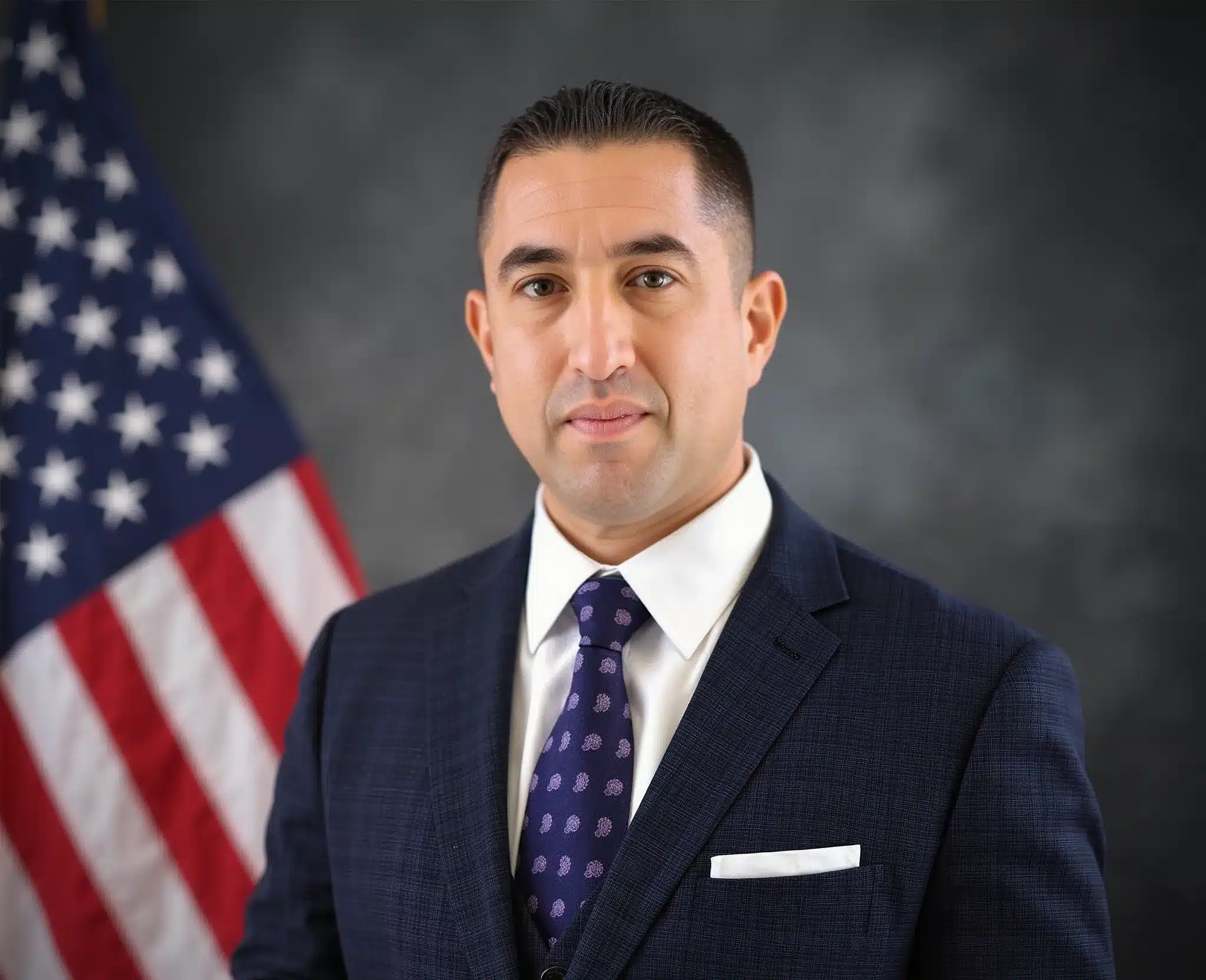
If you or a loved one is under investigation or has been charged with murder in Livermore, the Law Office of Nabiel C. Ahmed is ready to step in and provide focused legal guidance. Our firm understands how frightening this situation can be and how urgently you need information, support, and advocacy. We take the time to listen to your side of the story, review the evidence, and explain your options in plain language. From the first consultation, our priority is to protect your rights and begin building a strategy that reflects your goals and concerns.
Choosing a law firm to defend you against a murder charge in Livermore is one of the most important decisions you will ever make. The Law Office of Nabiel C. Ahmed focuses its practice on criminal defense and has represented thousands of clients in Alameda and Contra Costa County courts. We are familiar with local courtroom procedures, judges, and prosecutors, which helps us anticipate challenges and opportunities in your case. Our approach is hands-on and personalized, centered on understanding your situation and crafting a tailored defense that reflects the unique facts and circumstances surrounding the charges.
From the moment you contact our office, you will work directly with a dedicated defense team that communicates clearly and consistently. We promptly return calls, keep you updated on new developments, and prepare you for each court appearance. Our firm is committed to thorough investigation, careful review of police conduct, and strategic motion practice when your rights have been violated. We also understand that your family is deeply affected by the case, and we strive to provide them with information and reassurance. Our goal is to stand between you and the power of the state, protecting your future at every step.
When you contact the Law Office of Nabiel C. Ahmed about a Livermore murder case, we follow a structured process designed to safeguard your rights and build a strong defense. It begins with a comprehensive consultation where we gather background information, discuss what happened, and review any documents you already have. From there, we obtain discovery from the prosecution, conduct our own investigation, and identify the key issues that will shape your case. Throughout the process, we provide honest guidance about possible outcomes, help you evaluate options, and stand with you in court at every important hearing.
The first step in handling a Livermore murder charge is a detailed consultation and case assessment. During this meeting, we listen carefully to your account of the events, ask questions to clarify timelines and relationships, and review any paperwork such as charging documents or police reports. We also discuss your background, current concerns, and goals for the case. This information allows us to evaluate immediate issues like bail, upcoming court dates, and potential risks. By the end of this step, you will have a clearer understanding of the legal landscape and how our firm can begin protecting your rights.
In the early stages of your Livermore murder case, it is essential that we fully understand your perspective. We encourage you to share what happened before, during, and after the incident, as well as any interactions with police or witnesses. We also ask about your family obligations, employment, and other factors that may influence decisions about bail or plea offers. This conversation is confidential and judgment-free. By identifying your most pressing worries, such as custody status or media attention, we can prioritize actions that provide the greatest relief while also laying groundwork for a solid defense strategy.
After learning your story, we carefully review any documents you bring, including arrest reports, charging sheets, and prior court notices. This initial review helps us spot early legal issues and understand how prosecutors are framing the case. We then discuss realistic goals based on the information available, such as fighting for release from custody, seeking dismissal, or preparing for trial. For Livermore cases, we also explain how Alameda County courts handle homicide charges, including timelines and typical procedures. Setting clear goals together ensures that you understand the strategy moving forward and how each step serves your long-term interests.
Once we are retained, our firm moves quickly into the investigation and discovery phase. We request all available reports, videos, witness statements, and forensic results from the prosecution. At the same time, we conduct our own investigation, which may involve visiting the scene in Livermore, interviewing witnesses, and consulting with professionals in relevant fields. As we review this information, we look for constitutional violations, inconsistencies, and factual disputes. Where appropriate, we file motions to suppress unlawfully obtained evidence or challenge unreliable identification procedures. This stage is critical in shaping the strength of the case against you and creating leverage for negotiations or trial.
A strong defense in a Livermore murder case often requires looking beyond the state’s version of events. Our independent investigation may include photographing the scene, canvassing for additional witnesses, analyzing 911 calls, and reviewing medical or autopsy records. We might also examine phone records, social media activity, and any available surveillance footage to test the prosecution’s timeline. By developing our own evidence, rather than relying solely on police work, we can uncover details that support self-defense claims, alternative suspects, or reasonable doubt. This hands-on approach helps ensure that your side of the story receives full and fair consideration.
During the discovery phase, we analyze how the evidence in your Livermore case was obtained and whether your constitutional rights were respected. If police conducted an illegal search, obtained a statement without proper warnings, or used unduly suggestive identification procedures, we may file motions asking the court to exclude that evidence. Successful motions can significantly weaken the prosecution’s case or even lead to dismissal of charges. Even when motions are not fully granted, they can reveal weaknesses in the state’s position, which may encourage more favorable plea offers. This process is a vital part of defending serious allegations like murder.
As your Livermore murder case progresses, we move into a phase that focuses on negotiation, trial preparation, and potential resolution. We discuss the evidence with you, explain possible sentencing outcomes, and evaluate any offers from the prosecution. At the same time, we prepare as though the case will go to trial, developing themes, identifying key witnesses, and organizing exhibits. Thorough preparation often strengthens our ability to negotiate because prosecutors know we are ready to present a detailed defense. Whether your case ultimately resolves through a plea agreement or a jury verdict, our goal is to secure the most favorable result possible.
When Alameda County prosecutors make plea offers in a Livermore murder case, the decision whether to accept or reject them can feel overwhelming. We carefully review each offer with you, explaining the charges, potential sentence, collateral consequences, and how the proposal compares to likely trial outcomes. We also consider personal factors such as family responsibilities and long-term plans. Our role is to provide honest guidance, not pressure, so you can choose the path that aligns with your values and risk tolerance. With a full understanding of your options, you can make informed decisions about your future.
If your Livermore murder case proceeds to trial, our firm devotes extensive time and resources to preparation. This includes refining our theory of defense, preparing you and other defense witnesses to testify, and anticipating the prosecution’s arguments. We craft opening statements, cross-examination questions, and closing arguments that clearly communicate your side of the story to the jury. We also address evidentiary issues, jury instructions, and potential legal arguments that may arise mid-trial. Careful preparation helps ensure that when you walk into the courtroom, you have a well-organized, persuasive defense ready to challenge the state’s case.
If you are arrested for murder in Livermore, the most important step is to remain silent and clearly request a lawyer. Do not try to explain your side of the story to police, detectives, or anyone else involved in the investigation. Anything you say can be used against you later, even if you believe it is helpful. Avoid discussing the case with other inmates, on the jail phone, or over text and social media, as those communications may be recorded or reviewed. As soon as possible, contact the Law Office of Nabiel C. Ahmed or have a family member call on your behalf. Our firm can help protect your rights during questioning, advise you on bail issues, and begin gathering information about the charges. We will obtain police reports, attend your court hearings, and start building a defense strategy tailored to the facts of your case. Early legal involvement can significantly affect the course of your case and potential outcomes.
Many people believe that simply talking to police will clear up a misunderstanding, especially if they feel they did nothing wrong. In a Livermore murder investigation, this approach is usually very risky. Investigators are trained to ask questions in ways that may lead to damaging admissions or contradictions, and they may already have formed opinions based on other evidence. Even innocent statements can be misinterpreted, taken out of context, or used to link you to the crime scene. Instead of meeting with police alone, you should insist on having a lawyer present. An attorney can speak on your behalf, help you decide whether it makes sense to give a statement, and ensure that your rights are respected throughout the process. In many cases, it is better not to answer questions at all. By consulting with a criminal defense lawyer first, you can avoid unintentional mistakes that might harm your defense later.
The penalties for a murder conviction in California are severe and depend on the specific charge and circumstances. First-degree murder often carries a sentence of 25 years to life in state prison, and certain enhancements can increase the potential punishment. Second-degree murder typically involves a sentence of 15 years to life. Factors such as prior convictions, use of a firearm, or alleged gang involvement can further increase exposure. These penalties are life-changing, and even lesser homicide convictions can lead to many years behind bars. In Livermore cases, sentencing is handled in Alameda County courts and governed by California law. The exact outcome can be influenced by plea negotiations, evidence presented at trial, and arguments made at sentencing. A strong defense may seek to reduce a murder charge to manslaughter, challenge enhancements, or argue for the lowest possible term. Discussing your specific situation with a defense lawyer is essential to understand the range of potential consequences you may face.
Self-defense can be a powerful legal defense to a murder charge when the evidence supports it. Under California law, a person may be justified in using force, including deadly force, if they reasonably believe they or someone else is in imminent danger of being killed or suffering great bodily injury. In a Livermore homicide case, this might involve a sudden attack, a threat with a weapon, or a situation where retreat is not possible. The key questions often involve what you reasonably believed at the time and how quickly the events unfolded. Successfully asserting self-defense requires careful development of the facts. Your lawyer will want to gather witness statements, medical records, photographs, and any available video to show what actually happened. Evidence of prior threats or violence by the alleged victim can also be important. While self-defense is not appropriate in every case, it is worth exploring whenever there is evidence that you were trying to protect yourself or another person from serious harm.
Whether you remain in jail while your Livermore murder case is pending depends on several factors, including the specific charges, your criminal history, and how the court views the risk to public safety. In some homicide cases, judges may deny bail entirely, especially when the allegation involves very serious circumstances. In other situations, bail may be set at a high amount, making it difficult for families to secure release without assistance from a bail bond company. Your attorney can argue for bail or more reasonable release conditions at a hearing, emphasizing factors such as strong community ties, employment, and lack of prior violent convictions. For clients held in Alameda County jails, we work closely with families to explain the process and options. Even if bail is denied, your lawyer can still challenge the charges, negotiate with prosecutors, and push the case forward. Being in custody does not prevent a vigorous defense from being mounted on your behalf.
Murder cases in Alameda County, including those arising from incidents in Livermore, often take many months or even longer to resolve. The timeline depends on the complexity of the evidence, the number of witnesses, and whether the case goes to trial. There are also scheduling issues related to court calendars, availability of experts, and the time needed for each side to review discovery. It is common for serious felony cases to involve multiple pretrial hearings before any trial date is set. During this period, your attorney will be investigating, filing motions, and engaging in discussions with the prosecution. While the waiting can be stressful, this time is important for preparing an effective defense. Rushing toward a quick resolution without fully understanding the evidence can be harmful. Our firm keeps clients informed about expected timelines, upcoming court dates, and what to anticipate at each stage, so you are not left in the dark while your case moves through the system.
Deciding whether to accept a plea deal or take your murder case to trial is a deeply personal decision that should be made with the guidance of your attorney. Plea agreements can reduce charges or potential sentences, but they also require admitting guilt to some offense. Trials, on the other hand, provide a chance for a not-guilty verdict but carry the risk of a harsher sentence if convicted. In Livermore cases, the strength of the evidence, witness credibility, and available defenses all play a role in evaluating these options. Your lawyer should review the evidence with you, explain the likely outcomes of different strategies, and discuss how each choice may affect your future. Factors such as your willingness to accept risk, time in custody, and family considerations are also important. At the Law Office of Nabiel C. Ahmed, we do not pressure clients into one decision or another. Instead, we provide clear information and support so you can choose the path that feels right for your life and circumstances.
Forensic evidence, such as DNA analysis, fingerprints, ballistics, and digital data, often plays a major role in Livermore murder prosecutions. However, this evidence is not infallible. Laboratories can make mistakes, samples can be contaminated, and interpretations can be disputed. A defense lawyer can challenge forensic evidence by carefully reviewing lab reports, requesting underlying data, and consulting with independent professionals who understand the testing methods. In some cases, cross-examining the state’s witnesses can reveal limitations or uncertainties in their conclusions. Challenging forensic evidence may also involve questioning the chain of custody and how items were collected, stored, and handled over time. If proper procedures were not followed, the reliability of the results may be compromised. Additionally, newer scientific research sometimes shows that certain methods are less reliable than once believed. By thoroughly examining these issues, the defense can undermine the weight of forensic evidence and argue that it does not prove guilt beyond a reasonable doubt.
Yes, family members often contact our firm on behalf of someone who has been arrested or is in custody on a murder charge. We understand that the accused may have limited access to phones or may feel overwhelmed by the situation. When relatives reach out, we gather basic information about the case, the charges, and the person’s location. We can then arrange a confidential jail visit or phone call to speak directly with the individual facing charges and explain their rights and options. Throughout a Livermore murder case, we also communicate with family members, within the bounds of client confidentiality, to keep them updated about court dates, developments, and what to expect. Families play a vital role in providing emotional support, organizing important documents, and helping with bail arrangements. Our firm is committed to treating loved ones with respect and compassion while always prioritizing the client’s legal interests and privacy.
Choosing a lawyer for a Livermore murder case is an important decision that should be made carefully. You may want to consider the attorney’s experience with serious felony charges, familiarity with Alameda County courts, and approach to communication with clients. It can be helpful to ask how many criminal cases the firm has handled, whether they have taken homicide cases to trial, and how they keep clients informed throughout the process. Personal comfort and trust are also important, since you will be working closely together during a very challenging time. During an initial consultation, pay attention to whether the attorney listens carefully, answers your questions honestly, and explains things in a way you understand. Avoid making decisions based only on advertising slogans or promises that sound unrealistic. At the Law Office of Nabiel C. Ahmed, we encourage potential clients to ask hard questions, discuss their concerns openly, and take the time they need to decide whether we are the right fit for their case.
"*" indicates required fields