
Facing a drug possession or sales charge in Livermore can turn your life upside down, especially when an arrest happens during a traffic stop or while driving through Alameda County. A conviction can affect your job, your driver’s license, your immigration status, and your future opportunities. The Law Office of Nabiel C. Ahmed focuses on defending people accused of driving and drug offenses in Livermore and surrounding East Bay communities. This page explains how these cases work, what penalties you may face, and how a focused defense strategy can help protect your record and your freedom.
Drug cases that stem from vehicle stops often involve questions about why you were pulled over, how a search was conducted, and whether the police followed the Constitution. Prosecutors may push for jail, probation, or extensive drug treatment, even for smaller cases. In more serious matters, they may allege possession for sale based on text messages, packaging, or cash found in your car. Our firm works to challenge weak evidence, negotiate for reductions when appropriate, and pursue dismissals or alternative resolutions whenever possible for Livermore drivers.
When a drug possession or sales case begins with a traffic stop in Livermore, the outcome often hinges on careful analysis of police conduct and the evidence collected. Having a dedicated criminal defense lawyer can mean the difference between a conviction that follows you for years and an outcome that protects your record. Quality representation can uncover unlawful searches, unreliable statements, or flawed chemical testing. It also provides a steady guide through court dates, DMV issues, and treatment options, which can feel overwhelming on your own. By taking a strategic approach from day one, you give yourself the best chance at a reduced charge, dismissal, or outcome that minimizes long-term harm.
The Law Office of Nabiel C. Ahmed is a criminal defense firm representing people accused of driving and drug offenses throughout Alameda and Contra Costa counties, including Livermore, Pleasanton, Dublin, and Oakland. Over many years in local courts, the firm has handled a wide range of narcotics cases, from misdemeanor possession and prescription medication allegations to felony possession for sale and transportation charges. The office understands how local judges, prosecutors, and probation departments view drug cases tied to vehicle stops. That local insight allows the team to tailor defense strategies to the realities of Livermore courtrooms while keeping your goals and personal circumstances at the center of every decision.
Drug possession and sales cases that arise from driving in Livermore usually begin with a simple stop for speeding, a broken tail light, or alleged lane violations. What happens next can escalate quickly. Officers may claim to smell marijuana, see paraphernalia in plain view, or suspect impairment, leading to questions, field tests, or a search of the car. From there, they may find substances, scales, baggies, or cash and accuse you of either simple possession or possession for sale. Understanding the difference between these charges, and the penalties attached to each, is the first step in planning a defense that fits your situation.
Simple possession charges in Livermore often involve smaller amounts and may be charged as misdemeanors, while possession for sale or transportation can be filed as serious felonies with far greater consequences. The government may use cell phone records, text messages, or how items are packaged to argue that you were selling rather than personally using. Even prescription medications can lead to charges if officers believe you lacked a valid prescription. A knowledgeable defense lawyer looks beyond the police narrative, gathering your side of the story, reviewing dash cam or body cam footage, and challenging assumptions that are not backed by solid proof.
Under California law, drug possession typically means having a controlled substance on your person, in your vehicle, or in a place you control, and knowing both that it is present and that it is a controlled substance. Possession can be actual, such as drugs in your pocket, or constructive, such as substances found in a trunk or backpack. Possession for sale goes further and requires proof that you intended to sell, exchange, or give away the drugs. Prosecutors in Livermore may point to larger quantities, packaging materials, scales, or cash as signs of sales. A strong defense focuses on whether the government can truly prove each element beyond a reasonable doubt.
To secure a conviction in a Livermore drug case tied to driving, the prosecution must establish several elements: that a controlled substance was present, that you possessed it, that you knew of its presence, and that you knew its nature. In sales cases, they must also convince a judge or jury that you intended to sell or distribute. These cases move through arraignment, pretrial conferences, motion hearings, and sometimes trial. During this process, your attorney can challenge the legality of the stop, the search of your car, any statements you made, and the reliability of lab testing. Carefully timed motions may result in evidence being excluded, which can weaken or even end the case.
Drug possession and sales cases involve legal phrases that can feel confusing when you first appear in a Livermore courtroom. Terms like constructive possession, probable cause, and suppression motion play a large role in how your case is evaluated and resolved. Understanding these phrases helps you follow your case, make informed choices about plea offers, and communicate clearly with your lawyer. This short glossary highlights several common concepts that arise when a traffic stop turns into a drug investigation on Livermore roads or freeways, so you can better understand what is happening at each step.
Constructive possession is a legal concept that allows the government to argue you possessed drugs even if they were not on your person. In Livermore traffic cases, this can arise when substances are found in a glove box, trunk, or shared vehicle. Prosecutors may claim you had control over the area where the drugs were found, and therefore possessed them. A strong defense may focus on who actually owned the car, who else had access, where you were sitting, and whether there is any real evidence connecting you to the item, rather than relying on assumptions or guesses.
Probable cause is the standard police must meet before searching your car or arresting you in a Livermore driving and drug case. It means they must point to specific facts that would lead a reasonable person to believe a crime has been committed. Officers sometimes rely on alleged odor of marijuana, nervous behavior, or vague statements to justify a search. If probable cause is missing, your attorney can file a motion asking the court to throw out the evidence. Without that evidence, the prosecutor may have little choice but to reduce or dismiss the charges.
A suppression motion is a formal request asking the judge to exclude evidence that was obtained in violation of your rights. In Livermore drug possession and sales cases, this might involve challenging the initial traffic stop, the scope of a vehicle search, or custodial questioning without proper warnings. If the court agrees that police overstepped legal boundaries, key evidence such as drugs, statements, or test results can be ruled inadmissible. This often significantly weakens the prosecution’s case and can lead to a dismissal or more favorable plea bargain that limits the long-term impact on your life.
Possession for sale is a more serious charge than simple possession, alleging that you intended to sell or distribute a controlled substance. In Livermore, officers may rely on the quantity of drugs, the presence of multiple baggies, pay-owe sheets, scales, or large amounts of cash to claim sales activity. Text messages and social media communication can also be used to suggest dealing. These cases often turn on interpretation, and there may be innocent explanations for many of these items. A focused defense challenges those assumptions and looks for ways to reframe or undercut the prosecution’s narrative.
When you are charged with drug possession or sales after a Livermore traffic stop, you may have several paths forward. Some people consider handling the case alone or accepting the first plea offer, hoping to move on quickly. Others seek a more thorough defense, including filing motions, challenging test results, and negotiating for alternative programs. Each approach carries tradeoffs in terms of risk, time, and long-term consequences for your record and driver’s license. Understanding the differences between limited representation and a comprehensive defense strategy helps you decide what level of support you need for this type of charge.
In some Livermore cases, a limited approach may be reasonable, particularly where the evidence of simple possession is strong, the quantity is small, and you have little or no prior record. For example, a first-time misdemeanor involving a personal-use amount of a controlled substance found during a lawful traffic stop might be resolved quickly with diversion or treatment, avoiding a formal conviction. Even then, having a lawyer review the police reports, chemical analysis, and your background can help ensure you are not agreeing to terms that are harsher than necessary or that create hidden immigration or employment issues.
A limited strategy can also work when Livermore courts and prosecutors are already open to placing you in diversion or a treatment-based program, and there are no significant disputes over the facts. In these situations, the main goal may be to secure entry into a program that allows dismissal or reduction upon successful completion. An attorney can still add value by helping select the best available option, ensuring you understand the requirements, and safeguarding your rights during the process. Even with a relatively straightforward plea, careful guidance can reduce surprises and help you stay focused on finishing the program successfully.
A comprehensive approach is especially important when you face felony possession for sale or transportation charges in Livermore, or when the quantity of drugs is significant. These cases can involve lengthy prison exposure, substantial fines, and long-term collateral consequences for employment, housing, and licensing. The prosecution may rely on complex evidence such as phone records, surveillance, or confidential informant statements. A thorough defense will examine each piece of evidence, consult with investigators when appropriate, and consider filing motions to suppress or dismiss. The goal is to push for charge reductions or outcomes that protect your future as much as possible.
Comprehensive representation is also vital when your case involves serious questions about the legality of the traffic stop, the search of your vehicle, or the way officers handled questioning. In Livermore, highway patrol and local police must follow constitutional rules when pulling drivers over and searching cars. If they overstep, any evidence they obtain may be vulnerable to challenge. Building a full defense means gathering video footage, obtaining dispatch records, scrutinizing reports, and filing appropriate motions. This process can reveal missteps that might otherwise go unnoticed and can dramatically change the strength of the case against you.
Taking a comprehensive approach to a driving-related drug case in Livermore often leads to better-informed decisions and stronger results. Rather than accepting the first offer, you and your attorney carefully review the stop, search, lab tests, and your background. This process can uncover weaknesses that support dismissal or reduction of charges. It also allows you to address important concerns such as immigration consequences, impact on professional licensing, and the risk of future enhancements. By fully understanding the landscape, you can choose a path that aligns with your long-term goals rather than focusing only on the next court date.
A thorough defense in Livermore can also open doors to creative resolutions that might not be offered automatically. These could include alternative programs, staggered sentences, or plea structures that protect employment or schooling. A comprehensive strategy keeps communication open with prosecutors and judges while preserving your right to go to trial if negotiations do not produce a fair outcome. This balanced approach sends a clear message that you are serious about defending yourself and not simply going through the motions, which can influence how your case is viewed at every stage.
One of the biggest advantages of a comprehensive defense in Livermore drug possession and sales cases is the leverage it brings during plea negotiations. When prosecutors know your attorney has carefully reviewed the stop, the search, and all lab results, they also know the case may face serious challenges at motion hearings or trial. This awareness can encourage more favorable offers, such as reducing a felony to a misdemeanor, striking enhancements, or agreeing to diversion. By preparing as though the case will go the distance, you often improve your chances of resolving it on terms that protect your record and limit penalties.
A comprehensive approach also helps shield your future from the long-term fallout of a drug conviction in Livermore. Employers, landlords, schools, and licensing boards may all review your record. By carefully evaluating options, you may be able to pursue outcomes that avoid a formal conviction, keep a felony off your history, or set you up for possible dismissal after successful completion of a program. A thoughtful defense also considers how a plea might affect immigration, custody, or professional goals. This broader perspective ensures the choices you make today support the life you want to build after your case is resolved.


If you are stopped while driving in Livermore and officers begin asking about drugs, staying calm is one of the most important things you can do. Provide your license, registration, and insurance, but avoid volunteering extra information or engaging in casual conversation about where you have been or what you have taken. Officers are trained to use small talk to gather details that may later be used against you in court. Politely asserting your right to remain silent and asking to speak with a lawyer can prevent misunderstandings and limit damaging statements.
After an arrest or citation for drug possession or sales linked to driving in Livermore, reaching out to a criminal defense lawyer quickly can make a meaningful difference. Early action allows your attorney to gather time-sensitive evidence such as surveillance footage, body camera video, and witness information before it disappears. It also helps you avoid missteps with probation, pretrial services, or DMV hearings. Waiting until the last minute may limit options that would otherwise be available. Prompt legal guidance gives you a clearer picture of what to expect in Alameda County courts and how to prepare for each stage.
Drug possession and sales charges in Livermore can lead to far-reaching consequences, including jail time, probation conditions, license suspension, and a criminal record that affects work and housing. The law around searches, traffic stops, and controlled substances is complex, and small details in your case can have a big impact on the outcome. By working with a criminal defense law firm that regularly handles driving and drug offenses, you gain guidance through a system that can otherwise feel confusing and intimidating, helping you protect your rights and your future.
Even when the evidence appears strong, there may be opportunities to challenge how it was obtained, question the accuracy of lab testing, or push for reduced charges, diversion, or treatment-based resolutions. Livermore prosecutors and judges have some discretion in how they approach these cases, and presenting a well-prepared defense can influence those decisions. Legal representation also helps you understand potential immigration, family, and career impacts before accepting any plea. Taking time to get clear advice now can prevent unpleasant surprises years down the road.
Many Livermore drug possession and sales cases start with fairly routine circumstances. A driver is pulled over for speeding on I-580, a tail light out near downtown, or weaving within a lane late at night. During the stop, officers may claim to see paraphernalia, smell marijuana, or notice signs of impairment, leading them to investigate further. Items found in the vehicle, conversations recorded on body cameras, and the driver’s behavior can quickly become evidence. Understanding how these everyday situations turn into serious criminal charges is the first step in planning an effective response.
One frequent scenario in Livermore involves a traffic stop for a minor issue such as speeding, rolling through a stop sign, or a broken light. Although the violation itself may be small, it gives officers a reason to approach the vehicle. If they claim to observe drugs, smell substances, or see suspicious items, they may extend the stop and ask more questions. From there, a simple citation can escalate into a full search and an arrest for possession or sales. Reviewing whether the stop and extended questioning were lawful is often central to a strong defense.
Another common circumstance involves allegations of driving under the influence of drugs in Livermore. Officers may say they observed erratic driving, delayed responses, or physical signs such as bloodshot eyes. They may ask you to complete field sobriety tests or request a chemical test. During this process, they might search your vehicle and discover substances or paraphernalia. These cases can lead to both DUI and drug charges, complicating the defense and raising the stakes. A careful review of the officer’s observations and testing procedures can reveal issues that support reduced or dismissed charges.
Drug cases in Livermore also frequently arise after a vehicle has been impounded or a driver has been arrested for something unrelated, such as driving on a suspended license or an outstanding warrant. During an inventory search, officers may uncover substances, pills, or packaging that lead to new charges. The legality of these searches depends on department policies and how they are carried out in practice. Sometimes, procedures are not followed properly, creating an opening to challenge the evidence. An attorney can scrutinize tow records, reports, and policies to see whether your rights were respected.
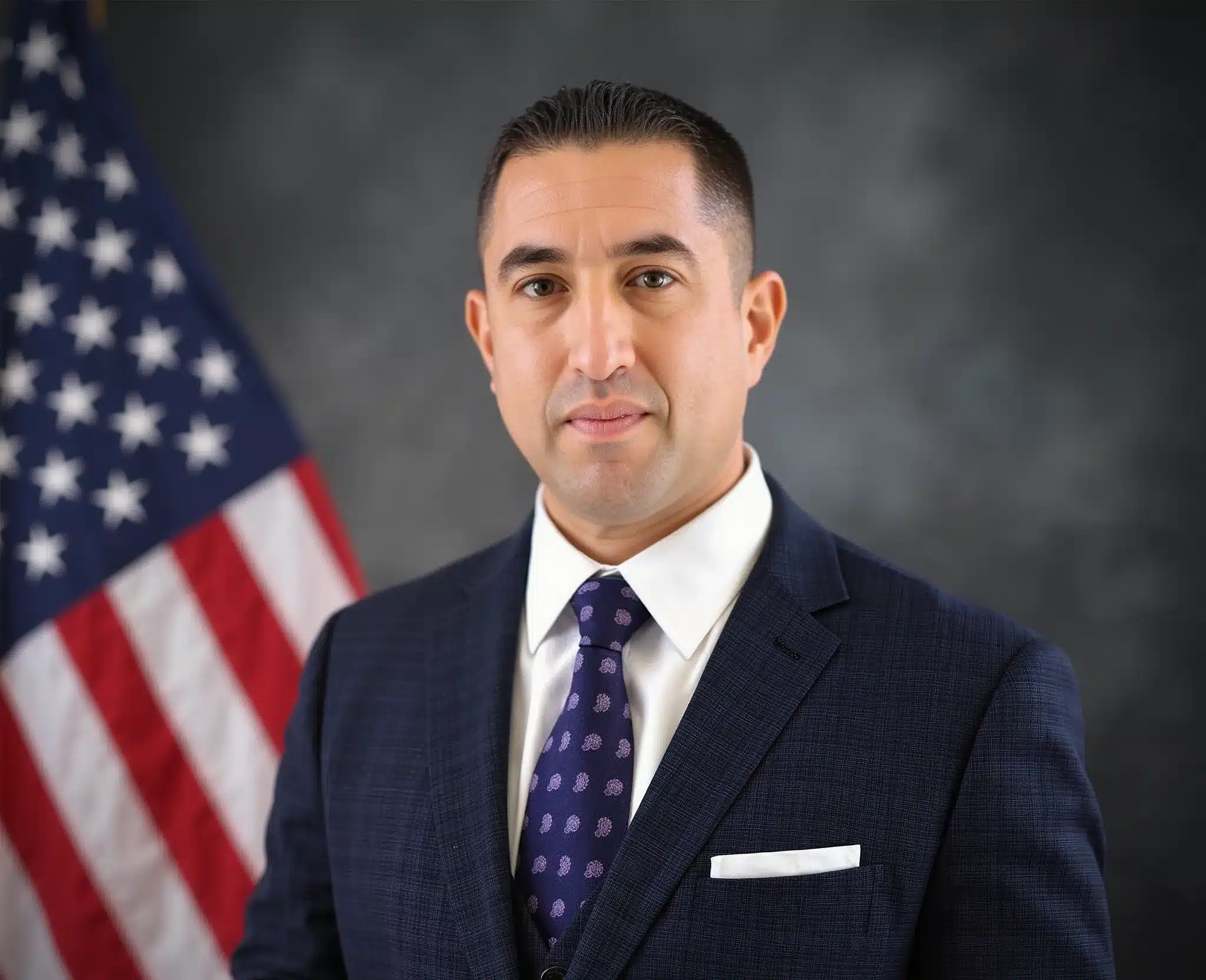
If you have been accused of drug possession or sales after a traffic stop in Livermore, you do not have to face the legal system alone. The Law Office of Nabiel C. Ahmed represents individuals throughout Alameda and Contra Costa counties, providing guidance tailored to each client’s needs and goals. From the first consultation, the firm focuses on listening to your story, explaining your options, and developing a plan to address both the charges and any underlying concerns such as treatment or employment. The team is committed to pursuing the best outcome available under the facts of your case.
Choosing a criminal defense firm based in Oakland to handle your Livermore driving and drug case offers important advantages. The Law Office of Nabiel C. Ahmed regularly appears in Alameda County courts and understands local procedures, personalities, and unwritten expectations. This familiarity helps the firm anticipate how prosecutors and judges are likely to view particular evidence, programs, and sentencing options. Clients also benefit from direct communication, clear explanations, and consistent attention from a firm focused on criminal defense in the East Bay, rather than a high-volume operation spread across multiple regions.
The firm approaches each Livermore case with the understanding that your situation is unique. Whether you are a student, professional, parent, or commercial driver, the consequences of a drug conviction can be different. By taking time to learn about your priorities and concerns, the office can tailor strategies that aim not only to resolve the case but also to protect what matters most to you. From negotiating for diversion to fighting for dismissals, the firm works to secure outcomes that allow clients to move forward with their lives with as few limitations as possible.
When you contact the Law Office of Nabiel C. Ahmed about a Livermore driving and drug case, the firm follows a structured process designed to protect your rights from the very beginning. The team starts by gathering information about the traffic stop, arrest, and any substances involved. They obtain and review police reports, body camera footage, and lab results. Throughout the case, you are kept informed about upcoming court dates, potential motions, and negotiation developments. This deliberate approach ensures that important details are not overlooked and that your defense remains focused and organized.
The first step in any Livermore drug possession or sales case is an initial consultation, usually conducted by phone or in person. During this meeting, the firm will ask about the traffic stop, what officers said and did, any searches performed, and whether you made statements. You will also have the opportunity to explain your background, concerns, and goals. Based on this information, the attorney can provide an overview of the charges, possible penalties, and early defense strategies. This step gives you a clearer sense of what to expect and how the firm can assist moving forward.
During the first part of Step 1, the focus is on your story. The firm will ask you to walk through the events leading up to the stop in Livermore, including where you were headed, who was in the car, and how officers approached. You will be encouraged to share any concerns about work, family, immigration, or school. Understanding these priorities helps shape the defense strategy from the outset. The more open and detailed you can be, the better equipped the firm will be to anticipate issues and tailor its approach to your situation.
In the second part of Step 1, the attorney reviews the charges filed against you, whether they involve simple possession, possession for sale, or related allegations such as DUI. You will receive an explanation of the potential penalties, including jail exposure, fines, probation terms, and collateral consequences. The firm also describes the general path of a Livermore criminal case, from arraignment through possible motions and trial. By the end of this discussion, you should have a realistic understanding of the road ahead and the many ways a defense can be mounted on your behalf.
Step 2 focuses on deep investigation and evidence review. The firm obtains police reports, dispatch logs, body and dash camera videos, and lab results related to your Livermore case. These materials are carefully examined for inconsistencies, missing information, or signs that officers may have exceeded legal boundaries during the stop or search. When appropriate, the firm may consult with investigators or experts to evaluate testing procedures or reconstruction of events. Based on these findings, the attorney can decide whether to file motions to suppress evidence, challenge the legality of the stop, or raise other legal issues.
The first part of Step 2 centers on how Livermore officers handled the traffic stop and search. The firm reviews video and written reports to see whether the initial stop was justified, how long it lasted, and whether the scope of questioning and search stayed within legal limits. Any discrepancies between reports and recordings are noted. If officers extended the stop without proper grounds, failed to obtain valid consent, or conducted a search outside lawful boundaries, these issues may support a motion to suppress. Identifying these problems early provides leverage in negotiations and can significantly weaken the case.
The second part of Step 2 involves close scrutiny of the substances and paraphernalia seized in your Livermore case. The firm examines how the drugs were collected, stored, and tested, looking for chain-of-custody issues or lab errors. In some situations, samples may be retested or analyzed further. Questions such as whether the quantity actually supports a sales allegation, or whether a substance was properly identified, can reshape the case. Any weaknesses found in the drug evidence may be used to argue for reduced charges, dismissal, or more lenient treatment from the court.
In Step 3, the firm uses the information gathered to pursue the best available resolution for your Livermore drug possession or sales case. This can include negotiations for charge reductions, diversion programs, or sentencing agreements that limit jail time and protect your record. At the same time, the attorney prepares as though the case might go to trial, developing themes, identifying witnesses, and refining arguments. This dual track ensures that you are ready to proceed in whichever direction becomes necessary and that you maintain leverage throughout the process rather than relying solely on negotiation.
The first part of Step 3 centers on negotiation. Armed with a detailed understanding of the evidence and legal issues, the firm approaches the Livermore prosecutor to discuss possible resolutions. This may involve asking for a felony to be reduced to a misdemeanor, pursuing diversion or treatment options, or negotiating terms that protect your license and record. Your personal background, efforts at rehabilitation, and community support can all play an important role. The goal is to secure an outcome that reflects both the strengths of your defense and the steps you are taking to move in a positive direction.
The second part of Step 3 involves preparing in case your Livermore drug case must be decided at trial. While many cases resolve short of this step, being truly ready to proceed can influence negotiation and protect your rights. Trial preparation includes organizing exhibits, interviewing witnesses, developing cross-examination of officers, and crafting opening and closing arguments. Your attorney will also spend time preparing you for testimony if that becomes necessary. This readiness ensures you are not pressured into unfair agreements and that you can confidently present your side of the story if the case moves forward.
If you are arrested for drug possession or sales in Livermore, the most important first step is to stay calm and avoid discussing the facts of your case with police or other inmates. Anything you say can be used against you later. Request to speak with a lawyer as soon as possible and refrain from making written statements or signing documents without legal advice. Remember that you have the right to remain silent and that exercising this right cannot legally be used as evidence of guilt. After you are released or transferred, contact a criminal defense firm promptly so they can begin protecting your rights. Early action allows your lawyer to obtain police reports, videos, and lab results before they become harder to access. Your attorney can also guide you on how to handle court dates, bail conditions, and contact with potential witnesses. The sooner a defense strategy is in place, the more options you are likely to have for challenging the case or pursuing a favorable resolution.
The smell of marijuana can give officers some grounds to investigate further, but it does not automatically justify any search they want to conduct. In Livermore, courts look at the total circumstances, including whether there were other signs of impairment or criminal activity. For example, an officer who claims to smell marijuana might ask more questions or conduct limited checks, but there are still boundaries on what they can do without consent or additional justification. Your lawyer can challenge whether the claimed odor was enough to support the type of search performed. Body camera video, dash video, and officer reports may show discrepancies in how the situation actually unfolded. If the search exceeded legal limits or was based on weak or fabricated grounds, your attorney can file a motion to suppress any evidence found. If the court agrees, key evidence may be excluded, which can significantly weaken or even lead to dismissal of your case.
Simple possession generally refers to having a controlled substance for your own personal use, while possession for sale alleges that you intended to sell or distribute that substance. In California, including Livermore, prosecutors look at factors such as the amount of drugs, how they are packaged, the presence of scales or pay-owe sheets, and any large amounts of cash to decide which charge to file. Text messages and social media conversations can also be used to argue that sales activity was taking place. The difference between these charges is significant because possession for sale often carries harsher penalties, including possible prison time and longer periods of supervision. Your attorney can carefully review the evidence to see whether it truly supports a sales allegation or whether the case should be treated as a personal-use situation. In some cases, challenging the sales theory can lead to reduced charges, eligibility for diversion, or more lenient sentencing options that better reflect your circumstances.
A drug arrest in Livermore that stems from a traffic stop does not automatically mean your driver’s license will be taken away, but it can create risks. Some drug-related offenses and any associated DUI allegations may trigger DMV actions or court-ordered license suspensions. The specific consequences depend on the charges, your record, and whether there are claims of impaired driving. Your attorney can explain how your particular situation might affect your driving privileges and what steps may help protect them. In some cases, you may have the right to a DMV hearing in addition to your criminal case. It is important to act quickly because deadlines for requesting these hearings are strict. A lawyer can represent you before the DMV, challenge the basis for suspension, and present evidence on your behalf. Even when some driving restrictions cannot be avoided, careful planning may help you obtain limited or restricted privileges so you can continue commuting to work or fulfilling family responsibilities.
Livermore courts often have access to diversion and treatment-based options for certain drug offenses, especially for individuals facing simple possession charges or those with limited criminal history. These programs can include counseling, classes, testing, and other conditions designed to address substance concerns rather than focusing only on punishment. Successful completion may lead to dismissal or reduction of charges, allowing you to move forward without a conviction on your record in some circumstances. Eligibility for these programs depends on several factors, including the type of drug, the amount involved, your prior record, and whether there are allegations of sales. Your lawyer can review your case and discuss which programs might be available, as well as the pros and cons of each. While diversion can be an excellent opportunity, it comes with obligations and deadlines. Understanding the requirements before accepting an offer helps you make an informed decision and increases your chance of completing the program successfully.
A lawyer can challenge drug evidence found in your vehicle by examining how the traffic stop and search were conducted, how the substances were handled, and whether the testing was accurate. In Livermore, officers must follow legal rules when stopping a car, extending the stop, and searching the inside. If they lacked valid grounds, exceeded the scope of consent, or failed to follow proper procedures, your attorney can file motions requesting that the evidence be excluded from court. Beyond the legality of the search, your lawyer may also look at chain-of-custody issues and lab procedures. Mistakes in labeling, storing, or testing samples can raise questions about whether the substances are what the prosecution claims and whether the quantity supports the charges filed. Challenging these aspects does not guarantee a dismissal, but it can create reasonable doubt or leverage for negotiation, sometimes leading to reduced charges or more favorable sentencing options.
If the drugs found in the car did not belong to you and were placed there by a passenger or someone else, that issue becomes central to your defense. California law recognizes constructive possession, meaning prosecutors may argue you had control over the area where the drugs were found. Your lawyer’s job is to highlight facts that point away from you, such as who owned the vehicle, where you were sitting, who had access to the area, and whether any other person claimed responsibility. Witness statements, text messages, and even social media content can support your position that the substances were not yours. In some Livermore cases, the evidence is simply too thin to prove beyond a reasonable doubt that you knowingly possessed the drugs. By presenting a clear, consistent narrative and pointing out gaps in the government’s case, your attorney can argue for dismissal, acquittal at trial, or more favorable plea negotiations based on the real circumstances.
The length of a Livermore drug possession or sales case varies depending on the seriousness of the charges, the complexity of the evidence, and how quickly the court calendar moves. Some misdemeanor cases with limited issues can resolve in a few months, particularly when diversion or a straightforward plea is appropriate. Felony cases, or matters involving contested searches and extensive investigation, often take longer because motions must be filed and litigated before meaningful negotiations or trial can occur. While it can be tempting to rush to a resolution, moving too quickly may mean giving up opportunities to challenge evidence or secure better terms. Your attorney will work to balance the need for a timely outcome with the benefits of a thorough defense. Throughout the process, you should receive updates on upcoming court dates, deadlines, and strategic decisions so you understand why your case is taking the time that it is.
A drug conviction in Livermore can impact employment, professional licensing, and educational opportunities, especially in fields that involve public trust, safety, or access to sensitive information. Employers may run background checks and see both arrests and convictions, and some licensing boards take a close look at substance-related offenses. Even a misdemeanor can raise questions about reliability or judgment, so it is important to consider these issues when deciding how to handle your case. Your attorney can help you understand how potential outcomes may affect your particular job or career path. In some instances, negotiating for a reduced charge, dismissal through diversion, or a plea that avoids certain findings can make a significant difference. Later, you may also be able to seek relief such as record clearing, which can improve your ability to move forward. Addressing these concerns early allows your defense strategy to account for both legal and professional consequences.
You should contact the Law Office of Nabiel C. Ahmed as soon as you know you are under investigation or have been arrested for a drug possession or sales offense in Livermore. Early involvement allows the firm to preserve evidence, advise you before interviews, and guide you through bail decisions and initial court appearances. Waiting until the last minute may limit your options, especially if important deadlines for DMV hearings or motions are approaching. By reaching out promptly, you give your attorney more time to review reports, request body camera footage, interview potential witnesses, and identify legal issues that could shape the case. Early communication also helps ease anxiety because you will receive clear information about what to expect in Alameda County courts. Whether your case is just beginning or already moving through the system, taking the step to call 510-271-0010 can provide clarity and direction when you need it most.
"*" indicates required fields