
Facing a driving and drug offense in Livermore can feel overwhelming, especially when your license, job, and reputation are on the line. A single traffic stop in Alameda County can quickly turn into DUI with drugs, prescription-related accusations, or allegations of impaired driving based on a roadside evaluation. The Law Office of Nabiel C. Ahmed focuses on defending people across Livermore and nearby communities, helping them navigate confusing laws and aggressive prosecution. This page explains how these cases work, potential consequences, and defense options tailored to Livermore courts and Alameda County procedures.
If you were pulled over on I-580, near downtown Livermore, or anywhere in Alameda County and accused of driving under the influence of drugs, you deserve clear guidance and a strong defense strategy. Prosecutors often rely on blood or urine tests, officer observations, and drug recognition evaluations that may be challenged. At the Law Office of Nabiel C. Ahmed, the goal is to protect your record, license, and future opportunities. Keep reading to learn how Livermore driving and drug cases work, common defenses, and why early legal help can make a meaningful difference in the outcome.
Driving and drug accusations in Livermore can trigger criminal penalties, DMV action, and lasting consequences that follow you for years. A conviction may lead to license suspension, fines, probation, mandatory programs, and immigration or employment complications. Having a defense team that regularly appears in Alameda County courts helps ensure that local procedures, judges, and prosecutorial tendencies are understood and anticipated. This service is designed to closely evaluate police conduct, testing methods, and the circumstances of the stop. The benefit is a carefully built strategy aimed at reducing charges, limiting penalties, or pursuing dismissal whenever the facts and law support it.
The Law Office of Nabiel C. Ahmed is a criminal defense law firm serving Livermore, Alameda County, and neighboring communities in Contra Costa County. Over many years of defending people accused of DUI, drug crimes, and driving while impaired by medications, the firm has developed a practical, courtroom-tested approach to these cases. The practice includes handling roadside stop challenges, blood and urine test litigation, and DMV hearings tied to Livermore arrests. Clients receive direct, honest communication and a defense strategy shaped around their goals, whether that means seeking diversion, negotiating a reduced outcome, or fighting the case at trial when appropriate.
Driving and drug offenses in Livermore generally involve allegations that a driver operated a vehicle while under the influence of a controlled substance, marijuana, or even lawfully prescribed medication. California law does not require a specific blood level for many drugs, which gives police and prosecutors broad discretion. Cases in Alameda County often hinge on officer observations, field sobriety tests, and the conclusions of a drug recognition evaluator. Understanding how these elements fit together, and where they may be challenged, is central to building a defense. Livermore drivers need guidance that connects statewide law with local court practices.
These cases can also include related charges such as possession of drugs in a vehicle, open container violations involving cannabis, or enhancement allegations tied to prior DUI or drug convictions. In Livermore, a single incident may trigger both criminal court proceedings and DMV consequences that move quickly unless you act in time. The legal service offered by the Law Office of Nabiel C. Ahmed focuses on navigating both tracks, protecting your ability to drive while challenging the accusations in court. By understanding the specific statutes, evidence rules, and local procedures, your defense can be tailored to the facts of your situation.
In California, a driving and drug offense usually refers to operating a vehicle while impaired by any drug, including illegal substances, marijuana, or prescription medication that affects your ability to drive safely. Unlike alcohol DUIs, there is typically no fixed “legal limit” for most drugs. Instead, prosecutors in Alameda County attempt to prove that your mental or physical abilities were so affected that you could not drive with the caution of a sober person. This often involves roadside evaluations, blood or urine tests, and officer testimony based on observations at the scene and during the arrest.
A Livermore driving and drug case usually begins with a traffic stop, checkpoint encounter, or accident investigation. Officers may claim they observed lane weaving, speeding, or equipment violations before initiating contact. After the stop, police typically watch your movements, speech, and responses while asking questions about drug or medication use. Field sobriety tests, on-scene evaluations, and sometimes involvement of a drug recognition evaluator follow. If arrest occurs, you may be asked to submit to blood or urine testing. From there, Alameda County prosecutors review the evidence and decide what charges to file, while a separate DMV process can threaten your driving privileges.
Driving and drug cases in Livermore involve technical language that can be confusing without clear explanations. Terms like “drug recognition evaluator,” “implied consent,” and “per se” limits often appear in police reports or court documents. Understanding these concepts helps you make informed choices about how to respond to charges, whether to challenge a test, or how plea offers compare to the risks of trial. This glossary section highlights several common terms you may encounter after a Livermore arrest so that the process feels less intimidating and you can better participate in planning a defense strategy with your attorney.
A Drug Recognition Evaluator, often called a DRE, is a law enforcement officer trained to conduct a structured evaluation to decide whether a person is under the influence of drugs. In Livermore driving and drug cases, a DRE may be called to the scene or involved later at a station to administer tests and record observations. Their reports can significantly influence how Alameda County prosecutors view a case. However, DRE opinions are not infallible and can be challenged through cross-examination, review of the officer’s training and procedures, and scrutiny of whether alternative explanations for the observed behavior were ignored.
Implied consent is a legal concept that states by driving in California, you are deemed to have agreed to submit to a chemical test if lawfully arrested for DUI or a driving and drug offense. In Livermore, refusing a blood or breath test can trigger harsh DMV penalties, including longer license suspensions. However, questions often arise about whether the officer’s request was lawful, whether your refusal was clear, and if any medical or communication issues affected the situation. These details can become important in challenging both the DMV action and how the refusal is used in the criminal case.
The per se DUI limit is the blood alcohol concentration level at which a driver is presumed impaired under California law, usually 0.08 percent for adults. While this standard applies directly to alcohol DUIs, it also influences how officers and prosecutors think about impairment in driving and drug cases in Livermore. For many drugs, there is no specific numerical limit, which leaves more room for interpretation, assumptions, and disputes over test results. Understanding the difference between per se alcohol cases and drug-based accusations is important when evaluating the strength of the evidence alleged against you.
A DMV Administrative Per Se hearing is a separate proceeding from your criminal case, focused on whether your driving privilege should be suspended after a DUI or driving and drug arrest in Livermore. You must request this hearing quickly or you may lose the chance to contest the suspension. At the hearing, an officer reviews police reports, test results, and other records to decide if the DMV will take action. This process creates an additional opportunity to challenge the state’s evidence and sometimes to obtain information that can later support your defense in Alameda County criminal court.
After a driving and drug arrest in Livermore, you may be presented with several paths, including accepting an early plea offer, seeking diversion or treatment-based resolutions, or fighting the case through motions and possibly trial. Each option carries different risks and potential long-term consequences. Some people may prioritize protecting a professional license, immigration status, or commercial driver’s license, while others focus on avoiding jail or a formal conviction. Carefully comparing these choices with the help of a criminal defense law firm allows you to weigh the strength of the evidence against your personal goals and tolerance for risk.
In some Livermore driving and drug cases, a more modest approach may be appropriate, especially when the evidence is relatively weak or the charges are less severe. For example, if there was a minor traffic violation, no accident, and the drug test results are questionable, focused negotiations may achieve a reduced charge or diversion without extensive litigation. In these situations, the defense strategy might center on highlighting the weaknesses in test procedures, emphasizing clean criminal history, or presenting treatment or education efforts. A tailored, limited approach can help resolve the matter efficiently while still protecting your long-term interests.
For some first-time driving and drug accusations in Livermore, a streamlined strategy may work well, particularly when there are strong mitigating factors. Judges and Alameda County prosecutors sometimes consider voluntary counseling, steady employment, family support, and community ties in evaluating potential resolutions. When the risk of harsh penalties is lower and the individual is unlikely to reoffend, focused negotiation may achieve a favorable outcome without extensive pretrial motions. Even in these cases, careful review of the stop, testing, and police conduct remains important, but the overall approach can be narrower, saving time and resources while still guarding your future.
Some Livermore driving and drug cases call for a wide-ranging defense strategy, especially when you face possible jail time, long license suspensions, or allegations of prior DUI or drug convictions. In these situations, every aspect of the case deserves close attention, from the legality of the traffic stop to the handling and storage of blood samples. A full approach may involve filing suppression motions, challenging DRE conclusions, contesting chain of custody, and carefully preparing for trial if negotiations do not produce an acceptable outcome. The goal is to reduce potential penalties and protect your life plans as much as possible.
A comprehensive approach is often appropriate when a Livermore driving and drug allegation involves an accident, injuries, or professional consequences such as a commercial driver’s license or healthcare employment. These cases can bring media attention, restitution demands, and heightened scrutiny from Alameda County prosecutors. They may also rely on complicated evidence such as accident reconstruction, medical records, and multiple lab tests. A thorough defense plan looks at each piece of the puzzle, consulting with appropriate resources when needed and exploring alternative outcomes, including reduced charges or creative sentencing options that still allow you to continue working and supporting your family.
Taking a comprehensive approach to driving and drug accusations in Livermore can significantly impact the final result of your case. By carefully reviewing police reports, body camera footage, breath or blood testing procedures, and the DMV record, potential flaws in the state’s version of events can be uncovered. This detailed work often leads to leverage in negotiations or supports motions that limit or exclude damaging evidence. A broad strategy also ensures that collateral consequences—such as employment, housing, and immigration concerns—are considered, so any resolution pursued aligns as closely as possible with your broader life priorities and responsibilities.
Another benefit of a comprehensive defense in Livermore is the ability to stay ahead of developments and avoid unpleasant surprises. By anticipating how Alameda County prosecutors and judges may respond to certain arguments, your defense plan can adapt over time as new evidence arises or plea offers change. A wide-ranging strategy also encourages regular communication about case status, options, and potential timelines, helping reduce stress during an already difficult period. Ultimately, this approach aims to place you in the strongest position legally and personally, allowing you to make informed choices about how to move forward.
When your Livermore driving and drug defense is built on a thorough investigation, you often have more leverage with prosecutors and a more persuasive story for the court. Identifying gaps in officer training, improper roadside procedures, or questionable lab practices can shift the balance in plea discussions. Judges also tend to consider the full context of an individual’s life, including treatment efforts and community contributions, when presented thoughtfully. A comprehensive approach brings these elements together, supporting requests for reduced charges, alternative sentencing arrangements, or, when appropriate, aggressive litigation aimed at dismissal or acquittal in Alameda County criminal court.
Livermore driving and drug convictions can create consequences that reach far beyond fines and short-term penalties. They may affect professional licenses, security clearances, educational opportunities, and immigration status. A comprehensive defense looks beyond the immediate case and considers how each potential outcome might influence your future. By exploring options like amended charges, diversion programs, or carefully structured plea agreements, it is sometimes possible to reduce these long-term risks. This broader perspective helps ensure that decisions made under stress today do not unexpectedly limit your opportunities years down the road, giving you greater control over your path forward.

After a driving and drug arrest in Livermore, time is limited to fight a possible license suspension. The DMV process moves on a separate track from your criminal case and can start almost immediately. Requesting a hearing promptly helps preserve your right to challenge the suspension and may give your defense team early access to important documents, such as police reports and test records. Waiting too long can lead to automatic consequences that could have been avoided. Taking swift action is one of the simplest ways to protect your ability to drive to work, school, and family obligations.
Many Livermore driving and drug cases involve lawfully prescribed medications, medical conditions, or fatigue that officers may misinterpret as signs of impairment. If you have prescriptions, treatment records, or a diagnosed condition, gather this information as soon as possible and keep it organized. These materials can sometimes explain field sobriety test performance or unusual behavior noted by officers. Sharing accurate medical information with your defense team early allows them to evaluate whether additional evaluation or testimony could help your case. Careful documentation can provide context that may significantly change how prosecutors and judges view the allegations.
Livermore drivers facing driving and drug accusations have a lot at stake, from their freedom and license to their professional and family responsibilities. The legal system can feel confusing, especially if this is your first contact with the criminal courts in Alameda County. Representation from a criminal defense law firm familiar with local judges, prosecutors, and procedures can make navigating this process more manageable. With knowledgeable guidance, you can better understand the charges, realistic outcomes, and possible defenses. This support allows you to approach hearings and negotiations with greater confidence and a clearer plan for protecting your future.
Another important reason to consider legal representation is that driving and drug cases often involve technical scientific evidence and complex constitutional issues. Blood and urine tests, DRE evaluations, and searches of your vehicle may all raise legal questions that can be difficult to spot without training and courtroom experience. A law firm focused on criminal defense work will know how to obtain and review these materials for weaknesses. By having someone in your corner who understands how to challenge or interpret this evidence, you give yourself a better chance at achieving a result that minimizes long-term harm.
Livermore driving and drug cases arise from a wide range of everyday situations. Some begin with a routine traffic stop on I-580 for speeding or lane changes, while others follow calls about an erratic driver or minor collision in a neighborhood. Officers may claim they smell marijuana, notice prescription bottles, or observe behavior that leads them to suspect drug use. Each of these circumstances can quickly escalate into roadside tests, searches, and arrest. Understanding these common patterns helps you recognize how your situation fits within the broader picture and how certain facts may influence your defense options.
A large number of Livermore driving and drug allegations begin with something relatively minor, such as speeding, a broken taillight, or an alleged lane violation. During the stop, officers may claim they notice signs of possible impairment, such as glassy eyes or slow responses, and begin asking questions about drug or medication use. This can lead to field sobriety tests, searches of the vehicle, and eventually a request for chemical testing. In many cases, the legality of the initial stop or the scope of the officer’s investigation can become important issues to examine in your defense strategy.
Another common scenario in Livermore involves minor collisions or welfare checks where officers are called to check on a driver parked on the side of the road. Even when no one is seriously hurt, police may investigate whether drug use played a role. Statements made in the stressful moments after a crash, combined with visible medications or substances, can form the basis for driving and drug accusations. Carefully reviewing how officers approached the scene, what questions were asked, and whether any search was justified is often an important part of building a defense in these Alameda County cases.
Many Livermore driving and drug charges arise not from illegal drugs, but from lawfully prescribed medication, sometimes combined with alcohol or other substances. Individuals may be following doctor’s orders yet still face claims that their ability to drive was affected. These cases can be particularly complex because medical conditions, dosage, and timing of use all matter. They often require a careful review of prescription records and potential consultation with medical professionals. Raising questions about whether observed behavior was truly linked to impairment, or instead to health issues or fatigue, can significantly change how the case is viewed in court.
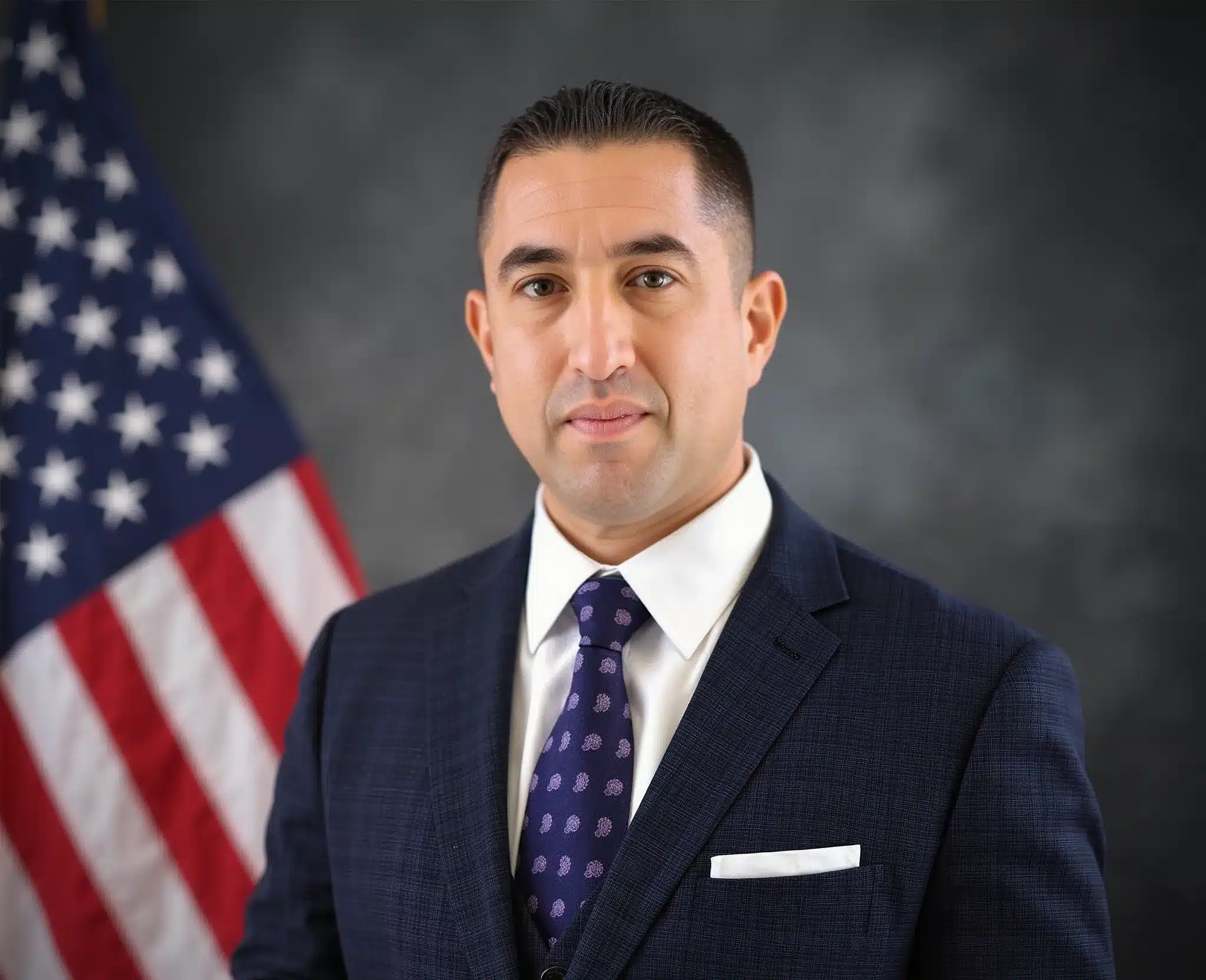
If you or a loved one is facing a driving and drug accusation in Livermore, you do not have to handle it alone. The Law Office of Nabiel C. Ahmed offers guidance rooted in years of defending people across Alameda and Contra Costa counties. The firm listens to your concerns, investigates the facts, and explains your options in clear language. Every case is approached with the goal of protecting your rights, preserving your license, and limiting long-term damage. From arraignment through resolution, you will have support from a criminal defense law firm committed to standing by your side.
Livermore residents choose the Law Office of Nabiel C. Ahmed for driving and drug cases because the firm focuses on criminal defense and understands how local courts operate. Years of handling DUI, drug, and traffic-related charges in Alameda County have provided insight into how judges and prosecutors view these cases. This background informs each stage of representation, from early negotiations to potential trial. Clients appreciate straightforward communication, honest assessments, and practical advice grounded in real courtroom experience. When your future and freedom are on the line, having a firm that regularly handles similar matters can be deeply reassuring.
Another reason Livermore drivers hire this firm is the individualized attention given to each case. The Law Office of Nabiel C. Ahmed takes time to learn about your history, responsibilities, and priorities, so your defense strategy reflects your real-world needs. Whether you are worried about employment, immigration, or education, these concerns are factored into how the case is approached. The firm also stays accessible for questions, keeping you updated as your case moves forward. This combination of focused criminal defense work and client-centered service makes the firm a strong choice for driving and drug allegations.
From the first phone call to final resolution, the Law Office of Nabiel C. Ahmed follows a structured process designed to protect clients facing driving and drug accusations in Livermore. The firm begins by listening to your account of what happened, reviewing paperwork, and identifying urgent deadlines, such as DMV hearing requests. Next, evidence is gathered and analyzed, including police reports, test results, and any video footage. Throughout the process, you receive clear explanations of your options and potential consequences. The goal is to move through each stage with preparation, strategy, and steady communication tailored to your needs.
The process starts with an initial consultation where you can describe the traffic stop, arrest, and any interactions with officers in Livermore. During this meeting, the firm reviews available documents, listens for important details, and identifies immediate concerns, such as upcoming court dates or DMV deadlines. You will have a chance to ask questions about the law, potential penalties, and what to expect next. This step lays the foundation for a defense strategy tailored to your circumstances and helps build trust so you feel supported as your Livermore driving and drug case moves forward.
During the first phase of the case evaluation, the firm collects background information about your personal and professional life, prior record, and concerns about the future. Understanding whether you hold a commercial license, professional credential, or immigration status that might be affected allows the strategy to account for these factors. You will be encouraged to share details about medications, medical conditions, and prior driving history. This information helps the Law Office of Nabiel C. Ahmed shape a defense plan that prioritizes the outcomes most important to you, whether that means avoiding jail, protecting employment, or preserving educational opportunities.
Once the initial information is gathered, the firm focuses on obtaining and reviewing early evidence, including police reports, citations, and any available test results. In Livermore driving and drug cases, this evidence often contains details about the reason for the traffic stop, officer observations, and the steps taken during field sobriety and chemical testing. Carefully reading these documents allows your attorney to spot potential legal issues, such as questionable stops, improper procedures, or inconsistent statements. These early findings help determine whether immediate motions, investigation, or DMV actions are needed to safeguard your rights and strengthen your position.
In the second stage of your Livermore driving and drug case, the Law Office of Nabiel C. Ahmed conducts deeper investigation and begins formal negotiations with Alameda County prosecutors. This may include requesting additional discovery, analyzing body camera footage, and reviewing lab records for potential errors. When legal problems are identified, motions can be filed to challenge the stop, arrest, or testing procedures. At the same time, your attorney engages in discussions with the prosecution, presenting mitigating information and raising concerns about the strength of the case. The aim is to improve your options and seek favorable resolutions.
This part of the process involves a careful, methodical review of all evidence in your Livermore driving and drug case. Police audio and video, lab records, and DRE evaluations are examined for inconsistencies, missing information, or signs that procedures were not followed. When necessary, the firm may consult appropriate resources, such as toxicologists or medical professionals, to better understand complex issues. The goal is to build a clear picture of what actually occurred and identify weaknesses in the prosecution’s case. These efforts often provide leverage in negotiations and form the basis for strong courtroom arguments.
After analyzing the evidence, your attorney may file motions challenging aspects of the Livermore traffic stop, search, or chemical testing. These motions can sometimes lead to exclusion of important evidence or even dismissal of certain charges. At the same time, discussions with Alameda County prosecutors continue, with your attorney presenting both legal arguments and personal factors that support a more favorable resolution. Throughout this phase, you are kept informed about offers, risks, and potential benefits, allowing you to decide whether to accept a negotiated outcome or continue moving toward trial based on your priorities.
The final stage of a Livermore driving and drug case involves either resolving the matter through a plea agreement or preparing for trial if negotiations do not produce an acceptable outcome. The Law Office of Nabiel C. Ahmed works with you to evaluate each option, considering the evidence, your risk tolerance, and long-term goals. If trial becomes likely, careful preparation begins, including witness interviews, exhibit organization, and development of a clear defense narrative. If the case resolves through a plea, attention turns to minimizing penalties, addressing probation terms, and planning steps to help you move forward.
When a Livermore driving and drug case proceeds toward trial, preparation becomes highly focused. Your attorney develops themes that highlight reasonable doubt, prepares cross-examination questions for officers and lab personnel, and organizes exhibits such as photographs, maps, or medical records. Jury selection strategy is also considered, along with potential pretrial motions designed to shape what evidence the jury sees. Throughout this process, you are kept informed about trial procedures, likely timelines, and what to expect in the courtroom. Thorough preparation helps ensure your side of the story is presented clearly and persuasively to the judge or jury.
If your Livermore driving and drug case resolves through a plea or results in conviction, the focus shifts to sentencing advocacy. The Law Office of Nabiel C. Ahmed presents information about your background, family responsibilities, work history, and rehabilitation efforts to encourage the court to consider alternatives to harsh penalties. This may include seeking reduced jail time, community service, treatment programs, or other creative resolutions. Planning for the future is also important, such as understanding expungement options, license reinstatement steps, and strategies to protect employment. The aim is to help you move past the case with as much stability as possible.
After a driving and drug arrest in Livermore, you will typically be taken into custody, booked, and either released on bail, released on your own recognizance, or sometimes cited and released. You will receive a court date for arraignment in Alameda County, where you will hear the formal charges and enter an initial plea. At the same time, your license may be at risk through a separate DMV process, which has strict deadlines for requesting a hearing. Early in the case, it is important to gather paperwork, including citations, booking documents, and any temporary license you were given. Contacting a criminal defense law firm quickly allows you to understand your rights, avoid common mistakes, and ensure important deadlines are not missed. Your attorney can begin reviewing the evidence, communicating with prosecutors, and advising you about next steps while you focus on work, family, and daily responsibilities.
Yes, a Livermore driving and drug charge can lead to license suspension or revocation through both the DMV and the criminal court. The DMV may start an administrative suspension process soon after your arrest, especially if there was a refusal to test or a positive chemical test, and you usually have limited time to request a hearing. If the criminal case results in conviction, the court can also impose additional driving restrictions or suspensions. A defense strategy that addresses both the DMV and court cases is essential to protecting your ability to drive. An attorney can request the DMV hearing, present evidence, and challenge the basis for any suspension. In criminal court, your lawyer may pursue outcomes that reduce or avoid license consequences, such as amended charges or alternative resolutions. Preserving your driving privilege is often a central goal for Livermore clients who rely on a vehicle for work and family commitments.
In Livermore driving and drug cases, police commonly rely on a combination of field sobriety tests, observations by officers or a drug recognition evaluator, and chemical tests. Unlike alcohol DUIs, which often involve breath testing, drug-related investigations frequently use blood or sometimes urine tests to look for the presence of controlled substances, marijuana, or prescription medications. Officers may also note physical signs like pupil size, coordination, and speech patterns in their reports. These testing methods are not perfect and can be challenged. Questions often arise about whether the blood draw was properly authorized, how the samples were handled, and whether the lab used reliable procedures. Additionally, the mere presence of a drug in your system does not automatically mean you were impaired at the time of driving. A skilled criminal defense attorney can review the test results and supporting documentation to determine whether the evidence accurately reflects what happened on the road.
Having a lawful prescription does not automatically protect you from driving and drug charges in Livermore. California law focuses on whether your ability to drive safely was impaired, not just on whether the drug was legal. Officers may claim that even prescribed medications, such as painkillers, sleep aids, or anxiety drugs, affected your coordination or judgment. These cases can be complex because medical conditions and side effects vary widely between individuals. However, prescription medication and associated medical records can be an important part of your defense. Your attorney may use them to show you were following a doctor’s instructions, challenge assumptions made by police, or present alternative explanations for your behavior. In some cases, working with medical professionals can help clarify whether the dose you took is likely to cause impairment. A thoughtful approach to this evidence can significantly influence negotiations and how the court views your situation.
In most situations, it is wise to exercise your right to remain silent after a driving and drug arrest in Livermore, beyond providing basic identifying information. Anything you say to police can be included in reports and later used by prosecutors to support their case. People who try to explain themselves often unintentionally provide details that officers interpret in ways that strengthen the accusations, even when the person believes they are helping. Instead of engaging in detailed conversations with officers, politely state that you wish to speak with an attorney before answering questions. Once you are able to contact a criminal defense law firm, you can share your side of the story in a confidential setting. Your attorney will help decide what information should be conveyed to law enforcement or prosecutors and when, ensuring that communications are strategic and aligned with your defense goals.
Common defenses in Livermore driving and drug cases include challenging the legality of the traffic stop, questioning the accuracy of field sobriety tests, and scrutinizing the procedures used in chemical testing. If officers lacked a lawful reason to pull you over or extend the stop, key evidence may be suppressed. Additionally, factors such as fatigue, nervousness, or medical conditions can affect performance on roadside tests and may be mistaken for impairment. Other defenses focus on the reliability and interpretation of lab results. Issues like contaminated samples, improper storage, or errors in analysis can undermine the prosecution’s claims. It may also be argued that the drug level detected did not reflect impairment at the time of driving. A defense strategy tailored to your case will consider all of these possibilities, as well as personal circumstances, to pursue the most favorable outcome in Alameda County court.
A driving and drug conviction in Livermore can impact employment and professional licenses, particularly in fields that involve driving, healthcare, education, or public trust. Employers may run background checks or require disclosure of criminal convictions, and some licensing boards impose discipline for certain offenses. Even a misdemeanor can raise concerns for current or prospective employers who view driving-related convictions as signs of risk or unreliability. Because of these potential consequences, it is important to discuss your job and any professional licenses with your attorney early in the case. Your lawyer can consider these issues when evaluating plea offers or proposing alternative charges that may have less impact on your career. In some instances, pursuing diversion, treatment-based outcomes, or later expungement can help reduce the long-term effects. A thoughtful strategy aims to protect not just your immediate freedom, but also your ability to earn a living.
The length of a Livermore driving and drug case can vary widely depending on factors such as the complexity of the evidence, court scheduling, and whether the case resolves through a plea or goes to trial. Some cases may resolve in a few months, while others take a year or more, particularly if significant motions are filed or expert analysis is required. Alameda County courts often have busy calendars, which can lead to continuances and rescheduled dates. While longer cases can feel stressful, additional time sometimes benefits the defense by allowing for more thorough investigation or negotiation. Your attorney will keep you updated about expected timelines and explain what is happening at each stage, from arraignment to pretrial hearings and potential trial dates. Understanding the process can help reduce anxiety and allow you to plan around important court appearances and deadlines.
Many Livermore driving and drug cases can be reduced or even dismissed, depending on the facts and the strength of the evidence. Reductions might involve negotiating for a lesser charge that carries fewer penalties or has less impact on your record and license. Dismissals are more likely when significant legal or factual problems exist, such as unlawful stops, flawed testing procedures, or insufficient evidence of impairment. Diversion programs or alternative resolutions may also be available in certain situations. Your chances of achieving a reduction or dismissal depend on careful analysis of the case and strategic negotiation with Alameda County prosecutors. A criminal defense law firm can identify the most promising avenues for relief, present mitigating information, and pursue motions that highlight weaknesses in the state’s position. While no outcome can be guaranteed, a focused defense often improves the range of options available and can lead to more favorable results.
Livermore drivers choose the Law Office of Nabiel C. Ahmed for driving and drug cases because the firm concentrates on criminal defense and has extensive experience in Alameda and Contra Costa county courts. This background provides insight into how local judges and prosecutors handle drug-related DUIs and related charges. The firm uses that knowledge to develop strategies that reflect local practices while still creatively challenging the state’s evidence and advocating for clients’ rights. Clients also value the firm’s commitment to communication and personalized attention. From the first consultation, you receive clear explanations, realistic assessments, and guidance tailored to your concerns—whether those involve family responsibilities, work obligations, or immigration issues. By combining courtroom experience with client-focused service, the Law Office of Nabiel C. Ahmed aims to make a difficult process more manageable and to help Livermore clients move forward with confidence after a driving and drug allegation.
Aggressive defense for all criminal charges
"*" indicates required fields