
Facing an accusation for a violent or serious crime in Hayward can be overwhelming, especially when you know that your freedom, reputation, and future opportunities are on the line. The Law Office of Nabiel C. Ahmed represents people charged with offenses ranging from assault and domestic violence to robbery, firearm allegations, and strikes under California’s harsh sentencing laws. From the moment an investigation begins, every decision you make can shape what happens next. Having informed legal guidance early in the process can help you protect your rights and start building a strong defense strategy.
Alameda County prosecutors treat violent and serious crimes as a top priority, and courts in Hayward are known for taking these cases very seriously. You may be dealing with bail concerns, protective orders, and pressure from law enforcement to talk. Our firm focuses on criminal defense throughout Alameda and Contra Costa Counties, helping clients understand their options and the possible paths forward. Whether your case involves a misunderstanding, self‑defense, or overcharged allegations, we work to uncover the facts and present your side of the story. You do not have to face this situation alone.
The Law Office of Nabiel C. Ahmed is a criminal defense law firm serving Hayward and the surrounding communities in Alameda and Contra Costa Counties. Our practice is devoted to defending individuals accused of crimes, including assault, domestic violence, weapons offenses, robbery, sex crimes, and other serious felony allegations. Over years of handling cases in local courthouses, we have become familiar with how judges and prosecutors approach these matters and what arguments tend to resonate. We take time to listen to clients, explain the process in plain language, and craft defense strategies tailored to each person’s circumstances and goals.
In California, the term “violent and serious crimes” often refers to offenses listed under the state’s Three Strikes law and related sentencing statutes. These can include robbery, certain types of assault, domestic violence with injuries, sex offenses, residential burglary, and crimes involving firearms. In Hayward, such cases are prosecuted aggressively, with prosecutors seeking prison time, strike sentences, and long periods of supervision. Understanding which charges you face, how they are classified, and what sentencing ranges apply is the first step toward making informed decisions about your defense and any potential resolution.
Many people are surprised to learn that a single incident can lead to multiple felony counts, sentence enhancements, and strike allegations, especially when weapons or injuries are involved. A heated argument, bar fight, or domestic dispute can quickly escalate once law enforcement arrives and starts taking statements. In Hayward, the police report often becomes the foundation for the entire case, even if it leaves out important context or misinterprets what happened. Our role is to scrutinize that report, identify inconsistencies, interview witnesses, and explore defenses such as misidentification, self‑defense, lack of intent, or false accusations.
Under California law, violent and serious crimes include a wide range of offenses that lawmakers have determined warrant harsh sentencing. Examples include robbery, certain assaults, domestic violence with great bodily injury, sexual assault, residential burglary, carjacking, and crimes involving firearms or deadly weapons. Many of these offenses are categorized as strikes under the Three Strikes law, meaning a conviction can increase penalties for any future cases. In Hayward, prosecutors frequently file these allegations when the facts allow, so understanding the exact charges against you, and whether they are designated violent or serious, is essential to planning your defense strategy.
Violent and serious crimes cases in Hayward typically move through several stages: investigation, arrest, arraignment, pretrial hearings, and possibly trial. Each stage presents opportunities to challenge the accusations and push for better outcomes. Key elements may include proving intent, showing whether force or fear was used, establishing the level of injury, and confirming whether a weapon was present or used. The prosecution must meet its burden of proof on every element beyond a reasonable doubt. A thoughtful defense looks closely at how evidence was gathered, whether your rights were respected, and whether witnesses are consistent and credible.
California’s legal language in violent and serious crimes cases can be confusing, especially when you are already dealing with the stress of an arrest in Hayward. Terms like “strike offense,” “enhancement,” and “great bodily injury” carry specific legal meanings that can significantly affect possible sentences. Understanding these phrases helps you evaluate plea offers and assess trial risks. This glossary provides plain‑language explanations of concepts that often arise in Alameda County violent and serious crimes prosecutions, so you can participate fully in your defense and make choices that align with your priorities and concerns.
A strike offense is a felony listed under California’s Three Strikes law, which is designed to increase punishment for repeat offenders. Many violent and serious crimes, such as robbery, certain assaults, and some sex offenses, are considered strikes. A strike conviction from a Hayward case can lead to longer sentences in any future felony matter, sometimes doubling the possible term or triggering a potential twenty‑five‑to‑life sentence after a third strike. Knowing whether your charges are strike‑eligible is important for evaluating plea offers, sentencing exposure, and your long‑term goals in resolving the case.
Great bodily injury, often shortened to GBI, is a legal term used in California when a person suffers significant or substantial physical injury. In Hayward violent and serious crimes cases, a GBI enhancement can add years to a sentence and may turn an otherwise non‑strike offense into a strike. The definition is not limited to one specific type of injury; instead, courts look at the overall severity, such as broken bones, major wounds, or long‑term impairment. Challenging whether the alleged injuries really qualify as GBI can be an important part of a defense strategy.
An enhancement is an additional allegation that, if proven, increases the sentence for a crime. In Hayward violent and serious crimes cases, enhancements can be based on using a firearm, causing great bodily injury, or committing a crime for the benefit of a gang. Each enhancement normally requires its own proof beyond a reasonable doubt, separate from the underlying charge. Because enhancements can add years, or even decades, to a potential sentence, careful attention must be paid to their wording, factual basis, and any legal challenges that might lead to dismissal or negotiation of these add‑ons.
Arraignment is usually the first court appearance after an arrest or filing of charges in a Hayward violent or serious crimes case. At this hearing, the judge informs you of the charges, advises you of your rights, and asks for a plea of guilty, not guilty, or no contest. Bail or release conditions are addressed, and future court dates are set. Although the arraignment is often brief, it sets the tone for the case and can be an opportunity to argue for more favorable release terms or raise early concerns about discovery and the timeline for providing police reports.
When facing violent or serious crimes charges in Hayward, you may have several legal options, depending on the facts and your history. Some people focus on resolving the case quickly with a plea, while others choose to contest the charges through pretrial motions or trial. There are also paths that fall in between, such as negotiating for reduced counts, striking enhancements, or seeking alternative sentencing arrangements. Understanding the strengths and weaknesses of the prosecution’s case, as well as your own priorities, is essential in choosing a strategy that balances risk and potential reward in a realistic way.
In some Hayward violent and serious crimes cases, the evidence may clearly support that something unlawful occurred, but the facts better match a lesser offense than what the prosecution filed. For example, injuries might be minor, or there may be no weapon involved, even if the police report suggests otherwise. In these situations, a limited strategy focused on reclassifying the charge, removing strike allegations, or eliminating enhancements could be appropriate. By concentrating on key weaknesses rather than fighting every detail, it may be possible to obtain a resolution that reduces incarceration time and long‑term consequences.
For some people in Hayward, the primary goal is to resolve violent or serious crimes charges quickly, reduce uncertainty, and move forward with family and work life. A limited approach can make sense when the potential risks of trial seem too high, the evidence is strong, or the prosecution is offering a plea that meaningfully reduces prison exposure or removes a strike allegation. In that context, focusing negotiations on key terms such as enhancements, credit time, and supervision conditions may be more beneficial than extended litigation. The important thing is that any decision is informed and voluntary.
If your Hayward case involves strike allegations, firearm enhancements, great bodily injury claims, or prior serious felony convictions, the potential sentence can be extremely long. In these situations, a comprehensive defense approach is often necessary. This may involve investigating the scene, hiring investigators, gathering medical and employment records, consulting with forensic professionals, and filing legal motions to exclude or challenge evidence. A broader strategy allows for creative negotiation options and thorough preparation for trial if needed. The higher the stakes, the more important it becomes to pursue every reasonable avenue that could reduce your overall exposure.
Many violent and serious crimes charges in Hayward arise from chaotic events where witnesses saw only part of what happened. Allegations may involve fights, domestic disputes, or group altercations where self‑defense, defense of others, or misidentification play a role. In these cases, a comprehensive approach is often necessary to locate favorable witnesses, gather video footage, obtain phone records, and reconstruct the sequence of events. Presenting a complete picture of your actions and the surrounding circumstances can significantly affect how prosecutors view the case, influence any plea offers, and shape how a jury might evaluate the evidence.
A thorough defense approach to Hayward violent and serious crimes cases offers several potential benefits. By investigating beyond the police report, you may uncover facts that support self‑defense, undermine the credibility of key witnesses, or reveal mistakes in how evidence was collected. Early and persistent advocacy can sometimes lead to reduced charges, dismissal of enhancements, or alternative sentencing options that keep you closer to home. Even when a trial becomes necessary, detailed preparation provides a stronger foundation for cross‑examining witnesses, presenting your side of the story, and highlighting reasonable doubt to the judge or jury.
Another benefit of a comprehensive approach is the ability to address not just the legal case, but also the personal and practical issues that come with a violent or serious crimes charge in Hayward. This may include helping you navigate protective orders, employment concerns, school obligations, and family responsibilities while the case is pending. By understanding what matters most to you, your defense can be tailored to protect immigration status, professional licenses, or other important aspects of your life. The goal is to pursue a resolution that considers both the immediate charges and your long‑term future.
When prosecutors in Hayward recognize that the defense has thoroughly investigated a violent or serious crimes case, negotiations often take on a different tone. Detailed knowledge of the evidence allows your side to point out inconsistencies, highlight favorable facts, and show how potential weaknesses might play out at trial. This can create leverage to seek reductions in charges, removal of strike allegations, or dismissal of enhancements. A well‑developed defense theory also allows you to evaluate plea offers more confidently, because you understand how the strengths and weaknesses of each side might affect the case in court.
A comprehensive defense gives you clearer insight into the realistic outcomes of your Hayward violent or serious crimes case. Through careful review of reports, evidence, prior history, and sentencing laws, you can better understand what might happen at trial, what sentencing ranges the judge may consider, and how different plea options compare. Instead of making decisions based on fear or incomplete information, you are able to weigh risk and benefit with a fuller picture. This informed perspective can bring some measure of control to an otherwise stressful situation and help you choose a path that fits your priorities.


After an arrest for a violent or serious crime in Hayward, you may feel pressure to explain your side of the story to police, alleged victims, or friends. Unplanned statements can be misunderstood, taken out of context, or later used against you. It is usually safer to remain polite but firm about your decision not to discuss the incident until you have legal guidance. Avoid posting about the situation on social media or sending messages that could be misinterpreted. Preserving your rights early can make a significant difference in the strength of your defense.
If you are released from custody on bail or your own recognizance in a Hayward violent or serious crimes case, the court may impose conditions such as no‑contact orders, travel restrictions, or requirements to attend certain programs. Following these orders closely can help you avoid new charges, bail revocation, or negative impressions with the judge and prosecutor. Keep track of court dates, arrive early, and dress respectfully. If circumstances change and you cannot comply with a condition, talk with your legal team about requesting a modification rather than ignoring the order or handling it on your own.
Violent and serious crimes charges bring serious risks, including prison time, strikes, fines, and long‑term supervision. In Hayward, even a first‑time offender can face substantial penalties, particularly when weapons, injuries, or prior incidents are alleged. These cases can also affect immigration status, employment, housing, and family law issues such as custody or visitation. Seeking defense help gives you an advocate focused on analyzing the accusations, challenging questionable evidence, and presenting your side of the story. It also provides guidance on how to navigate court procedures, protect your record, and minimize the impact on your life and future.
Many people charged with violent or serious crimes in Hayward have never been in trouble before and are unsure where to turn. Others may have prior cases and know that strike allegations or enhancements could dramatically increase their exposure. In both situations, having an experienced defender can be the difference between accepting a harsh outcome and pursuing more favorable alternatives. With knowledgeable support, you can explore options such as reduced charges, dismissal of enhancements, alternative programs, or trial strategies. Taking action early in the case often opens more doors than waiting until court dates are already close.
Violent and serious crimes cases in Hayward often arise from everyday situations that suddenly escalate. Bar or street altercations, domestic arguments, misunderstandings in parking lots, or disputes over money can quickly turn into police investigations once someone calls 911. The first person to speak with officers may heavily influence how the incident is written up. Alcohol, stress, and fear can all affect memory and perception. Our firm frequently sees cases involving allegations of assault, robbery, weapons possession, or serious domestic violence where the full story is more complicated than the initial police report might suggest.
In Hayward, many violent and serious crimes charges arise out of domestic disputes between partners, spouses, or family members. A heated argument may lead to accusations of pushing, hitting, grabbing, or threats, and once police arrive, someone is often arrested. Prosecutors can file felony domestic violence charges, sometimes with strike or great bodily injury enhancements, even when the alleged victim later wants to drop the case. These situations are complex, involving emotional dynamics, shared housing, and sometimes children. A strong defense looks at the entire relationship history, injuries, statements, and any motives to exaggerate or misinterpret events.
Fights that occur at bars, parties, sporting events, or on the street can lead to serious charges in Hayward, especially if someone claims to have been injured or if a weapon is alleged. What begins as mutual arguing or shoving may be reported as a one‑sided attack. Witness statements can conflict, and surveillance video may tell a different story from what appears in the police report. In these cases, questions of self‑defense, defense of others, or mistaken identity often arise. Carefully examining the setting, lighting, intoxication levels, and prior interactions between the parties can be important to the defense.
Some of the most serious Hayward cases involve accusations of using a firearm or knife, committing a robbery, or entering a home or vehicle with intent to commit a crime. These allegations often carry strike consequences and lengthy prison terms, particularly when enhancements are alleged. Yet the presence of a weapon or intent to steal is not always as clear as law enforcement assumes. Items may be misidentified as weapons, or the alleged victim may misunderstand what you were doing at the location. Thorough investigation of physical evidence, timelines, and witness accounts can be critical in defending these charges.
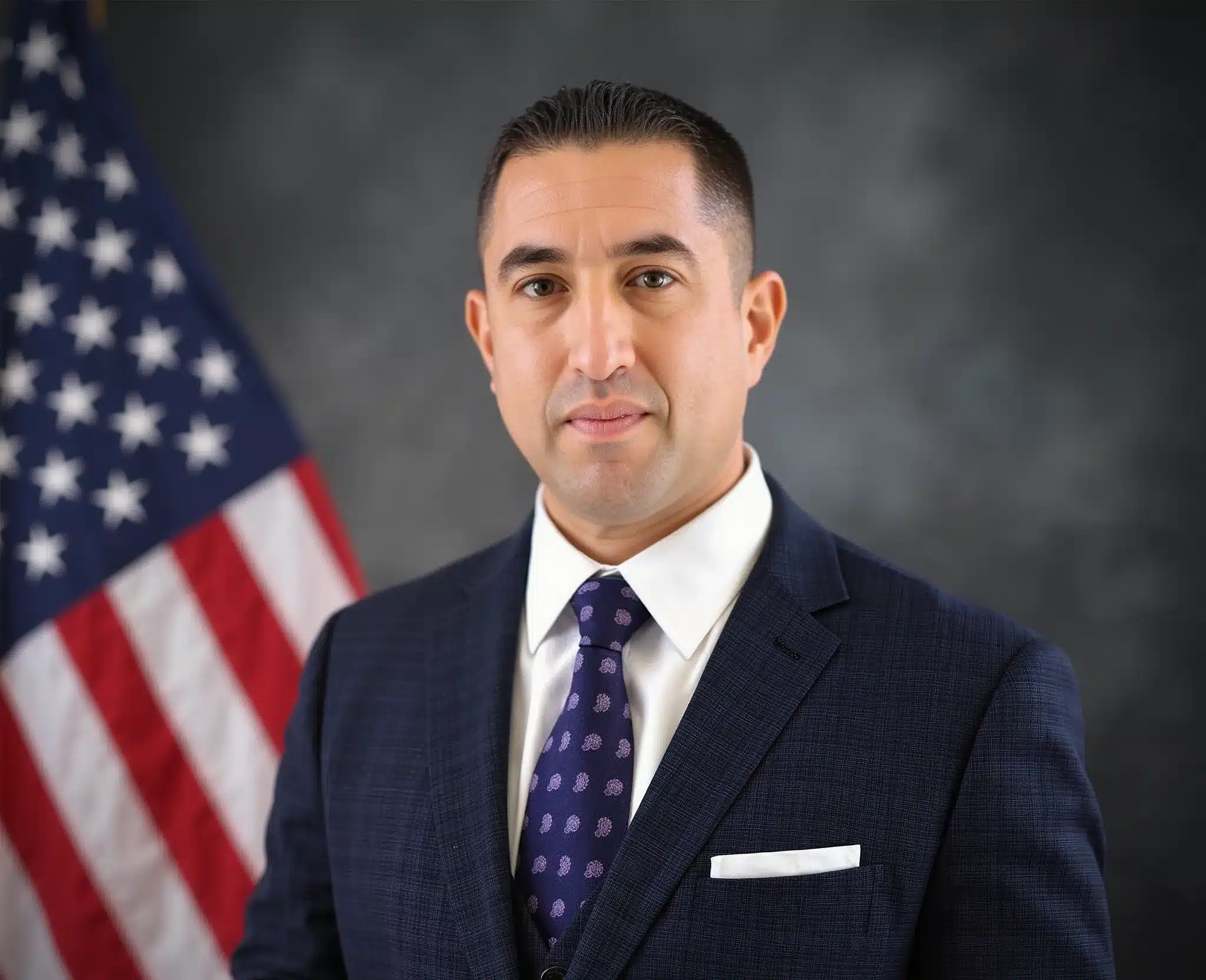
The Law Office of Nabiel C. Ahmed understands how frightening it can feel to be accused of a violent or serious crime in Hayward. You may worry about going to jail, losing your job, or being separated from your family. Our firm offers guidance from the early investigative stages through final resolution, focusing on clear communication and practical strategies. We take the time to explain what is happening in your case, what options are available, and what steps we can take to protect your rights. When you call 510-271-0010, you can speak with a team committed to your defense.
Choosing the right defense firm for a violent or serious crimes case in Hayward can have a major impact on how your case moves through the system. The Law Office of Nabiel C. Ahmed focuses on criminal defense, representing clients throughout Alameda and Contra Costa Counties in felony and misdemeanor matters. We are familiar with local courts, judges, and prosecutors, and understand how violent and serious charges are handled. Our approach blends thorough case review with honest communication, so you always know where your case stands and what choices are available before each important decision.
Clients turn to our firm because they want a defender who will take their concerns seriously and fight for a fair result. We analyze police reports, body‑worn camera footage, witness statements, and physical evidence to identify defense themes. We handle negotiations with prosecutors and present your side of the story in a clear, compelling way. Whether your case is resolved through dismissal, plea agreement, or trial, our goal is to protect your rights and pursue the most favorable outcome available under the circumstances. When your freedom and reputation are at stake, you deserve careful, dedicated representation.
When you contact the Law Office of Nabiel C. Ahmed about a violent or serious crimes accusation in Hayward, we begin by listening to your story and reviewing the charges against you. From there, we request discovery, including police reports, videos, and witness statements, so we can evaluate the strength of the prosecution’s case. We explain your options at each stage, from early negotiations to potential motions and trial. Throughout the process, we stay in close contact, answer questions, and help you prepare for court appearances, aiming to reduce stress while working toward the best possible outcome.
The process usually begins with a confidential consultation where you can describe what happened in your own words and share any documents or information you already have. For Hayward violent and serious crimes cases, we ask about your background, prior record, and goals for the case. We then review the charges, discuss potential consequences, and outline immediate steps we can take, such as contacting the prosecutor, addressing bail issues, or preserving evidence. This initial evaluation helps us identify urgent concerns and begin developing a defense plan tailored to the specific facts and your priorities.
During the first stage of representation, we focus on understanding your perspective on the events that led to your Hayward violent or serious crimes charges. We want to know what happened before, during, and after the incident, as well as any history with the alleged victim or witnesses. We also discuss your main worries, whether they involve jail time, family responsibilities, immigration status, or work. This open conversation allows us to spot potential defenses, identify key witnesses, and determine what evidence might exist beyond the police reports that could support your version of events in court.
Once we understand your story, we walk through the specific charges filed in Alameda County and what they may mean for your future. For violent and serious crimes in Hayward, this includes discussing strike implications, potential enhancements, sentencing ranges, and any mandatory terms that may apply. Rather than focusing only on worst‑case scenarios, we provide a realistic overview of possible outcomes based on your record and the available facts. This helps you make decisions about whether to pursue early negotiation, further investigation, or litigation strategies such as suppression motions or preparation for trial.
The next phase of a Hayward violent and serious crimes case typically involves obtaining and analyzing discovery, as well as conducting independent investigation when needed. We review police reports, body‑worn camera footage, photographs, medical records, and witness statements to identify inconsistencies, missing information, or possible defenses. In some cases, we may work with investigators to track down additional witnesses, gather surveillance video, or reconstruct timelines. Throughout this process, we keep you informed about what we find and how it may impact negotiations, pretrial motions, or the decision whether to proceed to trial or seek a negotiated resolution.
A central part of defending violent and serious crimes charges in Hayward is carefully reviewing the evidence that law enforcement has collected. We study police reports for inconsistent statements, missing details, and potential violations of your rights. We examine photos, medical records, and forensic tests to determine whether they truly support the charges or enhancements alleged. When body‑worn camera footage or surveillance video exists, we analyze it closely, sometimes frame by frame, to see whether it matches the written accounts. This detailed review often reveals important defense themes or weaknesses that can be used in negotiations or at trial.
Beyond reviewing what the prosecution provides, we also look for evidence that supports your side of the story. In a Hayward violent and serious crimes case, that might include tracking down witnesses who saw the incident from a different angle, gathering text messages or social media posts, or obtaining school or employment records that offer useful context. We may interview neighbors, friends, or bystanders who can explain what happened before or after the event. Carefully collected defense evidence can challenge the credibility of key witnesses, show that injuries were less severe than claimed, or support arguments for self‑defense or misidentification.
After gathering and reviewing the evidence, we move into a phase focused on negotiation, legal motions, and, if necessary, trial preparation. In Hayward violent and serious crimes cases, we may file motions to suppress evidence, challenge enhancements, or request disclosure of additional materials. At the same time, we engage with the prosecutor to discuss possible resolutions, sharing defense information strategically where it may help. If a trial becomes likely, we develop a clear narrative, prepare witnesses, and plan cross‑examination. Throughout this stage, you remain involved in decisions, and we regularly revisit your goals and comfort level with various options.
Negotiation in a Hayward violent or serious crimes case is not simply about accepting or rejecting the first offer. It involves presenting the strengths of your defense, pointing out legal issues, and advocating for charge reductions, dismissal of enhancements, or improved sentencing terms. When appropriate, we file motions challenging the admissibility of statements, identification procedures, or searches that may have violated your rights. By combining negotiation with well‑supported legal arguments, we aim to create pressure for fairer offers. You are consulted about every proposal so that any decision to accept or decline a deal is fully informed.
If a violent or serious crimes case in Hayward proceeds to trial, preparation becomes critical. We work with you to review your testimony options, anticipate questions, and decide whether you will testify at all. We prepare cross‑examination of prosecution witnesses, focusing on inconsistencies, bias, and gaps in their observations. We identify exhibits such as photos, videos, or diagrams that help explain your defense theory to the jury. During this stage, we also discuss potential verdicts and sentencing outcomes so you understand the stakes. The goal is to walk into trial with a clear, organized plan for presenting your side.
In California, violent and serious crimes include offenses that lawmakers have labeled as particularly harmful, many of which fall under the Three Strikes law. Examples are robbery, certain assaults, domestic violence with injuries, sex offenses, residential burglary, and crimes involving firearms or great bodily injury. In Hayward, these cases are often filed as felonies and may carry strike allegations that can increase penalties. Whether your specific charge is considered violent or serious depends on how it is defined in the Penal Code and any enhancements alleged. Even crimes that sound similar can have very different consequences depending on how they are charged. Reviewing the complaint and explaining how each count is classified is an important early step in planning your defense and understanding your potential sentencing exposure in Alameda County Superior Court.
Being charged with a violent or serious crime in Hayward does not automatically mean you will go to jail or prison, but incarceration is often a possibility. The outcome depends on factors like the seriousness of the allegations, whether injuries or weapons are involved, your prior record, and how strong the evidence appears. Judges and prosecutors have discretion within sentencing laws, and there can be room to negotiate for reduced penalties. In some cases, people can avoid custody through alternatives such as probation, treatment programs, or time already served, particularly when enhancements are dismissed or charges are reduced. However, certain offenses and enhancements may carry mandatory minimum sentences. Understanding your exact charges and potential ranges allows you to evaluate offers and decide whether to seek a negotiated resolution, present mitigation, or move forward with motions or trial in pursuit of a different result.
If you are arrested for a violent or serious crime in Hayward, the most important step is to protect your rights. Remain calm, avoid arguing with officers, and do not volunteer detailed statements about what happened. You have the right to remain silent and to request legal counsel before answering questions. Anything you say can be written into reports and later used by the prosecution, even if you believe it helps your case or clears up a misunderstanding. You should also avoid contacting the alleged victim or witnesses, especially if a protective order is in place. Instead, focus on contacting a defense firm that handles violent and serious crimes in Alameda County. Providing your legal team with any documents, bail information, and potential witness names as early as possible allows them to start gathering evidence and addressing urgent issues like bail, arraignment, and preservation of surveillance footage or electronic records that might support your defense.
California’s Three Strikes law can significantly increase penalties in violent and serious crimes cases originating in Hayward. A first strike is generally any qualifying serious or violent felony. A second strike conviction typically doubles the sentence, and a third strike can lead to a potential sentence of twenty‑five years to life, depending on the circumstances. Even when the Three Strikes law does not apply fully, prior serious felonies can trigger additional enhancements and mandatory terms. It is therefore important to know whether your current charges or prior convictions are considered strikes. Sometimes prosecutors file strike allegations that can be challenged, or defense counsel may be able to negotiate to remove or avoid strike consequences. Understanding how these laws apply to your situation helps you weigh the risks of trial against potential plea offers and informs decisions about strategy, mitigation, and any attempts to reduce or dismiss prior strike allegations.
Yes, in many Hayward cases, violent or serious crimes charges can be reduced or dismissed, though no outcome is guaranteed. Reductions may occur when evidence is weak, witness accounts are inconsistent, or legal issues arise regarding searches, statements, or identification procedures. Sometimes charges that began as serious felonies can be negotiated down to lesser felonies or misdemeanors, and enhancements or strike allegations may be dismissed as part of an agreement. Complete dismissal can occur when evidence is insufficient, key witnesses become unavailable or unreliable, or legal motions convince the court to exclude critical proof. Each case is different, so it is important to carefully analyze the police reports, physical evidence, and any available defense information. Early investigation, documentation of favorable facts, and persistent negotiation can increase the chance of achieving a more favorable outcome than the original charges suggest.
The length of a violent or serious crimes case in Hayward can vary widely. Some cases resolve within a few months through early negotiation, especially when evidence is straightforward and both sides are motivated to reach an agreement. Others can take a year or longer, particularly if there are complex legal issues, multiple defendants, significant injuries, or a large amount of discovery such as videos and forensic reports. Court calendars, attorney schedules, and the need for investigation or expert review can also affect timing. While delays can be stressful, they sometimes work to the defense’s advantage by allowing more time to gather favorable evidence, locate witnesses, or explore treatment options. Throughout the process, a good defense team keeps you updated on upcoming court dates, reasons for continuances, and how timing decisions might influence negotiations or trial strategy.
In many Hayward violent and serious crimes cases, the alleged victim later tells prosecutors that they do not want to continue with the case. While their wishes are important, the decision to dismiss or move forward ultimately belongs to the district attorney, not the complaining witness. Prosecutors may proceed even if the victim is reluctant, especially in domestic violence or serious injury cases, using prior statements, 911 calls, or other evidence. That said, the victim’s current position can still influence outcomes. Defense counsel may present their wishes, along with any written statements or restorative steps, as part of negotiations or sentencing mitigation. It is important that you do not pressure or contact the alleged victim yourself if a protective order is in place. Any communication with them should be carefully handled through proper legal channels to avoid new charges or complications in your existing case.
A conviction for a violent or serious crime in Hayward can affect many areas of life, including employment, housing, and immigration status. Employers may conduct background checks, and certain felony convictions can make it harder to work in fields that require licensing, trust, or direct contact with vulnerable populations. Landlords may also consider criminal records when deciding whether to rent to someone, especially when the offense appears recent or serious. For non‑citizens, some violent and serious crimes are considered deportable offenses or crimes involving moral turpitude under federal immigration law. Even long‑time residents can face removal proceedings after conviction. Because these consequences can be severe and long‑lasting, it is important to discuss your work and immigration situation with your defense team early, so they can consider these factors when negotiating charges, enhancements, or sentencing terms that might lessen collateral impacts.
Talking to police without legal advice is risky, especially in violent and serious crimes cases in Hayward. Officers may seem friendly or suggest that sharing your side will help clear things up, but their role is to gather information for the prosecution. Even small inconsistencies or poor word choices can be used to question your credibility later, and once statements are recorded, they can be difficult to explain away. You have a constitutional right to remain silent and to request legal counsel before questioning. Exercising these rights does not make you look guilty; it simply protects you from unintentionally harming your defense. If law enforcement wants to speak with you, it is usually best to decline politely and consult with a defense lawyer who can advise you on whether any communication is in your best interest and, if so, how it should be handled.
To get help from the Law Office of Nabiel C. Ahmed with a Hayward violent or serious crimes case, you can call 510-271-0010 or visit our website to request a consultation. We handle cases throughout Alameda and Contra Costa Counties and are familiar with the local courts and procedures. During your initial conversation, we will gather basic information about the charges, your background, and any upcoming court dates so we can address urgent concerns promptly. If you decide to move forward, we will provide a clear explanation of fees, what services are included, and what you can expect at each stage of the case. Our team will then begin obtaining discovery, investigating the facts, and developing a defense strategy tailored to your situation. We remain available to answer questions, keep you informed about developments, and stand with you in court as we work toward the best outcome possible under the circumstances.
Aggressive defense for all criminal charges
"*" indicates required fields