
Facing a vandalism charge in Hayward can turn your life upside down. A moment of poor judgment, a misunderstanding, or simply being in the wrong place at the wrong time can lead to harsh accusations with long‑lasting consequences. In California, vandalism is taken seriously, and prosecutors in Alameda County often push for penalties that include jail, fines, and restitution. At the Law Office of Nabiel C. Ahmed in nearby Oakland, the goal is to protect your record, your reputation, and your future from the fallout of these allegations.
Whether the accusation involves graffiti, damaged property, or an alleged prank gone wrong, every vandalism case in Hayward has its own story and details that matter. Police reports may be incomplete, witnesses can be mistaken, and property damage estimates are often exaggerated. A strong defense requires careful review of the circumstances and the evidence, as well as an understanding of how local courts in Alameda County handle these cases. With focused representation, there is often room to reduce charges, avoid jail, and seek outcomes that protect your long‑term opportunities.
A vandalism conviction in Hayward may seem like a minor issue at first, but it can follow you far beyond the courthouse. Background checks for jobs, housing, professional licensing, and even school admissions often flag damage‑to‑property offenses. In California, vandalism can be charged as a misdemeanor or a felony depending on the dollar amount and circumstances, which means your exposure can be significant. Working with a Hayward vandalism defense lawyer gives you guidance on each step, helps protect your rights during investigations, and can open the door to reduced penalties, dismissals, or diversion programs designed to keep your record as clean as possible.
The Law Office of Nabiel C. Ahmed focuses on defending people accused of crimes throughout Alameda County and Contra Costa County, including Hayward, Oakland, and nearby communities. The firm’s practice is dedicated to criminal defense, handling cases involving vandalism, theft, and a wide range of other charges. Over years of advocacy in local courts, the firm has appeared before many of the same judges and prosecutors who handle vandalism cases every day. This background allows the office to anticipate how a case may be viewed, present persuasive mitigation, and pursue resolutions that seek to protect clients’ freedom, records, and long‑term goals.
In California, vandalism is more than just spray paint on a wall. Under Penal Code §594, vandalism includes any act of defacing, damaging, or destroying someone else’s property, whether it belongs to a person, a business, or a public agency. In Hayward, these cases can arise from allegations involving vehicles, homes, storefronts, schools, or public property such as signs and fences. The severity of the charge depends on the value of the damage and whether there are any prior convictions. Even accusations involving minor damage can still bring probation terms, community service, fines, and court‑ordered restitution.
Vandalism cases in Hayward often start with a call to law enforcement from a frustrated property owner or neighbor. Officers may arrive after the fact, rely on assumptions, or accept estimates of damage that are not supported by actual repair costs. Sometimes multiple people are present, yet only one person gets charged. In other situations, a property dispute or personal conflict motivates the complaint. Understanding how the allegations arose, what the physical evidence shows, and whether there is reliable identification is vital. The right legal approach looks closely at each detail and challenges any weak points in the prosecution’s case.
California’s vandalism law covers a broad range of conduct that may not seem serious at first glance. Painting on a wall without permission, scratching a car, breaking windows, damaging a mailbox, or carving into a bench can all lead to charges. In Hayward, prosecutors look at whether the damage was intentional, how much it cost to repair, and whether there was any prior history. Damage under a certain dollar amount is typically a misdemeanor, while higher amounts can lead to felony filing decisions. The law also recognizes vandalism to community or religious property, which may carry added consequences and heightened concern from the court.
To prove vandalism in Hayward, the prosecution must show that property was defaced, damaged, or destroyed, that the property did not belong to the accused, and that the act was done willfully. The process usually begins with an investigation, citation, or arrest, followed by an arraignment in an Alameda County courthouse. From there, your lawyer can seek police reports, photos, surveillance footage, witness statements, and repair invoices to evaluate the strength of the case. Many vandalism cases resolve through negotiation, which may involve restitution, classes, or community service. When the evidence is weak or constitutional violations appear, motions and trials may be used to pursue a better outcome.
Understanding some of the language used in vandalism cases can make the process less overwhelming. Courts, prosecutors, and insurance companies rely on specific terms when assessing damage, assigning responsibility, and deciding how to move forward. Whether you are accused of tagging, breaking property, or participating in a group incident, knowing these terms can help you follow conversations with your lawyer and make informed decisions. The following glossary highlights several common phrases you may encounter in Hayward vandalism cases and explains how they affect your situation in practical, everyday terms.
Restitution is money paid to a property owner to cover the cost of damage or loss related to a vandalism case. In Hayward, courts often require restitution as a condition of probation or a plea agreement. The amount can be based on repair invoices, replacement costs, or estimates, and these numbers are sometimes inflated or unsupported. Having a lawyer review the claimed damage, seek competing estimates, and negotiate payment terms can make a significant difference. Reasonable restitution arrangements can also help convince prosecutors and judges to consider reduced charges, dismissal upon completion, or diversion‑style resolutions.
Graffiti refers to writing, drawing, or symbols placed on property without permission, typically with spray paint, markers, etching tools, or similar materials. In Hayward, graffiti cases are common and often tied to vandalism charges and local cleanup concerns. Even a small tag can result in criminal charges, particularly if it is on public property, a school, or a business. Courts may order graffiti abatement programs, community service, or participation in restorative justice efforts. Challenging identification, questioning whether markings can truly be attributed to you, and examining video or photo evidence can be central to defending a graffiti‑related vandalism allegation.
Willful conduct means that the act was done on purpose, not by accident. For vandalism charges in Hayward, the prosecution must show that you intentionally defaced, damaged, or destroyed property. This does not require a desire to cause a specific amount of harm, only that the physical act was deliberate. Many defenses focus on whether the damage was accidental, whether someone else was responsible, or whether alcohol or misunderstanding played a role. Showing that property damage occurred in the course of an accident or without the required intent can undercut the vandalism allegations and support reduced or dismissed charges.
Diversion is an alternative path that allows certain cases to be handled outside of a traditional conviction. In some Hayward vandalism cases, diversion may involve counseling, community service, restitution, or classes focused on accountability and decision‑making. Successful completion can lead to dismissal or reduction of the charges, which is especially important for young people or first‑time defendants hoping to protect their records. Diversion eligibility depends on the facts of the case, the amount of damage, and the policies of the Alameda County District Attorney’s Office. A lawyer can help you explore whether a diversion‑type option might be available in your situation.
When facing vandalism accusations in Hayward, you may have multiple paths forward. Some people consider pleading quickly just to “get it over with,” while others want to fight the case all the way through trial. There are also options in between, such as negotiating for reduced charges, informal diversion, or alternative sentencing. Each choice carries different risks and benefits, especially when it comes to your record, immigration status, employment prospects, and financial obligations. Talking through these options with a vandalism defense lawyer who knows Alameda County courts can help you choose the direction that best protects your future.
In some Hayward vandalism cases, the damage is minimal, the accused has no prior history, and there is a clear explanation for what happened. Perhaps property was accidentally damaged during horseplay, or a young person immediately took responsibility and offered to fix the problem. In these situations, a limited approach focused on quick negotiation and restitution may be appropriate. By promptly addressing the property owner’s concerns and presenting background information to the prosecutor, your lawyer may be able to resolve the matter with informal agreements, reduced charges, or outcomes that avoid lengthy court battles and protect your record from long‑term harm.
Sometimes the evidence in a Hayward vandalism case is straightforward, and surveillance footage or admissions make a full trial unlikely to succeed. Even then, you still have important interests to protect, such as avoiding jail time, limiting fines, and securing a chance for dismissal after completion of conditions. A limited approach may focus on securing the best plea deal available, negotiating payment plans for restitution, and advocating for community‑based alternatives instead of incarceration. This strategy can be effective when the primary goal is damage control, especially for students, workers, or parents who cannot afford to put their lives on hold for extended litigation.
When alleged vandalism in Hayward involves high repair costs, repeated incidents, or accusations tied to other crimes like burglary or gang activity, the stakes increase quickly. Felony vandalism charges can threaten your freedom, employment, and housing options for years. A comprehensive approach in these cases may include detailed investigation, consultation with damage valuation professionals, careful review of police procedures, and aggressive motion practice. Prior convictions can also change how prosecutors view your case. Thorough preparation and strategic negotiation are often necessary to avoid the most severe penalties and to seek outcomes that better reflect who you are today, not just the accusations.
If you are wrongly accused, misidentified, or caught up in a situation where the facts are unclear, a comprehensive defense can be essential. Hayward vandalism cases often rely on shaky eyewitness accounts, unclear video, or assumptions based on who was nearby. A thorough defense may involve interviewing witnesses, obtaining surveillance footage, examining phone or location data, and challenging how law enforcement handled the investigation. When evidence is weak, your lawyer can use that to press for dismissal, reduction, or a strong position at trial. Protecting your name, your record, and your future requires more than a quick plea when the accusations are in dispute.
Taking a comprehensive approach to a vandalism case in Hayward means looking beyond the immediate charge and considering the impact on your long‑term future. Thorough representation examines the evidence from every angle, uncovers inconsistencies, and searches for legal issues that can lead to dismissal, suppression, or favorable plea offers. It also allows time to gather positive background information, such as school records, employment history, community involvement, and counseling efforts. This fuller picture helps humanize you in the eyes of the court and can play a powerful role in securing resolutions that prioritize rehabilitation, second chances, and protection of your record whenever possible.
Another advantage of a comprehensive defense in Hayward vandalism cases is the ability to plan for collateral consequences that are often overlooked. Certain convictions can affect immigration status, professional licensing, security clearances, and access to housing or education. Your lawyer can work with you to identify these risks and craft strategies that minimize the damage, such as seeking particular charge language, alternative pleas, or sentencing terms that better protect your future. This broader perspective moves beyond simply “closing the case” and instead focuses on keeping as many doors open as possible after the court process ends.
When your legal team fully investigates a vandalism case, gathers records, and prepares as though the matter will go to trial, you often gain significant leverage. Prosecutors in Hayward and throughout Alameda County quickly recognize when a defense is ready to challenge their evidence in court. This preparation can translate into better offers, including reduced charges, alternative sentencing, and in some cases dismissal. Even if your case ultimately resolves through negotiation, the work put into a comprehensive defense can uncover weaknesses in the prosecution’s case that might otherwise go unnoticed, giving you a much stronger bargaining position.
Vandalism charges can cast a long shadow over your future, especially in a competitive job and housing market. A comprehensive defense seeks not only to resolve the immediate case, but also to protect your record as much as the law allows. This may involve pursuing diversion programs, seeking reductions to less damaging offenses, or crafting plea agreements aimed at eventual dismissal or record relief. By considering how today’s decisions will affect tomorrow’s opportunities, your lawyer can guide you toward choices that protect your reputation and keep important paths open, whether you are building a career, supporting a family, or planning your education.

After a vandalism accusation, many people feel the urge to explain themselves to police, property owners, or friends and family. In Hayward, your words can quickly be used against you, even if you believe you are clearing up a misunderstanding. Social media posts, text messages, and casual conversations can all end up in police reports. Instead of trying to fix things on your own, it is safer to remain calm, avoid making statements, and contact a vandalism defense lawyer. This approach helps protect your rights while still allowing room to address restitution or misunderstandings in a controlled, strategic way.
Some people underestimate vandalism charges, assuming they will only result in a small fine or warning. In Hayward and throughout Alameda County, these cases can bring significant financial penalties, probation terms, and long‑term impacts on your record. Taking the case seriously from day one gives you more options. Early action may allow your lawyer to speak with prosecutors before formal charges are filed, correct misunderstandings, or negotiate resolutions that are harder to obtain later. Addressing the situation quickly also helps you organize restitution, enroll in helpful programs, and show the court that you are taking responsibility for moving forward in a positive direction.
Vandalism charges in Hayward may appear simple, but the consequences can be far‑reaching. A conviction can lead to probation, community labor, fines, and restitution, and may show up on background checks long after the case ends. Legal representation helps you understand the specific charges, potential penalties, and options for protecting your record. A vandalism defense lawyer can examine whether the damage amount is accurate, whether identification is reliable, and whether your rights were respected during the investigation. This guidance can be especially important if you are a student, parent, or worker worried about how this case may impact your future.
Another key reason to seek a Hayward vandalism lawyer is the opportunity to pursue creative, tailored resolutions that may not be obvious from the outside. Courts and prosecutors sometimes consider community service, counseling, or educational programs in place of harsher penalties, particularly for people with limited or no prior record. Legal counsel can present your background in a favorable light and advocate for options that emphasize growth and accountability rather than punishment alone. By having someone in your corner who understands local practices in Alameda County, you increase the chances of walking away with a result that protects your reputation and future opportunities.
People from all walks of life find themselves facing vandalism accusations in Hayward. Sometimes it begins as a prank that gets out of hand, a heated argument that results in damaged property, or a party where someone mistakenly blames the wrong person. Other times, the accusation arises from graffiti enforcement efforts or community complaints about repeated tagging. Property disputes between neighbors or former partners can also lead to vandalism calls. In each of these situations, the law may not fully capture the emotions, misunderstandings, or context behind the event, which is why thoughtful legal representation can be so important.
Graffiti‑related accusations are a frequent source of vandalism charges in Hayward, especially near schools, parks, and commercial areas. Young people in particular may be swept up in enforcement efforts, sometimes based on assumptions about social media posts or style of dress. Photos, witness accounts, and surveillance footage do not always tell the full story, and similar tags can be mistakenly attributed to the same individual. A lawyer can challenge these assumptions, look for inconsistencies in identification, and explore options such as cleanup programs, counseling, or diversion that hold the door open for second chances rather than long‑term punishment.
Vandalism charges often arise from emotionally charged situations, such as arguments between partners, roommates, or family members in Hayward. Punching a wall, breaking a phone, or damaging a car during a dispute can lead to accusations that feel far more serious once police become involved. These cases may also overlap with domestic violence or restraining order issues, making the stakes higher. A defense lawyer can help separate momentary anger from ongoing danger, present context about the relationship, and work toward resolutions that address safety concerns while avoiding outcomes that unnecessarily damage your criminal record and future opportunities.
Another common scenario involves allegations of scratching cars, breaking windows, or damaging homes or businesses during conflicts or perceived retaliatory acts. Property owners in Hayward may assume they know who is responsible based on prior disagreements or neighborhood tension, even when direct proof is lacking. Repair estimates can also be inflated or include unrelated work. Careful review of photos, invoices, timing, and any available video can reveal gaps in the story. By questioning both the identification and the claimed damage amounts, a vandalism defense lawyer can challenge the prosecution’s case and often work toward more reasonable, fair outcomes.
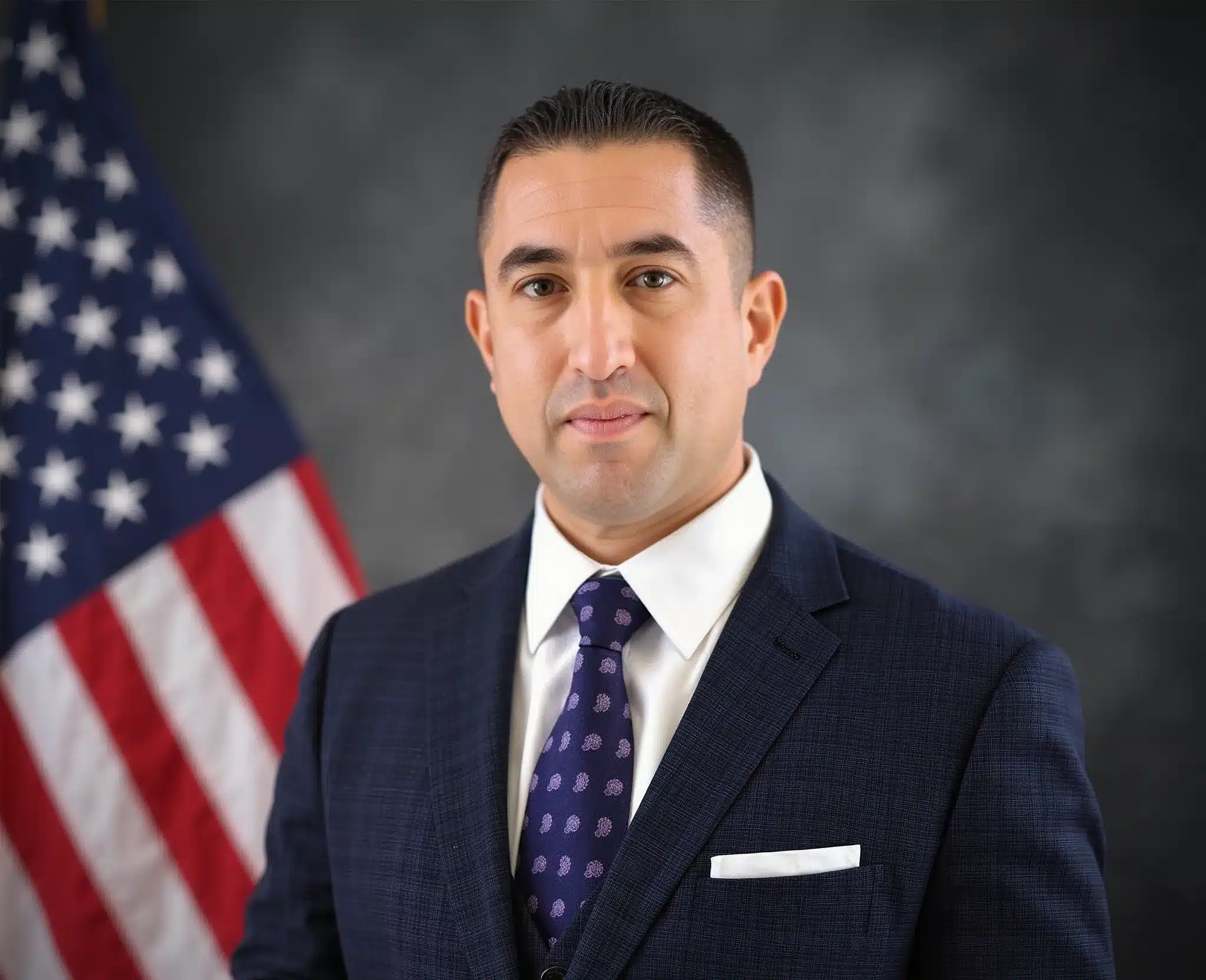
Being charged with vandalism in Hayward can feel overwhelming and embarrassing, but you do not have to face the process alone. The Law Office of Nabiel C. Ahmed provides guidance to people throughout Alameda County, taking the time to understand your situation, answer questions, and outline realistic options. You are treated as a person, not just a case number. Whether your goal is to avoid jail, protect your record, or clear your name entirely, the firm works with you to build a plan and move forward. A phone call can be the first step toward regaining control and protecting your future.
Choosing the right legal representation for a vandalism charge in Hayward can make a meaningful difference in how your case is resolved. The Law Office of Nabiel C. Ahmed focuses exclusively on criminal defense, including vandalism, theft, and related offenses throughout Alameda County and Contra Costa County. The firm understands how local judges and prosecutors view these cases and what types of resolutions may be available. By listening carefully to your story and examining the evidence in detail, the office crafts strategies tailored to your needs, rather than relying on one‑size‑fits‑all approaches that overlook important details.
When you work with this firm, you receive direct communication, clear explanations, and honest assessments of your options. The office knows that a vandalism accusation can create stress for you and your family, impacting work, school, and relationships. You are kept informed about each step and encouraged to participate in decisions about your defense. Whether the case calls for negotiated resolution, pursuit of diversion, or preparation for trial, the focus remains on protecting your rights and future. With convenient access from Hayward to the firm’s Oakland office, help is only a phone call away at 925‑430‑7313.
From the moment you contact the Law Office of Nabiel C. Ahmed about a Hayward vandalism charge, the goal is to reduce your stress and create a clear plan. The firm begins by listening to your side of the story, reviewing any paperwork you received, and gathering information about the incident. Next, your lawyer obtains police reports, photos, and other evidence, looking for weaknesses in the prosecution’s case. You are guided through court appearances, informed about potential outcomes, and involved in important decisions. Throughout the process, the firm remains focused on protecting your rights, your record, and your future.
The first step in addressing a vandalism charge in Hayward is a thorough consultation where you can discuss what happened and ask questions about the legal process. During this meeting, the firm reviews any citations, booking documents, or court notices and clarifies the exact charges and potential penalties. You are encouraged to share details about your background, responsibilities, and concerns, which helps shape the defense approach. The office will also outline immediate steps, such as upcoming court dates and evidence to gather. This early evaluation sets the foundation for informed decisions and a strong plan moving forward.
Many people facing vandalism charges feel judged before they even walk into court. At the Law Office of Nabiel C. Ahmed, the process starts with listening. You have the opportunity to describe what led up to the Hayward incident, who was present, and how the accusations have affected your life. The firm also wants to know your goals, such as protecting a job, maintaining immigration status, or safeguarding educational plans. By understanding both the legal and personal sides of your situation, your lawyer can tailor the defense approach to what truly matters to you and your family.
After hearing your story, your lawyer reviews the vandalism charges filed in Alameda County, explains the difference between misdemeanor and felony allegations, and walks you through potential outcomes. You will learn about possible penalties, including probation, jail, fines, and restitution, as well as options like diversion or reduced charges. The firm also covers how the case may affect your record, employment, and other parts of your life. This clear, straightforward explanation helps you understand what is at stake and allows you to participate meaningfully in decisions about how to move forward with your defense.
Once hired, the firm begins a detailed review of the evidence in your Hayward vandalism case. This includes requesting police reports, photographs, video footage, and repair estimates. Your lawyer looks for inconsistencies, missing information, and potential constitutional issues, such as improper searches or Miranda violations. When necessary, the office may consult with damage valuation professionals or investigators. With a clear understanding of the strengths and weaknesses of the case, your lawyer engages with the prosecutor to pursue better outcomes. This could involve reduced charges, diversion, amended restitution, or other resolutions that better protect your record and future.
Evidence is at the heart of any vandalism case, and the firm takes this stage seriously. Your lawyer examines police reports for assumptions, inaccuracies, and missing details, and compares them to photos, video, and witness statements. In Hayward cases involving damage estimates, the office may request additional documentation to verify the claimed amounts. If identification is disputed, surveillance footage, phone records, and alibi information can be crucial. By carefully analyzing the evidence and identifying weak spots, your lawyer builds a foundation for successful negotiation or courtroom challenges that aim to improve your position and protect your interests.
After evaluating the evidence, your lawyer opens a dialogue with the Alameda County District Attorney’s Office to discuss the vandalism charges. This communication may involve presenting mitigating information, challenging damage amounts, or highlighting legal issues in the case. The goal is to advocate for outcomes that reflect your circumstances, such as reduced counts, community‑based resolutions, or diversion. At the same time, the firm handles court appearances, keeping you informed about developments and options. Throughout this process, negotiation is guided by your priorities, whether that means pursuing a plea, seeking dismissal, or preparing for trial.
The final stage of a Hayward vandalism case involves court hearings where key decisions are made. Depending on the case, this may include motion hearings, plea discussions, or trial. Your lawyer will stand beside you in court, explain what to expect, and prepare you for any testimony or statements. If the case resolves through a plea or diversion, the firm helps you understand your obligations and supports you in completing them successfully. After resolution, your lawyer can advise you about record‑related options, such as sealing or expungement, to help you move forward with as few lingering consequences as possible.
Court can be intimidating, especially if it is your first time facing criminal charges. The Law Office of Nabiel C. Ahmed prepares you in advance by explaining courtroom procedures, possible questions, and what the judge will want to hear. In vandalism cases that proceed toward trial, preparation may include outlining your testimony, identifying defense witnesses, and organizing exhibits such as photos or repair records. You will know what to expect at each hearing, which helps reduce anxiety and allows you to present yourself confidently. This preparation supports more effective advocacy and better-informed decisions about whether to settle or continue litigating.
Resolution of your Hayward vandalism case is not always the end of the story. You may have ongoing obligations such as restitution payments, community service, classes, or probation conditions. The firm explains these requirements in plain language and helps you understand important deadlines so you can avoid violations. You can also discuss long‑term options like record cleaning, if available, to reduce the impact of the case on your future. By staying engaged beyond the final court date, the Law Office of Nabiel C. Ahmed supports your efforts to move forward, close this chapter, and focus on rebuilding your life.
In California, vandalism can be charged as either a misdemeanor or a felony depending largely on the value of the damage and the circumstances of the case. In Hayward, prosecutors look at repair or replacement costs, any prior convictions, and whether the vandalism is connected to other alleged crimes. Lower‑value damage and a clean record are more likely to result in misdemeanor charges, while larger losses or repeat allegations can lead to felony filing decisions. Even when a case starts as a felony, your lawyer may be able to negotiate a reduction to a misdemeanor based on the evidence, restitution, and your background. Sometimes the damage amount can be challenged with competing estimates or proof that certain claimed repairs were unrelated. Understanding how charging decisions are made and what factors influence prosecutors in Alameda County is an important part of building a strategy tailored to your situation.
Penalties for vandalism in Hayward vary widely, but they can include probation, jail time, fines, and restitution to the property owner. Courts may also order community service, graffiti cleanup, counseling, or classes, depending on the facts and the judge’s preferences. Felony vandalism convictions can carry longer jail or prison exposure and may have greater impact on immigration status, employment opportunities, and housing applications. In many cases, your lawyer can work to minimize these consequences by negotiating for reduced charges, alternative sentencing, or diversion programs. First‑time offenders, students, and those who show genuine efforts to make amends may have access to more lenient resolutions. Having legal guidance helps you understand the realistic range of outcomes and identify options that focus on rehabilitation and future opportunities rather than the harshest possible punishment.
Yes, in some circumstances vandalism charges in Hayward can be dismissed or reduced. Dismissals may occur when there is insufficient evidence, major identification problems, or constitutional violations such as illegal searches. Charges can sometimes be reduced if the damage amount is successfully challenged or if your lawyer negotiates a plea to a less severe offense, especially when you have little or no prior record. Even when a complete dismissal is unlikely, there may be options such as informal agreements, diversion, or plea bargains that significantly improve the outcome. These can involve restitution, community service, or classes in exchange for reduced penalties or eventual dismissal. The key is early, thoughtful intervention that examines the evidence, tells your side of the story, and presents the prosecutor and court with compelling reasons to consider a more favorable resolution.
A vandalism conviction will typically appear on criminal background checks used by employers, landlords, and licensing agencies. In Hayward, this can be particularly concerning for people applying for jobs in education, transportation, or positions involving trust and responsibility. Even misdemeanor vandalism can raise questions about reliability and judgment, which is why protecting your record is often a central goal in handling these cases. There may be options down the road to lessen the impact, such as expungement or other record relief, depending on your circumstances and the outcome of the case. Your lawyer can explain how different resolutions affect your future and help you pursue paths that keep as many doors open as possible. Planning for background checks and long‑term consequences should be part of the discussion from the very beginning of your vandalism defense.
If Hayward police or Alameda County investigators want to question you about vandalism, it is wise to speak with a lawyer before answering any questions. Even casual statements that seem harmless can be misinterpreted and later used to support charges. You have the right to remain silent and the right to request an attorney, and exercising those rights does not make you look guilty. Politely explaining that you want to talk to a lawyer first can prevent you from accidentally providing information that hurts your case. Once you have legal counsel, your lawyer can communicate with law enforcement on your behalf, help you decide whether to provide a statement, and ensure that any interactions are conducted fairly. This approach helps protect your rights while still allowing for strategic decisions about how to handle the investigation.
Courts in Hayward often order restitution in vandalism cases to compensate property owners for damage. Restitution can include the cost of repairs, clean‑up, or replacement of damaged items. However, the numbers proposed by alleged victims are not automatically accepted. Your lawyer can review invoices, request additional documentation, and challenge amounts that appear inflated or unrelated to the incident. Sometimes, negotiating restitution arrangements can help achieve better overall outcomes, such as reduced charges or more lenient sentencing. Payment plans, community service, or creative solutions may also be possible. Addressing restitution thoughtfully not only helps restore relationships with property owners but can also show the court that you take the situation seriously and are committed to moving forward in a constructive way.
The timeline for a vandalism case in Alameda County depends on several factors, including the seriousness of the charges, the court’s calendar, and whether the case is resolved through negotiation or trial. Some Hayward cases conclude within a few months if a plea agreement or diversion program is reached early. Others, especially those involving disputed facts or complex evidence, can take longer as motions are filed and hearings are scheduled. During this time, your lawyer will keep you informed about upcoming court dates, deadlines, and what to expect at each stage. While it can be stressful to have a case pending, the extra time is often used to strengthen the defense, gather positive materials, and pursue better offers. Patience combined with informed decision‑making can lead to more favorable results than rushing to accept the first option presented.
Yes, juveniles can be charged with vandalism in Hayward, and these cases are typically handled in juvenile court rather than adult criminal court. The juvenile system focuses more on rehabilitation and future success, which can lead to different options such as informal supervision, diversion, or probation with conditions tailored to young people. However, the allegations are still serious and can affect school, family dynamics, and long‑term opportunities. Having a lawyer involved early can help protect a young person’s rights and highlight their strengths, such as school performance, activities, and family support. Juvenile vandalism cases often benefit from creative resolutions like counseling, community service, or restorative justice efforts. The goal is not only to resolve the case but also to support the young person in making positive changes and avoiding future legal problems.
Wrongful identification is a common issue in vandalism cases, especially when incidents occur at night, from a distance, or in crowded areas. In Hayward, police and alleged victims may rely on brief glimpses, clothing descriptions, or assumptions based on prior conflicts. These identifications can be mistaken, leading to charges against the wrong person. A defense lawyer can challenge identification by scrutinizing lighting, distance, viewing angles, and inconsistencies in witness statements. Surveillance footage, phone location data, or independent witnesses may help show that you were not responsible for the damage. Your lawyer can also explore whether law enforcement used proper procedures when conducting photo lineups or other identification methods. If doubts about identity are significant, they can support dismissal, acquittal, or negotiations for more favorable outcomes, reinforcing the importance of a careful, evidence‑based defense strategy.
Hiring a criminal defense law firm for a vandalism charge in Hayward gives you someone who understands the local courts, the law, and the practical realities of these cases. Vandalism may seem minor compared to other crimes, but the potential impact on your record and future can be substantial. A dedicated defense firm knows how to evaluate the evidence, question damage amounts, and negotiate with prosecutors for better outcomes. The Law Office of Nabiel C. Ahmed focuses entirely on criminal defense in Alameda County and Contra Costa County, including vandalism and related offenses. By having a legal advocate guide you through each step, you reduce the risk of missteps that can lead to harsher penalties. You also gain an informed voice in court, someone who can present your story, highlight your strengths, and pursue resolutions aimed at protecting your record and long‑term opportunities.
"*" indicates required fields