
Robbery or burglary charges in Fremont can turn your life upside down overnight. A single accusation may threaten your freedom, job opportunities, immigration status, and relationships. The legal system in Alameda County treats violent and serious crimes very aggressively, and prosecutors often push for jail or prison, long probation, and steep fines. You do not have to go through this alone. With the right defense strategy, it may be possible to reduce charges, challenge evidence, or negotiate alternatives that protect your future and keep you with your family.
At the Law Office of Nabiel C. Ahmed, the goal is to stand between you and the full power of the government. Robbery and burglary cases are often built on shaky eyewitness identifications, questionable police procedures, and assumptions about intent. When you have someone carefully examining every detail of your Fremont case, opportunities may arise to suppress evidence, dispute allegations, or pursue reduced penalties. This page explains how these charges work, what the process looks like in Alameda County, and how a thoughtful defense can make a meaningful difference in the outcome.
Robbery and burglary are labeled as violent and serious crimes under California law, which means the consequences can follow you for years. A conviction may count as a strike, increase future sentencing, and appear on background checks for housing and employment. Strong defense representation can help you understand what you are facing and identify options that might not be obvious at first. From challenging search warrants and identifications to negotiating charge reductions, a focused defense can help protect your record, control the penalties, and give you a real chance at rebuilding your life in Fremont.
The Law Office of Nabiel C. Ahmed focuses on defending people accused of crimes throughout Alameda County and Contra Costa County, including Fremont. The firm has handled a wide range of violent and serious felony cases, from first-time burglary allegations to complex robbery matters with multiple defendants. The approach is straightforward: listen closely, investigate thoroughly, and build a defense tailored to your circumstances and goals. Whether your case is in Fremont, Oakland, Hayward, or nearby, you receive attentive guidance, clear communication, and determined advocacy at every stage of the process.
To defend yourself effectively, it helps to understand what the law actually requires for robbery and burglary in California. Many people confuse these charges or assume that any accusation means prison is inevitable. In reality, prosecutors must prove each element beyond a reasonable doubt, including things like intent, use of force, and entry into a structure. Small details about where you were, what you said, and how the police gathered evidence can shift the outcome dramatically. Knowing the legal definitions and the possible defenses is the first step in protecting your rights.
Robbery and burglary cases in Fremont often involve surveillance footage, witness statements, cell phone location data, and physical evidence. Each piece of information must be examined carefully to see whether it truly supports the charges or raises doubts. Sometimes officers overcharge a case as robbery when the facts support a lesser theft offense, or label a situation as residential burglary when the legal requirements are not met. By understanding the differences between these accusations, you can make more informed decisions about plea offers, trial risks, and the best path forward.
In California, robbery generally means taking property from another person or from their immediate presence, against their will, using force or fear. Burglary typically involves entering a building, home, or certain types of structures with the intent to commit theft or another felony inside. These definitions may sound simple, but they contain important details that can make or break a case. Questions like whether force was actually used, whether fear was reasonably caused, or whether you intended to commit a crime at the time of entry can all be contested during negotiations or in court.
A typical robbery or burglary case in Fremont moves through several stages, each with its own opportunities and risks. After an arrest or investigation, the prosecutor decides what charges to file based on the police reports and available evidence. Next comes arraignment, early motions, settlement conferences, and potentially a preliminary hearing or trial. At every step, the legal team can argue about probable cause, challenge the way evidence was collected, and negotiate with the district attorney. Understanding these elements and when they occur helps you stay prepared, calm, and involved in your defense.
Legal language in robbery and burglary cases can feel confusing, especially when you are worried about your future. Terms like strike offense, priorable offense, or serious felony carry real consequences. When judges and prosecutors in Fremont use these phrases, they are often talking about how a conviction will affect sentencing, probation, or future cases. By breaking down some of the most common terms you will hear, this glossary aims to give you more confidence in conversations about your case and help you follow what is happening in the courtroom.
Robbery is a felony charge that involves taking property directly from a person or their immediate presence through the use of force or fear. In Fremont and throughout California, robbery is treated as a violent offense and may count as a strike. The law looks closely at whether there was actual force, threats, or intimidation and whether the property was truly within the person’s reach. The degree of robbery, the involvement of weapons, and the location of the incident can all affect potential penalties and the strategies available for your defense.
Burglary generally refers to entering a structure, such as a home, apartment, business, or certain locked spaces, with the intent to commit theft or another felony inside. In California, burglary is divided into first-degree (often residential) and second-degree (often commercial or other) categories. First-degree burglary is usually punished more severely, especially when someone is home. Prosecutors focus on whether you actually intended to steal or commit a felony at the time you entered. That question can be heavily disputed and may present important opportunities for reduced charges or alternative resolutions.
A strike offense refers to certain serious or violent felonies listed under California’s Three Strikes law. Many robbery convictions and some burglary convictions can qualify as strikes. Having a strike on your record can significantly increase future punishment if you are convicted of another felony later. It may also limit access to certain sentencing options or programs. Understanding whether the Fremont charges against you are considered strike offenses is essential when evaluating plea offers, trial choices, and long-term consequences that may extend far beyond the current case.
An enhancement is an additional allegation that can increase the potential sentence if you are convicted. In robbery and burglary cases, common enhancements include using a firearm, causing great bodily injury, or committing the offense for the benefit of a gang. Enhancements are separate from the underlying charge and must be proven by the prosecution. They can add years to a prison term if not challenged effectively. In Fremont courts, carefully evaluating each enhancement and looking for ways to contest or negotiate them can dramatically change your overall sentencing exposure.
When facing robbery or burglary charges in Fremont, you usually have several paths to consider, each with its own risks and benefits. Sometimes a limited approach, such as accepting an early offer, may seem attractive because it promises quick closure. Other times, a more comprehensive defense that includes motions, investigation, and preparation for trial may be better suited to protecting your long-term interests. Factors such as your criminal history, immigration status, employment needs, and the strength of the evidence all play a role. The key is understanding your options clearly before making life-altering decisions.
In some Fremont robbery or burglary cases, the evidence may be relatively straightforward and difficult to challenge, such as clear video footage, multiple consistent witnesses, and admissions that cannot easily be disputed. When the district attorney extends a reasonable offer early in the case, a limited negotiation-focused approach may be appropriate. This strategy concentrates on achieving reduced charges, lighter penalties, or alternative sentencing quickly, helping you avoid unnecessary court dates. It can be particularly helpful when your main priority is limiting time in custody and getting back to work and family responsibilities.
For some first-time defendants with strong ties to Fremont or other Alameda County communities, a limited strategy focusing on mitigation may produce good results. Judges and prosecutors sometimes consider your school history, employment, family obligations, mental health, and willingness to participate in counseling or programs. When the evidence is strong but your background is otherwise positive, a focused approach that emphasizes character letters, treatment plans, and restitution can encourage the court to consider reduced charges or alternatives to jail. This path still requires careful planning, but does not always demand a fully contested trial.
When key facts are in dispute, a more comprehensive defense approach is often necessary. Many robbery and burglary cases in Fremont depend heavily on eyewitness identification, which can be unreliable, especially under stress or poor lighting. Others rely on search warrants, phone data, or statements taken under pressure. If there are serious questions about how the police handled the investigation or whether the evidence truly points to you, pursuing motions, independent investigation, and possible trial can be worth the effort. This broader strategy aims to uncover weaknesses that might justify dismissal or significant charge reductions.
Some Fremont robbery and burglary cases carry consequences that may affect the rest of your life, such as potential strike convictions, lengthy prison exposure, or immigration risks. In these situations, it often makes sense to invest in a comprehensive defense plan rather than rushing into an early plea. This may include hiring investigators, consulting forensic professionals, gathering extensive mitigation, and fully preparing for the possibility of trial. By treating the case as seriously as the prosecution does, you give yourself the best chance to minimize long-term damage and protect your future opportunities in California.
A thorough defense in a Fremont robbery or burglary case can lead to outcomes that might not be available with a quick plea. Comprehensive work often reveals issues with police procedures, unreliable witnesses, or overcharging by the district attorney. When prosecutors realize that the defense is fully prepared, they may be more open to reducing charges, dismissing enhancements, or agreeing to creative resolutions. Even if the case goes to trial, detailed preparation can increase your chances of raising reasonable doubt, challenging the state’s narrative, and preserving arguments for future appeals or post-conviction relief.
Beyond the courtroom, a comprehensive approach helps you manage the personal impact of a robbery or burglary case. Your legal team can coordinate with treatment providers, educational programs, and family support to show the court meaningful steps toward stability and responsibility. This can influence sentencing, probation terms, and access to alternatives such as treatment or work programs. Taking the time to fully address both the legal and human sides of the case can put you in the best position to move forward, rebuild your reputation, and avoid future problems in Fremont or elsewhere.
When the prosecution sees that the defense has carefully reviewed discovery, interviewed witnesses, and prepared legal motions, it changes the negotiation landscape. In Fremont robbery and burglary cases, this level of preparation can give you more leverage to request reduced charges, dismissal of enhancements, or lower sentencing ranges. Prosecutors are often more willing to compromise when they know a case will not be resolved easily. A well-documented defense theory backed by investigation allows you to argue persuasively for outcomes that are more balanced, fair, and manageable for you and your family.
Robbery and burglary convictions can affect employment, housing, licensing, and immigration for years. By taking a comprehensive approach, you focus not only on avoiding jail but also on protecting your long-term record. This might mean aiming for non-strike alternatives, reducing a felony to a misdemeanor when possible, or crafting resolutions that may later be eligible for relief. In Fremont, where background checks are common, thinking ahead about your future matters. A carefully planned defense works toward outcomes that allow you to rebuild, provide for your family, and move beyond this case with fewer barriers.


After an arrest in Fremont, it can be tempting to explain your side to officers, friends, or social media followers. Doing so often makes things worse. Anything you say can be misunderstood, taken out of context, or used against you later in court. Even private messages may end up in the hands of investigators. The safest approach is to stay calm, politely assert your right to remain silent, and avoid sharing details online or in texts. By limiting your statements, you preserve valuable defense options and reduce the chance of harmful misunderstandings.
Courtrooms can feel intimidating, especially when facing serious charges. Missing a court date can lead to a warrant and additional problems, so it is vital to track every appearance carefully. Arrive early, dress respectfully, and bring any documents your lawyer requests. If you do not understand something, ask questions and request clear explanations. Staying engaged in your Fremont case helps you make informed choices and shows the court that you are taking the process seriously. This attitude can support negotiations and may influence how judges view you during sentencing decisions.
Robbery and burglary allegations can lead to some of the toughest penalties in California’s criminal system. Even a first offense in Fremont may bring the possibility of years in state prison, significant fines, and strict probation terms. These convictions often count as serious or violent felonies, which can trigger strike consequences and future sentence enhancements. They may also limit access to certain jobs, housing, and professional opportunities. Because so much is at stake, taking immediate action to understand the charges, protect your rights, and plan a defense can significantly influence what happens next.
In addition to legal consequences, robbery and burglary cases can damage your relationships and reputation. Families may feel overwhelmed, and employers may question your reliability. Acting early shows that you are committed to resolving the case and moving forward responsibly. By working closely with a defense team familiar with Fremont courts and Alameda County practices, you can target outcomes that protect both your freedom and your future. Whether the goal is dismissal, charge reduction, or manageable sentencing, taking the situation seriously opens the door to better options and more stable long-term results.
People from all walks of life find themselves facing robbery or burglary accusations in Fremont. Sometimes a disagreement escalates in a store or parking lot and is later described as a robbery. Other cases involve being in the wrong place at the wrong time with friends who make poor choices. Some burglary charges arise from entering a home, garage, or business during a dispute or while attempting to retrieve belongings. Understanding how these accusations usually arise helps clarify the facts in your own situation and may reveal defenses or misunderstandings that need to be addressed.
A significant number of robbery cases begin as shoplifting incidents that escalate when store security intervenes. What starts as an accusation of taking merchandise in Fremont can quickly become a robbery allegation if the store claims force or threats were used while leaving. These situations often involve conflicting stories, unclear video footage, and high emotions. Carefully reviewing how the encounter unfolded, what was said, and how security staff behaved can uncover weaknesses in the prosecution’s version. Sometimes, the facts support a lesser theft offense rather than a serious robbery charge with harsher penalties.
Disputes between acquaintances, romantic partners, or strangers can lead to robbery charges when property is involved. An argument over a phone, bag, or car keys can be interpreted as taking property by force or fear. In Fremont, officers responding to a heated situation may not fully understand the history or who actually owned the property. This can result in overly aggressive charges. By investigating the relationship between the parties, ownership of the items, and any messages or prior agreements, your defense team can challenge whether a robbery really occurred or if the case has been mischaracterized.
Burglary charges often arise from accusations of entering a home, garage, parked vehicle, or business without permission. Sometimes the accused person previously had access, believed they could enter, or was retrieving personal property. In other situations, identity may be mistaken, especially when the allegation relies on quick glimpses, distant video, or partial descriptions. Fremont burglary cases may hinge on whether you intended to commit a theft or felony at the moment you entered. By exploring these details and gathering supportive evidence, the defense can argue for reduced charges or dismissal of the burglary allegations.
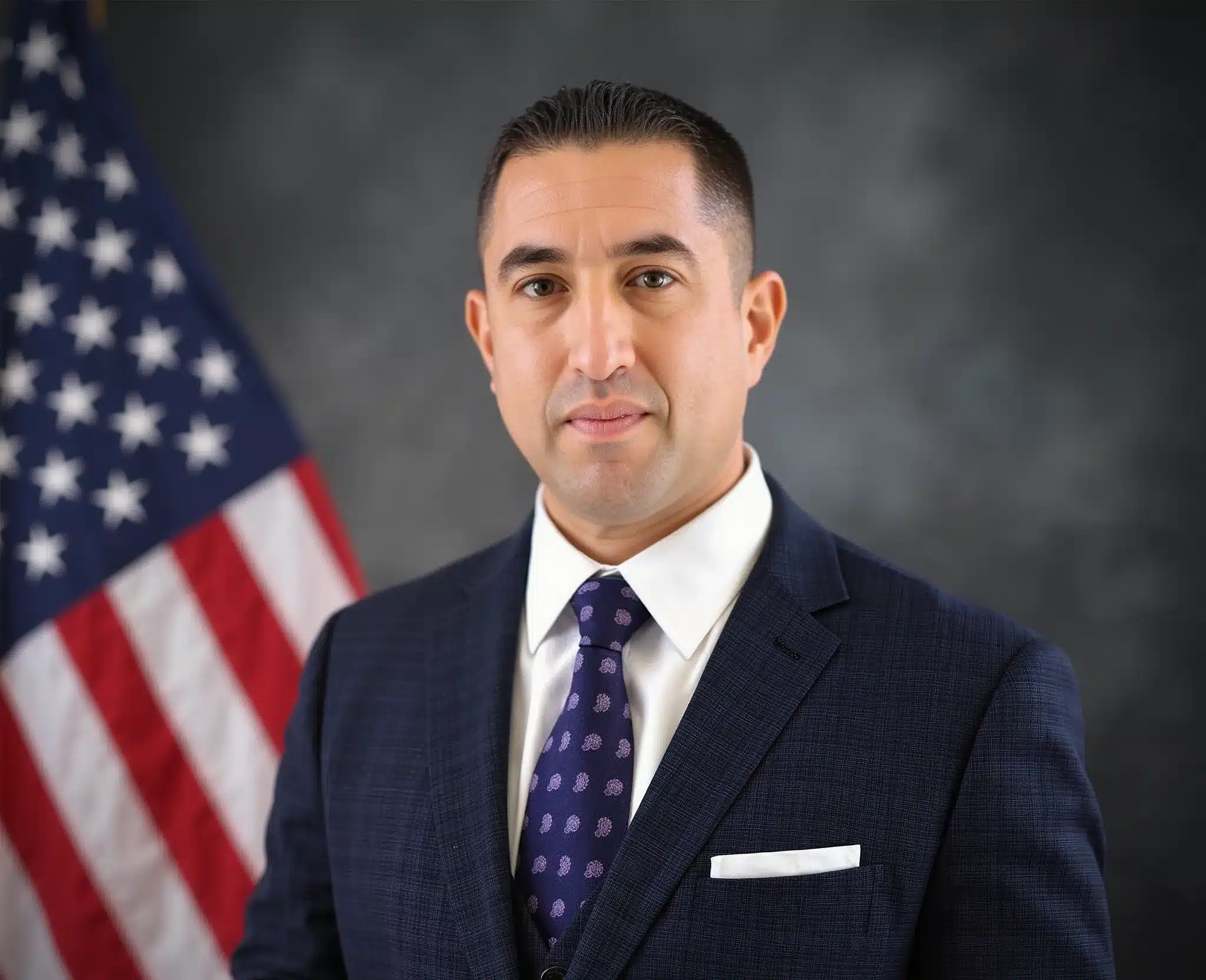
If you or a loved one is under investigation or has been arrested for robbery or burglary in Fremont, you may feel overwhelmed and uncertain about what comes next. The Law Office of Nabiel C. Ahmed is committed to guiding you through each step, from the first court date to final resolution. You will receive honest advice about your options, straightforward explanations of legal terms, and steady support during a very stressful time. The firm defends clients throughout Alameda County and Contra Costa County and can help you pursue the most favorable outcome possible.
Selecting a defense lawyer for a Fremont robbery or burglary case is one of the most important decisions you will make. The Law Office of Nabiel C. Ahmed focuses its practice on criminal defense, representing people in Alameda County and Contra Costa County courts every day. The firm understands how local judges and prosecutors approach violent and serious charges and uses that insight to shape effective strategies. You can expect thorough review of discovery, prompt communication, and a defense plan built around your priorities, whether that means avoiding custody, protecting immigration status, or preserving employment.
Working with this firm means having an advocate who takes your side seriously and treats your case as more than a file number. From investigating the facts to presenting mitigation, the goal is always to humanize you in the eyes of the court and to highlight the strengths of your defense. The office is accessible to clients in Fremont and across the East Bay, and appointments can often be arranged quickly when urgent issues arise. With dedicated guidance, you can face robbery or burglary allegations with greater confidence and a clear plan of action.
From the moment you contact the Law Office of Nabiel C. Ahmed about a Fremont robbery or burglary charge, the focus shifts to protecting your rights and planning a path forward. The firm begins by listening carefully to your story and reviewing any paperwork you received from the police or court. Next, your attorney obtains discovery from the prosecutor and conducts an independent analysis of the evidence. Throughout the process, you are kept informed about court dates, potential outcomes, and emerging defense strategies. The goal is to move through the system thoughtfully, not reactively.
The defense process starts with a detailed conversation about what happened, your background, and your concerns. During this initial stage, the firm reviews the allegations, explains the possible charges and penalties, and discusses what to expect in Fremont or other Alameda County courts. You are encouraged to share all relevant information, even if you are unsure whether it matters. This helps identify potential defenses, alibis, or witnesses early. By the end of this step, you should have a clearer understanding of the road ahead and the immediate actions that will best protect your interests.
At the outset, your attorney will carefully review your arrest paperwork, charges, and any notices you received from Fremont police or the court. You will have the opportunity to describe the events in your own words, without judgment. This conversation helps identify inconsistencies between your account and the official reports, as well as potential legal issues such as unlawful searches or improper questioning. Taking the time to thoroughly review the documents and your story lays the foundation for a strong defense and ensures that important details are not overlooked in the rush of early hearings.
After understanding the basic facts, the firm will explain the range of possible outcomes associated with your robbery or burglary charges. This includes discussing sentencing ranges, enhancements, strike implications, and how a conviction could affect employment or immigration. You will also learn about potential defense strategies such as challenging identification, questioning intent, or contesting search warrants. By clearly outlining both risks and opportunities, your attorney helps you make informed choices from the earliest stages. This clarity can reduce anxiety and allow you to participate actively in shaping your defense plan.
Once the case is underway, the firm focuses on gathering and evaluating evidence. This includes requesting discovery from the prosecution, reviewing police reports, body camera footage, surveillance videos, and forensic materials, and, when appropriate, conducting independent investigation. Early motions may be filed to challenge unlawful searches, suppress statements, or address identification procedures. In Fremont robbery and burglary cases, this stage often reveals weaknesses in the prosecution’s position and helps shape negotiation strategy. Thorough preparation here can lead to better plea offers, dismissal of charges, or a stronger position if the case proceeds toward trial.
Your attorney will carefully review every page of discovery, looking for inconsistencies, missing details, and procedural errors. Police reports are compared with body camera footage, surveillance videos, and statements from witnesses or alleged victims. Sometimes officers overlook important facts or interpret events in a way that favors the prosecution. By methodically examining the materials, the defense can identify alternative explanations, locate additional witnesses, or reveal doubts about identification. This detailed analysis forms the backbone of both negotiations and courtroom arguments in Fremont robbery and burglary cases.
After reviewing the evidence, the firm may file motions to suppress illegally obtained evidence, challenge suggestive identification procedures, or address other legal issues that affect your rights. At the same time, your attorney will begin discussions with the prosecutor about possible resolutions. In some Fremont cases, strong motions or investigation results persuade the district attorney to reduce charges, drop enhancements, or consider alternatives to prison. Your preferences, such as avoiding custody or protecting immigration status, guide these negotiations. You are consulted throughout, and no decisions are made without your understanding and agreement.
If your Fremont robbery or burglary case does not resolve early, preparation turns toward trial or a carefully considered plea. This stage involves refining your defense theory, organizing exhibits, preparing witnesses, and fully evaluating the risks and benefits of going to trial. Your attorney will discuss potential juror reactions, likely prosecution arguments, and the strength of your case. Even when a plea is ultimately chosen, thorough trial preparation often leads to better offers and more informed decisions. The firm’s goal is to stand beside you with a clear strategy and strong advocacy until the case concludes.
Preparing for trial includes crafting a clear narrative that explains your side of the story and highlights weaknesses in the prosecution’s case. Your attorney will consider how jurors in Alameda County are likely to view the evidence, what themes may resonate, and which witnesses will be most persuasive. Potential cross-examination questions are developed for key prosecution witnesses, and any defense witnesses are prepared for testimony. By approaching trial with a thoughtful strategy, the defense seeks to create reasonable doubt, challenge unreliable evidence, and give you the fairest possible hearing before a judge or jury.
Not every robbery or burglary case goes to trial, and sometimes a negotiated resolution is the best choice. During this phase, your attorney will compare plea offers against the risks of trial, taking into account potential sentences, strike consequences, and your individual goals. You will receive candid guidance about what each option means for your future, including probation terms and possible later relief. If a plea is chosen, the firm will present mitigation materials to the court to argue for the most favorable sentencing. Throughout, the final decision always remains in your hands.
If you are arrested in Fremont, your first priority is to protect your rights. Stay calm, avoid arguing with officers, and do not resist physically. Clearly state that you wish to remain silent and that you want a lawyer before answering any questions. Anything you say, even if you think it is helpful, can be misunderstood and used against you. Officers may seem friendly or reassuring, but their job is to collect information for the case, not to defend you. As soon as possible, contact a criminal defense lawyer who handles robbery and burglary cases in Alameda County. Provide your attorney with copies of any paperwork, including the complaint, police reports, or release documents. Write down what you remember about the incident while it is still fresh, including names, addresses, and timelines. This early information can be valuable for your defense. By getting legal help quickly, you increase the chances of identifying issues with the charges, securing evidence, and steering the case toward a better outcome.
In many Fremont cases, robbery or burglary charges can be reduced or sometimes dismissed, depending on the facts. Prosecutors may initially file the most serious charges available and later adjust them based on evidence, legal challenges, or mitigation. For example, a robbery allegation might be reduced to a lesser theft or attempted offense, or a residential burglary could be negotiated down if questions arise about intent or whether the structure qualifies under the statute. These outcomes are never guaranteed, but careful work can open doors to more favorable resolutions. Reductions or dismissals often result from thorough investigation and strategic motions. Challenging the legality of a search, questioning eyewitness identification, or exposing inconsistencies in police reports can weaken the prosecution’s position. Presenting strong mitigation—such as treatment efforts, employment history, or family responsibilities—can also influence charging and sentencing decisions. Your attorney will evaluate the evidence, explain realistic options, and pursue strategies tailored to your circumstances and goals in the Fremont court system.
Many robbery convictions and some types of burglary convictions are considered strikes under California’s Three Strikes law. First-degree robbery and residential burglary are frequently treated as serious or violent felonies, which can significantly increase future sentencing if you are later convicted of another felony. However, not every theft-related conviction counts as a strike. The exact charges, enhancements, and statutory definitions matter. Your attorney will analyze the complaint and any plea proposals to determine whether a strike is involved and how that affects your long-term exposure. Because strike convictions stay on your record and may double or even greatly increase future sentences, understanding this issue is critical when making decisions about plea offers or trial. Sometimes your defense team can negotiate for non-strike alternatives or amended charges that carry less long-term harm. In Fremont courts, judges and prosecutors are aware of the impact of strikes, but they may still push for them in serious cases. Careful negotiation and a strong defense strategy can sometimes reduce this risk and protect your future.
Penalties for robbery and burglary in Fremont can be severe, especially if weapons, injuries, or prior convictions are involved. Depending on the specific charge and degree, you could face years in state prison, substantial fines, and lengthy probation or parole. Robbery is often treated as a violent felony, and residential burglary typically carries higher sentencing ranges than non-residential burglary. Enhancements, such as firearm use or great bodily injury, can add additional years. Judges also consider factors like prior record, victim impact, and willingness to pay restitution when deciding on a sentence. That said, the law also allows for some flexibility. With effective advocacy, it may be possible to secure reduced charges, local jail instead of prison, or alternative programs. Sentencing choices can include formal probation, community service, counseling, or treatment requirements. In some cases, your defense team may argue for split sentences or other alternatives that let you maintain employment and family responsibilities. Understanding the full range of potential penalties helps you weigh plea offers against the risks of trial and choose the option that best fits your needs.
The length of a robbery or burglary case in Fremont varies depending on its complexity, the court’s calendar, and how hard both sides fight. Some cases resolve within a few months through early plea negotiations, particularly when the evidence is straightforward and both sides are motivated to settle. Others, especially those involving serious injuries, multiple defendants, or extensive investigation, can take a year or more. Delays may occur when waiting for lab results, obtaining records, or litigating motions about evidence or legal issues. While waiting can feel stressful, additional time sometimes benefits the defense. It allows your attorney to investigate thoroughly, gather mitigation, negotiate, and prepare for trial if necessary. You will be informed of each court date and the purpose of each hearing, from arraignment to pretrial conferences and trial. Throughout the process, your lawyer should explain why continuances are requested and how they may help. Staying patient and engaged can lead to better outcomes than rushing into decisions before the full picture is clear.
Generally, it is not wise to speak to the police about the facts of your case without a lawyer present. Officers in Fremont are trained to ask questions in ways that may seem friendly but are designed to gather statements that can be used in court. You might think you are clearing up a misunderstanding, but even small inconsistencies can be portrayed as lies. The safest approach is to politely state that you wish to remain silent and that you want an attorney before answering any questions about the incident. Having a lawyer does not mean you will never speak with law enforcement. In some cases, a carefully planned interview or statement can help resolve misunderstandings or support a particular defense. However, any such communication should occur only after your attorney has reviewed the evidence and discussed the risks and benefits with you. This ensures that your rights are protected and that you do not accidentally make statements that damage your case. Your lawyer’s role is to guide you through these decisions and stand between you and unfair questioning.
False or mistaken accusations are more common than many people realize, particularly in high-stress situations like robberies, fights, or late-night incidents. Eyewitnesses may misidentify someone due to poor lighting, fear, intoxication, or brief observation. Personal conflicts, breakups, or disputes over money can also lead to exaggerated or untrue claims. If you believe the alleged victim or witnesses in your Fremont case are lying or mistaken, it is essential to share every detail with your attorney so they can investigate and challenge their stories effectively. Your defense team can use several tools to address unreliable testimony, including cross-examination, independent witnesses, surveillance footage, phone records, and prior inconsistent statements. Sometimes experts on memory and perception may be consulted in appropriate cases. The goal is to show the court that the accusations cannot be trusted beyond a reasonable doubt. While it can be frustrating to face serious charges based on shaky claims, a careful and methodical defense can reveal the truth and protect you from wrongful conviction or excessive punishment.
Prior convictions often play a major role in sentencing for new robbery or burglary charges. Prosecutors in Fremont and throughout Alameda County typically review your criminal history when deciding what charges to file and what offers to extend. Previous felony convictions, especially for serious or violent offenses, can trigger enhancements or longer sentencing ranges. Even older or out-of-county convictions may be considered by judges when weighing punishment and assessing whether you pose an ongoing risk to the community. That said, prior convictions do not automatically dictate your future. Your attorney can argue that past mistakes do not define who you are now, highlighting rehabilitation, employment, family responsibilities, and positive changes. In some cases, legal challenges to old convictions or careful negotiation may reduce the impact of your record. Understanding how your history interacts with current robbery or burglary charges is critical when evaluating plea offers, negotiating with prosecutors, and planning a sentencing strategy aimed at achieving the most balanced outcome possible.
Robbery and burglary charges can have serious immigration consequences for non-citizens, including lawful permanent residents. Certain convictions may be considered crimes involving moral turpitude or aggravated felonies under immigration law, which can lead to deportation, denial of reentry, or ineligibility for certain forms of relief. These consequences often arise even when the criminal court sentence seems relatively light. It is therefore vital to consider immigration risks before accepting any plea in a Fremont case, particularly for felony charges or offenses classified as serious or violent. Your criminal defense attorney should ask about your immigration status early and, when needed, work closely with an immigration lawyer to evaluate the impact of specific charges or proposed plea agreements. Sometimes, adjustments to the wording of a plea, the chosen statute, or the sentence structure can reduce immigration harm. By planning strategically and considering both criminal and immigration consequences, you can make informed decisions that protect not only your freedom but also your ability to remain with your family in the United States.
The Law Office of Nabiel C. Ahmed provides dedicated representation to people facing robbery and burglary charges in Fremont and throughout Alameda County. From the first consultation, the firm focuses on understanding your situation, explaining the law in plain language, and identifying immediate steps to protect your rights. Your attorney will obtain discovery, analyze the evidence, and investigate the facts to uncover weaknesses in the prosecution’s case. You will receive straightforward guidance about possible outcomes and ongoing updates about the progress of your matter. Beyond legal strategy, the firm works to humanize you in the eyes of the court, highlighting your life circumstances, responsibilities, and efforts to move forward. Whether your case resolves through negotiation or proceeds to trial, you will have an advocate committed to presenting your side and fighting for the best outcome available. Serving clients across Alameda and Contra Costa counties, including Fremont and Oakland, the Law Office of Nabiel C. Ahmed stands ready to help you navigate a very difficult chapter and work toward a more stable future.
"*" indicates required fields