
Facing an assault or battery charge in Chinatown can turn your life upside down in an instant. Police reports, court dates, and uncertain consequences can feel overwhelming, especially when your job, family, and reputation are on the line. At the Law Office of Nabiel C. Ahmed, our criminal defense team helps people throughout Oakland and Chinatown navigate these accusations with steady guidance. This page explains how assault and battery cases work in California, what to expect in Alameda County courts, and how a focused defense strategy can protect your future.
Assault and battery cases in Chinatown range from bar fights and neighbor disputes to serious felony accusations involving weapons or significant injuries. Each case depends on specific facts, including witnesses, video footage, and the actions of law enforcement. When you understand the charges, possible penalties, and available defenses, you are better prepared to make informed decisions about your case. Our goal is to provide clear, practical information so you can move forward with confidence and work toward the best possible outcome in Alameda County court.
Assault and battery convictions in Chinatown can bring jail or prison time, steep fines, probation terms, and life-changing consequences for employment, housing, and immigration status. A thorough defense can uncover weaknesses in the prosecution’s case, highlight self-defense or mutual combat issues, and expose problems with how evidence was collected. The right approach can mean the difference between a felony and a misdemeanor, a conviction and a dismissal, or incarceration and an alternative resolution. By working with a dedicated criminal defense attorney familiar with Alameda County, you gain a strategic advocate focused on protecting your freedom, record, and long-term opportunities in Oakland and beyond.
The Law Office of Nabiel C. Ahmed focuses on defending people accused of crimes throughout Alameda County and Contra Costa County, including Chinatown, Oakland, and nearby communities. Over years of practice, the firm has handled a wide range of violent and serious crime cases, from misdemeanor scuffles to complex felony trials. We understand how local judges, prosecutors, and juries approach assault and battery allegations, and we tailor strategies to the realities of the courtroom. Clients receive honest feedback, straightforward communication, and a defense aimed at minimizing the impact of an arrest on both their criminal record and their everyday lives.
In California, assault and battery are separate but related offenses that are often charged together in Chinatown cases. Assault typically refers to an attempt or threat to use force, while battery usually involves actual physical contact. Depending on the circumstances, prosecutors may file charges as misdemeanors or felonies, known as “wobblers,” which gives them significant flexibility. The nature of the alleged victim, presence of weapons, and degree of injury all play a role. Understanding these distinctions is the first step toward building a meaningful defense and anticipating how your case may proceed through the Alameda County system.
Many people are surprised to learn how quickly everyday conflicts in Chinatown can turn into assault or battery accusations. A heated argument, a misunderstanding in a restaurant, or an incident after a night out can escalate once police arrive. Witness statements are not always consistent, and video recordings often show a more complicated story than a brief report suggests. Additionally, self-defense, defense of others, and mistaken identity may arise. By learning how California law defines assault and battery, you can better recognize the potential defenses and avoid decisions that might unintentionally harm your case.
California law generally defines assault as an unlawful attempt, combined with a present ability, to commit a violent injury on another person. Battery, on the other hand, involves any willful and unlawful use of force or violence upon another. That force does not have to cause visible injury; even slight or indirect contact might qualify if prosecutors believe it was offensive or harmful. In Chinatown, police often arrest first and leave courts to sort out whether the facts meet these definitions. A careful review of reports, statements, and physical evidence is essential to determine whether the elements of assault or battery have truly been met.
Assault and battery cases in Chinatown typically begin with a police investigation, followed by arrest and formal charges from the Alameda County District Attorney. Prosecutors must prove specific elements, including intent, unlawful use of force, and lack of consent. The process usually includes an arraignment, pretrial hearings, negotiations, and possibly a trial. Along the way, your attorney can challenge probable cause, seek to exclude statements or evidence, and negotiate for reduced charges or alternative outcomes. Understanding each stage of this process helps you stay prepared, avoid surprises, and work alongside your legal team to pursue a favorable resolution.
Assault and battery cases come with a range of legal terms that may seem confusing at first. Words like “wobbler,” “serious bodily injury,” and “deadly weapon” carry specific meanings that can dramatically change the potential penalties you face in Chinatown. This glossary outlines important phrases you are likely to hear in your case so that you can follow conversations with your attorney, better understand court paperwork, and make informed decisions. When you feel comfortable with the language of the criminal justice system, you are better positioned to participate meaningfully in your defense.
Assault in California is generally an unlawful attempt, coupled with the present ability, to apply force or violence to another person. In Chinatown cases, this might involve raising a fist, throwing an object, or making a threatening move that causes someone to reasonably fear immediate harm. Importantly, no actual physical contact is required to charge assault. Prosecutors must still prove that the person acted willfully and had the apparent ability to follow through. Understanding this definition can reveal situations where accusations may be based on misunderstandings, exaggerated fears, or incomplete accounts of what occurred.
Great bodily injury, often called GBI, refers to significant or substantial physical harm. It goes beyond minor or moderate injuries and can drastically increase the potential penalties in an assault or battery case in Chinatown. Prosecutors may allege GBI when there are broken bones, serious wounds, or long-term medical consequences. Whether an injury qualifies as great bodily injury is often contested, with medical records, photographs, and witness testimony playing a key role. Challenging this allegation can mean the difference between probation and a lengthy prison sentence, making it a central issue in many violent crime cases.
Battery in California is the willful and unlawful use of force or violence upon another person. In Chinatown, this can range from a bar fight punch to an unwanted shove during an argument. The law does not require serious injury; any harmful or offensive contact can be enough if prosecutors believe it was intentional. However, self-defense, consent, and conflicting witness accounts frequently come into play. A detailed review of the incident, including any available video and independent witnesses, can expose doubts about what actually happened and whether the legal definition of battery has truly been satisfied.
A wobbler offense is a crime that prosecutors may charge as either a misdemeanor or a felony, depending on the facts and the person’s history. Many assault and battery crimes in Chinatown fall into this category. The choice between misdemeanor and felony can dramatically affect possible jail or prison time, fines, and long-term consequences for employment and immigration. Through negotiation, strong advocacy, and presentation of mitigating facts, it may be possible to keep a case at the misdemeanor level or even seek a reduction later. Understanding wobblers is essential when evaluating risks and options in your defense.
When facing assault or battery charges in Chinatown, you have several possible paths, including seeking dismissal, negotiating a plea, pursuing diversion, or taking the case to trial. Each option carries different risks and benefits in terms of penalties, criminal record, and time commitments. Some people may qualify for programs that emphasize counseling, classes, or community service instead of incarceration. Others may prefer to challenge the accusations before a jury. An honest assessment of the evidence, witnesses, and your personal goals helps determine which combination of strategies best protects your future in Alameda County.
In some Chinatown cases, a targeted and limited defense strategy may be appropriate, especially when the person has no prior record and the alleged harm is minor. For example, a brief confrontation with no significant injury and limited evidence may lend itself to a straightforward negotiation for a reduced charge or informal resolution. In these situations, focusing on character letters, restitution, and early counseling can persuade a prosecutor or judge to consider leniency. While every case deserves attention, not all require an intensive, drawn-out battle when a practical solution may protect your record and get you back to your life more quickly.
A more limited approach may also work in Chinatown when the path to resolution is clear from the outset. Perhaps the alleged victim supports a reduced outcome, or there is a diversion program that fits the situation. When prosecutors signal willingness to resolve a case early, focusing efforts on gathering mitigation material, documenting your work or school history, and showing proactive steps such as anger management can be effective. This strategy still requires careful planning but may not demand extensive investigation or contested hearings, especially when the primary goal is avoiding long-term damage to your criminal record.
When an assault or battery case in Chinatown involves serious injuries, weapons, or prior convictions, a comprehensive defense approach becomes especially important. Felony-level charges can bring years of potential prison time and long-lasting consequences for your rights, employment, and immigration status. These cases often demand detailed investigation, including interviewing witnesses, reviewing surveillance footage, examining medical records, and consulting with relevant professionals. Challenging enhancements such as great bodily injury and strike allegations can significantly reduce exposure. A broad, proactive strategy gives you the best chance to contest the prosecution’s narrative and pursue a safer outcome.
A full-scale defense is also important when the facts are hotly contested or self-defense is at the heart of the Chinatown case. Conflicting witness accounts, unclear video, or questions about who started the confrontation often require extensive preparation. Your attorney may need to conduct independent investigation, file motions to suppress evidence, and prepare for cross-examination at trial. When your freedom, immigration status, or professional license is at stake, leaving issues unexplored can be risky. A comprehensive strategy allows the defense to fully develop your side of the story and push back against assumptions made by police and prosecutors.
Taking a thorough approach to assault and battery charges in Chinatown can uncover defense angles that might otherwise be overlooked. Detailed review of police body camera footage, 911 calls, and witness statements often reveals inconsistencies or gaps in the prosecution’s case. A wide-ranging strategy also allows your attorney to raise legal challenges regarding search and seizure, statements taken without proper warnings, or unreliable identification. By exploring every avenue, you increase the chances of reduced charges, dismissal of counts, or more favorable terms such as probation instead of jail or prison time in Alameda County.
A comprehensive defense also helps protect your future beyond the immediate case. Negotiations can focus on keeping your record as clean as possible, avoiding immigration triggers, and preserving professional opportunities in Chinatown and throughout Oakland. Your attorney can also advise on long-term options such as record clearing or reduction of offenses when the law allows. When you know that every aspect of the accusation has been examined, you can move forward with greater peace of mind, confident that important issues were not left unaddressed in the rush to resolve your assault or battery charge.
A well-developed defense often creates leverage during negotiations with the Alameda County District Attorney. When prosecutors see that your case has been thoroughly investigated, with supportive witnesses, documented mitigation, and strong legal arguments, they may be more willing to consider dismissals, charge reductions, or alternative sentencing options. In Chinatown assault and battery cases, this leverage can mean the difference between a permanent violent felony and a more manageable outcome. By gathering favorable information early and presenting it effectively, you give your attorney meaningful tools to push for a resolution that better reflects the reality of what happened.
When your defense team takes a comprehensive approach, you gain a clearer picture of the strengths and weaknesses of your Chinatown case. Instead of guessing how a judge or jury might react, you can review evidence, discuss potential testimony, and consider different scenarios. This level of preparation allows you to make informed decisions about whether to accept an offer or proceed to trial. It also reduces anxiety by replacing uncertainty with concrete information. With a full understanding of the risks and opportunities, you remain actively involved in shaping the direction of your assault or battery defense.


After an arrest or police contact in Chinatown, it is tempting to explain your side of the story immediately. However, statements made in the heat of the moment can be misunderstood or taken out of context. You always have the right to remain silent and to request an attorney before answering questions. Politely declining to discuss the incident until you have legal guidance can prevent damaging admissions and preserve important defenses. Remember that officers and detectives are gathering evidence, not necessarily trying to clear you. A calm, respectful refusal to talk can safeguard your position.
If you are released after an arrest in Chinatown, pay close attention to any court orders or bail conditions. These may include stay-away orders, no-contact provisions, or requirements to attend certain programs. Violating these terms can lead to additional charges, higher bail, or revocation of your release. Carefully following all instructions shows the court that you take the process seriously and can help your attorney argue for more lenient treatment. Keep copies of your paperwork, calendar your court dates, and communicate regularly with your defense lawyer to avoid misunderstandings that might complicate your assault or battery case.
Even if you believe the accusations are exaggerated or expect the situation to “blow over,” assault and battery charges in Chinatown can move forward quickly once the Alameda County District Attorney becomes involved. Prosecutors may pursue a case even when the complaining witness wants to drop it. Early legal help gives you a chance to protect your rights, avoid careless statements, and begin building a record of positive steps such as counseling or restitution. The decisions you make in the first days after an arrest often influence outcomes months later in court.
Legal representation also helps you see beyond the immediate stress of an arrest and focus on long-term consequences. A conviction for a violent offense can affect immigration status, professional licensing, and background checks for years. In Chinatown, where many residents work in service industries and small businesses, protecting your record is especially important. An attorney familiar with Alameda County courts can evaluate the charges, advise you about likely outcomes, and pursue alternatives that reduce the impact on your life. Seeking guidance now can provide stability and direction when everything feels uncertain.
Assault and battery cases in Chinatown often arise from everyday situations that unexpectedly escalate. Arguments outside bars or restaurants, disputes between neighbors, conflicts within families, and misunderstandings in crowded public spaces can all attract police attention. Alcohol, stress, and language barriers sometimes make it hard for officers to immediately sort out who did what. As a result, people are occasionally arrested even when they were trying to defend themselves or break up a fight. Understanding common patterns helps highlight potential defenses and reminds you that you are not alone in facing these challenging accusations.
In a lively area like Chinatown, arguments that start with words can quickly turn physical once alcohol and crowded spaces are involved. Disagreements over personal space, spilled drinks, or perceived insults sometimes lead to shoving or swinging. When police arrive, they often must make quick decisions based on limited information and conflicting statements. Surveillance video and independent witnesses can later paint a different picture. Many people charged with assault or battery in these settings were acting impulsively or reacting to perceived threats. A careful review of the scene and witnesses can be critical in these cases.
Some Chinatown assault and battery cases involve disputes between family members, partners, or roommates. A heated argument may lead to a call for help, and when officers arrive, someone is often arrested, even if the situation has calmed down. Emotional stress, conflicting accounts, and pressure from outside family members can complicate matters. These cases may involve additional considerations such as protective orders, housing issues, and child custody concerns. Handling them requires sensitivity to both the legal and personal sides of the conflict, as well as attention to long-term outcomes for everyone involved.
Assault and battery charges also arise from quick encounters between strangers in Chinatown—on sidewalks, at bus stops, or in parking lots. A misunderstanding, perceived slight, or sudden confrontation sometimes results in physical contact. Because these incidents often happen quickly, witnesses may have different impressions of who started the altercation and why. Language differences and cultural misunderstandings can add another layer of confusion. In these cases, collecting surveillance footage, identifying all witnesses, and carefully examining the timeline can make a significant difference in showing that events did not unfold the way the police report suggests.
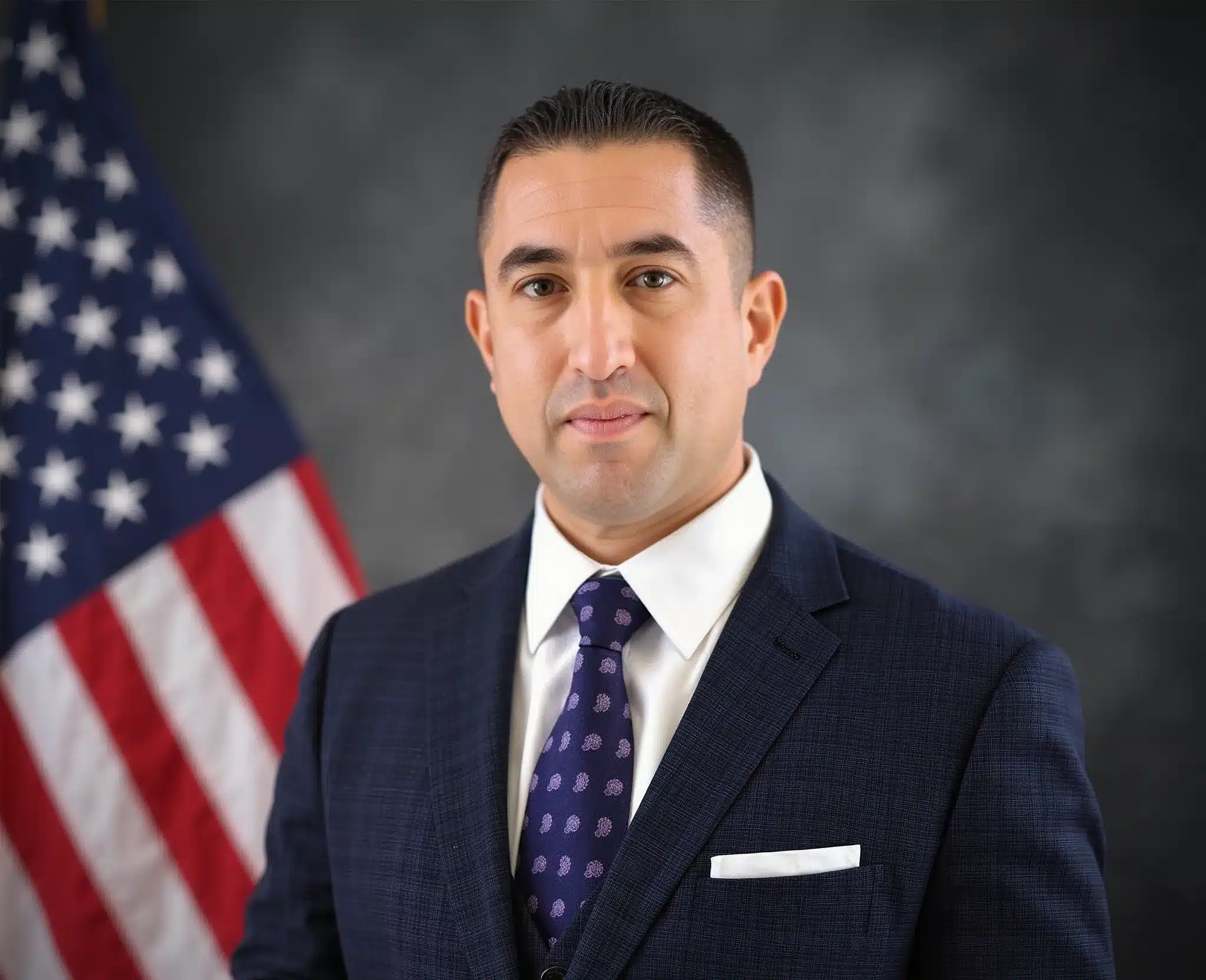
The Law Office of Nabiel C. Ahmed represents individuals accused of violent and serious crimes throughout Alameda County, including Chinatown and neighboring parts of Oakland. We understand that an arrest does not define you and that every case has two sides. Our team focuses on listening to your story, explaining the court process in clear terms, and developing a defense plan tailored to your goals. Whether you are worried about jail, immigration, or your job, we work to address those concerns while challenging the accusations. From first consultation through final resolution, you are not expected to face this alone.
Choosing a criminal defense firm for an assault or battery case in Chinatown means looking for local knowledge, courtroom experience, and a commitment to communication. The Law Office of Nabiel C. Ahmed has represented many people in Alameda County courts, giving the firm insight into how local judges and prosecutors handle violent crime allegations. We evaluate each case individually, identifying weaknesses in the prosecution’s evidence and exploring creative paths toward resolution. Clients receive direct, honest advice so they can weigh options, including plea offers, diversion, or trial, based on a realistic view of the situation.
From the moment you contact the firm, the focus is on protecting your rights and your future. We respond to calls promptly, keep you informed about court dates and developments, and encourage questions throughout the process. In Chinatown assault and battery cases, this communication helps reduce anxiety and allows you to participate actively in your defense. Whether you live, work, or were simply visiting the area when the incident occurred, our goal is to guide you through the Alameda County criminal justice system with a steady hand and a strategy designed to minimize the impact on your life.
Our approach to assault and battery cases in Chinatown follows a clear structure designed to protect your rights from day one. We begin by gathering facts, reviewing paperwork, and learning about your concerns. From there, we investigate the evidence, communicate with the prosecutor, and identify legal and factual defenses. Throughout the process, you receive guidance about what to expect at each court date, from arraignment to potential trial. By combining careful preparation with responsive communication, our firm works to place you in the strongest possible position to negotiate or fight the charges in Alameda County court.
The first step in handling a Chinatown assault or battery case is an in-depth consultation where we listen to your account and review available documents such as citations, police reports, or protective orders. During this meeting, we discuss the charges, potential penalties, and any immediate concerns like upcoming court dates or bail conditions. This early evaluation helps identify urgent issues, such as preserving video footage or contacting key witnesses. You will leave with a clearer understanding of the road ahead, possible strategies, and how our firm can begin protecting your rights right away.
At the start, we focus on understanding your side of the incident, your background, and your priorities. Many Chinatown clients are worried about keeping their jobs, safeguarding immigration status, or avoiding jail. We encourage you to share details openly so we can tailor our approach to your needs. We also explain immediate steps, such as how to handle contact with alleged victims, what to bring to court, and how to comply with any protective orders. This conversation sets the tone for a working relationship built on communication, honesty, and a shared goal of protecting your future.
Next, we carefully review any paperwork from your arrest or citation, including the complaint, bail terms, and upcoming court dates. Missing a deadline or misunderstanding a condition can cause serious problems, so we prioritize getting organized right away. For Chinatown assault and battery cases, we also discuss the specific courthouse where your matter will be heard and how those judges typically handle similar charges. By mapping out a timeline and responsibilities early, we ensure that no important tasks—such as requesting discovery or preserving evidence—fall through the cracks as your case begins.
After the initial evaluation, we move into investigation and discovery. This stage includes requesting police reports, body camera footage, 911 recordings, medical records, and any available video from Chinatown businesses or public cameras. We may also interview witnesses and gather texts or social media messages related to the incident. With this information, we analyze the strengths and weaknesses of the prosecution’s case and identify legal issues, such as self-defense or unlawful searches. The goal is to develop a thoughtful strategy, whether that involves negotiation, pretrial motions, or preparing for trial in Alameda County court.
Evidence is the foundation of any assault or battery case. During this part of the process, we obtain discovery from the prosecutor and supplement it with our own investigation. In Chinatown, that often means locating surveillance cameras, talking with nearby business owners, and identifying independent witnesses who may have seen the incident from a different perspective. We scrutinize police reports for inconsistencies and compare them with video and statements. This careful analysis can reveal gaps in the prosecution’s narrative, support self-defense claims, or show that the level of force or injury has been overstated.
Once we understand the evidence, we craft a strategy tailored to your Chinatown case. Sometimes the best path involves aggressive negotiations focused on reducing charges, limiting penalties, or securing diversion. Other times, filing motions to dismiss or suppress evidence may be appropriate. We discuss potential outcomes, including realistic plea options and what a trial might look like, so you can make informed choices. Our planning also considers personal factors, such as immigration, employment, and family responsibilities. By aligning legal tactics with your priorities, we pursue a resolution that addresses both the case and your life outside the courtroom.
The final stage involves active representation in court and guiding you through resolution of your Chinatown assault or battery case. We appear with you at hearings, present arguments to the judge, and negotiate with prosecutors. Whether your case resolves through a plea agreement, diversion, or trial, we ensure you understand each step and the consequences of every decision. After the case concludes, we can advise on next steps such as record clearing or compliance with probation terms. Our goal is not only to protect you during the case but also to help you move forward with stability and confidence.
Court appearances in Alameda County can be stressful, especially when facing violent crime accusations. We handle the legal arguments, discussions with the judge, and negotiations with the prosecutor, while keeping you informed about what is happening and why. In Chinatown assault and battery cases, we may present mitigation materials, challenge protective orders, or argue for reduced bail. Our presence is meant to ensure that your voice is heard and that decisions are based on a complete picture, not just the allegations in a police report. You will never be asked to navigate the courtroom on your own.
Once your case reaches a resolution—whether through dismissal, plea, or verdict—our work shifts to helping you comply with any court orders and plan for the future. This may involve explaining probation terms, arranging for required classes, or advising on how a conviction could affect immigration or employment in Chinatown and Oakland. When appropriate, we also discuss options for record relief down the road, such as reductions or expungement under California law. By addressing both immediate obligations and long-term goals, we aim to help you move beyond this difficult chapter with as much opportunity as possible.
If you are arrested in Chinatown, the most important steps are staying calm, asserting your right to remain silent, and requesting an attorney. Avoid arguing with officers or trying to explain your side at the scene; anything you say can be used against you later. You should also avoid discussing the incident on social media or with anyone who might later be called as a witness. Once you have legal representation, your attorney can help communicate on your behalf and begin protecting your rights. As soon as possible, gather any information that might help your defense, such as names of witnesses, locations of security cameras, and copies of texts or messages related to the event. Keep all paperwork from the arrest and note upcoming court dates. Contact a Chinatown criminal defense attorney promptly so there is time to request discovery, investigate the allegation, and possibly influence charging decisions early in the process. Early action can open doors that may close quickly as the case moves forward.
Many people assume that if the alleged victim changes their mind or wants to “drop the charges,” the case will automatically be dismissed. In California, including Chinatown cases, the decision to file or dismiss charges belongs to the prosecutor, not the complaining witness. Even if someone does not want to cooperate, the Alameda County District Attorney may continue based on other evidence, such as body camera footage, 911 calls, or medical records. However, a reluctant witness can still affect how the case is handled. Your attorney can sometimes present information about the alleged victim’s wishes, along with mitigation and context, to encourage a more favorable resolution. In some cases, this may lead to reduced charges, alternative programs, or even dismissal if the remaining evidence is too weak. Each situation is different, so it is important to speak with a defense lawyer who can evaluate how a complaining witness’s change of heart might influence your particular Chinatown assault or battery case.
Penalties for assault and battery in Alameda County vary widely depending on whether charges are misdemeanors or felonies, whether weapons or serious injuries are involved, and whether you have prior convictions. Potential consequences include jail or prison time, probation, fines, protective orders, mandatory classes, community service, and restitution. Some offenses may also count as strikes under California’s Three Strikes law, increasing exposure in future cases. The specific charge and alleged circumstances in your Chinatown incident will shape the possible range of punishment. Beyond the immediate sentence, a conviction for a violent offense can affect employment opportunities, housing applications, and professional licensing. For non-citizens, certain convictions may carry immigration consequences. A defense attorney can explain the potential penalties in your situation and work to limit both short and long-term harm. In many Chinatown cases, it is possible to negotiate outcomes that reduce jail time, keep felonies off your record, or preserve options for later record relief, depending on the facts and your history.
Self-defense is a common and powerful issue in Chinatown assault and battery cases. California law allows you to use reasonable force to protect yourself or others if you reasonably believe you are in imminent danger of being harmed. The key questions often involve who started the confrontation, how serious the perceived threat was, and whether the force used was proportionate. Witness accounts, video footage, and physical evidence can all influence whether a judge or jury accepts a self-defense claim. Your attorney will examine the circumstances leading up to the incident, including any threats, prior interactions, and opportunities to retreat. In some cases, what appears at first glance to be aggression is actually a response to someone else’s threatening behavior. By highlighting these facts and using the law of self-defense effectively, your lawyer may be able to secure reduced charges, an acquittal, or a more favorable plea in Alameda County court. Early investigation is critical when self-defense is at issue.
An arrest for assault or battery in Chinatown can appear on background checks, especially if it leads to formal charges filed in Alameda County court. Employers, landlords, and licensing agencies may see records of both arrests and convictions, depending on the type of check. Even if a case is later dismissed, the initial arrest may still show up until steps are taken to update the record. That is one reason it is important to handle these cases carefully and seek the best possible outcome. If your case results in dismissal, reduction, or completion of certain programs, you may be eligible for record relief under California law in the future. This could include expungement or other remedies designed to limit the impact of past charges. A defense attorney can not only help you navigate the immediate Chinatown case but also advise on long-term steps to protect your reputation. Understanding how background checks work allows you to plan effectively for employment and housing after your case is resolved.
You are never required to answer questions from police or detectives about an alleged assault or battery, whether in Chinatown or anywhere else in California. You have a constitutional right to remain silent and to consult with an attorney before any questioning. Officers may suggest that talking will help clear things up, but statements you make can be misunderstood, taken out of context, or used to strengthen the case against you. Politely but firmly invoking your rights is both lawful and wise. Once you have a lawyer, they can help decide if it ever makes sense to provide information to law enforcement, and if so, under what conditions. Often, it is better to present your side indirectly through your attorney, who can protect against unfair questioning and misinterpretation. Exercising your right to remain silent is not an admission of guilt; it is a practical step to safeguard your position in a Chinatown assault or battery case and maintain control over how your story is told.
Many assault and battery offenses in California are wobblers, meaning they can be charged as either misdemeanors or felonies. In some Chinatown cases, a felony charge can later be reduced to a misdemeanor, either through negotiation, motion, or as part of sentencing. Factors that may influence this include the seriousness of the alleged injuries, whether weapons were involved, the person’s criminal history, and their performance on probation. Demonstrating rehabilitation and compliance can support a request for reduction. A misdemeanor is generally less damaging than a felony when it comes to employment, housing, and other background checks. In addition, misdemeanor convictions may offer more options for record relief later on. Your defense attorney can evaluate whether your particular Alameda County case might qualify for reduction and when the best time is to pursue it. Building a strong record of positive steps and mitigation can improve the chances that a prosecutor or judge will consider reducing a felony assault or battery to a misdemeanor.
The length of an assault or battery case in Alameda County varies depending on the seriousness of the charges, the court’s schedule, and whether the case is resolved through plea negotiations or trial. Some misdemeanor cases in Chinatown may resolve within a few months if an agreement is reached early. Felony cases, or those involving serious injuries or complex evidence, can take much longer, sometimes a year or more, especially if there are contested hearings or trial preparation. While delays can be frustrating, time can also work in your favor by allowing for thorough investigation, collection of mitigation, and strategic negotiations. Your attorney will keep you informed about court dates, deadlines, and the reasons behind any continuances. Staying patient and engaged can pay off, particularly when your defense team is using the additional time to strengthen your position. Each case’s timeline is unique, but consistent communication with your lawyer helps you know what to expect at every stage.
Not every Chinatown assault or battery incident is captured on video or witnessed by neutral bystanders. Many cases hinge on the accounts of the people directly involved, which can be inconsistent or influenced by stress, bias, or limited perspective. The absence of video or independent witnesses does not automatically mean a conviction is likely, nor does it guarantee dismissal. Instead, your attorney will focus on challenging the reliability and consistency of the available evidence, including statements and physical findings. Cross-examination can expose inconsistencies or motives to exaggerate or misrepresent events. Other forms of evidence, such as messages, medical records, or photographs, may also help clarify what actually happened. In some cases, the prosecution’s inability to present solid, corroborated evidence leads to reduced charges, favorable negotiations, or acquittals. A careful, methodical approach to the existing evidence is often more important than the presence or absence of video in determining the outcome of your Alameda County case.
The Law Office of Nabiel C. Ahmed assists people facing assault and battery charges in Chinatown by providing thorough case evaluation, strategic defense planning, and strong courtroom advocacy. We review the evidence carefully, identify potential defenses such as self-defense or mistaken identity, and look for weaknesses in the prosecution’s case. Our familiarity with Alameda County courts helps us anticipate how judges and prosecutors may view particular facts, which can influence how we negotiate or litigate your case. Beyond courtroom work, we also guide you through practical concerns like protective orders, probation terms, and the impact of charges on employment and immigration. We communicate openly, explain each step of the process, and encourage questions so you always understand your options. Whether your goal is a dismissal, reduced charges, or avoiding jail, we tailor our approach to your situation and work to protect your record and your future in Chinatown and throughout the Oakland area.
"*" indicates required fields