
Resisting arrest charges in Chinatown can arise quickly from encounters with Oakland and Alameda County law enforcement, often leaving you frightened and unsure of what to do next. A moment of confusion, misunderstanding, or panic can suddenly be treated as a serious offense that carries lasting consequences. At the Law Office of Nabiel C. Ahmed, the focus is on helping people protect their freedom, driving record, and future opportunities. This page explains how resisting arrest cases work in California and what steps you can take to protect yourself.
If you or someone you care about is facing a resisting arrest charge in Chinatown, you do not have to go through the process alone. Prosecutors may try to portray you as uncooperative or dangerous, even when the situation was far more complicated. A thoughtful, strategic defense can highlight your side of the story and challenge assumptions made in the police report. This guide outlines common issues in resisting arrest cases, possible defenses, and how a local criminal defense law firm can stand between you and a conviction.
Resisting arrest is often charged alongside other offenses, and a conviction can affect employment, immigration status, and professional licensing. In tight-knit Oakland neighborhoods like Chinatown, even an arrest can carry a heavy social stigma. Having a dedicated defense attorney means there is someone scrutinizing the police conduct, the legality of the stop, and whether your actions were actually unlawful. Effective representation can lead to reduced charges, diversion options, or even dismissal. It can also help you navigate court hearings, protect your rights, and make informed choices at every stage of the case.
The Law Office of Nabiel C. Ahmed is a criminal defense law firm serving Chinatown and the surrounding areas of Alameda County and Contra Costa County. The firm has handled thousands of criminal matters ranging from misdemeanors to serious felonies, including a long history of defending resisting arrest and obstruction-related charges. With deep familiarity with local courts, judges, and prosecutors, the firm is able to anticipate how cases are likely to be treated and tailor strategies accordingly. Clients receive straightforward guidance, clear communication, and focused advocacy aimed at protecting their record and future.
Resisting arrest in California is typically charged under Penal Code section 148 and can be filed as a misdemeanor, but the impact goes far beyond the statute. In Chinatown, a busy neighborhood with frequent police activity, misunderstandings and language barriers can quickly escalate into allegations that someone delayed, resisted, or obstructed an officer. To defend the case properly, it is important to understand what prosecutors must prove, what actions actually count as resistance, and how body camera footage, witness statements, and medical records may support your defense or contradict police claims.
Many people are surprised to learn that resisting arrest does not always involve fighting or running away. Even verbal interactions, confusion during handcuffing, or instinctive movements can be interpreted as resistance. At the same time, California law requires that the officer be lawfully performing their duties and that the accused person willfully resisted or obstructed. These legal standards open the door for strong defenses, especially where officers used unnecessary force, gave unclear commands, or lacked reasonable suspicion or probable cause. Understanding these elements is the first step toward building a meaningful defense strategy in a Chinatown courtroom.
Under California law, resisting arrest generally means willfully delaying, obstructing, or resisting a peace officer or certain other officials while they are performing their duties. In practice, this can involve physically pulling away, refusing commands in a way that interferes with an arrest, or actions that hinder an officer’s ability to carry out a lawful duty. However, not every disagreement or hesitation qualifies as resistance. The prosecution must show that the officer’s actions were lawful, that you understood what was happening, and that your behavior went beyond mere confusion, fear, or verbal objection. These details often shape how Chinatown cases are resolved.
A resisting arrest case in Chinatown usually begins with an arrest report, body camera footage, and sometimes statements from bystanders. Prosecutors then decide whether to file charges based on California Penal Code section 148 or related offenses. To secure a conviction, they must prove that the officer was lawfully performing their duties, that you knew the officer was performing those duties, and that you willfully resisted, delayed, or obstructed. Your attorney may challenge the basis for the stop, the amount of force used, or inconsistencies in the officers’ accounts. Court appearances include arraignment, pretrial hearings, motion practice, and possibly trial, each with opportunities to seek a better outcome.
Resisting arrest allegations often involve legal terms that can be confusing, especially when you are already dealing with the stress of criminal charges in Chinatown. Understanding what the law means by phrases like “willfully,” “lawfully performing duties,” and “probable cause” helps you make sense of your case and meaningfully participate in your defense. These terms are frequently debated in court because they determine whether the officer’s actions were justified and whether your behavior was actually unlawful. The following glossary highlights several common concepts that arise in resisting arrest cases throughout Alameda County.
In resisting arrest cases, “willfully” does not mean that you intended to break the law or harm anyone; it simply means that you acted on purpose rather than by accident. For example, deliberately pulling your arm away may be treated differently than stumbling or flinching out of fear. Prosecutors often rely on this term to claim that your conduct was intentional, while the defense may argue that your movements were reflexive, the result of confusion, or caused by pain. The way “willfully” is interpreted can significantly influence how a Chinatown judge or jury views your actions.
For a resisting arrest conviction, the officer must have been “lawfully performing” their duties. This means the stop, detention, or arrest must be supported by legal authority, such as reasonable suspicion or probable cause. If the officer lacked a valid reason for the encounter, used unlawful force, or violated constitutional protections, the defense may argue that this element is not met. In Chinatown and across Alameda County, courts closely examine whether the officer followed proper procedures. Showing that an officer’s conduct was unlawful can lead to suppression of evidence, reduced charges, or dismissal.
Probable cause is the legal standard that must be met before an officer can make an arrest. It requires facts and circumstances that would lead a reasonable person to believe a crime has been committed. In resisting arrest cases, the defense may question whether officers in Chinatown had probable cause for the underlying detention or arrest before claiming you resisted. If the initial basis for the stop is weak or based on mistaken identity, bias, or unreliable information, your attorney may challenge the arrest itself. Without lawful probable cause, prosecutors may struggle to sustain a resisting charge in court.
Obstruction refers to conduct that interferes with an officer’s ability to perform lawful duties. In resisting arrest cases, obstruction might involve physically blocking an officer, refusing to move when ordered, or other actions that significantly delay law enforcement. However, simply asserting your rights, asking questions, or expressing frustration does not automatically count as obstruction. In Chinatown, where interactions between residents and police can be tense, this distinction becomes especially important. The defense can highlight that your conduct did not truly hinder the officer, or that any delay was minor, unintentional, or caused by unclear instructions.
When facing a resisting arrest charge in Chinatown, you may feel pressure to accept the first plea offer or try to handle the case without guidance. However, your choices early in the process can shape your future. Some people may qualify for diversion, informal probation, or amendments to lesser charges, while others may have strong grounds to fight the case in court. Comparing the risks and benefits of each route requires an honest look at the evidence, your goals, and your background. A dedicated defense strategy can help you pursue reduced penalties, preserve job prospects, and limit long-term damage.
In some Chinatown resisting arrest cases, especially where there is no injury, limited prior history, and minimal disturbance, a restrained legal approach might still achieve a fair resolution. For first-time offenses, prosecutors may be open to diversion, informal probation, or amendments to less serious charges that better reflect what actually happened. In these situations, carefully negotiated plea agreements can help avoid jail, reduce fines, and limit the impact on employment or immigration. Even with a more limited strategy, however, it is important to thoroughly review the police report, body camera footage, and any witness statements before agreeing to a permanent outcome.
There are cases where the evidence against a person appears strong, yet the circumstances still justify an outcome that avoids the harshest penalties. For example, if video clearly shows resistance but also reveals stressful or confusing conditions, a focused negotiation in Chinatown court may persuade the prosecutor to consider more lenient terms. A limited approach may emphasize character letters, community ties, and steps you have already taken toward counseling or education. While this strategy may not involve an extended courtroom battle, it still requires careful planning and advocacy to make sure your story is fully heard and understood.
A comprehensive defense is especially important when the facts are disputed, serious force was used, or the prosecution claims you posed a significant threat. In Chinatown, crowded streets and multiple witnesses can lead to conflicting stories about what really happened. If an officer or civilian was injured, penalties may increase, and the case may attract more attention from prosecutors. In these situations, your defense may require independent investigation, review of medical records, analysis of body camera angles, and careful cross-examination. A thorough approach aims to uncover inconsistencies, highlight your perspective, and push back on exaggerated or one-sided narratives.
For many people in Chinatown, a resisting arrest conviction is not just about fines or short-term penalties. It can affect immigration status, professional licenses, housing options, and background checks for years to come. When future plans are at stake, a comprehensive defense becomes essential. This may involve exploring alternative pleas, seeking diversion, or challenging the charges at pretrial motions or trial. Your attorney can coordinate with immigration or licensing counsel when appropriate, aiming to minimize unexpected fallout. Taking time to fully evaluate these long-term consequences helps you make choices that protect your family, career, and path forward.
A comprehensive approach to resisting arrest charges focuses on every aspect of your case, from the legality of the initial stop to the accuracy of the police report and the fairness of the proposed plea. In Chinatown, where encounters can unfold quickly and be influenced by cultural and language differences, a detailed review often reveals important defenses or mitigating factors. By gathering evidence, interviewing potential witnesses, and examining body camera footage frame by frame, your defense can challenge assumptions and highlight how fear, confusion, or unclear commands affected your behavior. This thorough preparation often improves negotiation leverage.
Beyond improving your bargaining position, a comprehensive defense may open the door to alternative resolutions that better fit your circumstances. In some Alameda County cases, careful advocacy has led to dismissals, reduced charges, or community-based outcomes such as classes or counseling. Even when a conviction cannot be completely avoided, a well-documented presentation of your background, responsibilities, and future goals can influence how judges and prosecutors view you. This can help limit jail time, reduce fines, and protect employment or immigration interests. Ultimately, a comprehensive strategy gives you the best chance at moving past the charge with your life intact.
When prosecutors in Chinatown see that your defense has thoroughly investigated the case, gathered records, and identified weaknesses in the evidence, they often become more open to meaningful discussions. A comprehensive approach allows your attorney to point to specific issues, such as questionable use of force, contradictory officer statements, or improper basis for the stop. This can shift the tone from simply accepting a standard offer to actively negotiating for a resolution that better reflects your conduct and background. The stronger your defense preparation, the more reason a prosecutor has to consider dismissal, reductions, or creative alternatives.
A resisting arrest conviction can follow you long after court fines are paid, especially in a close-knit community like Chinatown and throughout Alameda County. Employers, landlords, and licensing boards frequently run background checks and may misunderstand what actually occurred. A comprehensive defense works not only to resolve the immediate case, but also to protect your long-term record as much as possible. This may include aiming for dismissals, reductions to less damaging charges, or outcomes that become eligible for later relief. By planning ahead, your defense can help preserve educational plans, career paths, and family stability.

After a resisting arrest arrest, it is natural to want to explain yourself to officers, friends, or social media. However, statements made in the heat of the moment can later be used against you in Chinatown court. A better approach is to remain calm, provide basic identifying information, and politely state that you wish to speak with an attorney before answering questions. Avoid posting about the incident online or sharing details through text messages. Preserving your right to remain silent and seeking legal guidance early can prevent misunderstandings and protect important defenses that might otherwise be weakened.
Missing a court date or ignoring release conditions can make a resisting arrest case much harder to resolve. Failure to appear can lead to additional charges, warrants, and harsher positions from prosecutors in Chinatown. Mark every hearing on your calendar, keep your contact information current with your attorney, and arrive early to avoid delays. If the court imposes conditions such as stay-away orders, classes, or counseling, follow them carefully and keep proof of completion. Demonstrating responsibility and compliance can strengthen your attorney’s arguments for reduced penalties, alternative resolutions, or more favorable treatment by the judge.
A resisting arrest charge is often more serious than people initially realize. It can complicate other pending charges, influence how judges view your character, and affect background checks for years. In communities like Chinatown where word travels quickly, protecting your reputation matters as well. Seeking focused criminal defense representation ensures that someone is carefully reviewing the evidence, speaking on your behalf, and steering you away from decisions that could cause lasting harm. Whether you are a lifelong Oakland resident, a student, or a visitor, having a strong advocate can help you navigate an unfamiliar and intimidating system.
Resisting arrest allegations frequently involve emotionally charged situations where fear, confusion, or pain influenced how you reacted. Without a thoughtful defense, those factors may never be fully presented to the court. By hiring a criminal defense law firm, you gain access to legal knowledge, negotiation skills, and courtroom experience that can highlight your side of the story. From exploring dismissal or diversion options to minimizing penalties, the right strategy can make a significant difference. Addressing the charge early gives you more opportunities to protect your record, your freedom, and your future in Chinatown and beyond.
Resisting arrest charges in Chinatown often arise from fast-moving encounters where misunderstandings escalate quickly. Police responses to theft, public disturbances, or traffic stops can shift into resisting allegations if an officer believes directions were not followed. Sometimes the underlying suspicion turns out to be minor or unfounded, yet the resisting charge remains. In other cases, bystanders or family members trying to record or intervene may be accused of obstruction. Recognizing how these situations unfold helps you understand that you are not alone, and that there are ways to address the allegations and move forward.
Many resisting arrest cases begin with confusion on crowded Chinatown sidewalks, in parking lots, or inside businesses. People may not hear commands over traffic and noise, may not immediately realize officers are addressing them, or may struggle with language barriers. As officers move in quickly, natural reactions like pulling away, tensing up, or questioning what is happening can be misinterpreted as intentional resistance. The law, however, requires proof that the person willfully delayed or obstructed. By highlighting the environment, communication issues, and the speed of events, your defense can counter assumptions that you were deliberately refusing to cooperate.
Another common scenario involves fear or panic as officers apply handcuffs or other forms of force. In Chinatown, where prior experiences with police or cultural perspectives may influence reactions, people sometimes instinctively twist, pull away, or cry out when grabbed or pushed against a surface. Officers may describe these movements as struggling or resisting, even when the person is simply reacting to pain or surprise. Your attorney can use medical records, photographs, and video to show how force was applied and why your reactions were understandable. This context can help the court see the incident in a more balanced light.
Bystanders who care about friends, family, or community members may step closer, ask questions, or record police activity during a Chinatown encounter. While the law allows people to document officers from a safe distance, tensions can rise quickly. If officers feel challenged or crowded, they may respond by ordering people to move away and, in some cases, accusing them of obstruction or resisting. These charges can be particularly upsetting because the person may have been trying to help or bear witness. A thoughtful defense emphasizes your lawful right to observe, the actual distance maintained, and whether any meaningful interference really occurred.
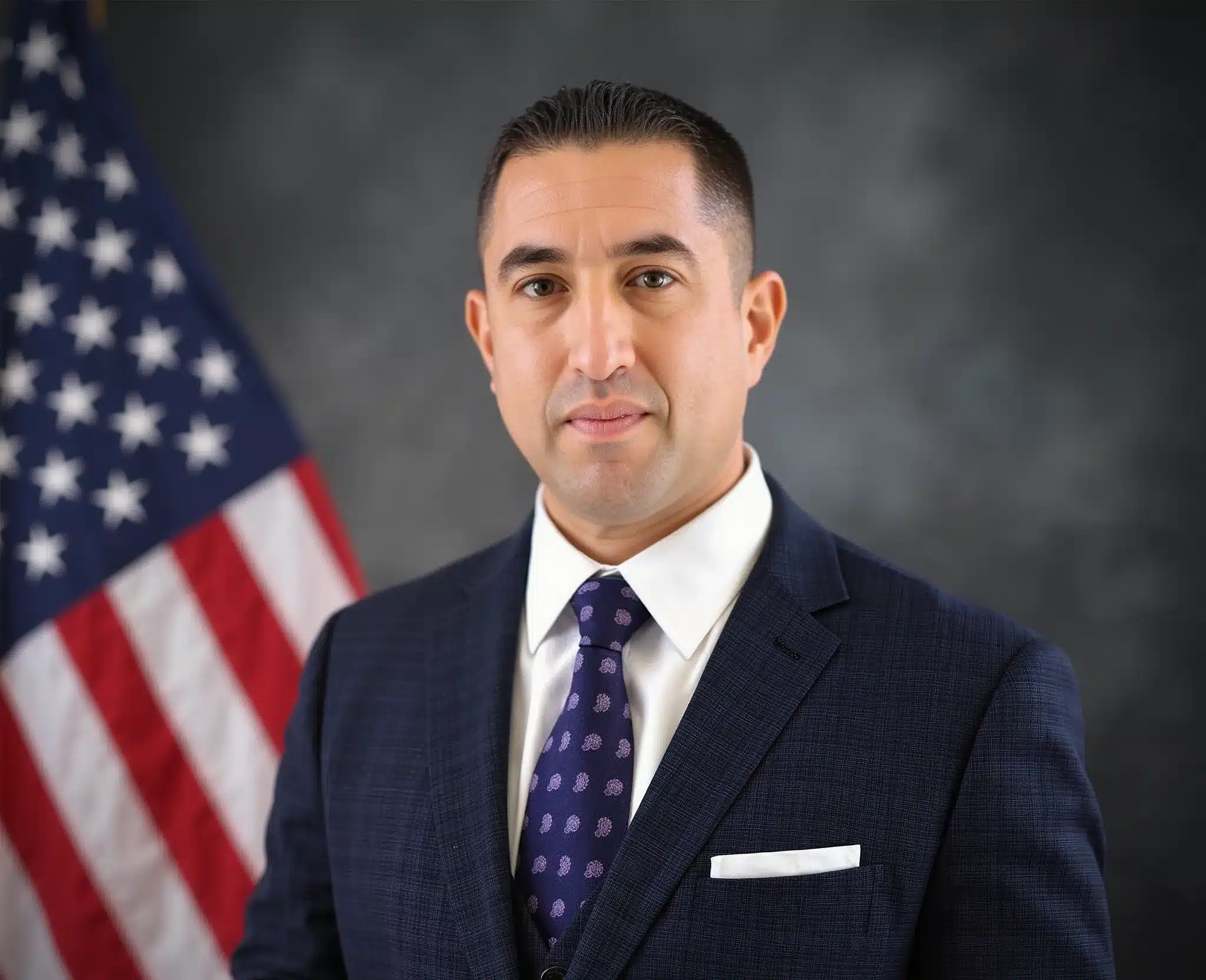
Being arrested in Chinatown and accused of resisting can leave you overwhelmed, embarrassed, and unsure of whom to trust. The Law Office of Nabiel C. Ahmed is dedicated to guiding people through this process with honest advice and diligent defense work. From your first phone call, you can expect straight answers about what you are facing, what options may be available, and what steps you can take immediately to protect yourself. Our goal is to reduce the fear that comes with criminal charges and to stand beside you in court as we work toward the best outcome possible.
Choosing the right law firm to handle your resisting arrest case can make a meaningful difference in your life. The Law Office of Nabiel C. Ahmed focuses on criminal defense in Alameda County and Contra Costa County, with a strong commitment to serving neighborhoods like Chinatown. The firm understands how local courts operate, how prosecutors evaluate these cases, and what types of arguments can resonate with judges and juries. Clients receive personalized attention, honest assessments, and a defense strategy tailored to the specific facts of their situation rather than a one-size-fits-all approach.
From challenging unlawful stops to negotiating alternatives that protect immigration status and future job prospects, the firm approaches resisting arrest cases with thorough preparation and determination. Communication is a priority: clients are kept informed about upcoming court dates, potential outcomes, and strategic choices at every stage. If your case involves injuries, complex video evidence, or overlapping charges such as theft or public disturbances, the firm is prepared to address each layer. By hiring the Law Office of Nabiel C. Ahmed, you gain an advocate focused on protecting your rights and helping you move beyond this chapter.
At the Law Office of Nabiel C. Ahmed, resisting arrest cases are handled through a deliberate, step-by-step process designed to uncover the full story and pursue the best possible outcome. From the moment you contact the firm, we gather information about the incident, identify urgent deadlines, and evaluate immediate concerns such as release conditions or immigration issues. As the case moves forward, we review police reports, video footage, and witness statements, looking for inconsistencies or legal problems. Throughout, we keep you informed, explain your options, and prepare you for each court appearance so you never feel left in the dark.
The process begins with an initial consultation, where you can share your story in a confidential setting and receive an overview of the charges and potential consequences. During this stage, the firm reviews any paperwork you received, such as citations or release documents, and clarifies upcoming court dates. We discuss what happened in Chinatown, any injuries or medical treatment, and whether there were witnesses or video cameras present. This early evaluation helps identify urgent issues, such as preserving evidence or addressing immigration concerns, and lays the groundwork for a defense strategy tailored to your goals and circumstances.
In the first phase of the consultation, the focus is on listening. You are encouraged to describe the events leading up to the arrest, how officers approached you, what was said, and how the situation unfolded in Chinatown. We also discuss your background, employment, family responsibilities, and any prior criminal history, as these details can influence both strategy and potential outcomes. By understanding your concerns—whether they involve jail, immigration, work, or reputation—the firm can tailor its approach. This conversation also provides an opportunity to answer your questions and explain the court process in clear, direct language.
After hearing your account, the firm outlines immediate steps to protect your rights and strengthen your case. This may include obtaining the full police report, requesting body camera footage, locating potential witnesses in Chinatown, or preserving medical records and photographs of any injuries. We also confirm upcoming court dates and explain what to expect at the arraignment. If needed, we discuss how to avoid further contact with law enforcement, comply with any release conditions, and minimize the impact on your daily life. These early actions can be vital in shaping how your case is viewed by judges and prosecutors.
Once the initial evaluation is complete, the firm turns its attention to investigating the facts and carefully reviewing all available evidence. In resisting arrest cases, this often includes multiple officers’ reports, body camera footage, surveillance video from Chinatown businesses, and statements from witnesses. The goal is to identify inconsistencies, question the legality of the stop or arrest, and understand how force was used. We also examine your medical records, photographs of injuries, and any prior complaints involving the officers. This detailed analysis allows us to spot weaknesses in the prosecution’s case and develop strong arguments on your behalf.
An important part of the investigation involves gathering as much objective information as possible. The firm submits formal requests for police reports, body camera recordings, and dispatch logs, then works to obtain surveillance footage from stores, restaurants, or residences near the Chinatown incident. When appropriate, we reach out to witnesses who may have seen the encounter or its aftermath. By comparing these sources, we can test the accuracy of officers’ claims and highlight discrepancies. In some cases, video reveals communication problems, excessive force, or behavior that contradicts the written report, which can greatly influence negotiations or motions.
After collecting evidence, the firm conducts a thorough legal analysis focused on the elements of resisting arrest. We examine whether the officers were lawfully performing their duties, whether there was reasonable suspicion or probable cause, and whether your actions truly amounted to willful resistance. This review may lead to motions challenging the legality of the stop, seeking suppression of evidence, or pushing for dismissal of certain charges. Based on the strengths and weaknesses identified, we then discuss strategic options with you, including negotiation, diversion, or preparing for trial. Throughout, your goals and comfort level guide the chosen path.
The final stage of the process centers on advocating for you in court and working to secure the best obtainable resolution. Depending on the evidence and your priorities, this may involve filing pretrial motions, negotiating with prosecutors, or preparing for trial before a judge or jury in Alameda County. The firm presents favorable information about your background, challenges weaknesses in the state’s case, and seeks outcomes that protect your future. Whether the goal is dismissal, reduction of charges, or limiting penalties, we remain committed to clear communication and proactive representation from start to finish.
In many Chinatown resisting arrest cases, significant progress occurs before trial through motions and negotiation. The firm may file motions to suppress evidence, dismiss charges, or limit what the prosecution can present. These filings can expose legal problems, such as lack of probable cause or excessive force, and place pressure on the prosecution to reconsider its position. At the same time, we negotiate directly with prosecutors, presenting mitigating factors like your employment, family responsibilities, and any steps you have taken toward counseling or education. This combination often leads to more favorable offers or alternative resolutions that better fit your circumstances.
When a fair negotiated resolution cannot be reached, the firm prepares your resisting arrest case for trial. This involves organizing evidence, preparing witnesses, developing cross-examination of officers, and crafting a clear narrative that conveys your perspective to the jury. We review the charges and potential verdicts with you, explain how the trial will unfold, and address any concerns you may have about testifying or appearing in court. During trial, we challenge the prosecution’s version of events, emphasize reasonable doubt, and argue for your acquittal. Throughout, our focus remains on protecting your rights and seeking the best possible result.
Being charged with resisting arrest in Chinatown typically means prosecutors claim you willfully delayed, obstructed, or resisted a police officer or certain other officials while they were performing their duties. This might involve physical movements such as pulling away, tensing up, running, or other behavior that officers say interfered with an arrest or investigation. The charge is often filed along with other offenses like theft, public intoxication, or disturbing the peace, and can carry serious consequences, even if the underlying allegation is relatively minor. Under California law, the prosecution must prove several elements before you can be convicted. They must show that the officer was lawfully performing their duties, that you knew the officer was doing so, and that your conduct was willful rather than accidental or purely reflexive. Many Chinatown cases involve misunderstandings, fear, or confusion about what officers were asking you to do. These details can provide important defenses and may lead to reduced charges, alternative resolutions, or dismissal.
Yes, it is possible to face a resisting arrest charge even if you never hit, kicked, or pushed an officer. California’s resisting statute covers a wide range of conduct, including actions that officers claim delayed or obstructed them. For example, pulling your arms away during handcuffing, refusing to sit down when ordered, or not immediately complying with commands in a crowded Chinatown environment may be interpreted as resistance. The law does not require violent conduct for prosecutors to file the charge. However, not every form of hesitation, confusion, or verbal disagreement meets the legal definition of resisting. The prosecution must prove that you willfully engaged in behavior that actually interfered with a lawful duty. Your defense can point to factors such as noise, language barriers, fear, pain, or unclear instructions to show that your behavior was understandable and not criminal. Reviewing body camera footage, witness statements, and medical records can be especially important in demonstrating what really occurred.
Penalties for resisting arrest in California depend on the specific charge and your record. Typically filed as a misdemeanor, resisting arrest can carry up to one year in county jail, fines, and probation. In some Chinatown cases, prosecutors may also seek conditions such as counseling, community service, or stay-away orders. If there were injuries, allegations of additional offenses, or prior convictions, the potential consequences may increase, and prosecutors may push for harsher terms. At the same time, not every case ends in the maximum penalty. Many people are eligible for negotiated resolutions that significantly reduce jail time or avoid it altogether, especially if the incident was isolated and no one was seriously hurt. Options might include diversion, informal probation, or reductions to less damaging charges. A carefully planned defense can highlight your background, employment, family responsibilities, and the specific facts of the incident to help secure a result that allows you to move forward productively.
A lawyer can assist with your resisting arrest case in Chinatown by analyzing the evidence, identifying legal issues, and presenting your story in a way that challenges the prosecution’s version of events. This includes reviewing police reports, body camera footage, and any nearby surveillance video to determine how the incident actually unfolded. Your attorney can question whether officers had legal grounds for the stop, whether they used unnecessary force, and whether your actions truly amounted to willful resistance as defined by California law. Beyond reviewing evidence, a lawyer negotiates with prosecutors, argues motions in court, and guides you through each step of the process. They can seek dismissals, reduced charges, or alternative resolutions such as diversion or probation, depending on the circumstances. Having someone to explain your options, prepare you for hearings, and speak on your behalf reduces the risk of missteps and can significantly improve your chances of a favorable outcome. This support is particularly important when other consequences, such as immigration or employment, are on the line.
A resisting arrest conviction can appear on your California criminal record and may show up in background checks by employers, landlords, and licensing boards. How long it remains visible depends on the type of conviction, whether you receive probation, and what steps you take after the case concludes. In many circumstances, the conviction does not automatically disappear, which is why understanding the long-term impact before accepting a plea is so important for residents and visitors in Chinatown. In some cases, people may later pursue options such as record relief or expungement, if they qualify under California law. These processes can improve how your record appears to many private parties, although they may not erase the conviction for every purpose. The best way to protect your record is to seek a strong defense from the beginning, aiming for dismissal, reduction of charges, or outcomes that are more favorable for future relief. Your attorney can explain what options might be available in your particular situation.
If you believe an officer used excessive force or treated you unfairly during a Chinatown arrest, that information may play an important role in your resisting arrest defense. California law requires that officers be lawfully performing their duties for the charge to stand. Unnecessary or unreasonable force can call into question whether they were acting within the law. Your attorney can use photographs, medical records, and witness accounts to demonstrate what occurred and to challenge the officers’ description of events. Even when force is contested, it is important to handle your response through the legal system rather than confronting officers directly afterward. Your lawyer can raise the issue in negotiations, motions, or at trial, showing how your reactions were influenced by pain, fear, or confusion. In some situations, evidence of heavy-handed conduct by law enforcement may lead to improved plea offers, reduced charges, or dismissal. These concerns can also be relevant if you later pursue civil remedies, which your attorney can help you consider.
Talking to police or prosecutors about your resisting arrest case without a lawyer can be risky. Statements you make, even when you are trying to clear your name, can be misunderstood or later used against you. In the stress of a Chinatown arrest, it is easy to forget details, become emotional, or agree to something you do not fully understand. Law enforcement and prosecutors are focused on building their case, not on protecting your interests, so it is wise to have a legal advocate before engaging in detailed conversations. Instead of trying to explain everything on your own, you can politely assert your right to remain silent and request an attorney. Once represented, your lawyer can handle communications with the prosecution, decide whether any statement is in your best interest, and help you avoid unnecessary admissions. This approach does not make you look guilty—it simply protects your rights. Courts recognize that people have the right to seek legal advice before making important decisions that may affect their freedom and future.
Resisting arrest charges can potentially affect immigration status, particularly when combined with other allegations or prior convictions. While every case is different, some convictions may be viewed negatively in immigration proceedings, impacting applications for adjustment of status, naturalization, or relief from removal. For Chinatown residents who are not U.S. citizens, it is especially important to consider these consequences before entering any plea or accepting a standard offer from the prosecution. A criminal defense lawyer can work alongside immigration counsel when necessary to evaluate how different outcomes might affect your situation. In some instances, it may be possible to negotiate plea arrangements or alternative charges that carry fewer immigration risks. By raising these concerns early, you improve the chances of crafting a resolution that protects both your liberty and your ability to remain in the United States. Do not assume that a “minor” conviction is harmless when immigration status is in question.
Immediately after being arrested for resisting in Chinatown, your priorities should be safety, legal protection, and preserving evidence. If you are injured, seek medical care and document any bruises, cuts, or pain with photos and records. Avoid discussing the details of the incident with officers or others beyond basic identifying information, and do not post about it on social media. Politely assert your right to remain silent and request an attorney as soon as possible so you receive guidance before making decisions. As soon as you are able, write down everything you remember about the encounter, including locations, times, witnesses, and any nearby cameras from stores or homes. This information can fade quickly but may be vital in building your defense. Contact a criminal defense law firm that handles resisting arrest cases in Alameda County to discuss your situation. The earlier you reach out, the more time your attorney will have to request body camera footage, contact witnesses, and protect your rights in court.
You should contact a resisting arrest lawyer as soon as possible after an arrest in Chinatown, ideally before your first court appearance. Early representation allows your attorney to advise you about release conditions, help you avoid harmful statements, and begin preserving evidence while it is still fresh. Delays can make it harder to obtain surveillance footage, track down witnesses, or challenge the legality of the stop and arrest. The sooner you involve a lawyer, the more options you may have for shaping the outcome of your case. Reaching out quickly also helps reduce the stress and uncertainty that often follow an arrest. A lawyer can explain the charges, potential penalties, and upcoming court dates, giving you a clearer picture of what to expect. They can begin communicating with prosecutors and the court on your behalf and may be able to influence decisions about charging, bail, or release conditions. Early action often leads to better results, whether through negotiation, motions, or preparation for trial.
"*" indicates required fields