
Facing a drunk in public charge in Castro Valley can feel overwhelming, especially if it is your first encounter with the criminal justice system. A simple night out can suddenly become a legal problem that threatens your record, employment, and reputation. At the Law Office of Nabiel C. Ahmed, we help people throughout Alameda County understand what they are facing and what can be done to protect their future. This page walks you through how California treats public intoxication cases and what options may be available.
A drunk in public case is often more about circumstances than character. Maybe you were waiting for a ride, walking home, or simply in the wrong place at the wrong time in Castro Valley when contact with law enforcement occurred. Regardless of the situation, the consequences can be real and long‑lasting if not handled carefully. Our firm focuses on criminal defense in Alameda and Contra Costa Counties, and we work to reduce the impact of these charges, explore dismissal opportunities, and pursue outcomes that protect your record.
Public intoxication might seem like a minor issue, but a conviction in Castro Valley can carry fines, probation, mandatory programs, and a damaging criminal record. Having a focused defense can help you avoid unnecessary penalties and limit the personal and professional fallout. A thoughtful approach may reveal weaknesses in the prosecution’s case, highlight problems with the initial police contact, or show that you were not actually a danger to yourself or others. By taking these cases seriously, we aim to protect your reputation, safeguard future opportunities, and reduce the stress that comes with navigating the Alameda County court system.
The Law Office of Nabiel C. Ahmed is a criminal defense law firm serving clients across Alameda County and Contra Costa County, including Castro Valley and surrounding communities. For years, we have represented people charged with alcohol‑related and driving offenses, from simple public intoxication to more complex cases involving multiple allegations. Our approach is hands‑on and communication‑driven. We review the details of each stop, detention, and arrest, and we keep clients informed about realistic options at every stage. Our goal is to guide you through the process with clear advice and determined advocacy in and out of court.
In California, a drunk in public charge is usually based on California Penal Code section 647(f). This law focuses on intoxication in a public place where a person is allegedly unable to care for their safety or is obstructing the use of public ways. In Castro Valley, these cases may begin with contact by sheriff’s deputies or local law enforcement responding to a disturbance, welfare concern, or routine patrol. Knowing what the law actually requires is important, because not every person who has been drinking in public is legally guilty of drunk in public under California standards.
Public intoxication cases often involve subjective impressions by officers, such as whether someone seemed unsteady, loud, or confused. However, the legal standard is more specific than simply appearing intoxicated. The prosecution must typically show impairment that created a real safety risk or obstruction. In Castro Valley, this might arise outside bars, restaurants, house parties, parking lots, or on sidewalks near major streets. A careful defense looks beyond the arrest report to body‑worn camera footage, witness statements, and the full context to determine whether the legal elements were truly met or whether a reduced outcome or dismissal is possible.
Under California Penal Code section 647(f), “drunk in public” generally means being under the influence of alcohol, drugs, or a combination in a public place to the point where you cannot exercise care for your own safety or the safety of others, or where you interfere with, obstruct, or prevent others from using streets, sidewalks, or other public ways. In Castro Valley, that can include locations like shopping centers, parking lots, sidewalks, parks, or even common areas of certain buildings. Importantly, the law is not aimed at simple drinking; it targets situations where impairment and public impact rise to a certain level.
A typical drunk in public case in Castro Valley starts when law enforcement makes contact after a call for service or during a patrol. Officers assess your behavior, level of impairment, and surroundings before deciding whether to arrest, transport you to a sobering facility, or simply send you home. To convict, the prosecution must prove that you were in a public place, under the influence, and either unable to care for yourself or obstructing public use. The process may involve an initial arraignment in Alameda County court, negotiations with the district attorney, and, if needed, pretrial motions or a trial to challenge the evidence.
Understanding a few important legal terms can make the process less intimidating and help you make better choices about your case. Public intoxication cases in Castro Valley often involve concepts like public place, probable cause, and diversion, which each carry specific meanings under California law. Knowing how these terms apply to your circumstances can reveal defenses, alternatives to conviction, or ways to minimize long‑term harm. The brief glossary below explains several phrases you may hear from judges, prosecutors, or defense counsel so you can follow along and feel more confident throughout your Alameda County case.
A public place is generally any location in Castro Valley that is open and accessible to the general public, such as sidewalks, streets, parks, shopping centers, parking lots, and many businesses. Some areas that feel private, like apartment complex walkways or shared entryways, can be treated as public for purposes of a drunk in public charge. Whether a location qualifies as a public place can sometimes be challenged in court and may affect whether the prosecutor can prove all elements required for a conviction under California Penal Code section 647(f).
Probable cause is the legal standard that allows law enforcement in Castro Valley to detain or arrest someone for drunk in public. It means officers must have specific facts that would lead a reasonable person to believe a crime is being committed. Slurred speech, difficulty standing, strong odor of alcohol, or disruptive behavior are often cited. However, mistakes happen, and sometimes what is described in a report does not match body‑worn camera footage or witness statements. When probable cause is weak or missing, your defense attorney can challenge the legality of the arrest and seek to suppress resulting evidence.
Diversion is an alternative resolution sometimes available in Alameda County that allows eligible defendants to complete conditions such as classes, counseling, or community service in exchange for a dismissal or reduction of charges. In certain Castro Valley drunk in public cases, diversion may provide a path to avoiding a conviction on your record, particularly when there is little prior history and no injuries or serious misconduct. Availability depends on local policies, the judge, and the prosecutor’s position, so it is important to evaluate whether diversion is realistic and whether it truly serves your long‑term interests before accepting an offer.
An arraignment is usually your first formal court appearance in an Alameda County drunk in public case. At this hearing, the judge tells you what charges have been filed, advises you of your rights, and asks for a plea of guilty, not guilty, or no contest. In Castro Valley cases, the arraignment may also be when release conditions, future court dates, and initial offers are discussed. Having representation at this stage can help you avoid making quick decisions, preserve important defenses, and begin negotiations aimed at reducing or dismissing the allegation before it grows more complicated.
When charged with drunk in public in Castro Valley, you may have several options, ranging from doing nothing beyond appearing in court, to pleading guilty at arraignment, to actively contesting the case or seeking diversion. Each route carries different consequences for your record, employment, and immigration status, if applicable. Some people can resolve the matter with minimal conditions, while others benefit from a more comprehensive strategy that challenges the stop, the arrest, or the prosecution’s evidence. Evaluating your goals, background, and risk tolerance is important when choosing the approach that fits your circumstances and protects your future.
Sometimes a Castro Valley drunk in public case stems from a brief misunderstanding, such as a noise complaint or an interaction that escalated quickly but caused no damage or injury. If you have no prior record, cooperated with officers, and there is little evidence of actual danger or obstruction, a limited approach may be reasonable. This might involve negotiating a basic plea to a lesser infraction, pursuing a short diversion program, or requesting informal resolution. Even with a limited strategy, it is important to understand the long‑term impact on your record before agreeing to any outcome.
In some Castro Valley cases, body‑worn camera footage, witness statements, or bar staff testimony may show that you were relatively steady, cooperative, and simply waiting for a ride or walking home. If the evidence suggests minimal impairment and the prosecution is willing to be flexible, a targeted, limited defense may achieve a favorable result without extensive litigation. This can take the form of an early dismissal, reduced non‑criminal disposition, or short‑term conditions. Even where the case appears minor, evaluating discovery carefully helps ensure that you do not accept an unnecessary conviction or burdensome terms.
A comprehensive defense approach is often appropriate when a Castro Valley drunk in public charge may affect professional licenses, security clearances, immigration status, or future background checks. Even a misdemeanor can carry stigma and complicate job applications or housing opportunities. If there are allegations of aggressive conduct, prior convictions, or related charges such as resisting or disorderly conduct, the stakes are higher. A thorough strategy may involve filing motions, contesting probable cause, challenging field observations, and negotiating for outcomes that protect your future as much as possible rather than accepting quick, short‑sighted offers.
When officers’ reports conflict with witnesses or your own recollection, or when the Alameda County District Attorney pursues additional allegations such as resisting, trespassing, or vandalism, a more comprehensive response is often needed. In these Castro Valley cases, the outcome can depend on scrutinizing video, interviewing witnesses, and carefully presenting your side of the story. A broad strategy may seek to separate weaker counts, suppress unlawfully obtained evidence, and highlight mitigating circumstances. This deliberate approach can open doors to dismissals, charge reductions, or creative resolutions that better reflect what actually happened and minimize long‑term damage.
Taking a comprehensive approach to your Castro Valley drunk in public case allows us to examine every part of the incident, from initial police contact to final court appearances. This depth can uncover procedural problems, inconsistencies, or mitigation that might otherwise be overlooked. By carefully reviewing reports, videos, and witness accounts, we can negotiate from a position of strength or prepare a persuasive defense for court. Even when a conviction cannot be entirely avoided, a thorough strategy can often lead to reduced penalties, shorter probation, and terms that are better tailored to your life and obligations.
A comprehensive defense also supports long‑term planning beyond the immediate charges. For Castro Valley clients, we look at how a proposed resolution may affect employment, education, housing, and, when necessary, immigration or professional licensing issues. This broader view encourages us to pursue outcomes such as diversion, dismissals, or record‑friendly pleas when available. It also provides an opportunity to address underlying concerns like alcohol use or mental health in a way that courts may view favorably. The goal is not only to resolve today’s problem but to help protect your future stability and reputation.
When we fully investigate a Castro Valley drunk in public case, we are more likely to find weaknesses in the prosecution’s evidence that can support charge reductions or dismissals. That might include inconsistent officer statements, missing body‑worn camera footage, questionable observations of impairment, or doubts about whether the location was truly public. A thorough presentation of your background, employment history, and community ties can also persuade prosecutors and judges to consider alternatives. This comprehensive advocacy often opens doors to diversion, deferred entries, or informal resolutions that would not be available if the case were addressed in a superficial way.
Your record can influence job prospects, housing applications, school opportunities, and personal relationships. By investing in a comprehensive defense in your Castro Valley drunk in public case, you increase the chances of preserving a clean record or limiting the long‑term impact of the incident. We consider options like dismissals, reductions to less serious offenses, and resolutions that position you for future record‑clearing relief when available under California law. This focus on reputation and future opportunities helps ensure that a single night does not define you or create unnecessary obstacles as you move forward with your life.

Memories fade quickly, especially after a stressful arrest in Castro Valley. As soon as you are able, write down everything you remember about the incident, including where you were, who you were with, what you had to drink, interactions with staff or friends, and exactly what officers said and did. Note the time, location, weather, and any witnesses who saw your condition. Small details, such as whether you were offered a ride or refused medical help, can later become important. A clear timeline helps your attorney challenge inaccuracies and build a defense that reflects what truly happened.
Missing a court date or ignoring release conditions can quickly turn a manageable Castro Valley drunk in public case into a more serious problem. Bench warrants, additional charges, or stricter terms may follow. As soon as you receive paperwork, put all court dates in your calendar and arrange transportation well in advance. If you are ordered to attend classes, counseling, or community service, start early and keep proof of completion. Judges and prosecutors notice when people take the process seriously, and consistent compliance can support requests for reduced penalties, dismissals, or more favorable resolutions.
Even though drunk in public is often viewed as a lower‑level offense, the effects of a conviction in Castro Valley can extend far beyond a single court appearance. Fines, probation, mandatory programs, and a public record can interfere with employment, housing, and licensing opportunities. For students or young professionals, an avoidable conviction may complicate financial aid or internships. Taking the charge seriously means exploring every option to minimize its impact. By seeking legal guidance early, you can better understand what you are facing, meet deadlines, and preserve defenses that might otherwise be lost if you wait too long.
Addressing a drunk in public charge proactively also helps you regain a sense of control during a confusing time. You may have questions about what to say in court, whether to talk to the prosecutor directly, or how the case affects immigration or professional goals. A thoughtful legal strategy can answer these questions, calm fears, and provide a clear plan. For many Castro Valley clients, the peace of mind that comes from understanding the process and having support is just as valuable as the legal outcome itself, allowing them to move forward with confidence.
Drunk in public charges in Castro Valley often arise from everyday situations that get out of hand. People are cited or arrested after leaving bars, restaurants, or house parties, sometimes while simply waiting for a ride or walking home. Others are contacted in parking lots, parks, or near transit stops when someone calls about a disturbance or welfare concern. Alcohol combined with stress, fatigue, or medications can make behavior appear more impaired than it is. Because these cases frequently involve misunderstandings or exaggerated reports, many clients seek legal help to make sure one difficult night does not cause lasting damage.
One common scenario in Castro Valley involves someone leaving a bar, restaurant, or gathering and choosing to walk home instead of driving. On the way, officers may observe unsteady steps, loud conversation, or an argument with a friend and decide to investigate for drunk in public. Even if you believed you were making a responsible choice by not driving, you can still face charges if law enforcement thinks you were unable to care for yourself. Reviewing what the officers saw, what options they offered, and whether you actually posed a safety risk can be central to your defense.
Another frequent situation is being found in or near a vehicle in a Castro Valley parking lot. Maybe you decided to sit in your car to wait for a ride, charge your phone, or sober up before driving. Officers might approach to check on your welfare or investigate a call from security. Depending on their observations, they may choose to arrest for drunk in public, even if no driving occurred. These cases raise important questions about whether the location counts as a public place, and whether a less severe response should have been chosen.
Drunk in public charges can also stem from house parties or gatherings in Castro Valley where law enforcement responds to noise complaints or reports of disturbances. As officers disperse guests, individuals who step outside to leave or talk may draw attention based on their speech, balance, or behavior. In the confusion, someone trying to comply can end up arrested for public intoxication. These cases often involve multiple witnesses, conflicting accounts, and questions about whether the person was truly in a public place or posed any real danger. Careful investigation can uncover details that support reduced charges or dismissal.
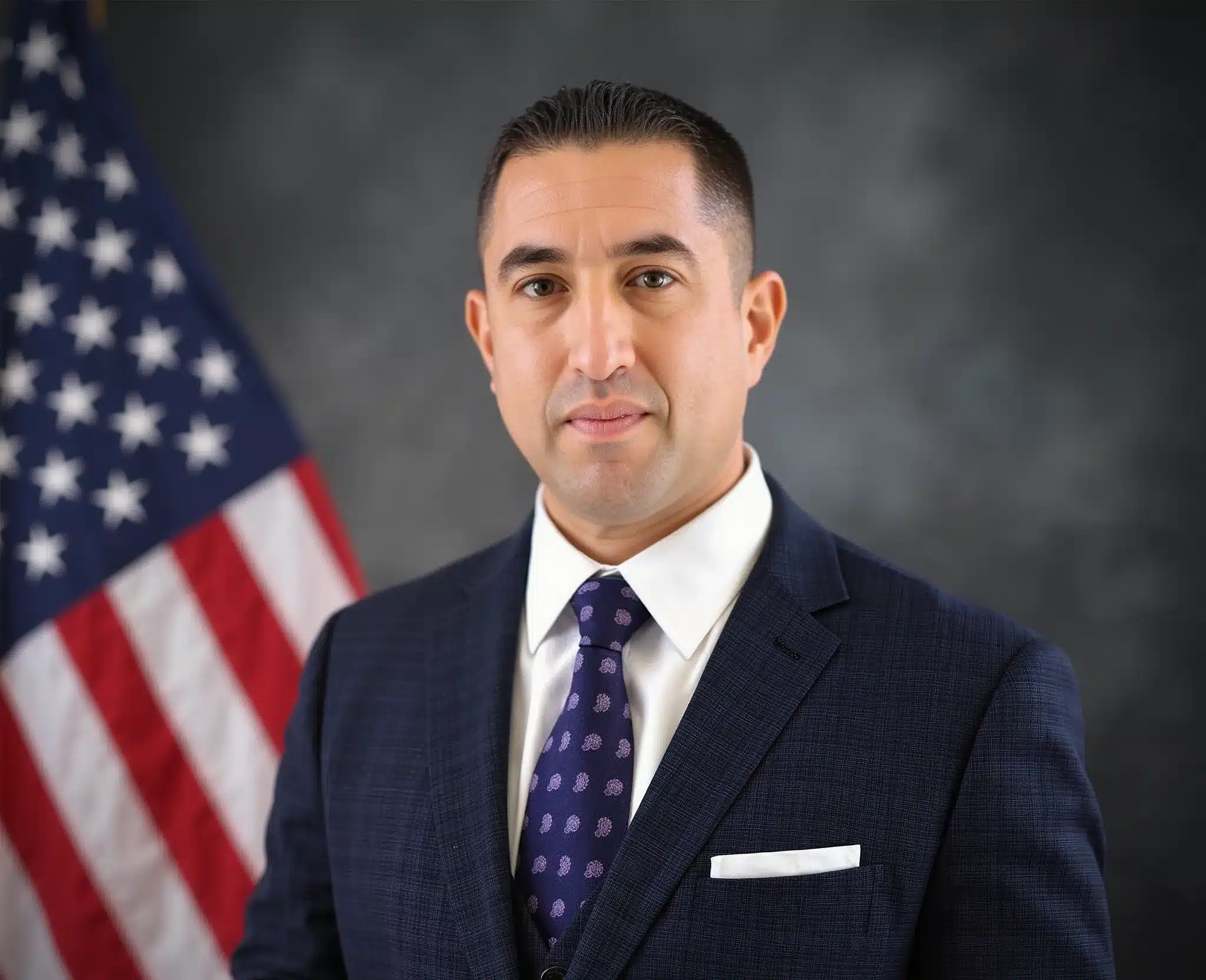
At the Law Office of Nabiel C. Ahmed, we understand that a drunk in public allegation in Castro Valley does not define who you are. People from all walks of life can find themselves facing this type of charge after a stressful night, a misunderstanding, or an encounter with law enforcement. Our criminal defense firm serves Alameda and Contra Costa Counties, focusing on strategies designed to protect your record and reduce the overall impact on your life. We listen to your story, review the evidence, and guide you through each step so you can move forward with greater confidence.
Choosing the right representation for a drunk in public charge in Castro Valley can make a meaningful difference in how your case is handled and how you feel throughout the process. Our firm focuses on criminal defense, including alcohol‑related and driving offenses, in Alameda and Contra Costa Counties. We place a strong emphasis on communication, making sure you understand your options and the likely consequences of each choice. From the first consultation, our goal is to provide honest guidance, discuss realistic outcomes, and begin building a strategy tailored to your circumstances and concerns.
When you work with the Law Office of Nabiel C. Ahmed, you receive attentive representation that looks beyond the accusation. We examine the facts, challenge questionable evidence, and highlight your background, responsibilities, and efforts to do the right thing. Our office is familiar with local courts, prosecutors, and procedures in Alameda County, which helps us navigate your Castro Valley case efficiently. Whether the best course is negotiation, diversion, or challenging the charges more aggressively, we stand by you at each stage, working to protect your future and reduce the stress of the criminal process.
When you contact our firm about a drunk in public charge in Castro Valley, we start by listening carefully to what happened from your perspective. We then compare your account with police reports and any available video or witness statements to identify strengths and weaknesses. Throughout the case, we explain each step of the Alameda County court process in clear, straightforward terms so you always know what to expect. Our approach combines thorough preparation, open communication, and thoughtful negotiation, while remaining ready to challenge the prosecution’s case if that path best serves your goals and circumstances.
The first step in handling your Castro Valley drunk in public case is a detailed consultation. During this meeting or call, we review the circumstances of your arrest, your background, and your priorities. We gather information about where the incident occurred, how officers approached you, and what tests or observations they relied upon. We also identify any urgent concerns, such as upcoming court dates or employment issues. After reviewing available documents, we provide an initial assessment of potential defenses, likely outcomes, and strategic options so you can make informed decisions about how to proceed.
At the outset, we focus on understanding the full picture of your life and the events leading up to the Castro Valley arrest. We ask about your work, family responsibilities, prior record, and goals, as well as any medical or personal factors that may have affected how you appeared that night. We also discuss urgent issues, like how to handle upcoming court dates and whether you should speak with anyone about the case. This conversation shapes our strategy and ensures that any plan addresses both legal risks and the practical realities you face day to day.
Next, we review the citation, complaint, and any paperwork you received from Alameda County authorities, along with your recollection of what officers said or did. When available, we obtain police reports and early discovery, paying close attention to the stated reasons for contact, observations of intoxication, and whether medical issues were considered. By comparing your account with these documents, we can spot discrepancies, legal issues, or missing information that may later support motions or negotiations. This early analysis provides the foundation for a tailored defense strategy as your Castro Valley case moves forward.
After the initial evaluation, we turn to a deeper investigation and formal discovery in your Castro Valley drunk in public case. We request police reports, body‑worn camera footage, 911 calls, and other relevant materials from the prosecution. When appropriate, we interview witnesses or gather records that shed light on your condition and behavior. As we learn more, we evaluate whether to file motions, seek diversion, or negotiate a reduction or dismissal. Throughout this process, we keep you updated and involve you in decisions so the defense strategy reflects your priorities and comfort level.
Thorough discovery is central to an effective defense. In a Castro Valley drunk in public case, we typically seek body‑worn camera footage, dispatch logs, 911 recordings, and photographs, along with the complete police report. We may also contact friends, family, or other witnesses who observed your condition and behavior before or during the incident. These materials sometimes reveal inconsistencies, show that you were cooperative and stable, or demonstrate that you were not truly in a public place. By assembling a clear record of what happened, we can push back against incomplete or exaggerated descriptions in official reports.
Once we have a strong understanding of the evidence, we discuss realistic options with you, including the strengths and risks of going to trial, seeking diversion, or negotiating a plea. In Castro Valley drunk in public cases, prosecutors may be open to dismissals, reductions, or informal resolutions depending on your background and the facts. We present mitigation, such as employment history, schooling, or voluntary counseling, to support better offers. Our role is to explain the potential consequences of each route and provide guidance, while respecting that the decision of how to resolve the case ultimately belongs to you.
The final stage of your Castro Valley drunk in public case involves resolving the charges through dismissal, plea negotiation, or trial, and planning for what comes afterward. We appear with you in Alameda County court, handle communications with the judge and prosecutor, and present arguments that support the outcome we are seeking. If conditions such as classes, community service, or counseling are part of the resolution, we help you understand how to complete them and keep proof for the court. We also discuss future options, including record‑clearing relief when available under California law.
Court can feel intimidating, especially if it is your first time in the Alameda County system. We guide you through each appearance, explain what will happen, and speak on your behalf whenever possible. Whether we are arguing motions, confirming a negotiated resolution, or preparing for trial, our focus remains on protecting your rights and presenting you in a fair light. In many Castro Valley drunk in public cases, thoughtful advocacy during key hearings can influence the judge’s perception and help secure dismissals, reductions, or terms that are more manageable and better aligned with your life responsibilities.
Even after your Castro Valley drunk in public case is resolved, there may be important steps to protect your record and move forward. Depending on the outcome, we discuss options such as early termination of probation, expungement‑type relief when available, and ways to answer background check questions honestly while minimizing harm. We also encourage clients to keep documentation of completed programs, community service, and personal progress. By planning ahead for life after the case, you can reduce the long‑term impact of the incident and focus on your future, rather than feeling defined by a single difficult night.
In California, including Castro Valley, drunk in public under Penal Code section 647(f) is usually charged as a misdemeanor. That means it is more serious than an infraction like a traffic ticket and can carry potential jail time, fines, and probation. However, not every case results in harsh penalties. The actual outcome depends on the facts, your prior record, and how the case is handled in Alameda County court. Some matters can be resolved through diversion, dismissal, or reduction to less serious charges. Even when jail is unlikely, a misdemeanor on your record can affect employment, housing, and future background checks. That is why it is important to take the charge seriously, understand your rights, and explore all available options. A careful review of the evidence may reveal defenses or alternatives that limit long‑term consequences. Many clients are surprised to learn that they have more choices than simply pleading guilty at the first court appearance.
A drunk in public conviction does not automatically disappear from your record in Castro Valley. Unless it is later reduced, dismissed, or granted record‑clearing relief under California law, it can appear on background checks for years. How long it remains reportable may depend on the type of check and the purposes for which it is requested. Employers, landlords, and licensing boards often look at misdemeanor histories when making decisions, so it is worth trying to avoid a conviction when possible. The good news is that, in some cases, there may be ways to limit the long‑term impact. Depending on the outcome, you might be eligible for procedures similar to expungement that can help you move forward with a cleaner record. Additionally, securing a dismissal, diversion, or favorable plea can make future record‑clearing efforts easier. Talking with a criminal defense attorney early in the process allows you to plan for both the immediate case and your long‑term future.
Many drunk in public cases in Castro Valley can be dismissed or reduced, but it depends on the specific facts, your prior record, and local policies. Opportunities may include informal resolutions, diversion programs, or negotiated pleas to less serious offenses. Weak evidence about your level of impairment, questions about whether you were actually in a public place, or issues with the legality of the arrest can all play a role. Demonstrating responsible behavior after the incident, such as attending counseling, may also support better offers from prosecutors. There is never a guarantee, but a thorough defense strategy increases the chance of a favorable outcome. Our firm reviews reports, video, and witness statements for inconsistencies and legal problems that may justify dismissal or significant reduction. Even when a full dismissal is not available, it may be possible to reach a resolution that avoids a damaging conviction, shortens probation, or positions you for later record‑clearing relief. The key is to evaluate every option before making decisions.
In many Castro Valley drunk in public cases, you are required to appear in Alameda County court on the date listed on your citation or release paperwork. Failing to appear can lead to a bench warrant and additional consequences, even if the underlying charge is relatively minor. In some situations, a lawyer can appear on your behalf for certain hearings, especially if the case is a misdemeanor and the court permits it. This can spare you from missing work or school and reduce the stress of appearing personally at every stage. Whether you must attend in person usually depends on the judge’s practices, case status, and whether your attorney has authority to appear for you. We advise clients about which hearings are essential to attend and which may be handled through counsel. Either way, it is important not to ignore court paperwork or assume that a missed date will simply be forgiven. Prompt communication with your lawyer and careful calendar management can help you avoid preventable problems.
Penalties for drunk in public in Alameda County can include fines, probation, and in some cases short jail sentences, though actual time behind bars is less common for first offenses. Courts may also order counseling, alcohol education, community service, or stay‑away orders from certain locations. The severity often depends on factors like prior convictions, alleged behavior during the incident, and whether there were related charges, such as resisting or vandalism. Even when the penalties appear mild, the impact on your criminal record can be significant. Judges in Castro Valley‑area courts have considerable discretion in sentencing. Good behavior since the incident, community involvement, and participation in voluntary treatment can sometimes influence the outcome in a positive way. A carefully negotiated resolution may avoid jail entirely, reduce fines, or allow for diversion where available. Because penalties can vary widely, it is important to discuss the full range of possibilities with a criminal defense lawyer before deciding how to plead or resolve your case.
A drunk in public case can potentially affect employment, professional licensing, and certain background checks, especially in fields that emphasize judgment, public safety, or trust. Some employers are more concerned about alcohol‑related arrests, even when the incident did not involve driving. Licensing boards for nurses, teachers, and other professions may require disclosure of criminal cases, including misdemeanors from Castro Valley courts, and can review the circumstances when deciding on discipline or applications. However, not every case leads to serious career consequences. Much depends on the final outcome, whether there is a conviction, and how you address the issue with employers or boards. By seeking a dismissal, reduction, or record‑friendly resolution, you can reduce the risk that this incident will cause long‑term harm. We also often discuss strategies for explaining a case honestly while emphasizing rehabilitation, responsible steps, and the context of the event when clients are worried about professional implications.
If you are arrested or cited for drunk in public in Castro Valley, the most important steps are to stay calm, comply with lawful instructions, and avoid arguing with officers on the scene. Once you are safely released, gather and preserve information such as names of witnesses, photographs of the area, and your own written account of what happened. Do not discuss the details of the incident on social media or with anyone other than your lawyer and trusted loved ones, as statements can be misinterpreted and used against you. You should also review your paperwork carefully so you do not miss court dates or deadlines. Contacting a criminal defense attorney as soon as possible allows time to evaluate your case, request discovery, and explore options like diversion or early negotiations. Early action can reveal opportunities that might disappear later, such as quick dismissals or informal resolutions. Even if you think the case is minor, taking these steps protects your rights and positions you for a better outcome.
Yes, you can be charged with drunk in public even if you believe you were not causing any trouble. Under California law, the focus is on whether you were in a public place and allegedly unable to care for your safety or obstructing public ways, not only on whether you were loud or disruptive. In Castro Valley, officers often rely on their observations of your balance, speech, and behavior when making an arrest decision. However, those impressions can be subjective and may not fully reflect the situation. Many cases arise from misunderstandings, miscommunications, or brief incidents where someone was simply trying to get home safely. That is why reviewing body‑worn camera footage, witness statements, and the specific layout of the scene is so important. It may show that you were able to care for yourself, were not blocking public paths, or were in an area that is not legally considered public. These details can provide strong grounds for negotiations, reductions, or efforts to have charges dismissed.
The timeline for resolving a drunk in public case in Castro Valley can vary, but many matters conclude within a few months. Some cases are resolved quickly at or shortly after arraignment if a favorable offer is reached or if the prosecution dismisses the charge early. Others require multiple hearings for discovery, motions, and negotiations, which can extend the process. The court’s schedule, the complexity of the evidence, and the prosecutor’s approach all influence how long your case will take. While it is understandable to want a fast resolution, moving too quickly can sometimes lead to missed opportunities. Taking time to review discovery, identify weaknesses, and present mitigation can improve your outcome. Your attorney can give you a more precise estimate based on the specific facts and the assigned courtroom. Throughout the process, good communication with your lawyer helps you stay informed about delays, options, and whether a quicker or more deliberate pace best serves your interests.
Hiring a lawyer for a drunk in public case in Castro Valley gives you guidance from someone who understands local courts, procedures, and common resolution options. Even though the charge may seem minor, the legal system can be confusing, and a misstep can have lasting effects on your record. An attorney can evaluate whether the police had a lawful basis to detain and arrest you, identify defenses, and negotiate for reductions, diversion, or dismissals when possible. They can also appear in court on your behalf for certain hearings, reducing the strain on your schedule. Beyond the legal work, having representation provides peace of mind. You gain a clearer understanding of what to expect, how to prepare, and what each decision truly means. For many clients, this support helps them feel heard, respected, and better able to move forward after a difficult incident. Given the potential impact on employment, housing, and future background checks, investing in a thoughtful defense can be an important step in protecting your long‑term interests.
"*" indicates required fields