
Facing a robbery or burglary charge in Berkeley can turn your life upside down in an instant. Suddenly you may be dealing with police interviews, court dates, and the fear of a felony record that can follow you for years. At the Law Office of Nabiel C. Ahmed, we understand how stressful this feels and how much is at stake for you and your family. Our criminal defense law firm works with people throughout Berkeley, Alameda County, and Contra Costa County who need clear guidance, steady support, and a strong defense strategy tailored to their situation.
Robbery and burglary cases in Berkeley are treated very seriously by prosecutors and judges, especially when allegations include weapons, injuries, or prior convictions. These cases can involve complicated evidence, from eyewitness statements and surveillance footage to phone records and forensic reports. Without knowledgeable legal help, you might feel pressured to accept a deal that is not in your best interest or misunderstand the long-term consequences of a conviction. Our firm focuses on helping you understand your options, protecting your rights at every step, and pursuing the most favorable outcome possible under California law.
Legal representation in a robbery or burglary case is not just about having someone speak in court. It is about having a defender who can carefully review the evidence, challenge how police handled the investigation, and present your side of the story in a clear, compelling way. A thoughtful defense can mean the difference between a serious felony conviction and a reduced charge, dismissal, or alternative resolution that limits the damage to your record. In Berkeley and the surrounding Alameda County courts, having a lawyer who understands local practices, judges, and prosecutors can directly influence negotiations and courtroom strategy, meaning your case is handled with careful attention.
The Law Office of Nabiel C. Ahmed is a criminal defense law firm representing people accused of robbery, burglary, and other violent or serious crimes in Berkeley, Oakland, and across Alameda and Contra Costa Counties. Over years of practice, our office has handled a wide range of felony cases, from first-time arrests to matters involving significant prior records and strike allegations. We focus on thorough preparation, close communication with clients, and aggressive protection of constitutional rights. When you work with our firm, you receive honest guidance about your situation, realistic expectations, and a defense strategy built around the unique facts of your case and your goals.
Robbery and burglary often get discussed together, but under California law they involve very different allegations. Robbery generally refers to taking property from another person, against their will, using force or fear. Burglary usually involves entering a home, business, or other structure with the intent to commit theft or another crime inside. In Berkeley, both charges can be filed as serious felonies and may count as strikes under California’s Three Strikes law. The specific charge level, potential prison exposure, and long-term consequences depend on factors like location, alleged weapons, injuries, and prior convictions.
Understanding exactly what you are accused of is the first step in building a defense. Police reports may describe events in a way that does not match what actually happened or may gloss over important details that help your side. Surveillance footage, cell phone data, and witness statements may appear damaging at first glance but can be challenged when reviewed carefully. Our firm helps clients in Berkeley break down each element of the charges, compare the allegations with the available evidence, and identify weaknesses, inconsistencies, and mitigation that can be used to seek a more favorable result.
Under California law, robbery is generally defined as the taking of personal property from another person’s body or immediate presence, against that person’s will, accomplished by means of force or fear. Burglary, by contrast, typically involves entering a structure such as a house, apartment, or business with the intent to commit theft or another felony once inside. In Berkeley, these definitions are applied under California’s Penal Code, and even allegations of attempted robbery or burglary can lead to serious felony filings. The circumstances of entry, the location, the time of day, and any claimed threats all influence how the prosecutor charges the case and what penalties are possible.
Robbery and burglary cases often turn on several critical elements: identity, intent, force or fear, and the details surrounding entry or confrontation. Prosecutors must prove each of these elements beyond a reasonable doubt, which gives the defense meaningful opportunities to challenge the case. Was the identification reliable? Did the accused actually intend to steal, or was there a misunderstanding? Did the property truly belong to someone else? In Berkeley courts, these questions are addressed through pretrial motions, plea negotiations, and, if necessary, trial. A careful defense process includes reviewing discovery, investigating independently, consulting with witnesses, and pushing back against any overcharged or unsupported allegations.
Robbery and burglary charges can involve legal terms that feel confusing when you first see your paperwork. Understanding these phrases makes it easier to follow what is happening in court and participate in decisions about your case. Words like “force or fear,” “strike offense,” “residential burglary,” and “intent” appear in charging documents, police reports, and plea offers. In Berkeley, where courts handle a heavy felony calendar, it helps when you and your lawyer share a clear vocabulary for discussing your options. The following short glossary explains some of the most common terms you may hear as your robbery or burglary case moves through the Alameda County system.
“Force or fear” is a key concept in California robbery cases. It refers to the physical force used against a person or the threats that cause someone to hand over property because they are afraid of being harmed. In Berkeley robbery prosecutions, even a small shove, aggressive movement, or intimidating statement can be argued as force or fear if the alleged victim says they felt pressured. The way officers document these interactions in police reports can significantly influence how the district attorney charges the case and what penalties might be requested in court.
Residential burglary generally involves entering an inhabited dwelling, such as a house or apartment, with the intent to commit theft or another felony inside. In California, and specifically in Berkeley courts, residential burglary is treated more harshly than many commercial burglary cases because the law views homes as particularly sensitive locations. Questions can arise about whether a structure was truly “inhabited,” whether there was permission to enter, and what the person actually intended at the time. These details can impact whether the offense is considered a strike and how much prison exposure a person is facing if convicted.
Intent is the mental state the prosecution alleges you had at the time of the incident. For burglary, prosecutors must show that when you entered the home, business, or other structure, you intended to commit theft or another crime. For robbery, they must prove you intended to take property from another person using force or fear. In Berkeley, establishing intent often relies on circumstantial evidence, such as what you were carrying, what you said, and what happened before and after the event. Disputing the prosecution’s version of your intent can create strong defenses and support requests for reduced charges.
A “strike offense” is a serious or violent felony under California’s Three Strikes law. Many robbery and residential burglary charges fall into this category. If you are convicted of a strike in Berkeley, it can dramatically increase your potential sentence, especially if you are later accused of another felony. Strikes can lead to longer prison terms, limited credits, and harsher plea offers. Understanding whether the charge against you is considered a strike, and whether there are options to reduce or avoid a strike conviction, is an essential part of planning a defense strategy and protecting your future record.
When you are charged with robbery or burglary in Berkeley, the legal options can seem overwhelming at first. You might be offered a quick plea deal, but accepting too soon can lock you into harsh consequences that could have been improved with more negotiation or investigation. On the other hand, taking a case to trial carries its own risks and stress. Some people may qualify for diversion programs, alternative sentencing, or reductions from strike-level offenses to lesser charges. A thoughtful comparison of your options involves weighing the strength of the evidence, your personal history, potential immigration issues, and your long-term goals.
In some Berkeley robbery or burglary cases, the evidence against you may be thin, and the prosecutor may recognize the weaknesses early. For example, the identification might be uncertain, the alleged victim might be reluctant to participate, or surveillance footage may raise more questions than it answers. In these situations, a limited approach that focuses on targeted negotiations, key motions, and careful documentation of your positive background may be enough to secure a favorable result. The goal is to avoid unnecessary delay and cost while still protecting your rights, pushing for charge reductions, and positioning your case for dismissal or a manageable outcome.
For some first-time offenders in Berkeley, particularly younger clients or those with strong ties to school, work, or family, prosecutors may be open to creative resolutions that avoid long-term felony consequences. In these instances, a defense approach that emphasizes mitigation, counseling, restitution, and community support can sometimes accomplish more than a purely aggressive posture. By presenting a full picture of your life, showing steps taken toward rehabilitation, and negotiating thoughtfully with the district attorney, it may be possible to achieve an outcome such as a reduced charge, probation-based resolution, or other alternative that limits the impact on your record and your future opportunities.
In robbery and burglary cases involving injuries, weapons, or prior strikes, limited efforts are rarely enough. A comprehensive defense strategy is especially important when you are facing possible state prison time, strike enhancements, or multiple felony counts in Berkeley. These cases often require extensive investigation, consultation with experts such as investigators or forensic specialists, and robust motion practice to challenge identification procedures, searches, or statements. The goal is to identify every possible weakness in the prosecution’s case, develop alternative narratives, and create leverage for meaningful negotiations or a strong trial presentation, giving you the best chance to protect your liberty.
Some Berkeley robbery and burglary cases involve complex evidence, multiple defendants, or attention from media and the community. When there are several people charged together, each with conflicting statements or different levels of involvement, the case can quickly become complicated. Evidence may include extensive digital records, multiple surveillance videos, or detailed forensic testing. In these circumstances, a comprehensive approach allows your defense to address every layer of the case, coordinate with or distinguish your position from co-defendants, and carefully manage public perception. This kind of strategy aims to protect both your legal interests and your personal reputation throughout the process.
Taking a comprehensive approach to your robbery or burglary case means looking beyond the immediate charge and considering how the outcome will affect your record, your family, and your future opportunities. In Berkeley, where charges can lead to serious jail or prison exposure, a thorough defense can uncover issues that might otherwise be missed, such as faulty identification procedures, unreliable witnesses, or violations of your constitutional rights. This depth of review can strengthen your position in plea discussions, support motions to suppress or dismiss, and give you a realistic sense of your chances at trial, helping you make informed decisions.
A comprehensive defense also places significant emphasis on mitigation—telling your story beyond a police report or criminal history printout. This may include gathering records of employment, schooling, counseling, and community involvement, as well as letters from family, mentors, or employers. In Alameda County courts serving Berkeley, prosecutors and judges often consider this information when deciding whether to support reduced charges, alternative sentencing, or second chances for people willing to make changes. By presenting a fuller picture of who you are, a comprehensive approach works to reduce the long-term impact of the case and move you toward a better path forward.
When your lawyer has fully investigated a Berkeley robbery or burglary case, gathered favorable evidence, and prepared mitigation materials, you are often in a stronger position during plea negotiations. Prosecutors are more likely to consider reductions, dismissals of certain counts, or alternative sentencing when they see that the defense is ready to raise serious challenges in court. At sentencing, judges may be more receptive to arguments for leniency when they receive detailed information about your background, efforts at rehabilitation, and support system. This can result in fewer days in custody, more manageable probation terms, and better long-term prospects for rebuilding your life.
A comprehensive approach also gives you clearer information, so you are not left guessing about your options. By reviewing discovery carefully, explaining the law in plain language, and outlining the risks and benefits of trial versus plea, your lawyer helps you make decisions from a position of understanding rather than fear. In Berkeley’s busy criminal courts, cases can move quickly, and it is easy to feel lost in the process. Thorough preparation slows things down enough to ensure that your questions are answered, that you understand the likely outcomes, and that any decision—whether to go to trial or accept a deal—truly reflects your informed choice.


If you are arrested or questioned about a robbery or burglary in Berkeley, it is natural to feel scared and want to explain your side of the story right away. However, statements made to police or other officials can be used against you later, even if you believe they show your innocence. A smart first step is to stay calm, be polite, and clearly state that you want to speak with a lawyer before answering questions. Avoid talking about the case with friends, family, or on social media. Protecting your rights early can prevent misunderstandings and preserve important defenses down the line.
Missing a court date in a Berkeley robbery or burglary case can lead to a warrant and additional complications that make your situation harder. Mark your dates on a calendar, arrange transportation in advance, and arrive early so you can meet with your lawyer and avoid unnecessary stress. While the case is pending, consider positive steps such as enrolling in counseling, anger management, substance use treatment, or job training programs, if appropriate. Documenting these efforts can help your attorney present you in a more favorable light to prosecutors and the judge, showing that you are taking the matter seriously and working toward change.
Robbery and burglary charges bring serious risks, including possible state prison sentences, fines, and long-term consequences for employment, housing, and immigration. Trying to navigate the Berkeley criminal courts alone can leave you vulnerable to harsh outcomes you may not fully understand. A criminal defense lawyer can evaluate the evidence, spot legal issues, and guide you through each stage of the process. With someone focused on protecting your rights, you are less likely to miss important deadlines, misunderstand offers, or overlook opportunities for reduced charges, alternative sentencing, or dismissal that might be available under California law.
Beyond courtroom representation, an attorney can also help you manage the personal side of facing serious allegations. At the Law Office of Nabiel C. Ahmed, we know that your reputation, relationships, and future plans are all affected when you are charged with robbery or burglary in Berkeley. We take time to explain what to expect, answer your questions, and communicate with your family when appropriate. This support allows you to make decisions with a clear mind instead of reacting out of fear. With careful planning and focused advocacy, you have a better chance of moving past this situation and rebuilding your life.
Robbery and burglary charges in Berkeley arise from many different situations, and not all of them match the dramatic scenarios people imagine from television. Some cases stem from confrontations outside stores, disputes over property, or accusations of shoplifting that escalate when loss prevention or security gets involved. Others involve allegations of entering an apartment, dorm room, or vehicle in the context of relationship conflicts, parties, or misunderstandings. Alcohol, peer pressure, and mental health struggles often play a role. Whatever the circumstances, early legal help can make it easier to clarify what really happened and push back against overstated or unfair allegations.
One frequent scenario in Berkeley involves disputes over phones, money, or belongings that suddenly get labeled as robbery. Arguments between acquaintances, relationship conflicts, or confrontations during sales can lead someone to claim that property was taken through force or fear, even when the situation was more complicated. In some cases, both sides feel they were in the right. Police may arrive after the fact and only hear one version of events. A strong defense involves tracking down all witnesses, uncovering any text messages or social media conversations, and carefully examining whether the legal definition of robbery is truly supported by the facts.
Burglary charges frequently arise from allegations of entering a home, apartment, or student housing near Berkeley’s campus areas. These situations can be highly emotional, especially when people feel their personal space has been violated. However, the law focuses on whether there was permission to enter and what the accused person intended at the time. In roommate disputes, relationship breakups, or party situations, lines can blur about who was allowed inside and why. A careful defense looks at messages, prior patterns of visits, key access, and witness statements to show that the alleged entry may not fit the definition of burglary under California law.
Some Berkeley cases start as suspected shoplifting but become robbery when store employees or security attempt to stop someone leaving with merchandise. If a physical struggle occurs or accusations of threats are made, prosecutors may file robbery charges, even when the value of the items was low. These situations can be especially stressful for people with no prior record who never imagined facing a violent felony. A strong defense examines store surveillance footage, staff training, written policies, and any inconsistent statements to challenge whether the incident really meets the legal standard for robbery rather than a lesser theft-related offense.
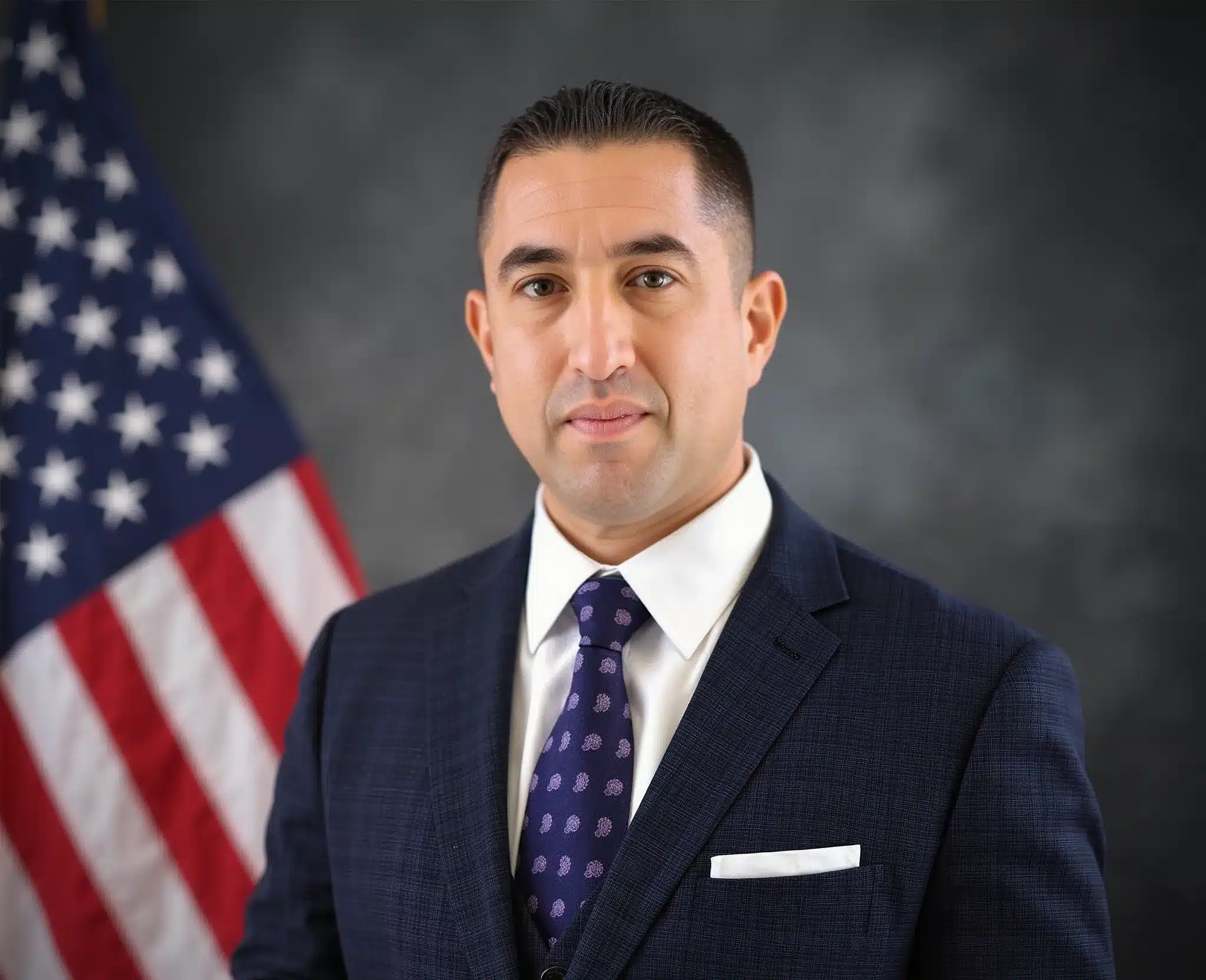
At the Law Office of Nabiel C. Ahmed, we know that being accused of robbery or burglary in Berkeley can feel overwhelming. You may worry about your family, your job, and your future every day. Our firm is committed to standing beside you from the moment you contact us until your case is resolved. We take the time to listen to your story, review the evidence carefully, and explain each step of the Alameda County court process in plain language. Our goal is to protect your rights, pursue the strongest possible outcome, and help you move forward with greater confidence.
Hiring the right criminal defense law firm can make a meaningful difference in how your Berkeley robbery or burglary case unfolds. The Law Office of Nabiel C. Ahmed focuses on criminal defense across Alameda and Contra Costa Counties, giving us a deep understanding of how local courts operate and how prosecutors approach violent and serious crime cases. We regularly appear in Bay Area courthouses and stay up to date on changes in California law that affect sentencing, diversion, and plea bargaining. This familiarity allows us to give honest advice about your options and realistic expectations about likely outcomes.
Clients who work with our firm appreciate our straightforward communication and commitment to their well-being. We understand that your case is not just a file—it is your life, your freedom, and your future. From the first consultation, we focus on learning about your background, your concerns, and your goals so that we can tailor a defense strategy that fits your situation. We are accessible, responsive, and proactive about keeping you informed. When you call 510-271-0010, you can expect a team that takes your charges seriously and works tirelessly to pursue the most favorable outcome the circumstances allow.
Every robbery and burglary case in Berkeley is different, but our firm follows a structured process designed to protect your rights and uncover every possible defense. From day one, we focus on gathering information, protecting you from harmful statements, and building a clear understanding of the evidence. We communicate with prosecutors, appear with you in court, and push for the most favorable terms available while also preparing for the possibility of trial. Throughout this process, we keep you informed, answer your questions, and help you weigh the benefits and risks of each decision, so you never feel left in the dark.
The first step in our Berkeley robbery and burglary defense process begins with an initial consultation, where we listen to your story and review any paperwork or information you already have. We explain the charges, potential penalties, and upcoming court dates so you know what to expect. Our team then obtains the official police reports and charging documents, evaluates bail or release issues, and begins planning for the arraignment. During this stage, we focus on protecting your rights, preventing damaging statements, and helping you show up prepared and confident for your first appearances in Alameda County court.
After you contact our office about a robbery or burglary case in Berkeley, we work to make sure you understand precisely what you are facing. We break down each charge, explain whether it may be considered a strike, and discuss possible sentencing ranges. We also identify urgent priorities, such as addressing bail, protecting your job or school status, and avoiding harmful communications with alleged victims or co-defendants. By explaining these issues in clear language and answering your questions, we help you approach the first phase of your case with greater clarity and less anxiety about the unknown.
Before your arraignment and early court hearings in Berkeley, we work to gather as much information as possible. This includes requesting police reports, charging documents, and any available evidence such as photos or videos. We also ask you to provide names of witnesses, copies of messages, and any other materials that might help your defense. With this information, we prepare arguments regarding bail or release conditions and begin identifying potential defenses. When you walk into court, you are not alone; you have a legal team that has already started building a strategy and is ready to speak on your behalf.
Once we have the initial discovery in your Berkeley robbery or burglary case, we move into a deeper investigation and negotiation phase. We analyze the evidence for inconsistencies, legal issues, and opportunities to challenge the prosecution’s version of events. Our team may consult with investigators, review surveillance footage, and interview witnesses. At the same time, we open discussions with the district attorney, presenting both legal and personal reasons why charges should be reduced or dismissed. Throughout this step, we keep you updated and involve you in evaluating any plea offers or strategic decisions about how to move forward.
During this stage, our focus is on testing the strength of the prosecution’s case. We carefully review police procedures, identification methods, and any searches that took place to determine whether your rights were violated. If appropriate, we file motions to suppress evidence, challenge identification lineups, or attack the legal sufficiency of the charges. We also use this time to build affirmative defenses, such as mistaken identity, lack of intent, or alibi. By thoroughly preparing in this way, we create leverage for negotiations and, if necessary, lay the groundwork for a strong trial presentation in Berkeley’s criminal courts.
While investigation is underway, we engage in ongoing discussions with the Alameda County District Attorney’s Office about your Berkeley robbery or burglary charges. We highlight weaknesses in the evidence, present mitigation materials, and advocate for outcomes that protect your future, such as reduced charges, non-strike resolutions, or alternatives to jail where appropriate. We also consider how plea offers may affect immigration status, employment, and other aspects of your life. Our goal is not simply to accept the first offer but to push for terms that reflect both the legal realities of the case and your personal circumstances, always with your informed consent.
In the final stage of your Berkeley robbery or burglary case, we either prepare intensively for trial or work to finalize a negotiated resolution, depending on what you decide after reviewing your options. If the matter proceeds to trial, we develop a clear theory of defense, prepare witnesses, and craft opening statements and cross-examinations. If a plea is reached, we focus on achieving the most favorable sentencing terms possible, presenting compelling mitigation to the judge. Whether your case ends in dismissal, plea, or verdict, we stand by you through each hearing and help you plan for what comes next.
When you decide to take a robbery or burglary case to trial in Berkeley, preparation becomes even more intensive. We refine our understanding of the evidence, identify themes that support your innocence or reduce your legal exposure, and anticipate how the prosecution will present its case. This includes preparing you for testimony if you choose to take the stand, working with defense witnesses to ensure they feel comfortable and ready, and preparing cross-examinations to challenge the credibility of prosecution witnesses. Jury selection, visual aids, and clear explanations of legal concepts all play a role in presenting your story effectively.
If your Berkeley robbery or burglary case resolves with a plea or conviction, sentencing advocacy becomes critical. We present the court with a full picture of who you are, including your family responsibilities, work history, education, health challenges, and steps you have taken toward rehabilitation. Letters of support, certificates from programs, and personal statements can all help. We argue for the least restrictive sentence that still satisfies legal requirements, seeking alternatives to lengthy incarceration when possible. We also discuss how to comply with probation terms, protect your record where feasible, and take steps that may help you move forward more successfully after the case ends.
If you are arrested for robbery or burglary in Berkeley, your first priority should be to protect your rights. Stay calm, be respectful, and clearly state that you want to remain silent and speak with a lawyer before answering questions. Do not discuss the facts of the case with officers, potential witnesses, or on social media, because anything you say can be used against you later. If possible, have a family member or friend contact a criminal defense attorney right away to begin guiding you through the process. Once you have legal representation, your lawyer can help you understand the charges, bail options, and upcoming court dates. The Law Office of Nabiel C. Ahmed can review your paperwork, contact the jail if necessary, and start obtaining police reports and evidence. Early legal involvement makes it easier to avoid missteps, preserve helpful information, and plan a strategy that fits your circumstances. Acting quickly can improve your chances of a more favorable outcome in Alameda County court.
Not everyone charged with robbery or burglary in Berkeley automatically goes to jail or prison, but potential custody time can be significant. Whether you face incarceration depends on many factors, including the specific charges, your prior record, whether any injuries or weapons are alleged, and how strong the evidence appears. Some people are released on bail or their own recognizance while the case is pending, while others may remain in custody until the case is resolved. The final sentence, if any, is influenced by plea negotiations and the judge’s decision at sentencing. A criminal defense lawyer can work to reduce or avoid custody by challenging the prosecution’s evidence, presenting mitigation, and exploring alternative resolutions. In some Berkeley cases, it may be possible to negotiate a reduced charge, a non-strike outcome, or a sentence focused on probation, counseling, or community-based options rather than lengthy incarceration. While no outcome can be guaranteed, having a dedicated legal advocate gives you a better chance of limiting or avoiding jail time where the facts and your background support that result.
A lawyer plays a central role in defending against robbery and burglary charges by analyzing the evidence, identifying legal issues, and presenting your story in a clear and persuasive way. In Berkeley cases, this often includes reviewing police reports, surveillance footage, and witness statements for inconsistencies or constitutional violations. An attorney can file motions to challenge unlawful searches, improper identification procedures, or statements taken in violation of your rights. They also investigate independently, interview witnesses, and gather records that may support defenses or cast doubt on the prosecution’s version of events. Beyond challenging the evidence, a lawyer helps you navigate the day-to-day realities of the Alameda County court system. They attend hearings with you, negotiate with prosecutors, and explain plea offers in detail so you understand the risks and benefits of each option. A strong defense strategy also involves mitigation: presenting information about your background, responsibilities, and efforts to change. This can influence both plea negotiations and sentencing, helping to reduce the long-term impact of a robbery or burglary accusation on your life, family, and future prospects.
Robbery and burglary are very different crimes under California law, even though people often confuse them. Robbery generally involves taking property directly from another person’s body or immediate presence, against their will, using force or fear. It is considered a violent crime because of the direct interaction with the alleged victim. Burglary, by contrast, typically involves entering a home, business, or other structure with the intent to commit theft or another felony inside, regardless of whether anyone is present. In Berkeley courts, robbery charges often carry higher potential penalties and may almost always be treated as serious or violent felonies. Burglary can be charged in different degrees depending on whether the structure is a residence or a commercial space and whether it was inhabited. Understanding the distinction between these charges is important, because it affects whether an offense counts as a strike, what sentencing range applies, and which defenses may be available. A careful review of the facts and the charging language can reveal opportunities to seek charge reductions or more favorable resolutions.
Many robbery charges and most residential burglaries are classified as serious or violent felonies under California’s Three Strikes law, meaning they can count as strikes on your record. A strike conviction can significantly increase potential sentences for any future felonies and may limit early release opportunities. In Berkeley, prosecutors often pursue strike-level charges aggressively, especially when allegations involve weapons, injuries, or vulnerable alleged victims. It is therefore important to know whether the charges you face are considered strikes and to discuss with your lawyer how to avoid or reduce those consequences. Not every burglary is automatically a strike, however. For example, some commercial burglaries may be charged in ways that do not carry strike status, depending on the facts and prior history. One important role of your attorney is to negotiate toward non-strike resolutions where possible, such as reductions to lesser offenses or adjustments to the charging language. By focusing on both the current case and your future exposure, a thoughtful defense strategy works to limit the long-term impact of any conviction arising from Berkeley robbery or burglary allegations.
Yes, in many Berkeley cases, robbery or burglary charges can be reduced or even dismissed, depending on the evidence and circumstances. Reductions may occur when there are weaknesses in identification, questions about intent, inconsistencies in witness statements, or problems with how police collected evidence. Sometimes negotiations result in a plea to a lesser offense that does not carry strike status or involves lower potential penalties. In other situations, pretrial motions may lead to suppression of key evidence, leaving the prosecution without enough proof to move forward. Dismissals are less common but do happen, particularly when evidence is weak, witnesses become unavailable, or constitutional violations seriously damage the case. Your lawyer’s job is to uncover and highlight these issues, while also presenting mitigation that makes prosecutors more open to reasonable resolutions. Every case is different, and no result can be guaranteed, but having a defense attorney who is thorough and persistent about identifying legal and factual problems gives you the best chance at a reduction or dismissal of robbery or burglary charges in Berkeley.
It is not unusual in robbery and burglary cases for alleged victims or witnesses to give incomplete, exaggerated, or inconsistent accounts of what happened. Stress, fear, and confusion can affect memory, and sometimes people have personal reasons for describing events in a way that favors their side. In Berkeley, your defense attorney can carefully compare different statements, look for contradictions, and investigate the background of key witnesses to uncover possible motives to lie or misremember. Surveillance video, phone records, and physical evidence can also be used to test whether their version of events fits the facts. Challenging witness credibility may involve cross-examination at hearings or trial, as well as presenting alternative witnesses and evidence that support your account. Your lawyer can also file motions to obtain additional records or limit the use of unreliable testimony. By methodically addressing these issues, the defense can weaken the prosecution’s case and create reasonable doubt. Even in plea negotiations, showing that witnesses are not entirely reliable can lead to better offers, reduced charges, or more favorable sentencing recommendations in your Berkeley robbery or burglary case.
Prior convictions can greatly affect how a robbery or burglary case is handled in Berkeley. If you have previous felonies, especially prior strikes or serious or violent offenses, prosecutors may seek longer sentences and be less willing to offer lenient plea deals. Prior theft-related convictions may also influence how the district attorney views your risk of reoffending. In some situations, sentencing laws require enhancements that add additional time based on prior records, making the stakes much higher than they would be for someone with a clean history. However, prior convictions do not automatically determine the outcome. A skilled defense attorney can look for ways to challenge or limit the impact of enhancements, argue that older convictions should be given less weight, and present evidence of how your life has changed since those earlier cases. Rehabilitation efforts, stable employment, family responsibilities, and community involvement can help counteract negative assumptions. In Alameda County courts, including those serving Berkeley, judges often consider both your past and your present, which is why presenting a full, updated picture of who you are is so important.
Your first court appearance in a Berkeley felony case, often called the arraignment, is where you are formally advised of the charges against you and your rights. The judge will ask whether you want an attorney and may appoint one if you qualify and do not already have private counsel. Bail or release conditions may be reviewed, and a not guilty plea is typically entered at this stage. The arraignment is usually brief, but it sets the foundation for everything that follows, so having a lawyer present is highly beneficial. After the arraignment, the court will schedule future dates for pretrial hearings, settlement conferences, or a preliminary hearing, depending on the type of case. Your attorney will begin requesting discovery, reviewing evidence, and exploring potential defenses and negotiation options. While you may not speak much during the arraignment, it is important to arrive on time, dress respectfully, and avoid discussing the facts of the case in hallways or near law enforcement. With guidance from the Law Office of Nabiel C. Ahmed, you can approach your first appearance with greater understanding and preparation.
The cost of hiring a robbery and burglary lawyer in Berkeley varies depending on factors such as the complexity of the case, the seriousness of the charges, whether there are multiple defendants, and how far the case is likely to proceed. Cases that require extensive investigation, many court appearances, or a trial generally involve higher fees than those resolved earlier through negotiations. At the Law Office of Nabiel C. Ahmed, we discuss fees openly, provide written agreements, and work with clients to find options that reflect the work required and the realities of their financial situation. During an initial consultation, you can ask questions about expected costs, payment schedules, and what services are included. Some clients value flexible payment arrangements, while others prioritize intensive trial preparation. We believe it is important for you to understand not just the legal aspects of your Berkeley robbery or burglary case, but also the financial commitment involved. By having a clear conversation at the beginning, you can make informed decisions about representation and feel more comfortable with the process as your case moves forward.
"*" indicates required fields