
Facing a weapons charge in Ashland can turn your life upside down in an instant. Allegations involving firearms, knives, or other prohibited weapons bring the risk of jail, fines, restraining orders, and a permanent criminal record that can follow you for years. The Law Office of Nabiel C. Ahmed defends individuals accused of weapons offenses throughout Alameda County, with a strong focus on protecting your rights at every stage. If you or a loved one has been arrested or is under investigation, quick action and informed legal guidance can make a meaningful difference.
Weapons charges in Ashland often arise from traffic stops, domestic disputes, or misunderstandings about possession and use of firearms. Many people charged had no intention of harming anyone yet still face serious consequences under California’s complex gun and weapons laws. Our firm works to evaluate the facts, challenge unlawful searches, and look for ways to reduce or dismiss charges where possible. We explain each step in clear language, so you understand your options and can make decisions with confidence about how to proceed.
Defending a weapons case in Ashland involves far more than just showing up for court dates. California imposes strict rules on who may possess weapons, where they may be carried, and how they may be used, and violations are often treated aggressively by prosecutors. Having a focused defense can help protect your freedom, employment, immigration status, and future opportunities. A careful review of police conduct, search warrants, prior convictions, and alleged threats or violence can uncover defensive strategies. With the right approach, some cases can be diverted, reduced, or resolved in a way that avoids the harshest penalties and limits long‑term damage.
The Law Office of Nabiel C. Ahmed is a criminal defense practice serving Ashland, Alameda County, and the surrounding East Bay communities from our Oakland location. Over many years, our firm has handled a wide range of violent and serious crime allegations, including weapons offenses, assault charges, and domestic violence cases. We understand how local judges, prosecutors, and probation departments tend to approach these matters. That local insight allows us to give realistic guidance about the risks you face and the possible resolutions. We aim to provide direct communication, thorough case preparation, and determined advocacy from the first consultation through final resolution.
Weapons crimes in Ashland fall under a broad category of California laws that regulate firearms, ammunition, knives, and other dangerous items. Charges can involve alleged unlawful possession, carrying a concealed weapon, having a firearm as a prohibited person, using a weapon during another offense, or brandishing a weapon in a threatening manner. These cases are often fact‑specific, turning on where the weapon was found, who actually possessed it, and whether there was any intent to use it. The circumstances of the stop, search, or arrest in Alameda County can strongly influence both the strength of the prosecution’s case and the defenses available to you.
California’s weapons laws also interact with other areas of criminal law, such as gang enhancements, strike offenses, domestic violence, and probation or parole violations. A simple possession allegation can suddenly become much more serious if the prosecution claims the weapon was used to threaten someone, linked to another felony, or possessed by someone with a prior conviction. Understanding the full picture is important before making decisions about plea offers or going to trial. Our firm works to break down the legal issues in understandable terms, helping Ashland residents see how state law applies to the unique facts of their situation.
In California, weapons offenses cover much more than illegal firearms. They include charges involving unregistered or loaded guns, concealed firearms carried without a permit, possession of certain knives or batons, and even items that become weapons based on how they are allegedly used. Charges may arise if a person prohibited from owning a firearm is found with one, if someone carries a gun in a prohibited place, or if an object is brandished in a way that causes fear. Each category has its own legal elements that the prosecution must prove, and those details create many potential avenues for defense in an Ashland courtroom.
Weapons cases typically focus on whether you knowingly possessed the item, whether it meets the legal definition of a weapon, and whether any aggravating factors apply, such as gang ties or prior convictions. The case often begins with an arrest or citation, followed by an arraignment in Alameda County Superior Court. From there, your attorney can request police reports, body‑cam footage, and forensic records to evaluate the strength of the case. Pretrial motions may challenge the legality of a search, the admission of statements, or certain enhancements. Understanding this process helps you anticipate what to expect and how long your Ashland case may take.
Weapons laws use technical language that can be confusing when you are already under stress from an arrest. Terms like concealed carry, prohibited person, enhancement, and brandishing all have specific meanings that affect how your case is charged and punished. Having clarity about these concepts makes it easier to understand plea offers, sentencing ranges, and what the prosecution must prove. Below are a few frequently used terms in Ashland weapons cases that often appear in charging documents, police reports, and courtroom discussions, along with plain‑language explanations to help you follow what is happening with your case.
Concealed carry refers to having a firearm hidden on your person or within your immediate reach, such as under a seat or in a bag, rather than openly visible. California law generally requires a valid permit to legally carry a concealed handgun, and even then there are restrictions on where it may be carried. In Ashland, many charges arise when a gun is found during a traffic stop or pat‑down search, and the officer claims it was concealed. Whether the weapon was truly concealed, and whether the search was lawful, can be central issues in defending this type of case.
A prohibited person is someone who is not allowed by law to own, possess, or purchase firearms or ammunition. This category can include individuals with certain felony convictions, some domestic violence misdemeanors, active restraining orders, or particular mental health findings. When a prohibited person is accused of having a gun or ammunition in Ashland, prosecutors may seek harsher penalties and sometimes additional charges. Determining whether you legally fall into this category, and whether the weapon actually belonged to or was controlled by you, is often a critical issue in mounting a strong defense to the allegations.
Brandishing a weapon involves displaying a firearm or other dangerous object in a threatening or angry way, often during an argument, confrontation, or road‑rage incident. Under California law, a person may be charged even if the weapon is never fired or used to cause physical harm; the act of drawing or exhibiting it in a menacing manner can be enough. In Ashland, these charges frequently arise from neighbor disputes, bar incidents, or family conflicts. Witness statements, video footage, and the context of the encounter can significantly impact whether the conduct truly meets the legal definition of brandishing.
A sentence enhancement is an additional penalty that can be added on top of the base punishment for a crime when certain factors are present, such as using a firearm during a felony or having prior strike convictions. In weapons cases, enhancements can dramatically increase potential jail or prison time if the prosecution claims a gun was used to threaten someone or was linked to gang activity. For Ashland residents, understanding whether enhancements apply is important when evaluating plea offers and trial risks. Challenging the underlying facts of an enhancement can sometimes reduce exposure to lengthy incarceration.
When facing a weapons charge in Ashland, you may have multiple ways to resolve the case, ranging from early plea agreements to filing motions or pursuing a jury trial. Some people prefer a faster resolution to limit stress and uncertainty, while others want to fully contest the charges and seek dismissal. Each option carries different risks and benefits depending on the strength of the evidence, prior record, and goals regarding immigration, employment, or professional licensing. Taking time to carefully compare these paths can help you choose a strategy that balances immediate needs with your long‑term future in Alameda County.
In some Ashland weapons cases, the evidence may be straightforward, the offense relatively minor, and the potential punishment limited. For example, a first‑time nonviolent gun possession charge with no enhancements may lend itself to a more limited defense strategy focused on negotiating a reasonable plea or diversion. In these situations, extensive litigation may not be necessary to achieve a fair outcome. Instead, targeted negotiations and careful presentation of mitigating factors—such as employment history, family responsibilities, or completion of counseling—can sometimes secure a resolution that avoids extended custody and helps protect your future opportunities.
A limited approach may also be appropriate when there are strong mitigating circumstances that make prosecutors more open to compromise. Perhaps the weapon was never displayed, there was no allegation of threats, or the item was discovered during a misunderstanding. In Ashland, judges and prosecutors sometimes consider reduced charges when the person shows responsibility, participates in treatment or education programs, and demonstrates a commitment to avoiding future trouble. In such cases, focusing on mitigation rather than a heavily contested trial can help achieve a balanced outcome that reflects both the facts of the incident and the person’s broader life story.
A comprehensive defense becomes especially important when you face significant jail or prison exposure, such as allegations of using a firearm during another felony, gang‑related enhancements, or prior strikes on your record. In Ashland, these cases can carry lengthy sentences and lasting consequences, making thorough investigation vital. This approach may involve challenging the legality of searches, questioning witness accounts, consulting forensic or ballistics professionals, and filing pretrial motions to suppress evidence. Careful preparation can uncover weaknesses in the prosecution’s case, create leverage for more favorable negotiations, or lay the groundwork for presenting a persuasive defense at trial if necessary.
Even when jail time is not the main concern, a weapons conviction in Ashland can affect employment, professional licensing, housing, and immigration status. Non‑citizens may face removal or denial of future applications, while others risk losing security‑sensitive jobs or the ability to work in certain fields. In these situations, a comprehensive defense looks beyond the immediate case to consider long‑term consequences. That can mean seeking charge reductions, alternative dispositions, or sentencing terms that lessen collateral damage. By focusing on the bigger picture, your defense can be tailored to protect not only your freedom today but also your opportunities in the years ahead.
A comprehensive defense in a weapons case means examining every aspect of the situation instead of accepting the initial story in the police report. This includes reviewing body‑cam footage, 911 calls, and witness statements, as well as looking into whether officers respected your constitutional rights. In Ashland, thorough preparation can reveal inconsistencies, improper searches, or overcharged allegations. The benefit of this approach is that it often opens up more options, from motions to dismiss evidence to stronger bargaining positions with prosecutors, giving you a better chance at a resolution that fits the actual facts of what happened.
Another advantage of a comprehensive strategy is the ability to tell your side of the story in a meaningful way. Weapons cases often arise from chaotic moments and misunderstandings, and a bare police narrative rarely captures your background, intentions, or positive contributions to your family and community. By gathering character letters, work records, treatment documentation, and other supportive information, your defense can present a fuller picture to the court. In Ashland, this broader view can influence how judges and prosecutors assess risk, remorse, and rehabilitation, sometimes leading to reduced charges, alternative sentencing, or other constructive outcomes.
When your defense leaves no stone unturned, it often exposes issues that the prosecution would rather avoid arguing about in front of a jury. This can include questionable search warrants, conflicting witness statements, or unclear evidence about who actually possessed the weapon. In Ashland, demonstrating that you are prepared to fully contest the case can encourage more reasonable plea offers and sometimes lead to dismissals of certain counts or enhancements. If negotiations do not produce an acceptable outcome, the work already invested puts you in a stronger position to proceed to trial with a well‑developed strategy.
A weapons conviction on your record can raise questions for employers, landlords, licensing boards, and immigration authorities for many years. A comprehensive defense in Ashland takes these long‑term impacts into account from the start. By exploring charge reductions, alternative pleas, diversion programs, or sentencing structures that may later be eligible for relief, your defense can aim to limit the damage to your record. This forward‑thinking approach helps you preserve opportunities for work, schooling, and family stability, rather than focusing only on the immediate pressures of the court process and the next hearing date.


After a weapons arrest in Ashland, many people feel pressured to explain themselves to officers, believing it will clear up misunderstandings. Unfortunately, statements made in the heat of the moment can later be used in court and sometimes taken out of context. You have the right to remain silent and to request an attorney before answering questions. Politely providing basic identification information is usually required, but you do not need to discuss the incident, your weapon, or where it came from. Exercising your rights early can prevent avoidable damage to your case down the road.
Even if you believe the weapons charge is a misunderstanding or that the situation will work itself out, it is important to treat the case seriously from the very beginning. Missing court dates, ignoring release conditions, or posting about the incident on social media can create additional problems in Ashland and may hurt your credibility. Instead, attend all hearings, comply with any court orders, and keep detailed notes about what occurred. Staying organized and proactive gives your defense team better tools to work with and can help position your case for the best possible resolution in Alameda County.
Weapons charges often come as a shock, especially for people who have never been in trouble before or who believed they were following the law. Even a single mistake or misunderstanding can lead to arrest, booking, and court dates in Alameda County. Many Ashland residents seek legal help because they feel overwhelmed by complex gun statutes, potential jail time, and questions from family or employers. Having a defense team in your corner can provide clarity, guidance, and a sense of direction while the case is pending, helping you make decisions that protect your future.
Others turn to a defense lawyer because of the high stakes involved with violent and serious crime classifications. A conviction for a weapons offense can influence future charges, impact immigration status, and place long‑term restrictions on firearm rights. For some, the main concern is avoiding incarceration; for others, it is preserving their ability to work, support loved ones, and remain in the United States. Whatever your priorities, discussing your Ashland case with a criminal defense firm allows you to understand realistic outcomes, potential defenses, and the strategies available to safeguard what matters most to you.
Weapons allegations in Ashland rarely arise out of nowhere. They often stem from everyday situations that suddenly escalate into police involvement. Traffic stops, noise complaints, neighbor disputes, and domestic arguments can all lead officers to investigate and search for weapons. Sometimes a call about one issue results in officers discovering a firearm, ammunition, or knife, and charges follow even if no one was hurt. Understanding the typical fact patterns in these cases helps explain how you ended up facing charges and can guide the defense strategy used to challenge or minimize the accusations in Alameda County court.
Many Ashland weapons cases begin with a simple traffic stop for an alleged equipment problem, speeding, or a minor violation. During the stop, officers may claim to smell substances, see suspicious movements, or notice items in plain view, leading them to search the vehicle. Guns or other weapons found during these encounters frequently form the basis for charges such as concealed weapon possession or possession by a prohibited person. A strong defense often focuses on whether the stop was lawful, whether consent was truly given for the search, and whether the weapon actually belonged to or was controlled by the driver.
Another common scenario in Ashland involves domestic disputes where someone calls 911 during an argument or emotional moment. When police arrive, they may separate the parties, search the home for safety reasons, and ask about firearms or other weapons. Even without physical injuries, the presence of a weapon can lead to charges for alleged threats, brandishing, or unlawful possession, especially if there are prior incidents or restraining orders. These cases can be complicated by conflicting stories, fear, and family dynamics. Defense in such situations often requires careful attention to witness statements and the exact words used during the incident.
Weapons charges also arise from public confrontations in places like parking lots, bars, stores, or parks in and around Ashland. A heated argument can lead someone to call the police, claiming a gun or other weapon was shown or threatened, even when no physical harm occurred. Sometimes what one person perceives as a threat was meant as self‑defense or was never displayed at all. Surveillance video, cell‑phone footage, and third‑party witness accounts can become very important in these cases. The defense may focus on whether the prosecution can truly prove a weapon was used in the way alleged.
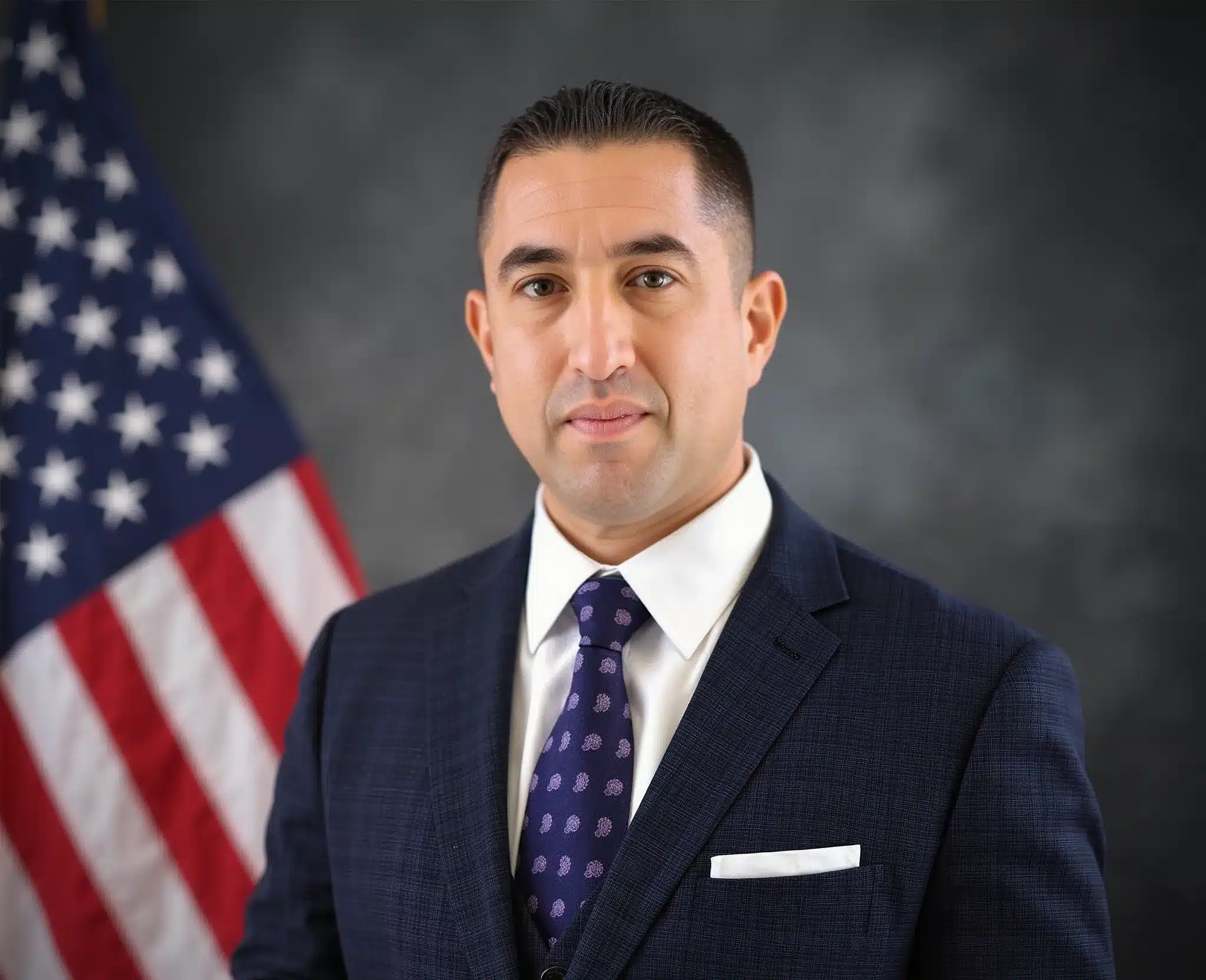
The Law Office of Nabiel C. Ahmed is committed to defending individuals in Ashland and throughout Alameda County who are facing weapons accusations. We understand the stress that comes with an arrest and the uncertainty of navigating the criminal justice system. From our Oakland office, we provide guidance at every stage, from the first court appearance to negotiations and, when needed, trial. Our goal is to listen to your concerns, explain your options in plain language, and work toward a result that protects your rights and future. You do not have to face a weapons charge alone.
Choosing a defense firm for a weapons charge is a personal decision, and you deserve a team that understands both the law and the local landscape. Our Oakland‑based practice focuses on criminal defense in Alameda and Contra Costa counties, including Ashland. We have handled many cases involving firearms, knives, and other alleged weapons, giving us insight into how local prosecutors and judges view these matters. We prioritize open communication, so you know what is happening with your case, what options you have, and what steps we are taking on your behalf at each stage of the process.
Our firm also understands that a weapons charge affects more than just the courtroom—it touches your family, job, and reputation. We work to gather mitigation, explore alternative resolutions, and seek outcomes that reflect your full story rather than just a snapshot of one difficult day. Whether we are challenging the legality of a search, negotiating to reduce enhancements, or preparing for trial, our focus is on protecting your rights and striving for the most favorable resolution available. For Ashland residents, having a committed defense team nearby in Oakland can make navigating this stressful time more manageable.
From the moment you contact the Law Office of Nabiel C. Ahmed about an Ashland weapons charge, our firm begins gathering information to understand the full picture of your situation. We review police reports, charging documents, and any available video or witness statements. We then discuss your goals and concerns, whether they involve avoiding custody, protecting immigration status, or limiting the impact on work and family. Throughout the case, we keep you informed of developments, explain options in understandable terms, and collaborate with you on strategy, whether that means negotiation, motions, or preparing for trial in Alameda County.
The process usually begins with a confidential consultation, either by phone, video, or in person at our Oakland office. During this meeting, we gather details about the incident in Ashland, your background, and any prior criminal history. We review the charges, potential penalties, and upcoming court dates, giving you an overview of what to expect. We also discuss immediate concerns such as bail, protective orders, and conditions of release. This first step is your opportunity to ask questions and for us to identify urgent issues, time‑sensitive evidence, and potential defenses that deserve early attention.
Understanding who you are and what matters most to you is central to building a defense strategy. During the initial stage, we talk about your family responsibilities, employment, immigration status, and long‑term goals. A weapons charge can have different consequences depending on your life circumstances; what is acceptable for one person might not work for another. In Ashland cases, this may guide whether we focus on avoiding jail, minimizing felony exposure, or securing an outcome with fewer long‑term restrictions. By learning your story, we can tailor our approach to align with your priorities.
Early in the representation, we ask you to gather any documents or information that could impact the case, such as the citation, release papers, contact details for witnesses, and any footage or messages related to the incident. At the same time, we request discovery from the prosecution, including police reports, body‑cam video, and 911 recordings. For Ashland matters, moving quickly can be important because some evidence, like surveillance video, may be erased or lost. This early evidence‑gathering phase helps us spot weaknesses, identify possible motions, and begin shaping a strategy while details remain fresh.
Once we understand the basic outline of your Ashland weapons case, we move into a deeper investigation and begin exploring legal challenges. This may involve interviewing witnesses, visiting the scene, reviewing recordings, and examining the legality of the stop, search, or seizure. We file appropriate motions to suppress evidence or challenge enhancements when warranted. As the evidence picture becomes clearer, we engage in discussions with prosecutors about possible resolutions. Throughout this phase, we keep you updated on new information, potential plea offers, and the advantages and disadvantages of each available path forward.
A significant part of defending weapons charges involves analyzing how law enforcement handled the encounter. We look at whether officers had a lawful reason to stop you, whether they exceeded the scope of any consent, and whether they respected your constitutional rights. In Ashland, vehicle and home searches often provide opportunities for legal challenges, especially if the supposed justification for the search is thin or unsupported. By reviewing reports, video, and statements carefully, we determine whether motions to suppress evidence are appropriate, which can sometimes lead to reduced charges or even dismissal of the case.
While investigation and motions are underway, we also work to negotiate with the district attorney in Alameda County. Presenting mitigating evidence—such as employment records, treatment participation, and family responsibilities—can sometimes persuade prosecutors to consider reduced charges, dismissed enhancements, or alternative sentencing. For Ashland residents, a negotiated resolution may help avoid the risks of trial while still protecting important interests like immigration status or professional licensing. We discuss each offer with you in detail, explaining the consequences and how it compares with the risks of continuing litigation, so you can make informed decisions about your future.
If your Ashland case does not resolve through early negotiations, we shift our focus to trial preparation while keeping the door open for constructive offers. Trial preparation involves organizing witnesses, refining legal arguments, preparing exhibits, and anticipating the prosecution’s evidence. We work closely with you so you understand what to expect in court, including jury selection, testimony, and possible outcomes. Even at this stage, continued negotiations may result in last‑minute agreements. Whether your case resolves through a plea or a verdict, our goal is to ensure you are fully informed and that your rights remain protected throughout the process.
Appearing in court can be intimidating, especially if you have never been through a trial before. We take time to walk you and any defense witnesses through what to expect, including how questions are asked, how to stay calm under pressure, and how to communicate clearly and truthfully. For Ashland cases, we may also conduct mock examinations or review key topics in advance, so everyone feels more comfortable. This preparation helps make sure your side of the story is presented in a clear and organized way, giving the judge or jury a better understanding of the events.
At trial, the defense strategy comes together through opening statements, cross‑examination of prosecution witnesses, and presentation of defense evidence. In weapons cases, this may involve highlighting gaps in the chain of custody, questioning how the weapon was discovered, or challenging witness credibility. Where appropriate, the defense may call witnesses or present other evidence that supports your account of what happened in Ashland. Throughout the trial, we emphasize the prosecution’s burden to prove every element beyond a reasonable doubt. The goal is to give jurors a clear, reasoned basis to question the charges and consider a not‑guilty verdict.
If you are arrested for a weapons offense in Ashland, the most important step is to stay calm and avoid arguing with officers. Provide basic identification if required, but do not answer questions about the incident, the weapon, or where it came from. Clearly state that you wish to remain silent and that you want to speak with an attorney. Anything you say can be used against you later, even if you think it sounds harmless at the time. After you are released or allowed to make a phone call, contact a criminal defense law firm as soon as possible. Early legal guidance can help protect your rights at arraignment, address bail or release conditions, and begin preserving evidence. It is also wise to avoid discussing the case on social media or with anyone other than your attorney, since those conversations can sometimes be discovered and used in court. Acting quickly and carefully gives your defense team more tools to work with.
In many Ashland weapons cases, there are opportunities to seek reductions or even dismissals, depending on the facts and your background. Factors such as whether the weapon was loaded, whether there were threats or injuries, and whether you have prior convictions all play a role. If there are legal issues with the stop or search, your attorney may file motions to suppress evidence, which can weaken the prosecution’s case and improve the chances of a better outcome. Prosecutors may also agree to reduce charges or enhancements when presented with strong mitigation, such as steady employment, family responsibilities, or participation in counseling or education programs. In some situations, alternative dispositions like diversion or deferred entry of judgment may be options, especially for those with little or no criminal history. Each case is unique, so a careful review of the evidence and your goals is necessary to evaluate what reductions or dismissals may be realistically achievable in Alameda County.
A weapons conviction can have serious immigration consequences, particularly for non‑citizens living in Ashland and the greater East Bay. Certain firearms and violent crime convictions may be considered deportable offenses or crimes involving moral turpitude, which can lead to removal, denial of naturalization, or difficulty obtaining future immigration benefits. Even a plea to what seems like a minor offense can create long‑term problems if the immigration impact is not thoughtfully addressed before the case is resolved. Because the intersection of criminal law and immigration law is complex, it is important to inform your defense lawyer about your status and any pending applications. Your attorney can then consider immigration‑safe plea options and may, when appropriate, consult with an immigration lawyer. The goal is to find a resolution that minimizes immigration risk while still addressing the criminal charges. Acting early and being open about your status gives your legal team the best chance to protect you on both fronts.
The penalties for a weapons offense in Ashland depend on the specific charge, whether it is filed as a misdemeanor or felony, and whether enhancements apply. Consequences can range from probation with community service or classes to county jail or state prison time. Fines, firearm restrictions, restraining orders, and mandatory counseling are also common. For more serious allegations involving use of a weapon during another felony or prior strike convictions, exposure to substantial prison sentences can increase significantly. In addition to direct penalties, a weapons conviction can create collateral consequences, such as difficulty finding employment, losing certain professional licenses, or facing immigration issues for non‑citizens. Judges consider many factors at sentencing, including the circumstances of the offense, your criminal history, and mitigation such as work history or family responsibilities. A focused defense strategy in Alameda County aims to reduce the level of the charge, avoid enhancements, and present strong mitigation to limit the severity of any sentence imposed.
Whether police need a warrant to search your car for a weapon depends on the circumstances. In many Ashland cases, officers rely on exceptions to the warrant requirement, such as probable cause to believe a crime is occurring, consent to search, or safety concerns during a traffic stop. They may claim to see a weapon in plain view, smell substances, or observe behavior they believe justifies a search. However, not every search is lawful, and courts often examine the details closely to determine if officers acted within the law. If a weapon is found during a questionable search, your attorney can file a motion to suppress, asking the judge to exclude the evidence from trial. Success on such a motion can weaken the prosecution’s case and sometimes lead to reduced charges or dismissal. Because search‑and‑seizure law is complex, it is important to share all details about the stop and search with your lawyer, including what the officers said and how you responded, so they can evaluate possible challenges.
Prior convictions can significantly affect a weapons case in Alameda County. Prosecutors may seek harsher penalties or additional charges if they believe you have a history of similar offenses or serious felonies. Certain prior convictions can make it illegal for you to possess firearms or ammunition at all, turning a simple possession allegation into a felony offense. Prior strikes or gang allegations can also trigger sentence enhancements that dramatically increase potential prison time. At the same time, not all prior convictions carry the same weight, and some may be old, unrelated, or subject to relief such as expungement or reclassification. A thoughtful defense strategy looks at your full record to see if there are ways to minimize the impact of prior cases. Your attorney may also present evidence of rehabilitation, such as steady work, treatment, or support for your family, to show that past mistakes do not define who you are today when the court evaluates sentencing options.
It is common for people charged with weapons offenses to insist that the weapon belonged to someone else. In Ashland, prosecutors must prove not only that a weapon was found but that you knowingly possessed or controlled it. This can be complicated in situations involving shared vehicles, shared living spaces, or social gatherings where multiple people had access. The exact location of the weapon, fingerprints, DNA, and statements from others can all influence whether the prosecution can establish possession beyond a reasonable doubt. Your defense may focus on showing lack of knowledge, lack of control, or reasonable alternative explanations for the weapon’s presence. Witness testimony, text messages, and other evidence can sometimes support your account. Even if possession is disputed, your statements to police and others can strongly affect how the case unfolds, which is why exercising your right to remain silent is so important. A careful review of the evidence is necessary to determine the best way to challenge the possession element in court.
Many people believe that explaining their side of the story to police will clear up misunderstandings, especially if they feel they acted responsibly or in self‑defense. However, in weapons cases, statements made without legal guidance often end up helping the prosecution more than the defense. Officers are trained to ask questions that may elicit admissions or inconsistencies, and these statements can later be used in court. Even seemingly minor comments about ownership, where the weapon was stored, or what you intended to do can be taken out of context. Instead of trying to talk your way out of an arrest in Ashland, it is usually wiser to politely invoke your right to remain silent and request an attorney. Once you have legal representation, your attorney can decide whether it makes sense to provide information to prosecutors, and if so, how and when to do it. This approach helps protect you from unintentionally strengthening the case against you while still allowing room for constructive negotiations later on.
The length of a weapons case in Ashland can vary widely depending on the complexity of the charges, the court’s schedule, and whether you choose to go to trial. Some cases resolve within a few months, particularly if the evidence is straightforward and both sides are motivated to reach an agreement. Others can take a year or longer, especially when there are serious charges, extensive discovery, or contested motions about search and seizure issues. Your attorney will typically attend multiple court appearances, known as pretrial hearings, to address discovery, motions, and negotiations. During this time, you may be required to appear as well, although sometimes your presence can be waived. While waiting for the case to move forward can be stressful, the time is often used to investigate, file motions, and build mitigation. Being patient and staying engaged with your defense team can help ensure that the case is handled thoroughly rather than rushed to an unfavorable resolution.
The Law Office of Nabiel C. Ahmed assists individuals facing weapons charges in Ashland by providing focused criminal defense representation tailored to the circumstances of each case. We review the legality of the stop and search, examine police reports and video, and identify potential defenses or mitigating factors. Our firm guides you through each court appearance, explains your options in clear terms, and works to protect your rights while addressing concerns about jail time, employment, and immigration. Beyond the courtroom, we also help you understand the broader impact of a weapons case on your life and explore strategies to limit long‑term harm. This may involve seeking reduced charges, negotiating to avoid certain enhancements, or pursuing alternative sentencing where appropriate. Serving Alameda and Contra Costa counties from our Oakland office, we are committed to standing by Ashland residents during one of the most challenging experiences they may ever face, striving for the most favorable resolution the circumstances allow.
"*" indicates required fields